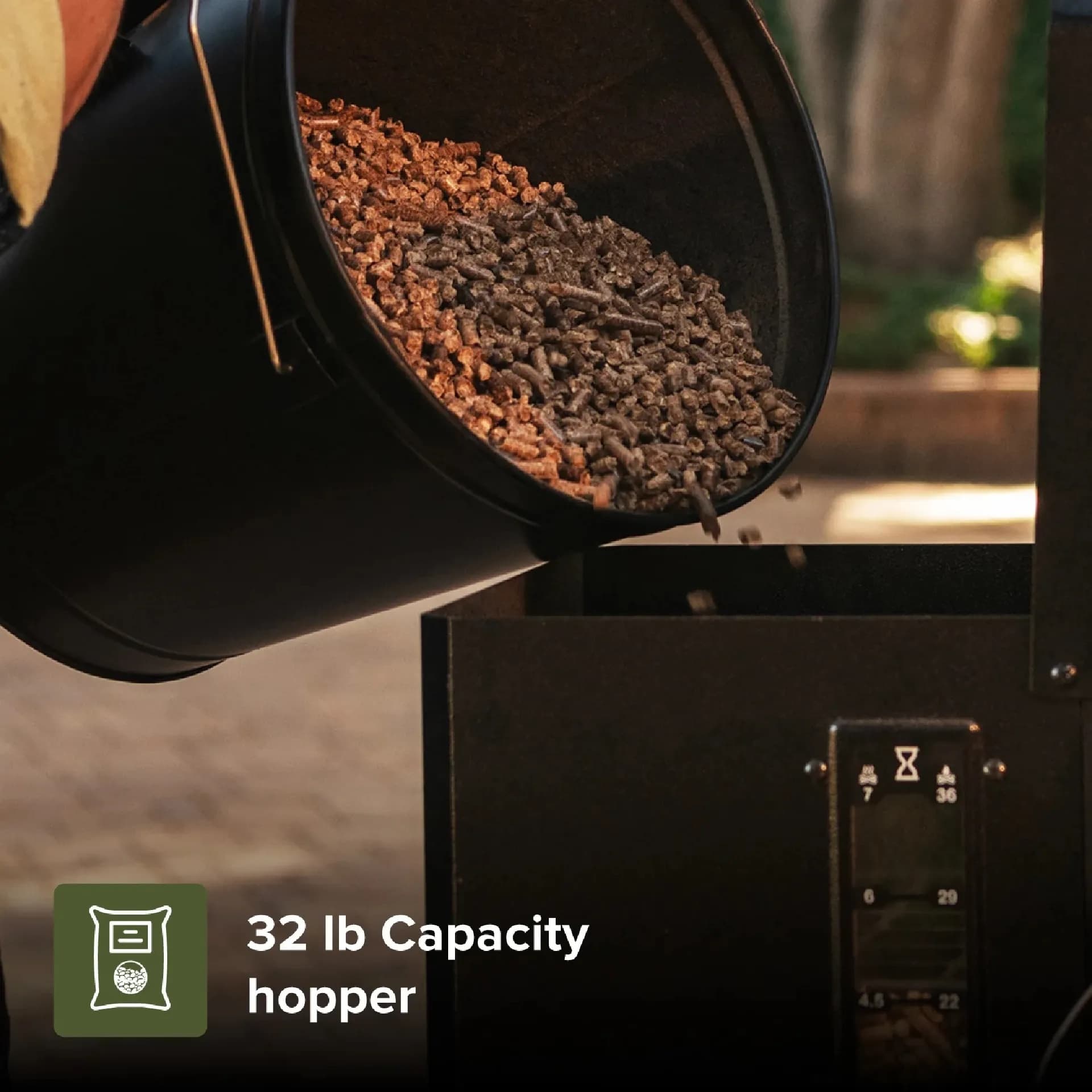
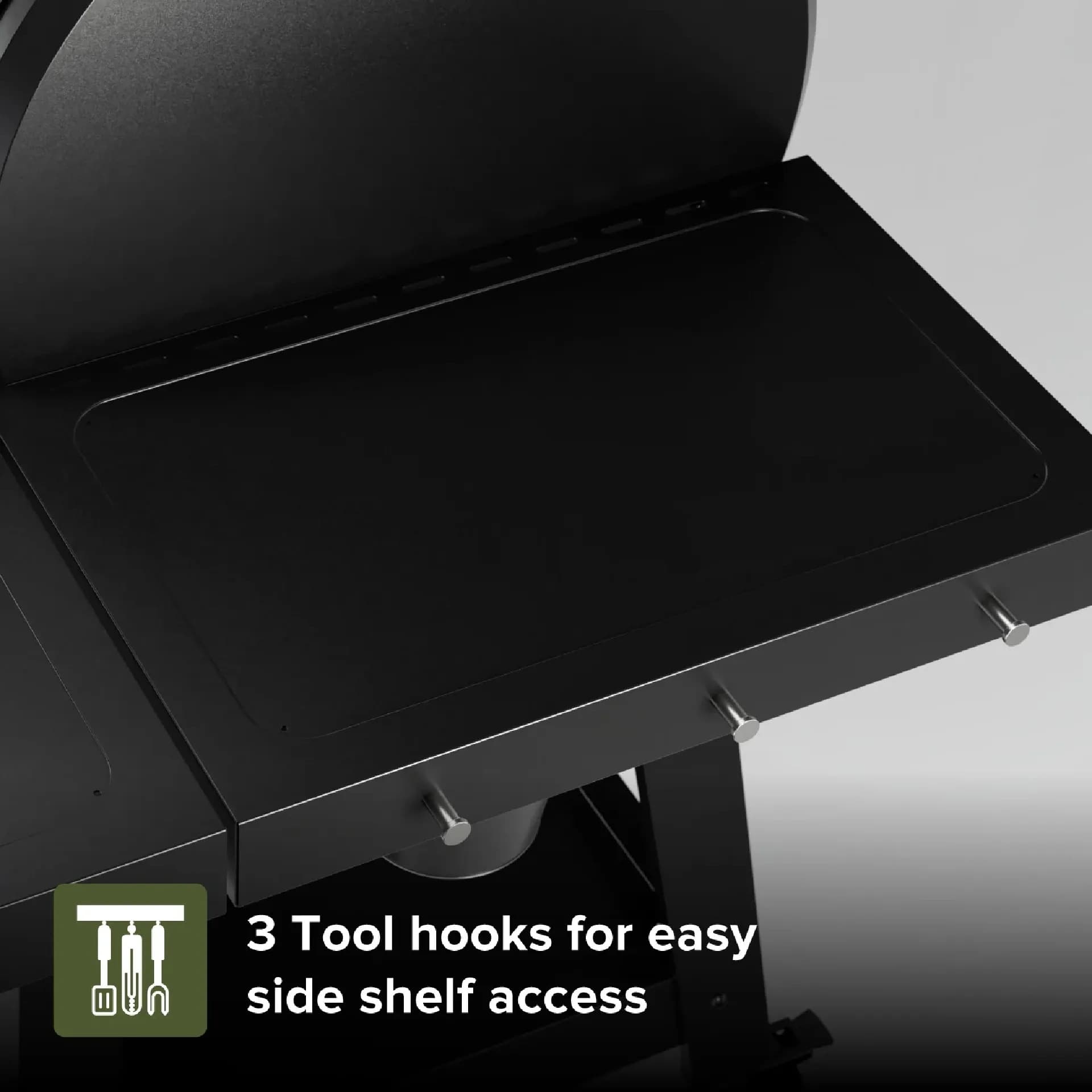
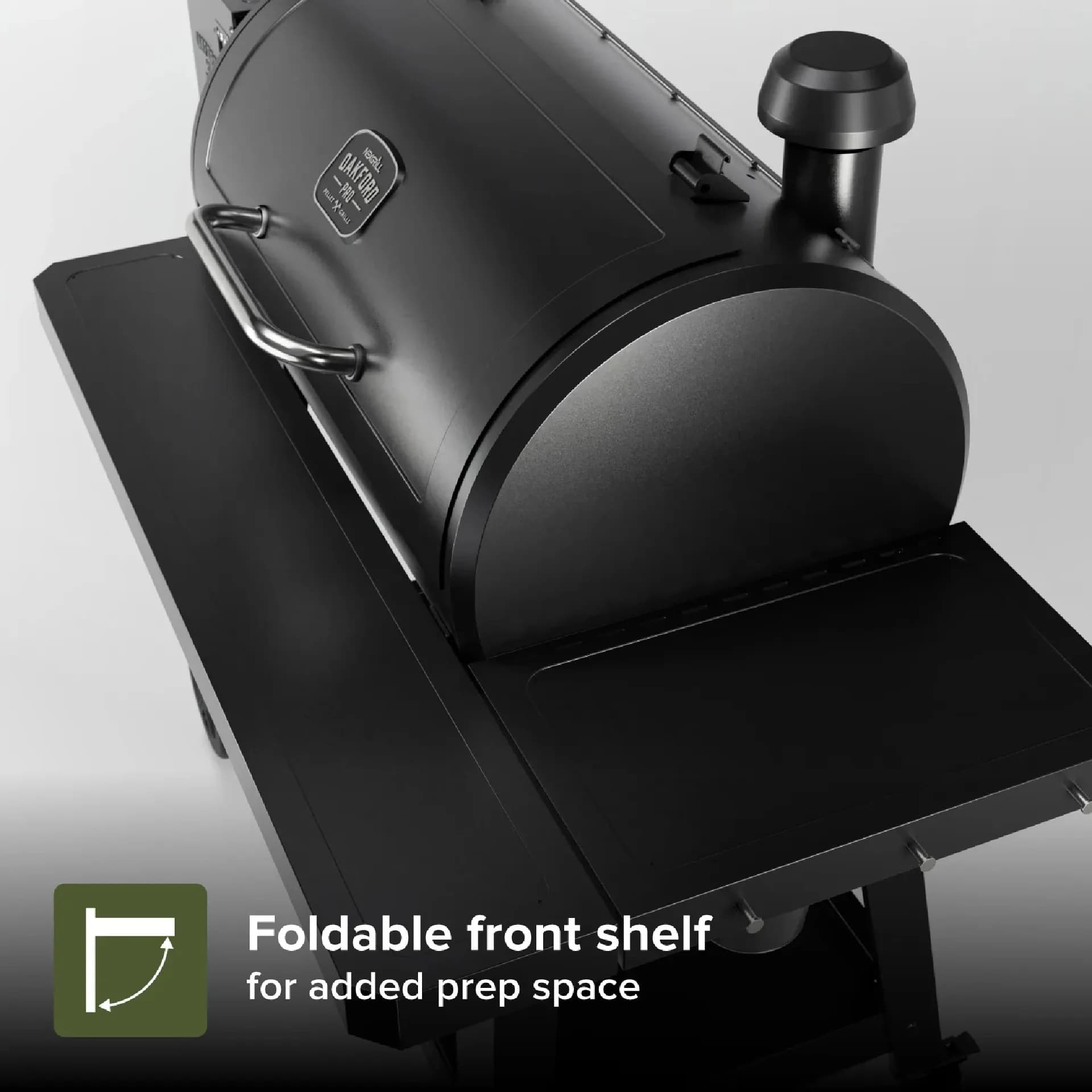
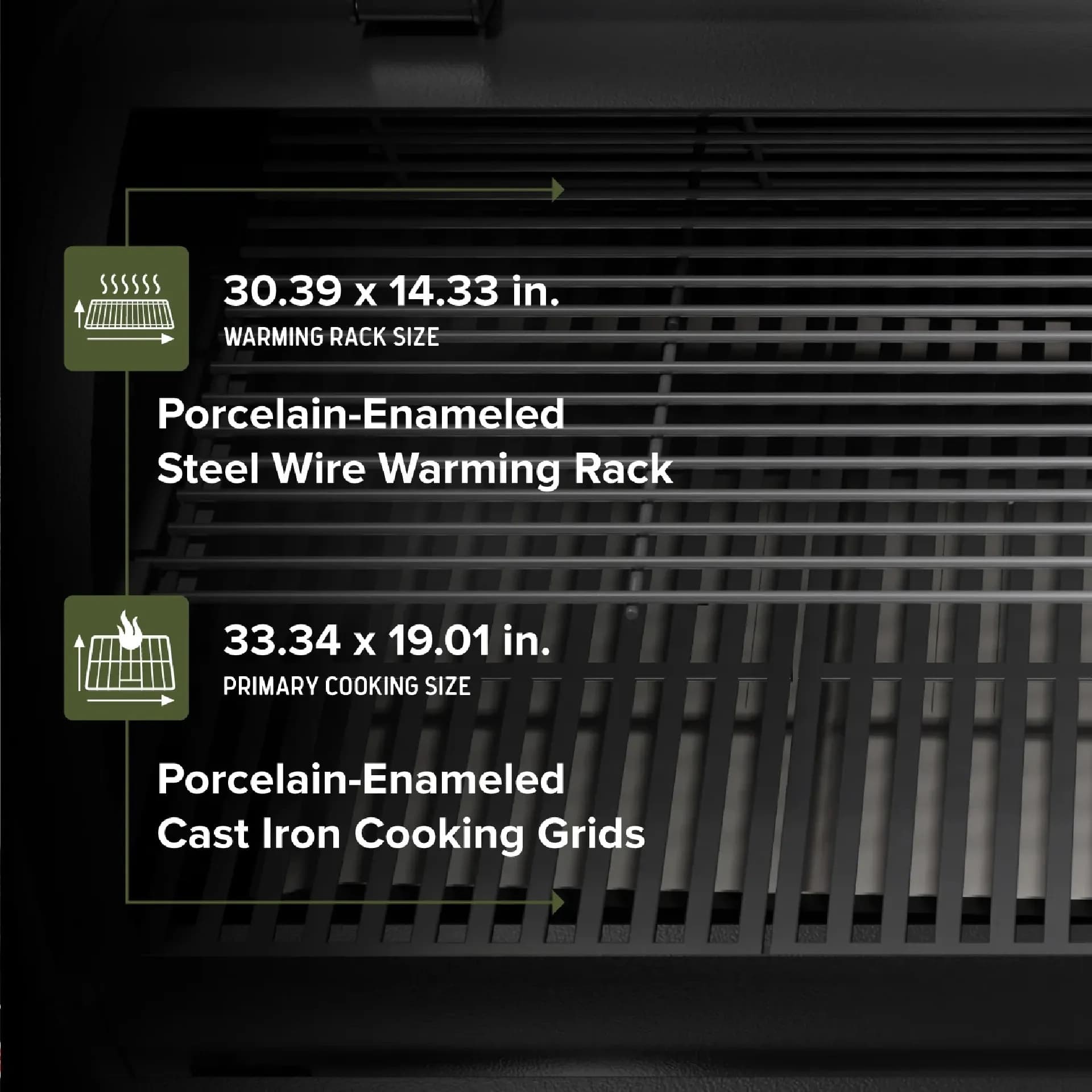
Discover the secrets to perfecting your smoking game with pellet grills.

Here's what sets us apart from the competition
We position ourselves as delivering high-end outdoor cooking features and performance without premium-brand pricing, emphasizing “Quality Grills. Unbelievable Value.”
We offer gas grills, pellet grills, griddles, smokers, pizza ovens, portable/tabletop grills, electric grills, accessories, and replacement parts — allowing customers to stay within one ecosystem for all outdoor cooking needs.
We differentiate ourselves through smart grilling products like the Oakford smart pellet grill, including app-connected cooking controls and modern outdoor cooking technology.

Expert tips, buying guides, comparisons, and inspiration for choosing and getting the most out of your grill.

Practical guides for cleaning, maintenance, common grill issues, and performance optimization.

Step-by-step grilling recipes, cooking techniques, and meal ideas for every occasion and skill level.

Backyard entertaining ideas, seasonal grilling inspiration, and stories that celebrate outdoor cooking culture.

Helpful articles covering grilling tools, cookware, maintenance gear, and must-have accessories for outdoor cooking.

Find griddle recipes, cooking techniques, cleaning tips, and outdoor meal ideas designed for Nexgrill griddles.
Find answers to common questions
Pellet grills offer versatility by allowing you to smoke, grill, and bake with precise temperature control. They use wood pellets as fuel, providing a unique flavor to your food that is difficult to achieve with other types of grills.
Consider factors such as cooking capacity, temperature range, and additional features like digital controls or Wi-Fi connectivity. Assessing your cooking habits and space availability can also help in selecting a suitable model.
You can use a variety of food-grade wood pellets, including oak, hickory, mesquite, cherry, and apple. Each type of wood imparts a different flavor to your food, allowing for a unique grilling experience.
Regular cleaning involves emptying the ash pan, cleaning the heat diffusers, and wiping down the exterior. It's also important to check for any pellet obstructions in the hopper and ensure the grill's components are in good working order.
Nexgrill pellet grills are designed to smoke effectively, offering low-temperature settings to infuse food with rich, smoky flavors. They also provide adjustable temperature controls to suit various cooking styles.
In This Article
Pellet Grill Advantages
Top Meats to Smoke
Essential Tips
Pellet grills have earned a loyal following because they sit in a sweet spot between set-it-and-forget-it convenience and the deep, wood-fired character people want from smoked meat. Unlike a traditional offset smoker, where the cook is constantly managing a firebox, a pellet grill meters hardwood pellets into a burn pot and uses a controller to help hold temperature. That difference changes the experience in a meaningful way: instead of tending flames for hours, you can focus on the meat, the seasoning, and the timing. For many backyard cooks, that is the reason pellet grills feel less intimidating and more repeatable from one cook to the next.
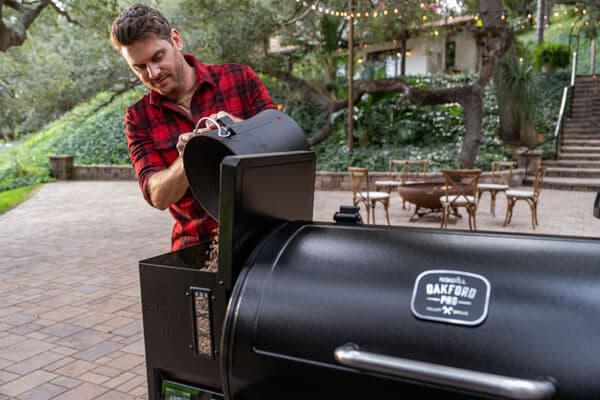
This article is intentionally focused on the smoking side of pellet grilling, not just general grilling. That matters because smoking meats on a pellet grill rewards patience, planning, and a clear understanding of temperature zones. The goal is not to blast heat through a brisket or pull pork shoulder off the grate as quickly as possible. The goal is to build flavor gradually, keep moisture where it belongs, and create a bark, smoke ring, or tender texture that feels earned. Nexgrill’s Oakford pellet lineup is built around that kind of experience, including the Oakford Pro 875 Pellet Smoker Grill and the larger Oakford 1125 Pro Pellet Smoker Grill, both of which give home cooks the room and control they need for longer smoking sessions.
Pellet grills are especially appealing when you want real smoke flavor without turning your cook into an all-day fire management project.
For readers comparing pellet grills with traditional smokers, the main distinction is control. A stick burner can deliver excellent flavor, but it asks for more attention and more experience. A pellet grill is not trying to replace every smoking method; it is trying to make smoked food more approachable while still preserving the fundamentals of low-and-slow cooking. That makes it a strong fit for weeknight cooks who want ribs on a Saturday, families who want to smoke multiple proteins at once, and newer grillers who want confidence before they start experimenting with larger cuts.
Just as important, pellet grills are versatile. They are not limited to one type of meat or one style of cook. You can run a gentle smoke for salmon, a longer session for pork shoulder, or a hotter finish for chicken thighs and sausage. The key is knowing which foods benefit most from a steady wood-fired environment and how to adapt your approach to each one.
The biggest advantage of a pellet grill is consistency. Once the controller is set and the grill is preheated, the system is designed to keep the cooking chamber close to the target temperature. That does not mean every pellet grill performs identically, but it does mean the learning curve is usually gentler than with a live-fire smoker. If you are trying to replicate a successful brisket or a dependable rack of ribs, that consistency is a real asset. It helps reduce guesswork, especially for cooks who are still learning how meat behaves over time.
Another benefit is flexibility with smoke profiles. Different hardwood pellets can shift the final flavor in subtle but useful ways. Hickory often reads as bold and familiar, oak tends to be balanced and steady, cherry can add a touch of color and a mild sweet note, and apple is often chosen for lighter meats. Rather than rebuilding the entire cooker to change flavor direction, you can often adjust the pellet blend and the temperature strategy. That is one reason pellet grills are so attractive for people who like to cook a variety of meats in the same season.
Pellet grills also support a more welcoming style of outdoor cooking. A beginner can smoke a pork loin without memorizing a long list of fire-building skills, while an experienced griller can still dial in multi-hour cooks and use the grill’s zones and probes to manage a more advanced session. That combination of accessibility and control aligns with Nexgrill’s brand values around approachable, dependable outdoor cooking, and it shows up clearly in pellet-grill use. You are not giving up flavor; you are gaining a more practical workflow.
A pellet grill can move from salmon to pork shoulder to tri-tip without changing the core cooking platform.
There is also a planning advantage. Because pellet grills are often easier to monitor, you can coordinate side dishes, sauces, and resting periods more confidently. That matters in real kitchens and backyards, where the smoking session is rarely happening in isolation. You may be feeding a family with mixed tastes, hosting neighbors, or building a spread for a game day gathering. A pellet grill can help you make the main protein the centerpiece without making the process feel complicated.
In other words, pellet grills are good for smoking meat because they make the core job of smoking more repeatable: steady heat, usable smoke, and fewer moments where the cook has to rescue the fire. For many people, that is the difference between rarely attempting smoked food and doing it often enough to get genuinely good at it.
When people ask what the best meats are for a pellet grill, the answer is usually a mix of forgiving cuts, crowd-pleasers, and proteins that reward steady smoke. Brisket is the classic benchmark because it benefits from long, low heat and careful resting. Pork shoulder is another standout because its higher fat and connective tissue make it well suited to extended smoking. Ribs are popular because they show off smoke flavor without demanding the multi-day commitment of larger cuts. Chicken thighs, turkey breast, sausage, salmon, pork loin, beef chuck roast, tri-tip, and lamb shoulder also perform well when you match the temperature and timing to the cut.
For a practical starting point, think about protein in three groups. First are the forgiving, long-cook meats: pork shoulder, beef chuck roast, and brisket. These are the cuts that can absorb a longer session and develop texture over several hours. Second are the medium-session meats: ribs, tri-tip, sausage, and turkey breast. These are excellent when you want smoke flavor without committing to a full-day process. Third are the delicate or quick-smoking proteins: salmon, chicken thighs, and pork loin. These cook faster and demand closer attention so they do not dry out.
| Meat | Typical smoking target | Why it works well |
|---|---|---|
| Brisket | 225°F to 250°F | Long cook develops bark and tenderness. |
| Pork shoulder | 225°F to 250°F | Fat and collagen break down beautifully over time. |
| Ribs | 225°F to 250°F | Great smoke flavor with manageable timing. |
| Chicken thighs | 275°F to 325°F | Higher heat helps crisp the skin while keeping meat juicy. |
| Salmon | 180°F to 225°F | Gentle smoke preserves a tender texture. |
If you want the short version of the top 10 meats to smoke on a pellet grill, start with brisket, pork shoulder, ribs, chicken thighs, turkey breast, sausage, salmon, tri-tip, beef chuck roast, and lamb shoulder. That list gives you a broad range of difficulty levels and flavor styles. It also helps beginners build confidence, because not every first cook needs to be a brisket marathon. In fact, a smaller cut like chicken thighs or sausage can teach you how your pellet grill behaves with less risk and less time investment.
The best choice depends on your goal. If you want tenderness, choose shoulder or brisket. If you want a weeknight-friendly project, choose sausage or chicken thighs. If you want a dinner that feels a little special but still manageable, tri-tip or salmon can be excellent options. The broader your meat selection, the faster you learn how the cooker performs across different fat levels and thicknesses.
The first rule of successful pellet smoking is to start with a clean, preheated grill. Pellets need time to ignite and stabilize, and a cooker that is already at temperature is much more predictable than one that is still cycling up. For many low-and-slow meats, a cooking range of 225°F to 250°F is the default starting point. That range is especially useful for brisket, pork shoulder, and ribs. For poultry, sausage, and some fish, a hotter range can help you finish with better texture and less rubbery skin or overly soft exterior.
Avoid treating every meat the same. Pellet grills are versatile, but temperature should follow the protein, not the other way around.
Wood selection matters too. Hickory and oak are reliable if you want a classic barbecue backbone. Fruitwoods such as apple and cherry are gentler and often work well for poultry, pork loin, and salmon. Mesquite can be powerful, so it is usually better used with restraint or blended with something softer. A practical beginner strategy is to keep one balanced pellet on hand for general smoking and one milder pellet for delicate meats. That way, you are not making the flavor profile harder to manage than it needs to be.
It also helps to think about the meat’s surface moisture. A light dry brine or seasoning rest before cooking can improve flavor and bark formation. Patting the surface dry before the cook gives smoke a better chance to adhere. If you want a stronger bark on larger cuts, avoid over-saucing too early. Sauces, glazes, and wraps have their place, but they should support the cook rather than smother it.
As for the question of flipping, pellet-smoked meats usually do not need constant turning. One of the benefits of the indirect environment is that the heat circulates more evenly than a direct flame cook. Smaller or delicate items may benefit from a single turn for color or evenness, but with larger cuts you are generally better off minimizing handling. Every extra lift can extend the cook and let heat escape.
For larger meats, use a probe thermometer and judge doneness by internal temperature and tenderness, not by the clock alone.
A final practical tip is to plan for resting time. Even a perfectly smoked piece of meat can lose a lot if it is sliced too soon. Resting allows juices to redistribute, which is especially important for brisket and pork shoulder. If you are hosting, build that resting buffer into your schedule instead of trying to serve the moment the probe beeps. That simple adjustment can improve the finished result more than any minor tweak to seasoning.
Try comparing two products side by side below to see which fits best:
Once you've compared your options, the next step is understanding where pellet-grill smoking usually goes wrong. Most beginner mistakes are not about skill level as much as process. A pellet grill can only do its job if the cook respects preheat time, pellet quality, airflow, and the natural pace of the meat. One of the most common errors is opening the lid too often. Every time you check on a brisket or rack of ribs, you release heat and interrupt the stable environment that helps pellet grills shine. Another mistake is overreacting to small temperature swings. All smokers fluctuate a little; what matters is whether the grill settles back into range and whether the meat is progressing properly.
If smoke flavor seems weak, the answer is usually not to bury the meat in more pellets or force a long cook at the wrong temperature. Instead, check whether the grill had enough time to produce clean smoke before the meat went on. Pellets should ignite and settle into a thin, blue smoke rather than heavy white billows. White smoke can taste harsh if the cook starts too soon. If the meat is drying out, your temperature may be too high for the cut, or you may be relying on the clock instead of tracking internal temperature. For chicken and turkey, a short rest after cooking can make the difference between juicy and disappointing.
If the cook stalls, do not panic. Large cuts often hold in place for a while as moisture evaporates and collagen breaks down.
Troubleshooting also means paying attention to how the grill is loaded. Crowding the cooking chamber can disrupt airflow and cause uneven results. If one side of the grill runs hotter, move thicker portions of the meat to the steadier area and keep thinner items where the heat is softer. And if pellets are bridging in the hopper or feeding inconsistently, stop and inspect the path before assuming the controller is the problem. Many issues that feel electronic are really fuel delivery issues.
Good maintenance is what keeps a pellet grill dependable for smoking season after season. Grease, ash, and pellet dust all accumulate during normal use, and ignoring them eventually affects flavor, ignition, airflow, and safety. The simplest habit is to clean the grates after each cook while the grill is still warm enough to loosen residue. A brush or scraper used at that stage is much more effective than trying to scrub cold, hardened buildup later. You should also empty the drip tray and grease management area on a regular schedule so grease does not pool where it can smoke excessively or create a mess.
Ash management is especially important for pellet grills because the fuel burns in a dedicated chamber. Leftover ash can interfere with clean ignition and reduce airflow to the burn pot. Depending on how often you cook, inspect and clean the firepot area, vacuum out loose ash if your manufacturer’s instructions allow it, and keep the pellet hopper dry. Moist pellets can swell or break apart, which leads to feeding problems and inconsistent temperatures. Storing pellets in sealed containers is one of the easiest ways to prevent that issue.
| Maintenance task | When to do it | Why it matters |
|---|---|---|
| Scrape grates | After every cook | Prevents buildup and improves flavor. |
| Empty grease tray | Every few cooks or as needed | Reduces flare-up risk and smoke issues. |
| Clear ash from firepot | Routinely during the season | Supports reliable ignition and airflow. |
| Check pellet storage | Before each long cook | Keeps fuel dry and feeding properly. |
If you want a simple cleaning rhythm, use this approach: after the cook, brush the grates; weekly or after several long sessions, inspect the grease system and firepot; monthly, do a deeper interior clean and confirm the temperature probe is free of heavy residue. That routine is not glamorous, but it is what keeps the grill behaving the same way every time you set it up. It also protects the quality of future cooks, because stale grease and ash can affect smoke flavor more than many people realize.
If you are deciding how to clean, think of the grill in layers. The cooking surface needs frequent attention, the grease path needs periodic attention, and the combustion area needs regular but careful attention. That layered approach is the most practical way to extend the life of the grill and protect the flavor of everything you smoke on it.
Smoking meats on a pellet grill is appealing because it combines wood-fired flavor with a more forgiving cooking process. That combination makes it possible to smoke a wide range of meats with confidence, from brisket and pork shoulder to salmon, sausage, and chicken thighs. The key is to match the cut to the right temperature, use pellets that complement the protein, and keep your grill clean enough to perform consistently. Once those basics become habits, pellet smoking stops feeling complicated and starts feeling like a reliable part of your outdoor cooking routine.
For cooks who want a practical path into smoking without giving up flavor or flexibility, a pellet grill is a strong choice. And for those ready to go bigger, the Oakford lineup offers the kind of room and control that help long cooks feel manageable. If you keep the process simple, respect the meat, and stay patient through the smoke, the results can be worth every minute.
Here's what sets us apart
We position ourselves as delivering high-end outdoor cooking features and performance without premium-brand pricing, emphasizing “Quality Grills. Unbelievable Value.”
We offer gas grills, pellet grills, griddles, smokers, pizza ovens, portable/tabletop grills, electric grills, accessories, and replacement parts — allowing customers to stay within one ecosystem for all outdoor cooking needs.
We differentiate ourselves through smart grilling products like the Oakford smart pellet grill, including app-connected cooking controls and modern outdoor cooking technology.
Don't just take our word for it
Keep reading
From our catalog