Mastering Pellet Smoking: A Beginner's Guide to Perfecting Your BBQ
Unlock the secrets to using a pellet smoker for flavorful, tender meats with this comprehensive guide.
In This Article
Understanding Pellet Smokers
Essential Pellet Smoking Techniques
Troubleshooting Common Pellet Smoking Issues
Introduction to Pellet Smokers
A pellet smoker is built for cooks who want steady, hands-off heat with real wood flavor, not guesswork. Instead of managing charcoal beds or constantly adjusting vents, you load food-grade wood pellets into a hopper, set your target temperature, and let the cooker automate the fuel feed and airflow. That combination makes pellet smoking one of the most approachable ways to cook brisket, pork shoulder, ribs, chicken, salmon, and vegetables at home. It is also the reason many first-time owners feel more confident with a pellet smoker than with a traditional offset pit: the machine does much of the temperature management for you, while still giving you the flavor of wood-fired cooking.
From a practical standpoint, the biggest advantage is consistency. If you are cooking in a backyard in the United States where the weather can change quickly, a pellet smoker helps reduce the swings that come from wind, cool evenings, or an impatient lid-opening habit. You still need to learn how your cooker breathes, how quickly it recovers after the lid opens, and how different foods react to smoke, but the learning curve is gentler than many people expect. That is why this guide focuses on real use: how to set up the smoker, how to choose pellets, how to prep meat, and how to troubleshoot the most common problems before they ruin dinner.
A pellet smoker burns, controls, and circulates heat in one automated cooking path.
Tip: Think of pellet smoking as a balance of temperature control and smoke management. The best results come from treating the cooker like a precision oven with wood flavor, not like a fireplace you constantly feed.
Nexgrill’s outdoor cooking philosophy fits that approach well: approachable gear, practical features, and food that brings people together. That matters because pellet smokers are often bought by a mixed crowd. Some buyers want weeknight convenience. Others want to experiment with low-and-slow barbecue without committing to the steep learning curve of stick-burning pits. A pellet smoker works for both, as long as you understand what it does well and where it needs help. It excels at even cooking, predictable temperatures, and repeatable results. It is less about raw fire management and more about planning the cook correctly from the start.
Before you cook anything, it helps to understand the basics of the fuel system. Pellets are compressed hardwood sawdust made for grilling and smoking. They are not all the same. Some blends are designed for general purpose use, while others lean into stronger smoke flavor or fruitwood sweetness. Since the cooker feeds pellets in controlled bursts, pellet quality affects burn consistency, ash production, and flavor clarity. That is why the first decision you make is not just what to cook, but what fuel to run through the smoker.
Setting Up Your Pellet Smoker
Good setup is the difference between a clean first smoke and a frustrating afternoon of chasing temperature swings. Start by placing the smoker on a level, non-combustible surface with enough clearance around the body for airflow and safe movement. Make sure the hopper is empty before the first fill if the unit has been stored for a while, and check the burn pot, grease tray, and drip path for leftover ash or packing materials. New owners often rush straight to the meat, but a cleaner cooker starts easier, recovers faster, and produces better smoke.
Next, verify the assembly details that actually affect cooking. The heat diffuser should sit correctly, the grease management components should be aligned, and the lid should close without obvious gaps. If your model includes a digital controller, learn the interface before you light it. Set the temperature, read the probe input if applicable, and understand how the cooker indicates startup, ignition, and shutdown. This is not just convenience; it is how you avoid throwing a brisket onto a pit that has not fully stabilized yet.
Warning: Never assume a new pellet smoker is ready to cook immediately after assembly. Run a burn-in cycle first to remove manufacturing oils, verify airflow, and confirm that ignition and pellet feed are working correctly.
A proper burn-in cycle should be done with the cooker empty. Follow the manufacturer’s startup steps, set the unit to a moderate-to-high temperature, and let it run long enough to heat the chamber thoroughly. This initial run helps season internal surfaces and exposes any setup issues before food is involved. If you notice heavy smoke, a failure to ignite, or an unusual smell that does not fade, stop and inspect the system. Pellet smokers are forgiving when used correctly, but they are much less forgiving when ash clogs the fire pot or the auger does not deliver fuel smoothly.
Temperature placement matters too. Built-in controllers read air in one area, but the cooking chamber may run hotter or cooler in other spots depending on your pellet smoker design. If you plan to cook multiple racks of ribs, a turkey, or a large pork shoulder, learn which part of the grate runs closest to the heat source. That awareness helps you rotate food at the right time instead of guessing after the damage is done.
Choosing the Right Pellets
Pellets are not a background detail. They are the fuel and the flavor. In the United States market, most home cooks choose from hardwood blends such as oak, hickory, apple, cherry, mesquite, and maple. Oak is often a reliable base because it burns steadily and produces a balanced profile. Hickory brings a stronger, classic barbecue taste. Fruitwoods like apple and cherry are milder and work especially well for poultry, pork loin, and fish. Mesquite is bolder and can become overpowering if used carelessly, which makes it better for shorter cooks or blended use.
A smart pellet choice depends on both the food and the goal of the cook. If you want a deep bark on brisket, use a stronger wood profile or a blend that supports longer exposure. If you are smoking salmon or chicken thighs, a lighter fruitwood often gives a cleaner finish. Many cooks eventually settle on a two-pellet strategy: one dependable all-purpose pellet for most sessions, and one flavor-specific pellet for special cooks. That approach gives you consistency without locking you into a single taste profile.
| Pellet type | Flavor profile | Best use |
|---|---|---|
| Oak blend | Balanced, steady smoke | Everyday smoking and long cooks |
| Hickory | Bold, traditional barbecue | Brisket, ribs, pork shoulder |
| Apple or cherry | Sweet, lighter smoke | Chicken, turkey, pork, fish |
| Mesquite | Sharp, intense smoke | Quick high-flavor cooks and blends |
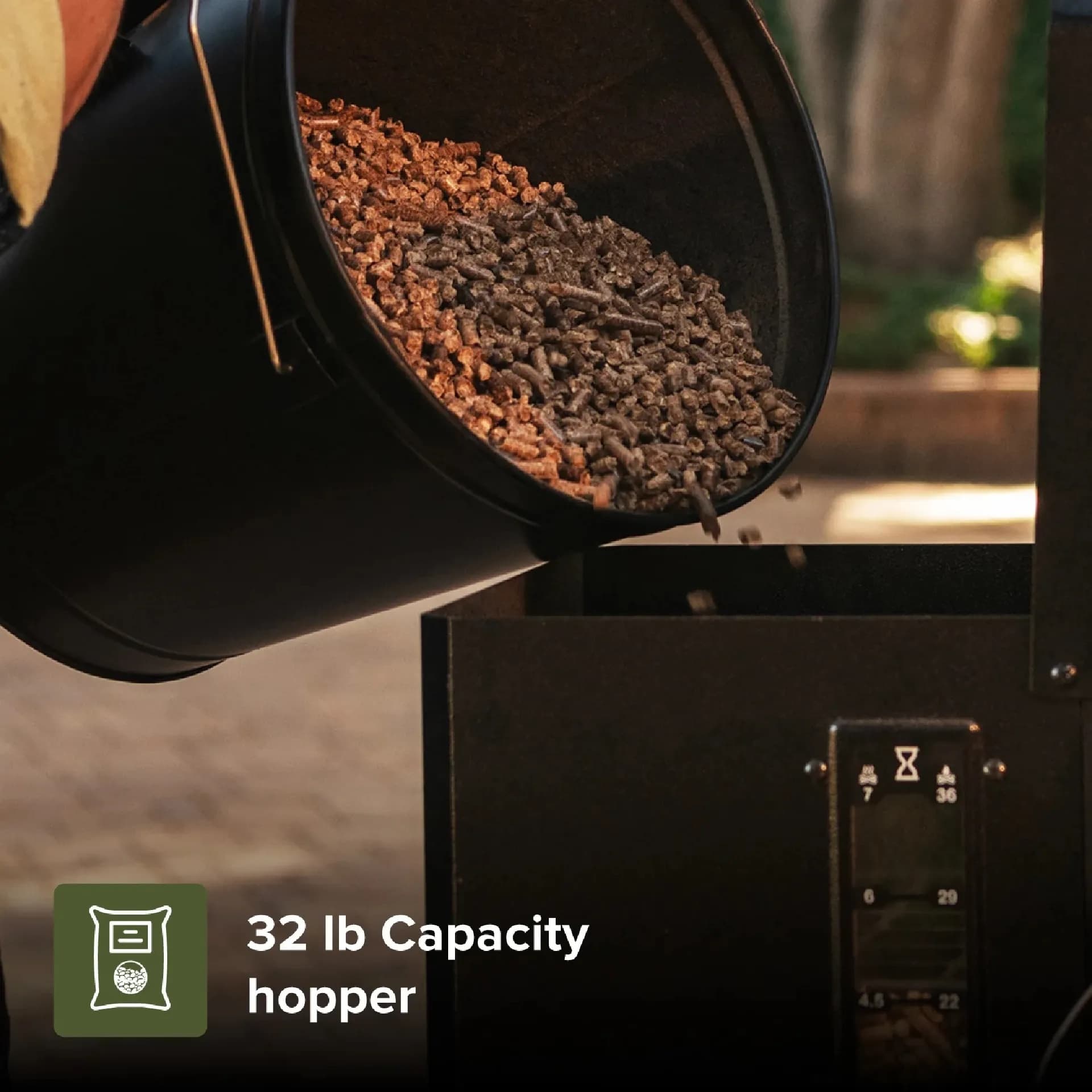
The most overlooked factor is pellet storage. Pellets absorb moisture easily, and damp pellets can swell, crumble, or feed inconsistently. Store bags sealed and off the ground, especially in humid garages or sheds. If the pellets are dusty or soft, expect more ash and a less stable fire. That small issue can become a big one during a long cook, when inconsistent fuel feed leads to a fluctuating chamber temperature and uneven doneness.
Preparing Your Meat for Smoking
Pellet smokers reward preparation. Because the cooker is designed for controlled heat, the real work happens before the meat ever goes onto the grate. Start with dry surface seasoning, trimming excess fat where it will not render usefully, and making sure the cut is sized for even exposure to smoke and heat. For a pork shoulder, you want enough fat and connective tissue to break down over time. For a chicken, you want the skin to dry well so it can cook more evenly. For brisket, you want a clean trim that leaves enough fat cap to protect the meat without preventing rub from working into the surface.
Seasoning should be purposeful, not busy. Many beginner cooks overload the meat with too many spices and lose the clean smoke character that a pellet smoker can provide. A good rub often starts with salt, pepper, and a few supporting spices, then improves with time in the refrigerator so the meat’s surface becomes tacky. That tacky surface helps smoke particles adhere better and improves bark formation on longer cooks. If you are cooking poultry, a brine or dry brine can make a bigger difference than adding more seasoning layers.
Food safety still comes first. Keep raw meat chilled before the cook, avoid cross-contamination with prep boards and utensils, and use a reliable probe thermometer for doneness. The smoker can give you excellent texture and flavor, but only a thermometer can confirm whether the food is safely cooked. For big cuts, temperature planning is more useful than time planning because pellet smokers cook at different rates depending on outdoor conditions, meat thickness, and how often the lid is opened.
Smoking Techniques and Tips
The simplest way to use a pellet smoker is to think in three phases: preheat, smoke, and finish. Preheat the cooker until the chamber is stable, place the meat on the grate with room around it for airflow, and let the smoker work before you keep checking it. Every lid lift costs heat and smoke, so patience matters more than most beginners expect. If you need a crisper skin or a more developed bark, start the cook at a lower temperature and finish hotter. If you need to get dinner on the table with less fuss, a moderate temperature with a shorter smoke window can still produce excellent results.
One of the most useful skills is learning when not to over-smoke. A pellet smoker gives a cleaner, lighter smoke profile than some traditional pits, which is often a benefit. It means food can taste balanced instead of ashy. If you want stronger smoke character, use a stronger pellet blend, begin the cook at a lower setting, or leave the meat exposed to smoke during the early part of the session before wrapping. Wrapping brisket or pork shoulder in butcher paper or foil later in the cook can help control dryness while preserving enough bark and smoke flavor.
Tip: If your food tastes under-smoked, do not automatically add more smoke pellets later. Often the better fix is improving airflow, checking pellet freshness, and making sure the cooker had enough time to stabilize before the meat went on.
For practical timing, chicken pieces may be done in under two hours, ribs commonly take several hours depending on style and temperature, and large shoulders or briskets can take much of a day. Use those ranges as planning tools, not hard rules. What matters is internal temperature, texture, and probe feel. Pellet smokers are especially good for batch cooking, which means you can smoke a main protein while finishing sides separately. That makes them ideal for backyard gatherings where dinner is more than a single dish.
Troubleshooting Common Pellet Smoking Issues
If the smoker will not ignite, check the obvious first: power, pellet supply, burn pot cleanliness, and whether the startup sequence was followed correctly. Many ignition problems come from ash buildup or pellets that have absorbed moisture. If the temperature will not rise, inspect for airflow restriction, a weak fire, or a lid that is not sealing as expected. If temperatures swing widely, the cause may be low-quality pellets, too much grease buildup, an overfilled hopper feed issue, or simply opening the lid too often in cold or windy conditions.
Another common frustration is pale smoke flavor. That is not always a defect. Pellet smokers are often designed for cleaner combustion, so they produce less heavy smoke than a stick burner. If the result feels too mild, try stronger pellets, a longer preheat, or a more smoke-friendly temperature range during the start of the cook. On the other hand, if the food develops a bitter taste, too much smoldering may be happening because of poor airflow or pellets that are not burning cleanly.
Grease flare-ups and shutdown issues usually point to maintenance lapses. Clean the drip path, empty ash regularly, and keep the fire pot clear so the pellet feed can do its job. If the auger sounds strained or the grill behaves unpredictably after storage, inspect for pellet compaction or moisture damage. Troubleshooting is easier when you treat the pellet smoker like a system: fuel, air, heat, and cleanliness all affect the final result. If one part is off, the cook usually tells you before it completely fails.
Try comparing two products side by side below to see which fits best: Exploring the Latest Innovations in Pellet Grilling
Advanced Pellet Smoking Techniques
Once you have compared your options and understand the basic workflow, the next step is learning how to use a pellet smoker with more precision. Advanced technique is less about making the cooker work harder and more about making the heat, smoke, and timing work together. That means choosing the right cooking stage for the right result. For example, you might begin a brisket or pork shoulder at a lower temperature to build smoke exposure, then raise the chamber temperature later to finish the cook without drying the surface. That same idea can be used for chicken pieces, where a lower start gives you flavor and a hotter finish helps improve skin texture.
A powerful way to improve results is to separate smoke development from rendering. Early in the cook, the meat surface is coolest and most receptive to smoke. Later, once the bark has set and the exterior has stabilized, you can decide whether to wrap, rest, or finish uncovered. This is where pellet smokers shine for home cooks in the United States who want repeatable barbecue without standing beside the pit all day. The controller keeps the heat where you want it while you manage the food instead of the fire. If your model supports a wider temperature range, use that flexibility thoughtfully instead of jumping to the hottest setting too early.
Info: The most successful pellet cooks are planned around texture milestones, not just clock time. Bark set, color, probe feel, and resting time tell you more than the recipe headline does.
Another advanced habit is zone thinking, even though a pellet smoker is not the same as a two-burner gas grill. Heat distribution still varies across the grate, and you can use that to your advantage. Place thicker cuts where the chamber runs slightly cooler if you need a longer smoke window, or set quicker-cooking items in hotter areas if you are doing mixed loads. That is especially useful when you are cooking multiple dishes for a gathering. A rack of ribs, a tray of sausage, and a pan of vegetables can all share space if you plan their finish points in advance.
You can also use resting intentionally. After a long cook, resting brisket or pork shoulder in a controlled environment allows juices to redistribute and softens the stress created by heat. The same principle applies to smaller items, though the rest time is shorter. Advanced pellet smoking is not about chasing dramatic smoke rings or overcomplicating every session. It is about repeatable control, cleaner flavor, and knowing when the cooker’s steady nature should be paired with a better finishing move.
Maintaining Your Pellet Smoker
Maintenance is what keeps a pellet smoker performing like a trusted appliance instead of a temperamental project. After each cook, clear food residue and empty ash as directed by the manufacturer. Grease management deserves special attention because a blocked drip path can create smoke, odors, and flare-up risk. Routine cleaning also helps the cooker maintain more predictable airflow, which directly affects temperature stability and pellet consumption. If you smoke often, make maintenance part of the end-of-session routine rather than a weekend project you keep postponing.
The hopper should stay dry and free of old pellets that have broken down from humidity or repeated heat cycles. If you know the smoker will sit unused for a while, consider emptying the hopper so moisture does not compromise the fuel. Check gaskets, seals, and probe ports periodically for wear. Even small leaks can make the cooker less efficient and can change the flavor profile by altering how smoke circulates. For units used through a full American grilling season, it also helps to inspect the exterior finish and interior components before major holiday cooks, when reliability matters most.
Warning: Do not clean internal components while the cooker is hot or connected to power. Shut it down fully, let it cool, and follow the manufacturer’s sequence before removing ash or grease.
A cover is a practical investment if the smoker is stored outdoors. Rain, UV exposure, dust, and temperature swings all shorten the life of exposed equipment. Protecting the smoker does more than preserve appearance; it helps keep ignition components, wiring, and metal surfaces in better working condition. This is especially important for owners who grill year-round and want their smoker to be ready on demand instead of needing a repair before every long cook.
Enhancing Flavor Profiles with Wood Pellets
Flavor development is where pellet smoking becomes personal. Wood pellets let you tune your smoke profile in a way that feels approachable but still nuanced. Hickory and oak are classic choices for bold barbecue, while apple and cherry bring a softer, sweeter edge that works beautifully with poultry and pork. Maple sits in the middle with a gentle sweetness, and mesquite delivers stronger, more assertive smoke that can dominate if used carelessly. Once you know the range, you can begin pairing pellet types with the food you cook most often.
For example, a brisket cook may benefit from a hickory or oak-heavy blend because the meat can stand up to stronger smoke over a long session. Salmon may be better with apple or cherry so the wood does not overwhelm the fish. A turkey cook for Thanksgiving in the United States often works well with a fruitwood blend because it complements the natural sweetness of the meat and the holiday side dishes. That is the real value of pellet smoking: you are not limited to one flavor identity. You can shape the meal around the event.
| Food | Recommended pellet profile | Why it works |
|---|---|---|
| Brisket | Oak or hickory blend | Supports long cooks and deeper bark |
| Pork shoulder | Apple, cherry, or oak blend | Balances sweetness with steady smoke |
| Chicken | Apple or maple | Keeps flavor light and approachable |
| Salmon | Cherry or mild fruitwood blend | Adds color and gentle smoke |
Blending pellets can be useful, but it should be done with intention. Mixing too many woods without a plan can blur the result. Start by combining one strong base wood with one softer accent wood. That approach keeps the profile recognizable while still letting you experiment. Over time, you will learn which pellets suit your preferred rubs, sauces, and protein choices.
Safety Precautions and Best Practices
Safety is part of skill, not a separate category. Keep the smoker outdoors in an open, well-ventilated area and away from structures, dry foliage, and overhead obstructions. Use heat-resistant gloves when handling grates, pans, or probes, and keep children and pets clear of the cooking zone. Pellet smokers run hot even when they feel controlled, and the exterior surfaces can retain heat long after shutdown. A safe setup makes the cooking experience calmer and more enjoyable for everyone around the backyard.
Use only pellets designed for cooking. Fuel that is not intended for food preparation may contain additives or materials that are unsuitable for the cooking chamber. Also, avoid rushing shutdown procedures. Let the smoker complete its cycle so remaining pellets burn off properly and the fire dies safely. If the unit is moved soon after cooking, wait until it is completely cool and follow the manufacturer’s handling guidance. These habits may seem small, but they prevent a lot of avoidable problems.
Tip: If you are smoking for a crowd, set up your prep table, thermometer, tongs, resting space, and serving area before the cook starts. Good workflow keeps the smoker lid closed and reduces mistakes.
Food safety also benefits from a disciplined routine. Keep raw and cooked items separate, wash hands and tools between tasks, and confirm doneness with a thermometer rather than color alone. That is especially important for poultry and stuffed items, where appearance can be misleading. In a home-cooking setting, the safest process is usually the simplest one: clean prep, controlled heat, careful handling, and a final check before serving.
Exploring Pellet Smoker Recipes
The best recipes for a pellet smoker are the ones that match the cooker’s strengths: steady heat, clean smoke, and space for larger gatherings. A pork shoulder with a simple rub, smoked low and finished until it pulls apart easily, is a natural place to start. Beef short ribs are another rewarding project because they respond well to long, controlled exposure and deliver a rich texture when rested properly. Chicken thighs are a quicker option that still teach you how smoke flavor builds over time. Even vegetables like peppers, onions, potatoes, and mushrooms can benefit from the smoker when you want to round out a meal with a subtle wood-fired note.
For a family cookout, a pellet smoker can handle the main protein while you prepare sides that complement the same wood profile. For example, smoked chicken with charred corn, roasted potatoes, and a tangy slaw makes sense because the flavors stay bright and balanced. For a weekend barbecue, ribs and baked beans cooked nearby on the smoker can create a fuller spread without requiring a different fire management method. That flexibility is a major reason pellet smokers have become so popular with home cooks who want more than basic grilling.
If you want to keep improving, keep notes after each cook: pellet type, chamber temperature, meat weight, wrap time, rest time, and final texture. A short record turns guesswork into progress. After a few sessions, you will know exactly how to use a pellet smoker for the foods your household loves most, and you will spend less time troubleshooting and more time serving meals that feel confidently cooked.