Comprehensive Guide to Troubleshooting Pellet Grill Issues
Expert solutions to common pellet grill problems for optimal performance.
In This Article
Ignition Failures
Temperature Instability
Pellet Feed Problems
Introduction: Understanding Pellet Grill Challenges
Pellet grills are prized because they automate a lot of the work that older wood-fired cookers demand, but that convenience depends on a chain of parts all doing their jobs at the same time. Pellets need to stay dry and free-flowing, the auger has to move fuel at the right pace, the fire pot has to ignite cleanly, the fan has to feed oxygen, and the controller has to interpret temperature accurately. When one of those links slips, the grill usually tells you long before it stops working completely: the startup cycle runs longer than usual, the temperature drifts up and down, smoke turns dirty or thin, or pellets simply stop feeding.
This guide takes a troubleshooting-first approach rather than a feature-first one. Instead of explaining why pellet grilling is popular, it focuses on what actually goes wrong in day-to-day use and how to isolate the cause without replacing parts at random. That distinction matters. A hopper full of pellets does not mean the fuel system is healthy, just as a lit fire pot does not mean the grill will hold 225°F for an hour. Real troubleshooting starts by separating symptoms that look similar but come from different failures. A grill that will not ignite, for example, can be suffering from a failed hot rod, a weak power source, excess ash in the fire pot, wet pellets, or a controller issue. A grill that overshoots temperature may have a draft problem, a probe issue, or a lid leak that keeps the control system chasing the set point.
Nexgrill’s broader outdoor cooking perspective is useful here because pellet grills sit at the intersection of fuel handling, heat control, and easy backyard use. That means the best fix is often not the most complicated one. In many cases, careful cleaning, correct startup procedure, and a basic inspection sequence solve the problem faster than swapping electronics. For users who cook on weekends, those small habits make a noticeable difference in how dependable the grill feels from one cook to the next. It also helps explain why pellet grill problems often show up after storage, after a long rainstorm, or after a few messy high-heat cooks rather than during the first few uses.
Most pellet grill failures are symptom clusters, not single-part failures. Start with fuel, airflow, and ash buildup before assuming the controller is the problem.
One useful way to think about troubleshooting is to work from the grill’s “ecosystem.” Pellets must flow from the hopper, through the auger, into the fire pot, where the ignition rod and combustion fan create a stable burn. Heat then reaches the cooking chamber, where the temperature probe relays information back to the controller. If you know which part of that chain is breaking down, the repair becomes much more manageable. For example, a grill that lights but never climbs much above warm usually points to fuel delivery or airflow. A grill that climbs too fast and then shuts down can point to an overfed fire pot, blocked airflow, or a probe reading that is too low.
Another reason to treat pellet grill issues carefully is safety. If the grill has repeatedly failed to ignite, the fire pot may contain unburned pellets. If the grill has temperature swings caused by an overloaded fire pot or a jammed auger, restarting it without checking the chamber can create flareups or a flash of hot embers. Good troubleshooting always begins with powering down, letting the unit cool, and clearing out the combustion area before making the next test. That approach protects both the equipment and the cook.
The good news is that pellet grills are usually predictable once you learn their patterns. Moisture affects pellets in a recognizable way. Ash buildup creates a recognizable restriction. A failing probe creates a recognizable mismatch between displayed and actual temperature. Once you start matching symptoms to causes, you can move from frustrated guesswork to a practical repair plan that keeps the grill usable through the season.
Common Pellet Grill Issues and Their Causes
The most common pellet grill issues generally fall into four categories: ignition failure, temperature instability, poor pellet feed, and uneven or dirty combustion. Each one can have more than one root cause, which is why a symptom-by-symptom approach works better than a single fix-all checklist. Ignition problems are often caused by a burned-out hot rod, but they can also stem from excessive ash in the fire pot, a tripped power connection, or damp pellets that refuse to catch. Temperature instability often looks like a controller problem, but it may actually start with air leaks, a dirty temperature probe, or pellets that vary too much in size and moisture content.
Pellet feed problems deserve special attention because they can masquerade as other issues. If the auger is turning slowly or stopping intermittently, the grill may start normally and then fade as the fire starves. But the same symptom can happen if pellets have swelled from moisture, if a pellet bridge formed in the hopper, or if the hopper contains a mix of fine dust and broken pellets that compacts around the feed opening. In other words, a feed problem may not be mechanical at all; it may be a storage problem that shows up only when the grill is under load.
Grease and ash accumulation also create problems that are easy to misread. Ash inside the fire pot can restrict airflow enough to weaken ignition and reduce heat output. Grease buildup around the drip path can create smoking that seems “off” or make the cooker harder to clean, which in turn discourages owners from performing the regular maintenance the grill needs. The result is a cycle: the grill gets dirtier, performs worse, and becomes harder to trust. Breaking that cycle starts with identifying where residue is interfering with air, fuel, or sensing.
| Symptom | Likely cause | First check |
|---|---|---|
| Won't ignite | Hot rod, ash buildup, wet pellets, power interruption | Inspect fire pot and confirm pellets are dry |
| Temperature swings | Probe drift, lid leaks, airflow problems, inconsistent pellets | Clean probe and check lid seal |
| Pellets not feeding | Auger jam, bridge in hopper, damp fuel, motor issue | Empty hopper throat and test auger movement |
| Dirty smoke | Weak ignition, smoldering fuel, poor airflow | Check combustion fan and ash level |
A key thing to remember is that not all pellets are equally stable in storage. If a bag has been opened and stored near a garage door, basement wall, or patio area with humidity swings, the fuel can absorb enough moisture to cause feeding and ignition problems. Even when pellets look normal, they may break down into dust or swell slightly, which can change how they move through the auger. If you are troubleshooting a recurring issue, always ask when the pellets were purchased, how they were stored, and whether the problem appeared after a rainy stretch or a long period of nonuse.
Step-by-Step Troubleshooting Techniques
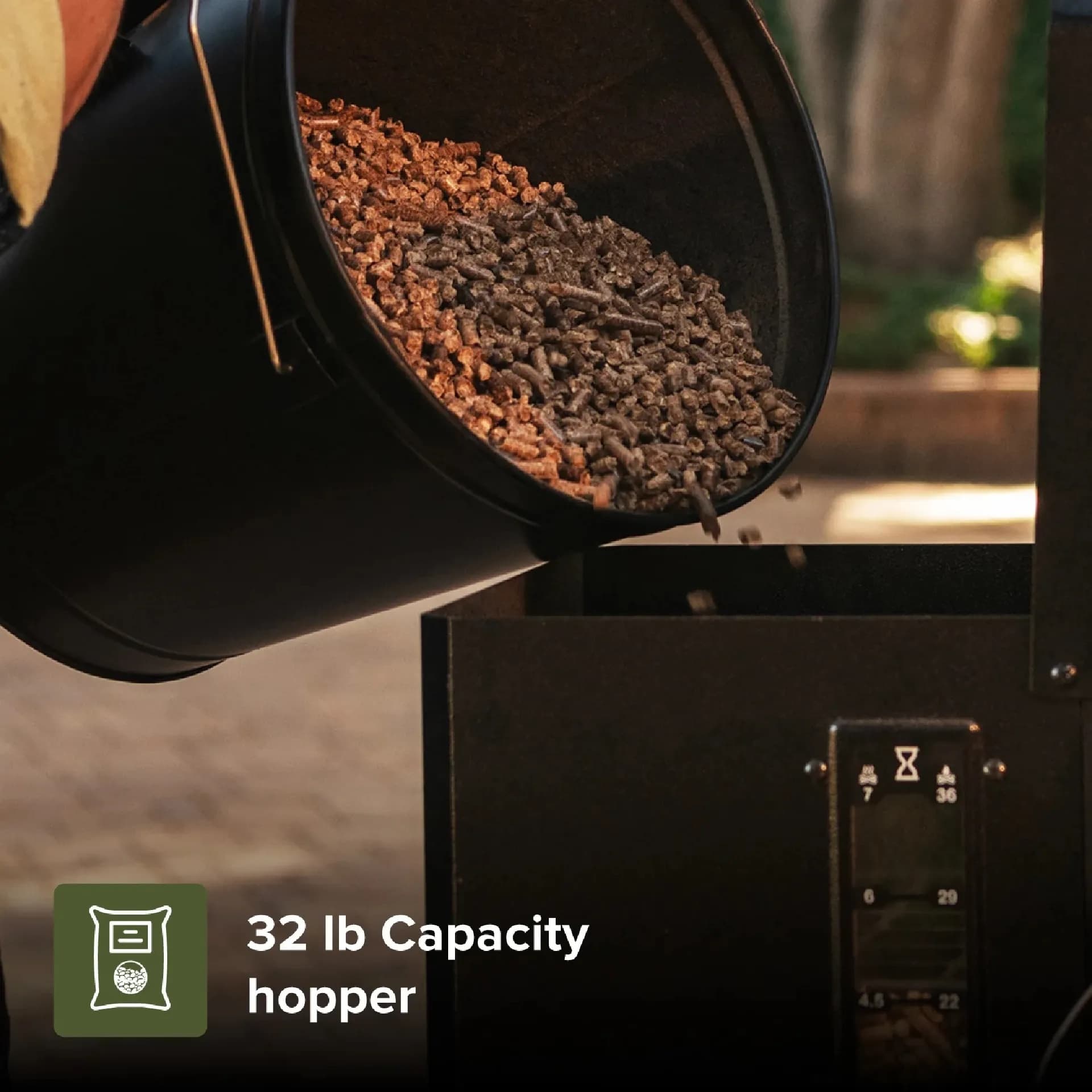
A reliable troubleshooting routine should always follow the same order: power, fuel, combustion chamber, airflow, and sensing. Begin by confirming the grill is receiving stable power and that the outlet or extension cord is rated appropriately for the unit. Then check the hopper for dry pellets and look for a bridge where pellets have formed a tunnel above the auger opening. If the hopper looks full but the feed throat is empty, the issue may be the shape of the fuel mass rather than the amount of fuel available.
Next, inspect the fire pot. A small amount of ash after normal use is expected, but a packed layer can smother ignition and reduce airflow. Clear ash, remove any unburned pellets, and look for signs that the hot rod is glowing during startup. If the grill fails to light and the hot rod does not appear to heat, the ignition assembly may need service. If the rod heats but the pellets only char instead of catching, that points more strongly to airflow, pellet quality, or excessive residue inside the burn chamber.
After ignition, move to temperature behavior. Let the grill stabilize before making any judgment. Pellet grills naturally cycle a bit as they feed fuel in bursts, but the displayed temperature should settle into a narrow band after the initial warmup. If the numbers are consistently low, the issue may be a probe coated in grease or soot. If the grill overshoots and then drops sharply, the controller may be reacting to a delayed signal because the probe is insulated by residue or because the lid is being opened too often during startup. Check for fitment issues around doors, lids, or hopper seals that may allow drafts to disrupt the burn.
Never keep relaunching ignition attempts without clearing unburned pellets first. Repeated startup cycles can leave too much fuel in the fire pot and make the next ignition more aggressive than expected.
If pellet feed is inconsistent, listen to the auger motor. A healthy system usually produces a steady mechanical sound during feed intervals. Grinding, stalling, or silence can indicate a jam, stripped gear, or an electrical issue. Unplug the grill before removing any covers, then inspect for compacted pellets, sawdust, or foreign debris in the hopper throat. On many grills, a simple empty-and-clean cycle resolves the issue when the problem is caused by swollen pellets or dust buildup. If the auger remains stuck after the chamber is cleared, the motor or shaft may require professional attention.
One of the most practical tests for temperature issues is comparison cooking. If the controller says the chamber is at 325°F but food is cooking as if it were much hotter or cooler, the display may be drifting. Use an independent thermometer at grate level to confirm the actual environment. That does not solve the issue by itself, but it helps you determine whether the problem is sensing, airflow, or heat distribution. The more precise your diagnosis, the less likely you are to replace the wrong part.
Finally, document what happened. Note the outside temperature, pellet brand or batch, how long the grill had been idle, and whether the issue appeared during startup, mid-cook, or shutdown. Small details create patterns. For example, if the grill always struggles after rain but works normally on dry days, the likely culprit is moisture exposure rather than electrical failure. If the grill performs badly only when the hopper is nearly empty, the issue may be pellet bridging or feed angle rather than a controller defect.
Preventative Maintenance Tips for Pellet Grills
Preventative maintenance is the easiest way to avoid the most frustrating pellet grill failures. The goal is not to deep-clean every time you cook; it is to keep the critical pathways clear enough that ignition, feed, and sensing remain predictable. Start with ash management. After several cooks, even a well-running grill will accumulate fine ash in the fire pot and surrounding cavity. Clearing that ash on a regular schedule improves ignition reliability and reduces the chance of partial combustion that can create dirty smoke or weak heat output.
Pellet storage matters just as much as cleanup. Keep bags sealed, off the floor, and away from moisture sources. If pellets have been opened for a while, move them into a dry container with a tight lid. This is especially important in humid climates or garages that experience temperature swings. Good pellets should feed smoothly, break cleanly rather than crumble into dust, and burn with a consistent flame. If the fuel looks fluffy, swollen, or dusty, do not assume the grill itself is failing until you test with a fresh batch.
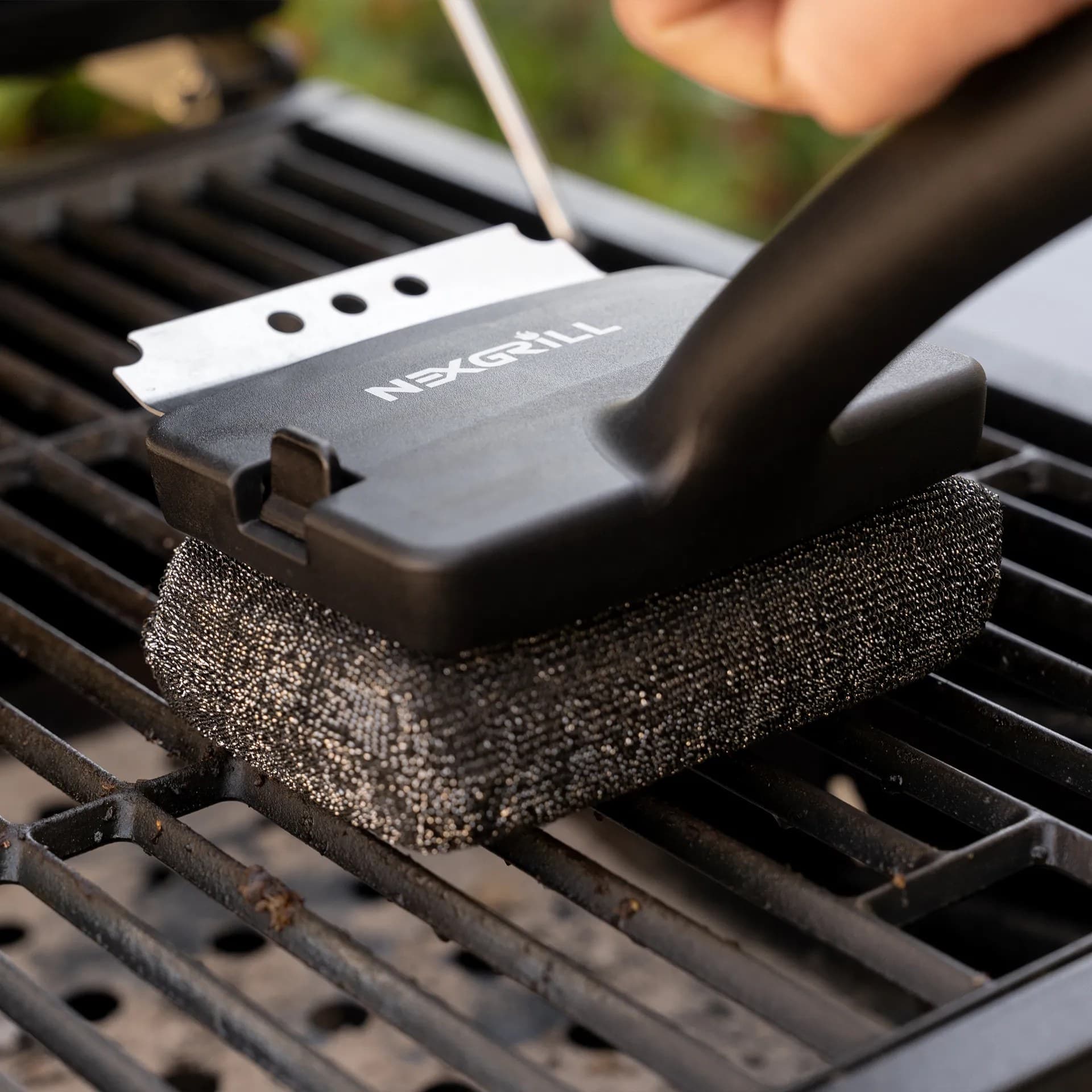
The temperature probe deserves attention because it is the grill’s eyes. Wipe it regularly so it is not insulated by grease. A sensor covered in residue may report cooler-than-actual temperatures, causing the controller to overfeed pellets and chase the wrong target. Likewise, check the grill lid and any access seals for buildup that might prevent a clean closure. Small leaks can create enough draft to distort the burn profile, especially in colder weather.
Another useful habit is to run a short post-cook inspection after every few uses. Confirm that the fire pot is not overflowing with ash, that the hopper throat is clear, that the auger area has not accumulated fine debris, and that the grease management path is flowing as intended. These checks take only a few minutes and can prevent the kind of accumulated mess that causes a weekend cook to fail at the worst possible time. If you cook often, build a simple maintenance rhythm around use frequency rather than the calendar alone.
A clean probe, dry pellets, and an unclogged fire pot solve more pellet grill problems than most replacement parts do.
For offseason storage, clean the interior thoroughly, empty the hopper if the grill will sit unused for a long time, and protect the cooker from moisture and pests. Pellets left in the hopper through a wet season are a common source of trouble because they can expand, bind, and create feed issues before the next cook even starts. If you use the grill year-round, inspect it more frequently during high-humidity months and after storms.
Maintenance also includes control of your cooking habits. Extremely greasy cooks without cleanup afterward create residue that changes how the grill behaves over time. By staying ahead of ash and grease, you reduce the chance that the grill will drift away from the temperature pattern you expect. That steadiness is what makes pellet grilling rewarding in the first place.
When to Seek Professional Assistance
Some pellet grill problems are best left to a qualified technician or the brand’s support channel, especially when the issue involves electrical components, persistent auger jams, or repeated ignition failures after basic cleanup. If the grill trips power repeatedly, emits a burning smell from the control box, or refuses to power on after you have verified the outlet and cord, that is not a normal maintenance issue. Stop using the grill and have it inspected before trying again.
You should also consider outside help if the auger motor runs but the shaft does not move, if the hot rod never heats despite correct power input, or if the controller display behaves erratically after a known-good reset. These are the kinds of failures that can involve wiring, motor replacement, or board-level issues, and guessing can make matters worse. Likewise, if the grill has repeated flareups from a badly overflowing fire pot or if smoke is escaping from areas that should stay sealed, the cooker may need a more thorough evaluation than a routine owner repair can provide.
Professional assistance is also smart when the grill is still under warranty terms or when a component failure may affect more than one part of the system. For example, an intermittent controller can appear to be a probe issue, while a worn probe can look like a controller issue. A trained technician can separate those causes faster and often preserve the life of the grill by correcting the root problem before a secondary failure develops. If you are unsure whether a symptom is electrical, mechanical, or combustion-related, the safest choice is to stop, document the behavior, and seek qualified support rather than forcing another cook.
Try comparing two products side by side below to see which fits best:
Advanced Troubleshooting: Diagnosing Complex Problems
Once you've weighed two options against each other, the next step in advanced troubleshooting is to stop treating the pellet grill like a single appliance and start seeing it as a system with interacting variables. Some of the most confusing failures happen when two smaller problems combine into one obvious symptom. For example, a slightly dirty temperature probe plus marginal pellets can create temperature swings that seem like a controller defect. A small amount of ash in the fire pot plus a partially restricted combustion fan can produce slow startup and weak smoke, even though each part appears to be functioning on its own. The practical goal is to identify whether the grill has a fuel problem, an air problem, a sensing problem, or a power problem - and then test each one in isolation.
A strong way to diagnose complex issues is to use a simple sequence of elimination. First, confirm the grill receives stable power from a reliable outlet without a questionable extension cord. Then check whether the startup cycle behaves differently with a clean fire pot versus a dirty one. Next, observe the auger feed rate with the hopper loaded with fresh, dry pellets. Finally, compare the built-in temperature reading with an independent probe placed at grate level. If two readings differ significantly, the controller may still be fine while the sensor is not. That distinction matters because many owners replace expensive control components when the actual issue is a sensor covered in soot or a probe wire routed too close to a heat source.
One advanced clue is the character of the smoke. Thin white smoke during startup is normal, but thick, dirty, or stalled smoke often indicates incomplete combustion. Incomplete combustion can happen when pellets are feeding faster than they can burn, when the burn pot has too much ash, or when the fan is not delivering enough oxygen. If the grill lights, then smolders, then finally climbs, the burn may be struggling for air rather than fuel. If it runs hot at first and then falls off sharply after ten to fifteen minutes, the feed system may be inconsistent. That behavior often points to a hopper bridge, pellet dust compacting in the throat, or a motor that is not turning under load.
When symptoms overlap, change only one variable at a time. Swapping pellets, cleaning ash, and adjusting the controller all at once makes the result hard to interpret.
Another complex issue is what looks like “temperature swing” but is actually the grill responding correctly to wind, lid openings, or chamber leakage. In colder U.S. weather, especially on exposed patios, gusts can pull heat away from the cooking chamber faster than the controller expects. That does not mean the grill is broken. It may mean the setup needs a better windbreak, a more sheltered position, or a more disciplined preheat period. Similarly, if the lid is opened repeatedly to check food, the controller may overreact by feeding additional pellets to recover lost heat, creating a cycle of overshoot and correction that feels unstable but is actually user-driven.
It is also worth diagnosing the shutdown sequence. A grill that shuts down poorly may leave extra pellets in the pot, which then create startup issues on the next cook. If that keeps happening, the cause may be as simple as following the wrong shutdown timing or skipping the full cooldown cycle. But if the fan stops too early, the grill may leave fuel smoldering or allow ash to back up into the burn area. That is why advanced diagnosis includes observing not just how the grill starts, but how it winds down.
Upgrading Components to Enhance Grill Performance
Not every recurring problem needs a full replacement grill. In some cases, upgrading a few components can improve consistency and reduce the kinds of issues that show up during busy cooking seasons. The most useful upgrades are usually the ones that strengthen the weakest links in the system: fuel storage, temperature sensing, and chamber protection. A better-fitting grill cover, for example, can reduce moisture exposure that leads to pellet swelling and corrosion around electrical connectors. A more accurate standalone thermometer can help you tell whether the grill is truly drifting or whether the control panel simply needs calibration.
If your pellet grill allows component replacement, the temperature probe is often one of the smartest parts to refresh when readings become inconsistent. Probes are exposed to grease, heat cycles, and residue, so they age in a way that owners notice only after temperature control gets unreliable. Replacing a worn probe can be more cost-effective than chasing phantom controller problems. Similarly, if the igniter has become unreliable and startup failures keep returning even after cleanup, a replacement hot rod can restore predictable lighting without addressing the entire grill.
Pellet quality can be treated as an upgrade too, not just a consumable. Premium pellets often produce less dust and more consistent burn behavior because they are manufactured and stored with tighter moisture control. In practical terms, that can mean fewer auger hiccups, less ash, and steadier temperature response. If your grill behaves better with one brand than another, the difference is often visible in the smoke profile and hopper residue after a cook. A more consistent pellet blend can be the cheapest improvement you make all season.
| Component or upgrade | What it helps with | When it is worth considering |
|---|---|---|
| Replacement temperature probe | Inaccurate readings, swingy control | When cleaning no longer restores stable readings |
| New hot rod/igniter | Ignition failures, slow startup | When the fire pot is clean but ignition remains unreliable |
| Heavy-duty cover | Moisture intrusion, corrosion risk | When the grill is stored outdoors year-round |
| Higher-consistency pellets | Feed reliability, cleaner burn | When feed issues appear tied to fuel quality |
If you are considering broader upgrades, think in terms of reliability first and convenience second. Accessories that add convenience are useful only if the grill is already stable. For example, a premium thermometer will not fix a jammed auger, and a new cover will not solve a failing motor. But once the core mechanics are healthy, those upgrades can lower the chance of future problems by keeping the system cleaner, drier, and easier to monitor.
A more overlooked upgrade is storage discipline. Airtight pellet storage containers, labeled by purchase date, help you rotate older fuel first and avoid surprises caused by stale bags sitting in a damp garage. This is not glamorous, but it is one of the most effective ways to improve consistency because the fuel supply becomes part of the maintenance system rather than a variable you ignore until something goes wrong.
Seasonal Maintenance: Preparing Your Pellet Grill for Year-Round Use
Seasonal change is one of the biggest reasons pellet grills behave differently from month to month. Cold air slows warmup, wind steals heat, and humidity affects the pellets themselves. Summer brings grease-heavy cooks, higher ambient temperatures, and more frequent lid openings for outdoor gatherings. Fall and winter often create the conditions where owners notice problems they never saw in mild weather. The smartest approach is to prepare the grill for each season instead of waiting for trouble to show up mid-cook.
Before colder weather arrives, clean the fire pot, vacuum ash, inspect the probe, and check that the lid closes evenly. If the grill will sit on an exposed deck or patio, confirm that the cover sheds water and does not trap moisture underneath. Moisture is a major enemy because it affects both fuel and metal surfaces. Pellets exposed to damp air can bridge, clump, or crumble, and metal parts exposed to repeated condensation may develop corrosion that changes how easily the grill starts and runs.
In winter, it helps to extend your preheat period and keep the grill out of direct wind whenever possible. Many pellet grills can still perform well in cold conditions, but the cook needs to account for slower heat recovery and greater fuel use. That is especially important when smoking larger cuts, where opening the lid too often can add enough heat loss to make the controller work harder than necessary. In warm weather, by contrast, overfed smoke and grease buildup can become more noticeable, so you may need to clean the probe and drip path more often than you would in cooler months.
Do not store a partly used hopper through a wet season unless you know the pellets are protected from humidity. Wet fuel is one of the fastest ways to create feed and ignition problems later.
Spring is a good time for a full inspection because winter storage often reveals hidden issues. Check cord condition, hopper cleanliness, burn pot residue, and any signs that pests or moisture entered the cabinet. If the grill has not been used for months, run a cautious test cycle before planning an important cook. That gives you a chance to observe startup behavior, confirm stable ignition, and catch a sluggish auger before it ruins a meal.
User Experiences: Real-Life Solutions to Pellet Grill Issues
A practical troubleshooting article should reflect the way real grill owners solve problems at home, because most people are not replacing major parts on a whim. They are cleaning, testing, and adapting. One common scenario is the backyard cook who notices that a grill that used to hold 250°F now creeps between 225°F and 275°F during a long brisket session. The first instinct is often to blame the controller. But in real use, the issue is frequently a dirty temperature probe combined with wind exposure on one side of the patio. A quick cleaning and a better grill placement can restore steadier results without replacing anything.
Another common case is the owner whose grill starts fine in the summer but refuses to light after sitting through a damp autumn week. In that situation, the problem often turns out to be damp pellets left in the hopper or ash that was harmless during the last cook but is now blocking ignition. Cleaning the burn pot, replacing the pellets with a fresh dry batch, and letting the grill complete a full startup cycle usually solve the issue. The lesson is that seasonal weather can change the behavior of stored fuel even when the grill itself is mechanically sound.
A third real-world example involves the auger making a grinding sound after a cook that used cheaper pellets. The hopper was full, but the fuel contained a lot of dust and broken pieces, which compacted around the feed channel. Once the owner emptied the hopper, vacuumed the throat, and switched to a denser, better screened pellet, the feed returned to normal. That kind of fix is valuable because it shows the difference between a true mechanical failure and a fuel-quality problem that only looks mechanical.
These scenarios point to a larger pattern: most owners get the best results when they use a repeatable test method. They check the fuel, clean the fire pot, observe the startup, measure temperature with a second thermometer, and only then decide whether a part needs replacement. That disciplined process saves time, money, and frustration, and it is one of the best habits a pellet grill owner can develop.
Conclusion: Ensuring Longevity and Reliability of Your Pellet Grill
Pellet grill troubleshooting works best when you treat each problem as a clue rather than a verdict. Ignition failures, unstable temperatures, and feed interruptions are usually telling you something specific about airflow, fuel quality, ash buildup, or sensing accuracy. If you respond with a methodical inspection sequence, most issues can be narrowed down without guesswork. That approach keeps the grill safer, helps preserve the parts that are still working, and makes the next cook much more predictable.
Long-term reliability comes from habits more than heroics. Dry pellets, regular ash removal, a clean probe, and attention to seasonal storage will prevent many of the most common complaints before they start. When deeper problems do appear, using independent measurements and a one-variable-at-a-time test plan will help you separate a minor maintenance issue from a genuine component failure. And when electrical or mechanical symptoms persist after cleanup, bringing in professional help is the right move.
A pellet grill that is cared for this way can stay dependable across many seasons of backyard use. The reward is not just fewer repair headaches, but a cooker that behaves the way you expect when friends and family are waiting on dinner. If you want to continue learning about outdoor cooking equipment and smart ownership habits, Nexgrill’s broader grilling resources and product collections can help you compare options and choose gear that fits the way you cook.