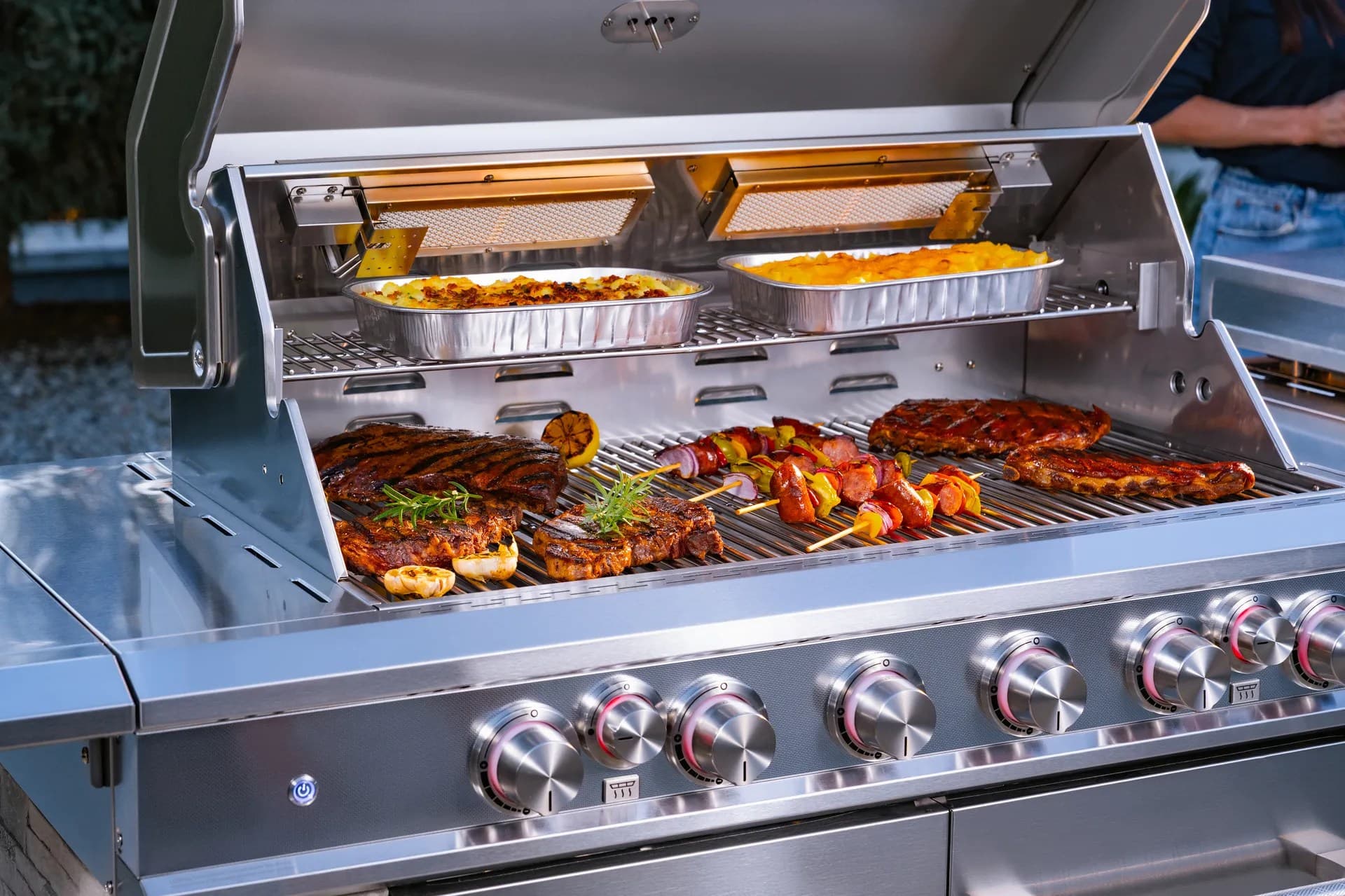
A comprehensive guide to help you decide which outdoor cooking appliance best suits your culinary needs.
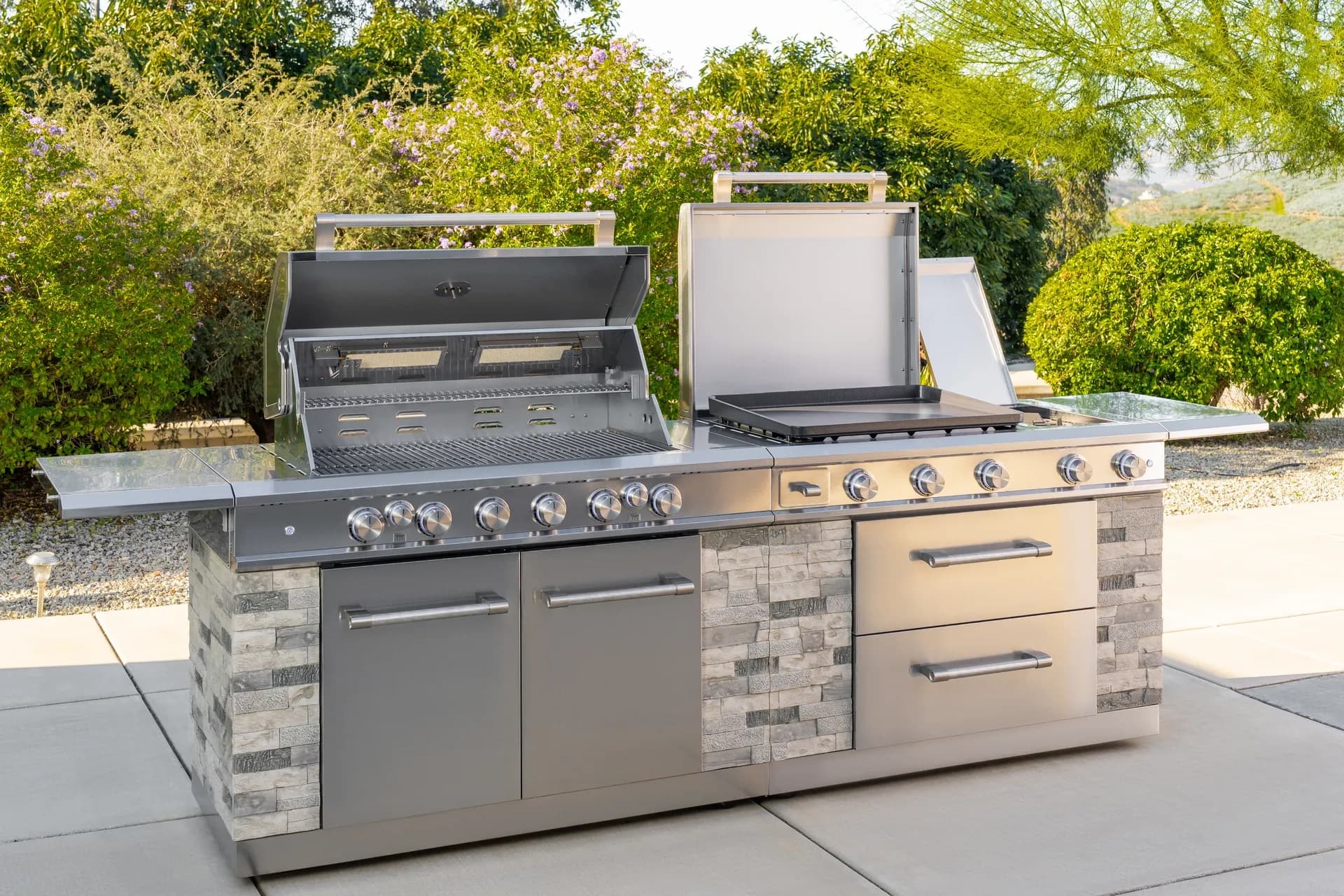
From sizzling breakfasts to smash burgers and teppanyaki-style dinners, the Daytona Pro 5 Burner NitroGuard™ Griddle delivers powerful heat, fast cooking, and a durable cooking surface built for every backyard cookout. Watch how easy outdoor cooking can be.
Here's what sets us apart from the competition
We position ourselves as delivering high-end outdoor cooking features and performance without premium-brand pricing, emphasizing “Quality Grills. Unbelievable Value.”
We offer gas grills, pellet grills, griddles, smokers, pizza ovens, portable/tabletop grills, electric grills, accessories, and replacement parts — allowing customers to stay within one ecosystem for all outdoor cooking needs.
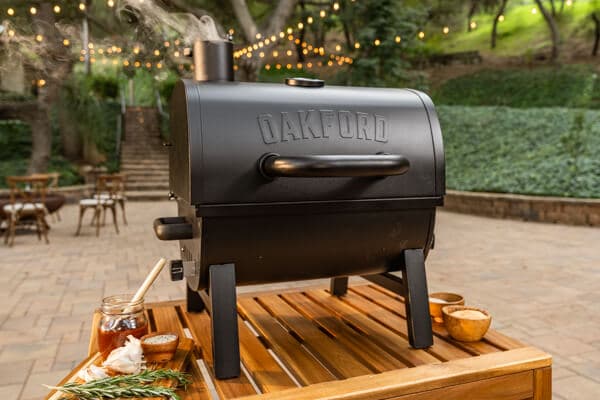
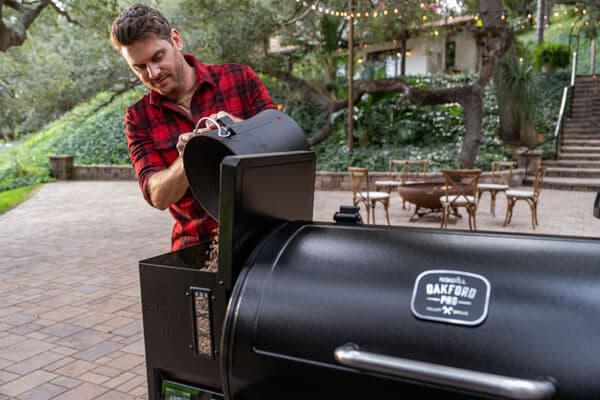
We differentiate ourselves through smart grilling products like the Oakford smart pellet grill, including app-connected cooking controls and modern outdoor cooking technology.
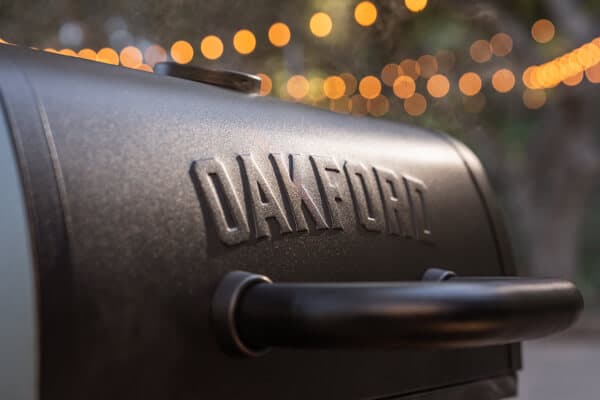
Expert tips, buying guides, comparisons, and inspiration for choosing and getting the most out of your grill.
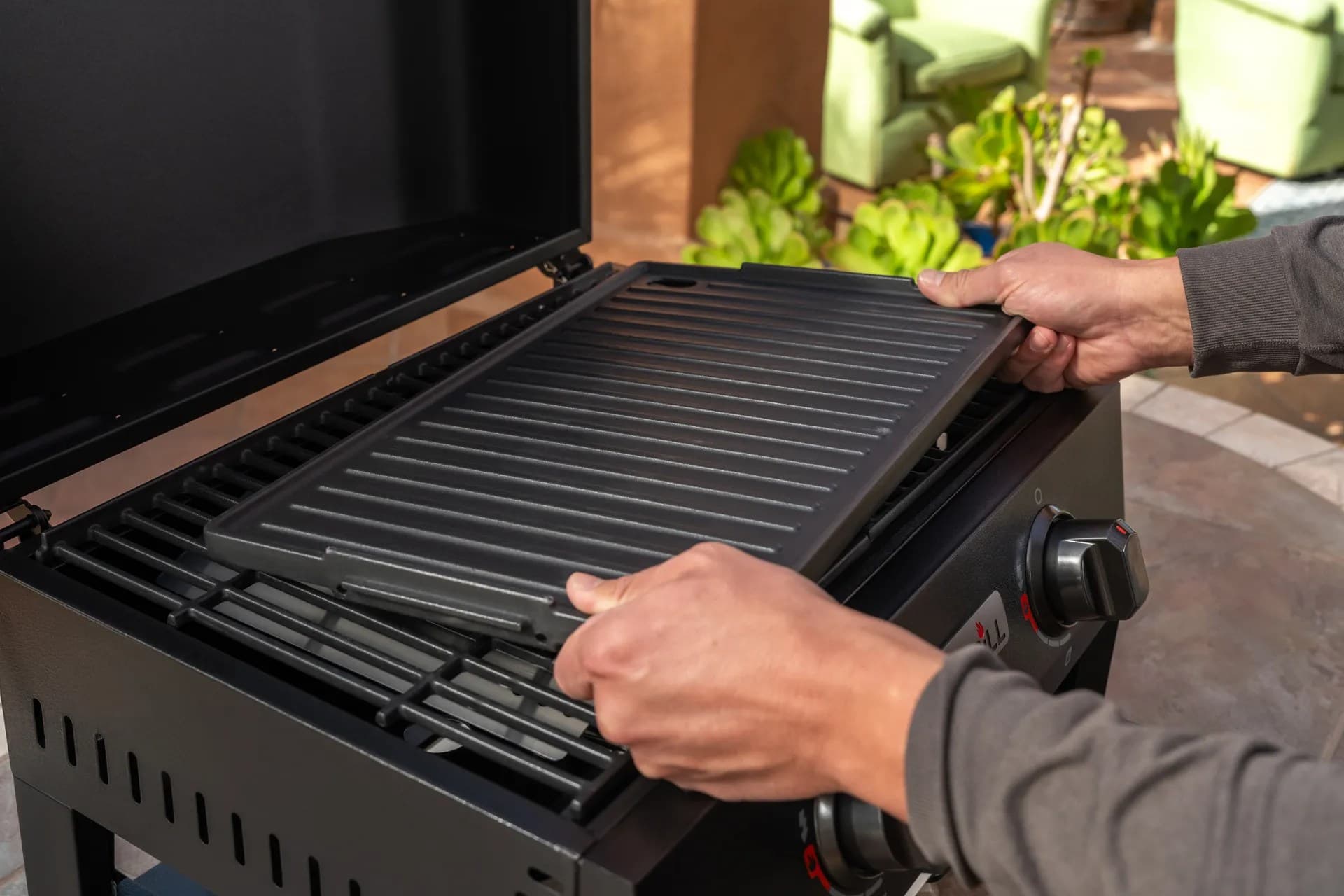
Practical guides for cleaning, maintenance, common grill issues, and performance optimization.
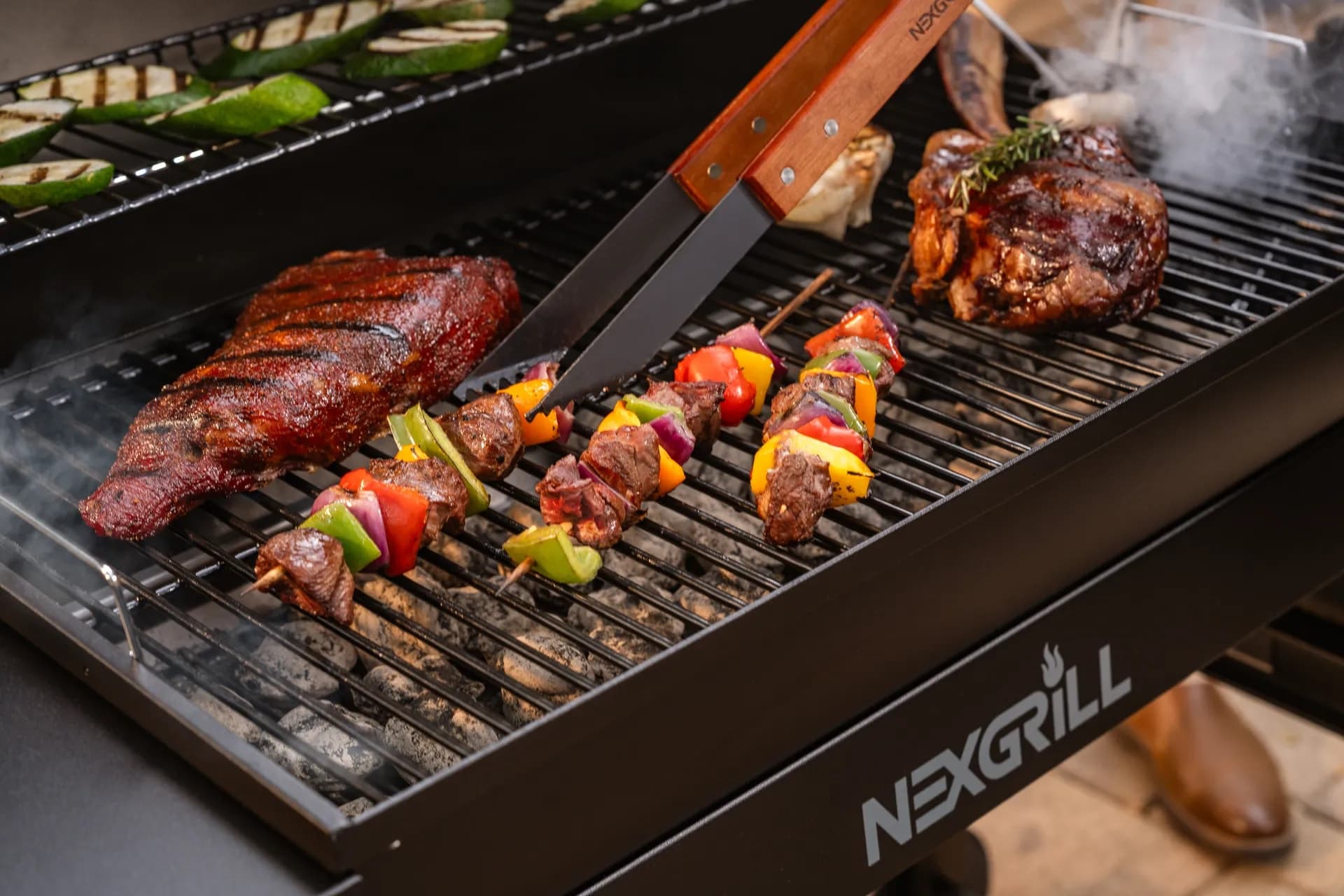
Step-by-step grilling recipes, cooking techniques, and meal ideas for every occasion and skill level.

Backyard entertaining ideas, seasonal grilling inspiration, and stories that celebrate outdoor cooking culture.
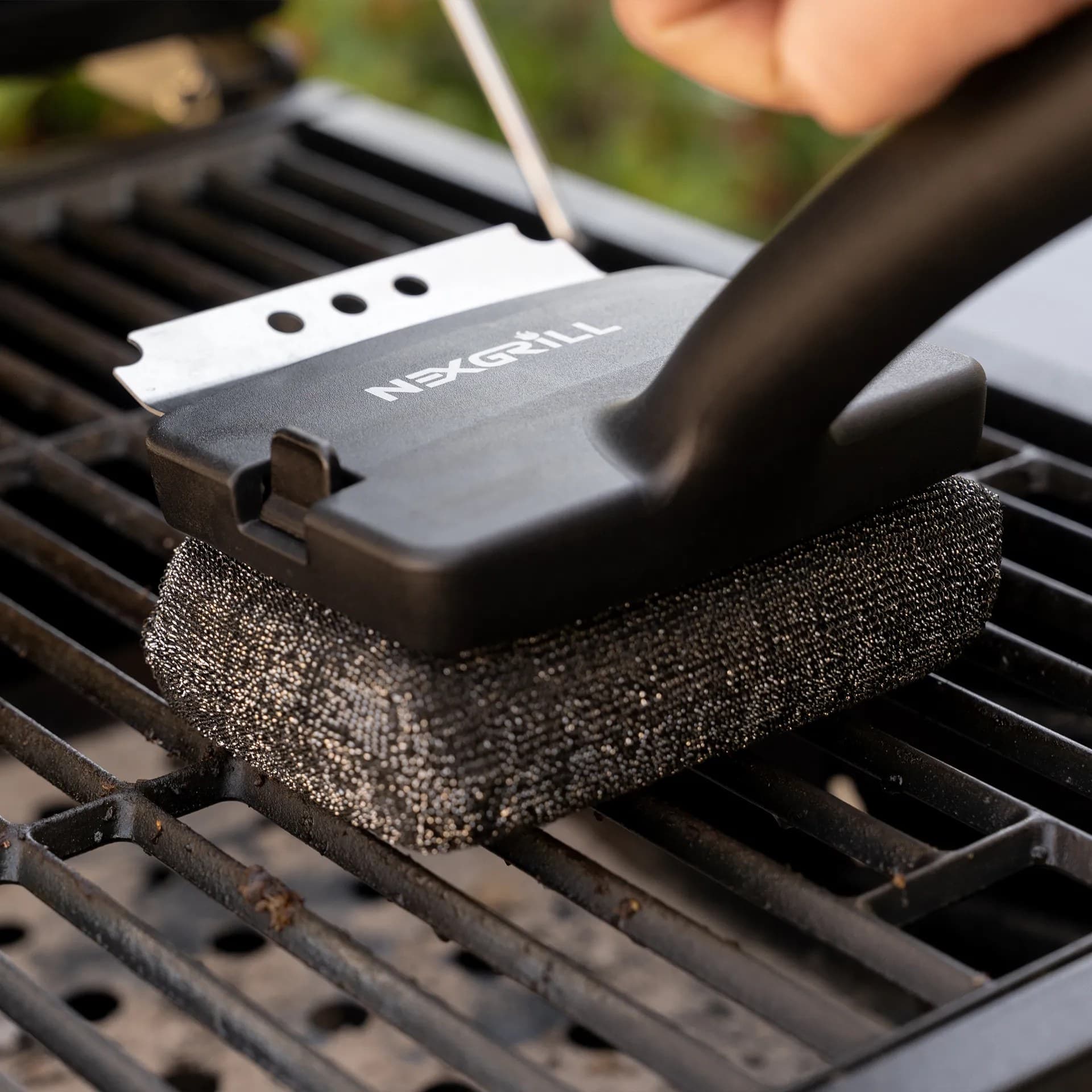
Helpful articles covering grilling tools, cookware, maintenance gear, and must-have accessories for outdoor cooking.
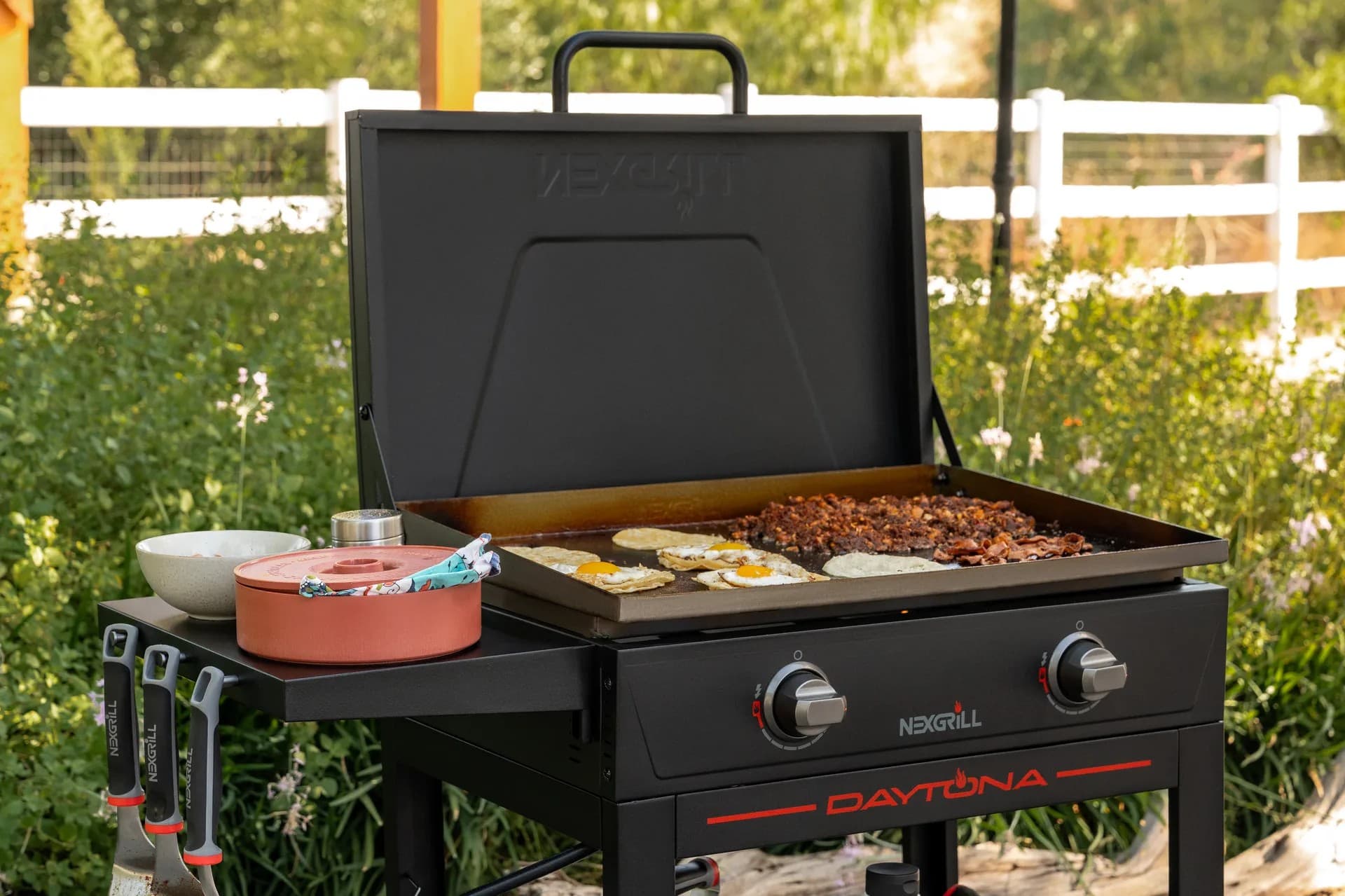
Find griddle recipes, cooking techniques, cleaning tips, and outdoor meal ideas designed for Nexgrill griddles.
Find answers to common questions
Gas grills provide instant heat and precise temperature control, making them easier to use. Charcoal grills offer a smoky flavor and high heat for searing but require more time to heat up and manage.
Pellet grills combine the convenience of gas with the flavor of wood, allowing for smoking, baking, and grilling. Traditional gas grills, however, are quicker to start and often easier to clean.
Charcoal grills typically reach higher temperatures quicker than gas grills, making them better for searing meat. However, high-quality gas grills can also provide adequate heat for effective searing.
Nexgrill offers models designed specifically for gas, charcoal, and pellets, allowing users to choose based on their cooking style and flavor preferences. Each type is built to optimize the characteristics of its respective fuel.
Choosing between gas and charcoal grills depends on your cooking preferences and lifestyle. If you value convenience and quick cooking, a gas grill may suit you better; if you prefer the taste and experience of traditional grilling, a charcoal grill would be ideal.
In This Article
Cooking Temperature
Versatility
Cost Considerations
Choosing between a pizza oven and a grill starts with one practical question: what do you actually cook most often, and what kind of experience do you want in your backyard? A pizza oven is purpose-built for intense, concentrated heat that turns out pizzas quickly with a crisp crust and blistered toppings. A grill, by contrast, is a broader outdoor cooking platform that can handle weeknight chicken, vegetables, steaks, seafood, and even some indirect cooking projects with the right setup. For many homeowners, the best choice is not about which appliance is “better” in the abstract, but which one fits the way they cook on a normal Saturday night, a family gathering, or a holiday meal.
That decision matters because outdoor cooking equipment is as much about behavior as it is about hardware. If you love specialty meals, entertaining around a single showpiece dish, and quick high-heat results, a pizza oven can feel exciting and focused. If your outdoor cooking routine is more varied, a grill gives you flexibility that stretches from burgers and kabobs to roasted vegetables and seared fish. Nexgrill’s brand position around accessible, real-world outdoor cooking is especially relevant here: the best appliance is the one that helps people gather, cook, and enjoy the meal without overcomplicating the process. In Nexgrill’s own language, grilling is about inclusion, shared time, and dependable performance, not just equipment specs .
The smartest way to compare these appliances is to think in terms of usage frequency: if you’ll use it for many different meals, versatility usually wins; if you want a specialty experience, purpose-built heat is the draw.
Let your most common meals decide the appliance, not just one dream dinner.
A pizza oven is optimized for fast, high-intensity cooking. It shines when you want a Neapolitan-style pizza, flatbread, roasted vegetables finished in a flash, or a bread-and-fire experience where speed and heat are the main attraction. The trade-off is that this strength becomes a limitation if your typical menu includes a wide range of proteins or side dishes that benefit from gentler heat control. A grill is optimized for adaptable cooking. It can sear over direct flame, finish thicker cuts over indirect heat, and move from one food group to another with very little change in technique. That is why many households eventually treat the grill as the foundation of outdoor cooking, while pizza becomes a special-event use case.
For readers comparing these two options side by side, the practical question is not whether pizza tastes better from an oven or a grill, but whether your kitchen outside needs a specialist or an all-rounder. A family that grills year-round in the United States often gets more mileage from a dependable gas grill, while a household that regularly hosts pizza nights may see more value from a pizza oven. If you already own a grill, adding a pizza oven can expand the menu. If you are starting from zero, the first purchase should usually reflect the broadest set of meals you want to make.
Temperature is the biggest technical difference in a pizza-oven-vs-grill-review comparison. Pizza ovens are built for extremely high heat, often in the 700 to 950°F range, because that level of heat is what gives pizza its signature quick rise, spot-charred crust, and fast bake time. At those temperatures, a pizza may be done in just a few minutes, which changes the entire rhythm of cooking. You are not waiting for a long preheat-and-roast cycle; you are managing a rapid, almost theatrical cook where timing and placement matter. Grills typically operate in a more familiar outdoor cooking range of roughly 300 to 500°F for common grilling tasks, though direct zones can exceed that and charcoal cooking can get much hotter depending on setup and fuel.
This difference has practical consequences. A pizza oven’s heat is excellent for cooking dough quickly, melting cheese evenly, and creating the kind of crust texture that is difficult to duplicate on a standard grill. But that same intensity can make it unforgiving if you want to slow down or cook something more delicate. A grill gives you more control for foods that need staged cooking, such as thick chicken breasts, bone-in pork chops, or vegetables that should soften before they char. With multi-burner gas grills, you can create temperature zones that let you sear on one side and finish on another. Nexgrill’s multi-burner and side-burner configurations are designed around that kind of practical control, which is one reason grills remain the default choice for mixed menus .
High heat is a strength, but it also narrows your margin for error. Pizza ovens reward speed and attention; grills reward flexibility and adjustment.
| Feature | Pizza Oven | Grill |
|---|---|---|
| Typical cooking range | About 700 to 950°F | About 300 to 500°F for most grilling |
| Best heat style | Rapid, concentrated bake heat | Direct and indirect control |
| Learning curve | Faster turnaround, tighter timing | More forgiving for varied foods |
Versatility is where the grill usually separates itself from the pizza oven. A grill can move through an entire meal plan without asking you to switch appliances. You can sear steak, grill asparagus, cook shrimp skewers, warm tortillas, toast buns, and even use a griddle-style accessory for breakfast foods depending on the model. That makes the grill valuable on ordinary weeknights as well as bigger occasions. In practice, a grill behaves like the more flexible investment because it supports everyday cooking patterns instead of only one standout use case.
Pizza ovens, however, are not one-note; they are just specialized. Along with pizza, they can handle flatbreads, naan, roasted peppers, quick-baking appetizers, and certain breads with impressive results. Some users enjoy the sensory experience of rotating pies, managing flame, and serving multiple rounds during a gathering. Still, even when a pizza oven can cook more than pizza, its menu tends to cluster around dough-based or high-heat, short-duration foods. That distinction is important for buyers who imagine “more than pizza” but then realize they mostly want to cook steak, salmon, and vegetables on a regular basis.
A useful test is to list the ten meals you are most likely to cook outdoors this year. If pizza is one item among many, the grill is usually the stronger first purchase. If pizza nights, flatbreads, and artisanal breads dominate your outdoor vision, the pizza oven starts to make more sense. In a Nexgrill context, that decision often favors the appliance that supports gathering: grills are built for shared plates and mixed menus, while a pizza oven is best when the meal itself is the event.
A grill usually wins on menu breadth. A pizza oven usually wins on one highly specific job done exceptionally well.
Budget is where many shoppers realize the real comparison is not just sticker price, but total setup cost. Pizza ovens can start around USD 350 and move beyond USD 1,000 depending on size, fuel type, and build quality. That seems approachable at the low end, but you may still need a table or stand, fuel supply, tools, and heat-safe accessories to make the appliance convenient to use. Grills vary widely as well, but quality units often start around USD 1,499, with larger or more feature-rich models costing more. The initial purchase may be higher, yet a grill often replaces multiple outdoor cooking functions, which can improve value if you cook a wide range of meals.
Cost should also be framed around frequency of use. A buyer who will only cook pizza a few times per month may struggle to justify a premium pizza oven unless that experience is especially important to the household. A family that grills for most dinners can rationalize spending more on a durable gas grill because it earns its keep across the week. Add in accessories and fuel, and the value picture becomes even clearer. A grill may need grates, covers, cleaning tools, and possibly a side-burner workflow; a pizza oven may need peels, cutters, and fuel management gear. Over time, the more versatile appliance can be the more economical one because it reduces the need for separate outdoor devices.
For shoppers who are comparing long-term value in the United States, one helpful approach is to think in cost-per-use rather than only upfront price. If a grill gets used 40 or 50 times a year, its per-meal cost can fall quickly. If a pizza oven gets used only when friends come over, the cost per session stays higher. That does not make the pizza oven a bad buy; it just means the value equation is tied closely to enthusiasm and occasion, not daily utility.
Common pizza oven price range, before accessories and setup costs.
Maintenance is often overlooked until the first season of use reveals how much effort each appliance demands. Pizza ovens usually have simpler cooking surfaces than grills, but they still need regular ash, soot, or debris management depending on fuel type and design. Because they run hot, any leftover food residue can carbonize quickly, so cleaning habits matter. The stone or refractory surface also needs care: moisture, harsh scraping, or sudden temperature changes can shorten its life. In other words, pizza ovens can be easy to love but require attention to protect the cooking chamber.
Grills typically demand more routine cleaning because they handle grease, drippings, and a wider range of foods. Burners need inspection, grease trays need emptying, and grates benefit from brushing while warm. On the positive side, a well-built grill is often designed for broad outdoor use and can hold up well when cleaned regularly and covered between sessions. Nexgrill’s brand materials emphasize dependable, real-world use, and that matters here: outdoor cooking equipment should be selected with maintenance habits in mind, not just performance numbers .
If you dislike cleaning after every use, choose the appliance whose cleanup matches your patience level, not just your cooking ambition.
The right choice comes down to how you define outdoor cooking success. Choose a pizza oven if your priority is high-heat performance, fast-cooking pizzas, and a specialty experience that turns dinner into an event. Choose a grill if you want a more versatile appliance that can cover a wider range of meals, feed different tastes, and support frequent use throughout the year. For many households, the grill is the better first purchase because it serves more occasions. For households already covered on general grilling, a pizza oven can be an exciting second appliance that adds a new dimension to backyard cooking.
A useful decision framework is simple. If you cook mostly one category of food and care about authenticity and speed, go pizza oven. If you cook a little bit of everything and want one outdoor appliance to do more jobs, go grill. If your budget is limited, start with the appliance that will be used most often. If your budget allows for two appliances later, the combination can be powerful: the grill becomes your everyday workhorse, while the pizza oven becomes your specialty centerpiece. Try comparing two products side by side below to see which fits best:
Once you've weighed two options against each other, the next step is to be honest about the cooking life you want to build around the appliance. A pizza oven creates a very specific experience: fast bakes, intense heat, and a focused menu centered on dough, fire, and timing. A grill creates a broader outdoor kitchen experience, one that can support family dinners, neighborhood get-togethers, and flexible weeknight meals without much ceremony. This is why the pizza-oven-vs-grill-review question is less about novelty and more about how often the appliance will fit your real routine. Nexgrill’s brand approach emphasizes accessible outdoor cooking for different households, from casual backyard cooks to more experienced grillers, and that perspective matters when you are deciding where to spend your money .
If your idea of a great weekend revolves around making one or two pizzas for friends, then a pizza oven can feel deeply satisfying. If your weekends look more like steak, salmon, grilled vegetables, and maybe dessert peaches after dinner, a grill is usually the better fit. The most important thing is not to buy for the one meal you imagine showing off, but for the menu you will actually repeat. In the United States, that often means thinking about seasonality too: summer entertaining, spring burgers on the patio, fall vegetables, and year-round searing can all point toward the grill, while the pizza oven tends to be most compelling when that specific style of cooking is a shared hobby.
Temperature capability is the clearest dividing line between these appliances. Pizza ovens typically run in the 700 to 950°F range, which is the environment needed to cook a pizza quickly enough for a crisp bottom and airy rim. That heat creates speed, but it also reduces the time you have to react. If you wait too long, the difference between a beautifully charred crust and a burnt one can be measured in seconds. For someone who enjoys that pace, the control challenge is part of the fun. For someone who wants a slower, more relaxed outdoor cook, the heat can feel intense and demanding.
Grills usually operate between 300 and 500°F for everyday cooking, though the actual usable range depends on the number of burners, the fuel source, the distance from the flame, and whether you are using direct or indirect heat. That broader range is valuable because it allows more kinds of food to succeed. You can sear chicken skin, finish thicker cuts with the lid closed, or hold a section of the grate at a gentler temperature for vegetables. Gas grills in particular make this easy to manage because knobs provide immediate control. A model like Nexgrill's multi-burner gas options is useful precisely because it lets you create zones instead of one uniform blast of heat .
If you are buying for control rather than drama, the grill is usually easier to live with. If you are buying for speed and theatrical heat, the pizza oven stands out.
| Decision factor | Pizza oven | Grill |
|---|---|---|
| Best temperature profile | Extremely high heat for quick pizza bakes | Moderate-to-high heat with zone control |
| Ease of adjustment | Faster but less forgiving | More adjustable across food types |
| Best for beginners | Best for motivated specialists | Best for mixed-skill households |
When people say they want “versatility,” they often mean they want an appliance that can rescue a weeknight dinner and still look good when guests arrive. That is exactly where the grill shines. It can handle chops, kabobs, burgers, fish, vegetables, fruit, and many side dishes without forcing you to rethink the format of the meal. Some models also support side burners or flat-top-style add-ons, which expands what you can cook outdoors. For households that want one appliance to do the work of several cooking setups, the grill is the safer bet.
A pizza oven is more specialized, but specialization is not a weakness if the goal is excellence in one category. The oven is excellent for pizza, certainly, but it can also do naan, flatbreads, roasted vegetables, and fast-cooked appetizers. The catch is that it encourages a narrower culinary rhythm. You may find yourself planning around dough fermentation, ingredient prep, and rapid bake cycles. That is rewarding for some users and tedious for others. If you are not especially interested in mastering one high-heat format, the grill will likely feel more natural because it accommodates the way most people already cook outdoors.
The practical buyer question is simple: do you want the appliance to expand the menu, or to perfect one menu item? A pizza oven expands the quality of pizza night. A grill expands the number of dishes you can make outside. For most families, that distinction decides the purchase.
The grill is the stronger choice for households that want breakfast, lunch, dinner, and sides from one outdoor setup.
Budget is often the point where the conversation gets real. Pizza ovens may appear cheaper at the entry level, with prices starting around USD 350 and moving past USD 1,000 for more substantial builds. But the full spend usually includes tools, fuel considerations, and some sort of heat-safe staging area or stand. If you want the oven to be easy to use often, those extras matter. A grill, especially a quality gas grill, may start higher - around USD 1,499 for some dependable models - yet it can replace several outdoor cooking roles at once. That changes the value equation, particularly for buyers who want one purchase to do a lot of work.
The smarter way to budget is to map the appliance to actual use. A pizza oven that gets used every Friday can be worth far more than its purchase price suggests. A grill that becomes the center of family cooking all spring and summer can be even more justifiable because it supports main dishes and sides across many occasions. In practical terms, the costs that surprise people are usually not the initial MSRP, but the add-ons: covers, utensils, replacement parts, fuel, and cleaning supplies. Nexgrill’s accessible outdoor cooking philosophy is useful here because it reminds buyers to focus on value, not just headline price .
Fuel, tools, and upkeep can change the real cost of ownership.
Maintenance should be part of the buying decision because the easier an appliance is to care for, the more likely you are to keep using it. Pizza ovens need attention to ash, crumbs, and any residue that accumulates from high-heat baking. If the appliance uses stone or ceramic components, the owner also needs to avoid moisture damage and abrupt thermal shock. That does not mean a pizza oven is fragile, but it does mean it benefits from deliberate use and storage.
Grills demand a different kind of care. Grease is the central issue, along with burner inspection, grate cleaning, and periodic wipe-downs of exterior surfaces. In exchange, a good grill is often engineered to take daily-ish use better than a specialty appliance. Because grills are such common outdoor workhorses, parts and accessories are generally easier to think about as routine ownership items rather than special-event gear. Nexgrill’s brand guidelines stress dependability and approachable cooking experiences, which aligns well with the idea that long-term value comes from choosing equipment you will maintain consistently, not equipment that only performs on perfect days .
If you know you will forget to clean something after a party, buy the appliance whose upkeep you can realistically keep up with.
The clearest decision rule is this: choose a pizza oven if the joy of cooking is tied to one dramatic, high-heat specialty, and choose a grill if you want a more adaptable appliance that supports daily meal planning. If your household cooks many different proteins and vegetables, the grill will likely give you more satisfaction. If your household is energized by pizza night and wants to replicate a pizzeria-style result at home, the pizza oven can become the centerpiece of the patio.
For first-time buyers, the grill is often the more practical starting point because it covers more use cases and can stretch across more seasons. For experienced outdoor cooks who already have a basic grill, a pizza oven can be an exciting upgrade that introduces new technique without replacing the workhorse appliance. Think of it as a specialization decision: one tool for breadth, one tool for depth. Once that is clear, the rest of the choice becomes easier. If you are still torn, compare the actual models you are considering side by side and ask yourself which appliance will get used more in the first 90 days, not the first summer fantasy.
Sources
Here's what sets us apart
We position ourselves as delivering high-end outdoor cooking features and performance without premium-brand pricing, emphasizing “Quality Grills. Unbelievable Value.”
We offer gas grills, pellet grills, griddles, smokers, pizza ovens, portable/tabletop grills, electric grills, accessories, and replacement parts — allowing customers to stay within one ecosystem for all outdoor cooking needs.
We differentiate ourselves through smart grilling products like the Oakford smart pellet grill, including app-connected cooking controls and modern outdoor cooking technology.
Don't just take our word for it
Keep reading
From our catalog