Smoker vs Grill: Understanding the Differences
A comprehensive guide to choosing between smokers and grills for your outdoor cooking needs.
In This Article
Cooking Methods
Temperature and Time
Flavor Profiles
Introduction to Smoking and Grilling
Choosing between a smoker and a grill starts with a simple question: what kind of result do you want on the plate, and how much time are you willing to spend getting there? A grill is built for speed, direct heat, and surface browning. A smoker is built for patience, indirect heat, and deep flavor development over hours. That difference sounds obvious at first, but it changes everything about the way you cook, the cuts of meat you buy, the space you need, and even the kind of backyard routine that feels realistic on a weeknight versus a weekend.
For many home cooks, grilling is the fast path to dinner. Steaks, burgers, chicken breasts, pork chops, vegetables, and seafood all respond well to high heat because the goal is usually to cook quickly while creating a browned exterior and a juicy interior. Smoking is the slower craft. Brisket, pork shoulder, ribs, and whole poultry benefit from the low-and-slow process because connective tissue needs time and steady heat to break down. That is why the smoker-versus-grill decision is less about which appliance is “better” and more about which method fits your cooking habits, your favorite recipes, and the amount of time you actually have.
The most important difference is not the food itself, but the heat strategy: grills use direct heat for fast cooking, while smokers use indirect heat and smoke for gradual flavor building.
Nexgrill’s brand approach centers on accessible outdoor cooking that works for different experience levels and different kinds of gatherings. That matters here because the smoker-versus-grill question is often really a question about versatility. If you want one appliance to handle Tuesday-night chicken thighs and Saturday burgers, a grill usually makes more sense. If you are drawn to barbecue projects, long cook times, and the reward of tender pulled meat, a smoker gives you a very different cooking experience. The right answer depends on whether you want convenience, smoke flavor, or the ability to do a little of both.
It also helps to think in terms of temperature bands. Grilling typically happens in the 400°F to 550°F range for shorter cooking windows, which is ideal for searing and finishing food quickly. Smoking generally stays around 225°F to 250°F for several hours, and that lower temperature helps preserve moisture while slowly transforming tougher cuts. Those ranges are not arbitrary; they reflect the physics of cooking. Higher heat builds a crust and char, while lower heat gives collagen time to soften into the texture barbecue fans expect.
Core methods: direct heat for grilling, indirect heat and smoke for smoking
Another useful way to frame the decision is by meal planning. If you tend to cook one or two proteins at a time and want dinner on the table fast, a grill creates less friction. If you enjoy planning ahead, trimming meat, seasoning overnight, and managing a long cook, a smoker becomes part of the ritual. Neither approach is inherently more advanced. They are simply different tools for different outcomes, and many outdoor cooks eventually end up wanting both because each solves a distinct problem.
Key Differences Between Smokers and Grills
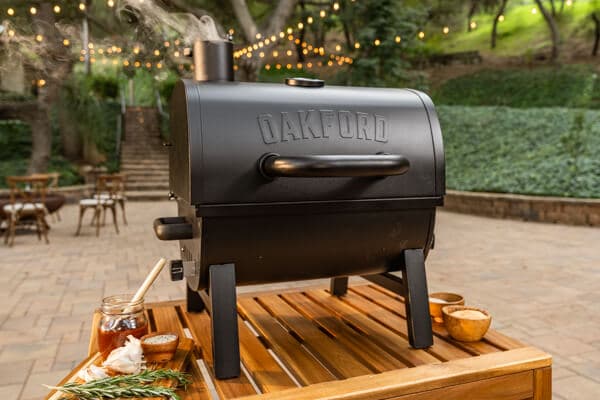
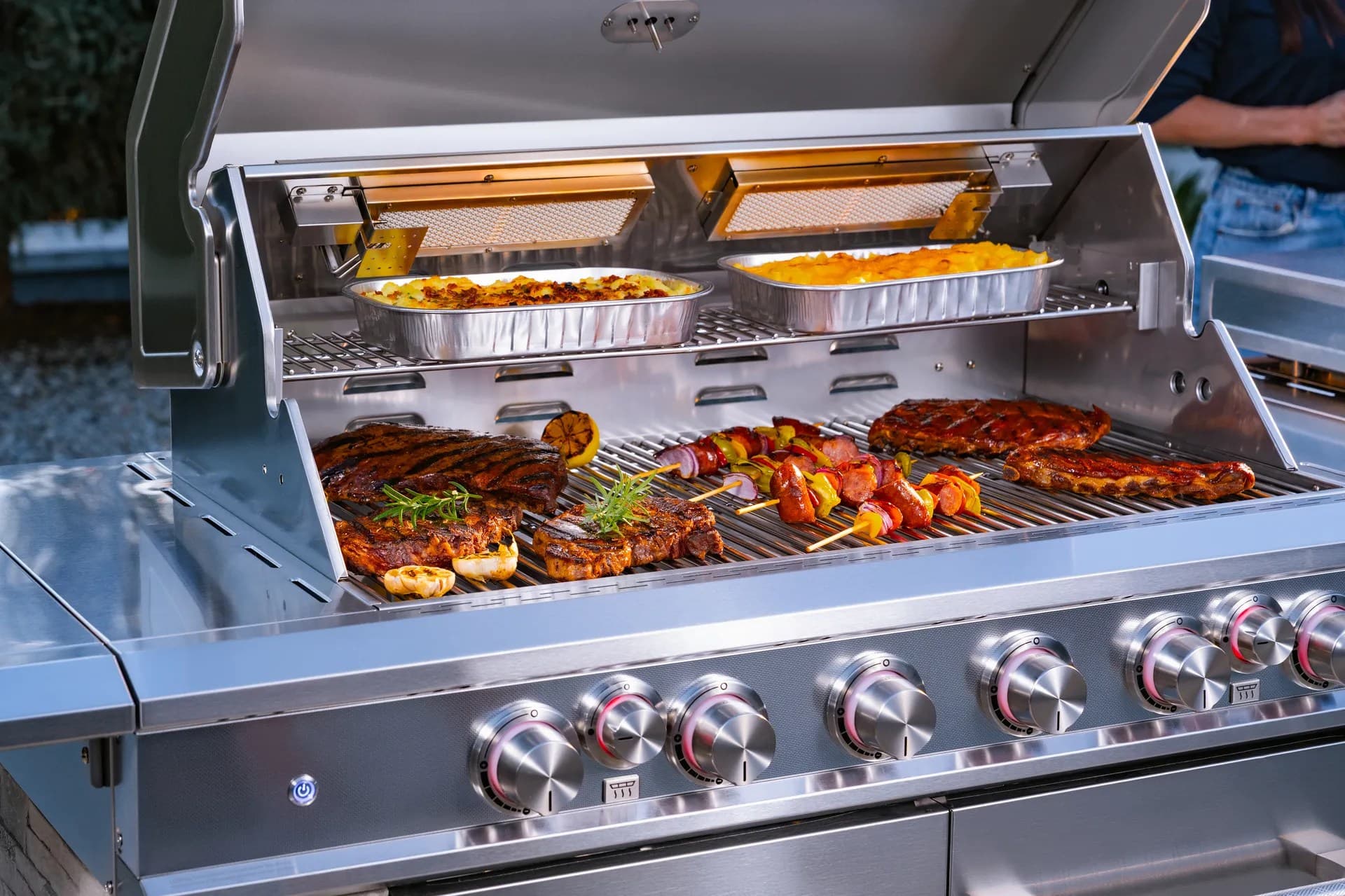
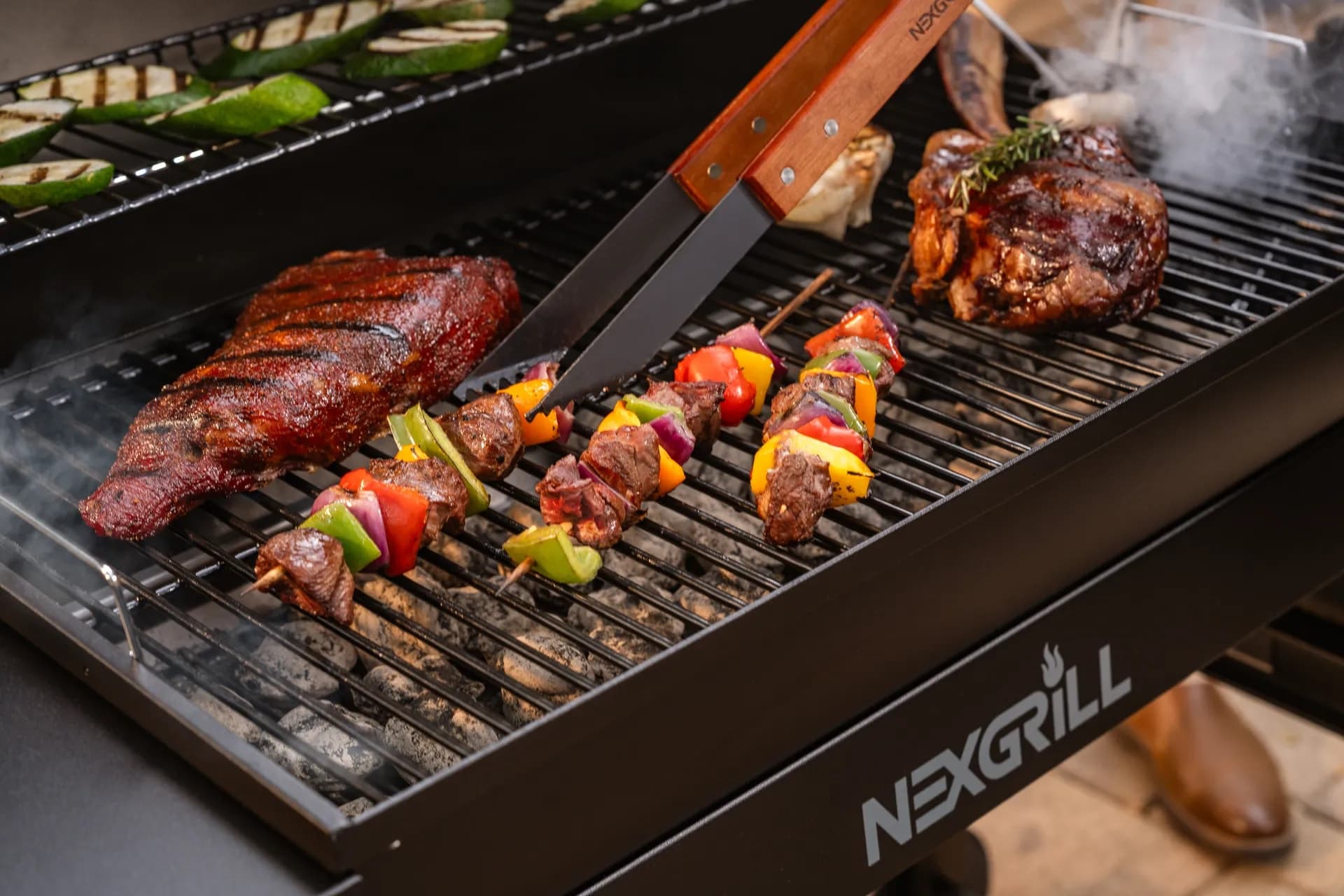
The easiest way to separate smokers from grills is to compare how they apply heat, how long they cook, and what they do to flavor and texture. Grills are designed for direct exposure to flame or a hot cooking surface. The food sits above the heat source, so the surface cooks quickly and often develops sear marks or browning in minutes. Smokers keep the food away from direct flame and surround it with warm, smoky air. That slower, gentler process is what makes a pork shoulder turn shreddable or a rack of ribs take on a deeply seasoned bark.
| Factor | Grill | Smoker |
|---|---|---|
| Heat style | Direct heat | Indirect heat with smoke |
| Typical temp | 400°F to 550°F | 225°F to 250°F |
| Cook time | Minutes to under an hour | Several hours |
| Best for | Steaks, burgers, vegetables, quick cuts | Brisket, ribs, pork shoulder, whole birds |
| Flavor goal | Charred, roasted, browned | Deep smoky flavor, tender texture |
The time commitment is one of the biggest practical differences. A grill is often the better choice when hunger is immediate. You preheat, place the food, flip or rotate as needed, and serve soon after. A smoker demands attention in a different way. It asks you to manage fuel, monitor internal temperature, and resist the urge to rush the process. That is why smokers tend to reward consistency more than speed. If your cooking style is more “get it done” than “let it develop,” a grill will feel more natural.
Flavor is the other major divider. Grilling brings out the Maillard reaction and surface caramelization, which is why a grilled steak tastes bright, savory, and charred at the edges. Smoking infuses the food with aromatic compounds from the wood or smoke source, producing a more layered flavor that can taste earthy, sweet, and robust. This is also why the same cut can feel totally different depending on the method. A chicken thigh on a grill is crisp and direct; a chicken thigh in a smoker is mellow, fragrant, and often more deeply seasoned throughout.
Equipment design also follows the method. Grills usually prioritize burner layout, grate area, and quick heat control. Smokers prioritize airflow, chamber insulation, and the ability to hold low temperatures steadily. In practice, that means a good grill should let you create hot and cooler zones, while a good smoker should keep temperature swings manageable over long cooks. If you think about those design priorities before buying, you will avoid the common mistake of choosing based on appearance alone.
Choosing the Right Equipment for Your Cooking Style
The best choice depends on how you actually cook at home, not on which method sounds more impressive. If your household eats a lot of weeknight dinners and you want something fast, a grill is the practical choice. If you mostly cook for weekends, special events, or game days and enjoy longer barbecue projects, a smoker may be a better fit. If you value flexibility above all else, consider whether you need a single tool that covers both quick meals and low-and-slow recipes, because some outdoor cooks eventually want a broader setup rather than a single-purpose appliance.
Tip: choose the appliance that matches your most common meal, not your rarest ambition. A smoker is rewarding, but a grill is usually the more useful everyday tool.
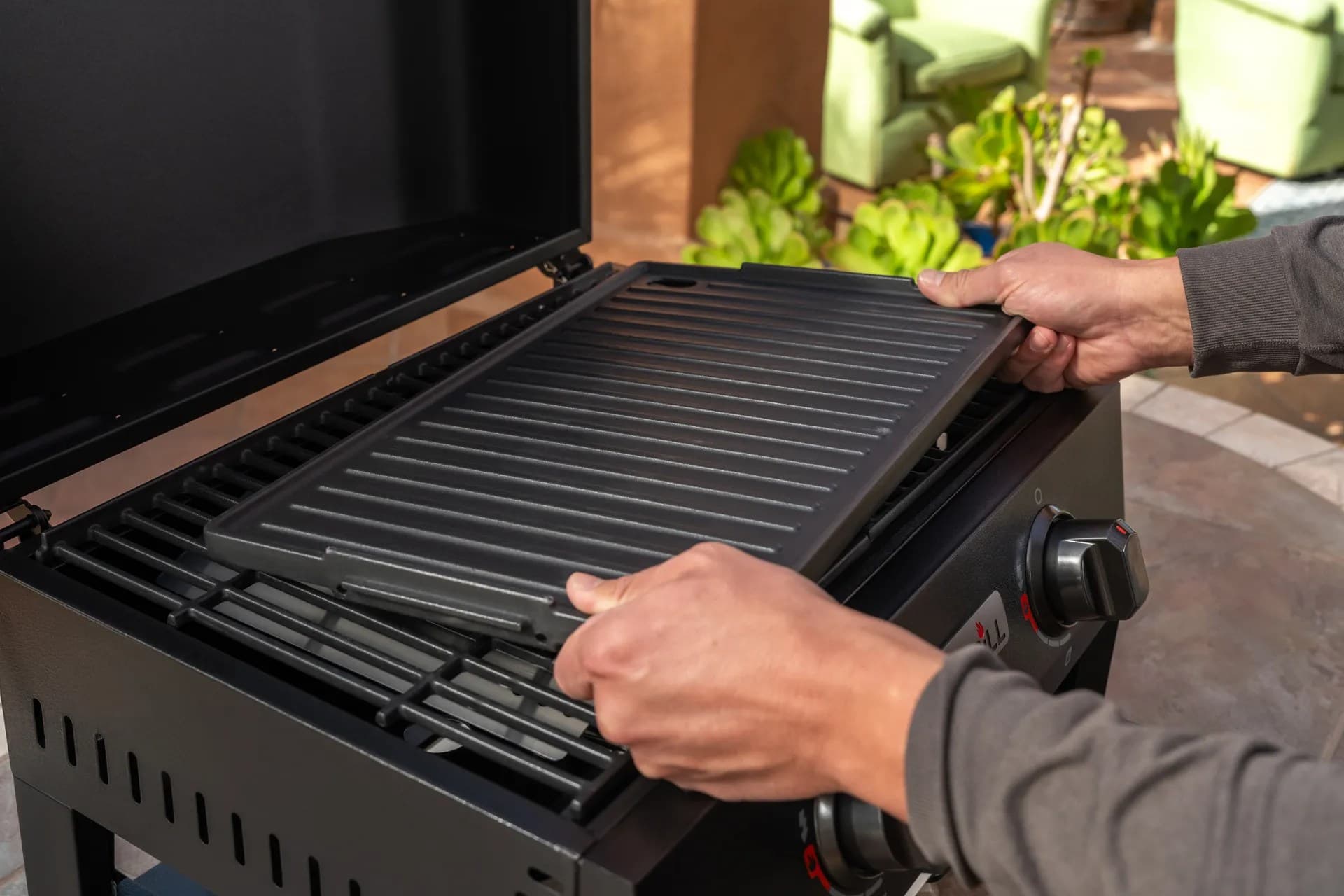
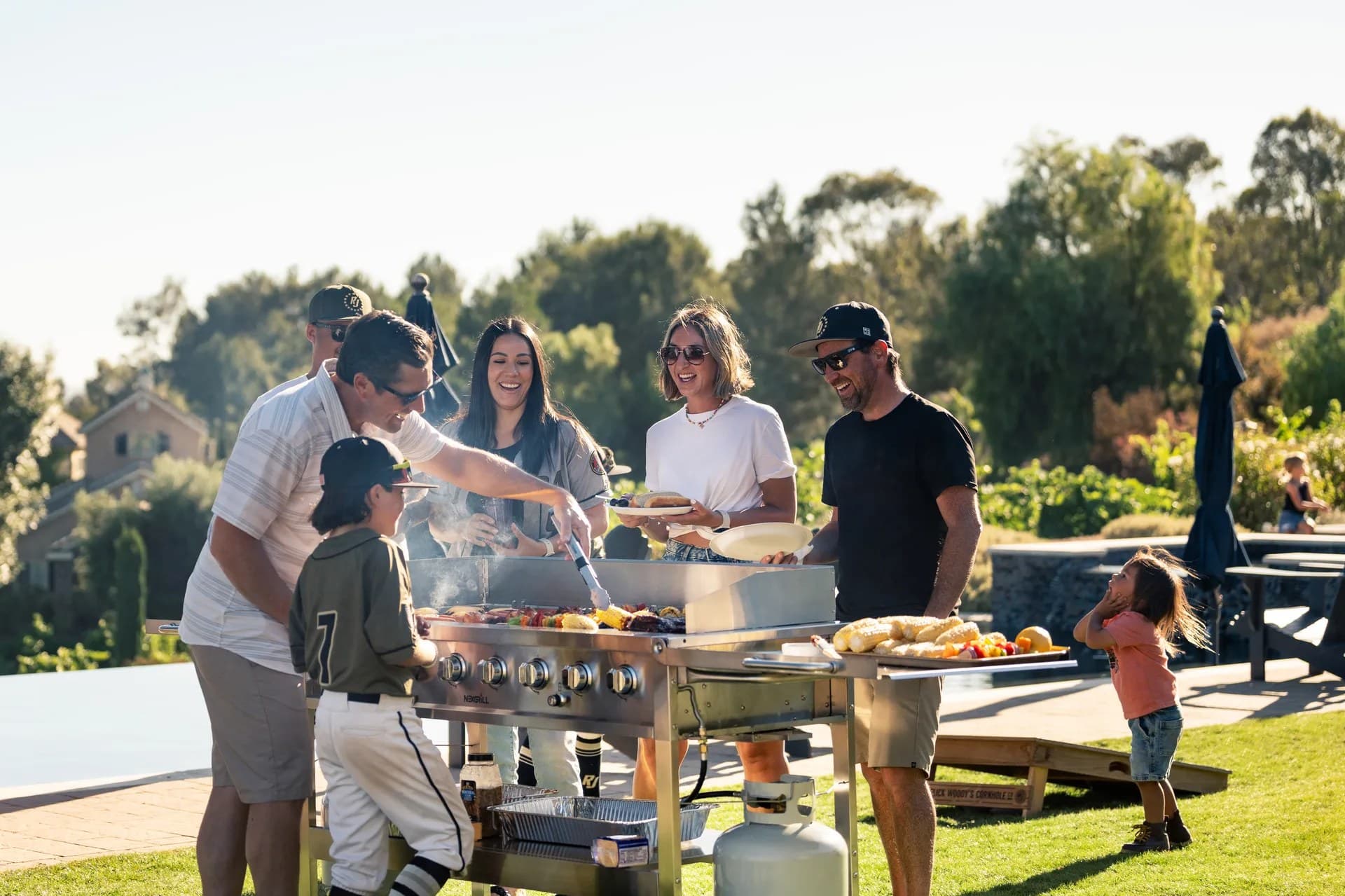
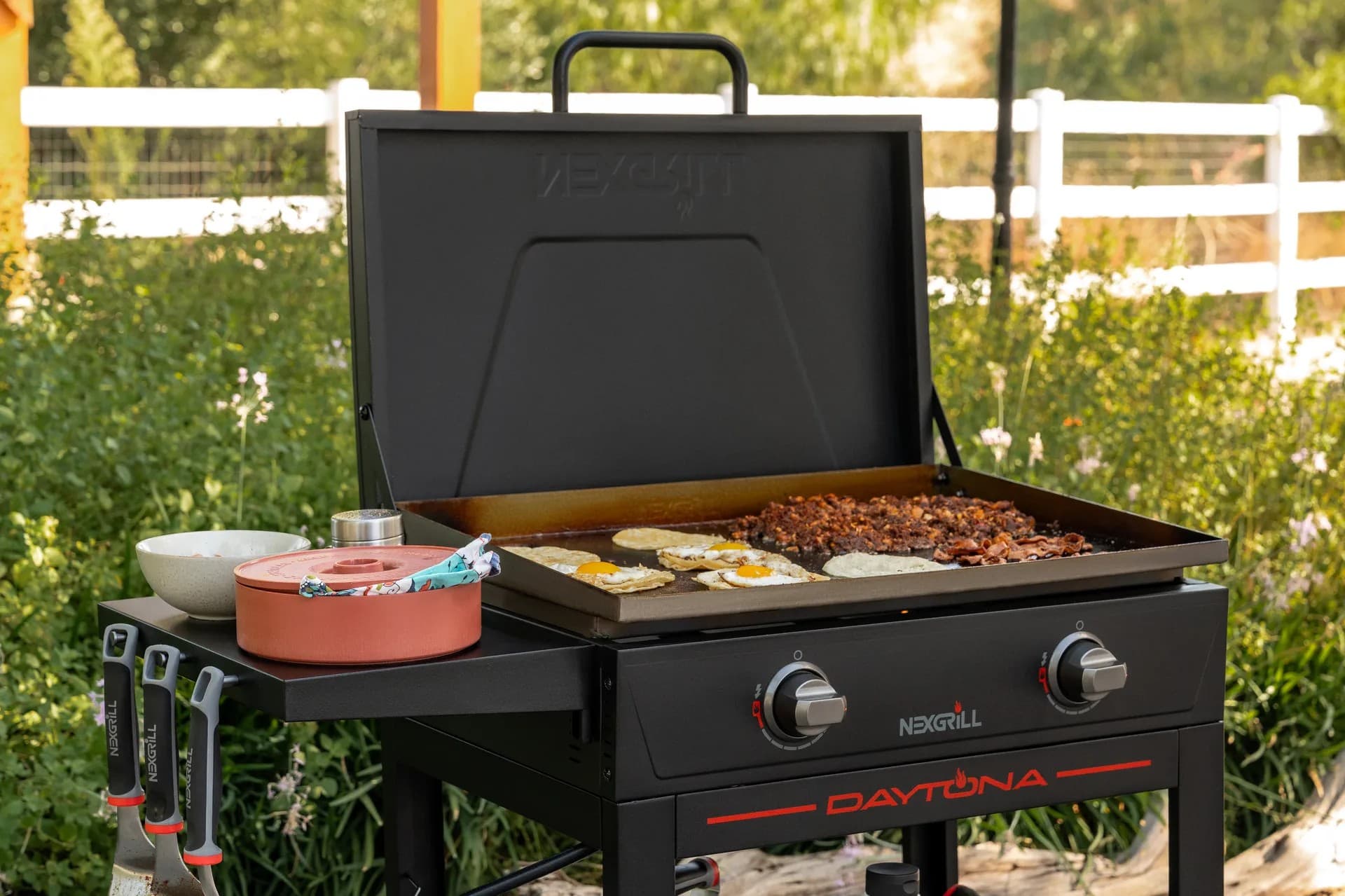
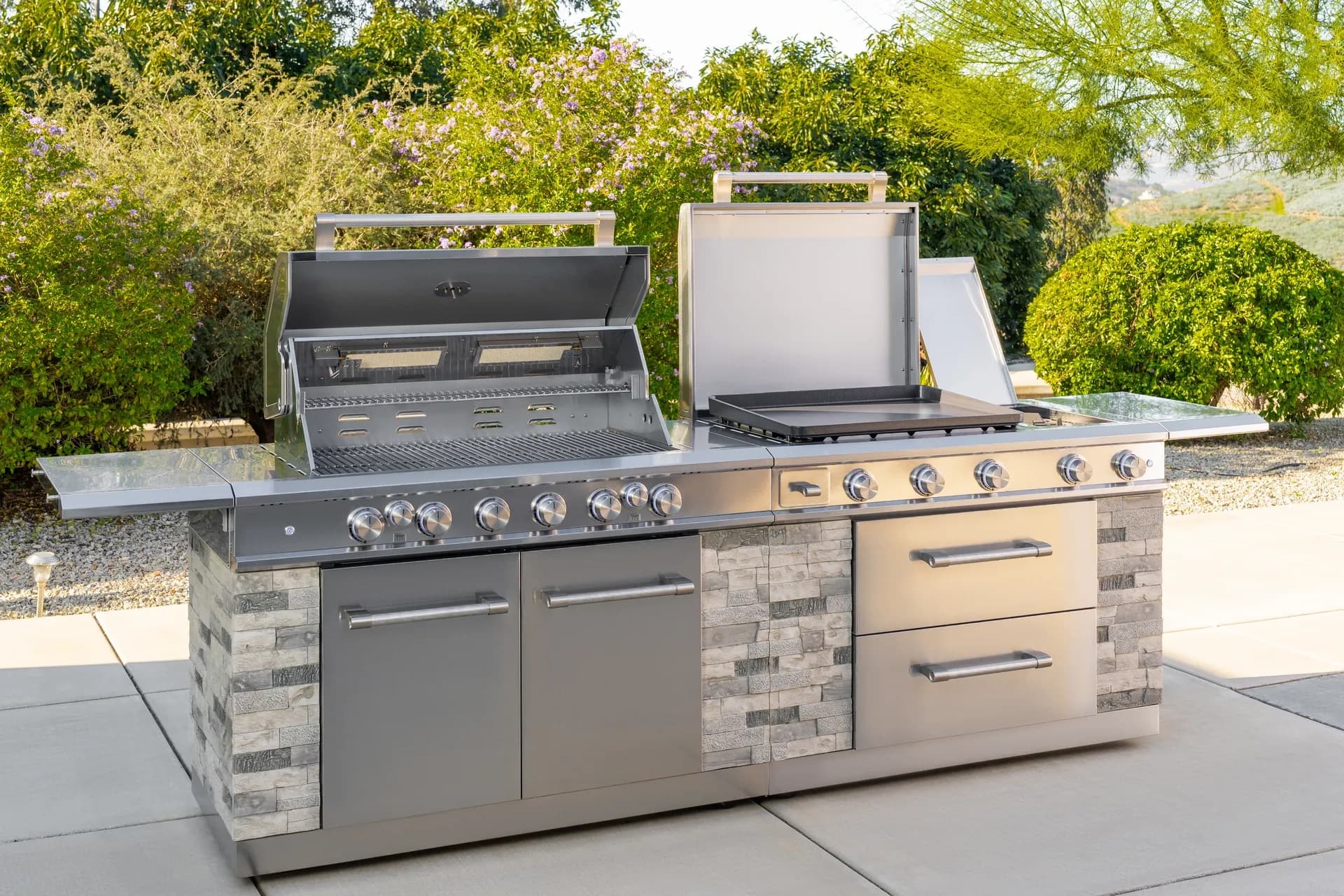
Here is a simple way to think about buyer profiles. For the quick-dinner cook, a gas grill is the most efficient option because it heats fast and responds instantly to temperature changes. For the barbecue hobbyist, a smoker is worth the extra time because it delivers the flavor and tenderness that define smoked meats. For the entertainer who hosts mixed menus, a grill or griddle-style setup often offers the best balance, since you can handle burgers, vegetables, and seafood in one session without planning a full-day cook.
Budget and space matter too. Grills generally come in a wider range of sizes, and many models fit well on patios where storage and quick cleanup are important. Smokers can be larger and often require more room for fuel storage, airflow, and a safe operating area. If you have limited square footage, a grill tends to be easier to live with. If you have room for a dedicated cooking station and want a more specialized experience, a smoker can earn its place.
The final consideration is learning curve. Grilling is usually easier for beginners because the cooking windows are shorter and the results show up quickly. Smoking has a steeper learning curve because temperature control, wood choice, and timing all matter more. That does not mean smoking is difficult; it just rewards patience and observation. If you are just getting started with outdoor cooking, a grill often builds confidence faster. If you already enjoy experimenting with time and temperature, a smoker can be an exciting next step.
Try comparing two products side by side below to see which fits best:
Understanding Smoking Techniques
Once you have weighed two options against each other, the next question is how smoking actually works in real cooking. Smoking is not just about adding wood flavor. It is a controlled low-temperature method that uses indirect heat, steady airflow, and time to transform tougher cuts into tender food. The smoker’s job is to hold a stable environment long enough for collagen and fat to break down without drying the surface out. That is why smoking rewards planning, temperature discipline, and the right cut selection.
The classic smoking range is about 225°F to 250°F, though some cooks sit a little above or below that depending on the food and the smoker design. In that zone, brisket, pork shoulder, beef ribs, turkey breast, and salmon can develop a balanced combination of smoke ring, bark, and tenderness. The low temperature gives smoke time to adhere and penetrate the outer layers while the interior gradually reaches serving temperature. If you try to rush this process by turning up the heat too much, you usually sacrifice the textural payoff that makes smoked food so satisfying.
Warning: smoking is less forgiving of temperature swings than grilling. Large jumps in heat can dry the surface or shorten the time needed to break down connective tissue properly.
Wood choice shapes the final flavor more than many first-time smokers expect. Different woods create different profiles, and the best pairing depends on the protein. Mild fruit woods such as apple or cherry can work well for pork and poultry. Stronger woods such as hickory or mesquite bring a heavier flavor that many cooks prefer for beef, though the intensity should be used carefully. Because Nexgrill’s brand philosophy emphasizes approachable outdoor cooking and shared meals, it makes sense to think of smoking as an experiment you can tailor to your crowd rather than a rigid formula. The goal is to create food people want to gather around, not to prove you followed a textbook perfectly.
A useful smoking habit is to cook to internal temperature rather than to time alone. The clock matters, but the meat tells the real story. A pork shoulder may need many hours before it reaches the texture you want, while ribs may feel done sooner or later depending on thickness and pit stability. Using a thermometer gives you more control and helps avoid the two most common mistakes: pulling food too early or letting it sit in the smoker long after it has crossed the finish line. For many backyard cooks, this is the biggest mindset shift when moving from grilling to smoking.
| Smoking Decision | Best Practice | Why It Matters |
|---|---|---|
| Cut selection | Use larger, tougher cuts | They benefit most from long, slow heat |
| Temperature target | Hold roughly 225°F to 250°F | Supports smoke absorption and tenderness |
| Monitoring | Track internal food temperature | More reliable than cook time alone |
| Fuel management | Maintain steady airflow and fuel supply | Prevents temperature dips and spikes |
Smoking also encourages a different pace of entertaining. It is not unusual for the cook to start early, check temperatures throughout the day, and serve when the food reaches the right texture. That rhythm fits tailgates, backyard Sundays, and holiday meals where the main protein is the centerpiece. If you enjoy building anticipation and serving a dish that feels worth the wait, smoking is a natural match. If you prefer flexible timing and shorter prep windows, the slower process may feel restrictive.
Exploring Grilling Methods
Grilling is the method most people picture first because it is direct, fast, and versatile. Food is placed over high heat so the outside cooks quickly while the inside remains juicy. That makes grilling ideal for smaller cuts and quicker vegetables. A grill also gives you more immediate control over dinner, which is helpful when schedules change or guests arrive hungry. For a lot of families, that convenience is the biggest reason a grill earns more use than a smoker.
The grilling temperature range is usually about 400°F to 550°F, though exact numbers depend on the food and the grill type. This higher heat creates browning, sear marks, and a roasted flavor that many people associate with summer meals. Because the cooking times are shorter, the risk of over-smoking or drying out the food is lower than with a long smoke session, but you still need to manage flare-ups, direct versus indirect zones, and the thickness of the cut. That is where a well-designed grill becomes useful: it gives you enough heat to cook quickly while still allowing some control.
Tip: preheat the grill thoroughly before adding food. A properly heated grate reduces sticking, improves browning, and makes the cook more predictable.
Grilling shines with steaks, chops, chicken breasts, chicken thighs, skewers, burgers, sausage, corn, asparagus, peppers, zucchini, and many other foods that do not require hours of breakdown. It is also the better choice when you need to cook several different items at once but do not want to commit to a long session. The short cooking time lets you keep the meal moving, which is useful for weekday cooking, small get-togethers, and any situation where the rest of the dinner needs to be ready at the same pace as the main protein.
One reason grilling remains so popular is that it can be intuitive without being simplistic. New grillers can learn the basics quickly, but experienced cooks can still get nuanced results by creating hot and cooler zones, turning food at the right moment, and managing lid position. In other words, grilling offers a short learning curve with plenty of room for skill development. That combination makes it a practical choice for households that want dependable results without dedicating an entire day to the cooking process.
Factors to Consider When Deciding Between a Smoker and a Grill
The right choice comes down to a few concrete factors: time, food preferences, space, skill level, and how often you expect to use the appliance. If you cook several times a week, a grill is usually the better everyday investment because it fits fast meals and a wider range of ingredients. If you cook less often but want memorable weekend barbecue, a smoker may deliver more satisfaction even if it is used fewer times. In practice, the best tool is the one that matches your real schedule, not the one that sounds most impressive in theory.
For a family that wants flexibility, the best answer may be to start with a grill and add smoking capabilities later through accessories or a separate unit. For a barbecue-focused cook, the opposite is true: buy the smoker first and accept that it will be less convenient for quick dinners. Nexgrill’s broader outdoor cooking lineup reflects that same idea of matching equipment to use case, because different setups serve different households better. That is especially important if you cook for mixed groups with different preferences, since some nights call for speed and others call for smoke-driven flavor.
| Buyer profile | Better fit | Reason |
|---|---|---|
| Weeknight cook | Grill | Faster preheat and shorter cook times |
| Weekend pitmaster | Smoker | Best for low-and-slow flavor development |
| Frequent host | Grill or multi-zone setup | Handles mixed menus and quick serving |
| Flavor-first enthusiast | Smoker | More smoke character and tenderness |
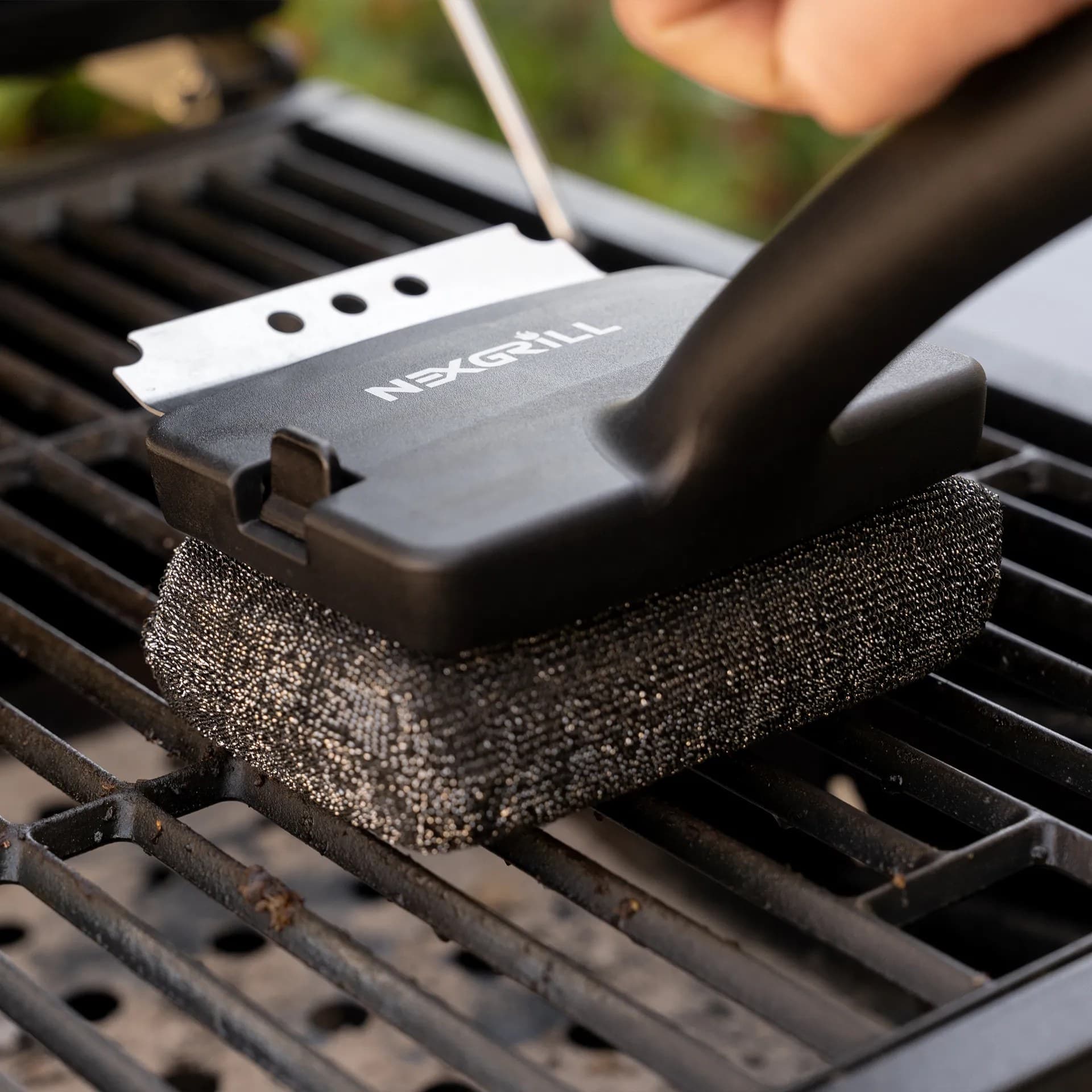
Cost should be evaluated as value over time, not just the sticker price. A grill may be the smarter initial purchase if it gets used more often and supports a broader range of meals. A smoker may be worth the investment if your household genuinely loves barbecue and will use it enough to justify the longer sessions. Also consider fuel, accessories, and maintenance. Grills often need routine cleaning and occasional part replacement, while smokers may require more attention to fuel management and temperature monitoring. Both can be worthwhile; the best fit is the one that reduces friction and increases the chances you will actually cook outside.
When you strip away the jargon, the smoker-versus-grill decision is really about how you want outdoor cooking to feel. A grill is the faster, more flexible tool. A smoker is the slower, more specialized one. Many home cooks eventually appreciate having both, but if you are choosing where to begin, let your routine make the decision. If you want dinner tonight, grill. If you want barbecue tomorrow and the next day, smoke.