Best Pizza Oven vs Grill: A Comprehensive Comparison
Discover which cooking appliance reigns supreme for pizza and more.

In This Article
Cooking Quality
Versatility
Cost Efficiency
Introduction
Choosing between a pizza oven and a grill is not just a question of which one makes better pizza. It is really a question of how you cook at home, how often you cook outdoors, how much room you have, and whether you want one appliance to do a very specific job or a broader range of jobs. A pizza oven is built to create intense, concentrated heat that can turn out crisp, blistered crusts quickly. A grill, on the other hand, is designed first for live-fire cooking, which means it excels at searing, roasting, and building flavor across a much wider range of foods. The right choice depends on whether pizza is the star of your outdoor cooking routine or just one part of the menu.
For many backyard cooks, the decision starts with a simple practical question: do you want a dedicated pizza-making experience, or do you want one appliance that can handle burgers, vegetables, chicken, seafood, and the occasional pizza night? That distinction matters because these appliances approach heat differently. Pizza ovens typically use a compact chamber and a design that focuses heat from the dome and floor onto the food, while grills distribute heat across grates and often give you direct and indirect zones. In real-world use, that means the same dough can behave very differently depending on where it is cooked and how fast the crust sets.
If pizza night happens once in a while, a grill setup may be enough. If pizza is becoming a hobby, a dedicated oven usually gives you better control over crust color, launch timing, and repeatability.
This comparison is especially useful for shoppers who already own a grill and are wondering whether they should add a pizza oven accessory, buy a standalone oven, or simply keep using the grill for pies. There is no single answer that fits everyone, because the best appliance is the one that matches your budget, your available space, and how much you care about pizza-specific texture. Some people want a fast weeknight dinner solution. Others want restaurant-style blistering and the ability to make multiple pies for a group. Those two goals do not always point to the same machine.
Nexgrill’s brand philosophy of accessible outdoor cooking fits this kind of decision well: the most useful appliance is the one that brings people together without overcomplicating the process. Nexgrill emphasizes approachable, dependable cooking experiences that support both casual and experienced grillers, which is exactly the kind of lens that helps when comparing equipment for real households rather than idealized test kitchens
Key Differences Between Pizza Ovens and Grills
The biggest difference between a pizza oven and a grill is not the shape of the appliance; it is the way each one manages heat. A pizza oven is engineered to create a hot cooking chamber with radiant heat above and below the food. That design helps the crust set quickly while the toppings cook at nearly the same pace. Grills can reach high temperatures too, but their heat is usually more exposed and less enclosed, so the cooking environment is more variable. That is why grill-baked pizza often requires more attention, more turning, and a little more trial and error.
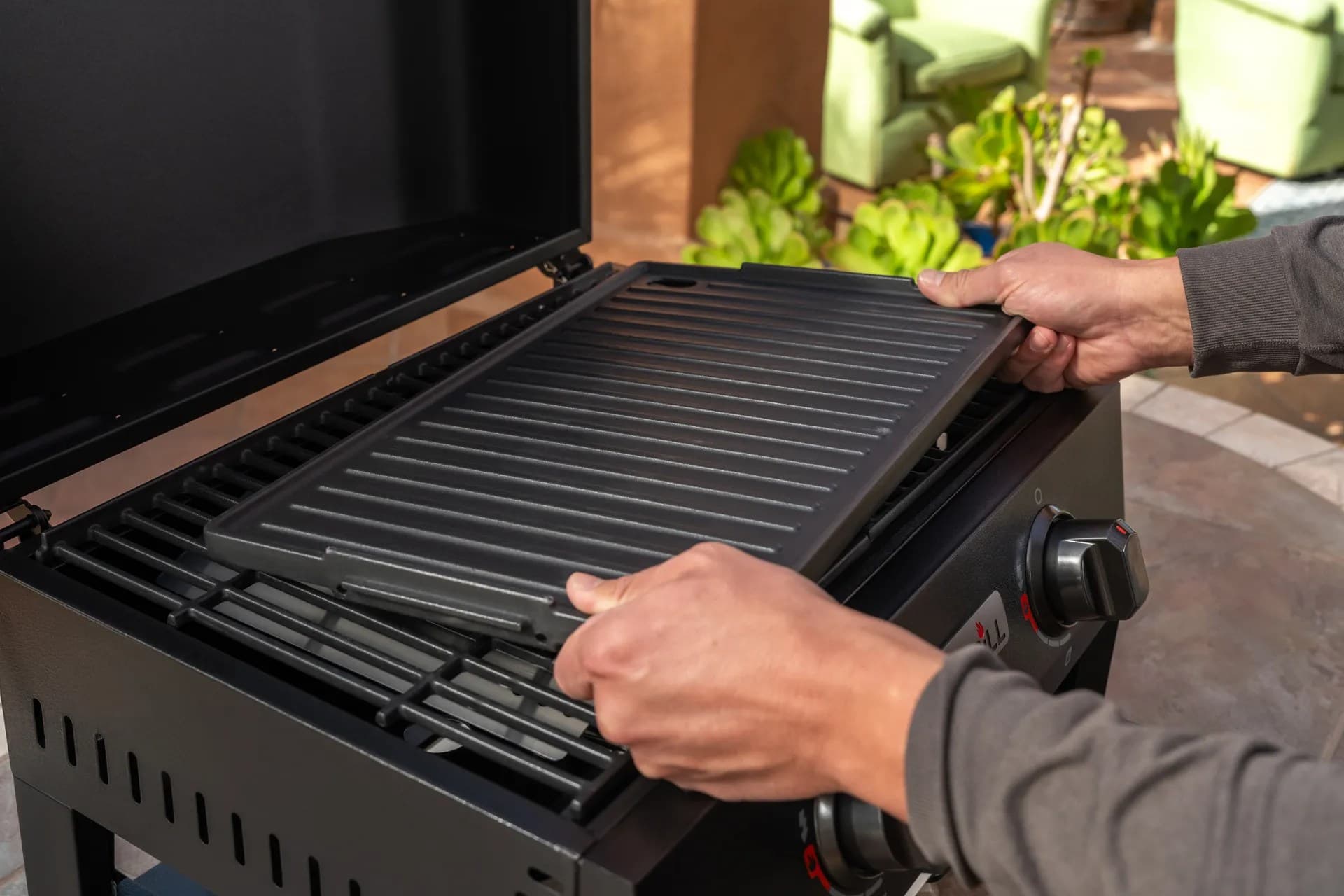
A pizza oven also tends to be more specialized in its workflow. You preheat it, allow the stone or cooking surface to fully absorb heat, then launch the pizza and cook it fast. A grill is more flexible in how you use it, but it usually requires you to adapt the method. For example, a gas grill can be set up for indirect cooking with a hot zone and a cooler zone, while a charcoal grill may need careful coal placement to avoid scorching the bottom before the top is done. That makes the grill more of a general-purpose tool and the pizza oven more of a dedicated instrument.
Fuel type also changes the experience. Gas pizza ovens and gas grills offer quick startup and easier temperature management. Charcoal brings a more manual, flame-forward style with stronger smoke character but more setup time. Electric pizza ovens are usually the most convenient indoors or on compact patios, though they may be less portable than gas or charcoal options depending on the model. The cooking outcome depends not only on heat level but on how even that heat remains during the full bake. A pizza that starts beautifully can still finish unevenly if the heat source drops too quickly or the chamber creates hot spots.
| Factor | Pizza Oven | Grill |
|---|---|---|
| Primary purpose | Pizza-focused, high-heat baking | General outdoor cooking |
| Heat style | Enclosed radiant heat | Open grate heat with zones |
| Learning curve | Moderate, but repeatable once dialed in | Moderate to high for pizza |
| Best use | Neapolitan-style and rapid pizza baking | Pizza plus proteins, vegetables, and sides |
The main choices most households weigh: dedicated pizza control or all-purpose grilling flexibility.
In practical terms, the difference shows up immediately in the crust. Pizza ovens reward dough that is properly fermented and balanced, because the bake is fast enough to preserve some chew while still producing char and lift. Grills can create great pizza too, but the cook often has to compensate for less top heat by using a lid, a preheated stone, or careful two-zone setup. That is why many home cooks find grill pizza perfectly enjoyable but not quite as effortless or consistent as pizza from a dedicated oven.
Cooking Quality: Flavor and Texture
If your top priority is the best pizza texture, a pizza oven usually has the edge. The concentrated heat helps the crust spring quickly, the cheese melt before the toppings dry out, and the rim develop those attractive brown and charred spots that many people associate with wood-fired or artisanal pizza. Because the chamber is designed to trap and reflect heat, you get more complete top-side cooking in a shorter time. That matters when you are making thin dough with fresh mozzarella, delicate herbs, or ingredients that can turn soggy if they sit too long.
Grills can absolutely make strong pizza, but they usually do it in a more improvisational way. The bottom of the crust gets its heat from the stone or grates, while the top relies on reflected heat from the lid or convective heat from the enclosure. With the right setup, this can produce a very satisfying pie, especially if you like a slightly firmer crust and a hint of smoke. However, because a grill is not built specifically around pizza, the balance between bottom browning and top melting is harder to perfect. If you overdo the heat, the crust can burn before the cheese finishes; if you go too low, the crust can dry out before you get the color you want.
Flavor preferences also matter. Pizza ovens often create a cleaner, more focused flavor because the heat is intense and directed. Grills, especially charcoal models, can add subtle smoke notes and a more rustic finish. That can be a plus if you enjoy a slightly more savory crust profile or if you are cooking ingredients like sausage, peppers, or roasted mushrooms. But if you want a classic pizzeria-style pie with predictable rise and quick finish, the pizza oven is usually the better tool.
For best results on either appliance, use well-rested dough, a lightly floured peel, and minimal toppings. Heavy sauces and overloaded pies are the fastest way to lose crispness.
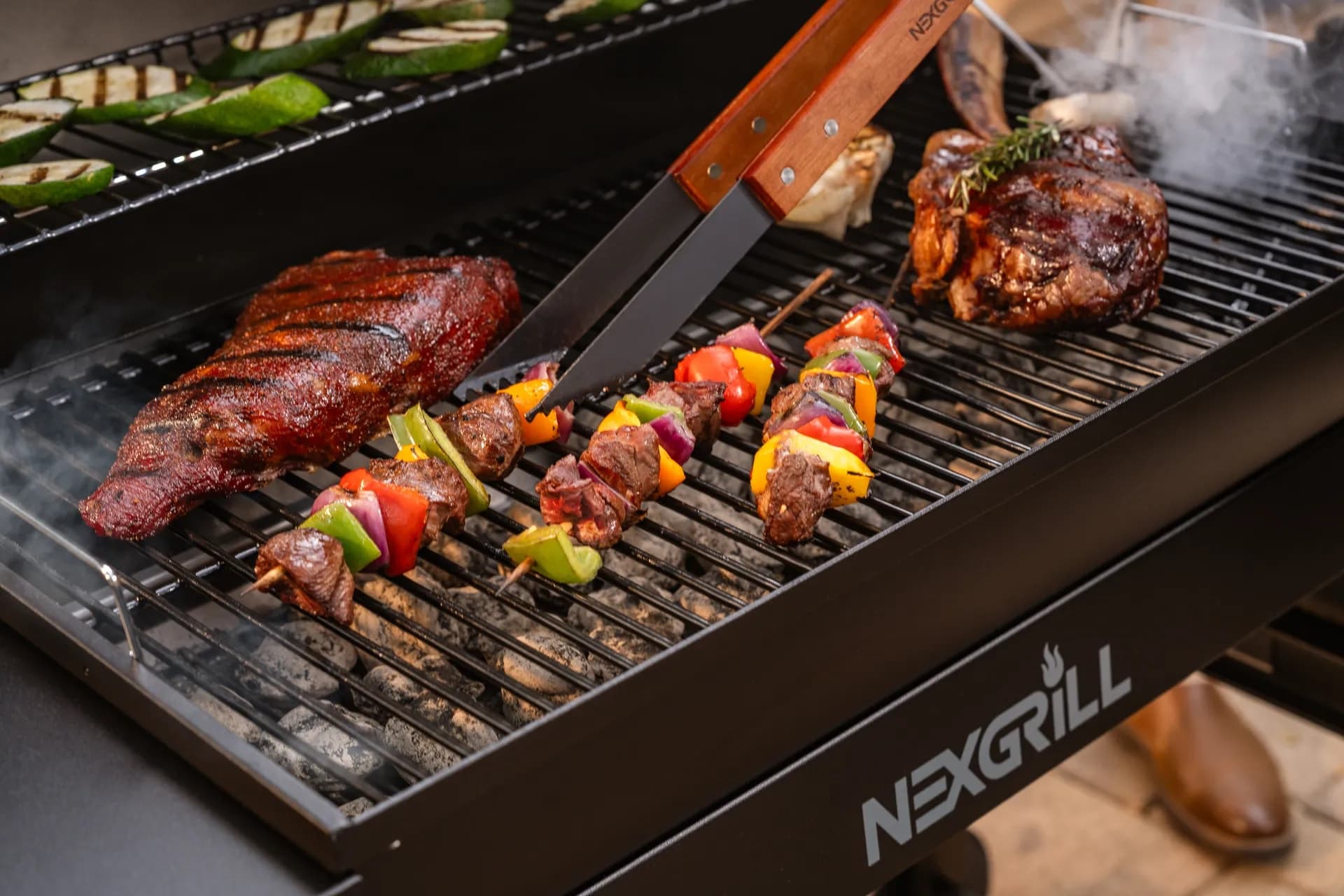
The difference becomes even clearer when cooking other foods. A grill is naturally excellent at searing steaks, charring vegetables, grilling chicken thighs, and handling foods that benefit from direct flame. A pizza oven can roast vegetables or bake bread, but it is still usually best at rapid, high-heat foods. In other words, cooking quality is not just about pizza alone. The question is whether you want one appliance that is superb at pizza and competent at a few other bakes, or one appliance that is excellent across a broad backyard menu.
Versatility: More Than Just Pizza
Versatility is where grills usually win the broader comparison. A good grill can handle burgers, sausages, bone-in chicken, fish, corn, peaches, asparagus, and even breakfast foods if you add the right accessories. A pizza oven can do more than pizza, but its strengths remain tied to high-heat baking and roasting. Think flatbreads, naan, blistered vegetables, skillet cookies, baked dips, and small roasts. That makes a pizza oven a strong specialty cooker, while a grill behaves more like a complete outdoor kitchen engine.
This matters for households that want one appliance to justify its footprint. If your outdoor cooking calendar includes weekday dinner proteins, weekend entertaining, and occasional pizza nights, a grill may be the better value because it replaces several other tools at once. You can cook dinner one night, then use the same setup to sear vegetables for pizza toppings the next. If, however, your routine centers on homemade pizza and artisan bread, a dedicated oven can feel like a meaningful upgrade because it reduces friction and improves consistency each time you use it.
| Cooking task | Pizza Oven | Grill |
|---|---|---|
| Neapolitan-style pizza | Excellent | Good with setup |
| Burgers and steaks | Limited | Excellent |
| Roasted vegetables | Very good | Excellent |
| Bread and flatbreads | Excellent | Good |
| Low-and-slow smoking | Limited | Better on charcoal or pellet setups |
The most useful way to think about versatility is not which appliance can technically cook the most foods, but which one gives you the best result for the foods you actually cook most often. A pizza oven may be versatile enough for many home cooks, but a grill is usually the more complete everyday tool. If your priority is turning pizza into a signature dish, the oven is specialized and rewarding. If your priority is hosting flexible meals and still making a good pie now and then, the grill is hard to beat.
Cost Analysis: Initial Investment vs. Long-term Savings
Cost should be evaluated in two ways: what you pay upfront and what the appliance saves or costs over time. A pizza oven can be a worthwhile purchase if you cook pizza frequently, because the quality gain and convenience may justify the spend. But if you only make pizza a few times a year, a grill may offer a better return because it already serves multiple roles in your outdoor cooking setup. Buying a dedicated appliance only makes sense when it will see enough use to earn its space.
In the United States, entry-level outdoor pizza ovens often sit in a few different price bands depending on fuel type and build quality. Small countertop electric models may cost less upfront, while larger gas or high-heat specialty ovens can cost several hundred dollars or more. Grills also span a wide range, from compact two-burner units to full-size multi-burner cookers. Because Nexgrill’s product philosophy emphasizes accessible pricing and practical features, many shoppers find that a thoughtfully chosen grill can cover dinner, entertaining, and occasional pizza without requiring a second major appliance
The best value usually comes from the appliance you will use weekly, not the one that only shines twice a season.
Long-term savings are often tied to fuel efficiency, durability, and how many meals the appliance can replace. A grill can reduce the need for separate tools if it handles meats, vegetables, and pizza well enough for your tastes. A pizza oven saves time when you want fast high-heat bakes and fewer failed attempts. The most expensive option is the one you buy but barely use. That is why it is smart to compare not only product price but also the hidden costs of storage, accessories, fuel, and cleaning time. A pizza oven may require a stone replacement eventually; a grill may require burner upkeep, grates, or grease management. Those costs are not usually huge, but they matter when you are comparing total ownership.
If your household values multi-use appliances, a grill usually wins on cost efficiency. If you are building an outdoor cooking identity around pizza nights and artisan baking, a pizza oven can become the more satisfying investment. Either way, the right purchase is the one that matches your actual habits rather than the one that looks best in a product photo.
Try comparing two products side by side below to see which fits best:
User Experiences: Testimonials and Feedback
Once you've compared the two options side by side, the next thing most buyers want to know is how these appliances feel in real households. User feedback tends to split along the same lines as the technical comparison: pizza ovens get praise for consistency, speed, and that exciting pizzeria-style finish, while grills get praised for flexibility, larger meal planning, and the simple fact that they are already useful on non-pizza nights. The most telling comments are rarely about raw temperature. They are about confidence. People like tools that make them feel like they can repeat a good result without starting over every time.
A common pattern among pizza oven owners is that they love the first successful launch almost immediately. The dough cooks fast, the cheese bubbles, and the crust browns in a way that feels hard to replicate in a standard home oven. After a few bakes, many users report that they become more comfortable with dough hydration, peel technique, and topping balance. That learning curve can be enjoyable for people who want pizza night to feel like an event. On the other hand, some users also note that the narrow focus of a pizza oven means they still rely on a grill for weeknight dinners. In that sense, the oven becomes a specialty upgrade rather than a replacement.
Grill users tend to describe their experience differently. They often value the ability to cook an entire meal around the same heat source. One person might sear chicken on one side while charing corn on the other, then slide a pizza onto a stone after dinner service. That flexibility matters. A grill can be a social appliance because it encourages improvisation. People who host often say they do not just cook on it; they build the evening around it. The trade-off is that pizza results may vary more than in a dedicated oven, so satisfaction depends on the user being willing to fine-tune the setup.
User reviews consistently show that the appliance people use most often becomes the one they value most. A perfect pizza oven that stays covered all summer is worse value than a reliable grill used every weekend.
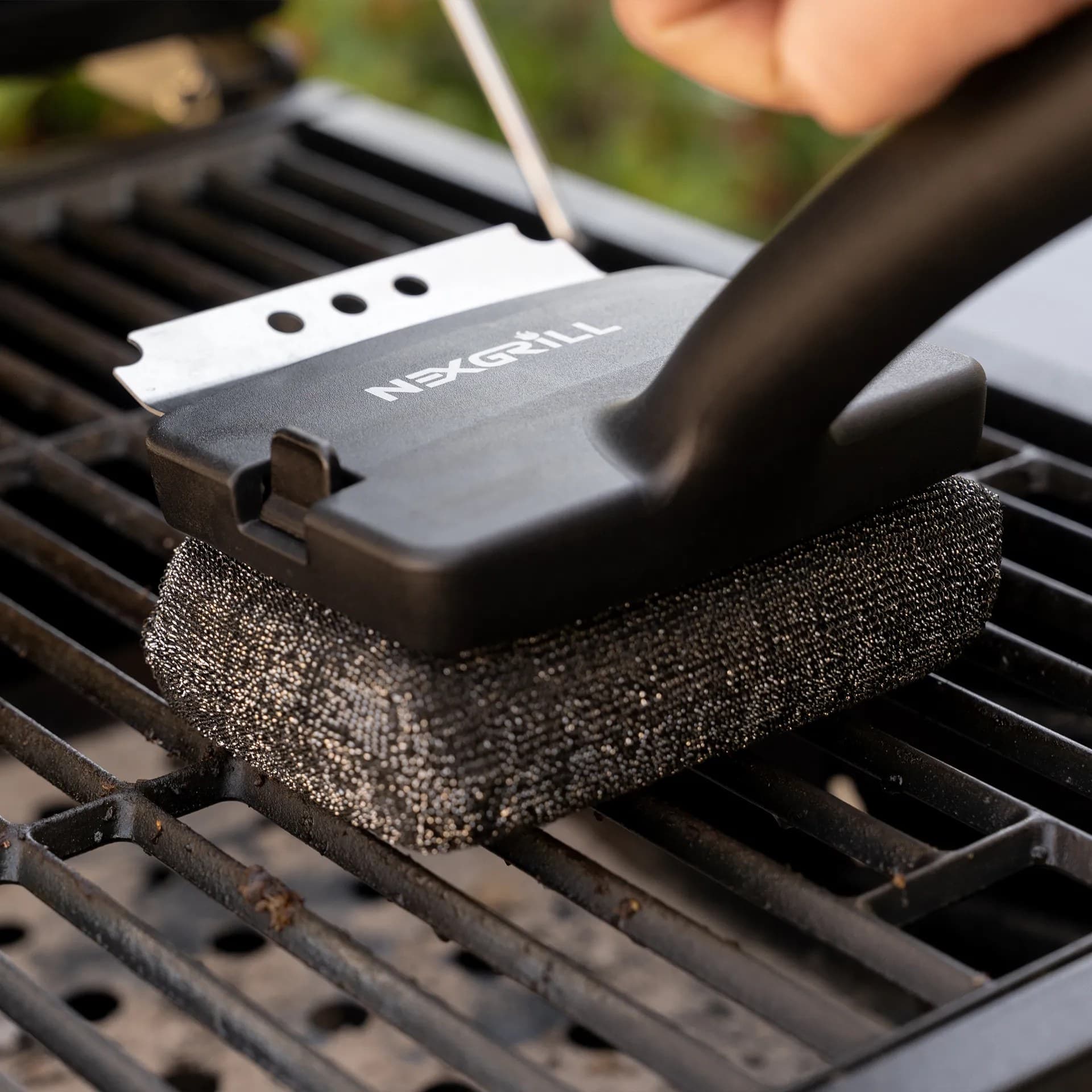
Another frequent theme in feedback is cleanup. Pizza oven users often appreciate how little grease they deal with when the appliance is used mostly for baking. Grill owners, meanwhile, know that grease trays, grates, and burners require more ongoing attention, especially after richer foods. That said, grill owners usually accept the maintenance because the cooking range is broader. In practical terms, many families prefer the appliance that fits their real routine, even if another product may produce a slightly better pizza.
Best Brands and Models
The best brands in this category are the ones that make the choice easier by clearly defining their strengths. For pizza ovens, shoppers often look for reliable heat recovery, good stone performance, and manageable controls. For grills, they look for consistent burner layouts, durable construction, and enough surface area to support both everyday meals and larger gatherings. In the pizza oven space, popular roundups from cooking publications often highlight models based on fuel source, size, and ease of use, which is helpful because the market is broad and not every buyer needs a high-end restaurant-style setup
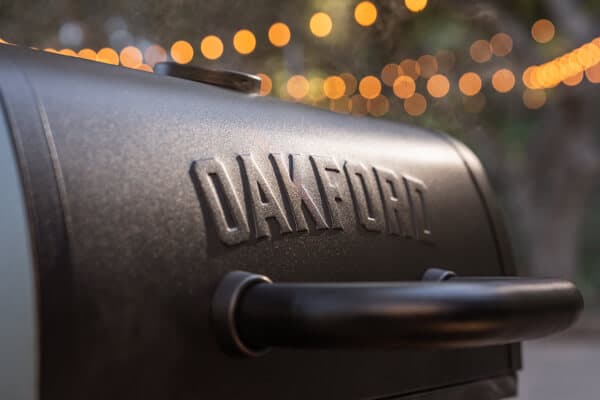
For grill shoppers, Nexgrill stands out for accessible value and a broad range of outdoor cooking formats. A model such as the Nexgrill 4-Burner Gas Grill with Side Burner in Black suits households that want weekday flexibility, while the Oakford pellet and charcoal lineup is a better fit for cooks who want smoke-forward flavor and slower, more intentional cooking sessions. On the pizza side, the strongest purchase is usually the one that matches your fuel preference and your available space. Gas units work well for speed and convenience. Electric models may appeal to patio users who want simpler operation. Charcoal and wood-fueled units appeal to enthusiasts who enjoy flame control and smoke character.
| Buyer type | Better fit | Why |
|---|---|---|
| Frequent pizza enthusiast | Pizza oven | More consistent crust, faster turnaround, better top heat |
| Weekend entertainer | Grill | Handles full meals and still makes solid pizza |
| Budget-conscious household | Grill | Usually covers more cooking jobs per dollar |
Conclusion: Which Option Suits You Best?
If your main goal is making the best possible pizza at home, a pizza oven usually wins. It is purpose-built for the job, and that specialization shows up in crust texture, speed, and repeatability. If you want one appliance that can cover pizza but also serve as the backbone of your outdoor cooking routine, a grill is usually the smarter purchase. It gives you more range, more meal options, and more frequent use, which often translates into better value over time.
For a household that entertains often and enjoys experimenting with different foods, the grill is the more versatile centerpiece. For a household that sees pizza night as a tradition and wants to level up that one experience, the pizza oven is the more satisfying specialty tool. Neither choice is wrong. The better choice is the one that fits your cooking rhythm. Think about whether you want to improve one meal dramatically or improve many meals consistently.
Which option suits you best? Choose a pizza oven if pizza is the main event. Choose a grill if you want pizza plus the widest range of everyday backyard meals.
If you are still deciding, a good next step is to compare your top two models based on fuel type, cooking area, cleanup effort, and how often you will actually use them. That approach is more useful than chasing the flashiest feature list.
FAQs: Common Questions About Pizza Ovens and Grills
Is pizza better in a pizza oven or on a grill? In most cases, a pizza oven is better for texture and consistency because it is designed for high, even heat and fast cooking. A grill can still make very good pizza, especially with a stone and a covered setup, but it usually requires more management.
Can a pizza oven effectively replace a grill? Usually not for most households. A pizza oven is excellent for pizza, bread, and high-heat roasting, but a grill is better for steaks, burgers, vegetables, and multi-course backyard meals. If you cook a wide range of foods, the grill remains the more complete appliance.
What fuel type is best for a pizza oven? Gas offers convenience, charcoal and wood offer stronger smoke character, and electric offers simplicity in some spaces. The best fuel type depends on whether you value speed, flavor, or ease of use more.
What should I buy if I only make pizza a few times a year? A grill usually makes more financial sense because it does more than pizza. If you do not plan to cook pizza often, the grill delivers broader day-to-day value.