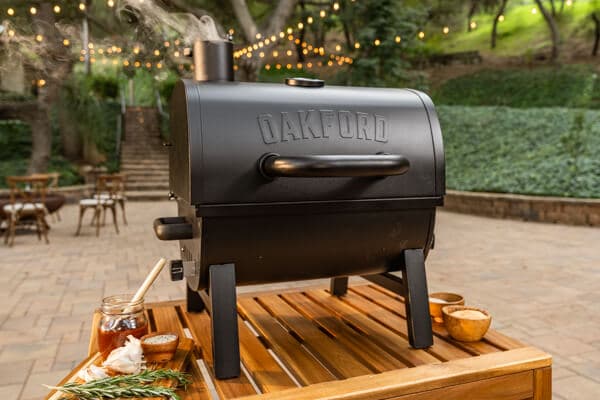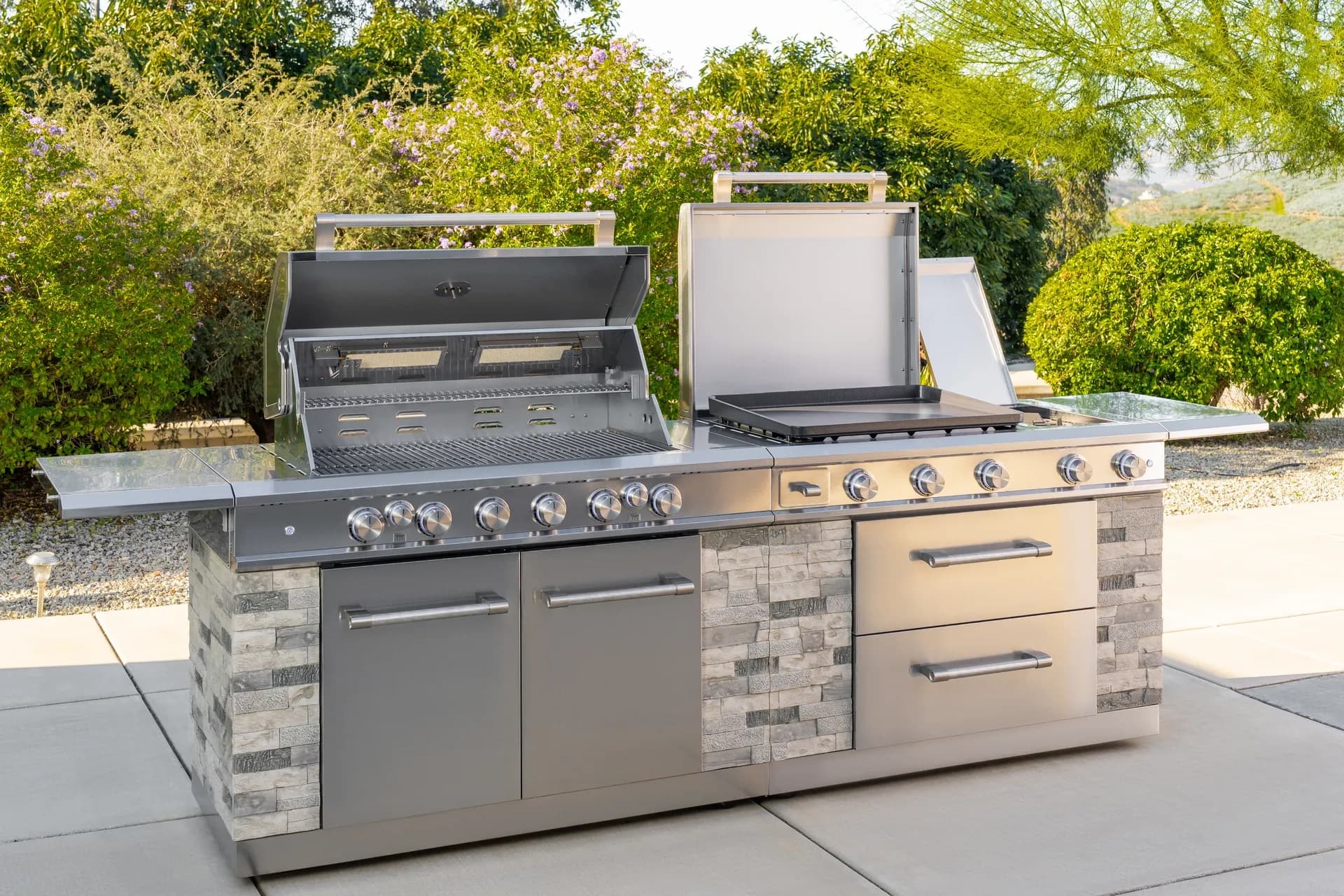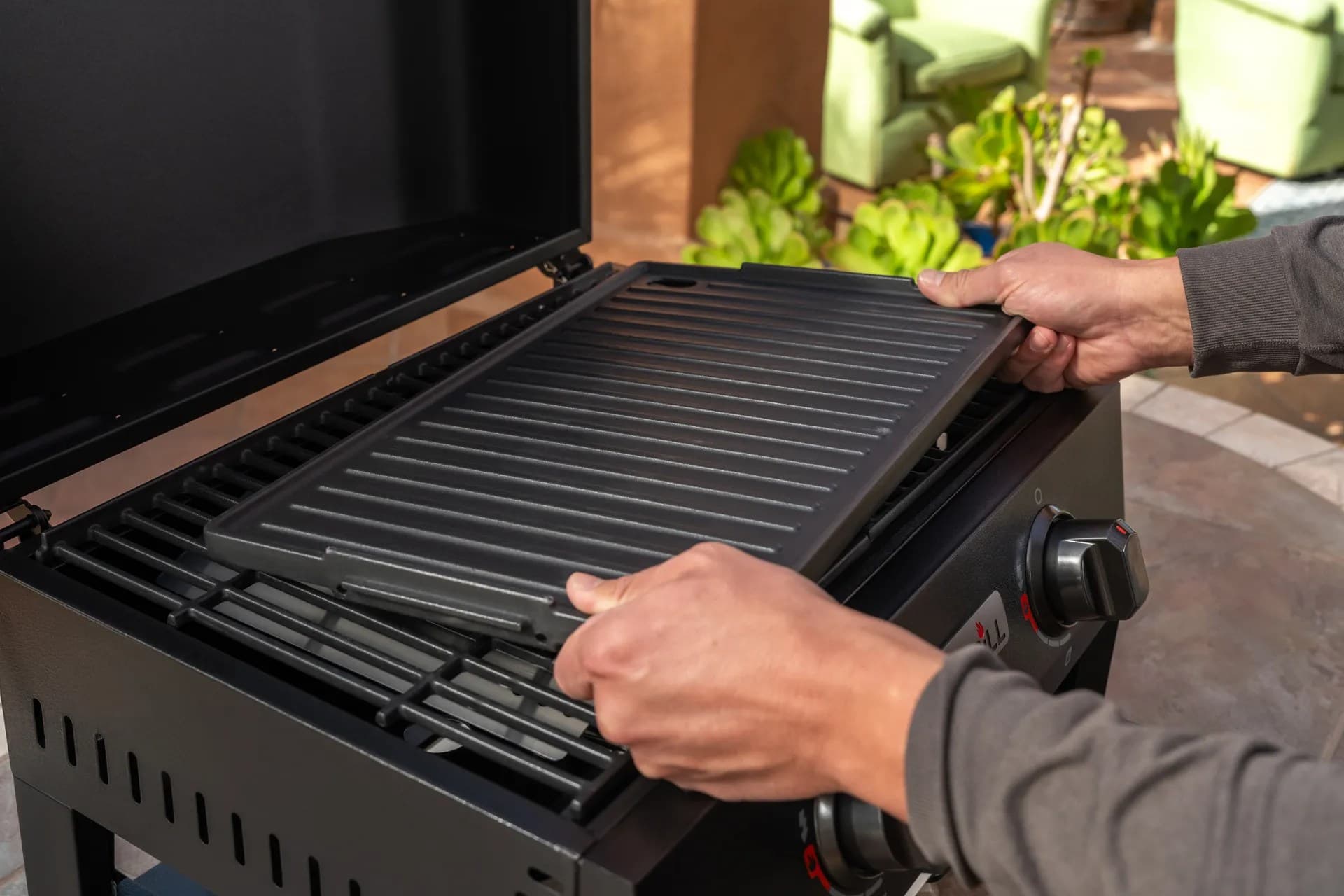
Your Guide to Buying a Pizza Oven with Integrated Smoke Chamber
Discover the perfect blend of pizza and smoke for your outdoor cooking.
In This Article
Types of Pizza Ovens
Key Features Explained
Top Models Compared
Introduction to Pizza Ovens with Smoke Chambers
A pizza oven with an integrated smoke chamber is a purpose-built outdoor cooker for people who want more than a fast crust and melted cheese. The smoke chamber adds a second dimension to the cooking experience: you can bake pizza at high heat, then use controlled smoke for flavoring vegetables, chicken, ribs, fish, or even bread before or after the main bake. That flexibility is what makes this category so interesting for buyers. Instead of choosing between a pizza oven and a smoker, you get a single setup that can support weeknight cooking, weekend entertaining, and more ambitious backyard menus.
For many home cooks in the United States, the appeal comes down to space and versatility. A dedicated pizza oven is already a specialty appliance, so if you are investing in outdoor cooking equipment, it helps when the design can do more than one job. Integrated smoke chambers are especially attractive to cooks who already enjoy live-fire flavor, but do not want to manage two separate units or store two large appliances. If your patio is compact, your storage is limited, or you simply want one tool that can evolve with your cooking style, this is a smart category to explore. This guide focuses on what matters when you buy pizza oven with integrated smoke chamber: how the designs differ, which features add real value, and how to choose a model that fits your cooking habits rather than just your wish list.
The key buying question is not just how hot the oven gets. It is how well the oven transitions between pizza temperatures and low-and-slow smoke management without making either task awkward.
That matters because the best results come from design, not just raw heat. A high-temperature pizza chamber needs strong floor heat and steady recovery between pies. A smoke chamber needs airflow control, enough room for wood or pellets, and a layout that keeps smoke useful instead of overpowering. When those two systems are integrated well, you can move from blistered Neapolitan-style pies to cedar-planked salmon or smoked sausage without juggling separate equipment. Buyers should study chamber size, fuel type, insulation, and ease of cleaning before making a purchase.
This guide focuses on what matters when you buy pizza oven with integrated smoke chamber: how the designs differ, which features add real value, and how to choose a model that fits your cooking habits rather than just your wish list. You will also see why the best choice for a pizza-first household may not be the same as the best choice for someone who smokes brisket on Saturdays and bakes flatbreads on Sundays.
Types of Pizza Ovens with Integrated Smoke Chambers
The first thing to understand is that “pizza oven with integrated smoke chamber” is a function, not one single structure. In practice, buyers will usually encounter wood-fired, gas-assisted, and electric or hybrid designs. Each has a different balance of smoke flavor, temperature control, setup time, and cleanup. If you want the oven to become a regular part of your routine rather than an occasional novelty, the fuel source should match the way you actually cook.
| Type | Best For | Strength | Trade-off |
|---|---|---|---|
| Wood-fired | Flavor-focused cooks who want visible flame and pronounced smoke character | Strong aroma, high heat, authentic live-fire feel | Needs more attention to fuel, airflow, and temperature swings |
| Gas-powered | Buyers who want fast preheat and easier control | Convenient ignition and steadier temperature management | Smoke flavor depends more on chamber design and added wood fuel |
| Electric or hybrid | Users with simpler setup needs or smaller outdoor spaces | Predictable operation and reduced fuel handling | Usually less dramatic smoke character than wood-fired systems |
Wood-fired models usually appeal to experienced cooks because they reward feel and timing. They are often the most engaging option when smoke is part of the goal, since the fire itself contributes to the atmosphere and the flavor profile. But that same flexibility can create a learning curve. If you are trying to crisp a pizza base and also maintain a clean smoke stream, you need practice. Wood is ideal if you want a more traditional outdoor cooking ritual and are comfortable managing embers, refueling, and chamber temperatures.
Gas models are better suited to buyers who want consistency with less setup. For a household that wants to make pizza on school nights or host guests without a long preheat process, gas can be a practical choice. Integrated smoke chambers in gas units often rely on a dedicated tray, box, or compartment for wood chips or pellets, which gives you smoke notes without demanding full fire management. That makes them a good fit for cooks who want reliable results first and a stronger smoke personality second.
Electric and hybrid designs are typically the least demanding when it comes to installation and day-to-day use. They are worth considering if you prioritize indoor-adjacent convenience, compact storage, or simple operation on a deck or enclosed patio where applicable outdoor-rated equipment is required. The trade-off is flavor intensity. If your main goal is a bold char and noticeable smoke layer on meats or vegetables, electric models may feel too restrained unless the smoke chamber is especially well engineered.
If smoke flavor matters most, do not choose by fuel type alone. Look closely at how the chamber moves air, where the wood sits, and whether heat reaches the smoke source in a controlled way.
Understanding Key Features and Benefits
The best integrated smoke chamber is one that enhances pizza without interrupting it. That sounds obvious, but it is where many buyers misjudge a product. Some ovens advertise smoke capability yet make the chamber awkward to load, difficult to regulate, or poorly placed for flavor transfer. A good design should let you produce clean pizza heat in the main cavity while the smoke chamber contributes flavor on demand, ideally without requiring you to rebuild the entire setup for each cooking session.
One of the most important features is thermal separation. If the smoke chamber leaks too much heat into the pizza deck, it can make the oven hard to control; if it is too isolated, the smoke may never reach the food in a meaningful way. Buyers should look for a layout that supports distinct cooking zones. That is what allows a pizza to cook quickly while a second item, such as sausages or a tray of peppers, gets infused with smoke at a gentler pace. In other words, the best integrated system behaves like two coordinated tools, not one crowded compartment.
The strongest value comes from a setup that handles high-heat pizza and low-and-slow smoke work without constant reconfiguration.
Chamber access is another major factor. If you need to remove grates, open several latches, or disrupt the main cooking area just to add wood, you are less likely to use the smoke function regularly. The best units make refueling intuitive. That matters for everyday use, because practical convenience is often the difference between a feature you love and one you ignore. Buyers should also check whether the smoke box is easy to clean after use; ash accumulation and grease buildup can affect airflow and flavor over time.
Temperature visibility is worth paying for as well. A built-in thermometer or multi-point temperature readout helps you understand not only the main oven cavity but also how the smoke chamber is behaving. The more you can see, the less you have to guess. That is important when you are moving between cooking styles. For example, a chamber that is perfect for cold-smoking vegetables may be too cool for quick flavoring of chicken pieces. With clear temperature feedback, you can make changes before the food crosses from properly smoked to overdone.
From a buyer’s perspective, insulation and build quality translate directly into comfort and efficiency. Thicker walls, tight doors, and durable seals help stabilize heat, which means less fuel use and fewer frustrations. For United States buyers dealing with variable backyard conditions, that stability can be especially helpful in spring and fall when evening temperatures shift quickly. A well-insulated oven tends to behave more predictably, which is valuable whether you are cooking a single 12-inch pizza or a mixed spread for a small gathering.
The final benefit is versatility. With one appliance, you can experiment across meal types in a way that suits casual cooks and experienced entertainers alike. Smoke the toppings for a pizza, then finish the pie in the main chamber. Use the smoke side for small cuts of meat while a second round of dough bakes. Or cook a whole evening around one heat source, starting with appetizers and ending with dessert pizzas. That kind of sequencing is where an integrated smoke chamber pays off most clearly, because it turns the oven into a full outdoor cooking station rather than a single-use device.
Tip: the best models make smoke generation adjustable, not all-or-nothing. Fine control is what helps you pair pizza and smoke without overpowering delicate ingredients.
Try comparing two products side by side below to see which fits best:
Comparing Top Models of Pizza Ovens
Once you've weighed two options against each other, the next step is deciding which model is actually built for your kitchen habits. A useful comparison is not about naming a single winner for everyone. It is about identifying whether a model is optimized for pizza-first cooking, smoke-first cooking, or balanced everyday use. That distinction matters because some ovens look feature-rich on paper but become frustrating in practice if the controls are too fussy or the smoke chamber is too small for the foods you want to cook.
For a pizza-first buyer, the ideal oven reaches high temperature quickly, recovers heat well between pies, and keeps the pizza floor steady enough for back-to-back bakes. Smoke capability should be present, but it should not compromise crust performance. These users usually care most about dough fermentation, stone behavior, and the repeatability of the bake. If the smoke chamber helps finish a topping or lends aroma to a side item without slowing the oven down, that is a strong design choice.
For a smoke-first buyer, the priorities shift. You may still want pizza, but you are likely more concerned with chamber volume, fuel access, and the ability to hold a gentler temperature range for proteins and vegetables. In this case, a model that gives you a dedicated smoke compartment with straightforward ventilation and easy ash removal may be more useful than one that emphasizes blazing pizza heat. The right appliance should let you cook brisket-style cuts, sausages, chicken thighs, or mushrooms while still making an excellent flatbread when the mood changes.
| Buyer profile | Priority | Best model traits |
|---|---|---|
| Pizza-first family | Fast preheat and consistent crusts | High heat retention, easy ignition, stable deck temperature |
| Weekend smoke enthusiast | Flavor depth and chamber control | Adjustable airflow, roomy smoke box, simple refuel access |
| Space-conscious buyer | One appliance, many jobs | Compact footprint, modular racks, easy cleanup |
Price should be judged in relation to flexibility, not just size. In the United States, integrated smoke chamber ovens often sit at a higher price point than standard countertop pizza ovens because the firebox, airflow system, and heat-holding structure are more complex. That does not automatically mean they are overpriced. It means you should think about how often you will actually use the smoke side. If you only want smoke once a month, you may not need a more elaborate setup. If you want to host regularly, the convenience of a combined system can justify a larger upfront spend because it replaces multiple pieces of gear.
Another useful lens is assembly and delivery. Some top models arrive mostly assembled but still require careful placement, vent attachment, or seasoning before first use. Heavier units may need two people for setup or positioning. That is not a negative by itself, but it is worth knowing before purchase, especially if your patio is on a second level or your access is narrow. A model that is impressive on a product page can become difficult to enjoy if it is a challenge to move or install safely.
User reviews are most helpful when they mention repeat performance over time. The best feedback usually describes whether the oven held temperature after several pizzas, how easy it was to manage smoke without bitter flavors, and whether the build still felt solid after a season of use. Look for comments about cleaning cadence, because owners who report quick ash cleanup and simple grease management tend to keep using the appliance more often. That makes the review more revealing than a one-time praise about first-night results.
A practical comparison should also account for accessories. Pizza peels, turning tools, protective covers, extra smoke trays, and heat-safe gloves can materially improve the experience. A model with a strong accessory ecosystem may be a better purchase than a slightly cheaper option that requires hunting down compatible parts later. If you plan to use the oven for family dinners and entertaining, convenience accessories may save more time than they cost.
User Experience: Installation and Maintenance Tips
Installation should be approached as part of the buying decision, not an afterthought. Before purchase, measure the space where the oven will live and account for clearance, lid movement, loading access, and ventilation. If the model is freestanding, make sure the cart or base can support the unit and that the surface can handle the heat profile. If it is a countertop style, confirm the support surface is level and noncombustible as recommended by the manufacturer. The integrated smoke chamber also needs room for loading fuel safely, so plan for a setup that lets you work without reaching across hot surfaces.
Seasoning and first use matter more with multi-function ovens than with basic pizza-only designs. A careful first burn helps stabilize surfaces and makes later cooking more predictable. Follow the manufacturer’s heat-up sequence, then run a few practice sessions with simple foods such as flatbread, onions, or vegetables before attempting an elaborate pizza-and-smoke menu. That allows you to learn how the oven responds to airflow changes, how quickly the chamber recovers after door openings, and how much smoke is actually enough for your taste.
Warning: do not overload the smoke chamber with fuel on your first tries. Too much smoke can dull flavor and make the oven harder to control, especially with delicate dough.
Maintenance is easiest when it becomes routine. After the oven cools fully, remove ash, wipe grease from accessible surfaces, and inspect the smoke chamber for buildup that could block airflow. The smoke side often needs more attention than the pizza cavity because residue accumulates where wood or pellets burn. If your model has removable trays or grates, clean them before buildup hardens. For the pizza surface, use a dry brush or scraper rather than soaking the stone or deck, since excess moisture can damage heat retention and create uneven bakes later.
Storage and weather protection are also important in real backyard use. Even durable outdoor ovens benefit from covers and dry storage when not in use. In climates with winter freeze-thaw cycles, keeping moisture out of the smoke chamber and away from seams can help preserve performance over time. If your grill area is exposed, check the seals, hinges, and fuel access points periodically. Those small checks reduce the chance of discovering a problem right before guests arrive.
Tip: a short cleanup immediately after cooking is easier than a full scrub later. Ten minutes of attention after each use can save you a long session the next day.
Maximizing Your Cooking Versatility
The real advantage of an integrated smoke chamber appears when you stop thinking of the oven as a pizza machine and start treating it as a small outdoor kitchen. You can build menus that move from smoke to bake to finish, which is where these ovens become genuinely fun to own. For example, smoke peppers, onions, or mushrooms in the chamber, then use them as toppings for a pie in the main oven. Or start chicken thighs with a light smoke, then transfer them to a hotter zone to crisp the skin and finish the cook. This staged approach creates more dimension in your food without requiring a separate smoker.
Bread and flatbreads are especially good complements to these ovens. Once the oven is hot and the chamber is producing steady smoke, you can bake skillet bread, focaccia, or herb flatbreads that pick up subtle aromatic notes. Dessert pizza is another underused option: a hot oven can quickly caramelize fruit or chocolate toppings, while the smoke chamber can be kept minimal or used only for savory components earlier in the meal. That flexibility makes the appliance more useful for households that entertain often or like to cook several courses outdoors.
The most successful users tend to develop a simple workflow. They preheat the oven, prepare dough and toppings in advance, and decide in what order each item will hit the heat. Because the oven can support different cooking zones, timing becomes part of the creativity. A side tray of smoked vegetables can finish while a pizza bakes, and a second pizza can follow immediately while the first is being sliced. That rhythm is especially rewarding when feeding a group, because it keeps food moving and the host engaged instead of stuck in a single task.
If you want to get the most from the smoke chamber, use it with restraint first, then increase intensity gradually. Many home cooks are surprised by how little smoke is needed to add complexity. A light kiss of apple, cherry, or other suitable smoking wood can be enough to transform roasted vegetables or a chicken topping. The goal is depth, not domination. That philosophy pairs well with pizza because dough, cheese, and sauce already carry strong flavors; the smoke should support them, not bury them.
For buyers evaluating whether the appliance is worth it, the clearest test is versatility across a whole season, not a single meal. Ask yourself whether the oven can handle a Friday pizza night, a Saturday smoke session, and a Sunday loaf bake without feeling like a compromise. If the answer is yes, you are likely looking at a product that will stay in regular rotation. If not, you may be better off with a simpler oven or a separate smoker. Choosing the right integrated unit means matching the appliance to your habits now while leaving room for the cooking you want to learn next.