Your Guide to Buying a Pizza Oven with Push and Turn Ignition
Explore features, benefits, and top models for effortless outdoor cooking.
In This Article
Easy Ignition
Top Models to Consider
Safety and Maintenance Tips
Introduction to Push and Turn Ignition Systems
If you are shopping for a pizza oven with push and turn ignition, the detail that matters most is not just whether the oven gets hot enough. It is how quickly and predictably you can get cooking without a long setup routine or fiddly start-up steps. That matters in real life. A weeknight pizza night feels very different when your oven lights in seconds instead of turning into a project that delays dinner by twenty minutes. For many homeowners, the ignition system is the difference between using the oven often and leaving it on the patio as a special-occasion appliance.
Push and turn ignition is popular because it combines a simple physical action with a built-in ignition source. You press the control knob inward and rotate it to the ignite position, which triggers the burner to light. Compared with older start-up methods, this creates a more intuitive experience for first-time users while still feeling familiar to experienced grill and outdoor-cooking owners. It is especially appealing for buyers who want the convenience of gas-fueled cooking without the learning curve of match-light starts or repeated manual attempts.
For most buyers, the real value of push and turn ignition is consistency: one motion, one expected result, and less time standing over the oven before the first pizza goes in.
That ease of use also shapes how people cook. When starting the oven is simple, you are more likely to preheat it properly, recover temperature between pies, and cook multiple rounds for family or guests. In other words, the ignition system affects the entire cooking rhythm, not just the first spark. Buyers comparing models should therefore look beyond appearance and stone size and pay attention to the ignition experience, burner layout, heat-up behavior, and how the oven feels to operate during a busy cook session.
This guide focuses on what push and turn ignition actually does, why it is useful, and how to compare pizza ovens that use this style of start-up. The goal is to help you narrow the field to models that fit how you cook, how much space you have, and how often you expect to use the oven. If you want a fast-starting pizza oven that feels approachable but still delivers a serious outdoor cooking experience, ignition design should be near the top of your checklist.
What is Push and Turn Ignition?
Push and turn ignition is a gas-appliance ignition method commonly used in outdoor cooking equipment. The user presses the control knob inward and turns it to release gas while simultaneously activating the igniter. In practical terms, that means you do not need a separate lighter or a complicated sequence of steps to get the oven started. The knob action is designed to be straightforward, which is why many buyers see it as a user-friendly feature rather than a luxury add-on.
The main appeal is confidence. A good push and turn setup gives the cook a clear start point, and because the ignition is integrated into the burner control, the process feels more controlled than open-flame lighting. For pizza ovens, that matters because the cook often wants a quick preheat followed by steady temperature management. When the ignition system is simple, the rest of the process becomes easier to repeat from one cook to the next, which is especially valuable if you are making dough from scratch or testing different topping combinations.
| Ignition style | How it works | Best use case |
|---|---|---|
| Push and turn | Press the knob, rotate to ignite, and start the burner in one motion | Everyday home use with fast, repeatable starts |
| Match-light | Gas is released and lit manually with a match or lighter | Backup or basic setups where simplicity matters more than convenience |
| Electronic push-button | A button activates an electronic igniter separate from the control knob | Users who want a distinct ignition control and prefer a button interface |
One reason this system resonates with buyers is that it mirrors the way many gas grills work. If you already know how to use a propane grill, the learning curve is minimal. That lowers friction for households where one person may be highly experienced and another may only occasionally handle the outdoor cooking. In a practical family setting, that ease can matter more than an elaborate feature list. The oven gets used more often when everyone feels comfortable starting it.
Benefits of Using Push and Turn Ignition
The most obvious benefit is convenience, but the value goes beyond convenience alone. Faster start-up means less waiting before preheating begins, and that can help you better time dinner service. Pizza ovens are sensitive to temperature, so getting the burner going promptly helps you move into the preheat phase sooner and gives the stone more time to stabilize before your first pizza launch. If you regularly cook for a crowd, that consistency can noticeably improve the flow of the evening.
A simple ignition system can improve cooking discipline: when starting the oven is easy, users are more likely to preheat fully and avoid underdone crusts.
There is also a safety angle. A push and turn design reduces the chance of an accidental open-gas situation because the ignition action is tied to the burner control. While every gas appliance still requires careful use, an integrated ignition system can feel more intentional and less improvised than trying to light a burner manually. That matters for households with guests around, because the operator can keep their attention focused on the start-up process instead of juggling separate tools.
Another practical benefit is repeatability. Many users want pizza nights to feel dependable, not experimental. When an oven starts the same way every time, you get a more consistent routine for preheating, loading, and rotating pizzas. If you are comparing ovens, ask whether the ignition is easy to access, whether the control knob feels precise, and whether the system appears durable enough for repeated outdoor use. These may sound like small details, but they affect how enjoyable the oven is over months and years of use.
Core advantages to prioritize: fast start-up, easier operation, and more predictable preheating.
For buyers who care about value, push and turn ignition often helps the oven feel more polished without adding a steep learning curve. It is one of those features that can improve the experience every time you use the product. If the rest of the oven is well built, the ignition becomes part of a smooth cooking workflow rather than an afterthought.
Top Pizza Ovens with Push and Turn Ignition
When comparing pizza ovens with push and turn ignition, the best choice depends on how much cooking flexibility you want, how much patio space you have, and whether the oven will live as a dedicated pizza station or a multi-use outdoor cooker. Some buyers want a compact model for occasional weekend pizzas. Others want a larger unit that can support repeated pies during parties, plus other foods like roasted vegetables or flatbreads. Since the ignition system is only one part of the decision, it is useful to compare it alongside cooking surface, heat recovery, portability, and build quality.
| Model type | Why it stands out | Best for |
|---|---|---|
| Compact gas pizza oven with push and turn ignition | Smaller footprint and quick start-up for casual use | Apartment patios, smaller decks, and first-time buyers |
| Mid-size backyard pizza oven | Balanced cooking area and easier temperature management | Families and frequent weekend cooks |
| Large multi-function outdoor oven | More capacity and more room for entertaining | Hosts, enthusiasts, and users cooking multiple rounds |
A compact model is often the smartest buy if you are new to outdoor pizza cooking. It keeps the experience manageable while still letting you benefit from push and turn ignition. These ovens are easier to place on a cart or patio table and usually heat up quickly enough for casual family meals. The trade-off is capacity, so you may need to cook in smaller batches. That is not a flaw if your household only needs two or three pizzas at a time.
Mid-size ovens are a strong middle ground for buyers who want to entertain without moving into oversized equipment. These models often offer the best blend of usability and output because they give you room to work while still feeling efficient. If you cook for mixed groups, the extra space can help with turning pizzas, managing toppings, and keeping a second pie ready without losing heat. For many families, this is the sweet spot.
Large outdoor ovens are better suited to people who already know they enjoy pizza-making as a regular hobby. They shine when you want to host gatherings, fire off multiple pizzas back-to-back, or experiment with different styles of dough and toppings. The push and turn ignition remains valuable here because a bigger oven is often used more intensively, and the easier start-up reduces friction before a longer cook session.
If you are narrowing down options, compare more than just the ignition system. Look at whether the oven gives you an accessible flame path, how quickly the stone reaches usable temperature, and whether the body materials seem designed for repeated outdoor exposure. Once you have weighed the ignition convenience against size and cooking performance, try comparing two products side by side below to see which fits best.
User Experiences and Reviews
Once you've weighed two options against each other, the next question is how these ovens actually feel to live with. User feedback tends to be especially revealing for push and turn ignition because the feature either reduces friction in daily use or becomes a nuisance if it is hard to reach, inconsistent, or sensitive to wind and outdoor conditions. In reviews, buyers often focus on the first impression: did the oven light quickly, did the knob action feel natural, and did the burner stay stable during preheat? Those details matter because they shape whether the oven is a pleasure to use or something you avoid bringing out unless the weather and timing are perfect.
A recurring theme in user testimonials is confidence. Many owners describe the ignition style as approachable, especially when family members or guests want to help with cooking. One common type of feedback is from people who say they were hesitant to buy a gas pizza oven because they expected complicated start-up steps, but found the push and turn design simple enough to use on the first try. Another frequent comment is that the ignition makes the oven feel more premium, not because it is flashy, but because it removes uncertainty from the beginning of the cook.
The best user reviews do not just say “easy to use.” They usually mention the cooking rhythm: faster preheat, easier repeat cooks, and less hesitation before the first pizza goes in.
In practical terms, positive reviews usually cluster around three points. First, the oven lights without much effort. Second, the control feels intuitive, even for a user who is not particularly experienced with gas appliances. Third, the oven is easier to incorporate into a normal evening routine. That last point is especially important. A pizza oven can have excellent heat output, but if it is cumbersome to start, owners may use it less often than they expected. Reviews often reveal whether the product fits real life or only looks impressive on paper.
Critical reviews, on the other hand, often mention issues that are not unique to pizza ovens but are worth checking before purchase. Some users report that ignition systems require a firm press and proper knob alignment, which can be confusing the first few times. Others note that wind can affect start-up in open outdoor spaces, making placement and shielding important. A few reviews point out that buyers should not confuse easy ignition with automatic performance; the oven still needs proper preheating and temperature management. In other words, the feature simplifies start-up, but it does not replace the cook's responsibility to manage the oven well.
For a realistic buying decision, look for reviews that mention long-term behavior rather than one-time impressions. Did the ignition remain reliable after repeated use? Did the control knob feel sturdy over a full season? Did the oven still deliver the same start-up experience after sitting outdoors for months? Those answers are more valuable than a quick five-star review that only describes the first weekend of ownership. If you can find comments about families, tailgate-style gatherings, or weekly pizza nights, those are often the closest match to how you will actually use the oven.
User experiences also show that the ignition system affects social cooking. When an oven starts quickly, people are more likely to gather around it, watch the process, and stay engaged through multiple pies. That sense of momentum can turn pizza night into a repeatable tradition rather than a one-off event. For many buyers, that is the real reason to choose push and turn ignition: not just convenience, but a smoother, more enjoyable outdoor cooking experience.
Maintenance and Safety Tips
A pizza oven with push and turn ignition is designed for ease of use, but that does not mean it should be treated casually. Good maintenance supports ignition reliability, helps preserve heat performance, and reduces the chance of frustrating start-up issues. The most practical approach is to keep the oven clean, protected from weather, and inspected often enough to catch small issues before they affect cooking. For gas-fueled ovens, that means caring for both the cooking chamber and the fuel system.
If the ignition becomes harder to trigger over time, do not ignore it. Check for debris, obstructions, and any visible wear before using the oven again.
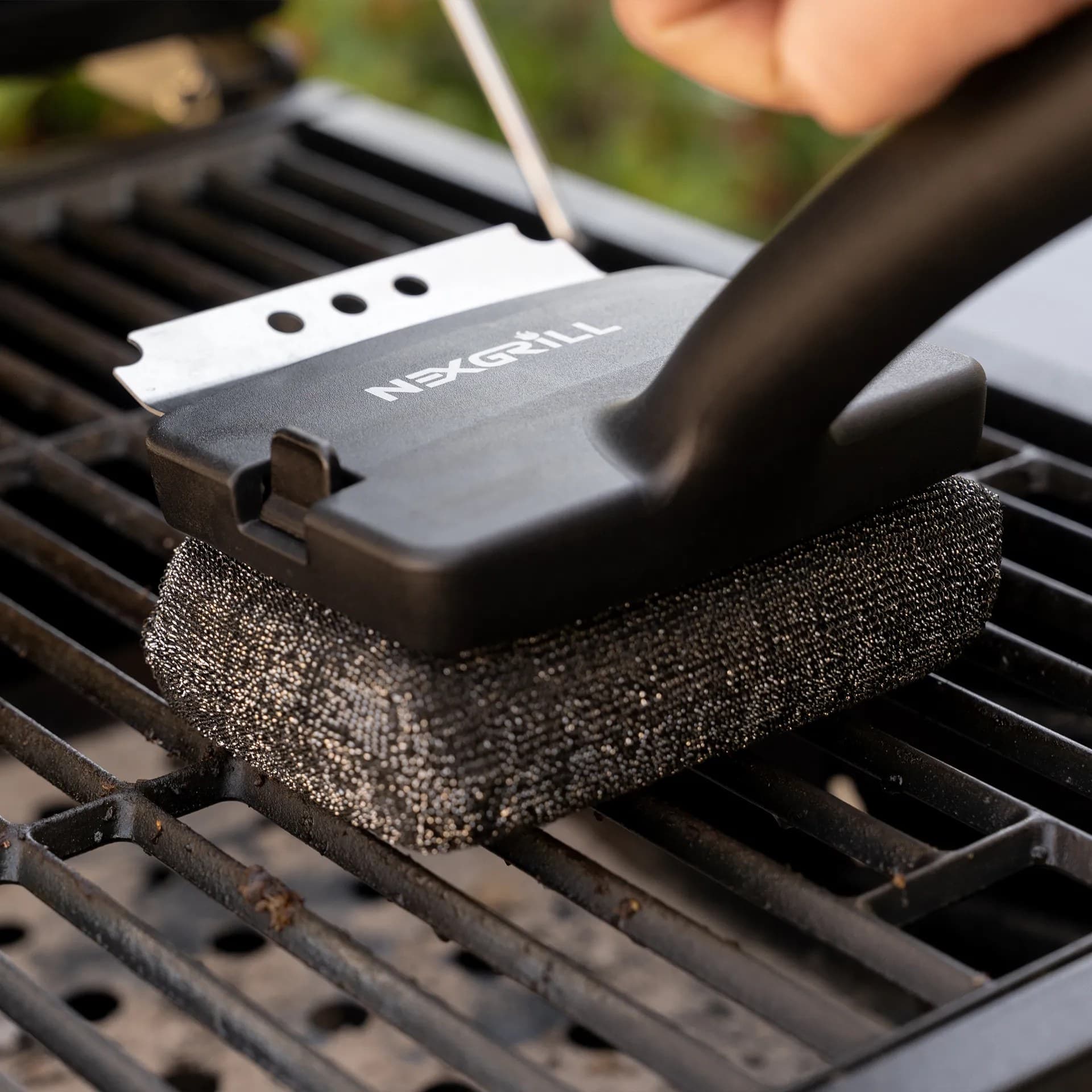
Start with the basics: keep the burner area clear, wipe away grease buildup, and make sure the ignition components are free of residue after the oven cools completely. Outdoor cooking equipment collects dust, pollen, and moisture, and those materials can interfere with reliable lighting. A weather cover helps, but it should be paired with regular cleaning, especially around control knobs and burner openings. If you notice the flame pattern changing or the oven taking longer to ignite, treat that as an early sign that maintenance is due.
Safety also depends on setup. Place the oven on a stable surface with enough clearance around it, and make sure the cooking area is not blocked by hanging objects, overhanging branches, or flammable items. Before each use, check the fuel connection according to the manufacturer’s instructions and make sure the oven is positioned in a well-ventilated outdoor area. A push and turn ignition system is convenient, but it still requires the same respect you would give any gas appliance.
| Maintenance task | How often | Why it matters |
|---|---|---|
| Brush the stone and interior surfaces after cooling | After each cook | Reduces buildup and helps maintain cleaner heat transfer |
| Inspect ignition area and burner openings | Weekly during regular use | Helps catch debris or wear before it affects start-up |
| Check fuel connections and exterior condition | Before each season and before heavy use | Supports safe operation and longer equipment life |
If you store the oven for part of the year, dry it thoroughly and keep it covered in a sheltered area. For buyers in wetter or more humid parts of the United States, that habit can make a meaningful difference in how long the ignition components stay reliable. The broader rule is simple: easy ignition is only helpful if the oven stays clean, dry, and well cared for. A little routine attention protects both safety and performance.
Conclusion: Choosing the Right Pizza Oven
The best pizza oven with push and turn ignition is the one that matches how you actually cook. If you want a straightforward setup for family pizza nights, prioritize a compact or mid-size model that starts reliably and fits your space. If you host often, a larger oven may be worth the extra capacity, especially if it offers strong heat recovery and a comfortable control layout. The ignition feature should make the oven easier to enjoy, not just easier to start.
As you compare options, focus on the full experience: ignition feel, heat consistency, size, build quality, and how easy the oven is to maintain after use. A model that lights quickly but is difficult to clean or awkward to manage will not stay satisfying for long. By contrast, a well-balanced oven can turn pizza night into a repeatable routine that feels simple, fun, and worth the investment. If you are narrowing down final options, the next step is to compare two models side by side and choose the one that best fits your cooking style, available space, and long-term plans.