Explore the key differences, benefits, and considerations to choose the right grill for your outdoor cooking needs.
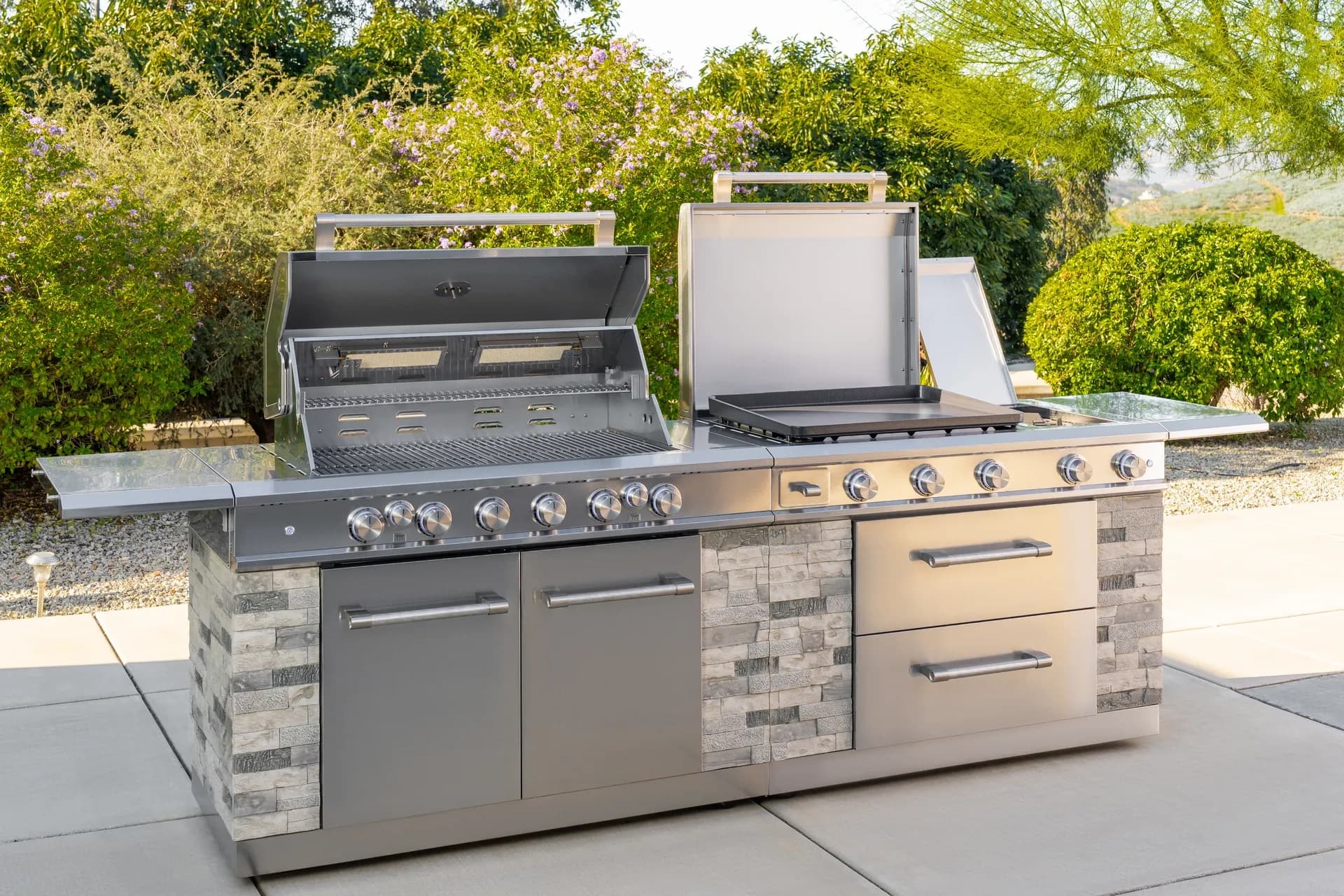
From sizzling breakfasts to smash burgers and teppanyaki-style dinners, the Daytona Pro 5 Burner NitroGuard™ Griddle delivers powerful heat, fast cooking, and a durable cooking surface built for every backyard cookout. Watch how easy outdoor cooking can be.
Here's what sets us apart from the competition
We position ourselves as delivering high-end outdoor cooking features and performance without premium-brand pricing, emphasizing “Quality Grills. Unbelievable Value.”
We offer gas grills, pellet grills, griddles, smokers, pizza ovens, portable/tabletop grills, electric grills, accessories, and replacement parts — allowing customers to stay within one ecosystem for all outdoor cooking needs.
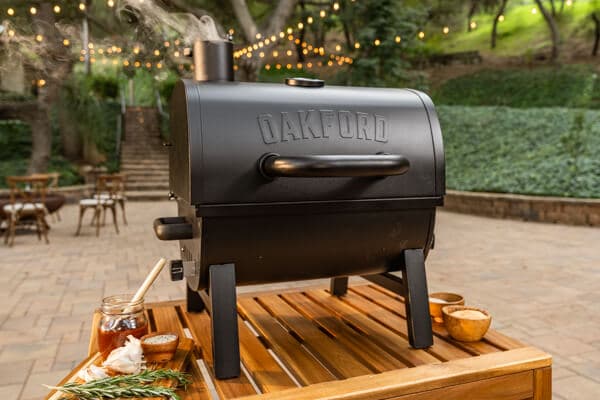
We differentiate ourselves through smart grilling products like the Oakford smart pellet grill, including app-connected cooking controls and modern outdoor cooking technology.
Expert tips, buying guides, comparisons, and inspiration for choosing and getting the most out of your grill.
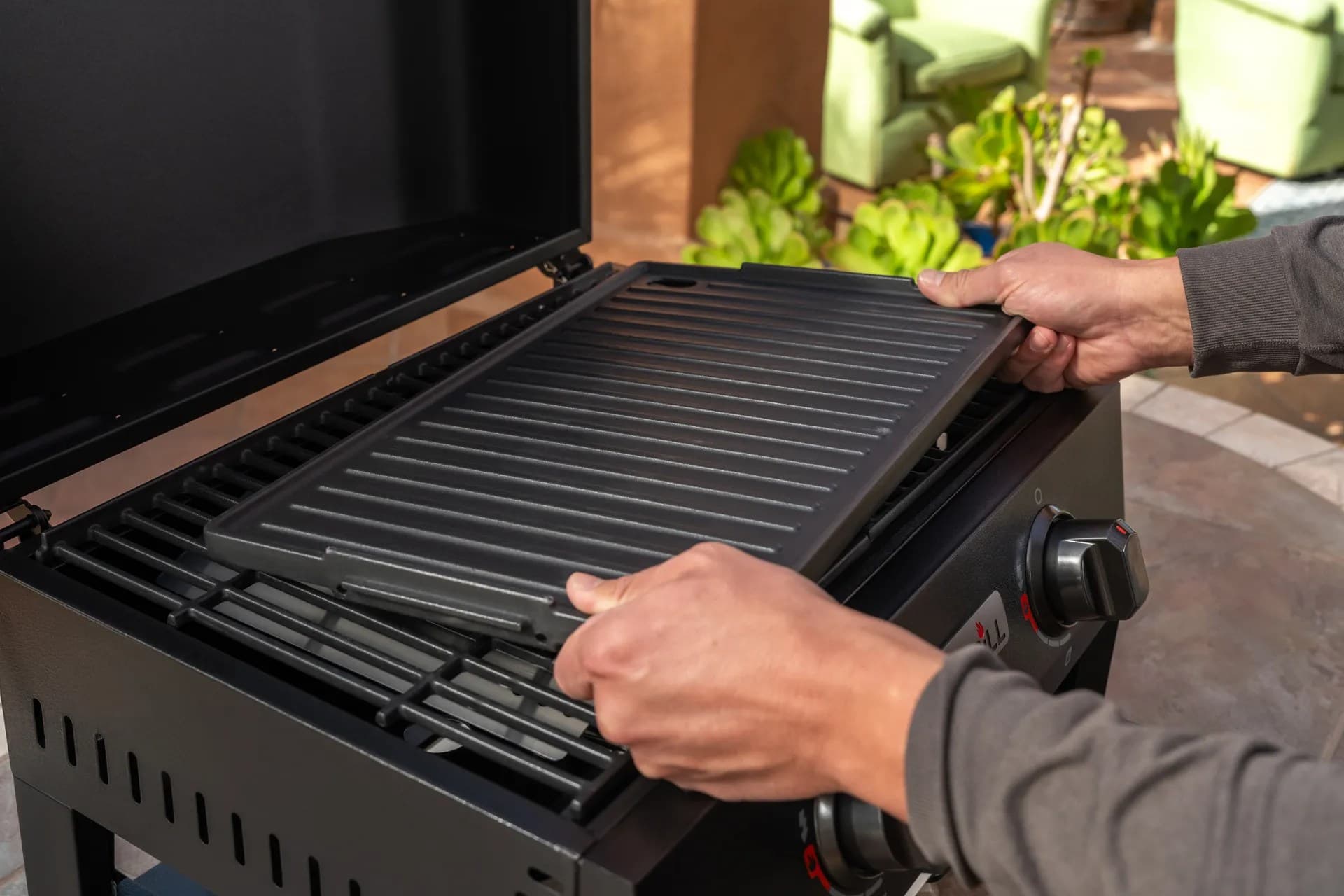
Practical guides for cleaning, maintenance, common grill issues, and performance optimization.
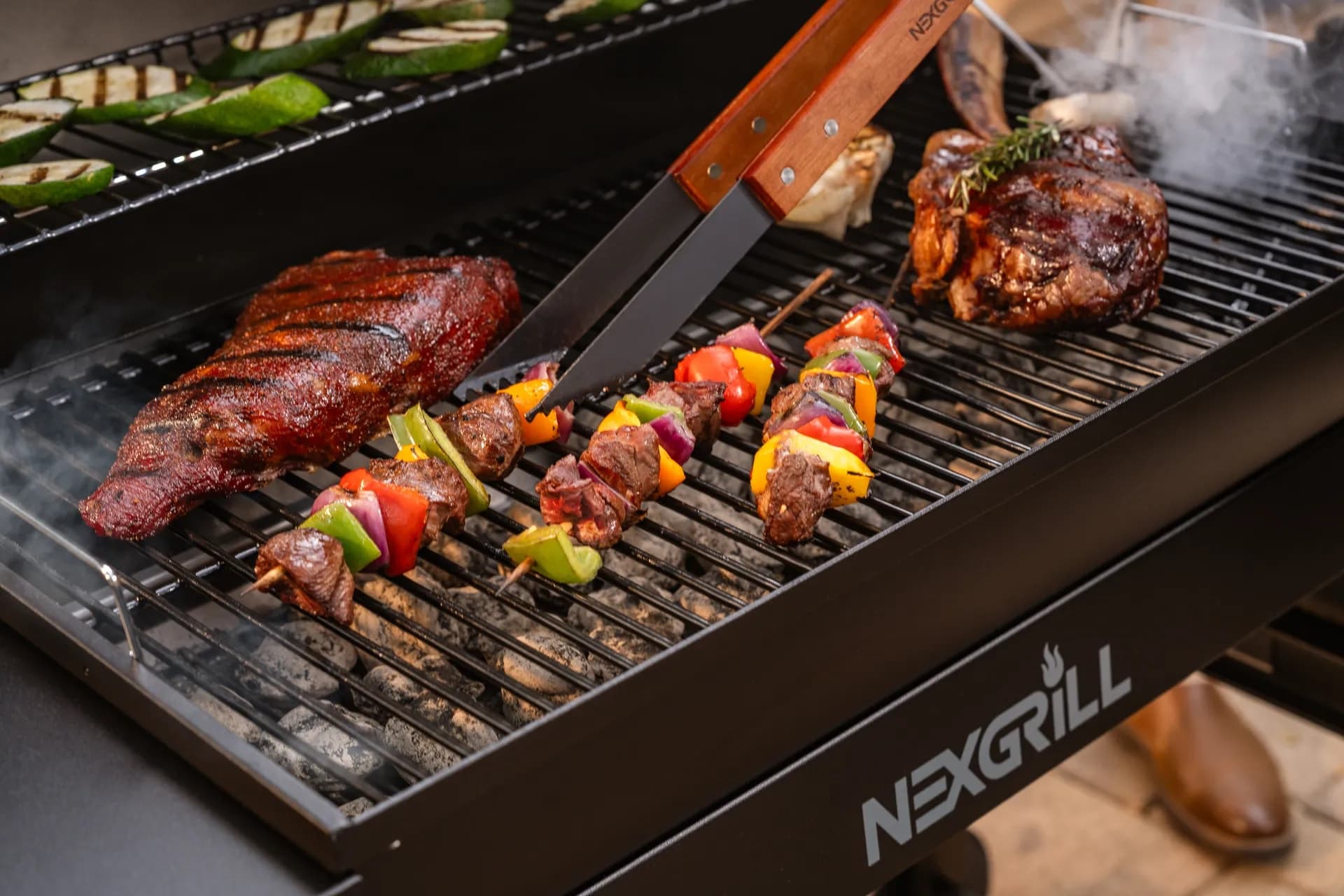
Step-by-step grilling recipes, cooking techniques, and meal ideas for every occasion and skill level.

Backyard entertaining ideas, seasonal grilling inspiration, and stories that celebrate outdoor cooking culture.
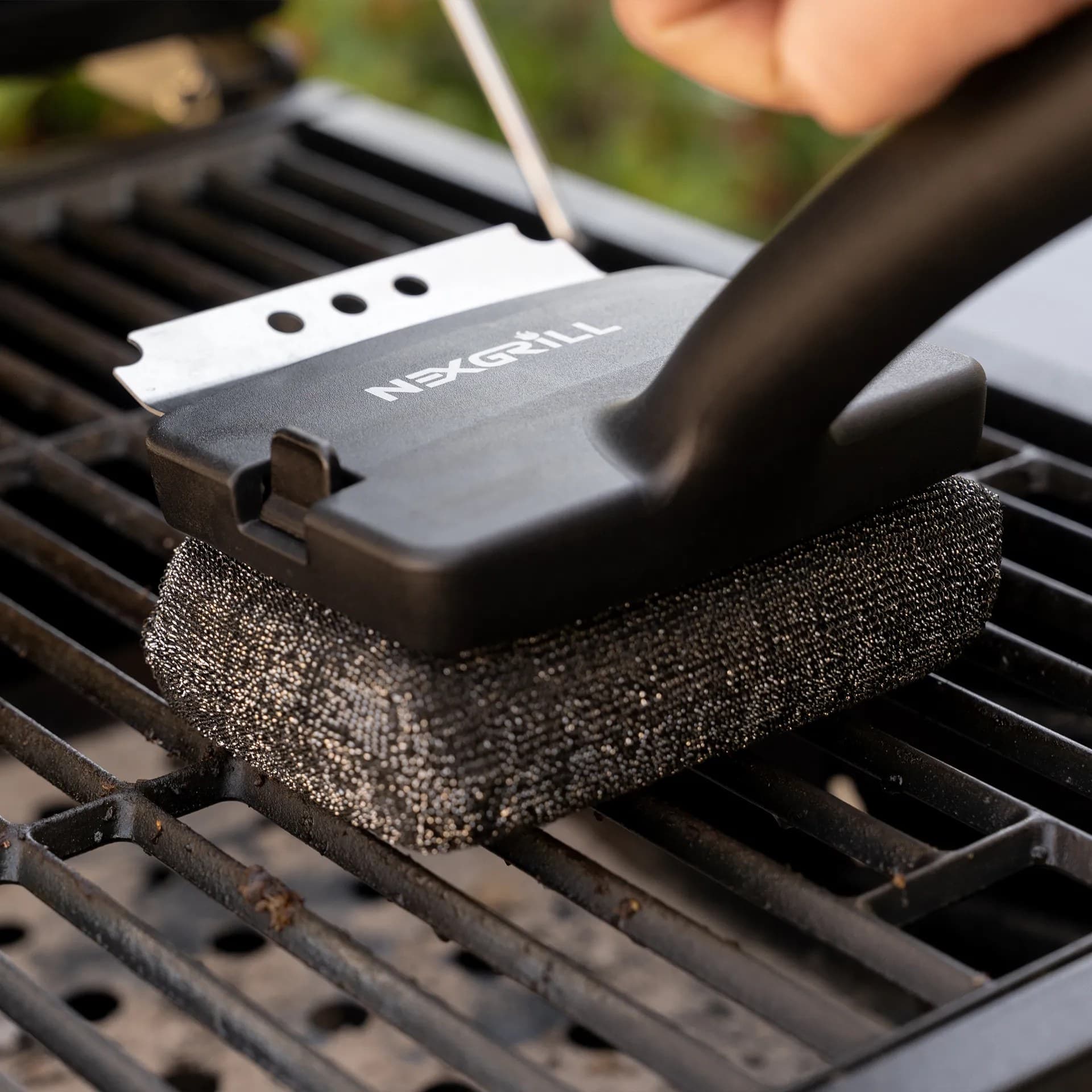
Helpful articles covering grilling tools, cookware, maintenance gear, and must-have accessories for outdoor cooking.
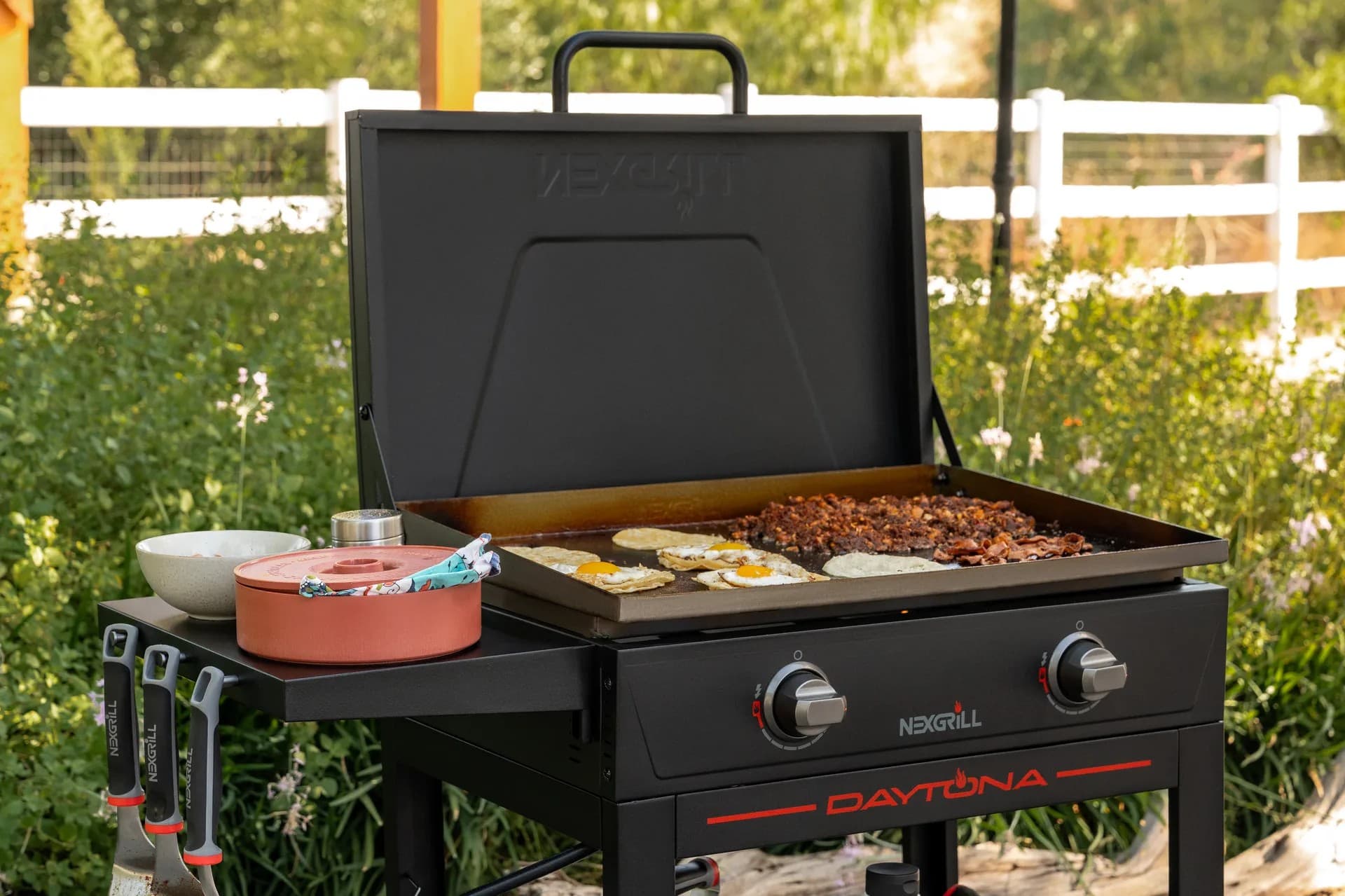
Find griddle recipes, cooking techniques, cleaning tips, and outdoor meal ideas designed for Nexgrill griddles.
Find answers to common questions
Gas grills provide instant heat and precise temperature control, making them easier to use. Charcoal grills offer a smoky flavor and high heat for searing but require more time to heat up and manage.
Pellet grills combine the convenience of gas with the flavor of wood, allowing for smoking, baking, and grilling. Traditional gas grills, however, are quicker to start and often easier to clean.
Charcoal grills typically reach higher temperatures quicker than gas grills, making them better for searing meat. However, high-quality gas grills can also provide adequate heat for effective searing.
Nexgrill offers models designed specifically for gas, charcoal, and pellets, allowing users to choose based on their cooking style and flavor preferences. Each type is built to optimize the characteristics of its respective fuel.
Choosing between gas and charcoal grills depends on your cooking preferences and lifestyle. If you value convenience and quick cooking, a gas grill may suit you better; if you prefer the taste and experience of traditional grilling, a charcoal grill would be ideal.
In This Article
Flavor Profile
Temperature Control
Versatility
Choosing between a charcoal grill and a pellet grill is less about which one is objectively better and more about what kind of cooking experience you want every time you step outside. Some grillers want the ritual: lighting charcoal, managing airflow, listening for the first crackle of fuel, and building heat with their hands and instincts. Others want the repeatability of setting a temperature, feeding in wood pellets, and letting digital controls handle the steadier parts of the cook. Both paths can produce excellent food, but they reward different habits, different levels of patience, and different priorities in the backyard.
For Nexgrill readers, this comparison matters because outdoor cooking is not just about one technique. It is about the meal you want to make on a Tuesday night, the rib roast you want to hold low and slow on a Saturday, and the crowd you expect when neighbors drift over. Nexgrill’s brand perspective has always centered on gathering people around the fire, with products and messaging built for accessible, dependable outdoor cooking experiences that bring people together . That lens makes charcoal vs pellet a practical decision: one fuel type gives you hands-on control and a classic fire-driven feel, while the other gives you convenience, set-and-hold temperature management, and broad cooking flexibility.
Quick read: charcoal usually wins on high-heat searing and live-fire ritual, while pellet grills usually win on steady smoking, baking, and easier temperature management.
If you are shopping for your first serious outdoor cooker, it helps to think in terms of use case rather than brand mythology. A charcoal grill can be the better choice for cooks who enjoy direct heat, fast sears, and the tactile challenge of controlling fire. A pellet grill can be the better choice for cooks who want more predictable results, longer unattended cooks, and the ability to smoke a pork shoulder in the morning and finish vegetables or dessert without changing equipment. In other words, charcoal is often about process and intensity; pellet is often about consistency and range.
This article takes a practical approach. Instead of treating one grill as a winner and the other as a compromise, it breaks the choice into what matters in real life: flavor, temperature behavior, versatility, cleanup, cost, and the environmental tradeoffs of fuel use. That way you can decide based on how you actually cook, not just on a spec sheet.
Flavor is the first reason many people compare charcoal and pellet grills, and the difference is real. Charcoal creates a deeper, more aggressive smoke character because the fuel itself is part of the flavor event. As the coals burn down, they produce the familiar grilled edge that many people associate with steak, burgers, chicken thighs, and vegetables cooked over live fire. That flavor can feel richer and more layered, especially when you use lump charcoal and add wood chunks for a stronger smoke note. The tradeoff is that this intensity comes with more variability; the flavor can swing from clean and bold to heavy and ashy if airflow, ash management, or fuel arrangement are off.
Pellet grills tend to deliver a cleaner, milder smoke profile. Because pellets are compressed hardwood and the grill regulates heat through an auger and fan system, the smoke tends to be more controlled and less dominant. For many cooks, that is a benefit rather than a drawback. Pellet smoke complements pork loin, ribs, turkey, chicken, salmon, vegetables, and baked dishes without overwhelming them. If you like a refined wood-fired taste that stays in the background instead of dominating every bite, pellet grilling can be a better fit. If you want a stronger smoke punch, you may need to choose harder woods or extend cook times to build more flavor.
Charcoal is bolder and more hands-on; pellet is cleaner and more controlled.
One useful way to think about flavor is by food type. For steaks, chops, and smash-style burgers, charcoal often provides the more dramatic crust and a pronounced grilled finish. For brisket, pork shoulder, turkey, and baked dishes like skillet cornbread or fruit crisps, pellet grills often provide enough smoke flavor while making it easier to hold a long cook at a stable temperature. Neither fuel type automatically makes food better; each one changes the flavor equation in a different direction. If you cook for a family that prefers a strong backyard barbecue character, charcoal may fit naturally. If you cook for mixed preferences and want a gentler smoke that does not overpower sides or sauces, pellet may be the safer bet.
Temperature control is where the practical differences become obvious. Pellet grills are built around digital regulation, so once you set a target temperature, the system feeds pellets as needed to hold that temperature within a manageable range. That makes them appealing to cooks who want less babysitting, especially during long smoking sessions. If your goal is to cook a pork shoulder overnight, hold ribs at a stable pit temperature, or keep chicken warm while side dishes finish, the steadiness of a pellet grill can save time and stress. The learning curve is often gentler because the grill handles a major part of the heat management for you.
Charcoal grills operate differently. They reward skillful fire management rather than automation. You adjust vents, arrange coals, and learn how your specific grill responds to airflow, ambient temperature, and food load. This takes more practice, but it also gives experienced grillers a sense of direct control that many enjoy. If you know how to bank coals for two-zone cooking, move food between hot and cooler areas, and recover from a flare-up, charcoal can deliver outstanding searing performance and fast heat swings that are ideal for certain recipes. That responsiveness is valuable when you want to brown meat quickly or cook with the open intensity of live flame.
| Performance factor | Charcoal grill | Pellet grill |
|---|---|---|
| Startup style | Needs ignition time and coal management | Set temperature and let the controller work |
| Heat stability | Depends on airflow and fuel arrangement | Generally steadier for long cooks |
| Searing | Excellent for intense direct heat | Good on many models, though usually less aggressive |
| Long smoke sessions | Possible, but requires more attention | Strong fit for low-and-slow cooking |
For everyday cooking, the difference is especially clear when the weather changes. A pellet grill’s control system helps offset some fluctuations, though cold, wind, and pellet quality can still affect output. A charcoal grill can also perform in winter conditions, but it asks more of the cook. If you like the process of tending fire and reading heat by feel, charcoal gives you a satisfying cooking rhythm. If you want repeatable dinner results with fewer adjustments, pellet is usually the more forgiving path.
Versatility is where the decision becomes more nuanced, because both grill types can do more than one job. Charcoal is often underestimated as a multi-purpose cooker. With the right setup, it can sear steaks over direct coals, roast chicken using indirect heat, smoke ribs with wood chunks, and even handle pizzas or vegetables with intense heat. What charcoal lacks in automation, it makes up for in cooking range through technique. If you are comfortable rearranging fuel and managing zones, you can move quickly between high heat and gentler roasting.
Pellet grills are versatile in a different way. Their strength is not just smoking; it is the ability to switch between smoking, grilling, baking, roasting, and warming with a simple temperature change. That makes them useful for cooks who want one appliance to cover a broader calendar of meals. A pellet grill can smoke ribs on Saturday, bake a pan of cornbread or dessert on Sunday, and roast weeknight vegetables without the same level of hands-on fuel management. For households that want a reliable outdoor kitchen tool rather than a ritual-driven fire pit experience, that flexibility can be a major advantage.
Tip: if you love live-fire searing but also want pellet-style convenience, decide which task you do most often. The answer usually points to the right grill more clearly than any feature list.
A real-world example helps. Suppose you host friends for Friday steak night and also cook brisket for Sunday lunches. Charcoal may give you the best sear and the most dramatic crust for steak, but a pellet grill can make the brisket session easier to manage if you want to hold a steady low temperature for several hours. If you mostly cook burgers, skewers, and quick-serve dinners, charcoal’s responsiveness may feel more satisfying. If you regularly cook fish, vegetables, casseroles, and breakfast items outdoors, pellet’s temperature steadiness and broad heat range can be more practical.
The question of versatility often comes down to which compromise you prefer. Charcoal asks for more attention but gives you more direct fire control. Pellet asks for a larger upfront investment and a power source, but it simplifies multiple cooking styles into one repeatable workflow. For many households, that difference matters more than one isolated performance metric.
Cleanup is one of the least glamorous but most decisive parts of ownership. Charcoal grills require ash removal, grate brushing, and routine checks of vents and airflow paths. Ash may seem harmless, but if it accumulates, it can restrict oxygen and make the next cook harder to manage. The work is not difficult, but it is physical and ongoing. You also need to safely dispose of spent coals, which means letting them fully cool before handling them. For some owners, that routine is part of the experience. For others, it becomes the main reason they do not use the grill as often as they hoped.
Pellet grills reduce some of that labor, but they do not eliminate cleanup. You still need to empty ash from the burn pot and vacuum or brush out residue periodically, and you need to manage pellet storage so moisture does not ruin fuel quality. Pellet ash is usually finer and less dramatic than charcoal ash, but the grill itself includes more mechanical components, so upkeep extends to the auger, fan system, hopper, and controller area. The upside is that day-to-day cleanup after a typical cook is often simpler because you are not dealing with a bed of loose coals.
| Cleanup task | Charcoal grill | Pellet grill |
|---|---|---|
| After-cook residue | Ash and spent coals | Ash and fine pellet residue |
| Routine cleaning | Grates, ash bowl, vents | Grates, burn pot, hopper area |
| Storage concern | Keep charcoal dry and contained | Keep pellets dry and sealed |
| Mechanical upkeep | Low | Higher because of moving parts |
If you want the simplest ownership routine possible, pellet grills usually feel easier between cooks. If you want a grill with fewer electronic parts and a more stripped-down maintenance cycle, charcoal may be appealing. Neither is truly low-effort forever, but each concentrates the effort in different places: charcoal in fuel cleanup and fire management, pellet in component care and fuel protection.
Price comparisons should include more than the sticker on the box. Charcoal grills often have a lower entry cost, which makes them attractive to people who want authentic grilling without a large investment. Fuel can also be inexpensive depending on how often you cook and what type of charcoal you buy. But there are hidden cost variables: charcoal consumption can add up if you grill frequently, and premium lump charcoal or wood chunks may raise the per-cook expense.
Pellet grills usually cost more up front because they include digital controls, an auger system, and electrical components. That higher initial price may be justified if you value repeatability and versatility. Pellet fuel can also be more expensive than standard bagged charcoal, especially if you use the grill often or buy specialty hardwood blends. Over time, the total cost depends on how much you cook, how long each cook lasts, and whether you use the grill for smoking-heavy recipes or shorter weeknight meals.
Charcoal usually costs less to buy; pellet usually costs more to own but may save time.
A useful way to compare value is by ownership style. If you grill a few times a month and enjoy the manual process, a charcoal grill can be a strong value because it is less expensive to buy and still capable of excellent results. If you cook often, smoke large cuts, or want an easier path to consistent temperatures, a pellet grill may justify its higher price through convenience and broader everyday usefulness. For Nexgrill shoppers, that value equation matters because the goal is not simply to spend less; it is to buy the right tool for the meals you actually make.
Environmental impact is not easy to reduce to a single number, because fuel source, cooking duration, and electrical use all matter. Charcoal grilling relies on solid fuel and generally produces more visible smoke and ash. That does not automatically make it the wrong choice, but it does mean the grill burns a fuel that must be lit and consumed each time. The smoke profile can be part of the appeal, yet it also means more particulate output and more residue to manage after cooking.
Pellet grills burn compressed wood pellets, and while they still produce smoke, many users perceive the burn as cleaner and more controlled. They also require electricity to operate, which introduces a different energy footprint. In practical terms, the environmental conversation is often about efficiency and fuel sourcing rather than a simple good-versus-bad label. If you buy pellets made from responsibly sourced hardwood byproducts, store them correctly, and cook with stable temperature control, you may reduce waste associated with inconsistent fires and burned-through fuel. If you use charcoal carefully, light only the fuel you need, and avoid overloading the grill, you can also limit excess consumption.
For many home cooks, the most sustainable choice is the one they will actually use well and maintain properly. A grill that is used efficiently and cleaned regularly often outperforms a more “eco-friendly” option that sits idle or is run wastefully. In that sense, the better environmental decision may be the grill that aligns with your habits and minimizes spoiled fuel, unnecessary repeat cooking, and avoidable replacement cycles.
Charcoal and pellet grills both deserve their reputations, but they serve different kinds of cooks. Charcoal is for the griller who values deep fire flavor, direct control, and the satisfaction of managing heat by hand. Pellet is for the cook who wants precision, long-session convenience, and a wider range of smoke, roast, and bake possibilities with less attention required along the way.
If your ideal backyard setup is centered on searing steaks, mastering fire, and enjoying the ritual of live coals, charcoal is likely the better match. If you want predictable results for brisket, ribs, chicken, vegetables, and even desserts, pellet may be the smarter all-around option. Either way, the best choice is the one that fits your schedule, your appetite, and the style of gathering you want to build around the grill.
Try comparing two products side by side below to see which fits best:
Once you've weighed two options against each other, the real decision usually comes down to how you cook in ordinary weeks, not just on special weekends. That is where the charcoal versus pellet conversation becomes practical. Charcoal grills ask you to read the fire, shape heat zones, and enjoy a hands-on rhythm that can feel almost meditative when you have the time for it. Pellet grills ask you to trust a controller, load the hopper, and let the machine create a stable cooking environment so you can focus on the food and the people around it.
Nexgrill’s brand point of view is useful here because it treats outdoor cooking as a shared experience rather than a technical contest. The company’s messaging centers on belonging, gathering, and accessible outdoor cooking for different skill levels and budgets, which is exactly why this comparison matters for a broad audience of buyers. Some readers want the tactile challenge of building a hotter fire for a weekend cookout. Others want a simpler path to dependable smoke on a busy evening when dinner needs to happen on schedule. Both are valid, and both can lead to memorable meals.
This second half goes deeper into the ownership tradeoffs that often get overlooked in quick comparison articles: how flavor shifts after repeated use, what temperature control really means when weather changes, how versatility affects the rest of your outdoor cooking routine, and why the cost conversation should include time as well as dollars. If the first half helped you compare features, this half helps you decide what kind of grill owner you want to be.
The flavor question is often framed too simply, as if charcoal always tastes better and pellet always tastes lighter. In practice, the difference is more useful than that. Charcoal can produce a pronounced grilled edge because the heat source itself is intense, immediate, and close to the food. That matters when you want a steak with a hard sear, chicken skin with a crisp bite, or vegetables with blistered surfaces and a distinct fire-cooked finish. But charcoal flavor also depends heavily on technique. Too much ash, too much lingering smoke, or fuel that is not burning cleanly can create an acrid result that hides the benefits of the fuel.
Pellet grills produce a subtler wood smoke flavor that many households prefer for long cooks. The cleaner profile can be especially appealing for poultry, seafood, vegetables, and baked dishes where you want smoke to support the dish rather than dominate it. A pellet grill can make a smoked turkey, tray of roasted potatoes, or pan of peach cobbler taste wood-fired without becoming heavy or bitter. That lighter touch is not a compromise for many cooks; it is the reason they choose pellets in the first place. It is easier to serve a crowd with mixed taste preferences when the smoke note is present but not overpowering.
Warning: more smoke is not always better. On both grill types, clean combustion and proper airflow matter more than chasing the strongest possible smoke cloud.
A practical example: if you are cooking a tri-tip dinner for a group that includes both serious barbecue fans and guests who prefer milder food, pellet can be the safer all-around flavor profile because it delivers wood character without overshadowing sauces or sides. If you are cooking a ribeye for one or two people and want the meal to feel like a classic fire-cooked event, charcoal can provide the bolder finish that makes the whole plate feel more dramatic. The key is not which fuel is louder; it is which flavor profile matches the menu and the audience.
Temperature control becomes especially important when the weather changes or the cook lasts long enough for small differences to compound. Pellet grills are often favored because they automate much of the adjustment process. Set the target temperature, and the system meters fuel to maintain it. That stability can be a genuine quality-of-life improvement for anyone who has struggled to keep charcoal from drifting too hot or too cool. If you are smoking pork belly, turkey breast, ribs, or a brisket point over several hours, the ability to keep the cooker steady reduces the need to monitor the fire constantly.
Charcoal, by contrast, is a skill-based temperature system. The more you understand vent positions, coal arrangement, and how to build direct and indirect zones, the better the results. That does not make charcoal inferior; it makes it more interactive. Skilled charcoal users can open a kettle for intense searing, then shift the food to a cooler zone for finishing, or control a slower cook by adjusting airflow gradually. The reward is precision through practice instead of precision through electronics. For some people, that is exactly what makes charcoal satisfying.
| Cooking situation | Charcoal advantage | Pellet advantage |
|---|---|---|
| Fast steak sear | More aggressive radiant heat | Convenient but usually less intense |
| Six-hour smoke | Possible with skill and attention | Designed for steady, long-duration control |
| Mixed menu dinner | Flexible if you manage zones well | Easy to move between roast and smoke |
| Busy weeknight meal | Requires more hands-on setup | Easier when time is limited |
If you cook outdoors often, another point matters: consistency across different sessions. Pellet grills make it easier to reproduce the same results because the temperature target is explicit. Charcoal can also be repeatable, but only after you learn your specific grill, your preferred fuel, and how weather changes affect the burn. That learning process can be rewarding, but it is still a process. If you want a grill that behaves more like a controlled appliance, pellet is the more predictable performer.
Versatility is where these two grill types are often misunderstood. Many people assume charcoal is only for direct grilling and pellet is only for smoking, but both can do much more. Charcoal can be a powerful multi-zone cooker if you are willing to arrange the fire carefully. You can use a hot side for searing and a cooler side for finishing, which is ideal for bone-in chicken, thick pork chops, and reverse-seared steaks. You can also build a kettle-style environment for roasting whole birds or for crisping vegetables in cast-iron pans. The payoff is excellent heat intensity and flexibility, but the user has to create it manually.
Pellet grills are more plug-in-and-go versatile. They smoke ribs, roast chicken, bake cornbread, warm side dishes, and even handle desserts with little more than a temperature change. For many households, that broader menu support is the biggest practical advantage. A pellet grill can become the default outdoor cooker because it is equally useful for low-and-slow weekends and simple weeknight meals. If your ideal backyard setup is built around one appliance doing many jobs reliably, pellet often fits better.
Tip: choose charcoal if you want the fire to be part of the cooking experience; choose pellet if you want the grill to fade into the background and just deliver the result.
Think about common meal patterns. If your household loves weekend steaks, kabobs, and quick-grilled seafood, charcoal’s direct heat can feel right at home. If your meal planning includes smoked turkey, baked beans, loaf-style casseroles, roasted vegetables, and the occasional pan dessert, pellet’s broader thermal comfort zone is more convenient. The difference is not just cooking style; it is the way the grill shapes what you are likely to make more often.
The upkeep difference can influence whether a grill becomes a weekly habit or a special-occasion appliance. Charcoal is straightforward mechanically, but it produces more obvious cleanup. You need to remove ash, brush grates, and reset the cooking chamber for the next session. That can be perfectly manageable, but it is still a step that takes time. The upside is that the grill has fewer moving parts, so there is less to inspect beyond the body, grates, vents, and fuel arrangement.
Pellet grills shift the labor profile. Instead of ash bins and coal disposal, you are monitoring a hopper, a burn pot, and the electronics that drive fuel delivery. A pellet grill often feels cleaner after cooking because you are not scooping out chunks of spent fuel, but it still needs regular attention. If pellets absorb moisture, they can swell and affect feeding, so fuel storage matters more than many first-time buyers expect. The most successful pellet owners usually treat dry pellet storage as part of the ownership routine, not an afterthought.
| Maintenance category | Charcoal grill | Pellet grill |
|---|---|---|
| Fuel cleanup | Ash and leftover coals | Fine ash and used pellets |
| Mechanical complexity | Low | Higher because of controller and auger system |
| Storage needs | Dry charcoal storage | Dry pellet storage is critical |
| Routine effort | More manual, but simpler structure | Less ash handling, more component care |
The best choice depends on which chores bother you most. If you prefer a simple machine with fewer electronics and do not mind ash management, charcoal is appealing. If you want fewer post-cook messes and are comfortable caring for an appliance with moving parts, pellet is likely easier to live with. The important point is that neither grill is truly set-and-forget forever; they simply distribute the work differently.
Cost has three layers: the initial purchase, the ongoing fuel expense, and the value of your time. Charcoal grills often have the lowest entry price, which makes them attractive to households that want strong grilling capability without a large upfront commitment. The fuel itself can also be accessible, especially if you cook casually and buy standard charcoal in larger bags. But if you grill frequently, premium briquettes, lump charcoal, and wood chunks can make the total fuel bill more noticeable over a season.
Pellet grills typically carry a higher initial price because of the technology built into them. That may still be a smart buy if you expect to use the grill often, because the time saved on fire management and the consistency gained in return can be worth the premium. Pellet fuel can cost more per cook than standard charcoal, particularly for long smoking sessions. The tradeoff is that the grill often reduces uncertainty and wasted food caused by temperature swings or fire management mistakes, which is a kind of value that does not show up on a receipt.
Charcoal is usually cheaper to buy; pellet can be worth more if consistency saves time and stress.
A good way to judge value is by the kind of weekends you actually have. If you grill a few times a month and enjoy treating the process like an event, charcoal’s lower upfront cost can make perfect sense. If you cook outdoors every week and want a grill that makes ordinary meals easier, pellet may justify the higher entry price by becoming the tool you rely on most. Nexgrill’s accessible brand posture is built around that kind of value conversation: not just the cheapest option, but the right balance of usability and cost for real households.
The environmental question is best approached carefully, because each fuel type has strengths and drawbacks. Charcoal produces solid-waste ash and typically demands more manual fuel handling. It also tends to generate more visible smoke, especially if the fire is not burning cleanly. That smoke is part of the appeal for many users, but it also reflects a more direct combustion process with more residue to manage afterward. If you are a careful cook who lights only the fuel you need and keeps the airflow in a clean-burning range, you can reduce some waste, but the model is still one of burn-and-dispose.
Pellet grills use compressed wood pellets and electricity. The pellets themselves are wood-based and are often marketed as a cleaner-burning fuel source than traditional charcoal, but they still require transport, storage, and controlled combustion. The electrical component adds another resource consideration. From a practical homeowner perspective, the environmental conversation often comes back to efficiency: which grill helps you cook the right amount of food without wasting fuel, time, or ingredients? A grill that holds temperature well and helps prevent overcooking may reduce food waste, while a grill that encourages wasteful trial-and-error can undermine any fuel advantage.
If sustainability matters to you, consider how you buy fuel, how often you cook, and how long your grill is likely to stay in service. A durable grill that matches your habits may be the better long-term choice than a more fashionable option that gets replaced early or is operated inefficiently. In that sense, the environmental impact of ownership is not just about fuel chemistry; it is about how thoughtfully you use the equipment.
The clearest way to separate charcoal from pellet is to ask what kind of cook you are on a normal day. Charcoal is better suited to people who enjoy direct fire, bolder grilled flavor, and a more manual approach to heat control. Pellet is better suited to people who want a steadier, more flexible outdoor cooking system that can smoke, roast, bake, and hold temperature with less attention.
Neither grill type is a universal answer, and that is the point. If your outdoor cooking identity is built around seared steaks, hot coals, and a little bit of firecraft, charcoal will probably feel more satisfying. If your cooking identity is built around repeatable results, low-and-slow recipes, and serving the family without hovering over the fire, pellet may be the smarter fit. Nexgrill’s broader outdoor cooking philosophy is rooted in making those choices approachable and practical, so the best answer is the one that helps you cook more often, with more confidence, and with more people gathered around the table.
Here's what sets us apart
We position ourselves as delivering high-end outdoor cooking features and performance without premium-brand pricing, emphasizing “Quality Grills. Unbelievable Value.”
We offer gas grills, pellet grills, griddles, smokers, pizza ovens, portable/tabletop grills, electric grills, accessories, and replacement parts — allowing customers to stay within one ecosystem for all outdoor cooking needs.
We differentiate ourselves through smart grilling products like the Oakford smart pellet grill, including app-connected cooking controls and modern outdoor cooking technology.
Don't just take our word for it
Keep reading
From our catalog