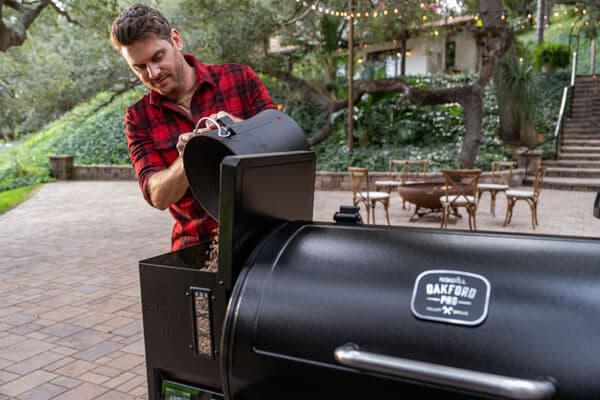
Master the art of pellet smoking with expert tips, maintenance advice, and delicious recipes.

Here's what sets us apart from the competition
We position ourselves as delivering high-end outdoor cooking features and performance without premium-brand pricing, emphasizing “Quality Grills. Unbelievable Value.”
We offer gas grills, pellet grills, griddles, smokers, pizza ovens, portable/tabletop grills, electric grills, accessories, and replacement parts — allowing customers to stay within one ecosystem for all outdoor cooking needs.
We differentiate ourselves through smart grilling products like the Oakford smart pellet grill, including app-connected cooking controls and modern outdoor cooking technology.

Expert tips, buying guides, comparisons, and inspiration for choosing and getting the most out of your grill.

Practical guides for cleaning, maintenance, common grill issues, and performance optimization.

Step-by-step grilling recipes, cooking techniques, and meal ideas for every occasion and skill level.

Backyard entertaining ideas, seasonal grilling inspiration, and stories that celebrate outdoor cooking culture.

Helpful articles covering grilling tools, cookware, maintenance gear, and must-have accessories for outdoor cooking.

Find griddle recipes, cooking techniques, cleaning tips, and outdoor meal ideas designed for Nexgrill griddles.
Find answers to common questions
Pellet grills offer versatility by allowing you to smoke, grill, and bake with precise temperature control. They use wood pellets as fuel, providing a unique flavor to your food that is difficult to achieve with other types of grills.
Consider factors such as cooking capacity, temperature range, and additional features like digital controls or Wi-Fi connectivity. Assessing your cooking habits and space availability can also help in selecting a suitable model.
You can use a variety of food-grade wood pellets, including oak, hickory, mesquite, cherry, and apple. Each type of wood imparts a different flavor to your food, allowing for a unique grilling experience.
Regular cleaning involves emptying the ash pan, cleaning the heat diffusers, and wiping down the exterior. It's also important to check for any pellet obstructions in the hopper and ensure the grill's components are in good working order.
Nexgrill pellet grills are designed to smoke effectively, offering low-temperature settings to infuse food with rich, smoky flavors. They also provide adjustable temperature controls to suit various cooking styles.
In This Article
Pellet Smoker Basics
Maintenance Tips
Delicious Recipes
Pellet smokers are a practical middle ground between a traditional charcoal cooker and a set-it-and-forget-it outdoor oven. They use compressed hardwood pellets as fuel, then meter those pellets into a fire pot with an auger and fan system so you can hold a steady cooking temperature for long sessions. That combination is what makes pellet cooking so approachable for beginners and so useful for experienced backyard cooks who want consistency without hovering over the fire all day. Nexgrill’s Oakford line reflects that balance between control and flavor, and the brand’s own messaging emphasizes community, dependable performance, and welcoming outdoor cooking for everyone.
If you are new to pellet smoking, start by thinking in terms of cook style instead of only “smoker versus grill.” Pellet smokers excel at low-and-slow barbecue, but many also handle roasting, baking, and finishing at higher heat. The main advantages are temperature stability, easy fuel loading, and the ability to make smoke flavor more predictable by choosing different pellet woods. The tradeoff is that pellet smokers depend on electricity for the control system, so good setup, clean airflow, and dry pellet storage matter more than many first-time owners expect.
A new pellet smoker should always be seasoned before first use. That initial burn removes manufacturing residues and helps create a more stable cooking surface for future cooks.
Seasoning also gives you a chance to learn how your unit behaves at idle temperature, how quickly it recovers after the lid is opened, and whether your pellet feed system is cycling smoothly. That early trial run is especially valuable if you plan to smoke brisket, pork shoulder, ribs, or salmon, because those foods depend on stable heat over many hours. When you understand the smoker’s rhythm before you place real food inside, you reduce the risk of surprise temperature swings and uneven smoke output.
Setting up a pellet smoker correctly starts before the first pellet goes in. Place the unit on a flat, stable, noncombustible surface with enough clearance around the body for airflow and safe access to the hopper, lid, and grease system. Then inspect the fire pot, drip tray, and cooking grates to make sure nothing shifted during shipping. New owners sometimes rush straight to cooking, but the best first cooks begin with a slow walk-through of the machine: check the power cord, confirm the hopper is clean, verify the auger turns freely, and make sure the grease bucket or drain path is positioned properly.
High-quality pellets make a real difference here. Dense, dry hardwood pellets tend to feed more consistently and reduce the chance of jams or erratic burn behavior. Lower-grade pellets can break apart into excess dust, absorb moisture faster, and create inconsistent ignition or messy ash. Keep pellets sealed and stored in a dry place, especially in humid U.S. climates where open bags can pick up moisture quickly. Even a small amount of dampness can change how the pellets feed and how cleanly they burn.
Run an empty seasoning cycle before cooking to stabilize the system and burn off residue.
A useful setup habit is to map the smoker into zones before you cook. Many pellet smokers have hotter and cooler areas depending on the model and the airflow pattern. Knowing where the heat concentrates helps you place thicker cuts closer to the center and more delicate items like vegetables or fish toward the edges. If your smoker includes a meat probe port, test the probe placement before the grate fills up so you are not trying to thread cables around a crowded cooking surface.
Regular maintenance is the difference between a pellet smoker that feels dependable and one that slowly becomes frustrating. Ash management is the first priority because ash buildup can restrict airflow in the fire pot and affect ignition. After several cooks, empty the fire pot and brush loose ash from the burn area. Next, clean the grease management system so drippings do not pool, smoke excessively, or create flare-up hazards. The cooking chamber, drip tray, and grease channel all deserve attention because grease residue can influence both flavor and safety.
The auger deserves special attention too. It is the path pellets travel from hopper to fire pot, and it performs best when pellets stay dry and free of dust. If you notice feeding problems, inspect the hopper for clumps, sawdust, or signs of swelling from moisture. A quick empty-and-clean routine every few sessions prevents small issues from turning into a complete jam. This is also where pellet storage becomes part of maintenance rather than just convenience: a dry, sealed container protects performance just as much as it protects the pellets themselves.
Do not ignore a sluggish auger or repeated ignition failures. Those problems usually point to ash buildup, wet pellets, or a feeding obstruction that will get worse if left alone.
Wipe down exterior surfaces after cool-down, and if your smoker has stainless components, keep a soft cloth handy to avoid staining from smoke residue or water spots. While pellet smokers are built for outdoor use, weather still matters. A fitted cover and dry storage location help protect electrical controls, metal finishes, and pellet fuel quality over time. For a brand like Nexgrill, which positions grilling as welcoming, accessible, and dependable, this kind of maintenance is what keeps the experience enjoyable season after season.
When a pellet smoker acts up, the problem usually falls into one of three buckets: fuel, airflow, or temperature control. If temperatures fluctuate too widely, start with the pellets. Moisture-damaged pellets can feed unevenly, cause weak ignition, or create unstable heat output. If the pellets are dry, check whether the fire pot contains excess ash or whether the lid has been opened too often during the cook. Rapid lid opening releases heat and smoke, which can confuse the controller and extend recovery time.
Weak smoke production is another common concern, especially for new owners who expect thick white smoke the whole time. Pellet smokers usually produce cleaner smoke once the fire is established, so a thin, steady stream is normal. If you want deeper smoke flavor, the answer is often not “more smoke” but smarter cook technique: start food on the smoker at a lower temperature, use a dry rub that encourages bark formation, and avoid overcrowding the grate so smoke can circulate. If smoke is too light because the fire never stabilizes, inspect the igniter, fan, and pellet feed for faults.
| Problem | Most likely cause | Best first fix |
|---|---|---|
| Temperature swings | Wet pellets, ash buildup, frequent lid opening | Swap pellets, clean fire pot, limit lid checks |
| Poor ignition | Dirty fire pot or faulty igniter | Clear ash and test startup cycle |
| Thin smoke flavor | Cooking too hot too soon | Start lower and extend smoke time |
A meat thermometer is one of the easiest ways to separate a real smoker issue from a food-cooking issue. If the chamber temperature is stable but the meat stalls or finishes slowly, the smoker may be working exactly as designed. Internal temperature monitoring removes guesswork and helps you focus on the actual result rather than just the display on the controller.
Pellet smokers are versatile enough to do far more than brisket and ribs. A well-rounded recipe rotation should include both meats and vegetables so you can take advantage of the smoker’s steady heat and wood flavor all year long. For meat, think pork shoulder for long weekend cooks, chicken thighs for a faster family dinner, and salmon when you want a shorter session with a cleaner smoke profile. For vegetables, try halved peppers, corn, mushrooms, or thick-cut carrots. These foods absorb smoke beautifully without needing the same long cook time as large cuts.
Recipe variety matters because it helps you see how different woods affect flavor. Hickory can give pork a bolder profile, apple can keep chicken and vegetables lighter, and a cherry-oak blend can bring depth without overpowering delicate foods. Once you become comfortable with the basics, you can adjust pellet flavor like a seasoning ingredient instead of treating it as an afterthought. Try comparing two products side by side below to see which fits best:
Once you’ve compared the basics and understood how one pellet smoker differs from another, the next step is learning how to cook more intentionally. Advanced pellet smoking is less about buying more gadgets and more about controlling the variables you already have: pellet choice, airflow, temperature staging, and rest time. The biggest gains usually come from layering small decisions. For example, you can start a pork shoulder at a lower pit temperature to build smoke early, then raise the chamber heat later to tighten the cook without drying the exterior too quickly. That kind of timing gives you better bark, more even rendering, and a more predictable finish.
Another useful technique is to use your smoker’s natural hot spots on purpose. Instead of fighting minor temperature differences, place thicker cuts where heat is slightly stronger and delicate sides where it runs cooler. This becomes especially helpful when cooking multiple foods for a family gathering. Pellet smokers are excellent at maintaining steady heat, but they still reward cooks who pay attention to placement. If you are cooking ribs, for instance, you may want to rotate racks halfway through the session if the upper and lower positions brown differently.
Probe use is also part of advanced control. A good meat thermometer lets you track internal temperature without lifting the lid every few minutes. That matters because lid openings release heat and smoke, and a pellet smoker will need time to recover each time you interrupt the cook. For long cooks, wire one probe into the thickest part of the meat and leave the second probe in the chamber to watch the actual cooking environment. This gives you a clearer picture of whether the issue is the smoker, the cut, or simply the stage of the cook.
If you want steadier results, think in stages: smoke development, render, color, then finish. That sequence is usually more useful than chasing a single chamber temperature number.
Flavor with a pellet smoker starts with the pellets themselves. Different hardwood pellets bring different personalities, and mixing them is a smart way to tune a cook for the food you are making. Apple and cherry lean sweeter and gentler, which works well for poultry, fish, ham, and vegetables. Hickory and mesquite are more assertive and can give beef, pork, and game meats a deeper barbecue character. Oak sits in the middle and often works as a dependable base wood when you want smoke flavor without letting one profile dominate the meal.
The most practical method is to build a flavor chart of your own. Start with single-wood cooks, then blend pellets once you know what each wood does in your smoker. A 50/50 oak and apple mix is a useful all-purpose combination for chicken or pork chops. A hickory-and-cherry blend can create a fuller profile on ribs without becoming too sharp. For vegetables, a lighter wood keeps the natural sweetness of the produce intact. That is one reason pellet smoking is popular with households that want both flexibility and approachability around the grill.
Use stronger woods sparingly and lighter woods when you want the ingredients to stay front and center.
Presentation matters too. A pellet smoker produces its best flavor when the food has a dry surface before it goes on the grate. Pat meat dry, apply seasoning evenly, and let rubs sit long enough to form a tacky layer before cooking. That tack helps smoke particles cling more effectively, which is one reason bark and color can be improved by simple prep discipline rather than by pushing the temperature higher than necessary. If you are cooking for a mixed crowd, this approach gives you cleaner flavor that feels generous rather than heavy.
Seasonal care keeps a pellet smoker ready for the months when it gets used the most. In spring, inspect the exterior, clean out any leftover pellets from winter storage, and check the power cord and controller for wear before the first long cook of the season. In summer, pay extra attention to grease management because hotter ambient temperatures can intensify odors and residue buildup. During autumn, when backyard cooking often becomes more frequent again, clean the fire pot more often and make sure the hopper stays dry during weather changes. In winter, store pellets indoors or in a sealed bin and protect the smoker from snow, rain, and freeze-thaw cycles with a fitted cover.
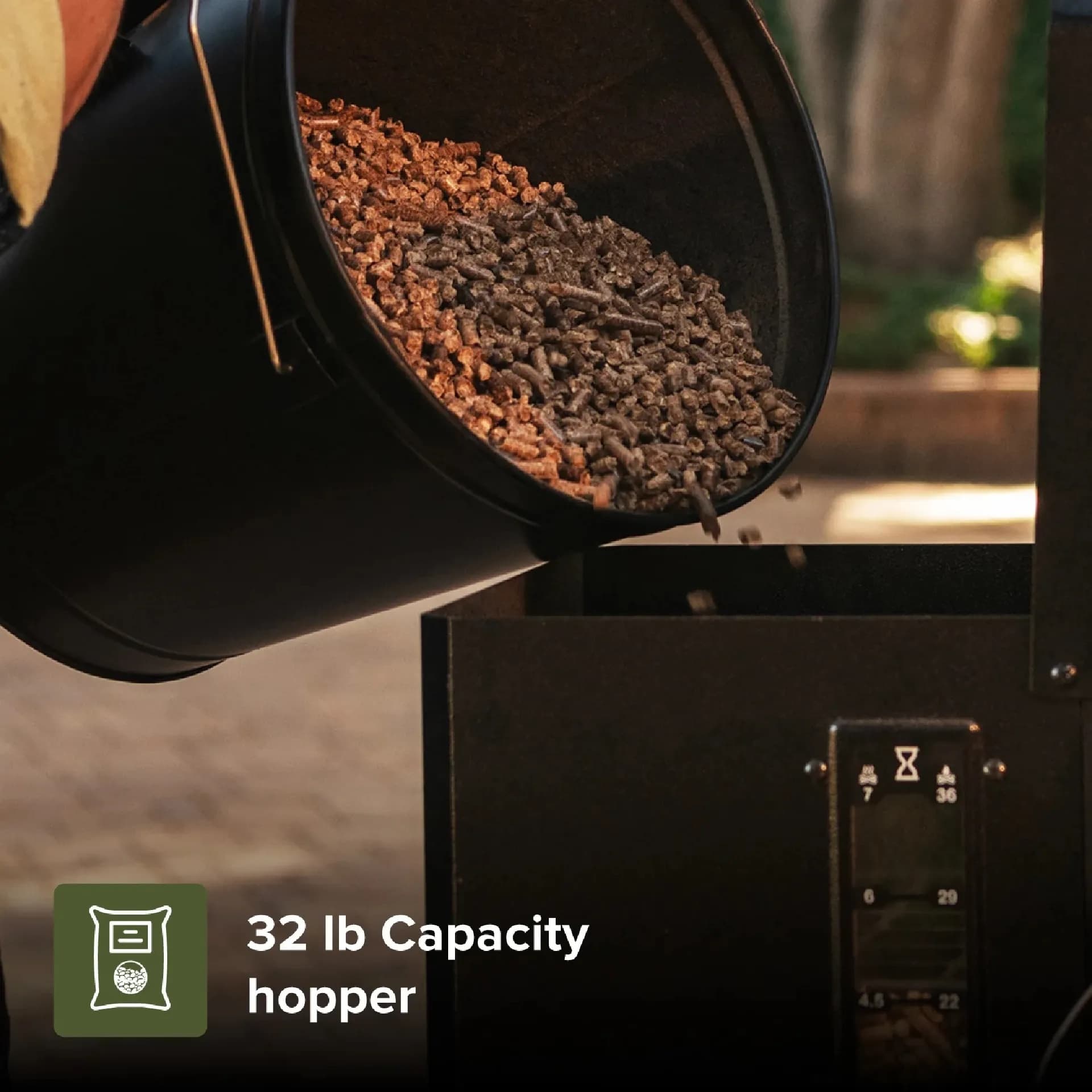
The hopper deserves special seasonal attention. If you are not planning to cook for a while, empty leftover pellets rather than letting them sit through humid weather. Pellets that absorb moisture can swell, crumble, and clog the feed path later. Likewise, after a stretch of heavy cooking, spend a few minutes on the grease system and grates so buildup does not become a long-term issue. Regular care is easier than recovery care, and pellet smokers repay that discipline with better startup behavior and more predictable temperature control.
| Season | Priority task | Why it matters |
|---|---|---|
| Spring | Inspect electronics and clean storage residue | Helps the smoker start the season reliably |
| Summer | Watch grease and airflow | Reduces buildup during frequent use |
| Fall | Deep clean the fire pot and grate system | Prepares for heavier holiday cooking |
| Winter | Store pellets dry and protect the unit | Prevents moisture damage and feed issues |
Pellet smokers are user-friendly, but they still contain heat, moving parts, and electrical components, so safety needs to stay part of the routine. Always keep the smoker away from overhanging branches, siding, deck rails, and anything that could trap heat or catch grease splatter. When handling pellets, avoid pouring from a damp container or leaving bags open in the rain, because wet pellets can create performance problems and make cleanup messier. Before each cook, glance at the power connection and make sure cords are routed where they will not collect water or become a trip hazard.
Never push maintenance on a hot smoker. Let the unit cool before you empty ash, remove grease, or inspect the burn area. That sounds basic, but it is one of the easiest ways to avoid burns. If you notice unusual smoke, electrical odor, or repeated ignition issues, stop the cook and inspect the system rather than trying to power through the problem. A careful owner will usually fix a small issue before it becomes a larger repair.
Treat pellet fuel like any dry cooking ingredient: keep it sealed, keep it dry, and keep it away from the smoker’s hot surfaces until you are ready to cook.
The right accessories can make pellet smoking easier, cleaner, and more versatile without changing the smoker itself. A strong meat thermometer is the first accessory to prioritize because it directly improves cook accuracy. Searing grates are another useful upgrade when you want more direct browning after a slow smoke, especially for steaks, chops, or burgers finished at the end of a session. A pellet storage solution, such as a sealed bin or moisture-resistant container, helps protect fuel quality and reduces the chance of feeding problems.
Other useful additions include drip pan liners, grill brushes designed for your grate material, heat-resistant gloves, and a dedicated cover sized for your model. If your smoker does a lot of holiday cooking or weekend entertaining, consider extra trays or pans so you can move finished food cleanly from smoker to table. For cooks who like to experiment, a small notebook or digital recipe log becomes surprisingly valuable because it lets you track which pellet blends, cook temperatures, and rest times produced the best results. That kind of record keeping turns “pretty good” cooks into repeatable wins.
If you are building a pellet-smoking setup from scratch, think of accessories as support tools rather than gimmicks. The best ones solve a real problem: better temperature visibility, better fuel protection, easier cleanup, or more control over finishing technique. That is the same practical mindset Nexgrill encourages across its outdoor cooking approach, where value is strongest when the product and the user experience work together naturally. Try comparing two products side by side below to see which fits best:
Here's what sets us apart
We position ourselves as delivering high-end outdoor cooking features and performance without premium-brand pricing, emphasizing “Quality Grills. Unbelievable Value.”
We offer gas grills, pellet grills, griddles, smokers, pizza ovens, portable/tabletop grills, electric grills, accessories, and replacement parts — allowing customers to stay within one ecosystem for all outdoor cooking needs.
We differentiate ourselves through smart grilling products like the Oakford smart pellet grill, including app-connected cooking controls and modern outdoor cooking technology.
Don't just take our word for it
Keep reading
From our catalog