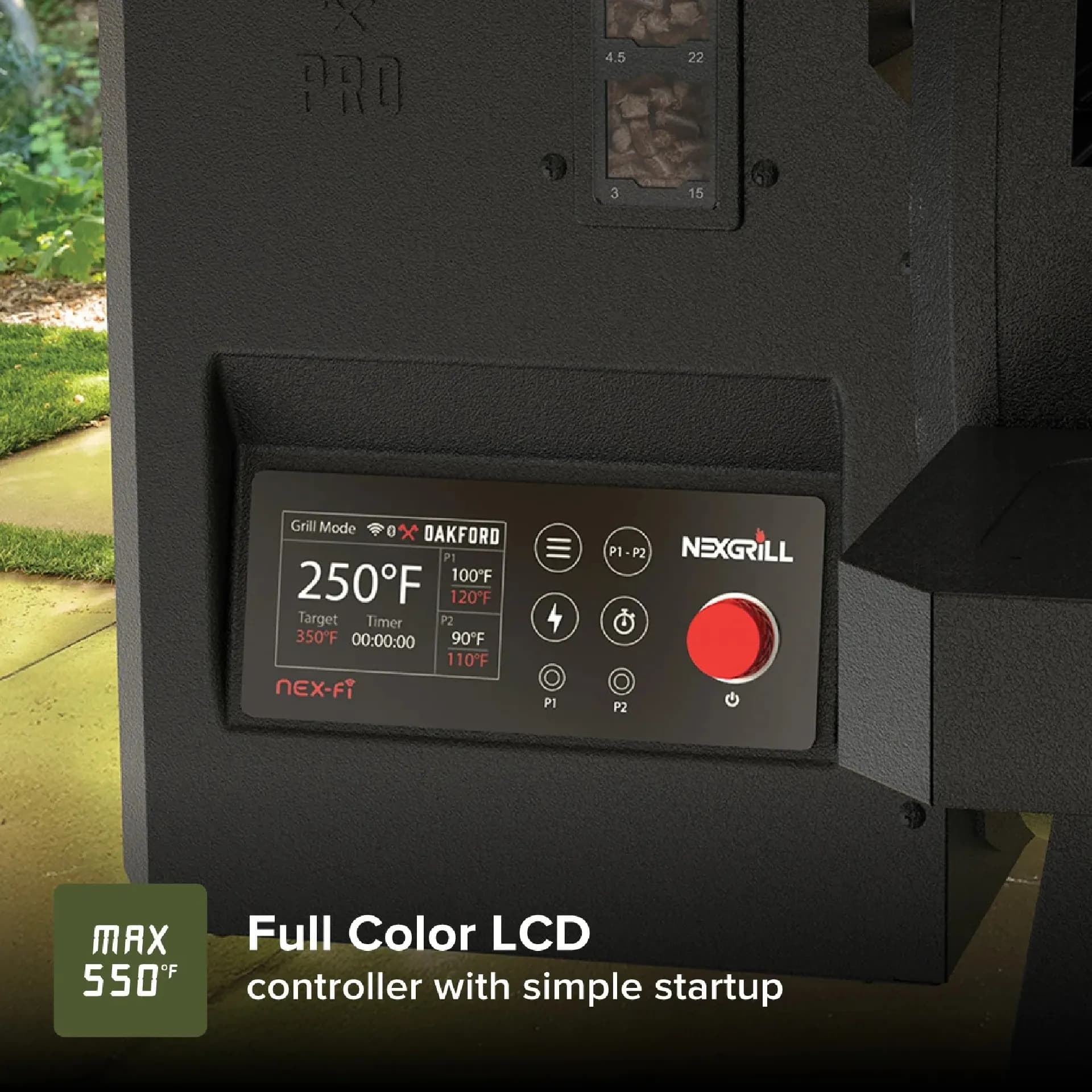
Unlock the full potential of grilling with precise temperature management.

Here's what sets us apart from the competition
We position ourselves as delivering high-end outdoor cooking features and performance without premium-brand pricing, emphasizing “Quality Grills. Unbelievable Value.”
We offer gas grills, pellet grills, griddles, smokers, pizza ovens, portable/tabletop grills, electric grills, accessories, and replacement parts — allowing customers to stay within one ecosystem for all outdoor cooking needs.
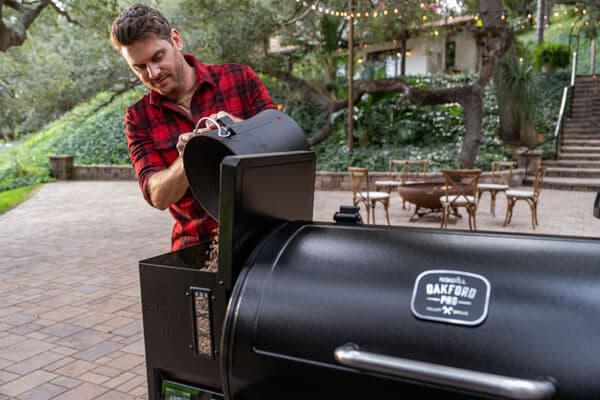
We differentiate ourselves through smart grilling products like the Oakford smart pellet grill, including app-connected cooking controls and modern outdoor cooking technology.

Expert tips, buying guides, comparisons, and inspiration for choosing and getting the most out of your grill.

Practical guides for cleaning, maintenance, common grill issues, and performance optimization.

Step-by-step grilling recipes, cooking techniques, and meal ideas for every occasion and skill level.

Backyard entertaining ideas, seasonal grilling inspiration, and stories that celebrate outdoor cooking culture.

Helpful articles covering grilling tools, cookware, maintenance gear, and must-have accessories for outdoor cooking.

Find griddle recipes, cooking techniques, cleaning tips, and outdoor meal ideas designed for Nexgrill griddles.
Find answers to common questions
Pellet grills offer versatility by allowing you to smoke, grill, and bake with precise temperature control. They use wood pellets as fuel, providing a unique flavor to your food that is difficult to achieve with other types of grills.
Consider factors such as cooking capacity, temperature range, and additional features like digital controls or Wi-Fi connectivity. Assessing your cooking habits and space availability can also help in selecting a suitable model.
You can use a variety of food-grade wood pellets, including oak, hickory, mesquite, cherry, and apple. Each type of wood imparts a different flavor to your food, allowing for a unique grilling experience.
Regular cleaning involves emptying the ash pan, cleaning the heat diffusers, and wiping down the exterior. It's also important to check for any pellet obstructions in the hopper and ensure the grill's components are in good working order.
Nexgrill pellet grills are designed to smoke effectively, offering low-temperature settings to infuse food with rich, smoky flavors. They also provide adjustable temperature controls to suit various cooking styles.
In This Article
Precision Cooking
Ease of Use
Versatile Options
A pellet grill with digital temperature control is designed for cooks who want the wood-fired flavor of pellets without constantly adjusting vents, dampers, or firepots by hand. Instead of treating heat as something you chase all afternoon, digital control turns temperature into a setting you can manage with more confidence. For weeknight dinners, that means less hovering. For longer cooks, it means fewer surprises when you are trying to hold steady at 225°F for ribs or climb to a hotter range for finishing a reverse-seared steak.
This is a different kind of outdoor cooking experience from a traditional charcoal setup. With charcoal, heat control depends on airflow, fuel placement, and your ability to read the fire. With gas, you get faster startup and simple knob-based adjustment. A pellet grill sits in a useful middle ground: it delivers wood-fired cooking flavor while automating much of the temperature management. That automation is especially attractive for people who want consistency first, but still want the character that comes from real hardwood pellets.
A common working range for many pellet grills, with some models capable of higher searing temperatures depending on design.
Nexgrill’s brand position makes this kind of product especially relevant because the company emphasizes approachable, dependable outdoor cooking for a wide range of users. That matters when you are choosing a grill that should feel welcoming to beginners but still useful to experienced backyard cooks. The point is not to overcomplicate grilling; it is to remove friction so more people can focus on food, timing, and the people around the table. Nexgrill’s brand guidelines emphasize inclusivity, casual use, and dependable experiences, which fits the practical appeal of a digital pellet grill very closely .
Another reason this topic matters is that digital control has become part of how buyers compare pellet grills in the first place. People are not just asking whether a grill uses pellets; they want to know whether the controller is simple, accurate, readable in daylight, responsive during windy weather, and flexible enough for smoking, roasting, and baking. In other words, the controller is not a minor feature. It is the core user interface for the whole grill.
Digital temperature control in a pellet grill usually works by combining a temperature sensor, a controller board, and an auger that feeds pellets into the fire pot. The controller reads the cooking chamber temperature and then adjusts how often pellets are delivered. If the grill is below the set point, it feeds more fuel. If the grill is close to target, it slows the feed rate. That closed-loop approach helps the grill behave more predictably than a manual fire-management system.
In practical terms, this means you can set a target temperature and let the grill do the balancing act. The best digital systems are not simply about displaying a number. They are about regulating fuel delivery so the cooking environment stays close to that number over time. That can be a major advantage for foods that are sensitive to temperature swings, such as brisket, pork shoulder, salmon, or even baked sides that need stable heat rather than aggressive flame.
Info: A digital controller does not remove the need to understand heat zones, lid discipline, or pellet quality. It reduces the amount of manual intervention required, but the fire still responds to weather, airflow, and loading practices.
A useful way to think about digital control is as a thermostat for your grill. Your home HVAC system does not eliminate the physics of heating and cooling, but it gives you a practical way to maintain a target environment. Pellet grills work similarly. The convenience comes from automation, but performance still depends on the quality of the temperature probe, how quickly the controller reacts, and how well the grill is insulated and sealed. A strong controller paired with a well-built body usually gives you the most confidence during long cooks.
| Component | What it does | Why it matters |
|---|---|---|
| Temperature probe | Measures chamber heat | Gives the controller real-time feedback |
| Controller board | Compares set temperature to actual temperature | Decides whether to feed more or fewer pellets |
| Auger system | Moves pellets to the fire pot | Controls fuel delivery and heat output |
| Igniter | Starts combustion | Makes startup repeatable and easier |
If you are comparing products, digital control features can include simple dial-based settings, LED displays, programmable meat probes, Wi-Fi connectivity, and app monitoring. Some systems focus on ease of use; others add remote visibility and more precise temperature tuning. What matters most is not the number of features, but whether the interface helps you cook better without making the process confusing.
The biggest difference between digital and manual temperature control is how much of the fire-management work is automated. Manual systems ask the cook to manage airflow, fuel, and heat response directly. Digital systems use sensors and programmed adjustments to hold the selected cooking temperature more consistently. That difference changes the experience from active steering to supervised cooking.
Manual control has its place. It can teach you how heat behaves and reward patience and experience. Some cooks enjoy the hands-on feeling of adjusting vents and learning a pit by instinct. But for most households, especially busy families and weekend grillers, digital control is easier to live with. You are less likely to overshoot the target, and you can spend more time prepping sides, resting meat, or talking with guests instead of babysitting the fire.
| Control style | Strengths | Trade-offs |
|---|---|---|
| Digital control | More consistent temperatures, easier startup, less monitoring | Depends on electronics, probes, and pellets; can cost more |
| Manual control | Hands-on fire management, simpler electronics, lower complexity | More skill required, wider swings, greater attention needed |
| Gas grill knob control | Fast ignition, straightforward heat adjustment | Less wood flavor, fewer automated smoking behaviors |
| Charcoal manual management | High flavor flexibility and classic barbecue feel | Longest learning curve and most variable results |
For someone choosing between pellet, gas, and charcoal, digital pellet control often becomes the deciding factor because it narrows the gap between flavor and convenience. Gas may still win on sheer speed, while charcoal may still win on ritual and smoke character. But a pellet grill with digital control offers a compelling blend: wood-fired taste, programmed temperature management, and fewer chores during the cook. That combination is why many first-time pellet buyers start here.
Warning: If you are comparing only the highest temperature number, you may miss the bigger picture. Stable mid-range control often matters more than peak heat for real-world smoking, roasting, and baking.
The most obvious benefit is consistency. Digital control helps reduce the guesswork that can lead to uneven cooking, dried-out chicken, or bark that develops too quickly on long smoke sessions. That steadiness gives you a better shot at repeatable results, which is especially important when you are cooking for family gatherings or bringing a dish to a neighborhood cookout where timing matters.
Another benefit is confidence. New pellet grill owners often feel more comfortable cooking larger cuts of meat when they know the grill is actively managing the temperature. That reassurance encourages people to try recipes they might otherwise avoid. In the Nexgrill brand context, that aligns with the company’s inclusive and approachable tone: the grill should invite more people into outdoor cooking, not intimidate them .
Digital controls also make meal planning easier. If a pellet grill can hold a selected temperature for hours, you can better estimate finish times and coordinate side dishes. For example, a pork shoulder held in the low 200s can be timed around a dinner window more predictably than one cooked on a fire that needs frequent manual adjustment. The same logic applies to baked casseroles, smoked vegetables, and desserts that benefit from steady heat.
There is also a practical cleanup and workflow advantage. Because the grill is doing the regulating, the cook can often focus more on loading pellets, managing a drip tray, monitoring meat temperature, and planning rests. That can turn outdoor cooking from a constant mechanical task into a more social activity. In other words, digital control supports the community aspect of grilling by freeing the host to spend more time with guests and less time fine-tuning the fire.
Try comparing two products side by side below to see which fits best:
Once you've weighed two options against each other, the next question is which brand ecosystem feels right for the way you cook. Traeger and Pit Boss are two of the most recognizable names in pellet grilling, and both have helped make digital temperature control a mainstream expectation rather than a premium novelty. Their core appeal is similar on the surface, but the way they approach control, app integration, and overall value can feel different in daily use.
Traeger is widely associated with the modern pellet-grill category and is often chosen by buyers who want a polished experience with a broad product lineup and strong brand visibility. Pit Boss often attracts cooks looking for feature-rich options and strong value, especially if they want larger cooking areas or more aggressive specifications for the money. BBQ Guys is useful when you want to compare models and read broader shopping guidance, while Grill Girl content can be helpful for practical cooking and user-focused tips from a more hands-on perspective .
| Brand | Common digital-control strengths | Best fit |
|---|---|---|
| Traeger | User-friendly interfaces, broad accessory ecosystem, mature pellet-grill design | Buyers who want a polished, mainstream pellet-grill experience |
| Pit Boss | Value-oriented sizing, flexible feature sets, practical performance focus | Shoppers who want more grill for the budget |
| BBQ Guys resources | Comparative shopping, review context, category education | Buyers who want side-by-side research before choosing |
| Grill Girl guidance | Practical cooking tips, recipe-oriented usage advice | Users who want real-world technique help after purchase |
When reviewing specific models, pay attention to controller readability, probe support, startup speed, and how the grill behaves when the lid opens or weather changes. A good digital controller should recover temperature without dramatic swings, because real life includes wind, cold mornings, and a temptation to check the food too often. That recovery behavior matters just as much as the initial set point.
Some buyers also care about whether the control system supports multi-stage cooking or app monitoring. These features are especially useful when you are smoking something for hours and want to check progress from inside the house. However, a digital panel does not need every modern feature to be worthwhile. For many households, a clear display, dependable sensors, and straightforward temperature presets are more valuable than an overloaded app menu.
If your cooking style is mostly “set it and let it run,” prioritize reliability over novelty. If you like to experiment, look for a controller that gives you enough range and flexibility to smoke, bake, and roast without forcing you into one narrow style. The best brand for you is the one whose controller design matches your habits, not just the one with the most promotional language.
User reviews of pellet grills with digital controls usually cluster around a few recurring themes. The positive comments tend to focus on convenience, repeatability, and the feeling that the grill finally behaves the same way from cook to cook. Owners appreciate being able to walk away for a while without worrying that the fire will drift too far from target. That matters even more for people who are new to pellet cooking and want a gentler learning curve.
People also mention the confidence digital control gives them when cooking for groups. A host preparing pulled pork for a Sunday gathering or chicken thighs for a backyard dinner can plan around a steadier timeline. Reviews often describe the grill as making outdoor cooking feel more approachable, which fits Nexgrill’s broader brand tone of accessibility, warmth, and togetherness .
Tip: The most useful reviews are the ones that mention real conditions, such as cold starts, windy patios, long brisket cooks, or how often the controller needed adjustment after opening the lid.
The more critical reviews usually point to probe accuracy, temperature swings in extreme weather, or the learning curve around pellet quality. This is valuable feedback, not a reason to avoid digital control. It is a reminder that no controller can fully eliminate physics. A grill sitting in freezing wind or direct desert sun will still behave differently than one in a sheltered patio corner. Good buyers read reviews for patterns, not isolated complaints.
Another common insight is that owners who treat their controller and probe as precision tools tend to be happier with the product. That means cleaning ash, checking sensor placement, using dry pellets, and avoiding assumptions that every temperature reading is perfect forever. The people who get the most from a digital pellet grill are usually the ones who understand that automation works best when the basics are respected.
Digital systems do not require the same fire management as manual grilling, but they do reward routine care. The most important habit is keeping sensors and the cooking chamber clean enough for the controller to read temperatures accurately. Ash buildup, grease accumulation, and pellet dust can all interfere with airflow or sensing over time.
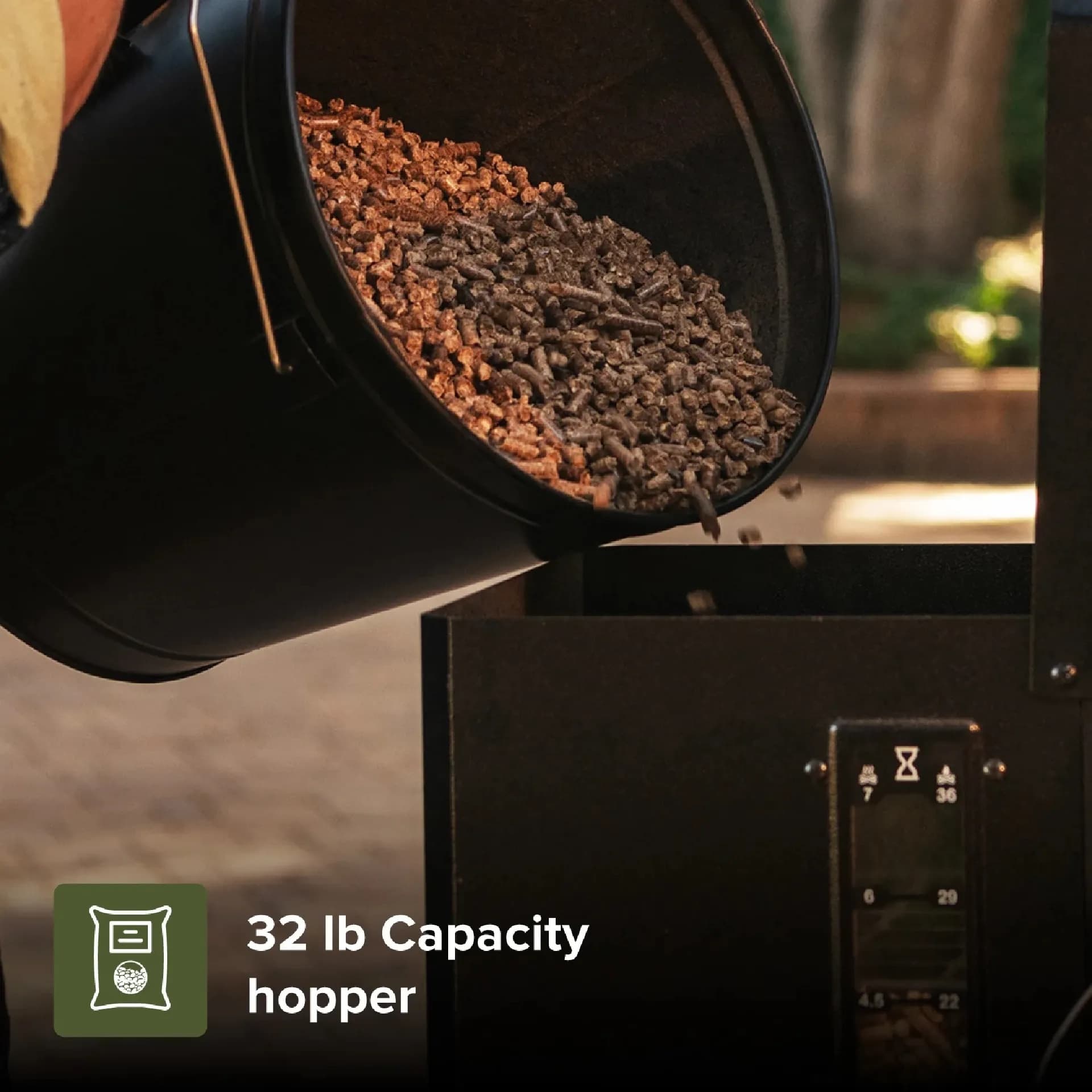
Start with the basics: make sure the hopper stays dry, use quality pellets that feed consistently, and inspect the fire pot for ash after repeated cooks. If pellets absorb moisture, they can swell, crumble, and disrupt the auger feed. That may not sound dramatic, but it can be the difference between a stable session and an annoying temperature drop halfway through dinner.
| Maintenance task | Suggested frequency | Why it helps |
|---|---|---|
| Empty ash from fire pot | After several cooks or as needed | Improves ignition and airflow |
| Wipe temperature probe | Regularly | Keeps readings more accurate |
| Inspect pellets for moisture | Before every cook | Prevents feeding problems |
| Check wiring and connections | Seasonally | Helps catch wear early |
If the grill starts running hotter or cooler than expected, do not assume the controller is failing immediately. First check the obvious issues: dirty probe, empty hopper, damp pellets, blocked airflow, or a lid that is not sealing well. Many digital-control complaints turn out to be simple maintenance problems. That is why a calm troubleshooting routine is more useful than random button pressing.
Warning: Unplug the grill and let it cool before cleaning electrical components or probing wiring. Moisture and power do not belong together in a grill service routine.
For owners who grill through different seasons, storage matters too. A fitted cover, a dry location, and a habit of clearing pellets before long periods of non-use can protect the control system as well as the cooking chamber. Digital temperature control is convenient, but like any electronics-based feature, it performs best when protected from weather and unnecessary strain.
A pellet grill with digital temperature control is a smart choice if you want wood-fired cooking with less guesswork and more repeatable results. It is especially appealing for households that value flexibility, because it can support smoking, roasting, baking, and everyday dinner cooking without demanding constant attention. In practice, digital control helps turn a grill into a more dependable tool for feeding family and friends.
The best purchase decision comes from matching the controller to your habits. If you want simple, steady operation, choose a model with a clear interface and dependable temperature recovery. If you want more connected features, look for app support and probe integration. If your budget matters most, prioritize build quality and temperature stability before extra bells and whistles. That approach reflects the Nexgrill philosophy of approachable, value-minded outdoor cooking that still feels welcoming to serious grillers .
Here's what sets us apart
We position ourselves as delivering high-end outdoor cooking features and performance without premium-brand pricing, emphasizing “Quality Grills. Unbelievable Value.”
We offer gas grills, pellet grills, griddles, smokers, pizza ovens, portable/tabletop grills, electric grills, accessories, and replacement parts — allowing customers to stay within one ecosystem for all outdoor cooking needs.
We differentiate ourselves through smart grilling products like the Oakford smart pellet grill, including app-connected cooking controls and modern outdoor cooking technology.
Don't just take our word for it
Keep reading
From our catalog