Discover how pellet grills offer an environmentally responsible and efficient grilling experience.

Here's what sets us apart from the competition
We position ourselves as delivering high-end outdoor cooking features and performance without premium-brand pricing, emphasizing “Quality Grills. Unbelievable Value.”
We offer gas grills, pellet grills, griddles, smokers, pizza ovens, portable/tabletop grills, electric grills, accessories, and replacement parts — allowing customers to stay within one ecosystem for all outdoor cooking needs.
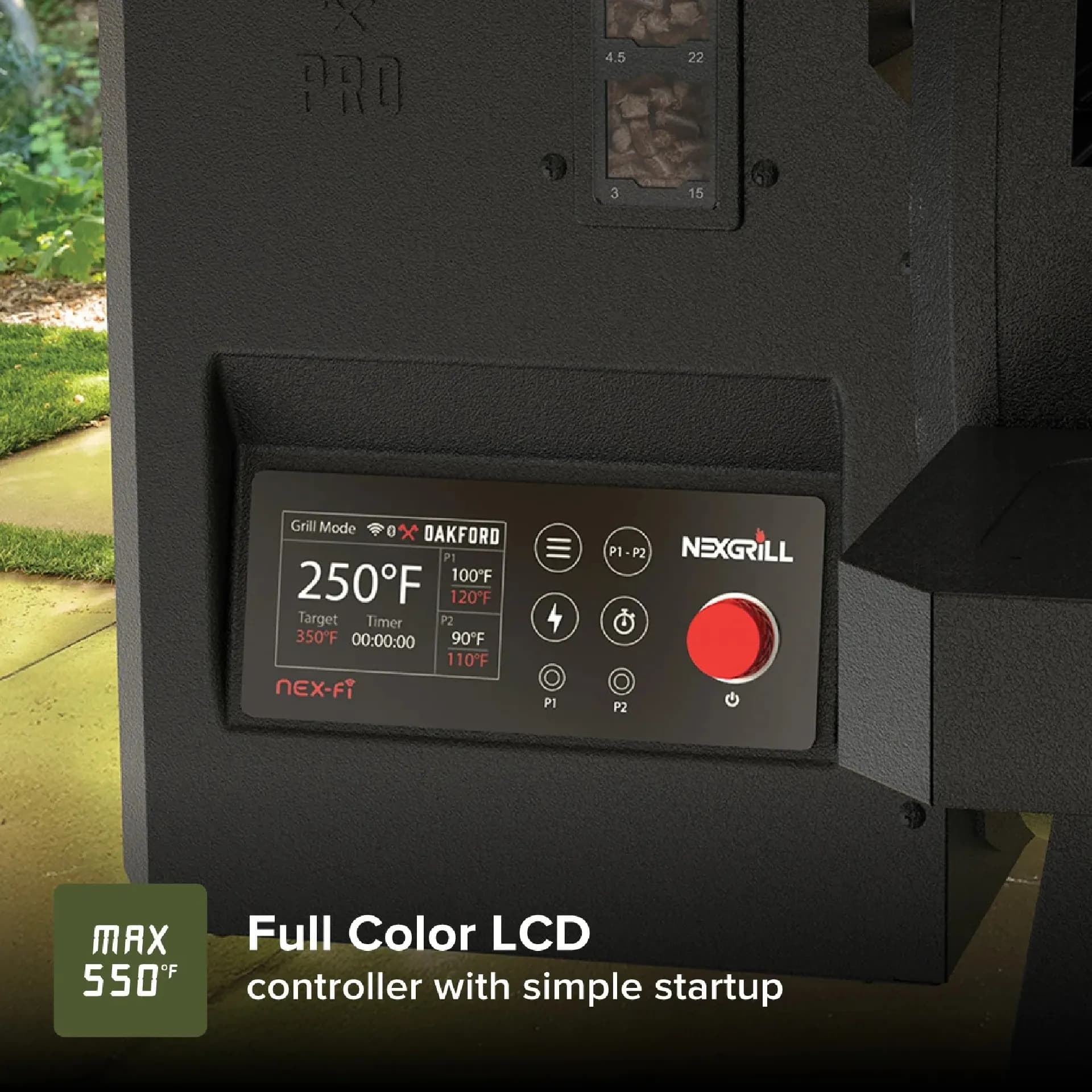
We differentiate ourselves through smart grilling products like the Oakford smart pellet grill, including app-connected cooking controls and modern outdoor cooking technology.

Expert tips, buying guides, comparisons, and inspiration for choosing and getting the most out of your grill.

Practical guides for cleaning, maintenance, common grill issues, and performance optimization.

Step-by-step grilling recipes, cooking techniques, and meal ideas for every occasion and skill level.

Backyard entertaining ideas, seasonal grilling inspiration, and stories that celebrate outdoor cooking culture.

Helpful articles covering grilling tools, cookware, maintenance gear, and must-have accessories for outdoor cooking.

Find griddle recipes, cooking techniques, cleaning tips, and outdoor meal ideas designed for Nexgrill griddles.
Find answers to common questions
Pellet grills offer versatility by allowing you to smoke, grill, and bake with precise temperature control. They use wood pellets as fuel, providing a unique flavor to your food that is difficult to achieve with other types of grills.
Consider factors such as cooking capacity, temperature range, and additional features like digital controls or Wi-Fi connectivity. Assessing your cooking habits and space availability can also help in selecting a suitable model.
You can use a variety of food-grade wood pellets, including oak, hickory, mesquite, cherry, and apple. Each type of wood imparts a different flavor to your food, allowing for a unique grilling experience.
Regular cleaning involves emptying the ash pan, cleaning the heat diffusers, and wiping down the exterior. It's also important to check for any pellet obstructions in the hopper and ensure the grill's components are in good working order.
Nexgrill pellet grills are designed to smoke effectively, offering low-temperature settings to infuse food with rich, smoky flavors. They also provide adjustable temperature controls to suit various cooking styles.
In This Article
Sustainable Fuel Source
Reduced Emissions
Energy Efficiency
Eco-friendly pellet grills have earned their place in modern outdoor cooking because they solve a real problem for a lot of grillers: how do you keep the convenience and flavor of wood-fired cooking without treating fuel use as an afterthought? A pellet grill answers that question by feeding compressed wood pellets into a controlled burn system that is designed for steady heat, efficient combustion, and less wasted fuel than a more open-fire approach. For shoppers who care about the footprint of their backyard setup, that combination matters. Pellet fuel is typically made from sawdust and wood chips that would otherwise be discarded, which gives the fuel itself a sustainability story before it even reaches the hopper. Nexgrill’s brand voice is rooted in welcoming more people to the table, and that same idea fits the appeal of pellet grilling: practical, approachable, and ready for weeknight dinners or long, slow weekends with friends.
What makes this category especially interesting is that eco-friendliness is not just about the fuel source. It also comes from the way the grill manages heat. A well-designed pellet grill can hold temperature with fewer swings, which reduces the temptation to overfeed fuel or constantly chase the dial. In real-world use, that means you are more likely to cook efficiently, with less waste, while still getting the wood-fired flavor people expect from this style of cooker. If you are comparing environmentally-friendly pellet grills in the United States market, you will notice that the better choices tend to balance burn efficiency, pellet storage, cooking area, and build quality rather than leaning on one flashy feature alone.
Common raw materials used to make wood pellets, which helps reduce waste in the fuel stream.
A pellet grill can be a greener choice when it uses fuel efficiently and maintains stable heat, because less wasted fuel usually means fewer emissions from unnecessary burning.
If your idea of sustainability is practical rather than performative, pellet grilling fits that mindset well. It is not about claiming that a grill is impact-free. It is about choosing an appliance that uses a renewable fuel source, encourages cleaner combustion than loose, inefficient fire management, and supports cooking habits that do not waste energy. That is why pellet grills are often the sweet spot for people who want a more responsible outdoor-cooking routine without giving up the comfort of a backyard barbecue. Families, casual hosts, and experienced cooks all tend to appreciate the same thing: a grill that makes it easier to cook well while being mindful of the resources it consumes.
The environmental case for pellet grills starts with the pellets themselves. Because many pellets are manufactured from compressed wood byproducts, they can turn a residual material into a useful cooking fuel. That circular-use idea is one of the clearest reasons they stand out from fuels that depend more directly on fresh extraction or less efficient combustion. The second advantage is combustion control. Pellet grills use an automated feed system to deliver fuel in measured amounts, which helps avoid the wide-open flame behavior that can waste fuel and create excess smoke. In everyday grilling terms, that means better control over how much wood you burn for the food you are actually cooking.
A properly tuned pellet grill can also make it easier to cook indirectly, smoke low and slow, and hold set temperatures for long stretches. That matters environmentally because temperature instability often leads to energy waste. If a grill runs too hot, you may burn through extra pellets; if it drops too low, you may extend cooking time and use more fuel than necessary. A consistent cooker reduces both problems. For people who cook several times a week, that efficiency adds up across a season of use. It is one reason pellet grills can make sense for households that care about both budget and sustainability, especially when compared with larger systems that may be overbuilt for a smaller family’s needs.
| Environmental factor | Why it matters | Pellet grill advantage |
|---|---|---|
| Fuel source | The material used to create heat affects resource use. | Pellets often use compressed wood byproducts. |
| Combustion control | Efficient burning reduces wasted fuel. | Automated feed systems meter fuel more precisely. |
| Heat stability | Stable temperatures support shorter or more predictable cook times. | Good temperature retention helps avoid overuse. |
There is another advantage that often gets overlooked: pellet grills encourage more intentional cooking. Because they are built around set-and-hold temperatures, you are less likely to waste food by overcooking or burning it. Food waste may not be the first thing that comes to mind when talking about grilling, but it is part of the environmental picture. A grill that helps you cook more accurately can reduce the odds that a batch of chicken thighs, vegetables, or salmon ends up in the trash because the heat was inconsistent. That is a small but meaningful part of a more sustainable outdoor cooking routine.
Not every pellet grill deserves the same sustainability conversation. Some models are built more around premium construction, tighter temperature control, or smarter fuel management, and those are the features that matter when you are trying to grill in a more environmentally conscious way. Two names that come up often in this conversation are MAK Grills and the Pit Boss Heritage Wood Pellet Grill. MAK Grills are frequently discussed for their sturdy build and efficiency-minded design philosophy, which appeals to buyers who want a grill that can stay in service for years rather than being replaced after a short cycle of wear. The Pit Boss Heritage Wood Pellet Grill is often seen as a value-oriented option for buyers who want wood-pellet convenience and outdoor versatility without jumping into the highest price tier.
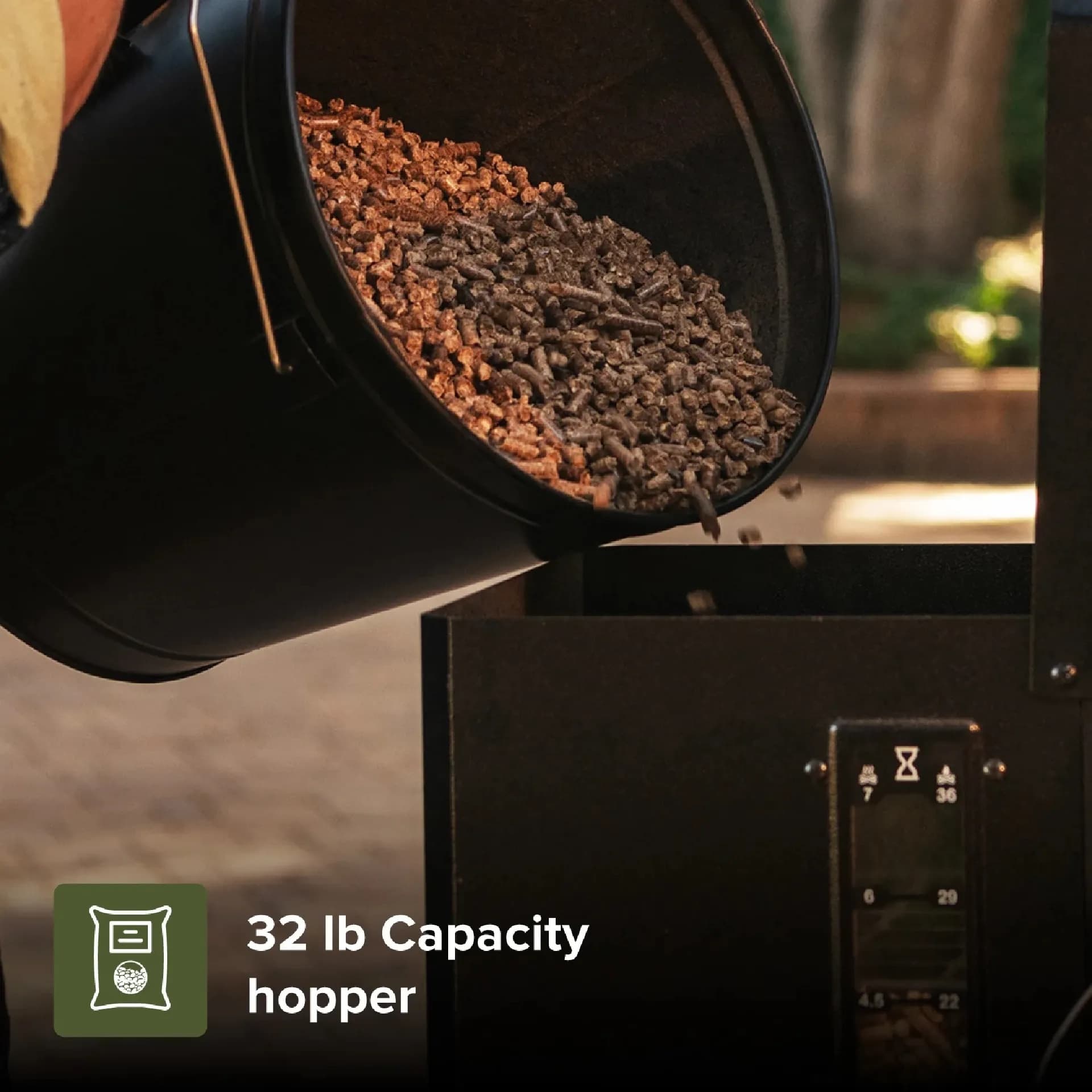
When looking at eco-friendly pellet grills, it helps to compare them through the lens of actual usage rather than brand slogans. A grill with a thoughtful hopper size may reduce the need for constant refills during long cooks. A grill with a well-insulated body may hold heat better during shoulder-season weather in many parts of the United States, which means less fuel is needed to maintain a target temperature. Construction details matter too: a durable cart, stable lid seal, and well-fitted components can support longer service life, which is one of the most underrated sustainability wins of all. A product that lasts longer usually reduces replacement demand, packaging waste, and the environmental cost of manufacturing another grill sooner than necessary.
| Model | Best use case | Why it is considered eco-minded |
|---|---|---|
| MAK Grills | Long-term ownership and frequent smoking. | Known for robust construction and efficient design focus. |
| Pit Boss Heritage Wood Pellet Grill | Buyers seeking value and wood-fired versatility. | Uses renewable wood pellet fuel and supports controlled cooking. |
Another useful way to think about top eco-friendly pellet grills is by audience. If you cook a few meals a month and want a straightforward path into pellet grilling, a value-focused model may be enough. If you cook often and care about reducing replacement frequency, a more durable premium unit may make more sense over time. In both cases, the greener decision is not always the cheapest upfront purchase. It is the one that matches your actual use pattern, avoids oversizing, and performs consistently enough that you do not waste fuel compensating for weak temperature control.
Sustainability is not only about what grill you buy; it is also about how you use it. The simplest habit is to cook with a plan. Preheat only as long as needed, then load the grill with the food you actually intend to cook. Running a pellet grill empty for too long wastes fuel, so smart timing matters. Keep the lid closed during cooking unless you need to check progress. Every peek releases heat, and every temperature drop forces the grill to work harder to recover. That extra recovery time can mean more pellets consumed than necessary.
Pellet storage also plays a role. Pellets should stay dry and sealed because moisture can ruin burn quality and create clumping that interferes with consistent feeding. Damp pellets do not just perform poorly; they can lead to wasted fuel and more cleanup. If you buy pellets in bulk in the United States, store them in a cool, dry area rather than leaving bags exposed in a garage where humidity can creep in. Choosing food wisely helps too. Grilling vegetables, smaller cuts of meat, and mixed meals on one cooking session can make better use of the energy already spent heating the grill. Sustainable grilling is often about efficiency of use, not just fuel type.
Wet pellets can undermine efficiency fast, so storage is part of sustainability. If the fuel is compromised, the grill has to work harder and may burn more of it.
It also helps to match recipe style to the cooker. Low-and-slow cooking can be efficient when you are running a stable, well-insulated pellet grill for a long brisket cook or pork shoulder. For quick weeknight meals, use the grill’s heat-up and cooldown cycle strategically so you are not turning it on for a task that could be done with a smaller cooking session or a batch approach. That kind of practical decision-making is where environmentally-friendly grilling becomes real in daily life. It is not about perfection; it is about using the tool intelligently so every cook delivers more food and less waste.
Try comparing two products side by side below to see which fits best:
Once you've weighed two options against each other, the next question is how the technology actually supports a greener cook. Pellet grills work by feeding compressed wood pellets from a hopper into a fire pot with the help of an auger system, then regulating airflow and ignition so the burn stays controlled. That automated process is the core reason these grills are often seen as efficient. Instead of manually feeding a fire and guessing at temperature, the grill meters fuel in response to the temperature you set. In practical terms, that reduces over-firing, helps maintain stable heat, and can keep consumption more predictable over long cooks.
The electrical side of the system matters too. Most pellet grills use electricity to run the controller, auger, and fan. That means the grill is not just a pile of fuel and metal; it is a managed cooking appliance. Because the controller continuously adjusts input, the grill can adapt to the cooking task in ways that an open charcoal setup cannot. For example, if you are smoking a brisket at low temperature, the grill may feed pellets in small bursts instead of allowing a large, inefficient burn. If you increase the temperature for chicken or vegetables, the system responds with more active fueling, but still within a defined range. That predictability is one of the most useful sustainability features because it supports better fuel planning and less waste.
The auger and controller work together to deliver only the fuel the cook needs.
Temperature retention is another part of the story. Better insulation, a tight lid fit, and thoughtful internal design help keep heat where it belongs. That matters on windy days, in cooler seasons, or during long cooks when a grill with poor retention might waste pellets trying to recover lost temperature. In the United States, where weather conditions vary dramatically from region to region, this can make a bigger difference than many shoppers realize. A cooker that holds heat efficiently in a colder climate will generally require less work from the fire system than one that leaks heat constantly.
Pellet grilling is often compared with propane, charcoal, and traditional wood-fired cooking, but the environmental trade-offs are not all the same. Propane grills are convenient and relatively clean-burning, yet they rely on a fossil fuel. Charcoal grills deliver classic flavor and high heat, but they usually depend on a more direct combustion process that can be less fuel efficient and smoke heavier. Traditional wood fires create memorable flavor, but they are generally harder to control and can be less consistent in fuel use. Pellet grills sit in the middle in a useful way: they preserve wood-fired cooking character while giving the user more precise control over fuel delivery and temperature.
| Method | Fuel source | Green advantage | Trade-off |
|---|---|---|---|
| Pellet grill | Compressed wood pellets | Renewable fuel and controlled combustion | Requires electricity and pellet supply |
| Propane grill | Propane | Clean ignition and easy control | Depends on fossil fuel |
| Charcoal grill | Charcoal briquettes or lump charcoal | Simple setup and strong flavor | Less precise and often less efficient |
From a practical standpoint, the question is not which grill is purest; it is which grill aligns best with how you cook. If your priority is searing a steak fast and you do it occasionally, propane may still be the most sensible choice. If you want the strongest smoky character and enjoy managing a live fire, charcoal is still compelling. But if you want a more environmentally friendly balance of renewable fuel, repeatable heat, and a more measured burn, pellet grills are hard to beat. They are especially attractive for people who cook longer meals and want to reduce the friction between flavor and efficiency.
One way to think about pellet grills is that they turn outdoor cooking into a system rather than a series of improvisations. That system uses electrical control and measured fuel input to create stable results. The benefit is not just convenience. It is a steadier energy profile that can support greener habits when used thoughtfully. For many households, that is the real win.
A grill that lasts longer is usually the greener grill, because replacement cycles have a resource cost all their own. Proper maintenance helps a pellet grill stay efficient over time. Ash buildup can interfere with airflow and reduce burn quality, so regular cleaning of the fire pot and burn chamber matters. Grease management should not be ignored either. When grease accumulates, it can affect flavor, performance, and cleanup time, and it may create unnecessary wear on components. A grill that is cleaned on a regular schedule is more likely to maintain the heat consistency that makes it fuel-efficient in the first place.
Pellet storage and hopper management also affect long-term performance. Empty unused pellets if they have absorbed moisture, and keep the hopper clean when the grill is not being used for extended periods. This helps protect the auger system from clogs and keeps the fuel feed reliable. In many U.S. regions, especially humid or rainy areas, pellet quality can deteriorate quickly if bags are left open. That not only wastes pellets but can also make the cooker work harder to maintain steady temperatures. Seasonal care, such as using a protective cover and keeping the grill on a level, dry surface, supports durability and reduces the chance that corrosion or water intrusion shortens the grill’s life.
Longevity is sustainability in disguise: the better a pellet grill holds up, the less often you need to replace it and the fewer materials you send into the waste stream.
When shopping, look for features that support longevity rather than just convenience. Sturdy chassis construction, a dependable controller, easy access for cleaning, and replacement parts availability can make a meaningful difference over a product’s life. A grill that is simple to service tends to remain in rotation longer because it is less frustrating to maintain. That is especially important for conscious consumers who want to avoid the “buy, use, discard” cycle that undermines sustainable purchasing. The more thoughtfully a pellet grill is built, the more likely it is to remain useful for years of family meals, holiday cooks, and weekend gatherings.
Choosing environmentally-friendly pellet grills is really about choosing a smarter way to cook outdoors. The best models combine renewable wood-pellet fuel, careful combustion control, and durable construction so you can enjoy wood-fired flavor with less waste and more predictability. Whether you are drawn to the efficiency-focused design philosophy often associated with MAK Grills or the approachable value of the Pit Boss Heritage Wood Pellet Grill, the strongest choice is the one that fits your cooking frequency, space, and long-term use pattern. Sustainability works best when it is practical, not complicated.
For conscious grilling in the United States, the everyday habits matter almost as much as the appliance itself. Buy pellets that stay dry, preheat only as long as necessary, keep the lid closed during the cook, and clean the grill so it runs efficiently all season. If you do those things, a pellet grill becomes more than a convenient backyard cooker; it becomes a dependable tool for responsible outdoor entertaining. For additional background on greener grilling approaches, see MAK Grills’ grilling-green discussion, HomeBilliards’ overview of environmentally-friendly grills, and Memphis Grills’ Earth Day grilling article.
Here's what sets us apart
We position ourselves as delivering high-end outdoor cooking features and performance without premium-brand pricing, emphasizing “Quality Grills. Unbelievable Value.”
We offer gas grills, pellet grills, griddles, smokers, pizza ovens, portable/tabletop grills, electric grills, accessories, and replacement parts — allowing customers to stay within one ecosystem for all outdoor cooking needs.
We differentiate ourselves through smart grilling products like the Oakford smart pellet grill, including app-connected cooking controls and modern outdoor cooking technology.
Don't just take our word for it
Keep reading
From our catalog