Discover the top wood pellets to enhance your smoking experience with rich flavors and optimal performance.

Here's what sets us apart from the competition
We position ourselves as delivering high-end outdoor cooking features and performance without premium-brand pricing, emphasizing “Quality Grills. Unbelievable Value.”
We offer gas grills, pellet grills, griddles, smokers, pizza ovens, portable/tabletop grills, electric grills, accessories, and replacement parts — allowing customers to stay within one ecosystem for all outdoor cooking needs.
We differentiate ourselves through smart grilling products like the Oakford smart pellet grill, including app-connected cooking controls and modern outdoor cooking technology.

Expert tips, buying guides, comparisons, and inspiration for choosing and getting the most out of your grill.

Practical guides for cleaning, maintenance, common grill issues, and performance optimization.

Step-by-step grilling recipes, cooking techniques, and meal ideas for every occasion and skill level.

Backyard entertaining ideas, seasonal grilling inspiration, and stories that celebrate outdoor cooking culture.

Helpful articles covering grilling tools, cookware, maintenance gear, and must-have accessories for outdoor cooking.

Find griddle recipes, cooking techniques, cleaning tips, and outdoor meal ideas designed for Nexgrill griddles.
Find answers to common questions
Pellet grills offer versatility by allowing you to smoke, grill, and bake with precise temperature control. They use wood pellets as fuel, providing a unique flavor to your food that is difficult to achieve with other types of grills.
Consider factors such as cooking capacity, temperature range, and additional features like digital controls or Wi-Fi connectivity. Assessing your cooking habits and space availability can also help in selecting a suitable model.
You can use a variety of food-grade wood pellets, including oak, hickory, mesquite, cherry, and apple. Each type of wood imparts a different flavor to your food, allowing for a unique grilling experience.
Regular cleaning involves emptying the ash pan, cleaning the heat diffusers, and wiping down the exterior. It's also important to check for any pellet obstructions in the hopper and ensure the grill's components are in good working order.
Nexgrill pellet grills are designed to smoke effectively, offering low-temperature settings to infuse food with rich, smoky flavors. They also provide adjustable temperature controls to suit various cooking styles.
In This Article
Wood Pellet Varieties
Top-Rated Pellets
Storage and Maintenance
The best wood pellets for smoking are less about a single “top” flavor and more about matching fuel to the food, the smoker, and the kind of result you want on the plate. In practical terms, a pellet is both heat source and flavor carrier, so the quality of the wood, the consistency of the pellet shape, and the way the blend burns all matter. For pellet grill owners, this is where wood selection becomes part of the cooking method rather than an afterthought. A pork shoulder, a salmon fillet, and a rack of ribs can all benefit from very different pellet choices, even if they are cooked on the same smoker.
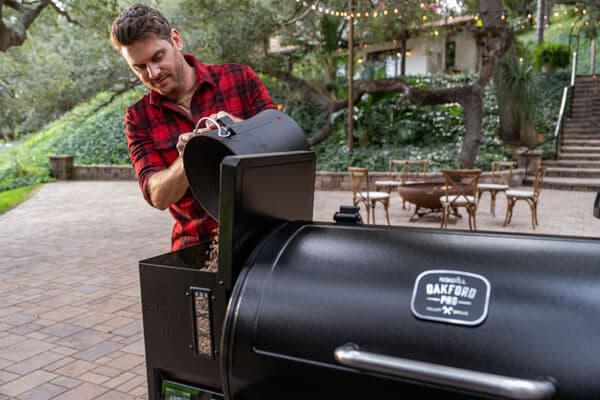
Nexgrill’s Oakford line was built around smoke-forward cooking, and the brand’s own messaging emphasizes “big time smoke, big time flavor” for that product family, with pellet fuel even called out in Oakford collateral examples such as pellet fuel bags and smoker-related materials . That matters because pellet smoking is not only about adding wood flavor; it is about feeding a repeatable fire that supports stable cooking. If you have ever ended up with thin smoke on one cook and bitter smoke on another, the pellet choice likely played a bigger role than you expected.
In pellet smoking, the wood species and blend often influence both aroma and how balanced the finished smoke tastes.
A useful way to think about pellets is to separate them into two jobs: base heat and finishing flavor. Most pitmasters want the pellet to burn cleanly and consistently first. Then they use species, blends, and cook time to shape the smoke profile. Mild woods can support delicate proteins without dominating them, while stronger woods can stand up to brisket or game meats. The challenge is that many shoppers focus on the name on the bag and ignore how that wood behaves in a real smoker. A “hickory” bag can be a confident choice for ribs, but the same pellet might overpower chicken thighs if you use it as if it were a seasoning rather than a dominant smoke.
That is why a useful smoking guide starts with use case. If you cook often for a backyard crowd, you may want a versatile blend that works across chicken, pork, and beef. If you are the person who serves smoked salmon on weekends and wants clean, sweet smoke rather than a heavy barbecue profile, fruitwood pellets can be a better match. If your goal is classic Texas-style beef smoke, oak-based or hickory-forward pellets usually make more sense. The right answer is not the same for every griller, and that is exactly what makes pellet selection worth learning well.
Wood pellets for smoking generally fall into three broad categories: single-species pellets, fruitwood pellets, and blended pellets. Single-species pellets aim for a more recognizable wood character, which helps when you want to intentionally steer the flavor of a cook. Fruitwood pellets, such as apple or cherry, tend to read as sweeter and lighter, and they are often favored for poultry, pork loin, salmon, and vegetables. Blended pellets mix woods to balance aroma, burn quality, and cost, which is why they are common for everyday smoking when you want a dependable all-purpose profile.
Hardwood species behave differently in the smoker. Oak is often appreciated for its balanced, neutral smoke and is a solid base for long cooks because it complements meat without making every bite taste the same. Hickory is bolder, with a familiar bacon-like depth that works especially well on ribs, pork shoulders, and brisket when you want a stronger barbecue profile. Mesquite is powerful and fast to announce itself, which is useful for smaller beef cuts or shorter smoke sessions, but easy to overdo if you are cooking delicate foods. Apple and cherry are gentler, and cherry can also add a visually appealing reddish tone to the surface of meats.
| Pellet type | Flavor profile | Best use | Practical note |
|---|---|---|---|
| Oak | Balanced, steady, medium smoke | Brisket, pork, mixed cooks | A strong everyday base when you want flexibility. |
| Hickory | Bold, savory, classic barbecue | Ribs, shoulders, beef | Use when you want more pronounced smoke character. |
| Apple | Light, sweet, clean | Chicken, pork, fish | Helpful for cooks where subtle flavor is the goal. |
| Cherry | Mild, fruity, slightly rich | Poultry, pork, vegetables | Often chosen for color as well as aroma. |
| Mesquite | Intense, earthy, pungent | Beef, short hot cooks | Best used carefully, especially on long smokes. |
If you are building a one-bag starter supply, oak or a balanced hardwood blend usually gives the widest cooking range without forcing you into a single flavor style.
Blends deserve special attention because they are often the most practical purchase for home cooks. A blend may use a stronger base wood with a softer wood to round off harsh edges, or it may mix species for cost and consistency. For example, a hickory-oak blend can deliver more barbecue character than oak alone while still avoiding the extremes of pure hickory. A fruitwood blend can be excellent for family meals because it keeps smoke approachable. When a grill owner says they want “the best wood pellets for smoking,” what they often mean is “the best pellet for the kinds of food I actually cook most often.”
Top-rated pellets are not simply the ones with the loudest flavor description. In real use, the best bags are the ones that produce steady feed, minimal dust, consistent burn quality, and a flavor profile that stays clean through a whole cook. Because pellet grills rely on mechanical feeding systems, pellet uniformity matters. Pellets that crumble too easily can create auger issues or uneven heat, while pellets that are too dry can produce a hotter but less controlled burn. Good pellets should feel firm, smooth, and relatively consistent in length and diameter.
For a smoke setup centered on everyday backyard cooking, a balanced oak blend is often the safest recommendation. It gives you enough smoke to make ribs and pork shoulder taste deliberate, while staying flexible enough for vegetables or seafood. Hickory-forward pellets are often the choice when the cook demands assertive flavor, especially if you are serving guests who expect the familiar taste of classic barbecue. Apple and cherry pellets usually shine in mixed menus where poultry may share the grate with pork or where you want a softer smoke ring and less risk of bitterness.
An oak-based blend is often the most versatile starting point for households that smoke several proteins in the same month.
There is also a performance difference between “flavor first” pellets and “function first” pellets. Flavor-first pellets can be attractive because they promise a more specific wood identity, but if the feed is inconsistent or the pellets are prone to excess ash, the cook may suffer. Function-first pellets aim for dependable burn characteristics, which is a big deal on long cooks like brisket where you need stable temperature over many hours. For many users, the best-rated pellet is the one that keeps the smoker predictable and lets the cook focus on seasoning, timing, and temperature management instead of fighting the fire.
Nexgrill’s brand approach emphasizes accessibility, inclusivity, and real-world use, which aligns well with the way home cooks actually choose smoking fuel: not as a technical trophy, but as a way to get better meals to the table with less guesswork . That perspective is important because the best pellet is often the one that helps a casual griller feel confident enough to cook more often. A newcomer might prefer a blend that works across multiple meats. A more experienced cook may keep two or three pellets on hand: one mild, one bold, and one fruitwood for lighter proteins.
Pellet quality can drop long before the bag is empty if storage is sloppy. Wood pellets are compressed fuel, which means they are vulnerable to moisture. Once pellets absorb humidity or water, they can swell, crumble, and lose the consistency needed for smooth feeding. Even if they still look usable, damp pellets often burn less efficiently and may create more ash or more temperature fluctuation. That is why storage is not a side issue; it is part of protecting the performance you paid for.
The best practice is simple: keep bags sealed until use, store them indoors or in a dry, climate-stable location, and move opened pellets into a container that keeps out moisture and pests. If you live in a humid part of the United States, this matters even more because basements, garages, and patios can experience large swings in temperature and moisture. A plastic tote with a tight lid, a metal bin, or a dedicated dry storage cabinet can all work well as long as they stay away from standing water, direct rain, or unsealed concrete floors that can wick up moisture.
Warning: once pellets turn soft, dusty, or swollen, they should not be fed into the hopper. They can bridge, jam, or create inconsistent burn behavior.
Maintenance also means managing your pellet supply in rotation. Use older bags first and avoid leaving opened pellets for months at a time when a fresher bag is available. Before each cook, look for excess fines at the bottom of the bag; a little dust is normal, but a large amount of crumbled material may indicate rough handling or moisture exposure. In the smoker itself, vacuum out ash and inspect the hopper and auger path regularly so pellet feed stays smooth. A clean smoker and dry fuel work together. One does not make up for the other.
If you are new to pellet smoking, create a simple storage habit: keep one sealed backup bag, one active bag, and one small airtight container for the portion you expect to use soon. That approach reduces the number of times pellets are exposed to open air. It also helps if your cooking schedule changes and you need to leave fuel sitting for a few weeks. Good storage does not make a mediocre pellet great, but it can preserve the quality of a very good one and protect the consistency of every cook that follows.
Try comparing two products side by side below to see which fits best:
Once you have compared two pellet options side by side, the next question is how to choose the right one for your actual cooking routine. The answer depends on more than flavor preference. You should think about the protein you cook most, how long your typical smoke lasts, and whether you want a subtle background note or a stronger signature. A great pellet for short chicken cooks may not be the best pellet for an overnight brisket. Likewise, a pellet that gives excellent color on pork may be too intense for delicate fish.
For homeowners who cook a broad mix of foods, an oak-based blend is often the most practical first choice. It is versatile enough to handle beef, pork, chicken, and vegetables without forcing you to switch bags constantly. If your household leans toward ribs, shoulder, and classic barbecue flavor, hickory can become your “weekend cook” pellet. If you want to smoke salmon, turkey breast, or lighter poultry cuts, apple and cherry create a gentler, more forgiving result. Mesquite has a place, but it belongs with cooks who already understand how fast its flavor can dominate a dish.
| Cooking goal | Better pellet choice | Why it works |
|---|---|---|
| Everyday mixed meals | Oak or balanced hardwood blend | Adaptable smoke that does not overwhelm different foods. |
| Brisket and ribs | Hickory or oak-hickory blend | Adds classic barbecue depth to longer cooks. |
| Poultry and fish | Apple or cherry | Keeps smoke lighter and cleaner for delicate proteins. |
| Short high-impact beef cooks | Mesquite or mesquite blend | Delivers a stronger, more assertive smoke character. |
If you are choosing a pellet for a new smoker, start with one mild-to-medium blend first. It gives you a reliable baseline so you can tell what each next bag actually adds.
Another practical consideration is how your smoker behaves in changing weather. In cooler or windy conditions, you may notice that a strong pellet profile seems more muted because the cook stretches longer and airflow changes the burn pattern. In hot weather, a very strong pellet can seem even stronger. That means the “best” pellet is partly seasonal. Many experienced grillers keep one neutral blend and one bolder blend so they can adapt without changing their equipment. This kind of flexibility matters for United States households where backyard cooking can happen in humid Gulf Coast summers, dry Southwest evenings, or cold northern weekends.
If you want a simple decision rule, think in terms of food sensitivity. The more delicate the protein, the milder the pellet should be. The longer and fattier the cook, the more smoke character the pellet can support. That rule alone will steer you away from a lot of disappointment. It also helps explain why one cook might love a strong mesquite pellet while another finds it harsh. The pellet did what it was supposed to do; it just did not match the food.
Better pellet smoking comes from the relationship between fuel quality, smoker setup, and cook management. Start with dry pellets and a clean hopper, then allow the smoker to preheat fully before adding food. Preheating gives the fire pot time to stabilize so the pellets feed at a steady pace and the smoke becomes cleaner. If you load food too early, the smoker may still be in its startup phase, which can create heavier smoke and less predictable heat. This is one of the easiest habits to improve flavor without spending another dollar.
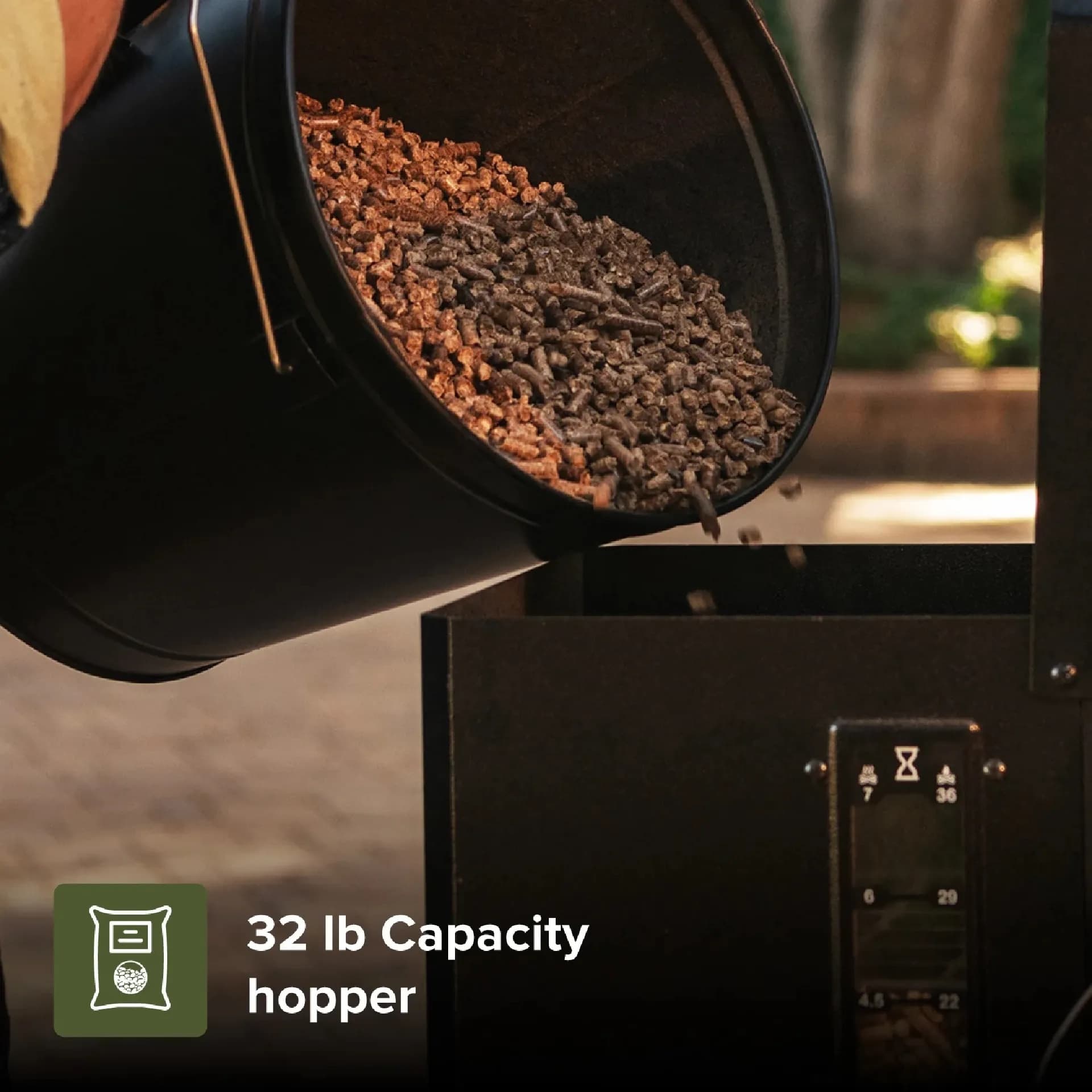
Pellet count matters, but only indirectly. A large hopper is convenient, especially for longer cooks, but it does not improve the food on its own. What matters is whether the pellets feed evenly and whether the smoker can hold a stable temperature. If your grill offers multiple heat zones or a smoke-friendly low-and-slow setting, use those features to align the pellet profile with the cook. For example, a milder pellet can support an indirect smoke on chicken thighs, while a more assertive blend can be reserved for a beef brisket that will spend many hours in the cooker.
Tip: if you want cleaner smoke flavor, avoid constantly opening the lid. Every heat drop forces the smoker to recover, and that recovery period can make pellets burn less evenly.
You can also improve results by using pellets strategically instead of randomly. A common backyard approach is to keep one bag of a neutral all-purpose pellet for general cooking and one bag of a more distinctive pellet for special meals. That way, you are not asking one flavor profile to do everything. It is much easier to decide whether a pellet suits you when you cook the same dish two ways, such as one pork shoulder on oak and another on hickory. The comparison teaches you more than reading bag labels ever will.
Think about the final goal of the smoke. If you want the food to taste like wood-fired barbecue, use a more assertive pellet and cook it low and slow. If you want the smoke to support spice rubs, glazes, or sauces without stealing the spotlight, use a milder wood. That balance is especially useful for cooks serving mixed groups. In a typical United States backyard, one person may want strong smoke on ribs while another prefers a softer profile on chicken or vegetables. The right pellet choice helps you satisfy both without changing the whole menu.
The most common pellet mistake is assuming all pellets are interchangeable. They are not. Using mesquite the same way you would use apple can ruin a delicate cook, and assuming a blend will always behave like a single wood can lead to disappointment if the burn characteristics differ. Another mistake is buying pellets only because the price is low. Low-cost fuel that breaks apart, contains too many fines, or stores poorly often becomes expensive in the long run because it creates unstable cooks and wasted food.
A second mistake is underestimating storage damage. Leaving pellets in an open bag on a patio, in a damp garage, or near a door that opens and closes with changing weather can allow moisture to creep in. Once that happens, the fuel may feed unevenly, and your smoker can struggle to maintain temperature. A third mistake is expecting one bag to solve every flavor problem. If a roast tastes too smoky, the fix may be to choose a milder pellet rather than simply reducing cook time. If the smoke seems flat, a more flavorful wood may help more than changing rubs or sauces.
Warning: if pellets clump together, feel soft, or leave a damp smell, retire them from cooking. Poor fuel is a common cause of inconsistent heat and unpleasant smoke.
It is also easy to mistake visible smoke for good smoke. Heavy white smoke during startup is normal, but thick smoke throughout the cook often signals poor combustion or unstable feed. The goal is clean, steady smoke that quietly supports the food. That is why a smoker fed with dry, consistent pellets usually outperforms one that burns “stronger” fuel but at a messier rate. Your nose and palate will usually prefer the cleaner burn.
Finally, avoid overcomplicating the choice. Many home cooks do best with two bags, not ten: one versatile blend for weekly cooking and one more distinct pellet for special meats or flavor experiments. That approach saves storage space, reduces confusion, and teaches you how smoke flavor changes from one wood to another in a way that is actually useful.
The best wood pellets for smoking are the ones that match your food, your smoker, and the kind of backyard cooking you actually enjoy. A balanced oak blend can be a smart everyday choice, hickory can bring deeper barbecue character, fruitwoods can keep lighter proteins elegant, and mesquite can add punch when used with care. What makes one bag better than another is not only taste on paper, but how well it helps you cook predictably, cleanly, and confidently.
If you want the shortest path to better results, start with one dependable base pellet, store it correctly, and use it consistently enough to learn what it contributes. Then add a second pellet that changes the flavor profile in a meaningful way. This simple two-bag strategy gives you enough variety to grow without filling your storage with options you rarely use. For Nexgrill readers who value both good food and a welcoming outdoor cookout, pellet smoking is at its best when it stays practical, repeatable, and fun. Around the grill, everyone has a seat, and the right fuel helps make the meal worth sharing.
Here's what sets us apart
We position ourselves as delivering high-end outdoor cooking features and performance without premium-brand pricing, emphasizing “Quality Grills. Unbelievable Value.”
We offer gas grills, pellet grills, griddles, smokers, pizza ovens, portable/tabletop grills, electric grills, accessories, and replacement parts — allowing customers to stay within one ecosystem for all outdoor cooking needs.
We differentiate ourselves through smart grilling products like the Oakford smart pellet grill, including app-connected cooking controls and modern outdoor cooking technology.
Don't just take our word for it
Keep reading
From our catalog