Discover the top-rated pellet smokers to elevate your outdoor cooking experience.

Here's what sets us apart from the competition
We position ourselves as delivering high-end outdoor cooking features and performance without premium-brand pricing, emphasizing “Quality Grills. Unbelievable Value.”
We offer gas grills, pellet grills, griddles, smokers, pizza ovens, portable/tabletop grills, electric grills, accessories, and replacement parts — allowing customers to stay within one ecosystem for all outdoor cooking needs.
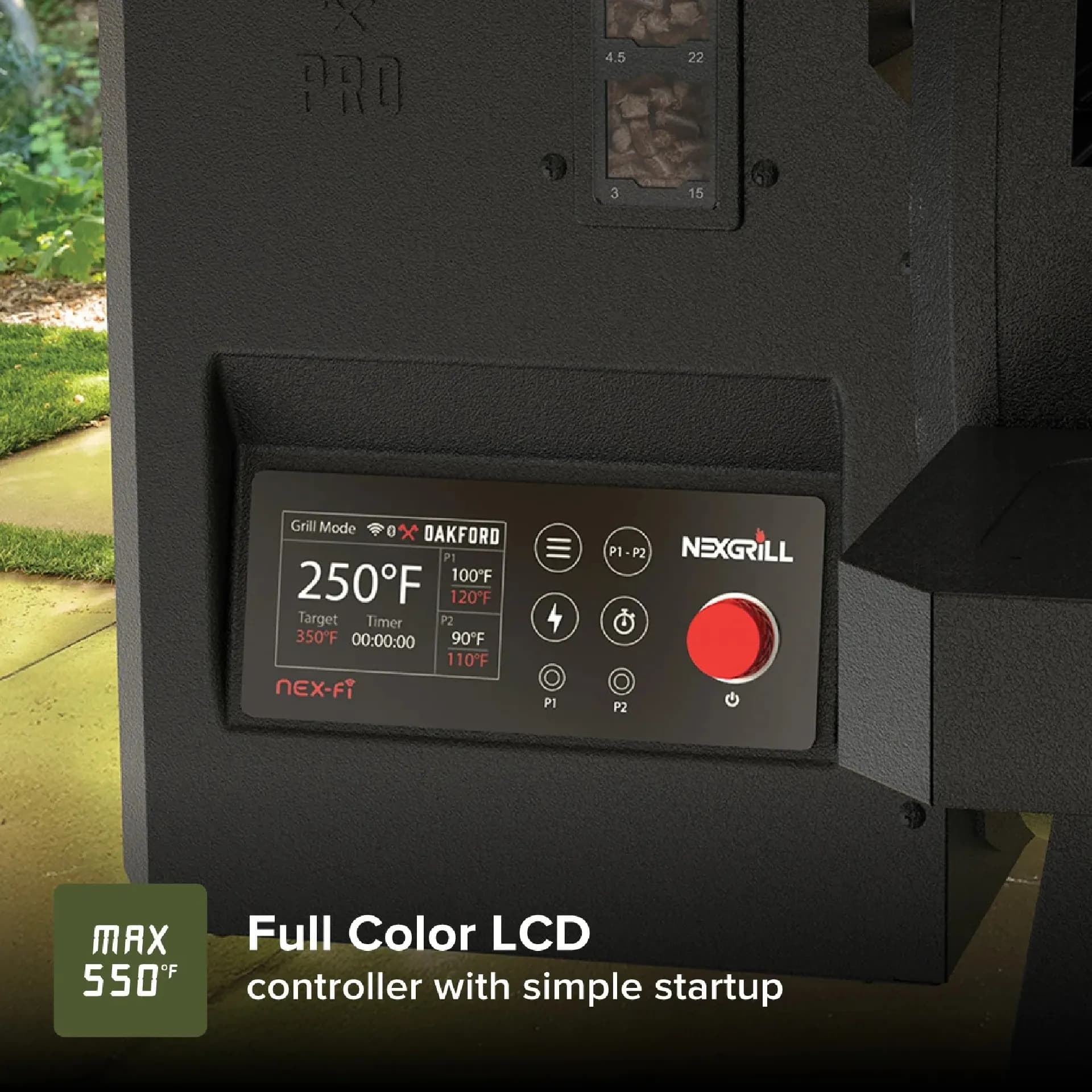
We differentiate ourselves through smart grilling products like the Oakford smart pellet grill, including app-connected cooking controls and modern outdoor cooking technology.

Expert tips, buying guides, comparisons, and inspiration for choosing and getting the most out of your grill.

Practical guides for cleaning, maintenance, common grill issues, and performance optimization.

Step-by-step grilling recipes, cooking techniques, and meal ideas for every occasion and skill level.

Backyard entertaining ideas, seasonal grilling inspiration, and stories that celebrate outdoor cooking culture.

Helpful articles covering grilling tools, cookware, maintenance gear, and must-have accessories for outdoor cooking.

Find griddle recipes, cooking techniques, cleaning tips, and outdoor meal ideas designed for Nexgrill griddles.
Find answers to common questions
Pellet grills offer versatility by allowing you to smoke, grill, and bake with precise temperature control. They use wood pellets as fuel, providing a unique flavor to your food that is difficult to achieve with other types of grills.
Consider factors such as cooking capacity, temperature range, and additional features like digital controls or Wi-Fi connectivity. Assessing your cooking habits and space availability can also help in selecting a suitable model.
You can use a variety of food-grade wood pellets, including oak, hickory, mesquite, cherry, and apple. Each type of wood imparts a different flavor to your food, allowing for a unique grilling experience.
Regular cleaning involves emptying the ash pan, cleaning the heat diffusers, and wiping down the exterior. It's also important to check for any pellet obstructions in the hopper and ensure the grill's components are in good working order.
Nexgrill pellet grills are designed to smoke effectively, offering low-temperature settings to infuse food with rich, smoky flavors. They also provide adjustable temperature controls to suit various cooking styles.
In This Article
Traeger Ironwood 885
Weber SmokeFire EX6
Camp Chef Woodwind WiFi 24
Pellet smokers have become a favorite choice for home cooks who want authentic wood-fired flavor without spending the entire day tending a fire. They sit in a useful middle ground between traditional offset smokers and standard gas grills: you get the ability to smoke ribs, brisket, chicken, pork shoulder, and vegetables with real hardwood pellets, but you also gain the convenience of digital temperature control. For many backyard cooks in the United States, that balance is the whole reason a pellet smoker becomes the best pellet smoker for their setup. It is not just about smoke flavor; it is about repeatable results on a weeknight, on a holiday, or when friends show up early and you need dinner handled with less guesswork.
The best models for 2026 are the ones that make temperature management easier while still delivering enough cooking space, pellet efficiency, and build quality to justify the price. That matters because pellet smokers are not all designed the same way. Some emphasize smart features and app connectivity, some emphasize a larger cooking chamber, and others aim for value by trimming the extras while keeping the core smoking experience strong. If you are comparing products, it helps to think less about a single spec and more about the way the smoker fits your actual routine. A beginner may care most about stable temperatures and simple cleanup. An experienced backyard pitmaster may care more about whether the smoker can hold a steady low-and-slow range for overnight cooks, or whether it can switch from smoking to higher-heat roasting without wild fluctuations.
Pellet smokers are strongest when they match your cooking style, not when they simply have the highest number on a spec sheet.
core things matter most: temperature stability, usable cooking area, and ease of cleaning.
For a broader perspective, it helps to compare real-world use cases rather than just labels. A compact pellet smoker may be enough for a couple that cooks weekends only. A mid-size smart smoker works well for families that alternate between ribs, chicken, and weeknight meals. A larger premium unit makes sense if you regularly smoke multiple briskets, hold food for gatherings, or want the flexibility to cook for a crowd. That is why the "best" pellet smoker is not one universal answer. It depends on whether you want a simple path to dependable barbecue or a feature-rich cooker that can act like an outdoor kitchen anchor.
The standout pellet smokers in 2026 are defined by how well they reduce friction in everyday cooking. The Traeger Ironwood 885 remains a strong option for cooks who want a mature ecosystem, advanced controls, and enough capacity for larger family meals. Its appeal is not just size; it is the combination of steady heat, smart features, and a reputation for making pellet cooking approachable. The Weber SmokeFire EX6 stands out for cooks who want a more grill-like experience alongside smoking. That hybrid approach is useful when you want to sear steaks one day and smoke salmon the next without changing equipment. The Camp Chef Woodwind WiFi 24 appeals to value-minded buyers who still want modern convenience, especially if the idea of app-based temperature monitoring and dependable everyday performance matters more than flashy extras.
A practical way to think about these three is to map them to cooking personalities. The Traeger Ironwood 885 is the “set up and trust it” choice for cooks who value consistent results and a polished user experience. The Weber SmokeFire EX6 suits the person who wants more versatility and likes to move between smoking and hotter grilling tasks. The Camp Chef Woodwind WiFi 24 is the sensible pick for someone who wants strong capability without overpaying for premium bells and whistles. Each serves a different type of household, and that is exactly why comparing them side by side is more helpful than reading a generic ranking.
| Model | Best for | Strength |
|---|---|---|
| Traeger Ironwood 885 | Frequent family cooks and feature-focused buyers | Stable performance with advanced controls |
| Weber SmokeFire EX6 | Cooks who want smoking and grilling in one unit | Wide versatility across temperature ranges |
| Camp Chef Woodwind WiFi 24 | Value buyers who want smart convenience | Balanced feature set at a more accessible price point |
If you want a simple rule of thumb, choose the Ironwood 885 when you care most about consistent, confident smoking; choose the SmokeFire EX6 when you want a single cooker that can handle more grilling variety; and choose the Woodwind WiFi 24 when you want useful technology without overspending. Pellet smokers are often compared on capacity alone, but the smarter comparison is about how much control, flexibility, and cleanup convenience each model offers in your day-to-day routine.
When you narrow down the best pellet smoker for your needs, start with the food you actually plan to cook. If your menu is mostly ribs, pork shoulder, turkey breast, and chicken thighs, consistency at low temperatures matters more than extreme peak heat. If you also want to sear steaks or cook burgers, you should look more carefully at the smoker’s upper temperature range and whether it can create a hotter direct-cooking zone. Many shoppers buy based on a headline feature they rarely use. The better strategy is to picture three real weekends: one relaxed family dinner, one all-day smoke, and one large gathering. The smoker that handles all three without feeling awkward is usually the right one.
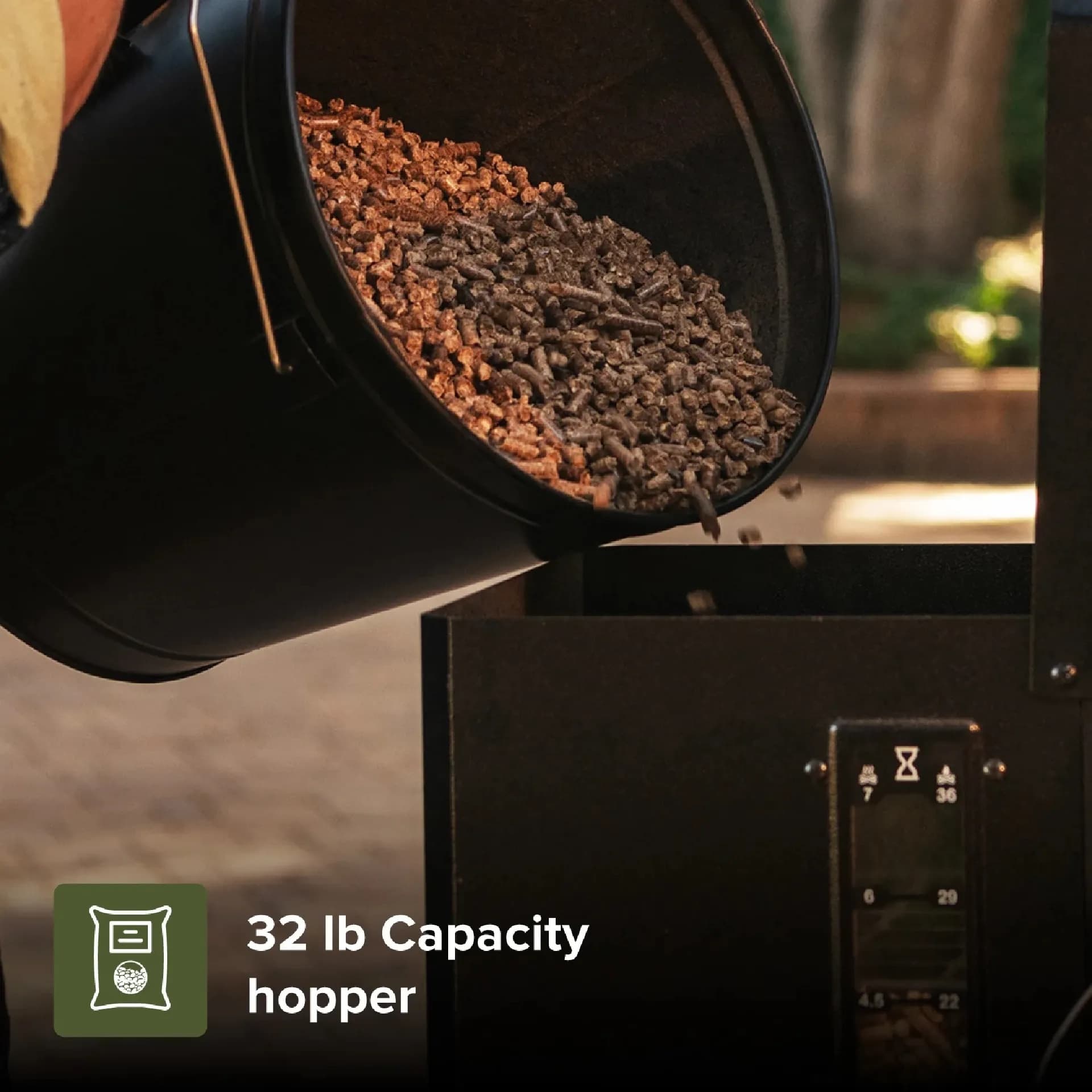
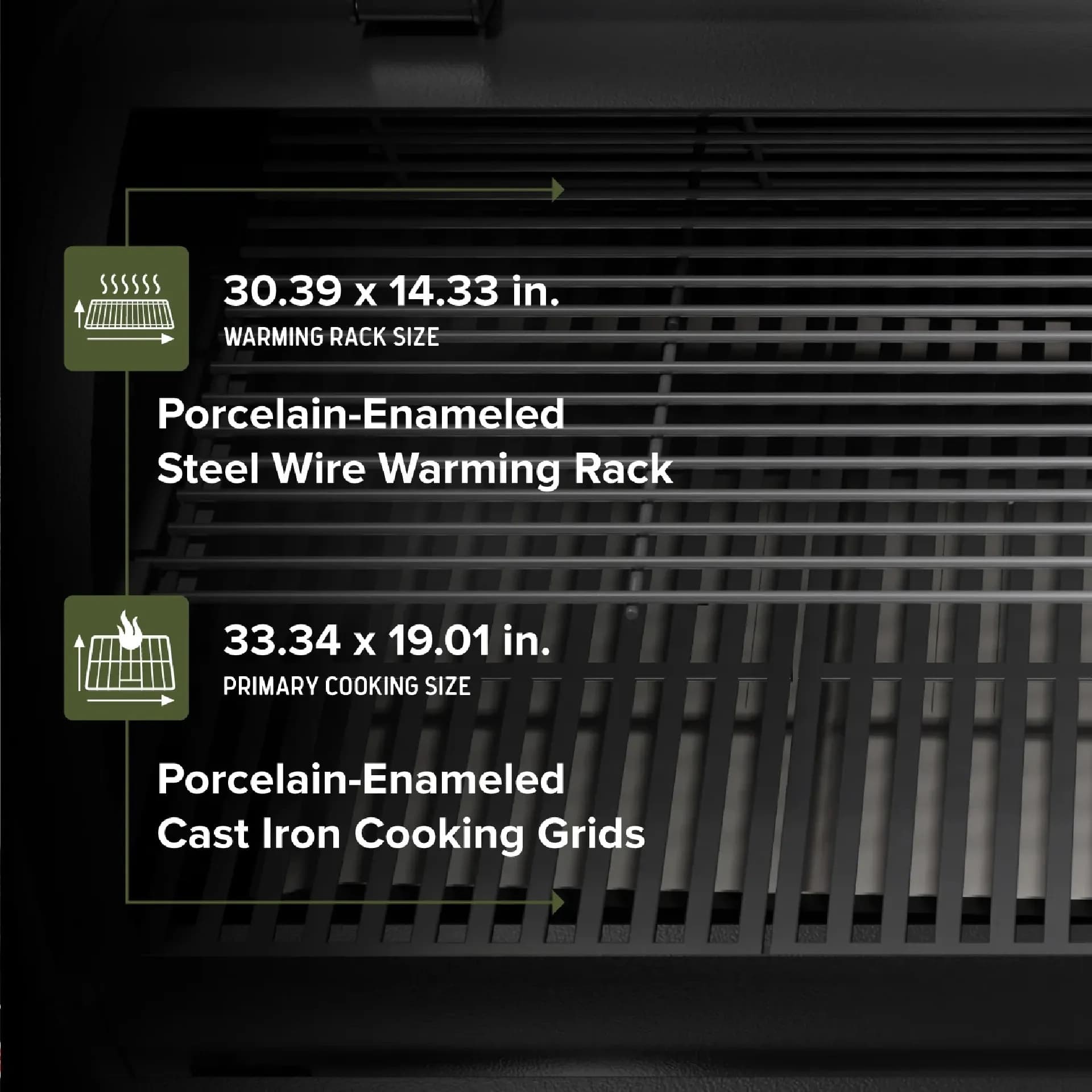
Capacity matters, but only if it matches your cooking patterns. A smaller pellet smoker may be perfect for two or three people, while a larger cabinet or barrel-style unit is better if you often cook multiple proteins at once. Look at usable rack space, not just total footprint. A wider grate can make it easier to separate fatty cuts from leaner items, and an adjustable rack layout can improve airflow around larger pieces of meat. Also pay attention to pellet hopper size. A larger hopper can mean fewer refill interruptions during long smokes, which is useful for brisket and pork shoulder. For busy households, that convenience can be worth more than a cosmetic feature or a touchscreen display.
Do not choose a pellet smoker by size alone. A bigger cooker that leaks heat or wastes pellets can be less satisfying than a smaller, better-controlled unit.
Build quality is another important filter. Look for thick lids, solid hinges, sturdy grates, and a firepot and heat management system that support steady airflow. Good insulation helps in colder United States climates where winter cooking can stress thinner units. If you live where temperatures swing sharply, think about how often you will cook in shoulder seasons. A smoker that performs well on a calm summer day but struggles in a chilly wind may disappoint you later. For many buyers, app connectivity is helpful but not essential; what matters more is whether the smoker’s controller is accurate enough to maintain your target temperature without constant babysitting.
Here is a practical buying framework: decide the maximum number of guests you usually cook for, list the foods you smoke most often, and then choose the model that gives you enough room and control with a little extra margin. That margin matters because people tend to cook more once they own a good smoker. If you only buy for today’s needs, you may outgrow the unit quickly. Try comparing two products side by side below to see which fits best:
Good maintenance is what keeps a pellet smoker reliable over time. Ash management is the first task most owners should take seriously. Pellet systems create fine ash that can build up in the firepot and around the burn area, and that buildup can interfere with airflow and ignition. Clean it out regularly according to the manufacturer’s instructions, especially after long smoking sessions. Grease management matters too. A drip system that is allowed to clog can create smoke, flare-up, and cleanup problems that are completely avoidable. Wiping down surfaces after the smoker cools, emptying grease collection areas, and brushing grates while they are still warm can save a lot of work later.
Pellet storage is another detail that often gets ignored. Pellets absorb moisture, and damp pellets can swell, break apart, and feed inconsistently. Keep pellets in a dry, sealed container instead of leaving bags open in a garage or on a patio. If you live in a humid region, treat pellet storage like you would flour or coffee in a kitchen: keep it protected from the environment. Over time, that small habit improves ignition reliability and temperature consistency. It is also smart to inspect the burn area, probes, and internal surfaces regularly for grease or carbon buildup. A quick visual check before each cook is usually enough to spot issues early.
Store pellets dry and clean out ash often; those two habits solve many of the most common pellet smoker complaints.
Weather protection also extends the life of your smoker. Use a fitted cover when the cooker is not in use, especially if it stays outdoors year-round. Rain, UV exposure, and blowing dust all shorten the life of components and finishes. If your smoker has electronics or a digital controller, treat it with extra care by avoiding water intrusion during cleaning. For deep cleans, unplug the unit, remove pellets if you will not be cooking soon, and follow a sensible seasonal routine: one light clean after every use, a deeper ash and grease clean after several cooks, and a more complete inspection before heavy holiday cooking periods. This kind of upkeep is less about perfection and more about preserving the smoker’s ability to do the one thing you bought it for: produce good food without drama.
The best pellet smoker for 2026 is the one that fits your cooking habits, your space, and your comfort level with technology. If you want a premium-feeling smoker with a strong reputation for steady performance, the Traeger Ironwood 885 is a compelling option. If you want a cooker that spans smoking and grilling more broadly, the Weber SmokeFire EX6 deserves a close look. If value and smart convenience are your priorities, the Camp Chef Woodwind WiFi 24 is a practical contender. The best choice is not the most complicated one; it is the unit that gives you the confidence to cook more often and with less second-guessing.
In the end, pellet smokers reward consistency. Buy for the food you love, the number of people you feed, and the kind of maintenance routine you will realistically keep. That approach leads to a smoker that feels useful on day one and still feels like a smart purchase years later.
Once you've weighed two pellet smokers against each other, the decision usually gets clearer fast. The last step is not chasing another feature; it is matching the smoker to the way you actually cook. A good pellet smoker should support your habits, not force you into someone else’s idea of barbecue. That is especially important in the U.S. market, where buyers often compare hopper size, smart controls, and rack space, but end up happiest with the model that makes weeknight cooking simpler and weekend smoking more rewarding. Whether you are feeding a family of four, hosting a football watch party, or trying to make a holiday brisket without hovering over the fire all day, the right unit is the one that lets you cook with confidence.
A useful way to think about pellet smokers is that they solve for convenience and repeatability first, flavor second only by a small margin. Hardwood pellets give you a smoke profile that many home cooks prefer because it is clean, controlled, and easy to manage. Digital controllers take away some of the guesswork that comes with traditional wood fires. For many buyers, that combination is the reason pellet smokers have become the best pellet smoker choice for family cooks who want a real barbecue result without a steep learning curve. Still, not all models prioritize the same strengths. Some lean toward premium materials and refined app controls, others toward price-to-performance, and others toward hybrid cooking versatility.
The three models in this guide each speak to a different buyer profile. The Traeger Ironwood 885 is the strongest fit for someone who wants a polished, premium-feeling smoker with ample room and reliable set-it-and-check-it cooking. The Weber SmokeFire EX6 is a better fit for cooks who want the flexibility to move between smoking and hotter grilling more often. The Camp Chef Woodwind WiFi 24 is the practical value pick, especially for shoppers who want a capable cooker with smart monitoring but do not need every premium flourish. That simple framework is useful because the best smoker for a beginner may not be the best smoker for an advanced user, and the best smoker for a large deck may not be the best smoker for a compact patio.
When comparing them, it helps to look at the experience each one creates. The Ironwood 885 is the least fussy of the premium-feeling options and is often appealing to cooks who want fewer surprises during long smokes. The SmokeFire EX6 is for the backyard chef who values flexibility and likes to experiment with different cooking styles in the same cooker. The Woodwind WiFi 24 is attractive because it gives you a straightforward path into connected pellet cooking without requiring a luxury budget. That matters because many households want a smoker that can stay useful through an entire season of meals, from simple chicken thighs to a whole pork shoulder for a crowd.
| Model | Ideal user | Why it stands out |
|---|---|---|
| Traeger Ironwood 885 | Frequent family cooks | Premium feel and dependable everyday use |
| Weber SmokeFire EX6 | Versatility-focused users | Useful for both smoking and hotter grilling |
| Camp Chef Woodwind WiFi 24 | Budget-aware shoppers | Balanced feature set and strong value |
The right purchase starts with the food you cook most often. If your list is mostly brisket, pork butt, ribs, and poultry, then stable low-temperature performance should be the top priority. If you want to cook burgers, steaks, flat-top sides, or other foods that benefit from higher heat, choose a pellet smoker with enough temperature range and design flexibility to support those jobs. People often overfocus on one high-number spec and ignore the smoker’s actual heat behavior, which is a mistake. What really matters is whether the unit can hold a steady temperature during long sessions and recover quickly after lid openings.
Size and layout matter just as much. Think about how many people you typically serve and how often you cook multiple items at once. For example, a family that smokes one rack of ribs and a tray of vegetables each weekend has very different needs from someone who regularly smokes two briskets for a holiday gathering. Hopper capacity also matters because it affects how often you have to intervene during a long cook. Smart controls are helpful when they reduce the need to stand nearby, but the controller’s accuracy and the smoker’s airflow design are more important than the app icon on your phone. In practical terms, choose the model that gives you enough room, enough pellet storage, and enough control to make a long cook feel predictable.
A smoker that is easy to live with on a Tuesday night is usually a better buy than a more complex unit you only enjoy on holidays.
You should also consider where the smoker will live. Outdoor space, shelter, and climate influence performance more than many buyers expect. If your patio is exposed to wind or colder temperatures, insulation and lid fit become more important. If you have a covered porch or garage-adjacent storage area, transport and footprint may matter more. The best pellet smoker is the one that works in your actual environment, not a showroom fantasy. Once you narrow the field, compare the two strongest options side by side and ask a simple question: which one will I be more likely to use often? That answer usually points you in the right direction.
Pellet smokers stay dependable when they are cleaned on a schedule that matches how often you cook. Ash collection is the first thing to manage because it affects ignition and airflow. After several cooks, inspect the firepot and surrounding areas for buildup. Grease management is equally important because greasy residue can interfere with flavor and create avoidable mess. Wipe internal surfaces when the unit is cool enough to handle safely, and remove debris from grates and drip areas before it hardens. Those habits are not glamorous, but they keep the smoker performing like it should.
Pellet storage deserves attention too. Pellets should stay dry, and once they absorb moisture their burn quality can drop quickly. That can lead to frustrating temperature swings or weak ignition. Use a sealed container and keep the storage area dry. If you buy pellets in bulk for busy barbecue weekends, label them by wood type so you can rotate through hickory, oak, apple, cherry, or blended pellets with more control over flavor. A little organization goes a long way when you are deciding whether a smoke profile should be bold, sweet, or balanced. Also inspect the temperature probe periodically; if it is coated with grease or soot, the smoker may read temperature less accurately than you expect.
Dry pellets, clean probes, and empty ash trays are the simplest way to protect both flavor and consistency.
If your smoker stays outdoors, cover it whenever it is not in use. Weather exposure can dull finishes and age components faster than cooking does. Seasonal care is smart as well: do a deeper inspection before the summer grilling season and again before fall and winter cooks. Make sure the controller, gaskets, and internal surfaces are free of damage or excessive buildup. If something seems off, address it early rather than waiting for a failed brisket cook to reveal the issue. Good maintenance is not about overdoing it; it is about making the smoker ready every time you need it.
Once you've compared your top two choices, the remaining decision should feel practical rather than emotional. The Traeger Ironwood 885 is a smart fit for cooks who want premium convenience and consistent everyday use. The Weber SmokeFire EX6 is the right conversation if you want greater flexibility between smoking and grilling. The Camp Chef Woodwind WiFi 24 gives value-focused buyers a very usable path into connected pellet cooking. Any of them can be the best pellet smoker for the right household, which is why the real question is not which one is objectively superior, but which one you will actually enjoy using often.
If you want the most satisfying result, choose the smoker that matches your menus, your available space, and your maintenance habits. That is how you get a cooker that feels worth the investment long after the first batch of ribs comes off the grate.
Here's what sets us apart
We position ourselves as delivering high-end outdoor cooking features and performance without premium-brand pricing, emphasizing “Quality Grills. Unbelievable Value.”
We offer gas grills, pellet grills, griddles, smokers, pizza ovens, portable/tabletop grills, electric grills, accessories, and replacement parts — allowing customers to stay within one ecosystem for all outdoor cooking needs.
We differentiate ourselves through smart grilling products like the Oakford smart pellet grill, including app-connected cooking controls and modern outdoor cooking technology.
Don't just take our word for it
Keep reading
From our catalog