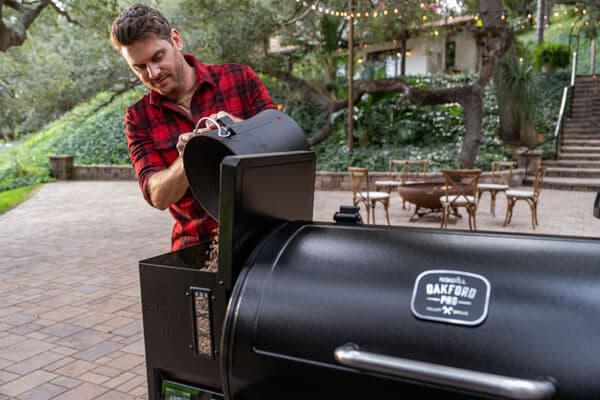
A comprehensive guide to understanding the advantages of direct flame searing in pellet grills over traditional grilling methods.

Here's what sets us apart from the competition
We position ourselves as delivering high-end outdoor cooking features and performance without premium-brand pricing, emphasizing “Quality Grills. Unbelievable Value.”
We offer gas grills, pellet grills, griddles, smokers, pizza ovens, portable/tabletop grills, electric grills, accessories, and replacement parts — allowing customers to stay within one ecosystem for all outdoor cooking needs.
We differentiate ourselves through smart grilling products like the Oakford smart pellet grill, including app-connected cooking controls and modern outdoor cooking technology.

Expert tips, buying guides, comparisons, and inspiration for choosing and getting the most out of your grill.

Practical guides for cleaning, maintenance, common grill issues, and performance optimization.

Step-by-step grilling recipes, cooking techniques, and meal ideas for every occasion and skill level.

Backyard entertaining ideas, seasonal grilling inspiration, and stories that celebrate outdoor cooking culture.

Helpful articles covering grilling tools, cookware, maintenance gear, and must-have accessories for outdoor cooking.

Find griddle recipes, cooking techniques, cleaning tips, and outdoor meal ideas designed for Nexgrill griddles.
Find answers to common questions
Pellet grills offer versatility by allowing you to smoke, grill, and bake with precise temperature control. They use wood pellets as fuel, providing a unique flavor to your food that is difficult to achieve with other types of grills.
Consider factors such as cooking capacity, temperature range, and additional features like digital controls or Wi-Fi connectivity. Assessing your cooking habits and space availability can also help in selecting a suitable model.
You can use a variety of food-grade wood pellets, including oak, hickory, mesquite, cherry, and apple. Each type of wood imparts a different flavor to your food, allowing for a unique grilling experience.
Regular cleaning involves emptying the ash pan, cleaning the heat diffusers, and wiping down the exterior. It's also important to check for any pellet obstructions in the hopper and ensure the grill's components are in good working order.
Nexgrill pellet grills are designed to smoke effectively, offering low-temperature settings to infuse food with rich, smoky flavors. They also provide adjustable temperature controls to suit various cooking styles.
In This Article
Enhanced Searing Capabilities
Flavor Development
Versatility in Cooking
Pellet grills have changed the way many backyard cooks think about outdoor heat. They are built to do more than smoke low and slow; the better models also let you push into true high-heat searing when you want steaks, chops, burgers, or vegetables with a dark crust and a more aggressive finish. That is the real question behind the best pellet grill search: not just which pellet grill cooks well, but which one can move from gentle wood-fired smoking to direct flame browning without making you choose one style forever.
Nexgrill’s Oakford lineup reflects that broader idea of versatility. The brand positions itself around togetherness, approachable outdoor cooking, and practical value, which fits a grill that can smoke a pork shoulder on Saturday and still sear ribeyes for dinner on Sunday . That flexibility matters because many buyers want one cooker to handle multiple jobs: smoking brisket, roasting chicken, finishing vegetables, and producing steakhouse-style crust when the moment calls for it. A direct flame feature is the difference between “good pellet flavor” and a cooker that can also behave like a serious hot-zone grill.
Direct flame access is most valuable when you want both wood-smoked flavor and a fast, high-heat finish on the same cooker.
Smoking for tenderness, then direct flame for crust and browning
To understand why this matters, it helps to compare the two dominant approaches. Traditional pellet grilling usually relies on a heat diffuser between the fire pot and the food, which smooths out heat and makes low-and-slow cooking easier to control. A direct flame system opens a path for the food to sit closer to the fire, so the grill can produce more intense surface heat. That extra intensity is what helps drive Maillard browning and cleaner sear marks. In practical terms, it means a steak can move from smoke to crust on one grate instead of requiring a separate gas grill, cast-iron skillet, or outdoor searing station.
Traditional grilling still has a place. If your main goal is to cook hot dogs, chicken thighs, vegetables, or weeknight burgers with simple ignition and easy cleanup, a standard gas or charcoal setup is familiar and efficient. Charcoal, especially, can deliver deep flavor and strong heat when managed carefully. But it asks for more hands-on attention, more fire management skill, and a more fixed cooking style. Pellet grills with direct flame searing are attractive because they compress those jobs into a single platform. The result is less equipment switching and more consistency from one meal to the next.
Direct flame searing is the part of pellet grilling that closes the gap between smoking and classic open-flame grilling. In a standard pellet cooker, pellets feed into a fire pot and a diffuser spreads the heat so the cooking chamber behaves more like an oven. That design is excellent for ribs, pork butt, salmon, baked sides, or any food that benefits from gentle circulation. But when you want a crust, a diffuser can be a limitation. Direct flame searing removes or bypasses part of that barrier so heat can strike the food more forcefully and create the browned exterior that grillers chase.
Direct flame is not a replacement for patience: to get a good sear, food still needs a dry surface and a properly preheated grate.
The practical advantage is not just temperature. It is control. A pellet grill with direct flame searing can let you smoke a tri-tip, raise the heat, and finish the exterior without dragging out another burner or dealing with flare-up chaos from a separate charcoal setup. On the Nexgrill Oakford side, that kind of versatility fits the brand’s focus on inclusive, everyday cooking for both casual backyard users and more advanced grillers. You do not need to think like a pitmaster every time you cook, but you can still cook like one when you want to.
Direct flame also changes the texture story. A steak cooked only over gentler pellet heat can taste smoky and juicy, but it may not build the same bark or browned edges as a cook finished over visible flame. Burgers benefit too: the Maillard reaction on the outside creates flavor compounds that read as richer and more savory. That is why many grillers shopping for a pellet model now ask whether it can truly sear, not just smoke well. The best answer is a cooker that gives you a controlled hot zone instead of asking you to improvise.
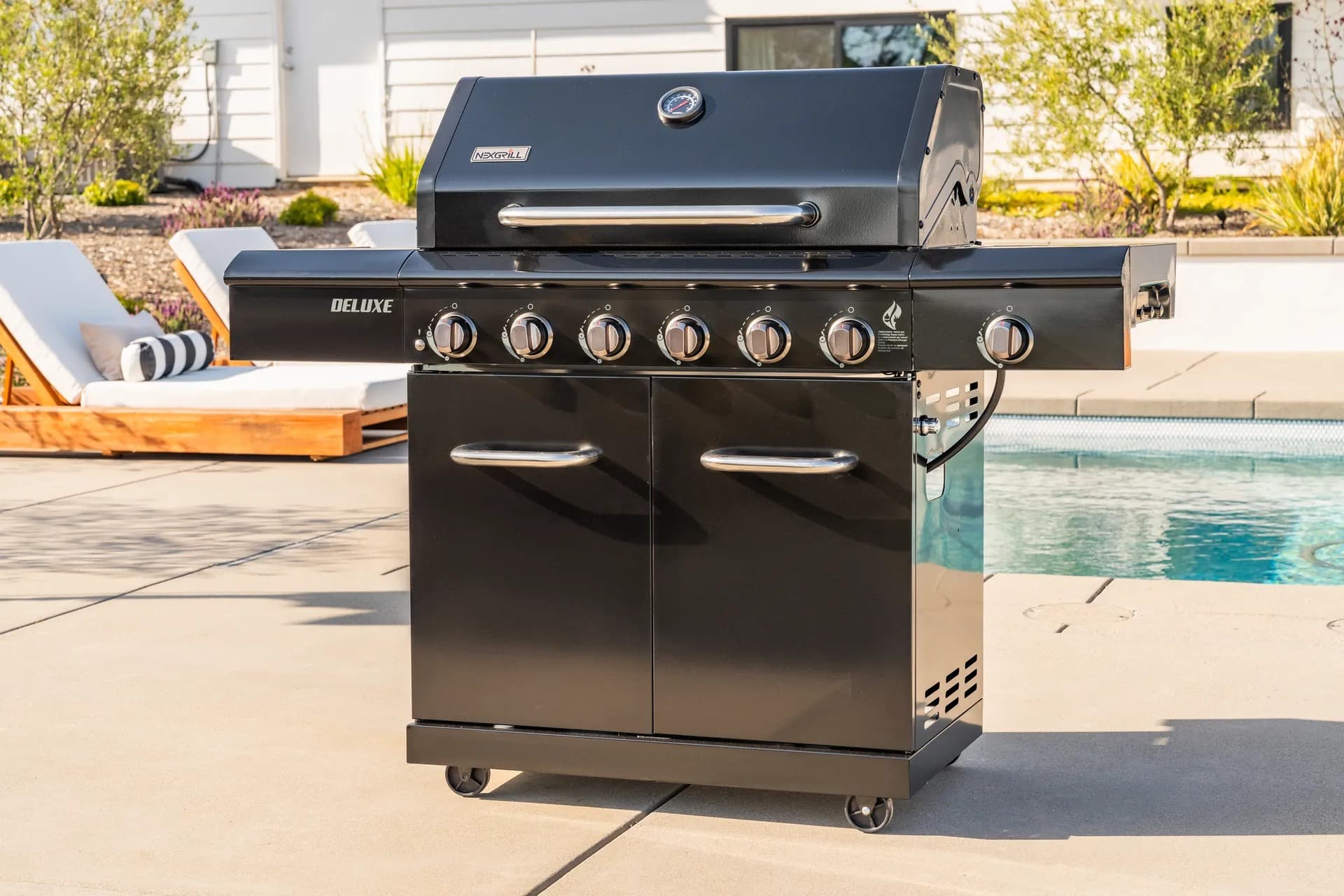
Traditional grilling usually means cooking directly over gas burners, charcoal briquettes, lump charcoal, or wood embers. Each method has strengths. Gas is fast and predictable. Charcoal can produce excellent radiant heat and a classic outdoor flavor. Wood-fire setups offer strong smoke character and a more hands-on experience. What they share is direct exposure to a heat source, which makes searing feel immediate and intuitive for most cooks.
The downside is that traditional grilling often forces a trade-off. Gas can be convenient but sometimes lacks the wood-fired depth some cooks want. Charcoal can sear beautifully but takes time to light, manage, and clean up. Wood-fired grilling can be deeply rewarding, but it is less forgiving if you are cooking multiple dishes at once or trying to hold a steady temperature for 30 to 90 minutes. By contrast, pellet grills with direct flame searing try to combine the ease of pellet temperature control with the finishing power of open flame.
| Method | Strength | Best Use |
|---|---|---|
| Gas grill | Fast startup and simple heat control | Weeknight burgers, vegetables, quick meals |
| Charcoal grill | Intense radiant heat and classic barbecue flavor | Steaks, chops, and traditional cookouts |
| Pellet grill with direct flame | Smoke plus searing in one system | Mixed menus, steaks, reverse-sear cooks |
For a cook who likes predictability, the traditional route remains dependable. For a cook who wants more range, direct flame searing narrows the gap between pellet convenience and old-school live-fire intensity. That makes it especially useful for people hosting in the United States who need one appliance for everything from summer ribs to last-minute steak dinners, where time and patio space are both limited.
The biggest difference is not whether food gets cooked; it is how much freedom you have during the cook. Traditional grilling starts with strong heat and ends with strong heat. Direct flame pellet grilling can start with smoke and finish with fire. That sequencing matters when you want layered flavor. A pork chop can absorb pellet smoke at a lower chamber temperature and then get kissed by direct flame for a better exterior. A ribeye can be reverse-seared so the inside reaches the right doneness before the outside gets its final crust. That workflow is difficult to match with a basic pellet unit that lacks flame access.
There is also the matter of consistency. Charcoal searing can be exceptional, but it depends on fire setup, wind, grate height, and the cook’s attention. Gas grills are easier to repeat, but they may not deliver the same smoke character. Direct flame pellet grills sit in the middle: they are still temperature-managed machines, but they give you a sear mode that feels more deliberate than raw charcoal management. That is why many buyers view them as the sweet spot for mixed-use outdoor cooking.
| Buying priority | Direct flame pellet grill | Traditional grill |
|---|---|---|
| Flavor layering | Excellent: smoke first, sear second | Good, but usually one dominant heat style |
| Temperature control | Strong for low and medium cooking, good sear mode | Strong on gas, variable on charcoal |
| Ease of use | High, with one controller for many jobs | Gas easiest, charcoal most hands-on |
| Best for steaks | Very good if the direct flame zone is well designed | Very good on charcoal, solid on gas |
If your cooking revolves around one food type, a traditional grill may be enough. If you regularly move between brisket, salmon, asparagus, pizzas, and seared steaks, the extra range of a direct flame pellet grill is more valuable. Try comparing two products side by side below to see which fits best.
For shoppers focused on Nexgrill, the Oakford 875 Pro Pellet Smoker Grill stands out as a strong choice when you want a pellet cooker that can support both smoking and higher-heat finishing. The Oakford 1125 Pro Pellet Smoker Grill is the larger option in the same family, which makes sense for cooks who regularly host more people or need extra grate space for multiple proteins and side dishes. Nexgrill also pairs the Oakford product family with its broader brand identity around dependable, community-oriented outdoor cooking.
A helpful way to compare these models is to think in terms of cooking rhythm. The 875-size grill suits the griller who wants enough room for family meals, weekend smoking projects, and the occasional direct flame finish without taking over the whole patio. The 1125-size grill is more appropriate for those who want to batch-cook, entertain, or keep several zones active at once. In both cases, direct flame capability is most useful when you expect to cook meat that benefits from a smoke-to-sear sequence rather than a single static temperature.
Choose the larger grill only if you will actually use the extra cooking space; direct flame is most useful when the layout lets you move food efficiently between zones.
Other factors matter too. Look at how quickly the grill transitions from smoke settings to direct flame, how much usable searing space you get, and whether the grate layout supports moving food without fighting the fire. A well-designed direct flame section should feel intentional, not improvised. That is what separates a useful hybrid cooker from a pellet grill that merely claims grilling ability.
The best pellet grill with direct flame sear capability is the one that gives you both discipline and freedom. You want steady pellet-fed cooking for long smokes, but you also want the ability to open the heat up when a steak needs a crust or a burger needs a sharper edge. Compared with traditional grilling, direct flame pellet cooking offers a broader range of meal styles without asking you to buy and maintain multiple outdoor cookers.
If you mostly cook one style of food, a conventional gas or charcoal grill may still be the simplest answer. But if your idea of a good backyard cooker is one that can go from brisket to bone-in ribeye without skipping a beat, a direct flame pellet grill delivers a compelling balance of smoke, sear, and versatility. That is the real buying advantage: one grill, more cooking ranges, and fewer compromises at dinnertime.
Once you've weighed two options against each other, the next question is how those differences show up in real backyard cooking. Pellet grills are built around convenience, steady temperature control, and wood-fired flavor, but the direct flame sear feature changes their personality in an important way. Instead of acting only like an outdoor smoker, the grill can also behave like a high-heat finishing station. That matters for buyers in the United States who want one appliance to cover weeknight dinners, weekend smoking projects, and special-occasion steaks without crowding the patio with extra equipment.
Nexgrill’s Oakford family fits that use case because the brand is focused on approachable, dependable outdoor cooking that welcomes both casual hosts and more experienced grillers. The Oakford product line is also presented with a clear emphasis on smoke and flavor, which is a natural fit for pellet grills that can move beyond low-and-slow cooking. If your main goal is to cook one protein at a time, traditional grilling may be enough. If you want a cooker that can move from brisket to seared steak without a gear swap, the direct flame path becomes a real advantage.
Direct flame searing is the closest thing a pellet grill has to the open-fire intensity of charcoal or gas over a hot grate. In practical terms, it creates a more aggressive heat path between the fire and the food, which is what produces browned edges and more dramatic crust development. That crust is not just visual. It contributes to aroma, texture, and the savory notes people associate with grilled meat. For a ribeye, strip steak, pork chop, or salmon fillet, the final sear is often the difference between “cooked well” and “finished beautifully.”
A direct flame zone is most useful when the grill lets you keep smoking and searing separate until the final minutes of the cook.
The best way to think about it is as a two-stage process. Stage one is controlled heat, where pellets provide smoke and a stable environment for bringing the food up to temperature. Stage two is the sear, where the food is exposed to stronger heat for browning. That two-stage workflow is especially helpful for thicker cuts. A thick steak can be brought nearly to serving temperature in the smoke zone, then finished over flame for better surface color without overcooking the interior. This reverse-sear style is one of the strongest arguments for buying a pellet grill with direct flame capability.
A lot of buyers focus on temperature numbers, but the shape of the heat matters just as much. Direct flame does not merely make a grill hotter; it changes how the grill behaves around food. It can crisp rendered fat, tighten the outer layer of meat, and build the kind of browned exterior that charcoal lovers often chase. That is why this feature is so closely tied to steak performance, burger performance, and even vegetables like asparagus or peppers, where a little char adds dimension.
Traditional grilling covers gas and charcoal most often, and each method approaches searing differently. Gas grills are predictable: you turn the burners on, preheat, and cook. Charcoal grills are more elemental: you arrange fuel, wait for the right ash-over stage, and manage the fire by feel. Both can produce a strong sear, but they do it through different strengths. Gas is easy to repeat. Charcoal is prized for deep flavor and live-fire character.
The trade-off is that traditional grilling often makes you choose your style before you start. If you light charcoal, you are committing to that fire management process. If you use gas, you may get speed and convenience but less smoke depth. Pellet grills with direct flame searing reduce that compromise by letting you begin with smoke and finish with flame. For many households, especially those balancing busy schedules and outdoor entertaining, that hybrid behavior is a major practical win.
It is also worth noting that traditional grilling can be excellent in the right hands. A charcoal kettle can make some of the best seared steaks in a neighborhood. A well-built gas grill can produce consistent results all season long. But both tend to excel in one lane. Direct flame pellet grills broaden the lane, which is why they are appealing to people who cook a wide range of foods and do not want to keep learning a different fire setup every weekend.
The comparison becomes clearest when you look at the cook, not just the machine. If you are grilling salmon, vegetables, or chicken thighs, traditional methods can be straightforward and effective. If you are cooking thick steak, a direct flame pellet grill gives you a unique advantage because it can support smoke first, sear second. That lets you build flavor in layers rather than relying on one high-heat pass. The result can be a more controlled interior doneness and a more deliberate exterior crust.
| Scenario | Direct flame pellet grill | Traditional grill |
|---|---|---|
| Thick ribeye | Smoke gently, then finish with flame | Excellent on charcoal; very good on gas |
| Brisket or pork shoulder | Strong low-and-slow performance with sear option later | Charcoal works well, but requires more attention |
| Weeknight burgers | Convenient with extra crust potential | Gas is fastest and easiest |
The cost side of the decision is more about value than sticker price alone. A pellet grill with direct flame sear may cost more than a basic gas unit, but it can also replace two functions: smoker and searing grill. For buyers who would otherwise need separate equipment, that can make the premium easier to justify. Nexgrill’s brand messaging around accessible pricing and flexible cooking reflects that kind of value-driven decision-making. You are not buying a feature for bragging rights; you are buying it because your cooking habits actually benefit from it.
For Nexgrill shoppers, the Oakford 875 Pro Pellet Smoker Grill is a strong mid-size option if you want a pellet cooker that can support both smoke-heavy recipes and high-heat finishing. The Oakford 1125 Pro Pellet Smoker Grill expands capacity for households that cook for more people or like to stage multiple items at once. Brand materials for the Oakford line emphasize serious smoke and flavor, which makes the lineup a natural fit for cooks looking for a direct flame capable pellet grill.
The way to choose between them is straightforward. If you usually cook for a small family, do weekend steaks, and want enough room for a brisket or two racks of ribs, the 875-size format is typically easier to live with. If you host often, cook larger cuts, or want more zone flexibility for side dishes and proteins together, the 1125-size format gives you more breathing room. The key is not just total space; it is whether the sear zone is large enough to handle the food you actually cook.
Do not buy extra grate space just because it sounds impressive; buy it only if you regularly need room for multiple proteins or larger entertaining spreads.
In a practical shopping comparison, direct flame support should be judged by how easy it is to move between smoke and sear, how clearly the grill defines its hot zone, and how much control you have during that transition. A well-executed design is worth more than a vague claim about higher heat. That is the difference between a true hybrid cooker and a pellet grill that only sears in theory.
The best pellet grill with direct flame sear is the one that fits your menu, your pace, and your patio. If your meals lean heavily toward long smokes and you rarely need a hard crust, a traditional pellet cooker may be enough. But if you want the best parts of both worlds - wood-fired flavor and visible flame finishing - direct flame searing gives you a meaningful edge over standard pellet grilling and makes the machine more useful in everyday cooking.
For many United States buyers, that flexibility is the point. It means one grill can handle a Sunday brisket, a Tuesday salmon dinner, and a Friday night steak without a separate setup for each job. That is a real-world advantage, not just a feature list detail, and it is why direct flame searing deserves a close look when comparing pellet grills to traditional grilling methods.
Here's what sets us apart
We position ourselves as delivering high-end outdoor cooking features and performance without premium-brand pricing, emphasizing “Quality Grills. Unbelievable Value.”
We offer gas grills, pellet grills, griddles, smokers, pizza ovens, portable/tabletop grills, electric grills, accessories, and replacement parts — allowing customers to stay within one ecosystem for all outdoor cooking needs.
We differentiate ourselves through smart grilling products like the Oakford smart pellet grill, including app-connected cooking controls and modern outdoor cooking technology.
Don't just take our word for it
Keep reading
From our catalog