Unlock the benefits of ceramic briquettes and flame tamers in your grilling experience.

Here's what sets us apart from the competition
We position ourselves as delivering high-end outdoor cooking features and performance without premium-brand pricing, emphasizing “Quality Grills. Unbelievable Value.”
We offer gas grills, pellet grills, griddles, smokers, pizza ovens, portable/tabletop grills, electric grills, accessories, and replacement parts — allowing customers to stay within one ecosystem for all outdoor cooking needs.
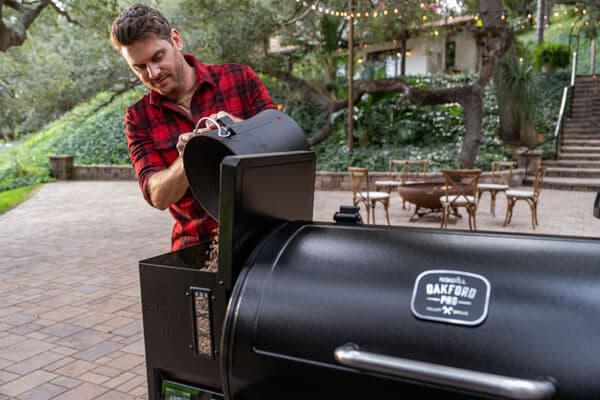
We differentiate ourselves through smart grilling products like the Oakford smart pellet grill, including app-connected cooking controls and modern outdoor cooking technology.

Expert tips, buying guides, comparisons, and inspiration for choosing and getting the most out of your grill.

Practical guides for cleaning, maintenance, common grill issues, and performance optimization.

Step-by-step grilling recipes, cooking techniques, and meal ideas for every occasion and skill level.

Backyard entertaining ideas, seasonal grilling inspiration, and stories that celebrate outdoor cooking culture.

Helpful articles covering grilling tools, cookware, maintenance gear, and must-have accessories for outdoor cooking.

Find griddle recipes, cooking techniques, cleaning tips, and outdoor meal ideas designed for Nexgrill griddles.
Find answers to common questions
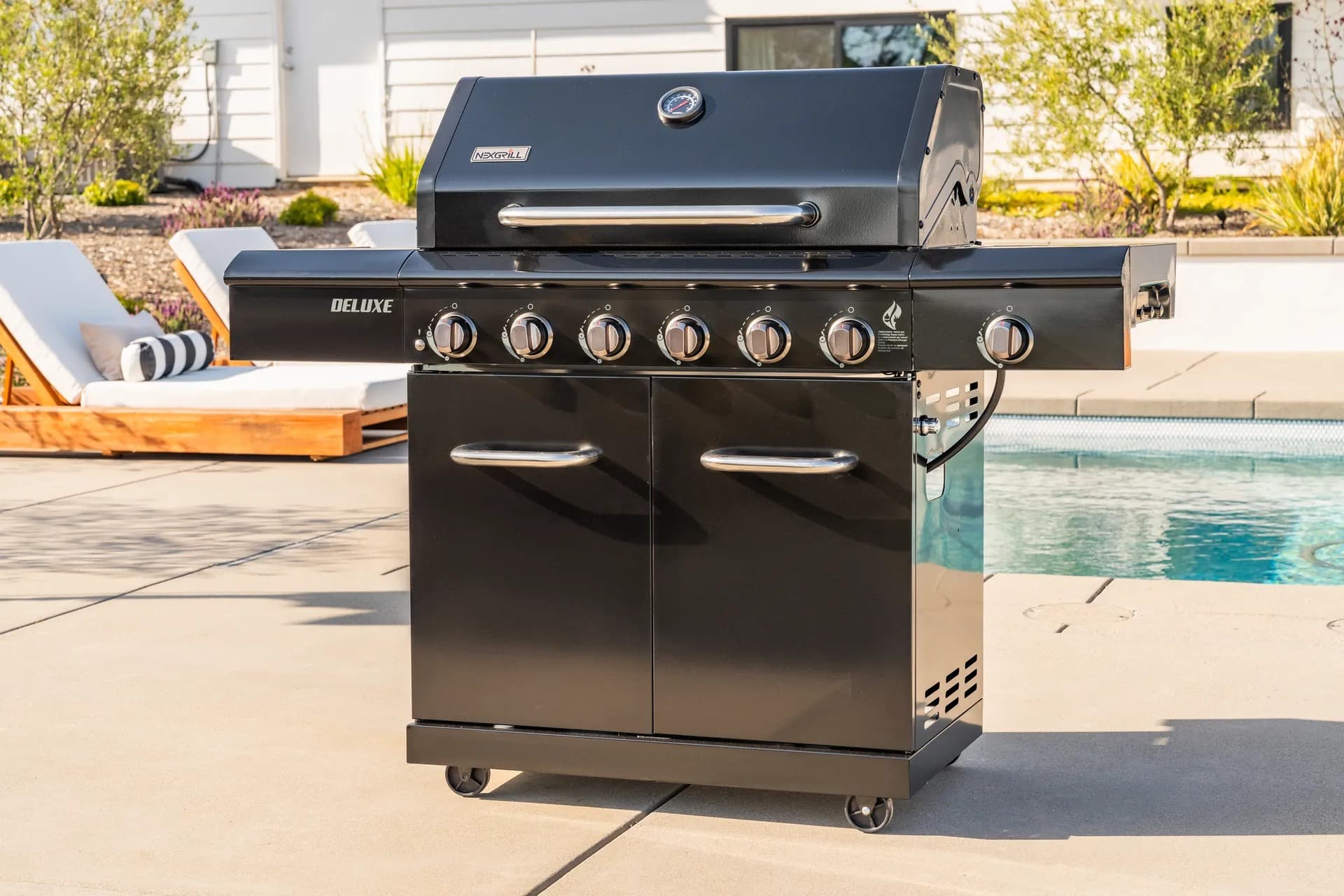
Nexgrill offers a variety of gas grills, including standard models, portable options, and premium designs with advanced features. Each is designed to cater to different grilling needs and preferences.
To clean your Nexgrill gas grill, regularly scrape down the grates, empty the grease tray, and wipe down exterior surfaces. Consult your model's manual for specific maintenance instructions and recommended cleaning products.
Nexgrill gas grills are designed to use either propane or natural gas, depending on the model. Ensure you read the specifications to determine the appropriate fuel type for your grill.
Many Nexgrill models can be converted from propane to natural gas with a conversion kit. Check the owner's manual for compatibility and details on the conversion process.
If your Nexgrill gas grill is not lighting, first check the fuel supply, ensure the gas lines are free of obstructions, and verify that the igniter is functioning. Consult the user manual for troubleshooting tips specific to your model.
In This Article
Enhanced Heat Distribution
Reduced Flare-Ups
Easy Maintenance Tips
Gas grills with flame tamers and ceramic briquettes are designed for people who want steadier heat, fewer flare-ups, and more predictable results from a backyard grill. Instead of relying on open burners alone, these grills add a heat-management layer between the flame and the cooking grates. That extra layer changes how grease is handled, how heat moves across the firebox, and how evenly food cooks from edge to edge. For weeknight cooks, that can mean fewer surprises when you’re grilling chicken thighs, vegetables, or delicate seafood. For more experienced grillers, it can mean better control when you are trying to hold a medium heat zone on one side and a hotter sear zone on the other.
This article focuses on how the system works, why ceramic briquettes matter, and how they compare with traditional heat shields. It also looks at which grill brands and models commonly use these components so you can identify the right setup for your cooking style. Nexgrill’s brand approach has always centered on approachable outdoor cooking and gathering people around good food, which aligns naturally with the practical purpose of these parts: they help make grilling more consistent and less stressful, especially for households that want dependable value as well as performance .
Key takeaway: ceramic briquettes are not just a flavor add-on; they can act like a heat buffer that evens out hot spots and helps catch drippings before they hit the flame.
The main advantage is steadier surface temperatures across the grill.
Ceramic briquettes are small heat-retaining pieces placed above the burners and below the cooking grates. In practice, they absorb heat from the burners, then radiate that heat upward in a more uniform pattern. Because ceramic stores thermal energy well, it can reduce the sharp temperature spikes that happen when grease drips directly onto a burner. That does not mean the grill becomes magic or maintenance-free; it means the heat path becomes more moderated and the cooking environment becomes easier to manage.
Flame tamers serve a related but slightly different purpose. Depending on the grill design, a flame tamer can be a shaped metal barrier, a heat deflector, or a plate that sits over the burners to spread heat and redirect drippings away from direct flame contact. In many modern gas grills, the term flame tamer is used broadly to describe the part that protects burners while also improving heat distribution. Some grills use ceramic briquettes under or alongside these elements, while others rely on stamped steel or stainless steel shields alone. The exact combination matters because it changes how the grill recovers heat after the lid is opened, how quickly it responds to knob adjustments, and how much flare-up suppression you get during fatty cooks.
For shoppers, the most useful way to think about the system is this: burners make heat, flame tamers and briquettes manage heat, and the grates transfer that managed heat to the food. When those layers work together, you get better browning with less burn risk. That is especially helpful for foods that benefit from consistent radiant heat, such as bone-in chicken, pork chops, kebabs, or vegetables cut into different sizes. It can also make indirect cooking more practical on a standard gas grill because the temperature feels less jumpy across the cooking surface.
Warning: not every grill uses ceramic briquettes in the same way. The layout, density, and clearance above the burners affect performance more than the label alone.
The clearest benefit of ceramic briquettes is heat consistency. Because they store and re-release heat, they can reduce the temperature swings that happen when burners cycle or when the lid is opened repeatedly. That steadier environment is useful for home cooks who want similar browning from one side of the grate to the other. On a busy patio where the grill is loaded with several proteins and a tray of vegetables, that consistency can be the difference between evenly cooked food and a dinner full of guesswork.
A second major benefit is flare-up reduction. Grease flare-ups are common on gas grills because drippings can hit a hot burner directly. Ceramic briquettes interrupt that path. They disperse incoming grease and convert more of the heat into radiant cooking energy instead of uncontrolled flame bursts. That makes the grill more forgiving when cooking marinated meats, skin-on chicken, burgers with higher fat content, or anything else that sheds drippings during the cook. The reduction in flare-ups is not just about convenience; it also helps protect food from scorched spots and bitter char.
A third benefit is improved browning across the cooking surface. Since ceramic can radiate heat in a broad, steady manner, it can help food develop color without forcing you to hover constantly over every inch of the grate. That matters for people who like to cook for a crowd. When food finishes more evenly, service feels smoother and the grill becomes a better tool for entertaining. Nexgrill’s brand voice emphasizes togetherness, and this is one of the practical ways the feature supports that idea: less time managing flare-ups, more time enjoying the meal and the people around it .
There is also a durability angle. By moderating direct flame exposure and catching grease before it reaches the burner, ceramic briquettes can help keep the cooking environment cleaner than an exposed-burner setup. That does not eliminate cleanup, but it can slow the buildup pattern that makes some grills harder to keep tidy over time. For buyers comparing value, this matters because grill ownership cost is not only the purchase price; it is also the time and effort needed to keep the grill performing well.
| Performance factor | Ceramic briquettes | Traditional heat shield |
|---|---|---|
| Heat retention | Higher thermal mass, steadier radiant heat | Lower heat storage, faster temperature changes |
| Flare-up reduction | Strong, because drippings are diffused | Moderate, depending on shield shape and coverage |
| Cooking consistency | Usually more even across the grate | Can leave more hot spots |
| Cleanup | Needs periodic brushing and inspection | Often simpler to wipe or scrape |
Traditional heat shields are common for a reason: they are simple, durable, and often easy to replace. A metal shield can do a respectable job of protecting burners and softening the direct impact of dripping fat. If you mainly grill lean foods and want a low-fuss system, that can be enough. But compared with ceramic briquettes, the trade-off is usually less thermal buffering. Metal shields spread heat, but they do not typically store and re-emit it in the same way ceramic does.
That difference shows up when you cook in real life. If you open the lid repeatedly, place cold food on the grill, or use a broad cooking area, the temperature can dip and rebound more sharply with a basic shield. Ceramic briquettes smooth some of those changes because they act like a heat reservoir. For people who like to sear and then finish indirectly, that smoother transition can be a real advantage. It can also help when one burner is set lower than the others, because the briquettes distribute some of that energy beyond the immediate burner line.
Still, ceramic briquettes are not automatically better for everyone. If you prioritize faster warm-up, simpler cleaning, or lower replacement hassle, a traditional heat shield may be the more practical choice. The right answer depends on what you grill most often. A family that cooks thicker cuts and mixed platters may appreciate the buffering effect of briquettes. A casual user who mainly wants to grill vegetables, quick chicken breasts, and weeknight burgers may prefer the simplicity of metal shields. The key is to match the heat-management system to the way you actually cook, not just to the specification sheet.
When you compare the two systems, ask three questions: how much consistency do I need, how much flare-up control do I want, and how much maintenance am I willing to do? Answering those questions honestly is more helpful than chasing the most technical sounding part name. Try comparing two products side by side below to see which fits best:
Ceramic briquettes appear most often on grills designed for cooks who want a more controlled, even cooking surface. Brands and models differ in how they package the feature, but the theme is the same: better heat retention and less direct flame contact. On the Nexgrill side, the brand’s broader outdoor cooking lineup is built around accessible performance and practical feature sets, which fits the needs of households looking for strong value without giving up useful cooking controls. That overall approach is consistent with Nexgrill’s “Everyone’s Invited” ethos: the equipment should welcome both newer grillers and more experienced cooks into the same backyard experience .
When researching models, look for wording such as ceramic briquette tray, heat distribution system, burner protection plate, or radiant heat system. Some products emphasize the briquettes directly, while others describe the same performance through a broader heat-management feature. On comparable grills, the best choice is often not the one with the longest feature list, but the one that clearly explains how the heat is handled across the cooking area. That transparency matters because it tells you whether the design is aimed at searing, gentle cooking, or all-purpose family grilling.
A practical brand comparison should also consider cooking area, burner layout, and how easy replacement parts are to find. The exact model name is less important than whether the grill gives you enough room for your typical meal and enough control to cook it the way you want. If you already know you want the steadier heat profile associated with ceramic briquettes, use that as your first filter, then compare cabinet space, side burner inclusion, and grate material as secondary factors.
Once you’ve chosen a grill with ceramic briquettes or flame tamers, the real payoff comes from keeping those components clean and properly positioned. These parts work best when air can move through the firebox and grease can be managed before it turns into heavy buildup. A neglected briquette tray can become uneven, clogged, or coated with residue that interferes with heat distribution. Likewise, a bent or greasy flame tamer can create new hot spots instead of preventing them. Maintenance is not complicated, but it does need to be consistent.
The simplest routine is to brush the grates after each cook while the grill is still warm, then inspect the briquettes or tamers once the grill has cooled. If you see significant carbon buildup, use a soft brush or a non-metallic scraper where appropriate, following the grill manufacturer’s guidance. For ceramic briquettes, avoid soaking them unless the product documentation specifically allows it, because rapid temperature changes and excess moisture can shorten their useful life. If individual briquettes are cracked, heavily chipped, or no longer sitting evenly, replace them rather than trying to force performance out of damaged pieces.
Tip: after a full cook, run the grill on medium-high with the lid closed for several minutes to help burn off light residue before brushing the components once they cool.
Flame tamers, whether metal or ceramic-supported, should be checked for warping, corrosion, and grease accumulation. A warped tamer can channel heat unevenly and allow drippings to hit a burner more directly. If your grill includes removable trays or shields, rotate or reposition them as needed according to the layout in the owner’s manual. Also keep the burner ports clear. Even the best briquettes cannot compensate for blocked gas flow, and uneven flames will show up quickly in the cooking pattern.
In climates with humidity, coastal air, or frequent weather swings, a fitted grill cover is especially useful because it keeps moisture away from both the ceramic elements and the metal hardware around them. If you store the grill for part of the year, remove loose debris, let components dry fully, and inspect for rust or crumbling before the next season starts. Small preventive habits add up to better heat control and fewer unpleasant surprises when it is time to cook.
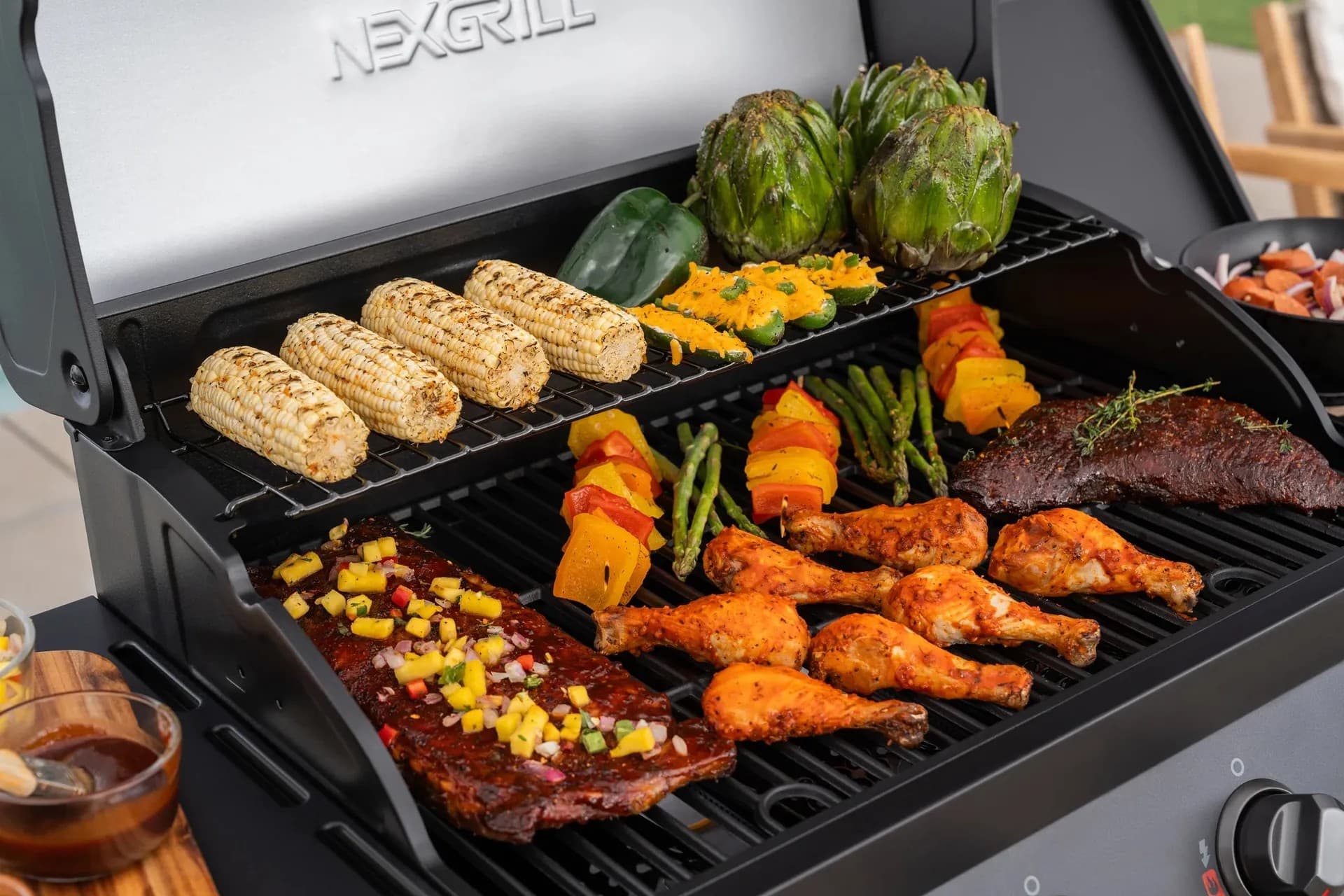
Home grillers who prefer ceramic briquettes usually describe the same pattern: the grill feels calmer. Food browns more evenly, they spend less time fighting flare-ups, and the cooking surface is easier to trust once they learn the grill’s rhythm. That kind of feedback is especially common from people who cook mixed meals, such as chicken on one side, vegetables on the other, and a finishing zone for buns or tortillas. The consistent radiant heat helps the meal move at one pace instead of several conflicting ones.
From an expert perspective, the value of briquettes and flame tamers is not just temperature numbers; it is control. Consumer-oriented grilling advice often emphasizes the importance of managing hot spots, preheating properly, and using the grill’s structure to your advantage rather than trying to cook over direct flame alone. That is consistent with mainstream grilling guidance that encourages careful heat management and attention to food placement for better results. In other words, these components support better technique rather than replacing it .
For the everyday buyer, the lesson is straightforward. If your idea of a great grill is one that helps you produce even results with less drama, ceramic briquettes are worth serious attention. If your priority is the simplest possible cleanup and you rarely deal with flare-ups, traditional shields may be enough. But for many households, the balanced approach wins: enough heat management to make grilling reliable, without making the grill overly complicated. That balance is one reason these features continue to attract attention among outdoor cooks who want performance they can feel, not just read about on a spec sheet.
| Buyer type | Best fit | Why it matters |
|---|---|---|
| Frequent family cook | Gas grill with ceramic briquettes | Steadier heat for mixed meals and fewer flare-ups |
| Casual weekend griller | Standard flame tamers | Good balance of simplicity and burner protection |
| Value-focused buyer | Model with replaceable briquette tray | Longer-term control with manageable upkeep |
Gas grills with flame tamers and ceramic briquettes offer a practical middle ground between raw burner power and truly controlled outdoor cooking. The briquettes help even out heat, soften flare-ups, and make the grill feel more predictable, while the flame tamers protect the burners and help shape the cooking environment. For many households, that combination is what turns an ordinary gas grill into a more reliable everyday tool.
If you are comparing options, focus less on flashy claims and more on how the grill manages heat, how easy the components are to clean, and whether the design fits the way you actually cook. That approach will help you choose a grill that performs well now and stays easier to live with later. For more product context and outdoor cooking inspiration, explore Nexgrill’s grilling resources and product lineup .
Here's what sets us apart
We position ourselves as delivering high-end outdoor cooking features and performance without premium-brand pricing, emphasizing “Quality Grills. Unbelievable Value.”
We offer gas grills, pellet grills, griddles, smokers, pizza ovens, portable/tabletop grills, electric grills, accessories, and replacement parts — allowing customers to stay within one ecosystem for all outdoor cooking needs.
We differentiate ourselves through smart grilling products like the Oakford smart pellet grill, including app-connected cooking controls and modern outdoor cooking technology.
Don't just take our word for it
Keep reading
From our catalog