Nexgrill Gourmet Pro 4-Burner Review: Validate the Specs, Then Master the Grill
A practical how-to for confirming the model, decoding the feature bundle, and getting four-zone control before you commit.
In This Article
Confirm the Model First
Burn-In and Zone Map
Mistakes and Seasonal Checks
Before You Buy: Confirm the Model and the Spec Sheet
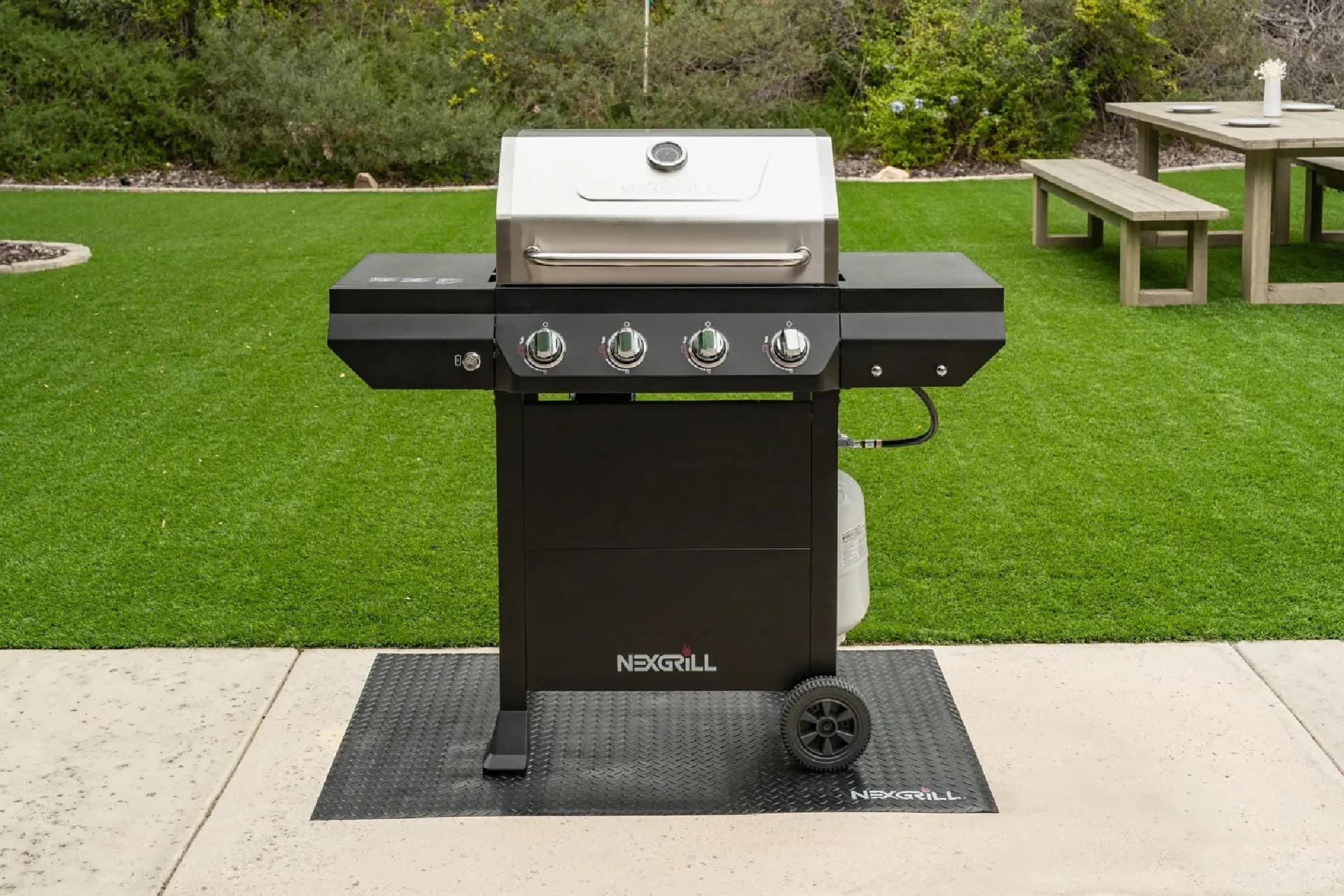
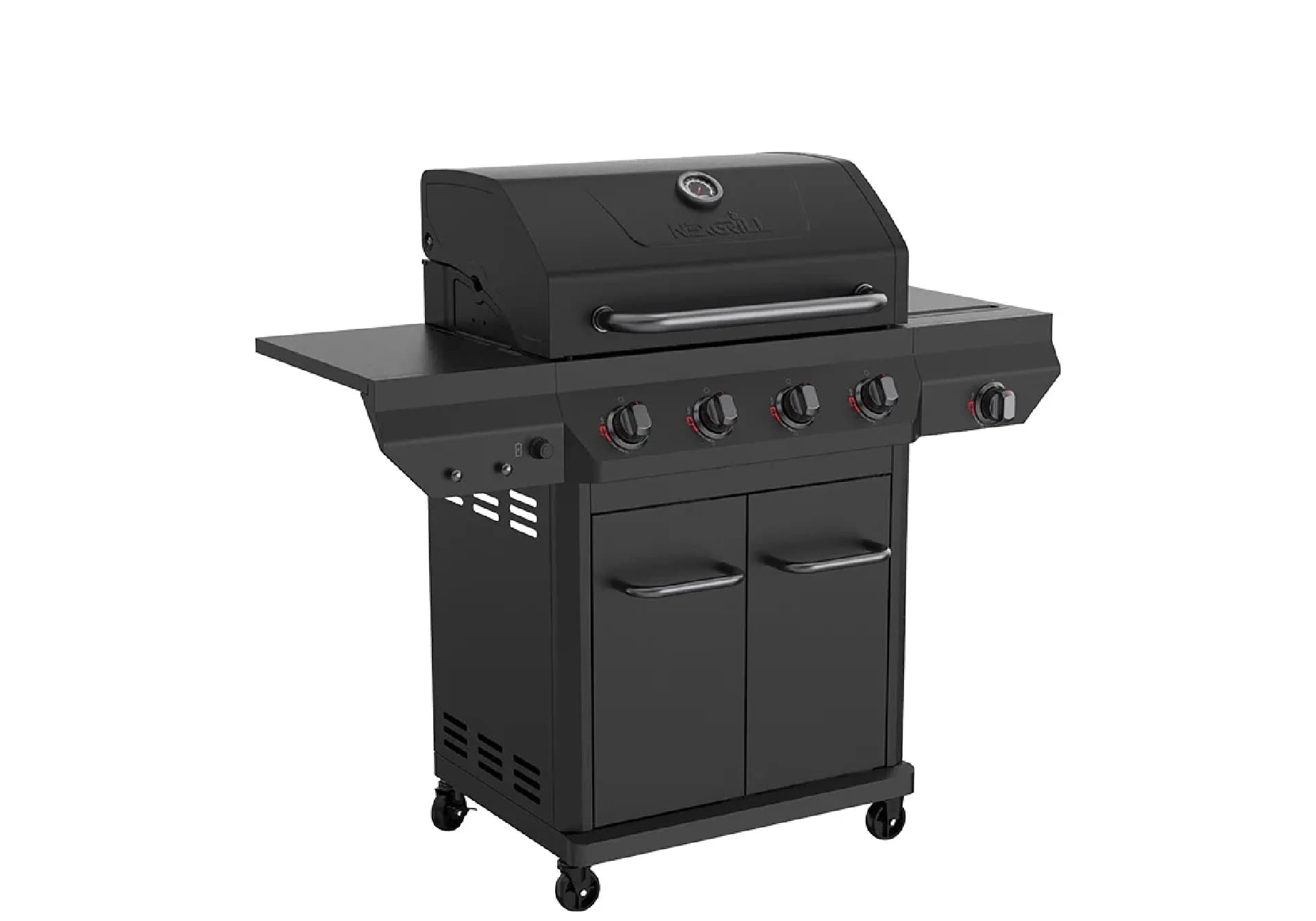
Most disappointing grill purchases start with a label, not a burner. If you are searching for a Nexgrill Gourmet Pro 4-burner review because you saw that name in a store aisle, an online listing, or a marketplace ad, the first useful thing this guide can do is help you confirm what you are actually looking at. In Nexgrill's publicly listed catalogue, product families are named things like Oakford, Daytona, and Deluxe - a specific "Gourmet Pro" line does not appear as a clearly documented collection on the brand's own product pages. That does not mean a grill bearing the label is fake. It usually means "Gourmet Pro" is a trim or marketing descriptor attached to a four-burner gas grill, possibly a retailer-specific bundle. Treat it as a starting question, not a settled fact.
That framing matters for a first-time four-burner buyer upgrading from a two-burner. You are about to spend in the estimated $300-$700 USD band that most Nexgrill four-burner gas models occupy, and you will host eight to twelve people a few times each summer. The difference between a well-matched grill and a frustrating one is rarely the nameplate - it is whether the cooking area, burner layout, and build match how you actually cook.
Clarity note: this guide does not print BTU or square-inch figures for a "Gourmet Pro" as fact. Those numbers vary by SKU and retailer, so we present expected ranges and show you how to verify the real figures on your own unit.
Step 1 - Decode the Rating Plate and Match It to the Listing
Every gas grill carries a rating plate - a metal or sticker data tag, usually inside the cabinet door or on the back panel - listing the model number, serial number, gas type, and manifold pressure. Before you trust any online review, photograph that plate and match its model number against the retailer listing and Nexgrill's own catalogue. A listing that says "Gourmet Pro" but ships a carton whose plate reads a different SKU tells you the marketing name and the manufactured model are two different things. Record the number; it is what you will need for parts, burner tubes, and ignition modules two seasons from now.
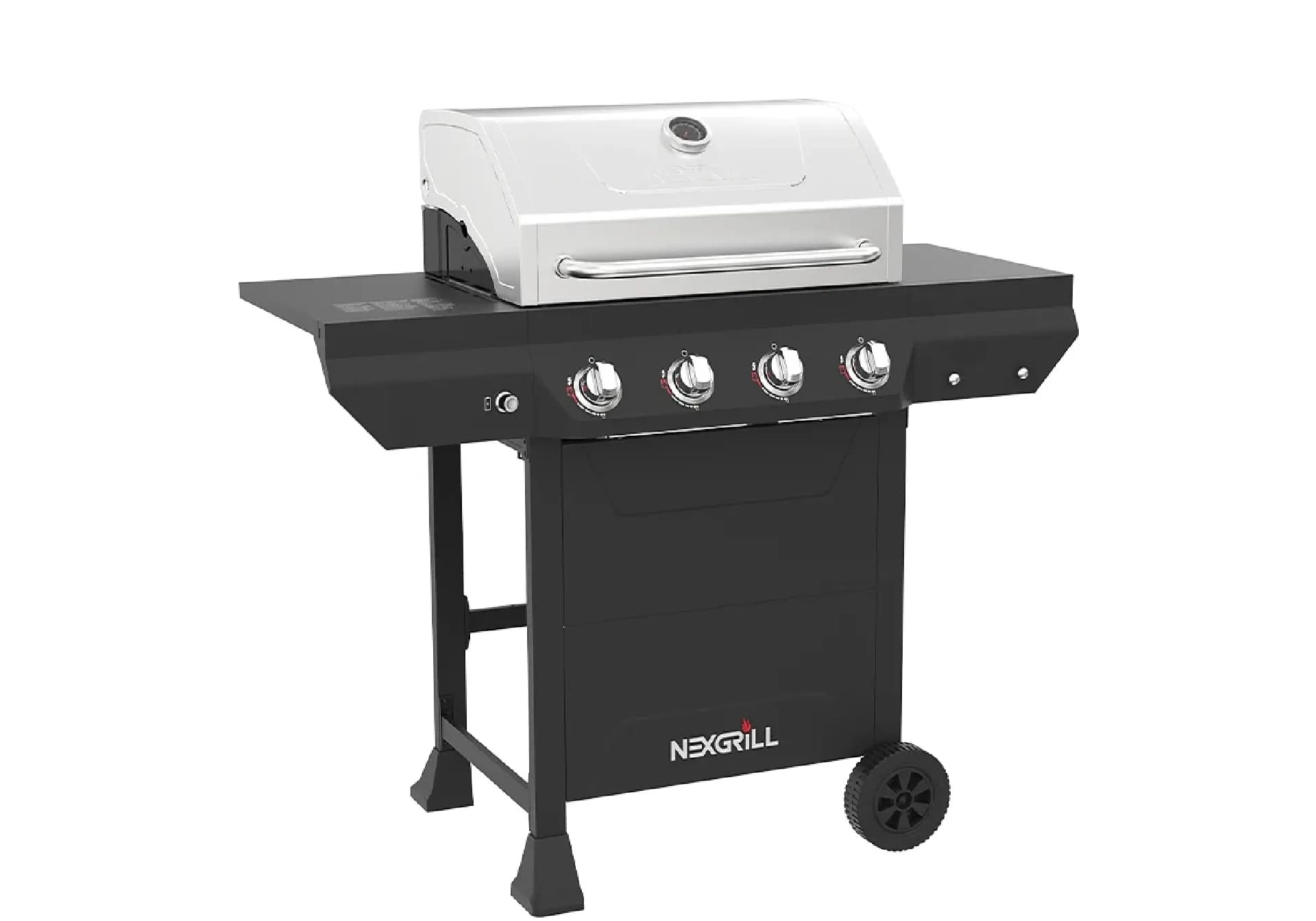
While the plate is in front of you, cross-check four things against the listing: total burner count (main burners plus any side burner), primary cooking area, whether a side burner or sear zone is included, and the fuel type. A standard Nexgrill four-burner with a side burner in black and a four-burner with a stainless main lid can look nearly identical in photos yet differ in lid material, shelf configuration, and included accessories. If the listing and the plate disagree on any of these, ask the seller before assembly day, not after.
What 'Gourmet Pro' Likely Signals - and What It Doesn't
A "Gourmet"-style trim usually points to convenience extras rather than a fundamentally different firebox: added side shelves, a warming rack, a side burner, maybe a slightly upgraded lid finish or a bundled cover. What it does not reliably signal is a higher-grade burner, thicker gauge steel, or a different heat output. Those are the specs that determine cooking behaviour, and they are printed on the plate and the manual - not in the product name.
| Spec | Typical range (verify at purchase) | Where to confirm |
|---|---|---|
| Main burners | 4 + optional side burner | Rating plate / listing |
| Primary cooking area | Roughly 400-550 sq in | Manual spec table |
| Total BTU output | Roughly 40,000-60,000 | Manual / data tag |
| Fuel | Propane (some natural gas) | Rating plate |
Source for the range column: manufacturer and retailer listings - confirm the exact figures for your SKU before buying. Estimated retail for four-burner Nexgrill gas models sits in the $300-$700 USD band; watch Memorial Day, July 4, and Labor Day promotions at Home Depot and on Nexgrill's product catalogue for the widest spreads.
Step 2 - Burn-In and First-Heat Procedure
A new grill needs a burn-in before food touches the grates. Factory oils and residues need to cook off, and you need to learn how your particular unit heats. Budget roughly 35 minutes and never leave a lighting grill unattended.
- Open the lid, confirm all knobs are off, then connect and leak-test the propane connection with soapy water.
- Light per the manual and run all burners on high with the lid open for 10-15 minutes to burn off manufacturing residue.
- Close the lid and hold roughly 400-450°F for another 20-25 minutes.
- Let it cool slightly, brush the grates, then wipe or spray a thin coat of high-smoke-point oil to season them.
Never light a gas grill with the lid closed and never walk away during the first light. If it does not ignite within a few seconds, turn all knobs off and wait five minutes before retrying.
Step 3 - Build a 4-Zone Heat Map on Four Burners
Four burners are only useful if you assign them jobs. Before your first cookout, run a simple test: heat the grill to medium, then lay out a two-zone plan and verify it with cheap, visible food. A practical four-burner map is left burner high for searing, the two middle burners on medium for the main cook, and the right burner off or low for resting and indirect finishing. Test it with a 2-inch ribeye seared on the left and finished on the right, and a batch of burgers across the middle two. If the front edge runs hotter than the back on your unit - a commonly reported trait on value four-burners - rotate food a half turn midway and note it on a sticky inside the cabinet door.
Which Buyer Does This 4-Burner Actually Suit?
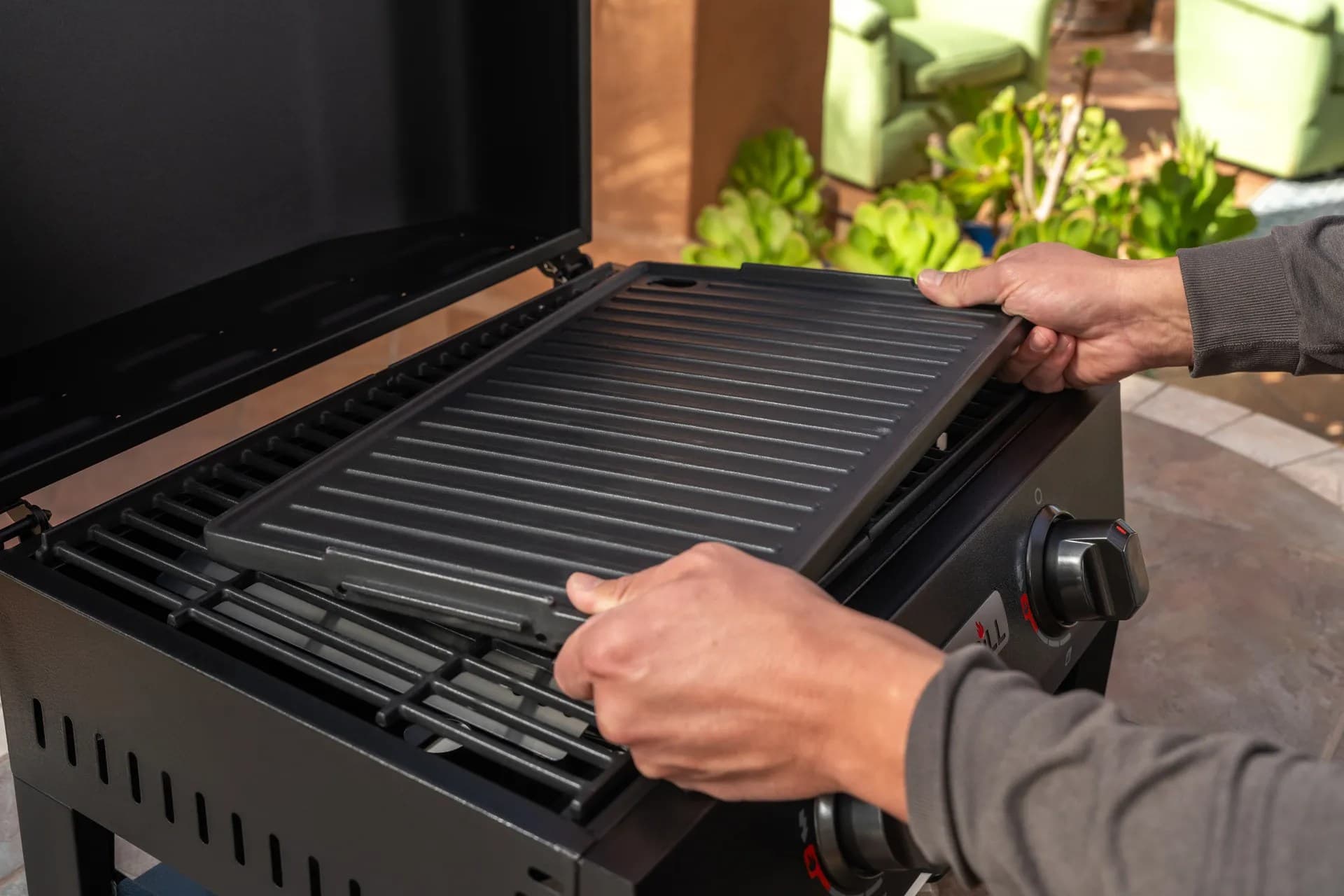
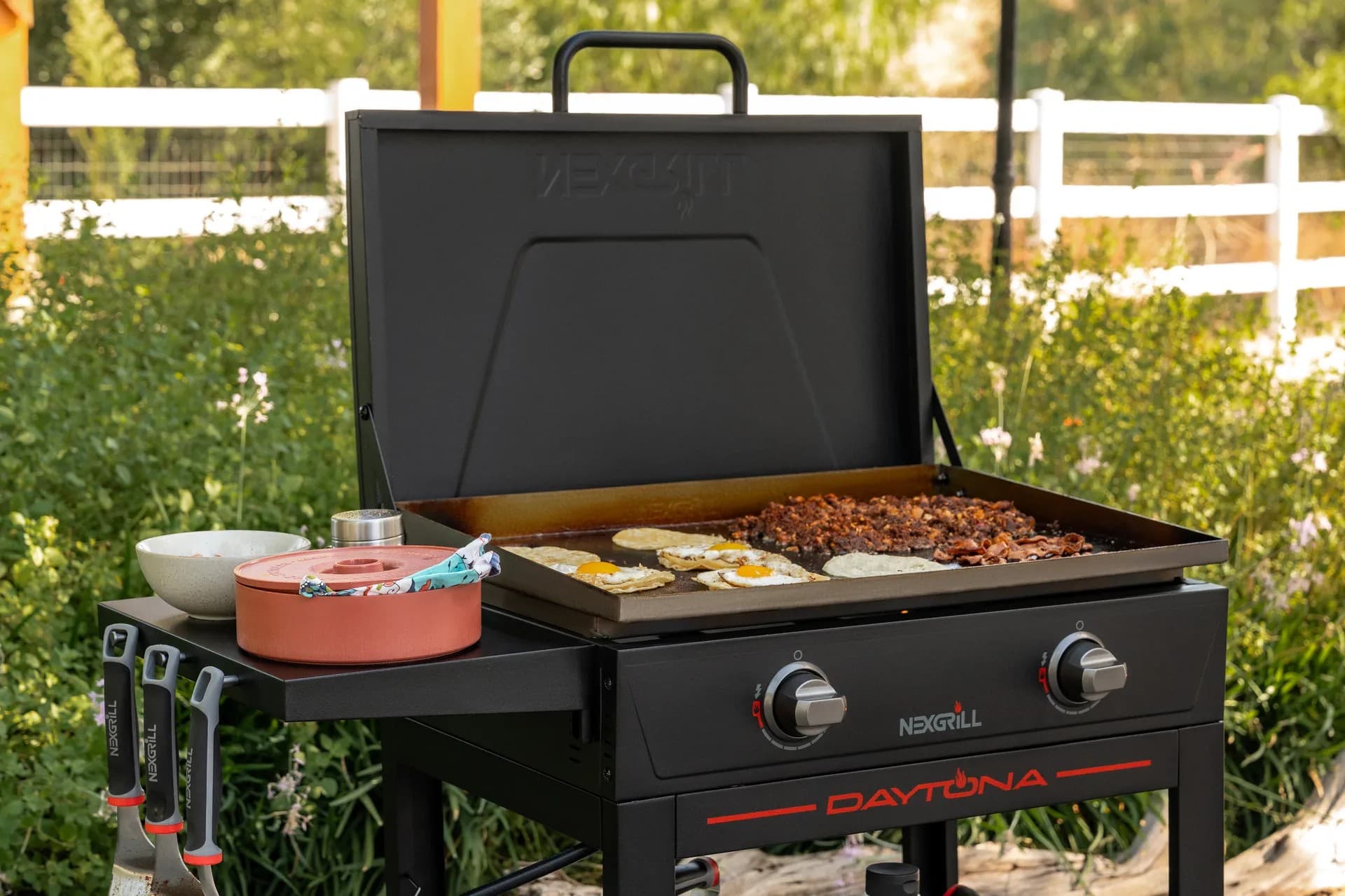
Be decisive here. If you routinely cook for eight to twelve people, a four-burner with roughly 400-550 sq in of primary space earns its place: it gives you a sear zone, a cook zone, and a rest zone at once. If you mostly grill for two or three and host twice a year, a two-burner is cheaper to run and easier to store, and this grill is more capacity than you need. If you want flat-top cooking for smash burgers and breakfasts as well as grates, a griddle such as the Daytona 4-burner griddle serves that crowd better than a conventional four-burner. Try comparing two products side by side below to see which fits best.
Once You've Compared Two Grills, Here's What Else Matters
Once you have weighed two options against each other - say a Gourmet Pro-labelled four-burner against the standard 4-burner propane gas grill with a stainless main lid - the decision usually comes down to things the spec sheet hides: assembly time, heat consistency front to back, and how much maintenance you will realistically do. Buyers commonly report assembly in the 1.5-2.5 hour range for four-burner carts with side shelves, so plan a two-person session rather than a solo afternoon.
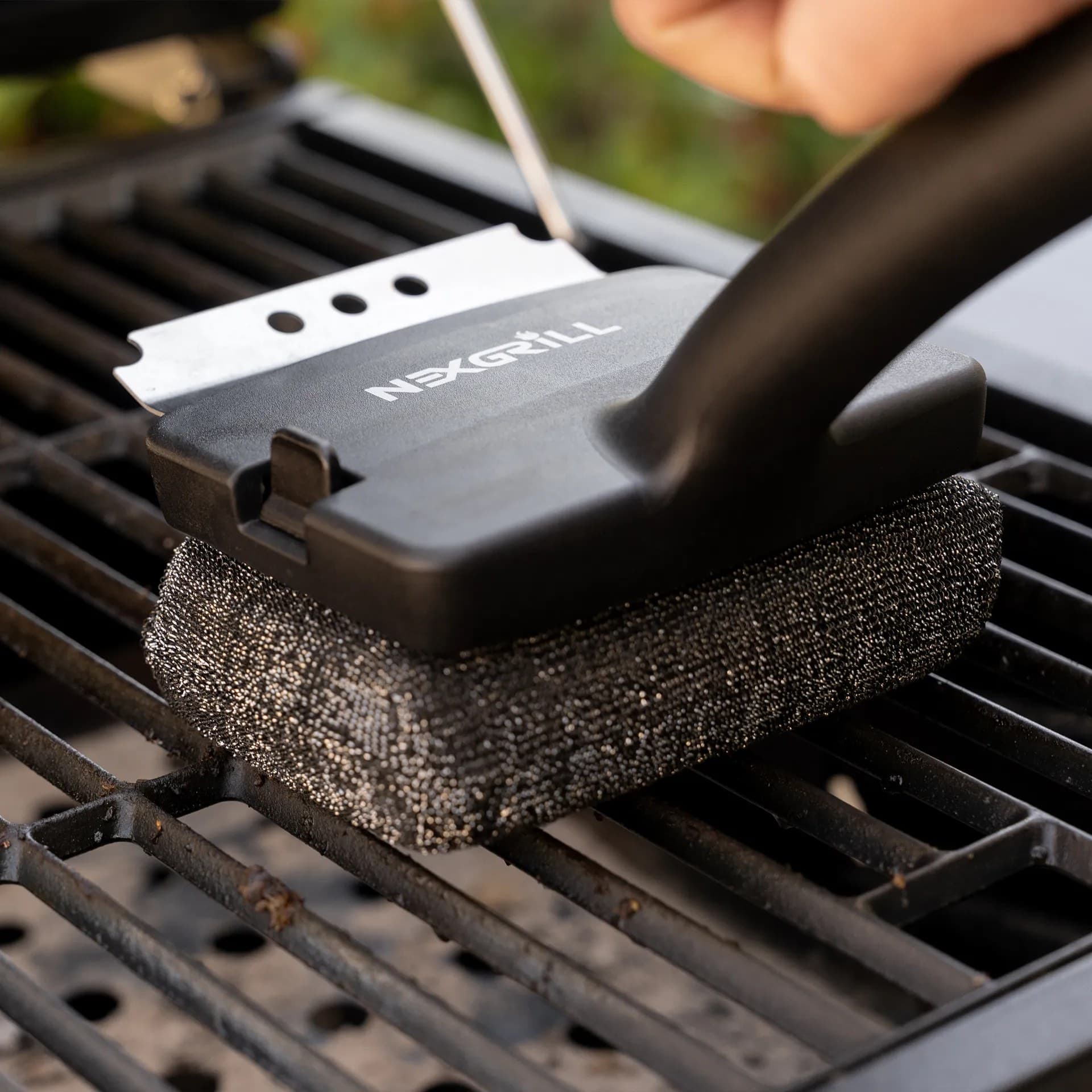
Heat consistency deserves real weight. A four-burner with a side burner can be the smarter pick if you regularly boil corn or keep a sauce warm while the main grates work - that side burner is a second cooking appliance, not a badge. If you never use one, skip it and put the money toward a cover and a quality grill brush instead.
Typical burn-in time before a first cook
Where Owners Actually Get Burned: Five Mistakes to Avoid
- Trusting the badge over the plate. Buying a "Gourmet Pro" without matching the model number to the listing can leave you with mismatched parts and no support path.
- Skipping the burn-in. Cooking on an unseasoned grill produces off flavours and sticking; the 35-minute routine fixes both.
- Ignoring front-to-back unevenness. Commonly reported on value four-burners - rotate food and use the cooler rear band for finishing.
- Leaving it uncovered in humid or coastal climates. Moisture accelerates corrosion on frames and burners; a cover is the cheapest longevity upgrade you can buy.
- Deferring burner and ignition maintenance. After a couple of seasons, clogged burner tubes and tired igniters cause most no-light complaints.
Tip: after every cook, brush the grates while warm. Empty the drip tray every two to three cooks - a full tray is a flare-up waiting to happen.
A 20-Minute Seasonal Checklist for a 4-Burner Nexgrill
Twice a year - spring opening and late-fall storage - spend twenty minutes on this sequence. It prevents the majority of season-start failures.
- Soapy-water leak test on the regulator and hose connections.
- Spider-check each burner tube: remove the tube, look for nests or debris, and clear the ports.
- Inspect igniter electrodes and gaps; clean and re-gap if the click is weak.
- Scrub grates, wipe the firebox, and empty the drip tray.
- Cover the grill for the off-season, and store the propane tank upright and outdoors.
Spec Claim vs. Rating Plate: How to Reconcile the Numbers
When a listing claims a BTU figure or cooking area that does not match your plate, trust the plate and the manual - they describe the unit you own. Use this quick reconciliation table before you cook or complain.
| Claim | Check against | If mismatched |
|---|---|---|
| Model name | Rating plate SKU | Contact seller before assembly |
| BTU output | Manual spec table | Use the manual figure |
| Cooking area | Measured grate dimensions | Plan capacity around the real number |
For food-safety timing, cook to internal temperature rather than guesswork - a 2-inch ribeye needs to hit the USDA-recommended minimum for the doneness you accept, and burgers should reach 160°F.
After the Verdict: Matching the Grill to Your Cookout Size
If your hosted cookouts run eight to twelve guests, a four-burner Nexgrill in this class is a sensible fit provided the plate confirms the specs you expect and you build the zone map. If your guest list is smaller or your patio is tight, a two-burner delivers the same cooking with less footprint. And if you want to trade some grill space for smoker versatility, the Oakford 875 Pro pellet smoker is a different tool for a different cookout. Whichever route you take, confirm the model, burn it in, map the zones, and keep the twenty-minute checklist on the calendar. Browse the full range at Nexgrill, and reach support if the plate and listing disagree.