Nexgrill 720-0925PG Review: How to Inspect, Run & Keep a Used 4-Burner Alive
A practical, owner-first guide to identifying a 720-0925PG, leak-testing a secondhand find, and knowing which parts fail first.
In This Article
Decode the Badge First
Run the Three Tests
Know What Fails First
Why the 720-0925PG Model Number Gets Searched So Often
Most grill searches are aspirational. This one usually isn't. If you typed 720-0925PG into a search bar, you are probably standing next to a grill you already own, or looking at a used listing you are about to drive across town to see. Four distinct readers land on this page: the owner who pulled the number off the badge behind the lid, the secondhand buyer who pasted it from a Marketplace photo, the parts hunter whose heat tents have rusted through, and the comparison shopper wondering whether a four-burner Nexgrill is worth it at all.
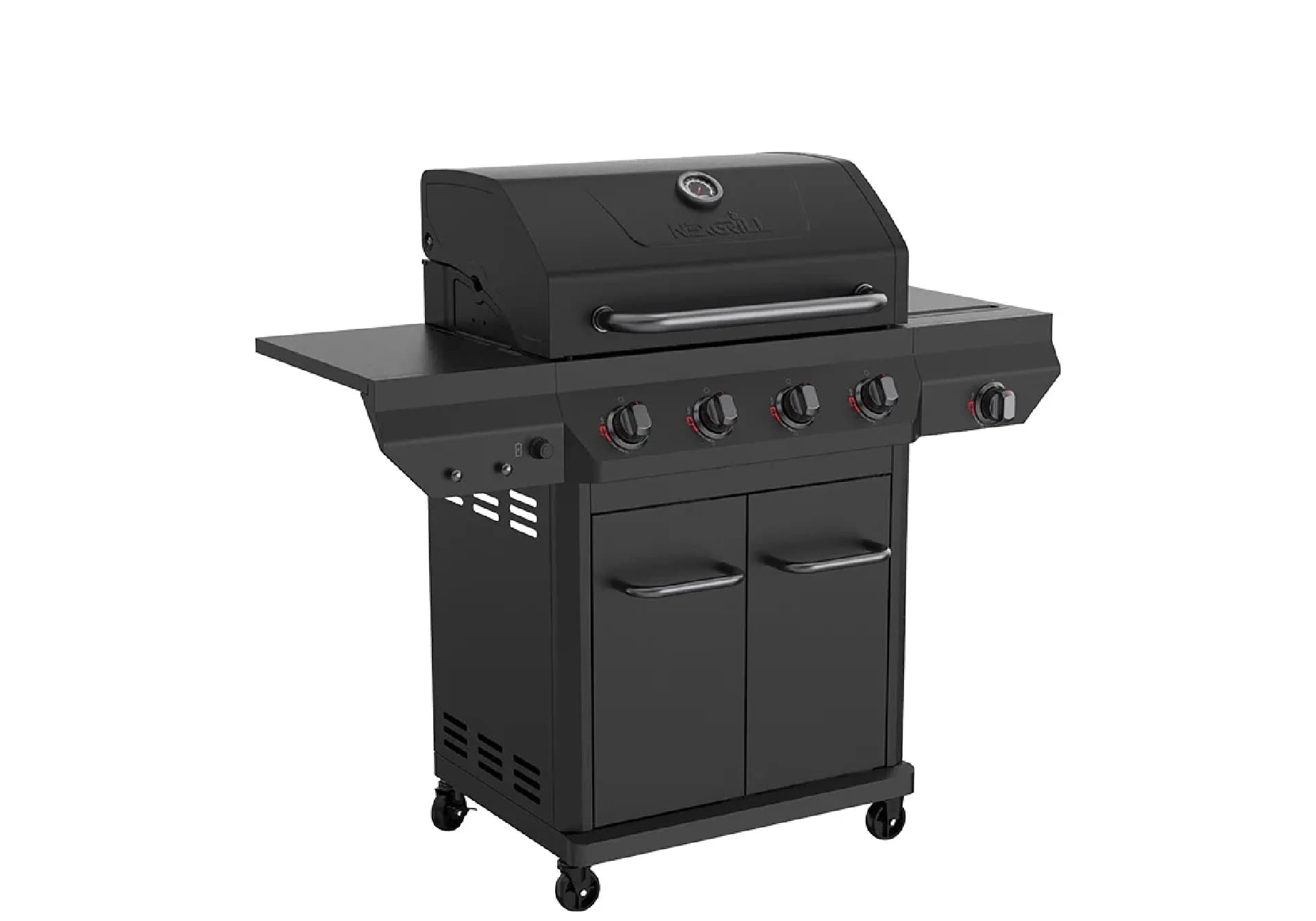
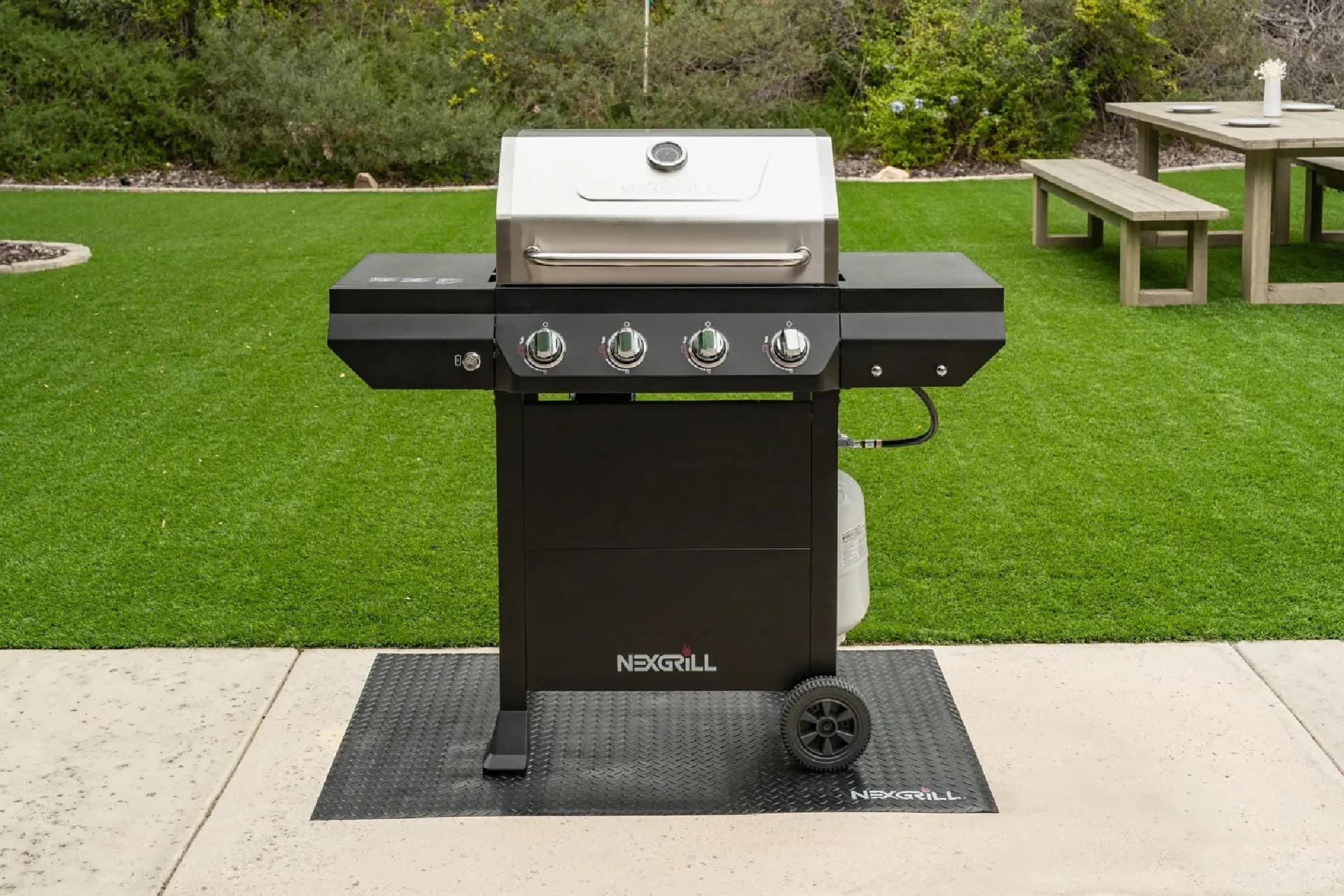
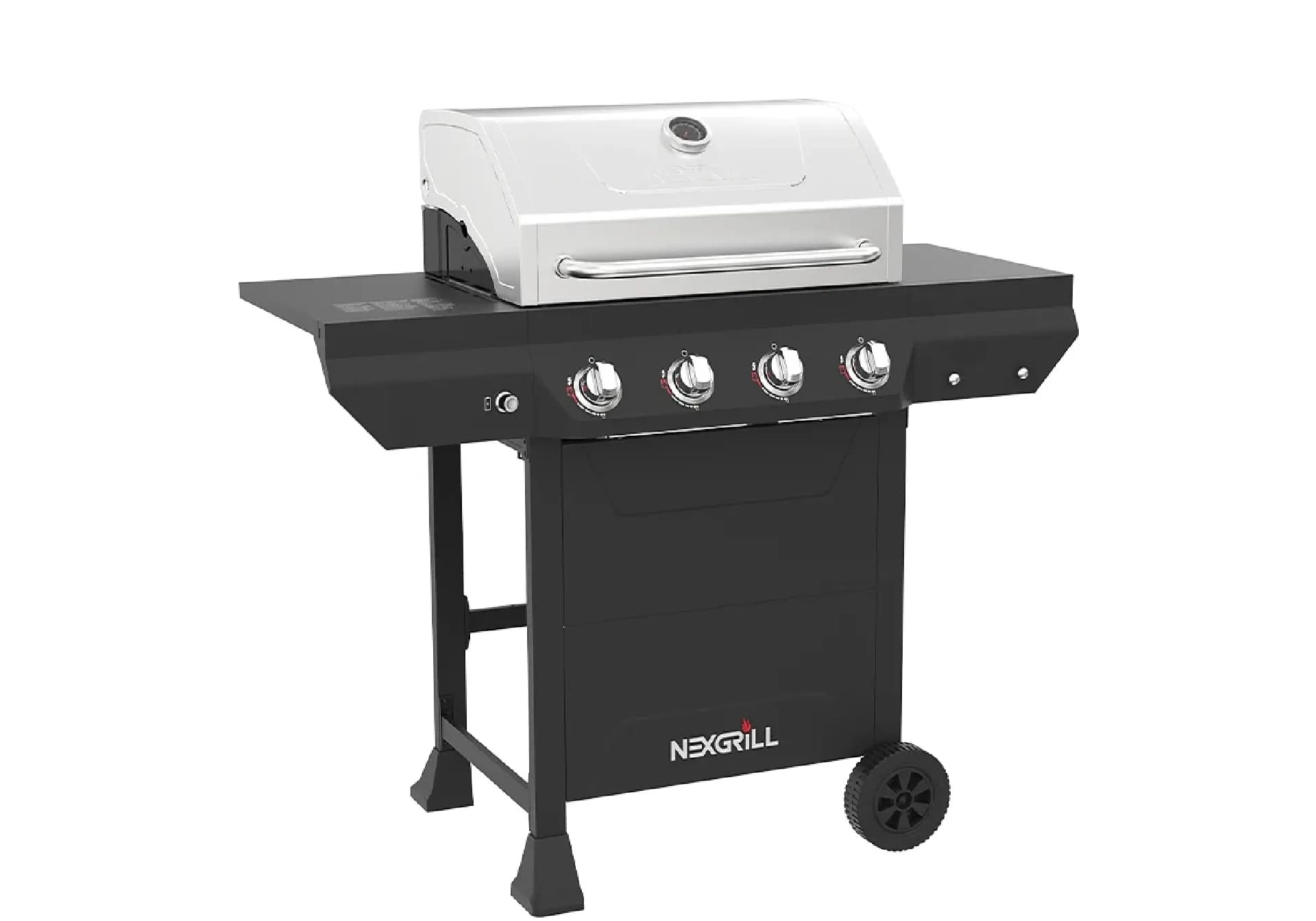
That fragmented intent is exactly why a straight spec recital is useless. Nexgrill does not surface a dedicated 720-0925PG product page today; searching the full catalogue returns the brand's current four-burner gas listings, and the closest present-day match in layout and packaging is the 4-Burner Gas Grill in Black with Stainless Steel Main Lid. BTU figures, grate dimensions, and warranty terms varied across production runs, so treat anything you read online as a starting point and confirm against the manual that shipped with your unit.
If you need the exact manual or a part number, the fastest route is a direct request through Nexgrill's contact page with your model number and serial ready.
Step 1: Decode the Badge - What '720-0925PG' Tells You Before You Lift the Lid
The number is not random. Read it in two halves. The leading 720 is the family prefix Nexgrill uses across a large block of its propane grills. The 0925 cluster identifies the specific configuration. And the PG suffix is the part most people miss: it denotes propane gas, not natural gas. That single detail decides which regulator, hose, and orifice set the grill needs - and it's the most common source of confusion when someone buys a used unit that was previously converted or partially rebuilt.
The 4 in the badge family points to a four-burner main cooking array, typically paired with a side burner on this class of cart grill. Before you lift the lid on any used unit, find the rating plate - usually a silver sticker on the back panel or inside the cabinet door - and photograph it. A plate that disagrees with the listing photos is your first red flag.
Where the 720-0925PG Actually Sits in Nexgrill's Line-Up
Nexgrill has been building outdoor cooking equipment since 1993 and now sells under both Nexgrill and KitchenAid badges, so the catalogue is wide. The 720-0925PG sits in the mainstream four-burner propane tier - the workhorse size for a household that grills two to three times a week and hosts a handful of larger cooks per season.
| Tier | Typical buyer | What matters most |
|---|---|---|
| 2-burner cart | Couples, balconies, weeknight cooks | Footprint, fast heat-up |
| 4-burner (720-0925PG class) | Families, regular hosts | Zone control, parts availability |
| Pellet smoker | Low-and-slow enthusiasts | Temperature stability over hours |
If you are comparison shopping rather than repairing, the current four-burner gas line and the Oakford 875 Pro Pellet Smoker Grill represent the two most common upgrade paths from this class.
Before You Fire It Up: The Three Things You Need in Place
- A spray bottle of soapy water - roughly one part dish soap to three parts water. This is your leak detector and it costs pennies.
- A known-good propane tank - not the one that came with a used grill unless you can see the date stamp and it is within certification.
- Twenty minutes of daylight - do not run these checks at dusk with a phone torch. You need to see bubbles and flame colour clearly.
Never leak-test with a flame. The U.S. Consumer Product Safety Commission is explicit that soapy-water testing is the correct method - a lit match near a fitting is how garage fires start.
Step 2: Run the Leak Test Before Anything Else
Connect the tank, then brush soapy water on every joint in the gas path: the tank valve thread, the regulator-to-hose connection, the hose-to-manifold fitting, and each burner tube inlet. Open the tank valve slowly - a quarter turn, then full. Watch for expanding bubbles. Slow, steady bubbling at the regulator means the diaphragm is tired; bubbling at a threaded joint usually means a missing or hardened O-ring.
This step matters more on a used grill than a new one because regulators and hoses age in the weather. A grill that sat uncovered for two winters in a Florida backyard and one stored in a California garage present very different risk profiles, and neither seller is going to mention it in the listing.
Step 3: Check the Igniter Spark and Burner Continuity
With the lid open and the gas off, press the ignition button and listen for a crisp tick at each collector box. Weak or silent clicks point to a corroded electrode or a cracked ceramic insulator - both replaceable. Then light the burners one at a time and read the flame. You want a blue body with a small orange tip and flame carrying evenly down the length of each tube. Yellow, lazy flames or a burner that lights and then lifts off the ports signals a blocked orifice or a spider nest in the venturi - common on grills stored outdoors.
Roughly one in four used gas grills inspected by experienced buyers needs an igniter or burner tube replaced before the first cook (owner-reported, varies by storage history)
Step 4: Inspect Grease Management and Heat Tents
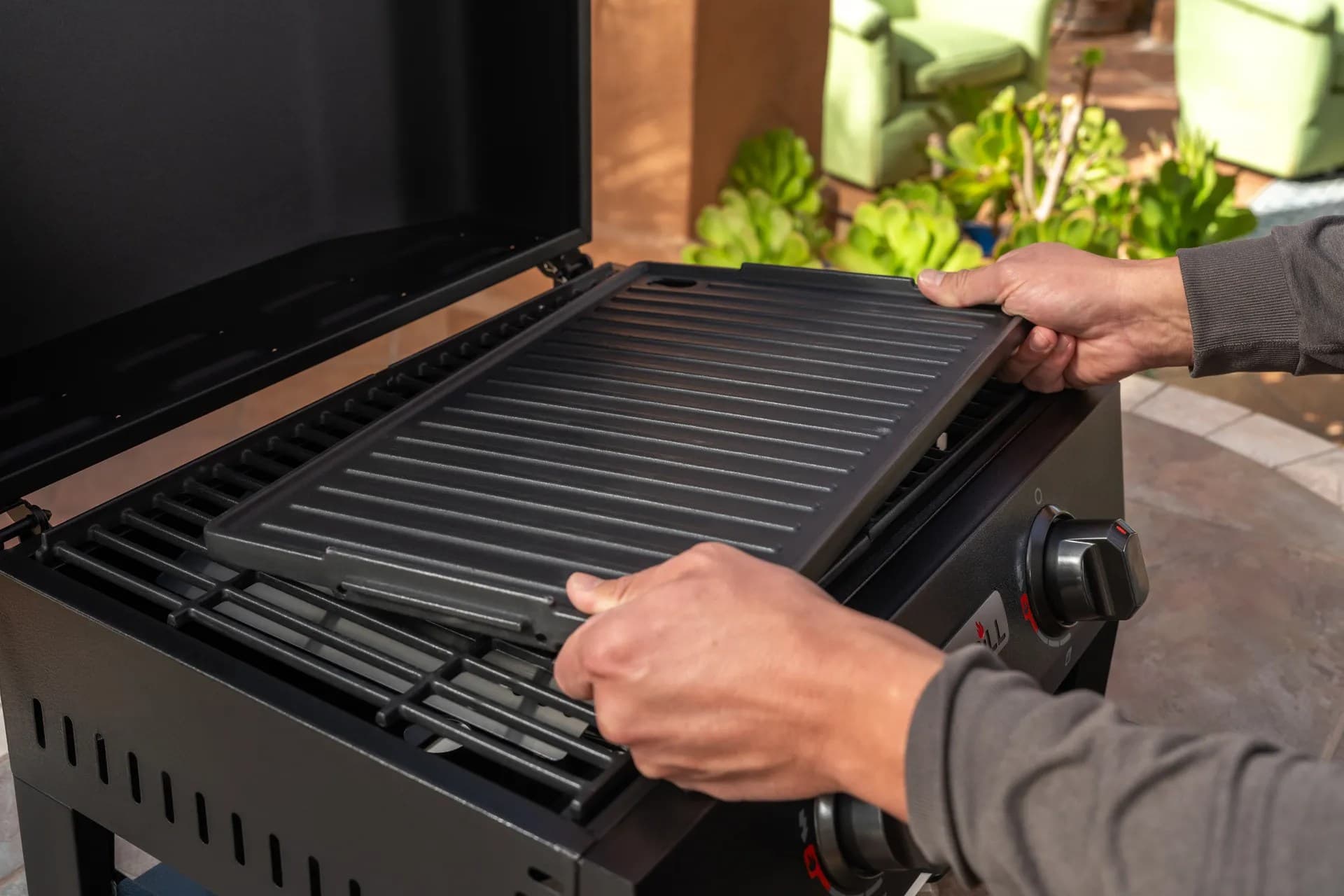
Pull the cooking grates and look at the heat tents (the angled metal shields above each burner). Surface rust is normal; rust-through holes are not, because dripping fat will hit the burner directly and flare. Then slide out the grease tray. A tray caked with a season of hardened fat tells you the previous owner never cleaned it, which usually means the cabinet floor has been damp and the cart is softer than it looks.
Step 5: The First Cook - What to Watch For in the First 20 Minutes
Preheat on high with the lid closed for ten to fifteen minutes, then drop to medium. Watch for a burner that won't hold a low setting, hot spots larger than a burger patty, or a temperature that climbs despite the knob being turned down - all signs of a worn valve. Start with something cheap and forgiving, like chicken thighs, before you commit a $40 ribeye to an untested grill.
Which Readers Should Compare Two Grills Side by Side
If you are repairing an existing 720-0925PG, run the steps above and you'll know within an hour whether it's worth saving. If you're the secondhand buyer, you're deciding between this grill and something else on the market. And if you're the comparison shopper, you're weighing a four-burner gas cart against a pellet smoker or a griddle entirely. All three of you can put two models head to head below to see which fits your cooking reality:
Once You've Weighed Two Options, Here's What Else Matters
A side-by-side comparison settles the headline question - burner count, footprint, fuel type. What it can't settle is how the grill behaves in year three. The 720-0925PG is a mainstream propane cart grill, and mainstream propane cart grills live or die on two things a spec sheet never shows: parts availability and owner discipline. A four-burner Nexgrill with a clean cabinet and fresh heat tents will outperform a fancier grill that sat uncovered. That's not brand loyalty talking; it's how weather and grease interact with steel.
Six Ways Owners Get the 720-0925PG Wrong
- Buying used without a leak test. The single most expensive shortcut. A failed regulator on first light is a $30 fix; a fire behind the cabinet is not.
- Skipping burner continuity. Owners light the front burner, see flame, and declare victory. The rear burner is where the spider nest lives.
- Fitting the wrong regulator. Because the badge says PG, it needs a propane regulator matched to the manifold - a swap from a different grill can run rich or starve the burners.
- Ignoring heat tents. Once they rust through, flare-ups become a weekly event and the burner takes the abuse.
- Overfilling the grease tray. Fat over the rim reaches the burner box and ignites. Empty it before it's full, not after.
- Storing uncovered. Rain into the cabinet is what kills carts, not cooking.
The cheap fix that saves the most grills: a cover and a quarterly heat-tent inspection. Ten minutes twice a year beats a full rebuild.
Buying Secondhand: What a $100 Marketplace Listing Really Tells You
A $100 four-burner listing is not automatically a steal or a trap. Ask three questions before you drive: Does the rating plate match the listing? Can the seller send a photo of each burner lit? Was it stored covered? A seller who can answer all three is usually a careful owner. One who can only say "it works fine" is asking you to gamble. Budget $60-$150 in parts on top of the purchase price for heat tents, an igniter, and possibly a regulator - that's the real cost of a used cart grill.
Parts Lifecycle: What Fails First and How to Plan Replacements
| Part | Typical failure order | What you'll notice |
|---|---|---|
| Heat tents | First (1-3 seasons, outdoors) | Rust-through, flare-ups |
| Igniter electrode | Second (2-4 seasons) | Weak or no tick |
| Cooking grates | Third (3-5 seasons) | Flaking, uneven sear |
| Regulator / hose | Variable (weather-dependent) | Sooty flame, low heat |
Order replacements by the model number on the plate, not by guessing. If a part is discontinued, Nexgrill support can tell you whether a current equivalent fits.
Does the 720-0925PG Need a Cover (And What Else Protects It)
Yes, and not just for cosmetics. A fitted cover keeps rain out of the cabinet, blocks UV that degrades hoses, and stops leaves clogging burner tubes. Beyond the cover, the highest-return habits are simple: brush grates while warm, empty the grease tray each cook, and run a full leak test at the start of each season rather than only on day one.
Registering the Grill and Finding the Manual
Registration and manual requests go through Nexgrill directly. Have your model and serial numbers ready - both live on the rating plate - and use the contact page. For background on the brand and its history, the About Us page is a useful starting point.
A Short Pre-Season Checklist You Can Run Yourself
- Soapy-water test at tank, regulator, hose, and manifold.
- Light each burner individually; check flame colour and carry.
- Inspect heat tents for rust-through; replace as a set.
- Clear burner venturis of debris and nests.
- Empty and wash the grease tray and cabinet floor.
- Wipe down and cover.
When It's Time to Move On From the 720-0925PG
A grill is worth saving until the cart frame softens, two or more burners won't hold a setting, or the firebox develops rust-through. At that point, parts cost approaches the price of a current four-burner model, and the Nexgrill catalogue has direct replacements. If your cooking has shifted toward low-and-slow, that's a different decision entirely - a pellet smoker is the right tool, and comparing the two before you spend is the honest move.