Nexgrill Gourmet Pro 5-Burner Review: Is This Mid-Priced Gas Grill Worth It?
A practical buyer's review arc for the Gourmet Pro 5-burner - how to verify the exact SKU, how to set it up safely, what to check before you buy, and which parts fail first.
In This Article
Verify the SKU First
BTU Per Square Inch Wins
Parts & Cover Matter
Nexgrill Gourmet Pro 5-Burner Review: What This Grill Actually Is (And How to Confirm Yours)
Nexgrill has marketed Gourmet Pro configurations through retail channels rather than as a single fixed catalog item, so burner output, grate material, cart style, and side-burner layout can shift between the box at a warehouse club and the one on a Home Depot floor at the same time. A review that quotes one BTU figure as if it applies to every Gourmet Pro 5-burner will mislead you about half the units actually on sale.
This review is an evaluator's guide: what the grill is in its typical five-burner form, how to confirm which version you are looking at, how to assemble and first-fire it safely, and where the design tends to frustrate owners after the first season. Nexgrill has built outdoor cooking equipment since 1993, grew out of furniture manufacturing in California, and now operates under Global Leisure following a merger with Megamaster. Its primary U.S. retail anchor remains Home Depot, which is why channel-specific SKUs are common.
A five-burner Gourmet Pro in this class typically lands in the 45,000 to 60,000 BTU range with 550 to 700 square inches of primary cooking surface. Treat those as category ranges until you read the rating plate on the actual unit.
Why the 'Gourmet Pro' Name Needs a Model Check Before You Buy
Retail-exclusive lines let a retailer offer a differentiated package without competing with identical stock next door. Two boxes both labeled Gourmet Pro 5-burner can differ in whether the fifth burner is a main burner or a side burner, whether the lid is stainless or painted steel, whether the cart is open-shelf or closed-cabinet, and whether the warranty runs three years or five on specific components. A spec sheet pulled from a forum post is close to worthless. The only authoritative source is the model number printed on the carton and repeated on the rating plate riveted to the firebox or rear cart panel.
Before You Buy or Unbox: Four Prerequisites to Nail Down
Fuel, Footprint, Ignition, and the Rating Plate
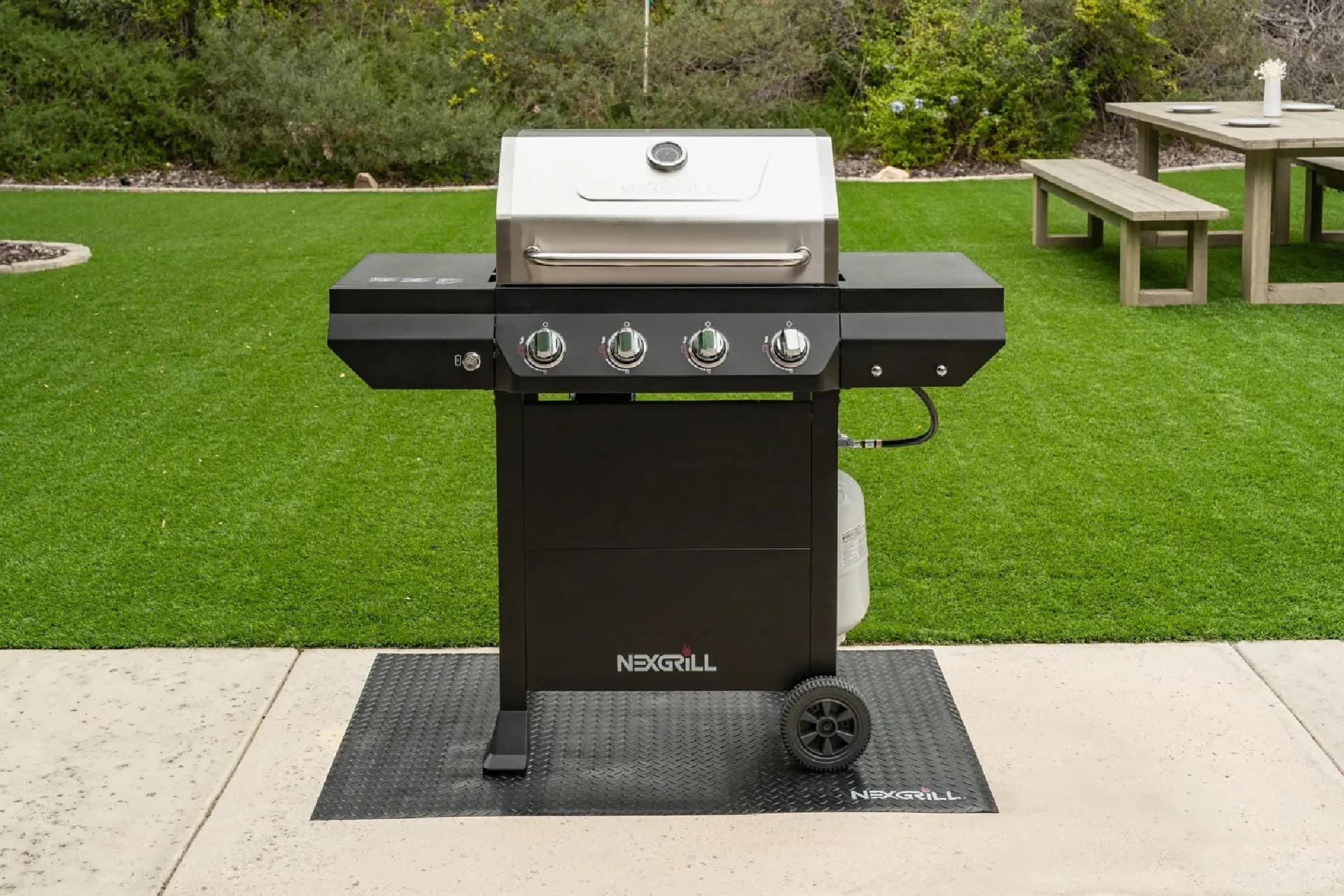
First, fuel: most five-burner grills at this price run on a standard 20 lb propane cylinder, and some models are convertible to natural gas - confirm which, because a natural gas unit needs a fixed supply line and a licensed connection. Second, footprint: a five-burner with side shelves commonly measures around 55 to 65 inches wide with the lid closed and shelves deployed, so measure your patio slab or deck rail before delivery day. Third, ignition: battery-powered push-button ignition is the norm; some units carry a second or third igniter, and knowing how many ship in the box tells you how many points of failure you will eventually service.
Fourth, get the model number before you buy if you can. Ordering online? Screenshot the listing including the model number field. Buying in store? Photograph the carton label and the floor display's rating plate. That single photo becomes your reference for assembly guidance, parts orders, and any warranty conversation for years.
Step-by-Step: How to Assemble and First-Fire a Gourmet Pro 5-Burner
Step 1 - Identify the Model Number on the Carton and Rating Plate
Before opening anything, find the model number on the carton's end panel and match it to the rating plate on the grill itself. Write it down. Assembly manuals are model-specific, and a mismatched manual is the most common reason people install a heat shield backwards or route the manifold incorrectly.
Step 2 - Read the Spec Label Before You Build Anything
The spec label gives you rated BTU per burner, total output, minimum clearance to combustibles, and the gas type the unit is set for at the factory. Clearance matters more than most buyers expect: overhead and side clearance to siding, railings, and vinyl fencing is specified for a reason, and ignoring it is a genuine fire risk.
Step 3 - Assemble in Load-Bearing Order (Cart, Lid, Manifold, Burners, Grates)
Build in the order the manual specifies: cart and legs first, then the firebox and lid, then the manifold and burner tubes, then heat distribution bars, then cooking grates and side shelves last. Two adults and a folding table make this dramatically faster. Expect 60 to 120 minutes for a five-burner depending on whether the cart arrives pre-fitted.
Step 4 - Leak-Test Every Connection With Soapy Water
Mix a 50/50 solution of liquid dish soap and water, brush it onto the cylinder-to-regulator connection, the regulator-to-manifold hose, and any threaded joint, then open the cylinder valve with the burner knobs off. Bubbles that grow mean a leak. Tighten, re-test, and if it persists, stop and contact the retailer or Nexgrill support before lighting anything. Propane handling guidance from the U.S. Consumer Product Safety Commission treats this as baseline practice.
Never leak-test with a flame. Soapy water or a commercial leak detector solution only, and always outdoors in a ventilated area away from ignition sources.
Step 5 - Burn Off and Season for 15 Minutes, Then Probe the Ambient Temp
Close the lid, light all burners on high, and let the grill run 15 minutes to burn off manufacturing oils. After it cools slightly, place an oven thermometer or a probe with an ambient clip at grate level over the center and both ends. Note the spread. A five-burner with an even spread of 15 to 25 degrees across zones is doing well; wider spreads tell you where your hot and cool zones live.
The Five Mistakes That Ruin a 5-Burner Gas Grill's First Season
Mistake 1 - Buying on BTU Alone
Headline BTU tells you fuel consumption potential, not searing power. Divide total rated BTU by usable square inches to get heat density, and weigh that against the mass of the cooking grates. Cast iron and heavy stainless grates hold heat and recover faster under a cold steak; thin wire grates at the same BTU will sag under load.
Mistake 2 - Skipping the Leak Test Because 'It Came Pre-Assembled'
Pre-assembled means someone tightened the cart and lid. It does not mean the regulator connection survived shipping vibration. Two minutes with soapy water is the cheapest insurance in grilling.
Mistake 3 - Over-Tightening the Regulator
The QCC-1 coupling on a 20 lb cylinder is designed to seal by hand - roughly a quarter turn past contact. Using a wrench to force it can distort the seal and create the exact leak you were trying to avoid.
Mistake 4 - Assembling on Grass or Soft Ground
A five-burner firebox is heavy. Building on soft ground means the legs sink unevenly, bolts cross-thread, and the finished grill sits out of level, which affects grease drainage and burner alignment.
Mistake 5 - Never Registering the Product or Buying a Cover
Registration is how a manufacturer can reach you about parts and service, and it streamlines any warranty claim. A fitted cover is the single highest-return accessory you can buy in a humid or coastal climate - moisture and UV are what kill cart finishes, igniters, and thermometers long before burners wear out.
How a 5-Burner Compares to a 4-Burner (And Which One You Actually Need)
Two-Zone Searing, Indirect Cooking, and the Side Burner Question
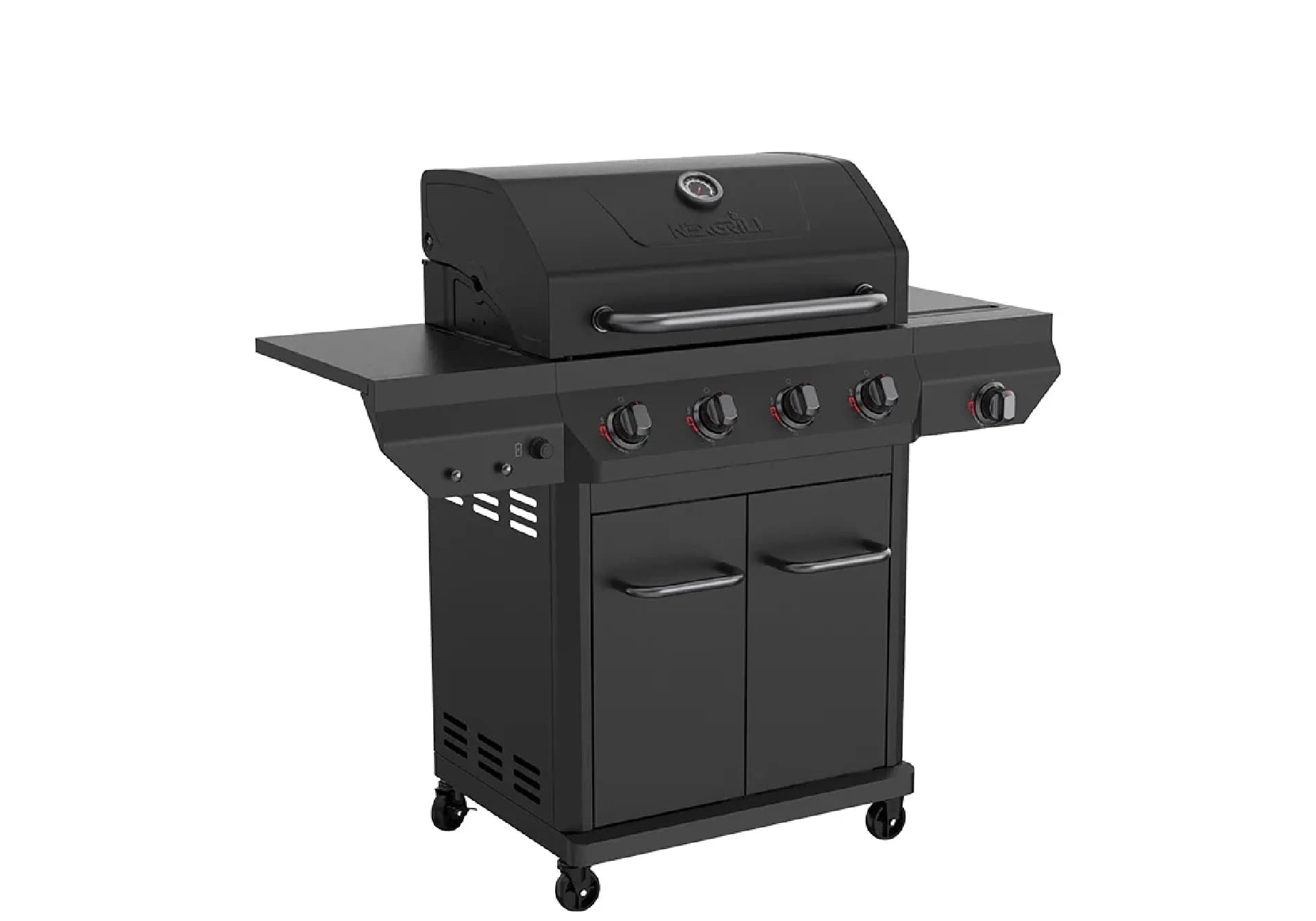
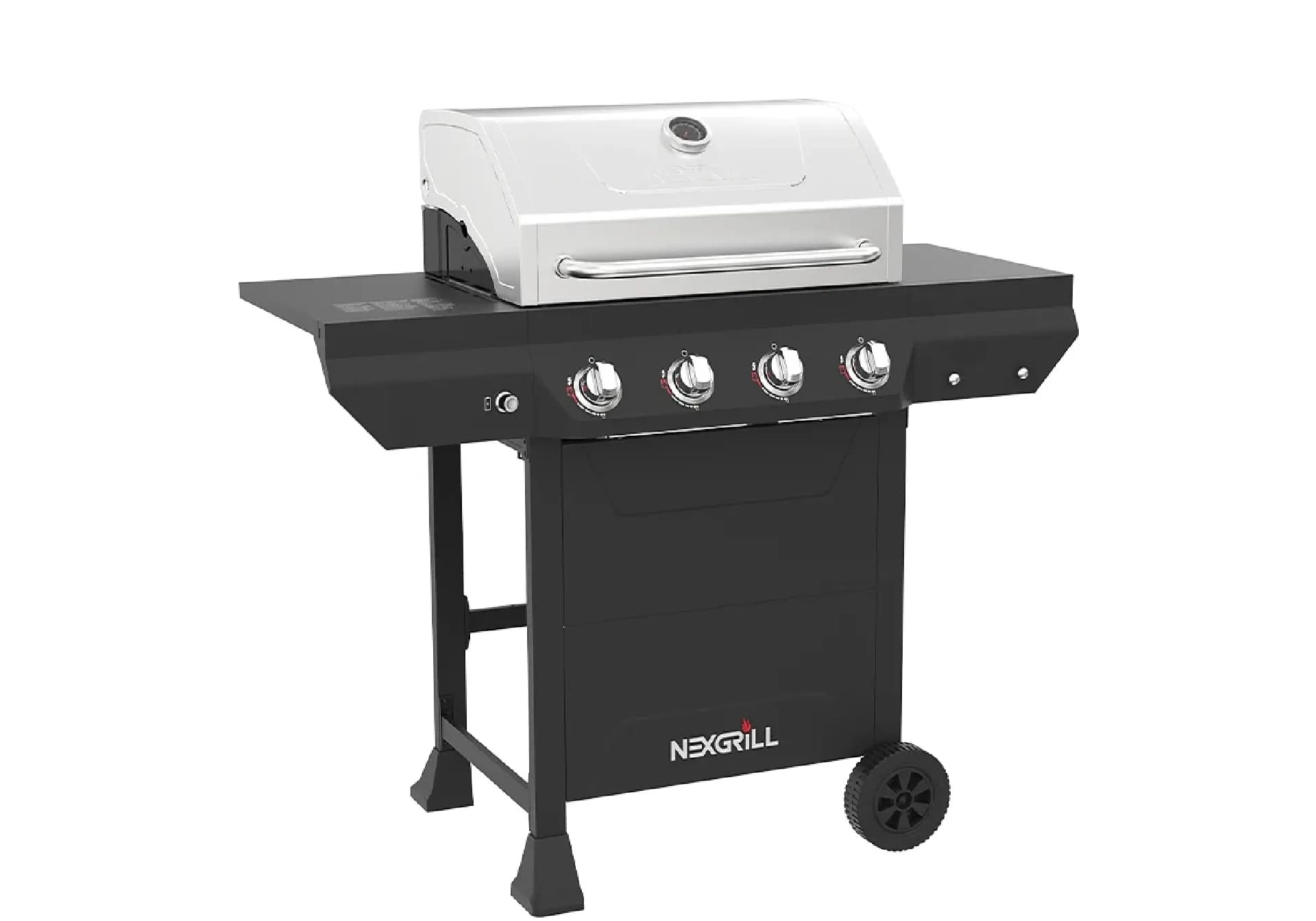
The practical argument for five burners is zone control, not raw size. With five tubes you can run two high for searing, two low or off for indirect, and one for a warming or finish zone - simultaneously. A four-burner forces you to compromise when cooking a large meal. If your typical cook is burgers and chicken for four people, a four-burner such as the 4-Burner Propane Gas Grill in Black will do the job, and the 4-Burner with Side Burner adds a separate burner for sauces and sides without stepping up to a full five-burner footprint.
Nexgrill vs. Weber and Char-Broil at This Price Tier: An Honest Read
Weber's Spirit and Genesis lines are the benchmark many shoppers compare against, and Char-Broil competes hard at the same price points. The fair comparison is not brand prestige but what your dollar buys in burner count, cooking area, and included features. At a given price, Nexgrill and Char-Broil typically deliver more burners and more square inches than a comparably priced Weber, while Weber tends to win on fit, finish consistency, and long-term parts availability through its own dealer network. If you want maximum cooking capacity per dollar, the value tier wins. If you want the least chance of a frustrating assembly experience, the premium tier earns its premium.
Quick Pre-Purchase Checklist
- Model number photographed from the carton and rating plate
- Gas type confirmed: propane cylinder or natural gas line
- Total and per-burner BTU read from the spec label, not a listing
- Usable square inches of primary cooking surface at grate level
- Grate material and thickness assessed in person if possible
- Side burner present or absent - decide whether you will actually use it
- Cart style: open shelf for airflow, closed cabinet for concealed storage
- Warranty length per component, read for the specific model
- Cover and griddle insert availability confirmed before purchase
- Patio clearance measured against the spec label minimums
Try Comparing Two Products Side by Side Below to See Which Fits Best:
Once You've Weighed Two Options Against Each Other, Here's What Else Matters
A side-by-side comparison settles which box wins on burners, area, and price for your patio. What it cannot settle is whether a five-burner gas grill is the right category for how you actually cook. The sections below cover who this grill genuinely suits, how to evaluate competing five-burners, which parts fail first, and when a different Nexgrill product is the smarter buy.
Who Is the Gourmet Pro 5-Burner Actually For? Three Buyer Profiles
Profile A - The Weeknight Family Cook Who Entertains Twice a Month
You grill three or four nights a week for four to six people and host a larger group roughly twice a month. Five burners pays off here because you can run a two-zone sear for proteins while keeping a low zone for vegetables and a warming corner for finished food. A four-burner can be pushed to do this, but you will feel the constraint on nights you cook three different things at once. This is the core profile the Gourmet Pro class is designed for.
Profile B - The Home Depot Shopper Who Wants 5 Burners Under $700
Your constraint is budget-first, capacity-second. At a mid-tier price you are trading premium cart materials and a heavily damped lid for greater burner count and cooking area. That is rational if you accept two consequences: you will likely replace igniters and possibly a burner within five years, and you should register the product at purchase and buy the fitted cover immediately. Confirm the current price and included features on the live listing, since channel-exclusive SKUs and promotional pricing change seasonally. For genuine parts and service, the Nexgrill contact and support page is the correct first stop, and current five-burner options are listed in the full product catalogue.
Profile C - The Advanced Cook Considering a Griddle or Pellet Smoker Instead
You already own a gas grill, or you primarily want flat-top searing and smash burgers, or you are chasing smoke flavor. If any of those describe you, a five-burner gas grill is likely the wrong second purchase. Flat-top cooking has its own category now, and smoke flavor requires an entirely different fuel path.
What to Look For When Comparing 5-Burner Gas Grills
Heat Density, Not Headline BTU
Divide total rated BTU by usable square inches. A 60,000 BTU grill with 700 square inches delivers roughly 86 BTU per square inch; the same output on a 500 square inch surface delivers 120. The denser figure sears harder and recovers faster when you load cold meat.
Grate Material and Thermal Mass
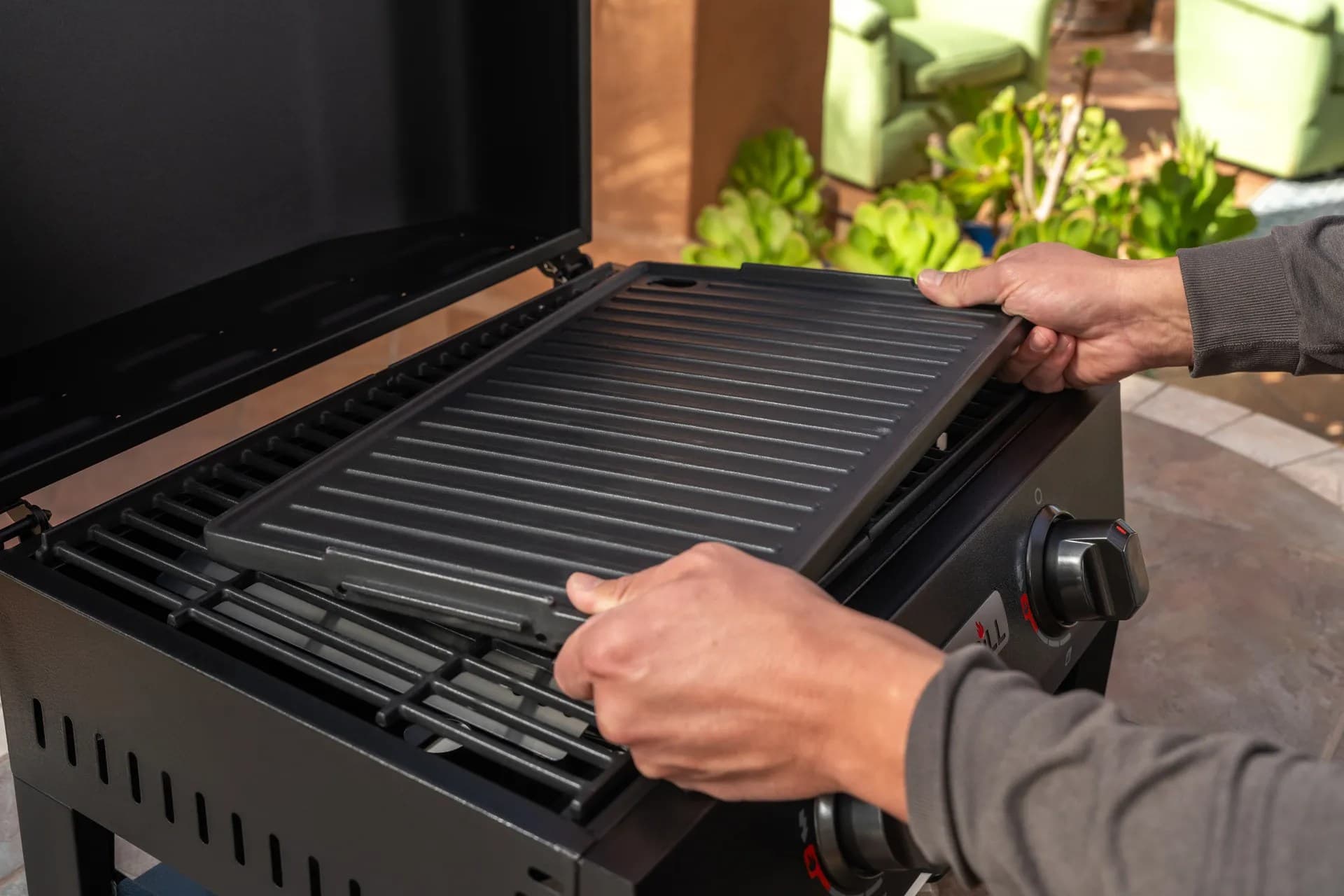
Porcelain-coated cast iron delivers the best sear marks and heat retention but requires prompt cleaning and dry storage. Heavy stainless is more forgiving of neglect and resists chipping. Thin wire grates are the budget compromise and the first thing experienced cooks upgrade. When you inspect a floor model, press down on a grate end - deflection tells you the gauge.
Burner Construction and Ignition Type
Stainless burner tubes generally outlast aluminized steel, particularly in coastal or high-humidity climates. On ignition, count how many burners each igniter actually covers. A single igniter that must reach across five burners is a weak design; multiple igniters or a crossover ignition system is more robust and easier to service.
Cart Style, Cabinet vs. Open, and Storage Reality
A closed cabinet conceals a propane tank but traps moisture and limits airflow. An open cart dries faster and is easier to inspect for rust at the welds. Coastal buyers usually do better with open carts; buyers in dry climates rarely notice the difference.
Warranty Terms - Read Them Per Model, Not Per Brand
Warranty coverage in this tier is frequently component-specific: burners may carry a longer term than the cart, the lid, or the ignition system. A brand-level warranty claim is meaningless without the model number, because channel-exclusive SKUs can carry different terms. Always match the warranty document to the SKU on your carton.
| Evaluation Factor | What to Check | Why It Matters |
|---|---|---|
| Heat density | Total BTU divided by usable sq. in. | Predicts sear and recovery performance |
| Grate mass | Press the grate end; check thickness | Thicker grates hold heat under load |
| Burner material | Stainless vs. aluminized steel tubes | Corrosion resistance in humid climates |
| Igniter coverage | How many burners per igniter | Fewer cross-ignitions means easier service |
| Warranty by component | Read the SKU-specific document | Terms vary by channel and model |
Which Parts Wear Out First on a Nexgrill 5-Burner - and How to Find Them
Burners, Igniters, Flavorizer Bars, Regulator, and Thermometer
In order of typical failure: igniters first (battery, electrode, or wire), then flavorizer or heat distribution bars as they corrode through, then burner tubes at the pinhole stage, then the regulator, then the lid-mounted thermometer. Order by model number rather than brand name, because a burner tube for one Gourmet Pro SKU may not fit another. Photograph your rating plate once and keep the photo in your phone - it turns a fifteen-minute parts hunt into about ninety seconds.
The Parts and Service Path Through Nexgrill and Home Depot
If you bought through Home Depot, start there for returns within the retail window, then move to Nexgrill support for out-of-window parts. Have your model number, serial number, and proof of purchase ready. Nexgrill's support channel is the authoritative route for component-level parts, and the company's history - founded in 1993, now part of Global Leisure following the Megamaster merger - is why a broad parts network exists behind a mid-priced grill.
Accessories Worth Buying: Cover, Griddle Insert, and KitchenAid-Adjacent Gear
Cover First, Griddle Second, Rotisserie Only If You'll Use It
A fitted cover is the highest-return accessory, full stop. Second is a griddle insert sized to your grate configuration - it turns one or two burner zones into a flat-top for breakfast and smash burgers. Rotisserie kits are excellent but only if you genuinely cook whole birds and roasts; if you have to talk yourself into it, skip it. Nexgrill also produces KitchenAid-branded grilling equipment, so accessory shopping across both brand lines is worth a look.
Real-World Use Cases: Two-Zone Searing, Weekend Batch Cooking, and Holiday Grilling
A 90-Minute Saturday Cook on a 5-Burner, Step by Step
1. Preheat all burners on high, lid closed, 10-12 minutes.
2. Zone A (burners 1-2): leave high for searing.
3. Zone B (burners 3-4): set to medium for vegetables and sides.
4. Zone C (burner 5): low or off as a warming zone.
5. Sear proteins on Zone A, 2-3 minutes per side, then move to Zone C.
6. Cook sides on Zone B while proteins rest.
7. Finish and sauce on Zone B, then shut down all burners and close the lid.
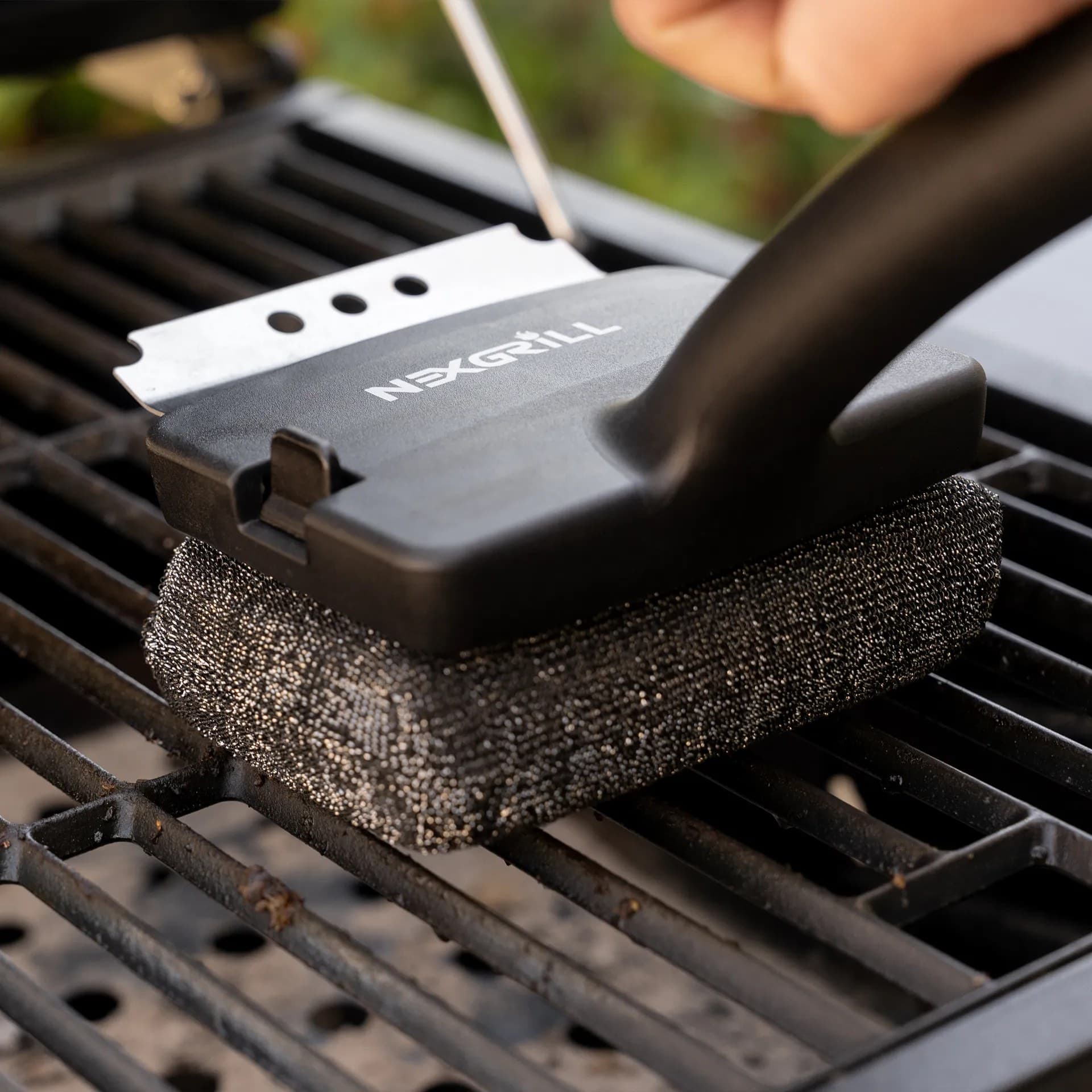
8. Brush grates while warm, then cover the grill once cooled.
Cost of Ownership Over Five Years: Fuel, Parts, and Cover Math
| Cost Category | Typical 5-Year Estimate (USD) | Notes |
|---|---|---|
| Propane refills or exchanges | $300 - $700 | Highly usage-dependent; estimate only |
| Fitted cover | $30 - $60 | One-time; extends cart and igniter life |
| Igniter and battery replacement | $20 - $50 | Usually the first service item |
| Flavorizer or heat bars | $30 - $70 | Corrode at differing rates by climate |
| Burner tubes (if replaced) | $60 - $120 | Order by exact model number |
Add the cover cost to your purchase decision, not your later shopping list. It is the cheapest way to defer everything else in this table.
When to Skip the Gourmet Pro and Buy a Different Nexgrill Instead
If You Want Flat-Top Cooking, Look at the Daytona Pro Line
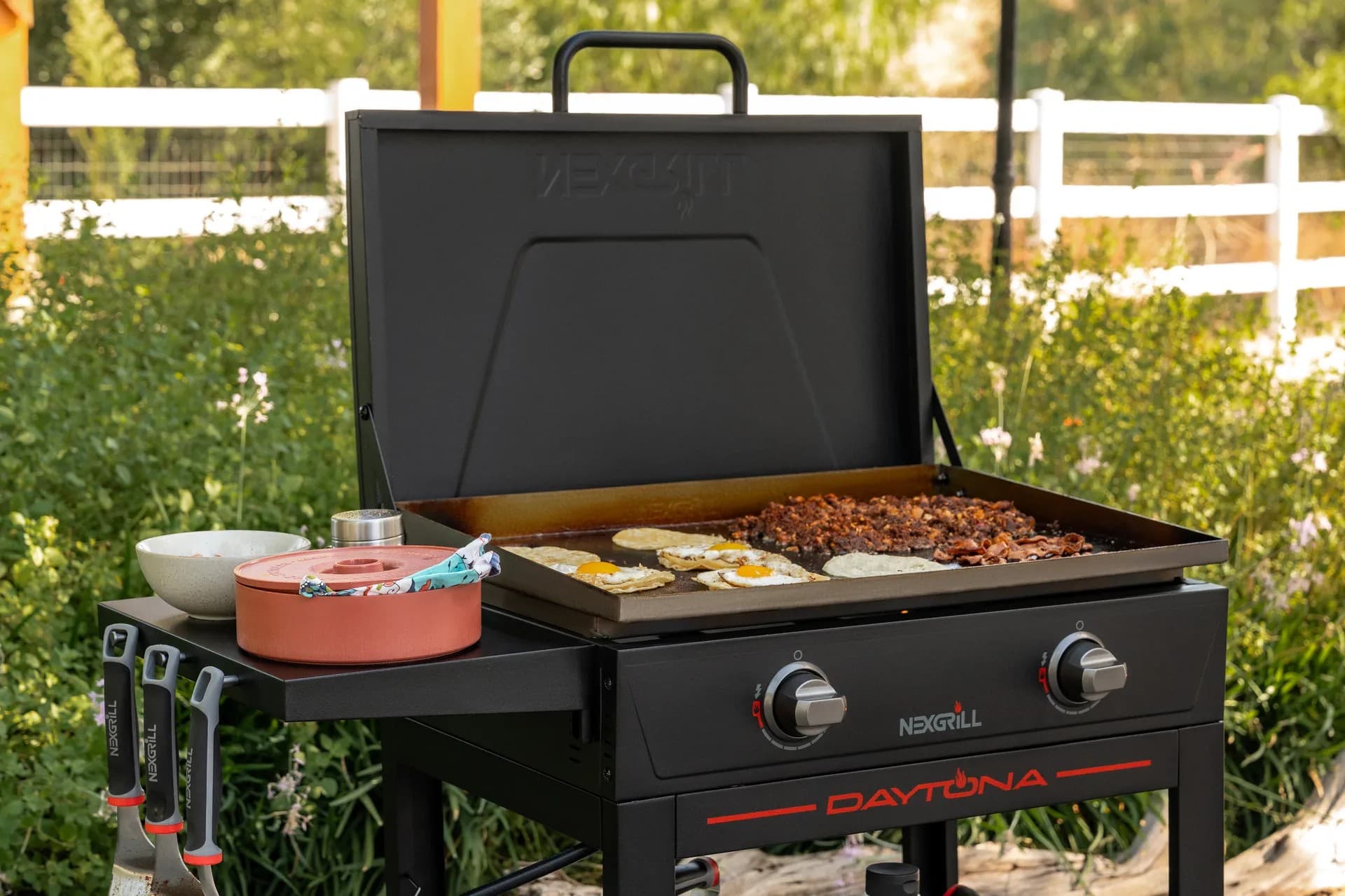
Flat-top griddling is a distinct cooking method, not a gas grill accessory use case. If breakfast, smash burgers, and stir fry are your priorities, the Daytona Pro 5 Burner NitroGuard Propane Gas Griddle is the purpose-built answer, and a five-burner gas grill will fight you on every cook.
If You Want Smoke Flavor, Look at the Oakford Pellet Smokers
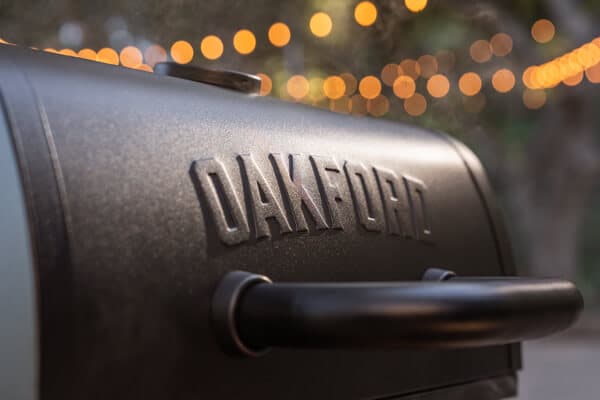
No gas grill produces real smoke flavor, regardless of how many burner tubes it has. If that is the goal, the Oakford 875 Pro Pellet Smoker Grill or the larger Oakford 1125 Pro Pellet Smoker Grill is the correct category. A five-burner gas grill remains the faster weeknight tool, so many owners eventually run both.
If You Want Charcoal, Look at the Oakford Homestead 24
Charcoal delivers high-heat searing and a flavor profile gas cannot match, at the cost of startup time and cleanup. The Nexgrill Oakford Homestead 24 Heavy Duty Charcoal Grill is the traditionalist's path. If you grill several nights a week, the convenience math usually still favors gas, so be honest about your actual schedule before switching fuels.
Final Verdict: Buy, Wait, or Buy Something Else
Buy the Gourmet Pro 5-burner if you want maximum cooking area and zone flexibility per dollar, you have the patio space, and you accept that this tier rewards owners who register the product, cover it, and order parts by model number. Wait if you cannot confirm which SKU you are looking at - that uncertainty is a real risk at this price point and a five-minute call or photo resolves it. Buy something else if your real priority is flat-top cooking, smoke flavor, or charcoal searing, because those are different categories with purpose-built Nexgrill products that will serve you far better than a five-burner gas grill pressed into a job it was not designed for.
For the current five-burner lineup, parts support, and brand background, start with the Nexgrill homepage and the About Us page.