A comprehensive guide to utilizing smart grills for enhanced outdoor cooking experiences.
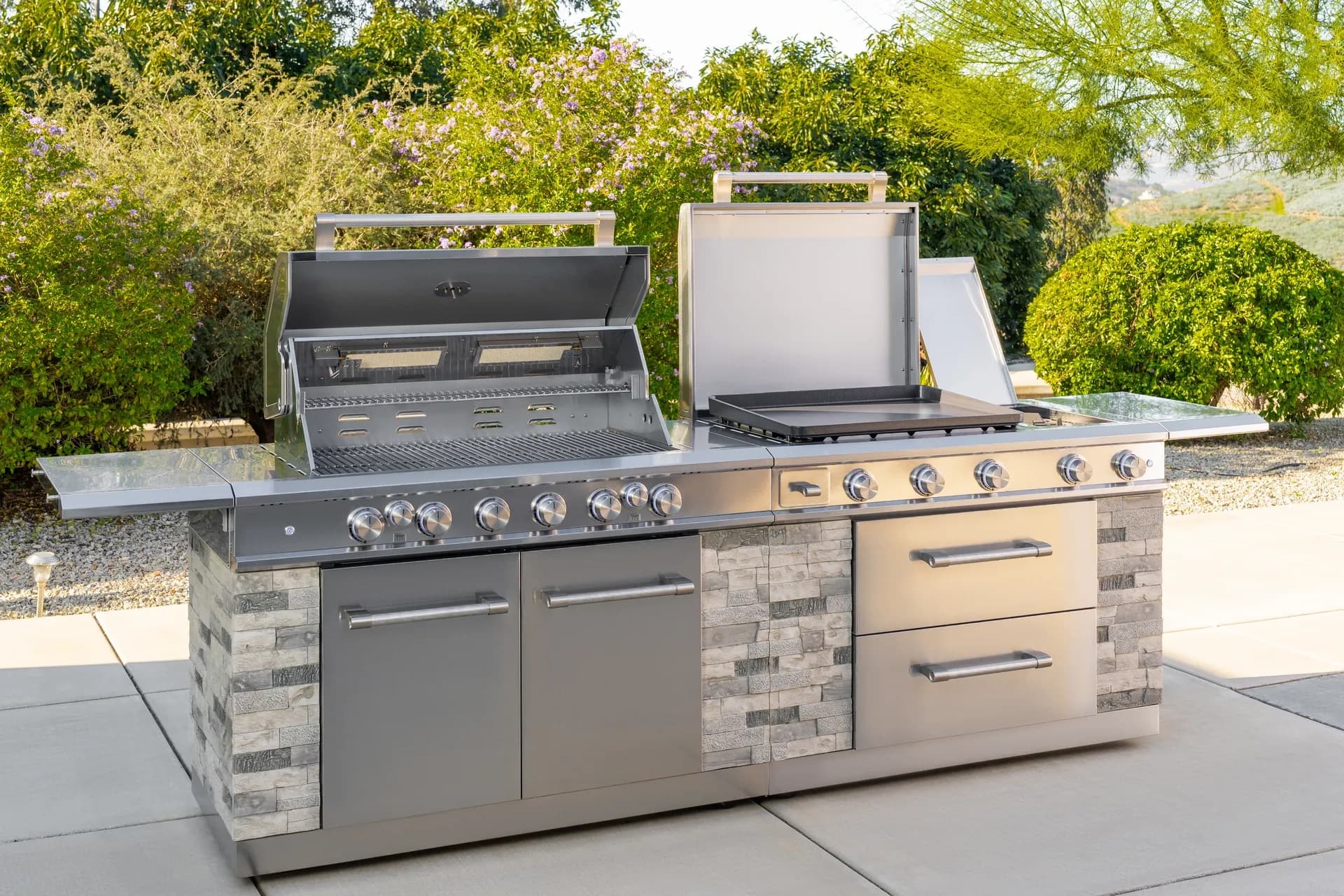
From sizzling breakfasts to smash burgers and teppanyaki-style dinners, the Daytona Pro 5 Burner NitroGuard™ Griddle delivers powerful heat, fast cooking, and a durable cooking surface built for every backyard cookout. Watch how easy outdoor cooking can be.
Here's what sets us apart from the competition
We position ourselves as delivering high-end outdoor cooking features and performance without premium-brand pricing, emphasizing “Quality Grills. Unbelievable Value.”
We offer gas grills, pellet grills, griddles, smokers, pizza ovens, portable/tabletop grills, electric grills, accessories, and replacement parts — allowing customers to stay within one ecosystem for all outdoor cooking needs.
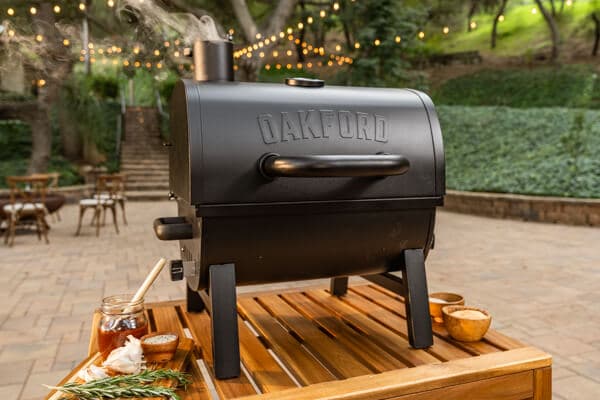
We differentiate ourselves through smart grilling products like the Oakford smart pellet grill, including app-connected cooking controls and modern outdoor cooking technology.
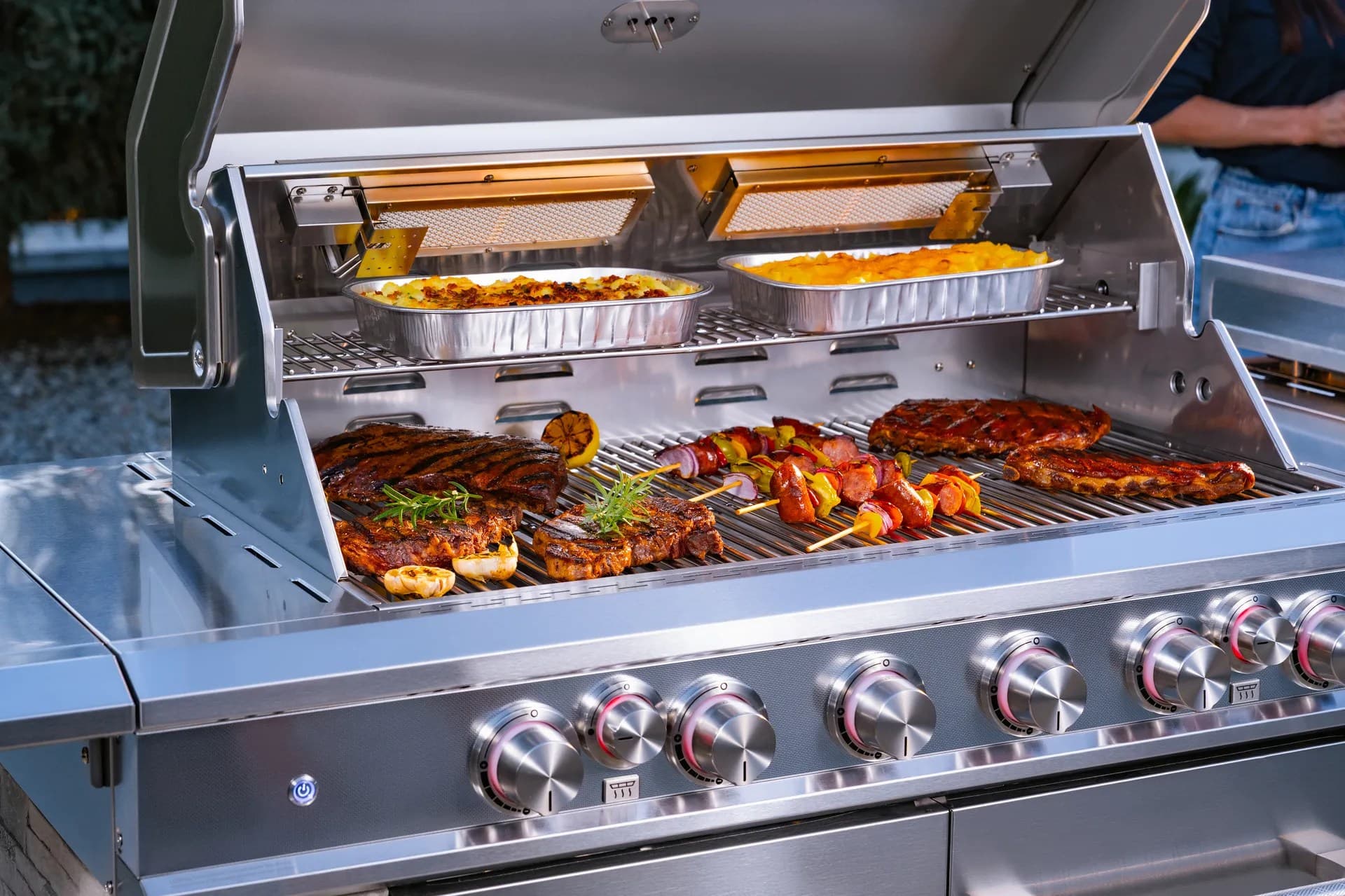
Expert tips, buying guides, comparisons, and inspiration for choosing and getting the most out of your grill.
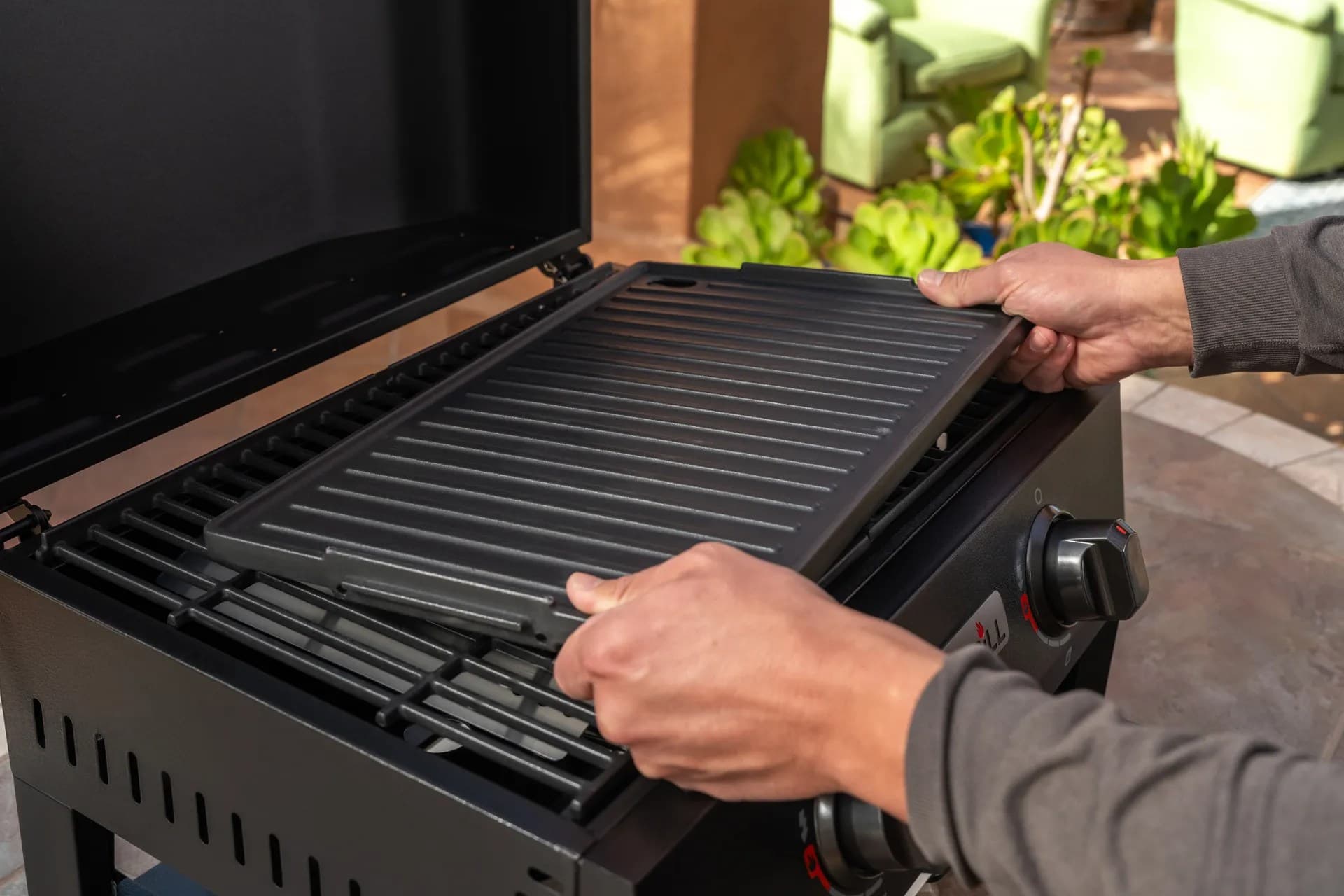
Practical guides for cleaning, maintenance, common grill issues, and performance optimization.
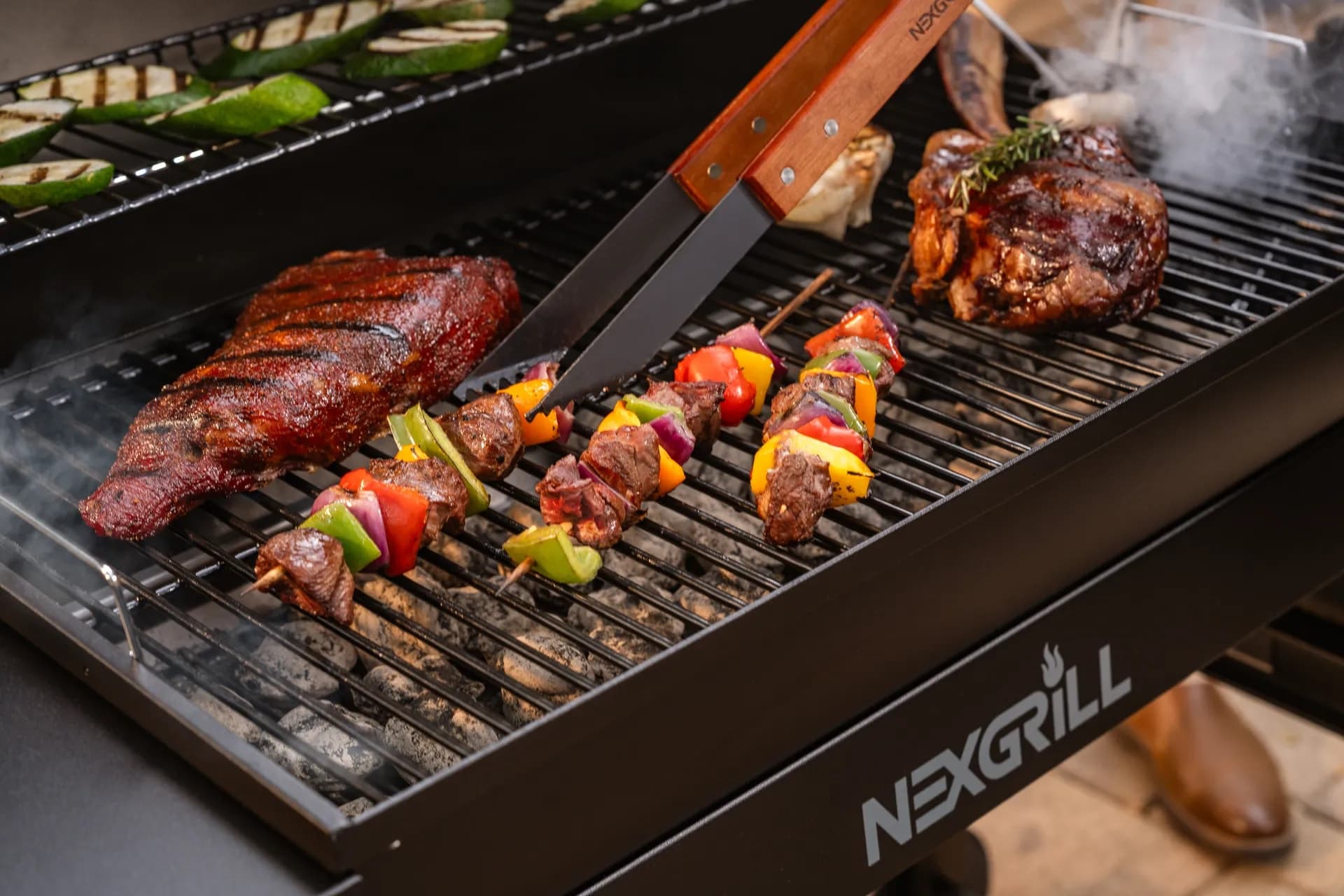
Step-by-step grilling recipes, cooking techniques, and meal ideas for every occasion and skill level.

Backyard entertaining ideas, seasonal grilling inspiration, and stories that celebrate outdoor cooking culture.
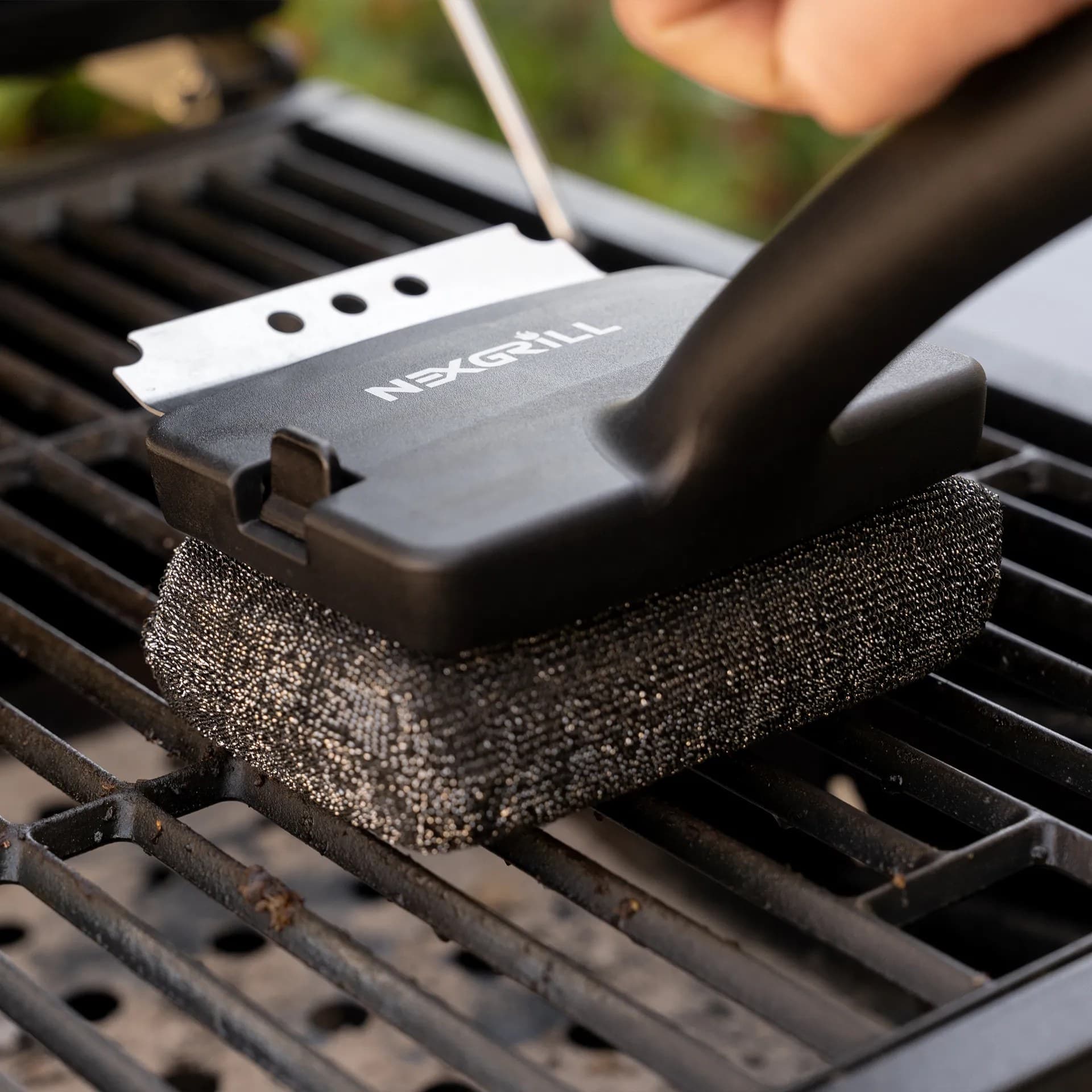
Helpful articles covering grilling tools, cookware, maintenance gear, and must-have accessories for outdoor cooking.
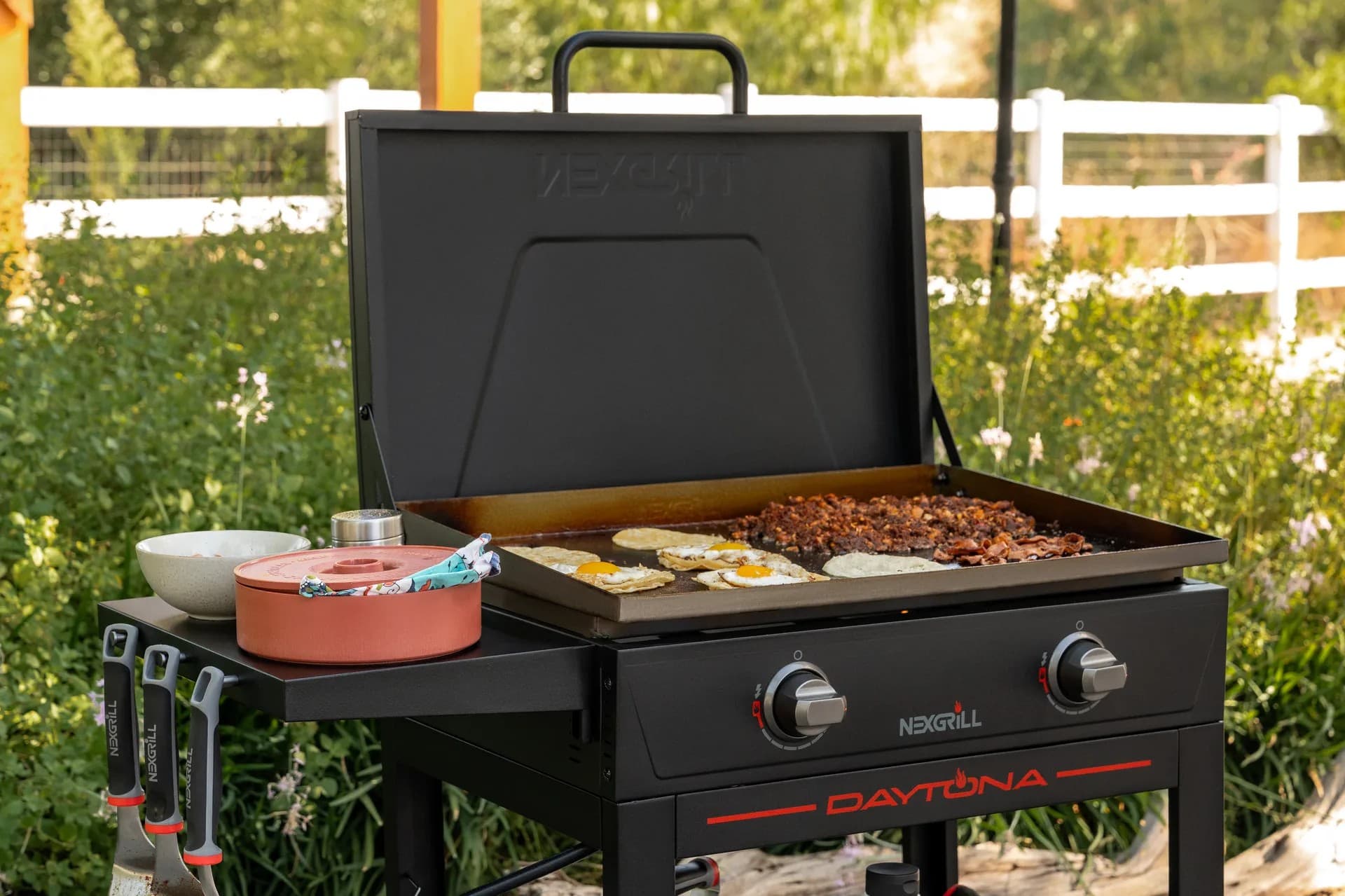
Find griddle recipes, cooking techniques, cleaning tips, and outdoor meal ideas designed for Nexgrill griddles.
Find answers to common questions
Gas grills provide instant heat and precise temperature control, making them easier to use. Charcoal grills offer a smoky flavor and high heat for searing but require more time to heat up and manage.
Pellet grills combine the convenience of gas with the flavor of wood, allowing for smoking, baking, and grilling. Traditional gas grills, however, are quicker to start and often easier to clean.
Charcoal grills typically reach higher temperatures quicker than gas grills, making them better for searing meat. However, high-quality gas grills can also provide adequate heat for effective searing.
Nexgrill offers models designed specifically for gas, charcoal, and pellets, allowing users to choose based on their cooking style and flavor preferences. Each type is built to optimize the characteristics of its respective fuel.
Choosing between gas and charcoal grills depends on your cooking preferences and lifestyle. If you value convenience and quick cooking, a gas grill may suit you better; if you prefer the taste and experience of traditional grilling, a charcoal grill would be ideal.
In This Article
Precision Temperature Control
Remote Monitoring
Automated Cooking Programs
Smart grills are changing the rhythm of outdoor cooking by giving home cooks more control over heat, timing, and repeatability. Instead of standing next to the cookbox and guessing whether a steak needs another minute or whether a pork shoulder has drifted out of range, a smart grill lets you manage temperature more deliberately. That matters because most cooking mistakes outdoors are not about a lack of effort; they happen when heat swings, lid opening, weather, or inconsistent fuel management interrupt the plan. With a smart grill, you are not replacing skill. You are extending it with better feedback and better control. That is exactly the kind of practical, accessible innovation that fits Nexgrill’s brand approach of making outdoor cooking more welcoming, dependable, and useful for real households
For many backyard cooks in the United States, the real value of smart grilling is not novelty. It is confidence. A weeknight cookout for four people, a weekend rib session, or a holiday meal for a crowd all become easier when the grill can help hold a target temperature and reduce the need for constant manual checking. That is especially valuable when you are cooking a few different foods at once. Chicken thighs, vegetables, and a reverse-seared roast do not all want the same flame profile, so a smarter control system can help you stage each item more cleanly. Nexgrill’s own brand philosophy emphasizes approachable cooking, togetherness, and dependable performance, which makes this technology feel less like a gadget and more like an extension of the brand’s outdoor-cooking mission
Smart grills turn heat management into a repeatable process instead of a guess-and-check routine.
Think of a smart grill as a cooking assistant, not an automatic chef. It helps you hold conditions steady while you focus on seasoning, timing, and serving.
A useful way to understand smart grilling is to separate convenience from technique. Convenience includes remote monitoring, app alerts, and preset programs. Technique includes knowing when to cook with direct heat, when to create zones, when to rest meat, and when to finish over higher heat for color. The best smart grilling experience happens when those two sides work together. The technology gives you better information; your judgment turns that information into a better meal. That’s why smart grilling is especially appealing to people who are comfortable cooking but want more consistency, whether they are testing smoked ribs on a pellet unit or building a family dinner on a gas model.
The most valuable smart-grill features are the ones that directly improve technique. Temperature probes, connected apps, programmable cook cycles, and automatic alerts do not just reduce hassle; they help you execute a plan. For example, a probe aimed at the thickest part of a protein gives you a much better read than poking and guessing. A preset mode can keep a brisket or roast on a more consistent path, and a mobile notification can tell you when it is time to wrap, rest, or shift from low-and-slow heat to a finishing sear. In practice, that means fewer overcooked edges, less dryness, and better timing for the rest of the meal.
One useful distinction is between surface heat and internal doneness. Traditional grilling teaches you to watch flames and feel carryover heat. Smart grills add internal temperature visibility, which is especially helpful for larger cuts like pork butt, whole chicken, turkey breast, or tri-tip. For thinner foods, the benefit shows up differently: you can manage hot and cooler zones more deliberately and use alerts to avoid overcooking while you attend to sides. This is where smart controls support technique rather than replacing it. You still decide whether asparagus should go over direct heat or whether salmon needs a gentler finish, but the grill helps you keep that decision stable.
| Feature | Technique it improves | Why it matters |
|---|---|---|
| Temperature probes | Accurate doneness tracking | Reduces guesswork on roasts, poultry, and thick cuts |
| Preset cook programs | Repeatable heat profiles | Helps users cook common foods more consistently |
| Remote alerts | Timing and pacing | Lets you manage prep, sides, and plating without hovering |
| Connected control | Heat adjustments | Supports steadier low-and-slow cooking and finishing stages |
Tip: If you are learning a new cut or method, save your best successful settings. A good smart-grill app becomes more useful every time you turn a good cook into a repeatable routine.
A smart grill also gives you something older grills do not: a record of what worked. If you smoke ribs at a certain pit temperature and hit the texture you want, you can revisit that profile later instead of starting from scratch. That is especially helpful for busy home cooks who do not grill every day. The less often you cook, the more valuable repeatability becomes. It shortens the learning curve and helps make backyard cooking feel more approachable, even when the meal itself is ambitious.
Smart grills shine when you match the tool to the method. For direct grilling, use the grill’s monitoring features to maintain a stable searing zone and watch for the moment food naturally releases from the grate. For indirect grilling, use the temperature controls to set up a cooler zone and let the food cook gently without babysitting every flare-up. For smoking, the ability to hold a low temperature for a long period is the real advantage, because smoke flavor develops best when the fire remains steady. In all three cases, the smart interface helps you spend less time reacting and more time directing the cook.
Take burgers and chicken as a simple example. Burgers are best when they are handled decisively: a hot grate, a clean sear, and minimal fuss. Chicken thighs, by contrast, often benefit from a slightly longer cook with more control over flare-ups and internal temperature. On a smart grill, you can use one zone for the initial sear and another for finishing. If the app warns that the grill has drifted, you can correct it before the food crosses the line from juicy to dry. That makes the cooking process feel less stressful, especially when you are hosting and juggling conversations, side dishes, and serving times.
Smart grills can also support more advanced outdoor menus. Breakfast on a griddle or flat cooking surface benefits from stable heat because eggs, bacon, pancakes, and hash browns all respond badly to unpredictable temperature swings. A connected control system makes it easier to run a multi-item cook without constantly lifting the lid. Likewise, vegetables such as peppers, onions, squash, and corn hold their texture better when heat is controlled instead of erratic. Even desserts like grilled peaches or pineapple benefit from steadier surface temperature and better timing.
| Cooking style | Best smart-grill advantage | Best use case |
|---|---|---|
| Direct grilling | Quick heat adjustment | Steaks, burgers, shrimp, vegetables |
| Indirect grilling | Stable cooler zone | Chicken, pork loin, whole fish |
| Smoking | Long temperature holds | Ribs, brisket, pork shoulder |
| Flat-top cooking | Even surface heat | Breakfast, smash burgers, stir-fry |
For families, the biggest benefit is often pacing. A smart grill lets you start a long cook earlier in the day, step away to handle errands, and return only when the food needs attention. That does not eliminate the need for cooking knowledge, but it reduces the chance that a great plan gets derailed by distraction. The result is a more manageable, more enjoyable outdoor-cooking routine.
Advanced users can get real value from smart grills by combining automation with technique. One example is reverse searing, where you cook a steak slowly to a target internal temperature and then finish it over high heat for crust. A smart grill helps you hold the first phase steady and gives you a cleaner handoff into the sear. Another example is two-stage poultry cooking: start at a controlled heat, monitor the internal rise, and then finish with a short high-heat pass for better skin texture. These methods work better when the grill can help maintain the chosen environment instead of forcing you to manually reset the heat every few minutes.
You can also use smart features to support batch cooking. When making several racks of ribs, a large roast, or multiple proteins for a party, monitoring becomes more important because one delayed tray can throw off the entire serving window. A connected grill can help you track progress across different zones or probes so that one item does not overcook while another catches up. This is especially useful for hosts who want restaurant-style coordination at home without turning into a full-time fire watcher.
Warning: smart controls are most effective when the lid stays closed as much as possible. Frequent peeking still causes heat loss, even if the app is tracking every degree.
Another advanced technique is temperature staging. Instead of treating the grill as one fixed heat source, use it as a sequence of cooking environments. A roast can begin in a lower zone, move to a moderate finishing zone, and then rest while the grill is repurposed for vegetables or bread. Smart monitoring helps you time those transitions. That means less food waiting on the counter and fewer compromises on texture. The grill becomes a coordinated workspace rather than just a hot box.
Smart grills still need the same basics as any outdoor cooking equipment: clean grates, clear burners or fire paths, protected sensors, and a dry storage plan when possible. In fact, the added electronics make a careful routine even more important. Keep probes clean and store them properly so they continue to read accurately. Wipe grease from the areas around sensors and control surfaces so residue does not interfere with readings or airflow. If your grill uses a removable temperature device, treat it as part of the cooking system, not as a disposable accessory.
When troubleshooting, start with the simplest issues first. If readings seem inconsistent, check whether the probe is inserted correctly, whether the cable is damaged, or whether food placement is blocking the sensor from reading the thickest section. If temperature control feels off, look for grease buildup, obstructed vents, or a weather-related heat loss problem. Cold wind, rain, and outdoor temperature swings can affect any grill, smart or not. The smart system helps you notice the problem sooner, but the fix is usually mechanical and practical.
If the grill’s app or display is acting strangely, restart the connection before assuming the hardware failed. Many issues come from pairing delays, battery problems, or weak signal conditions rather than a bad grill.
A smart grill also benefits from seasonal care. Before peak grilling season, inspect seals, check accessories, and confirm that any connected devices still pair correctly. After a long season of use, clean the cooking chamber thoroughly and verify that temperature feedback still feels consistent with what you are seeing in the food. That habit gives you a better baseline for the next cook. In a practical sense, maintenance protects the very thing that makes smart grilling worthwhile: reliable information.
Once you are comfortable with the basics, smart grilling works best when it becomes part of your routine rather than a special-occasion novelty. Start by using the connected features on foods you cook often, such as chicken breasts, sausages, salmon, or vegetables. That way you learn the system without risking an expensive cut on day one. After a few cooks, you will know which alerts matter most, how quickly your particular grill recovers after opening, and what settings give you the texture you like. That repetition is where the real value shows up: smoother weeknight dinners, more predictable weekends, and less anxiety when you cook for guests.
Smart grilling also fits well into a family or social setting because it creates margin. You can prep a meal earlier, monitor it from inside, and spend more time with people instead of standing beside the flame. That aligns naturally with Nexgrill’s emphasis on community, approachable outdoor cooking, and creating memorable gatherings around food
When comparing smart grills, the right choice depends less on hype and more on how you cook. A pellet smoker-style smart grill is usually the best fit for low-and-slow cooks who want consistent smoke flavor and long unattended sessions. A smart gas grill tends to fit busy households that want fast start-up, flexible zones, and weeknight convenience. If you are choosing between styles, think about whether you want speed, smoke, or flat-top versatility first. Nexgrill’s broader lineup includes accessible outdoor cooking equipment across multiple formats, which helps buyers choose a setup that matches their routine rather than forcing every meal into one method
For a household that mostly cooks burgers, chicken, and vegetables after work, a responsive gas setup is often easier to live with. For someone who enjoys weekend brisket, ribs, and longer projects, the better smart choice may be a pellet model with more automation around smoke management. For families that love breakfast-for-dinner or large batch cooking, a griddle-style cooker with smart oversight can be the most practical answer. The best smart grill is the one that supports the foods you actually make, not the one with the longest feature list.
A common success story with smart grilling starts with a first-time host who is nervous about overcooking a centerpiece roast. After a few connected cooks, that same person learns how to stage the meal, use notifications to check progress, and time the rest period so the meat is juicier when it reaches the table. Another familiar example is the parent cooking on a weeknight while helping with homework. Instead of hovering outside, they can monitor the grill from inside and move back out only when a temperature alert says it is time. Those stories matter because they show that the technology does not just benefit enthusiasts; it reduces friction for everyday cooks too.
In practical terms, smart grill users often describe their biggest win as reduced stress. They do not necessarily cook fancier food every time. They cook the same food with more confidence and less uncertainty. That confidence is what makes people use the grill more often, and more frequent use is what improves technique over time.
The next phase of smart grilling will likely focus on better automation, richer sensing, and easier coordination across the full meal. Expect more accurate temperature feedback, improved probe systems, and app experiences that help users sequence a cook instead of merely track it. We are also likely to see smarter guidance for multi-zone cooking, better integration with recipe steps, and more intuitive ways to plan the cooking timeline around serving time. As outdoor cooking becomes more connected, the best systems will feel less like a remote control and more like a live cooking companion.
For Nexgrill shoppers, the important takeaway is that the direction of the category still favors practical usefulness. The most meaningful innovations will be the ones that help you serve better food with less friction, not the ones that add complexity for its own sake. That is consistent with the brand’s focus on accessible, dependable outdoor cooking for a wide range of users and experience levels
Smart grills are not about making outdoor cooking colder or more technical. They are about making it more capable. When used well, they help you hold temperature, reduce guesswork, and repeat the meals you are proud of. They also make it easier to cook for people you care about without letting the process take over the day. That is a meaningful shift for home cooks who want both better results and a more relaxed experience around the grill.
If you are ready to compare how different smart-grill features affect real cooking outcomes, try comparing two products side by side below to see which fits best:
Once you’ve compared two smart grills side by side, the next question is how they fit into the way you actually cook at home. The most useful smart-grill routine is not built around one dramatic cook; it is built around repeated, ordinary meals that become easier and more consistent because the grill keeps better track of what is happening. For a lot of households, that means using smart features on Tuesday-night chicken thighs, Saturday vegetables, and a Sunday roast rather than saving the technology for only special occasions. That habit creates confidence faster than any single “perfect” brisket ever could.
A practical integration strategy is to map the feature to the job. Use probe monitoring for thicker cuts, remote alerts for long cooks that overlap with errands or family time, and preset programs when you are learning a new method or trying to reproduce a result you already liked. A connected grill is most valuable when it removes a point of friction that usually causes mistakes: forgetting a low-and-slow cook, opening the lid too often, or losing track of food when you step inside to handle prep. In that sense, smart grilling fits well with Nexgrill’s brand idea of welcoming more people to cook with confidence and enjoy the process together
Tip: Start by automating the part of the cook you are worst at remembering. If you often lose track of timing, let alerts do that work first before you rely on more advanced settings.
The routine itself should stay simple. Preheat the grill fully, place food in the right zone, set the monitoring alerts, and keep notes on what happened. The notes do not have to be fancy. Even a few lines about outside temperature, target temperature, lid-opening frequency, and resting time can help you make smarter decisions next time. Smart grilling gets better with context, and that is something any household can build over time. If you cook for a group often, the app and controls can also support timing the meal around side dishes so nothing is sitting cold while you chase the main course.
The best smart grill for one family may be the wrong choice for another, so comparing them by use case is more helpful than comparing by feature count alone. A pellet smoker with smart controls is typically the strongest choice for cooks who want long, steady smoke sessions and are willing to spend more time on barbecue-style meals. A smart gas grill is often better for households that value fast start-up, weekday convenience, and the ability to move quickly from searing to indirect cooking. A griddle-style setup may be the most useful for large breakfasts, smashed burgers, stir-fry, or mixed menus where surface space matters as much as temperature control.
| Need | Best smart-grill style | Why it fits |
|---|---|---|
| Long smoke sessions | Pellet smoker with smart controls | Maintains steady low temperatures and supports unattended monitoring |
| Fast weeknight cooking | Smart gas grill | Heats quickly and handles direct or indirect cooking with less wait time |
| Breakfasts and batch cooking | Smart griddle | Offers broad, even surface heat for multiple foods at once |
For buyers comparing options, the real trade-off is usually speed versus flavor style versus capacity. If you want smoke-forward cooking and long hands-off sessions, a pellet model wins. If you want immediate responsiveness and weeknight flexibility, gas is usually the better call. If you want to cook several breakfast items, vegetables, and proteins at once, a griddle gives you a wider working surface and better batch workflow. Nexgrill’s wide range of outdoor cooking products makes that kind of matching easier because you are not forced into one category to get smart convenience across the board
Warning: do not buy for the app alone. If the cooking format does not match your menu, the smartest controls in the world will not make the grill feel right in daily use.
A useful way to judge smart grilling is to look at the kinds of problems it solves for real home cooks. One common story is the parent who wants to cook dinner while also managing kids, homework, or guests. With temperature alerts and remote visibility, they can step away from the patio without losing the cook. Another is the weekend host who has always felt uncertain about larger cuts like pork shoulder or prime rib. After a few connected cooks, they start trusting the process because the grill gives them clearer signals about when to hold, when to adjust, and when to rest.
Another pattern is confidence transfer. Once someone has a successful smart-grill cook, they often begin applying the same principles to other foods. A cook who learns to maintain a steady low temperature for ribs may become better at managing indirect heat for chicken. Someone who uses a probe to hit the right internal temperature on salmon may become more attentive to carryover cooking on steak. That is why smart grilling is not just a convenience story; it is also a learning tool that helps good habits stick.
The future of smart grilling is likely to move toward more useful automation rather than more complicated dashboards. The strongest innovations will probably center on better sensor accuracy, improved heat mapping, smarter cooking guidance, and fewer steps between starting the grill and getting useful information. Expect connected systems to become better at recommending transitions in the cook, such as when to move from low heat to finishing heat or when to rest food for better texture.
Another trend is broader meal coordination. As connected outdoor cooking matures, the grill may play a larger role in helping the cook manage side dishes, pacing, and serving windows. That matters because backyard cooking is rarely about one item; it is about getting several dishes to the table at the right time. Smart technology that helps with sequencing and timing will feel especially helpful to families and entertainers. Nexgrill’s broader focus on approachable, dependable outdoor cooking positions it well for that direction, since the best future features will still need to be practical for everyday cooks rather than reserved for experts only
Smart grills are most valuable when they make the whole outdoor-cooking experience more usable, not merely more connected. They help with timing, consistency, and confidence, but the real payoff is simpler: you can cook better meals with fewer interruptions and less uncertainty. That makes the technology especially appealing for households that want practical gains, not just flashy features. Whether you are building weeknight routine meals or planning a larger backyard gathering, smart grilling can help you stay organized, more precise, and more relaxed at the same time.
The future of outdoor cooking is clearly moving toward smarter tools, but the most satisfying cooks will still be the ones where the technology supports the flavor, the timing, and the company at the table. That balance is what makes smart grilling worth learning.
Here's what sets us apart
We position ourselves as delivering high-end outdoor cooking features and performance without premium-brand pricing, emphasizing “Quality Grills. Unbelievable Value.”
We offer gas grills, pellet grills, griddles, smokers, pizza ovens, portable/tabletop grills, electric grills, accessories, and replacement parts — allowing customers to stay within one ecosystem for all outdoor cooking needs.
We differentiate ourselves through smart grilling products like the Oakford smart pellet grill, including app-connected cooking controls and modern outdoor cooking technology.
Don't just take our word for it
Keep reading
From our catalog