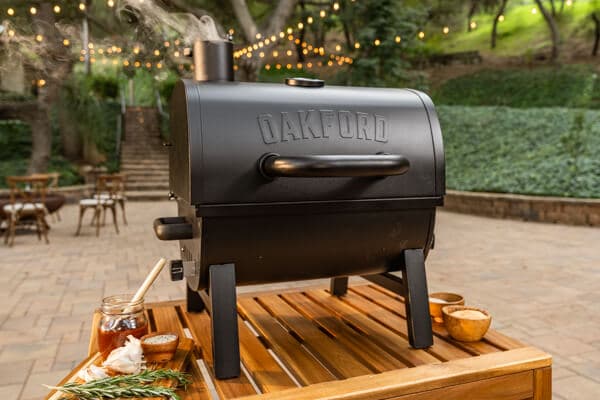
Discover how smart grills with remote control capabilities can revolutionize your outdoor cooking experience.
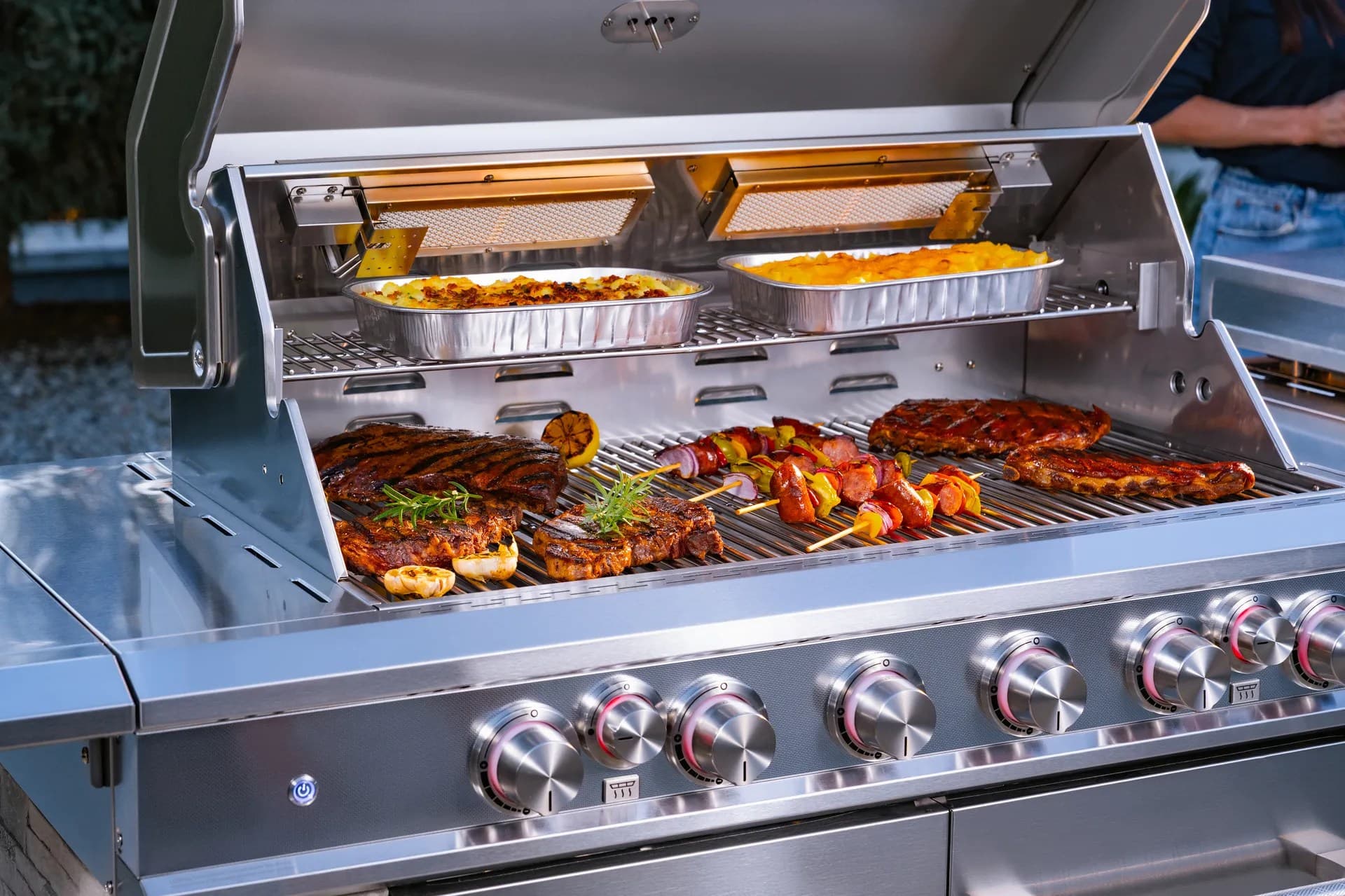
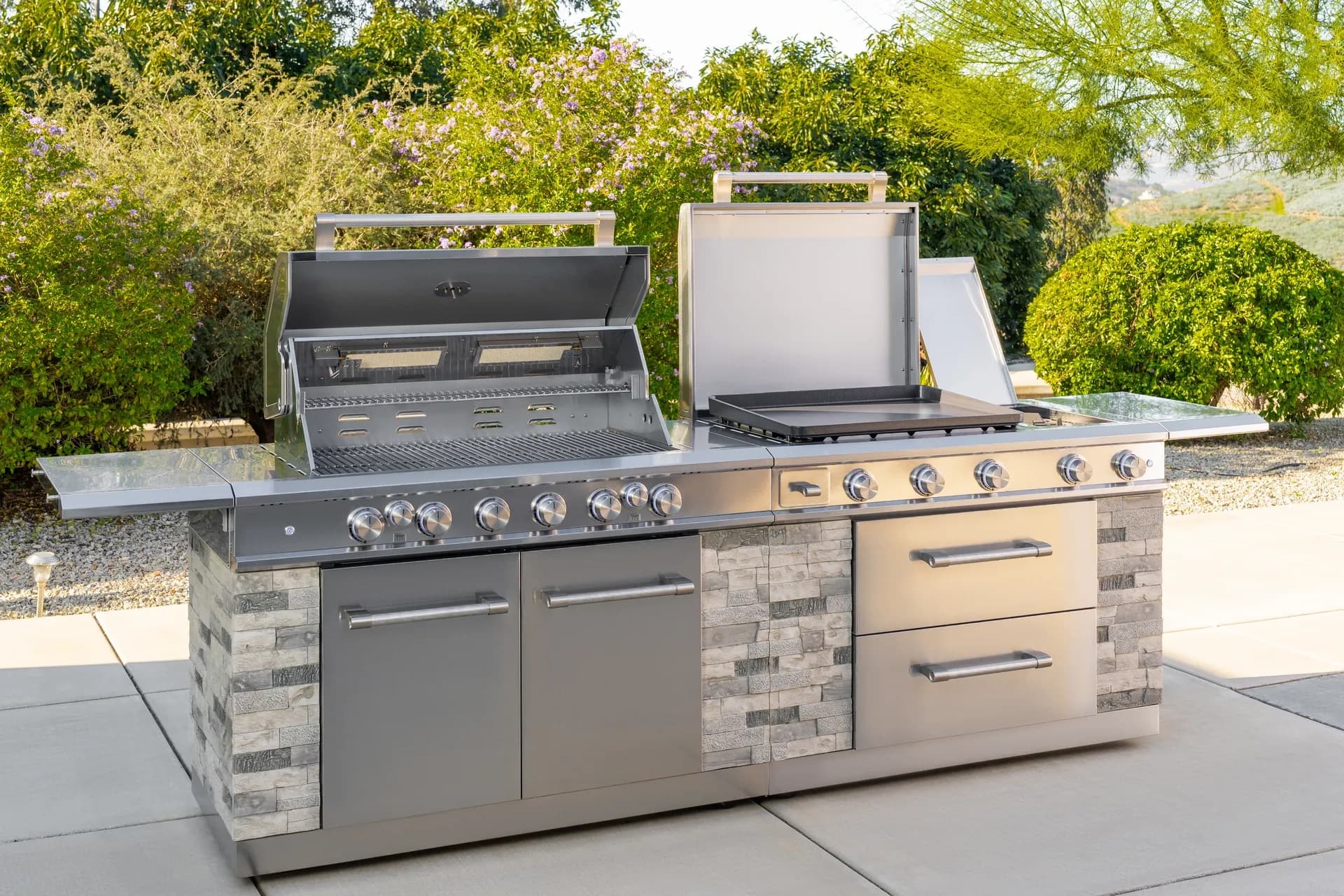
From sizzling breakfasts to smash burgers and teppanyaki-style dinners, the Daytona Pro 5 Burner NitroGuard™ Griddle delivers powerful heat, fast cooking, and a durable cooking surface built for every backyard cookout. Watch how easy outdoor cooking can be.
Here's what sets us apart from the competition
We position ourselves as delivering high-end outdoor cooking features and performance without premium-brand pricing, emphasizing “Quality Grills. Unbelievable Value.”
We offer gas grills, pellet grills, griddles, smokers, pizza ovens, portable/tabletop grills, electric grills, accessories, and replacement parts — allowing customers to stay within one ecosystem for all outdoor cooking needs.
We differentiate ourselves through smart grilling products like the Oakford smart pellet grill, including app-connected cooking controls and modern outdoor cooking technology.
Expert tips, buying guides, comparisons, and inspiration for choosing and getting the most out of your grill.
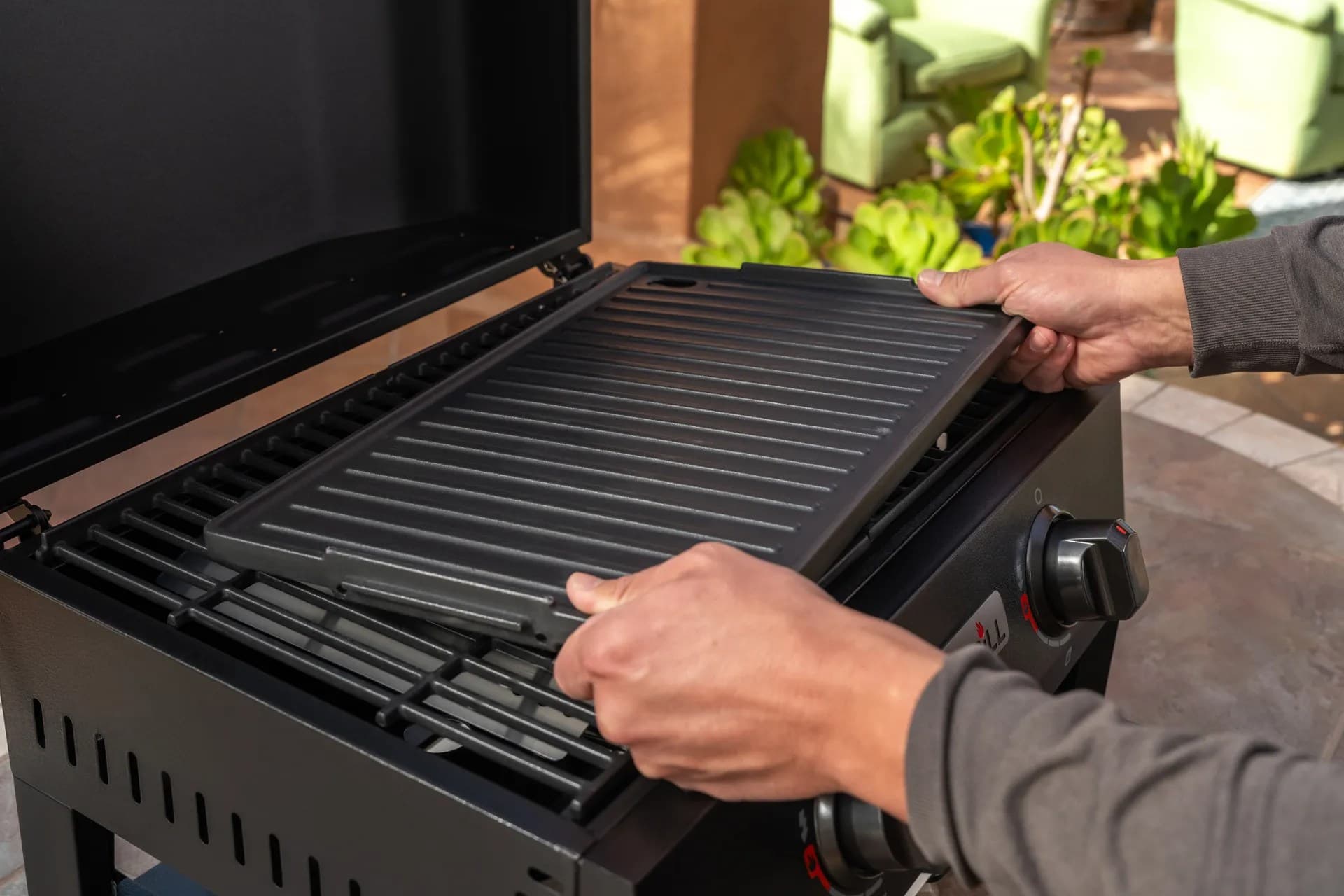
Practical guides for cleaning, maintenance, common grill issues, and performance optimization.
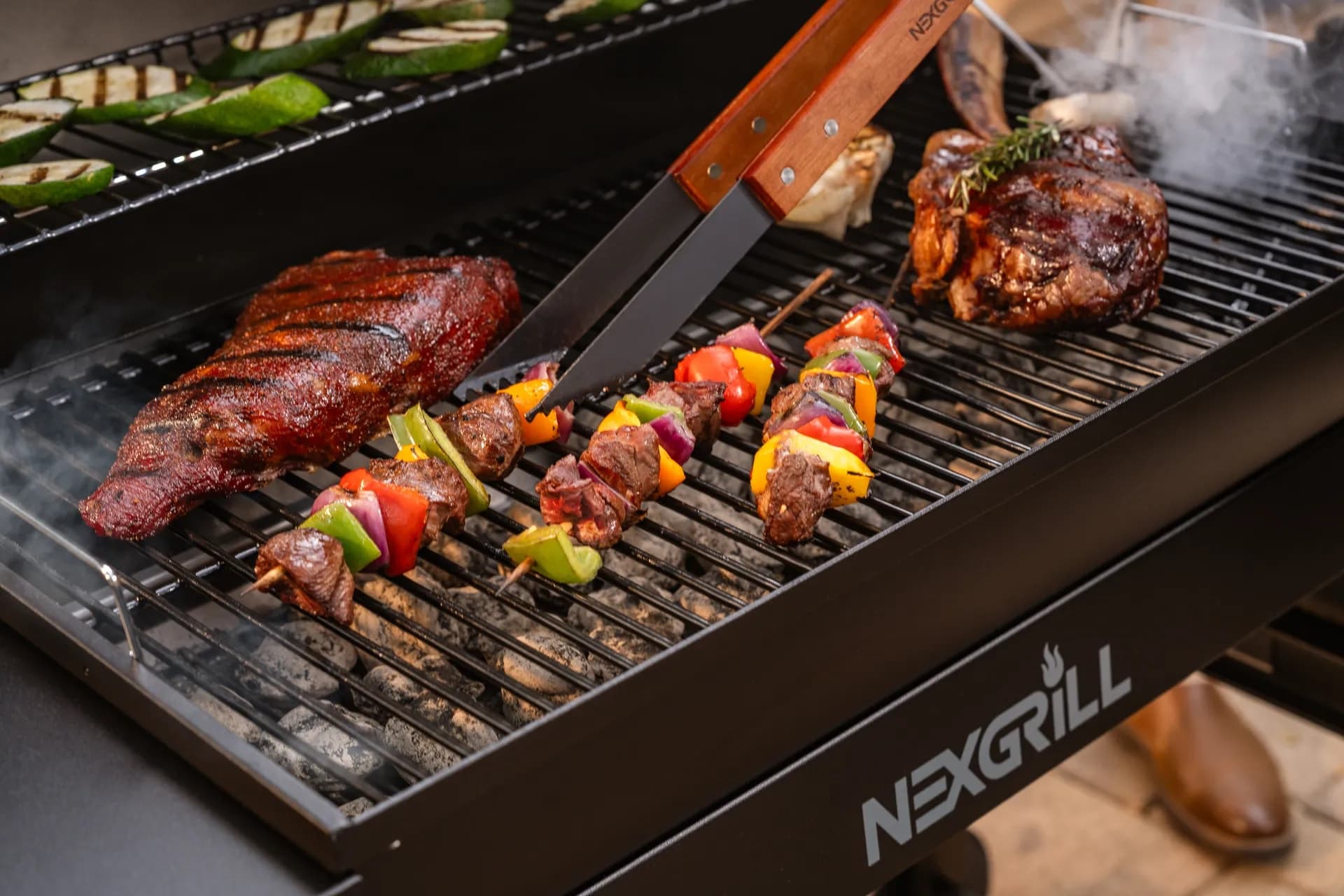
Step-by-step grilling recipes, cooking techniques, and meal ideas for every occasion and skill level.

Backyard entertaining ideas, seasonal grilling inspiration, and stories that celebrate outdoor cooking culture.
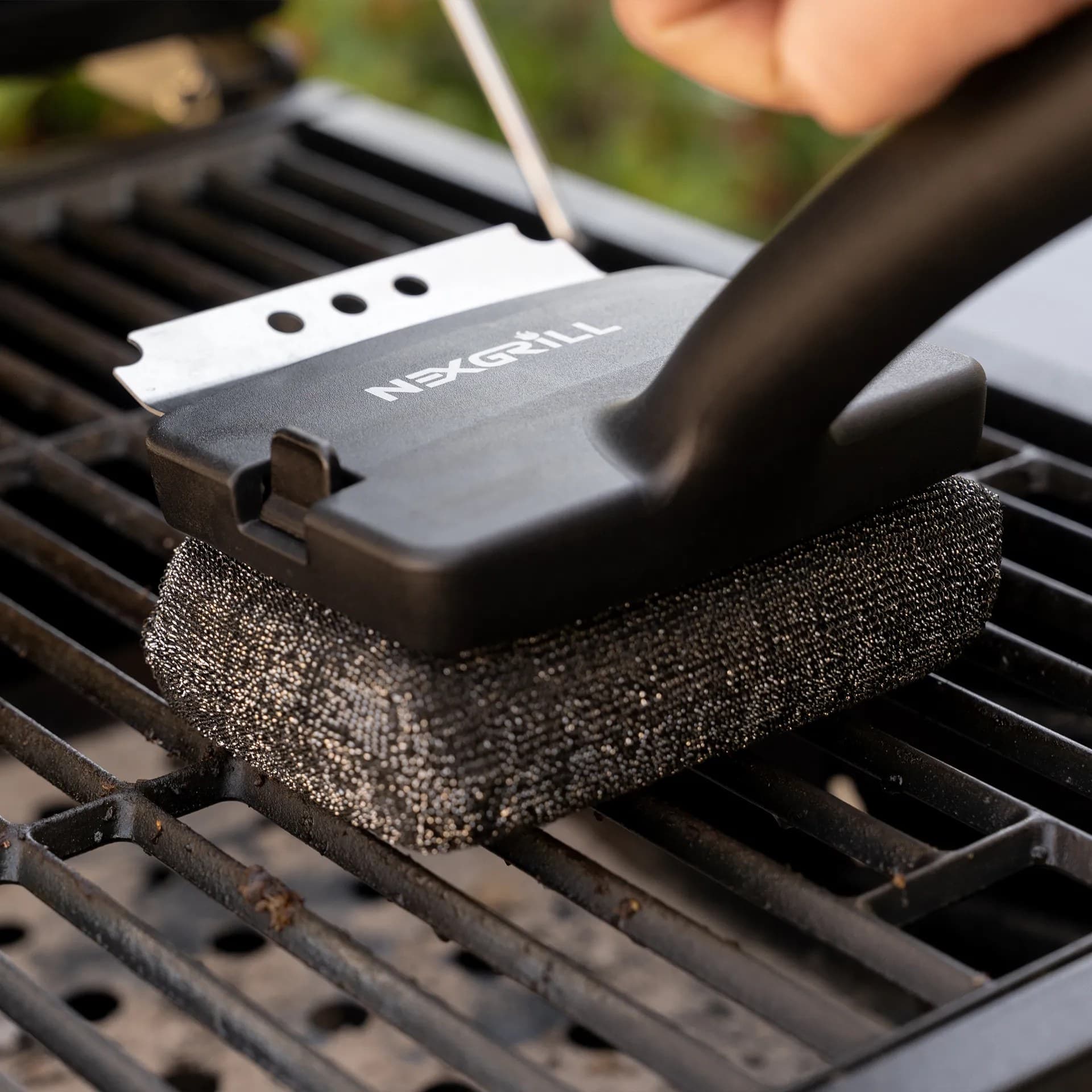
Helpful articles covering grilling tools, cookware, maintenance gear, and must-have accessories for outdoor cooking.
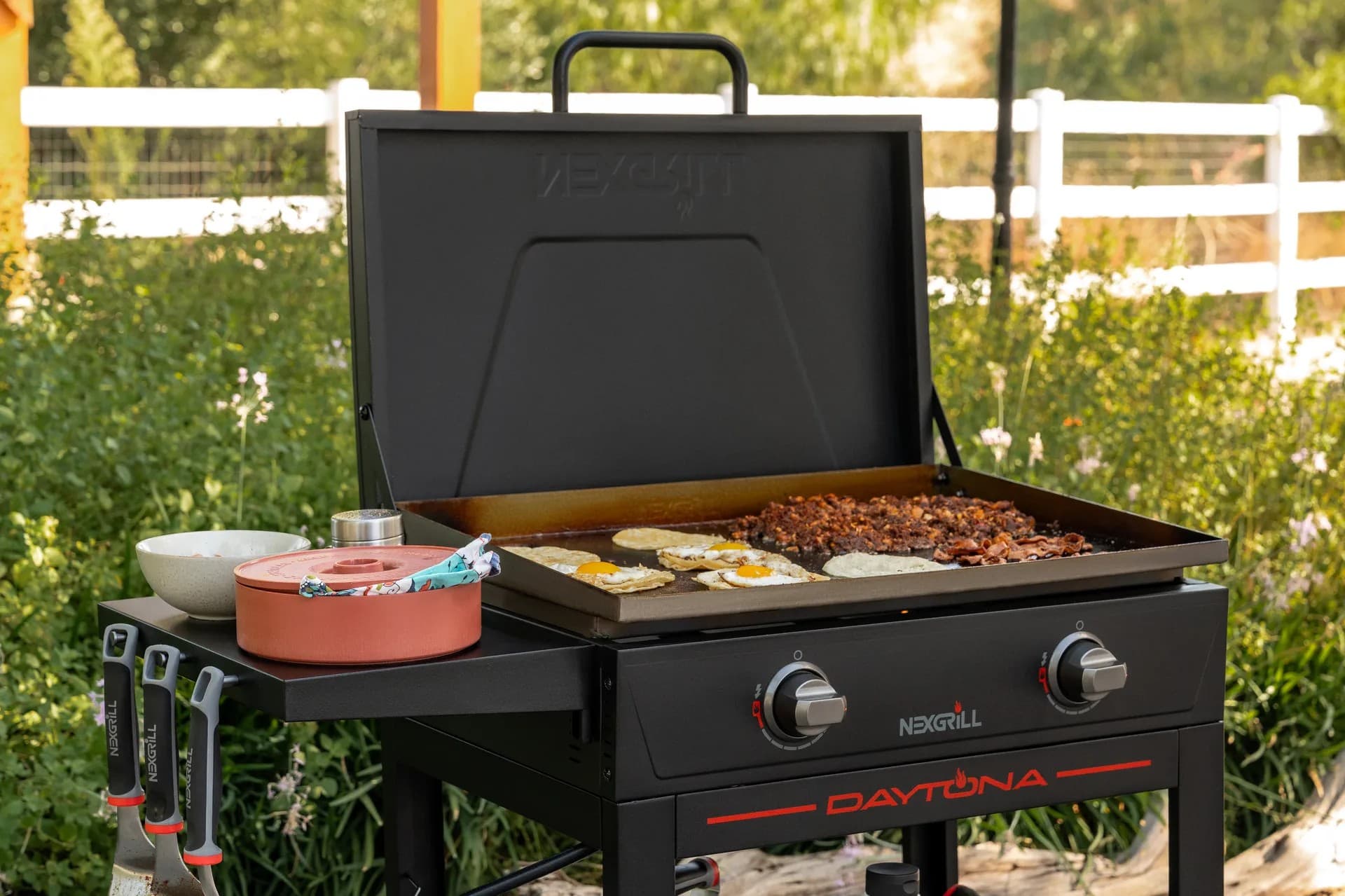
Find griddle recipes, cooking techniques, cleaning tips, and outdoor meal ideas designed for Nexgrill griddles.
Find answers to common questions
Gas grills provide instant heat and precise temperature control, making them easier to use. Charcoal grills offer a smoky flavor and high heat for searing but require more time to heat up and manage.
Pellet grills combine the convenience of gas with the flavor of wood, allowing for smoking, baking, and grilling. Traditional gas grills, however, are quicker to start and often easier to clean.
Charcoal grills typically reach higher temperatures quicker than gas grills, making them better for searing meat. However, high-quality gas grills can also provide adequate heat for effective searing.
Nexgrill offers models designed specifically for gas, charcoal, and pellets, allowing users to choose based on their cooking style and flavor preferences. Each type is built to optimize the characteristics of its respective fuel.
Choosing between gas and charcoal grills depends on your cooking preferences and lifestyle. If you value convenience and quick cooking, a gas grill may suit you better; if you prefer the taste and experience of traditional grilling, a charcoal grill would be ideal.
In This Article
Enhanced Convenience
Precision Cooking
User-Friendly Features
Smart grills with remote control are changing the rhythm of backyard cooking. Instead of staying planted next to the lid, watching the clock, and guessing whether the cook is running hot or cold, you can monitor key temperatures, respond to alerts, and adjust your approach from a phone, tablet, or connected controller. That shift matters most on the cooks where timing is everything: brisket that needs steady heat for hours, chicken that should finish safely without drying out, or a weekend spread where you are juggling side dishes, guests, and the grill at the same time. The real value is not novelty. It is the ability to preserve consistency when life gets busy.
For Nexgrill customers, smart grilling fits naturally with the brand’s broader focus on approachable outdoor cooking and community-centered gatherings. Nexgrill’s brand guidelines emphasize that grilling should be casual, dependable, and welcoming for people with different skill levels and different reasons for gathering around food . That same philosophy applies well to connected grills: they reduce the friction between wanting to cook well and having to stand guard over the fire. Whether you are entertaining neighbors, cooking for family, or trying to get more confidence with low-and-slow barbecue, remote control features can make the process feel less intimidating and more repeatable.
The best smart grill features save time without taking attention away from the food.
It helps to think of remote control as one part of a larger cooking system. A smart grill usually combines digital temperature readouts, meat probes, Wi-Fi or Bluetooth connectivity, app-based notifications, and programmable cooking modes. Some systems are simple and focused on monitoring. Others add step-by-step guidance, charted temperature history, or automated heat adjustments. The strongest setups are those that still let you grill the way you want while offering a better view of what is happening inside the cook chamber. That balance is important because smart features should support your judgment, not replace it.
If you are shopping for your first connected grill, remote control can sound more advanced than it really is. In practice, it often means checking temperatures from the kitchen, getting an alert when a roast is ready to rest, or lowering the odds of overcooking by reacting sooner. For busy households, that convenience can be the difference between a rushed dinner and a relaxed one. For more experienced grillers, it can be the difference between manually babysitting a lid thermometer and having a precise record of how the cook actually behaved from start to finish.
The most useful smart grill features are the ones that improve control without making the user spend more time on the basics. Temperature monitoring is the foundation. A good smart grill should show both ambient grill temperature and food temperature clearly, ideally with probe data that is easy to read at a glance. That matters because surface heat and internal meat temperature tell two very different stories. If the lid says the grill is stable but the protein probe is rising too quickly, you can react before the cook drifts off course.
Remote alerts are the next feature that really changes the experience. Notifications for temperature thresholds, probe milestones, and end-of-cook reminders are especially valuable during longer sessions. Instead of checking every few minutes, you can step away to prep sides, talk with guests, or take care of errands nearby. In Nexgrill’s own brand language, the idea is to make grilling more inclusive and attainable, not more complicated . Smart alerts help by removing unnecessary micromanagement.
| Feature | What it does | Why it matters |
|---|---|---|
| Wi-Fi connectivity | Links the grill to a phone app over your home network. | Lets you monitor a cook from inside the house or patio. |
| Bluetooth control | Connects directly over short range. | Useful for quick setup and nearby monitoring. |
| Meat probes | Track internal food temperature. | Improves doneness accuracy and reduces guesswork. |
| App alerts | Sends temperature and timing notifications. | Helps you avoid overcooking during busy cooks. |
| Preset cook modes | Guided settings for common foods. | Makes smart grilling more approachable for newer users. |
Another important feature is heat management. Some smart grills focus on digital fan control, precise ignition, or controlled pellet feed systems, while others center on burner-zone monitoring and probe-linked feedback. In either case, the point is consistency. Real outdoor cooking happens in changing conditions: wind, shade, opening the lid too often, or a full grate packed with food can all alter temperature behavior. Smart controls help you see those changes sooner. The better the feedback loop, the less likely you are to rely on instinct alone when the cook needs precision.
There is no single smart grill that fits every household, so the best way to compare options is by use case. For barbecue-focused cooks who want long smoking sessions with remote oversight, pellet grills are often the most natural fit. For weeknight cooks who want fast startup and more traditional gas-grill convenience, a connected gas grill can feel easier to live with. For households that like versatility, a larger format with multiple cooking zones may be worth the footprint because it supports both searing and slower roasting in one setup.
A smart grill is most useful when it aligns with the food you actually cook. If you are doing ribs, pork shoulder, or brisket, you want a system that can handle long, slow temperature management without frequent adjustment. If you mainly grill chicken, fish, vegetables, and quick weeknight proteins, the priority is probably clear app feedback, fast response, and simple monitoring. The wrong grill is not necessarily a bad grill; it is the one whose feature set is overbuilt for your habits or underbuilt for the size of your cooks.
Low-and-slow smokers, family gas grills, and hybrid setups solve different problems.
When you compare smart grills, pay attention to how the control interface is designed. A sleek app means little if probe readings lag or the notifications are unreliable. Likewise, a great controller cannot fully compensate for a cooker that loses heat too easily or gives you too little cooking space. That is why build quality still matters. Smart technology should be layered onto a grill that can actually hold heat, recover quickly after lid openings, and maintain stable zones across the grate.
For buyers comparing multiple options, one practical way to narrow the field is to ask which problem you are solving. If the problem is babysitting, prioritize remote monitoring and stable temperature hold. If the problem is timing dinner around a packed schedule, prioritize alerts and dependable food probes. If the problem is cooking for larger groups, prioritize cooking area and multi-zone control first, then smart features second. That approach keeps the purchase grounded in real use rather than feature chasing.
A smooth setup begins before the first ignition. Place the grill where it can connect reliably to your Wi-Fi or paired device, and make sure the location gives you enough clearance for safe operation, lid opening, and movement around the unit. Then update the controller or app if needed, pair the probes, and run a brief test session. The goal of the test is not to cook a meal. It is to confirm that the grill reports temperatures correctly, notifications reach your device, and the remote controls respond at the pace you expect.
One of the most practical habits is learning what your grill looks like when it is stable. Smart cooking is easier when you know the normal temperature swing for your equipment. During a run, watch how fast the cooker warms up, how it settles after the lid closes, and how much the internal reading changes when you add food. These small observations help you calibrate your expectations for future cooks. In that sense, a smart grill is a learning tool as much as a convenience tool.
| Setup step | What to verify | Why it matters |
|---|---|---|
| Network pairing | Controller sees your home network or paired device. | Prevents dropouts during active cooks. |
| Probe placement | Probes sit securely and avoid touching bone or grate. | Protects accuracy and reduces false readings. |
| Alert settings | Target temperatures and timers are configured. | Ensures alerts arrive before the food overcooks. |
| Test ignition | Startup sequence works cleanly and heat rises predictably. | Confirms the grill is ready for a real cook. |
Using the grill well means balancing automation with attention. Smart features are strongest when you set thresholds intentionally rather than accepting default values blindly. For example, the target temperature for a chicken cook is not the same as the target for a brisket hold, and the best remote-control experience comes from matching the alert to the food. That is why it helps to treat the app as your assistant, not your chef. You are still deciding when to pull, rest, or restage the cook.
Smart grills need the same basic cleaning discipline as any outdoor cooker, plus a little extra care for the electronics. Grease, ash, moisture, and heat all work against long-term reliability. Clean cooking grates and grease pathways after each use, and be careful around probe ports, controller housings, and wiring. Keeping these areas dry and unobstructed matters because the most common problems with connected equipment often start with contamination rather than software.
Seasonal maintenance deserves special attention in the United States because weather swings can be dramatic. A grill that performs beautifully in spring can collect moisture, debris, and dust by late summer or early fall. Covering the grill, inspecting seals, and storing probes properly all help preserve performance. Nexgrill’s brand materials emphasize dependable outdoor use and inviting shared experiences, but dependable gear still needs routine care to stay that way . Good maintenance protects not only the grill body but also the digital system that makes remote control possible.
Tip: wipe down probe leads and controller surfaces after each cook, then let all components fully cool before covering the grill.
It is also worth checking the software side of maintenance. If your grill uses an app or firmware-based controller, keep the system updated when a trusted update is available. Updates can improve alert behavior, connectivity stability, or temperature display accuracy. You do not need to chase every new feature, but you should avoid running outdated software for long stretches if updates are tied to performance or reliability improvements. In smart grilling, long-term care is part hardware, part software, and part habit.
Try comparing two products side by side below to see which fits best:
Once you've weighed two options against each other, the next question is which technologies are actually worth paying attention to. Smart grilling has moved beyond basic app pairing. The most meaningful advances now include faster temperature feedback loops, multi-probe monitoring, cook-history tracking, and algorithms that help maintain steadier heat over long sessions. These features matter because outdoor cooking is inherently variable. Wind gusts, lid openings, ambient temperature, and fuel behavior all affect the cook. Smart technology earns its keep when it reduces the size of those swings or at least shows them clearly enough for you to react.
For many shoppers, the most useful upgrade is not a flashy voice command or a long feature list. It is probe intelligence. A system that can track different proteins separately, label temperatures clearly, and alert you to critical milestones makes dinner planning easier. That is especially true for mixed menus where one cut needs a fast pull and another needs a long rest. Some connected grills also save cook logs, which can help you learn how your equipment behaves over time. That kind of data is especially useful if you repeat recipes often and want more consistent results from one cook to the next.
Another technology to watch is control precision. On the best systems, the grill does not simply broadcast the current temperature; it reacts in a useful way. A stable control loop can keep the grill closer to target, which reduces the need for constant manual corrections. That does not mean the cooker runs itself. It means the machine is better at holding a set point while you focus on the food, the guests, or the rest of the meal. In the context of Nexgrill’s approachable, community-friendly brand voice, that is a meaningful improvement because it makes outdoor cooking feel more accessible without stripping away the hands-on enjoyment.
Info: the smartest grill features are the ones you will use every time, not just the ones that look impressive on a spec sheet.
A serious comparison should start with cooking behavior, not branding language. Ask how a grill performs when you load it with food, when weather changes mid-cook, and when you step away for fifteen minutes. Some grills excel at long smoking sessions because they hold temperature with little drift. Others are better for quick family meals because they heat rapidly and recover fast after the lid is opened. Those are very different strengths, and the right choice depends on your menu.
Here is a practical way to evaluate smart grills:
| Evaluation criterion | What strong performance looks like | Buyer takeaway |
|---|---|---|
| Temperature stability | The grill holds close to target with minimal drift. | Best for smoking, roasting, and longer cooks. |
| App reliability | Alerts arrive on time and readings stay synchronized. | Important if you step away often. |
| Cooking space | Enough room for the meals you actually make. | Prevents overcrowding and uneven results. |
| Fuel and startup behavior | Ignition is quick and the grill reaches cooking range predictably. | Better for regular weeknight use. |
| Cleaning access | Grease, ash, and probe areas are easy to reach. | Makes long-term ownership easier. |
If you are deciding between connected gas and pellet options, think about your cooking style first. Gas grills usually offer faster starts and simpler day-to-day use, which appeals to households that grill often but do not want a lengthy warm-up. Pellet-style smart grills usually attract cooks who care deeply about smoke flavor and long-run temperature control. There is no universally better choice. The better choice is the one that matches the kinds of meals you actually want to make most often in a United States backyard, on a weeknight, or during a holiday gathering.
Warning: a grill with impressive connectivity but weak heat retention can still disappoint during real cooks. Do not let the app distract you from the hardware.
User feedback on smart grills tends to be consistent on one point: the best part is not showing off technology, it is reclaiming time. Home cooks often describe the benefit as peace of mind. They can marinate, prep sides, talk with guests, or finish a separate dish while still keeping tabs on the grill. For families, this can turn the grill into a more social part of dinner rather than a place where one person has to stand watch alone.
Expert reviews usually focus on the same three pressures that real users notice: accuracy, reliability, and ease of use. A grill can have a strong spec sheet and still feel frustrating if the app is clunky or the probe readout is hard to trust. Likewise, a very polished interface will not make up for inconsistent heating. The strongest praise usually goes to grills that make the entire cook feel calmer, from startup through resting. That kind of experience is exactly in line with Nexgrill’s emphasis on dependable products and shared meals .
Many reviewers also note that smart grilling feels most valuable after the first few cooks. Early on, the convenience is obvious. Later, the real benefit becomes repeatability. When a grill helps you recreate a result you liked last time, it becomes more than a gadget. It becomes part of your process. That is where the technology starts to justify itself for people who cook often.
If your smart grill is acting up, start with the simplest explanations. Weak Wi-Fi, low device battery, disconnected probes, or dirty sensor areas can create problems that look more serious than they are. If remote readings are delayed, move closer to the router or test the app on a different device. If probe temperatures seem erratic, inspect the probe tip and cable for damage, make sure the probe is fully seated, and confirm it is not touching a hot grate or bone unless the probe is designed for that position.
Temperature drift is another common complaint, but it is not always a controller failure. A grill can lose heat because the lid is opened repeatedly, food is packed too tightly, wind is channeling into the cooking area, or fuel supply is inconsistent. Before assuming the smart system is at fault, watch the entire setup for pattern changes. Sometimes the fix is as simple as repositioning the grill, cleaning the fire path, or reducing how often you lift the lid.
| Common issue | Likely cause | Practical fix |
|---|---|---|
| App not updating | Connectivity or pairing problem. | Restart the device, confirm network access, re-pair if needed. |
| Probe reading jumps | Loose placement or cable damage. | Reseat the probe and inspect the lead. |
| Heat runs low | Fuel, airflow, or lid-management issue. | Check fuel supply and reduce unnecessary lid openings. |
| Notifications delayed | Phone settings or network instability. | Allow app permissions and test on a stable connection. |
Keeping a short troubleshooting routine is worthwhile. It gives you a repeatable order of checks so you do not waste time guessing mid-cook. For many users, that routine becomes: power, network, probes, then grill condition. Once you have eliminated those four areas, the remaining issue is easier to isolate and solve.
The future of smart grilling is likely to focus on better decision support rather than simply more features. Expect tighter integration between temperature data, cooking guidance, and user history. Instead of just telling you the food is hot, future systems may help predict how long the next phase of the cook will take based on your actual grill performance and the conditions around it. That would move smart grilling from reactive to more predictive.
Another likely trend is simpler user experience. As more households adopt connected cooking equipment, the market will reward systems that are easier to pair, easier to update, and easier to interpret. The consumer benefit is obvious: smart technology should feel like assistance, not homework. Nexgrill’s accessible, community-focused brand identity fits that direction well because the best future tools will likely be the ones that keep outdoor cooking open to more people, not just technical hobbyists .
A third trend is more meaningful multi-device connectivity. That may include improved shared access for households, better cross-device notifications, and perhaps tighter coordination with kitchen prep workflows. But the core principle will remain the same: smart grilling only matters if it helps the food, the schedule, or the experience around the table. If it does those things well, it has a place in the modern backyard.
Here's what sets us apart
We position ourselves as delivering high-end outdoor cooking features and performance without premium-brand pricing, emphasizing “Quality Grills. Unbelievable Value.”
We offer gas grills, pellet grills, griddles, smokers, pizza ovens, portable/tabletop grills, electric grills, accessories, and replacement parts — allowing customers to stay within one ecosystem for all outdoor cooking needs.
We differentiate ourselves through smart grilling products like the Oakford smart pellet grill, including app-connected cooking controls and modern outdoor cooking technology.
Don't just take our word for it
Keep reading
From our catalog