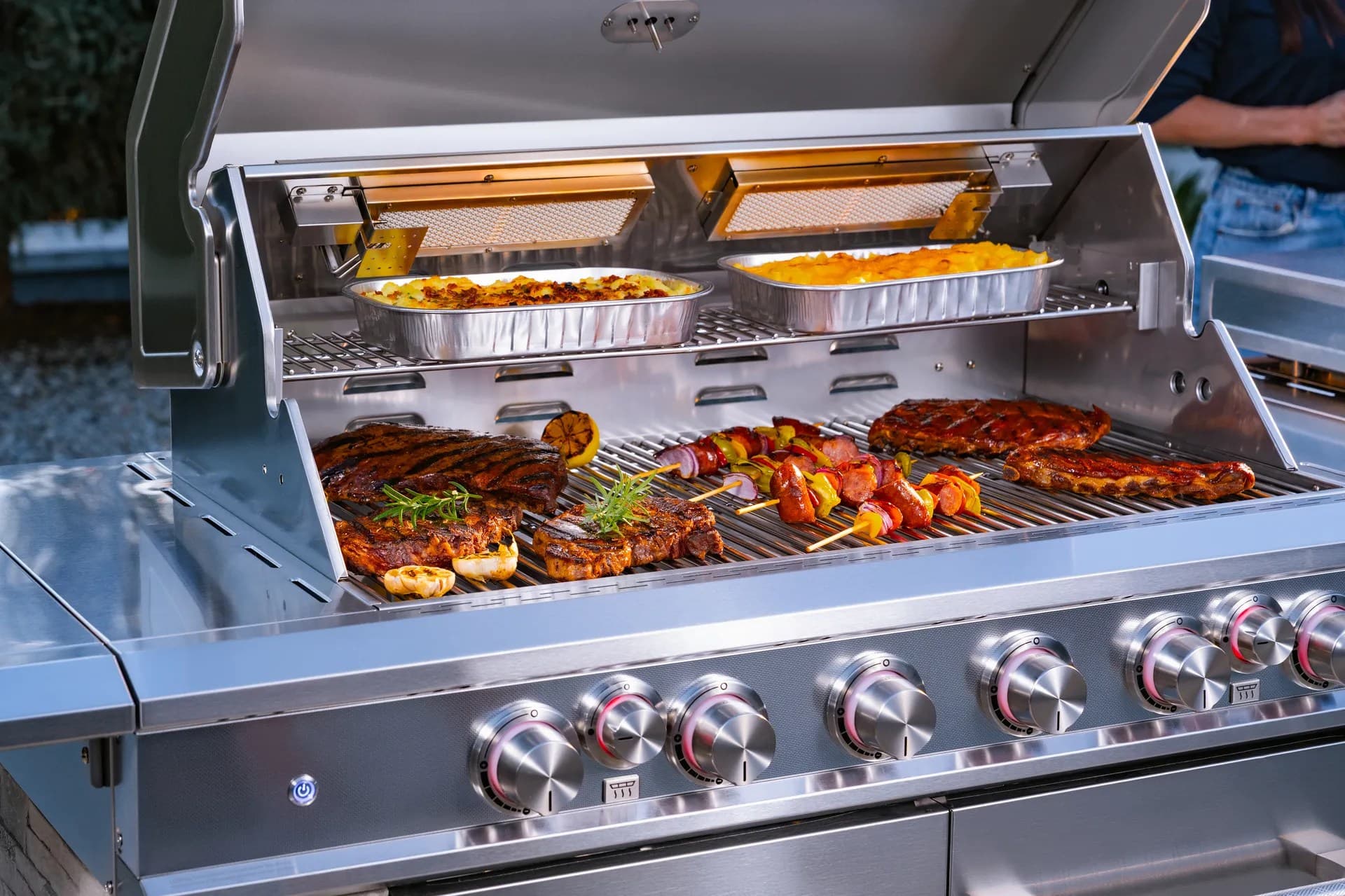
A comprehensive guide to selecting user-friendly smart grills that enhance your outdoor cooking experience.
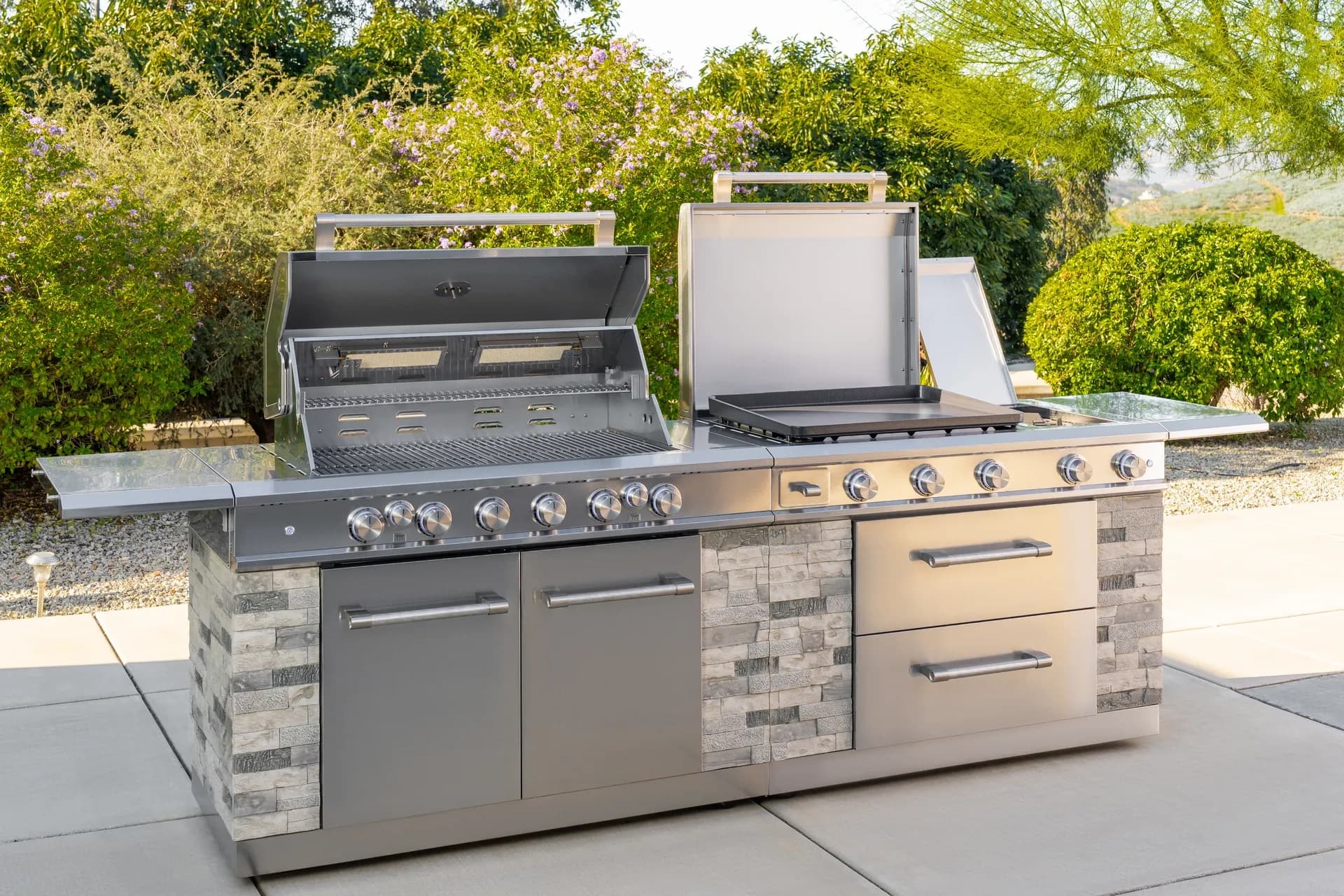
From sizzling breakfasts to smash burgers and teppanyaki-style dinners, the Daytona Pro 5 Burner NitroGuard™ Griddle delivers powerful heat, fast cooking, and a durable cooking surface built for every backyard cookout. Watch how easy outdoor cooking can be.
Here's what sets us apart from the competition
We position ourselves as delivering high-end outdoor cooking features and performance without premium-brand pricing, emphasizing “Quality Grills. Unbelievable Value.”
We offer gas grills, pellet grills, griddles, smokers, pizza ovens, portable/tabletop grills, electric grills, accessories, and replacement parts — allowing customers to stay within one ecosystem for all outdoor cooking needs.
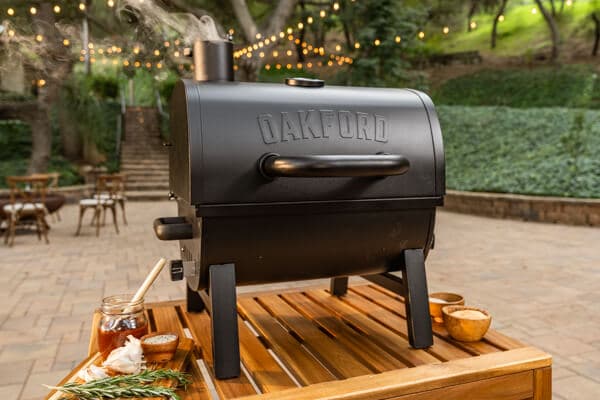
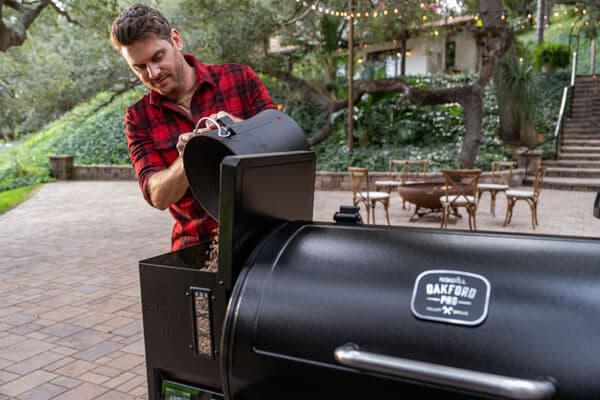
We differentiate ourselves through smart grilling products like the Oakford smart pellet grill, including app-connected cooking controls and modern outdoor cooking technology.
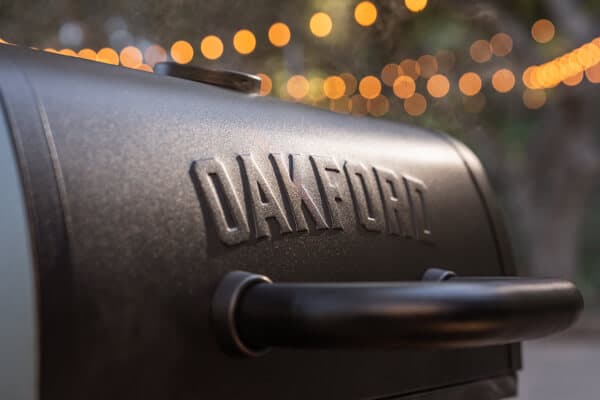
Expert tips, buying guides, comparisons, and inspiration for choosing and getting the most out of your grill.
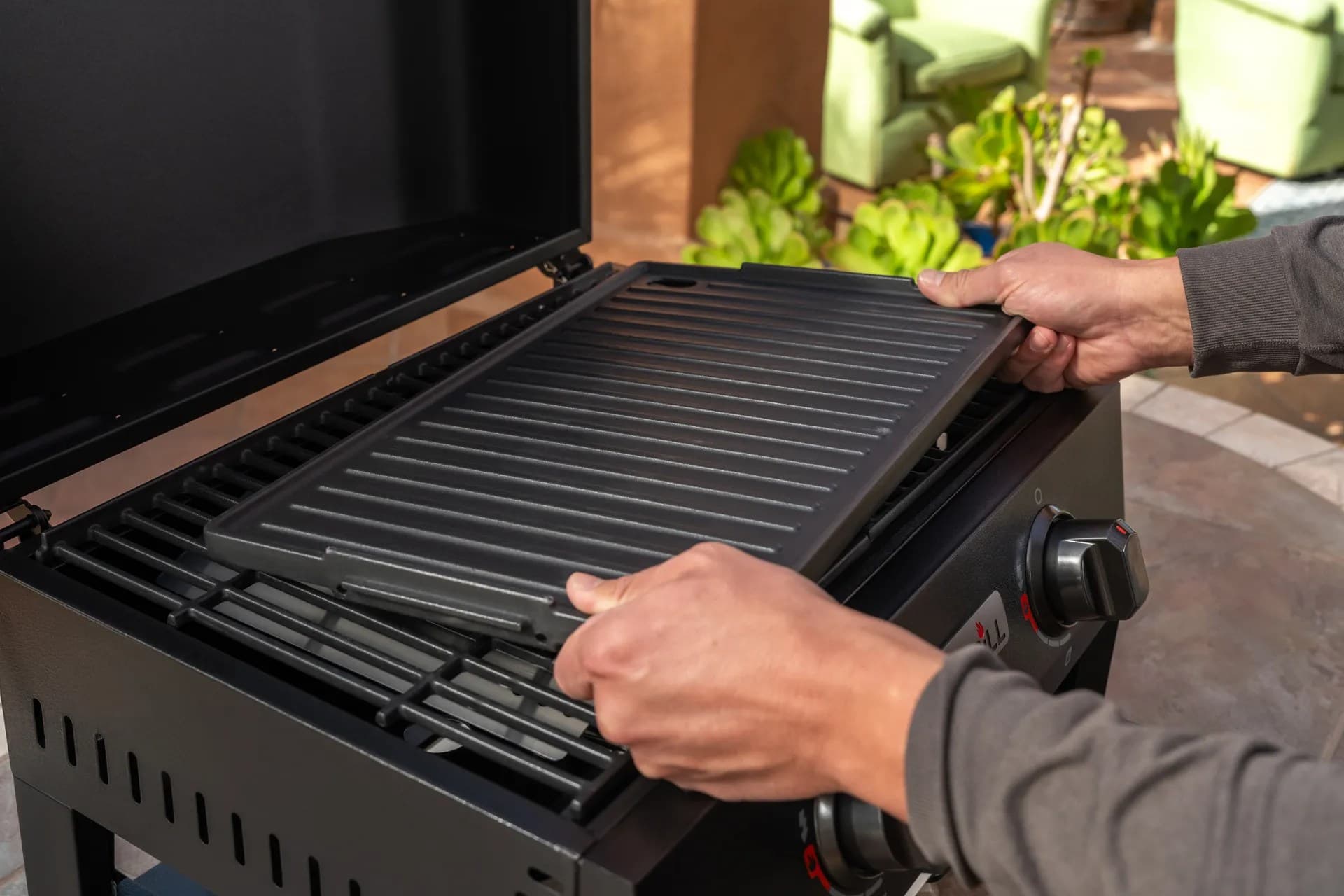
Practical guides for cleaning, maintenance, common grill issues, and performance optimization.
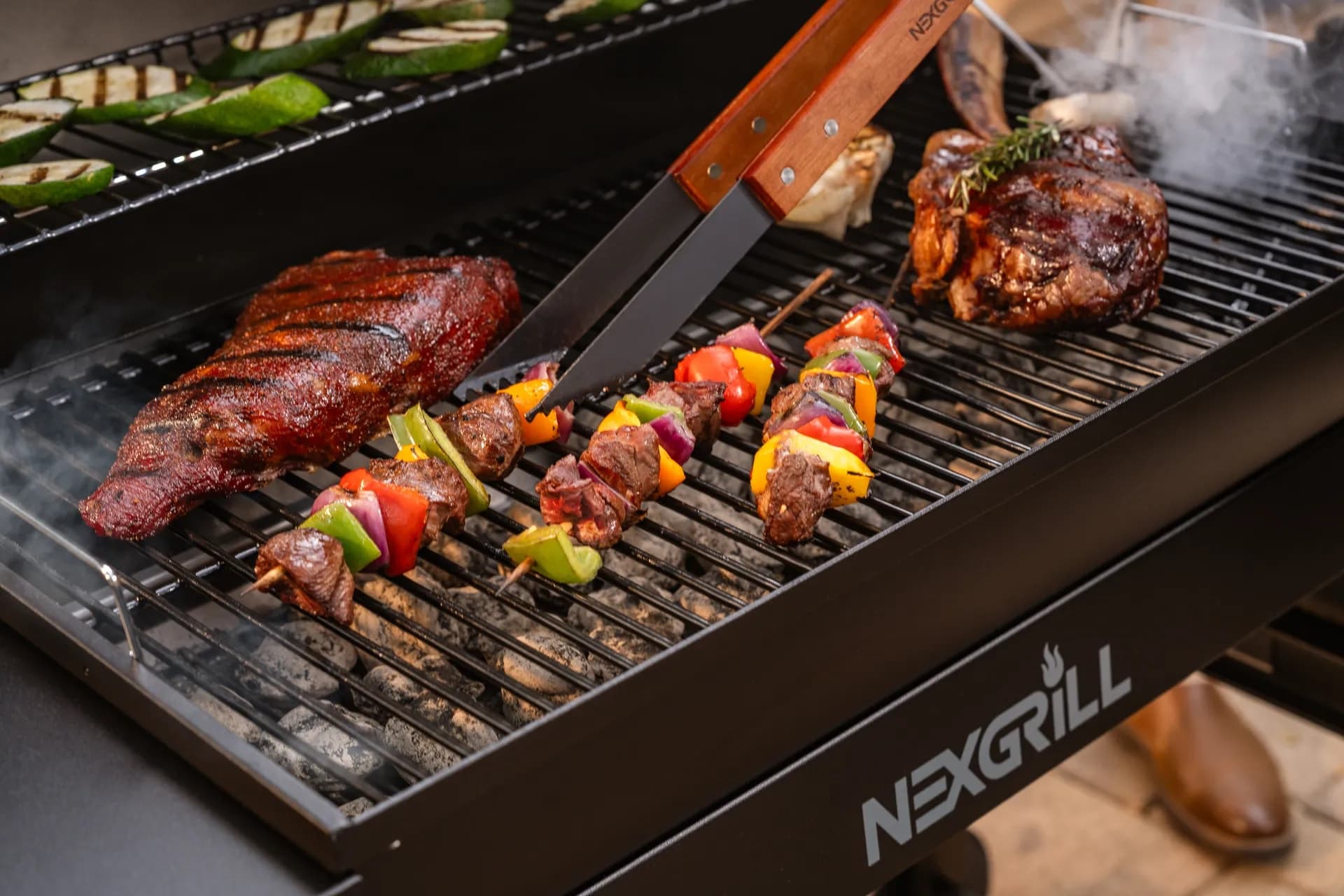
Step-by-step grilling recipes, cooking techniques, and meal ideas for every occasion and skill level.

Backyard entertaining ideas, seasonal grilling inspiration, and stories that celebrate outdoor cooking culture.
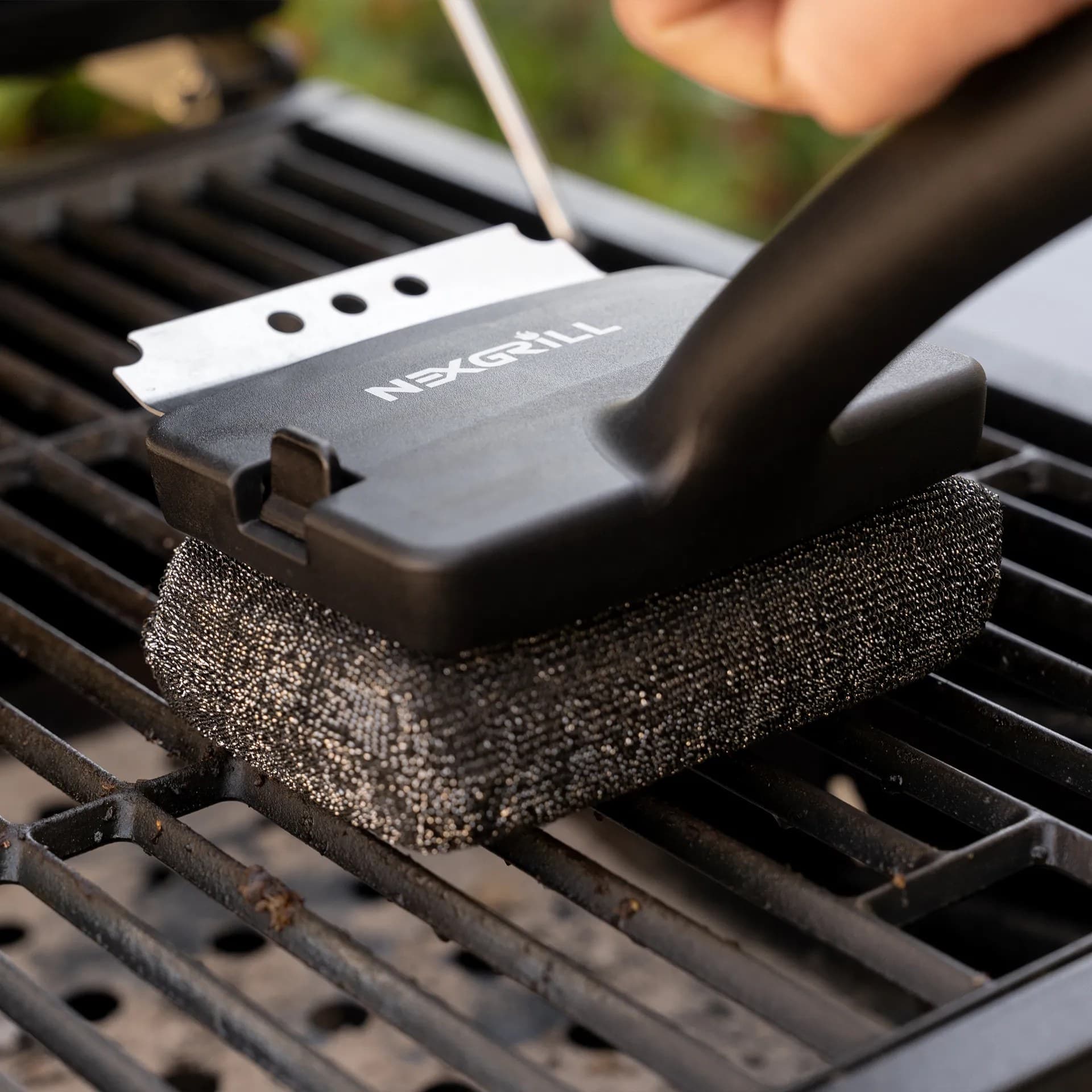
Helpful articles covering grilling tools, cookware, maintenance gear, and must-have accessories for outdoor cooking.
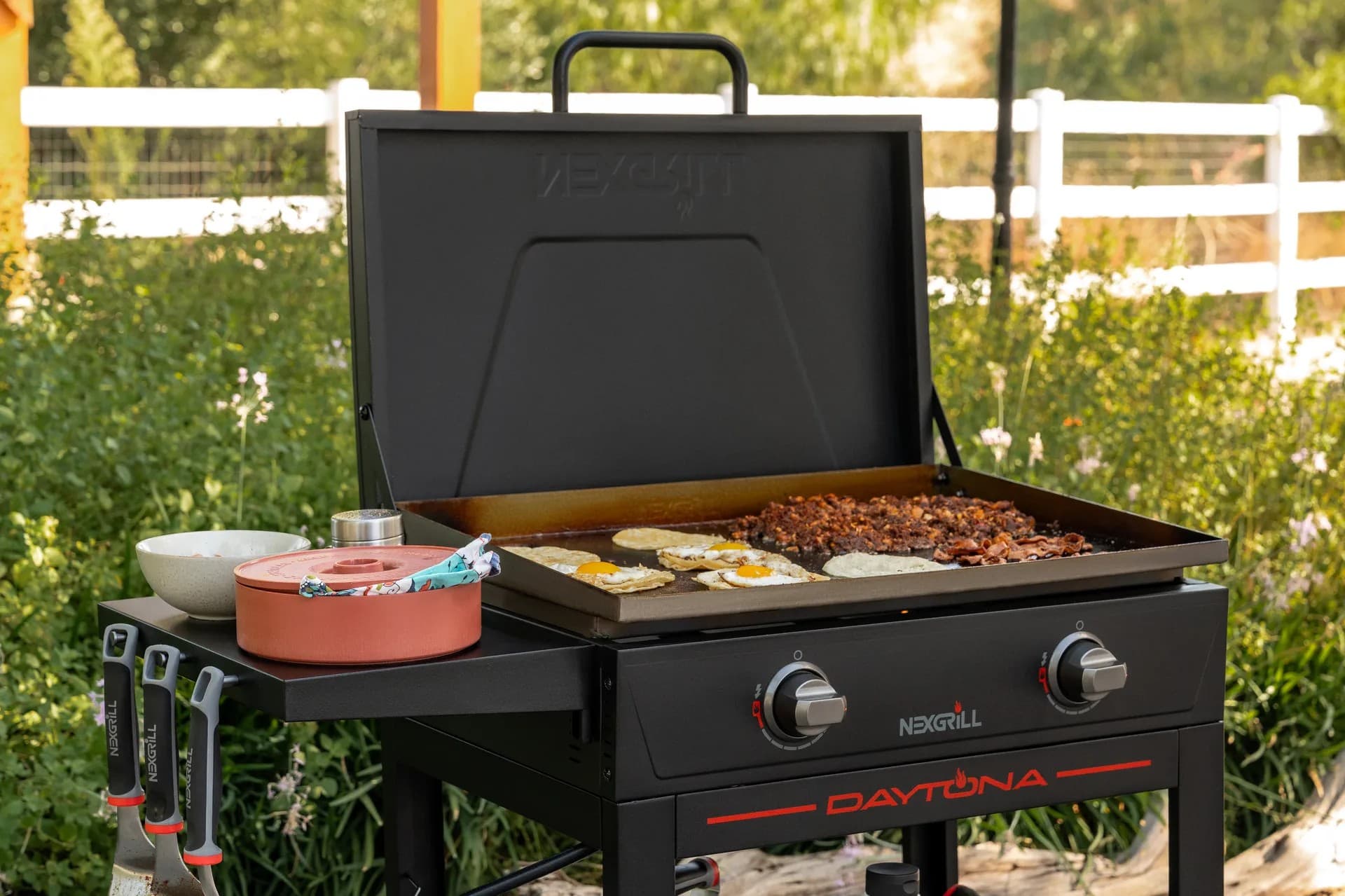
Find griddle recipes, cooking techniques, cleaning tips, and outdoor meal ideas designed for Nexgrill griddles.
Find answers to common questions
Gas grills provide instant heat and precise temperature control, making them easier to use. Charcoal grills offer a smoky flavor and high heat for searing but require more time to heat up and manage.
Pellet grills combine the convenience of gas with the flavor of wood, allowing for smoking, baking, and grilling. Traditional gas grills, however, are quicker to start and often easier to clean.
Charcoal grills typically reach higher temperatures quicker than gas grills, making them better for searing meat. However, high-quality gas grills can also provide adequate heat for effective searing.
Nexgrill offers models designed specifically for gas, charcoal, and pellets, allowing users to choose based on their cooking style and flavor preferences. Each type is built to optimize the characteristics of its respective fuel.
Choosing between gas and charcoal grills depends on your cooking preferences and lifestyle. If you value convenience and quick cooking, a gas grill may suit you better; if you prefer the taste and experience of traditional grilling, a charcoal grill would be ideal.
In This Article
User-Friendly Features
Top Beginner-Friendly Models
Budget Considerations
Smart grills can make outdoor cooking feel a lot less intimidating for someone who is still learning the rhythm of heat, timing, and food safety. Instead of asking a beginner to guess when the grates are hot enough, when to flip a steak, or how to keep chicken from drying out, smart grilling systems add a layer of guidance that reduces uncertainty. That matters because many first-time buyers are not looking for a highly technical pitmaster setup; they want a grill that helps them cook a satisfying meal without making the process stressful. Nexgrill’s brand philosophy is built around approachable outdoor cooking and bringing people together, and that same mindset fits the beginner smart-grill shopper who wants confidence, not complexity .
The smart grill technology conversation is really about reducing the learning curve. A strong beginner-friendly smart grill should help you preheat correctly, hold a steady temperature, and simplify the decision-making that usually trips up new grillers. In practice, that means a user interface that is easy to read, an app or control panel that is not overloaded with settings, and cooking guidance that feels useful rather than gimmicky. The goal is not to turn every cook into a robotic process; it is to make the first ten or fifteen cooks easier so you can build instinct over time. For many households, that means fewer overcooked burgers, less guesswork with pork chops, and more confidence when hosting family or neighbors.
Another reason beginners are drawn to smart grills is consistency. A traditional grill can absolutely produce great food, but a new user may not yet know how to compensate for wind, lid opening, or uneven burner zones. Smart features can help steady those variables by surfacing temperature data in a way that is easier to act on. That is especially valuable in the United States, where backyard cooking often happens on weeknights after work or on weekend gatherings when people want the meal to feel relaxed, not technical. A beginner who can glance at a probe reading or follow a guided prompt is much more likely to enjoy the experience and repeat it.
Beginner-friendly smart grilling is less about having the most advanced technology and more about making the first few cooks feel predictable, calm, and successful.
Best beginner smart grills should simplify the first cook, not complicate it.
When you are choosing a beginner-friendly smart grill, the most important feature is not a long spec sheet but a clear, usable control experience. A new griller benefits most from a grill that explains what is happening in real time. Large, readable displays, simple button layouts, and a companion app that avoids clutter are all helpful because they reduce the cognitive load of cooking outdoors. If the interface makes you stop and decode icons every time you adjust heat, the technology is working against you. The best setup should feel like a helpful coach standing beside the grill.
Temperature guidance is the other critical feature. Beginners often need help understanding the difference between surface heat, lid temperature, and the internal temperature of food. Built-in probes or connected thermometers can make that much easier. For example, if you are cooking chicken thighs, you may not know exactly when to remove them from indirect heat, but a smart temperature alert can tell you when the food is close to done. That turns a nerve-racking guess into a manageable process. If you are interested in learning by doing, this kind of feedback loop is more useful than a grill packed with settings you may never use.
Another feature beginners should prioritize is guided cooking support. Some smart grills or companion apps offer step-by-step prompts for common foods such as steak, burgers, pork chops, salmon, or vegetables. This is useful because beginners tend to cook the same dishes repeatedly while they are learning. Guided cooking helps shorten the gap between recipe and execution. A grill that suggests when to preheat, when to add food, and when to rest the meat can save a new owner from several common early mistakes. If the model also stores past settings or remembers preferred temperature ranges, that can make the second and third cook even easier.
Connectivity should be treated as a convenience feature, not the main selling point. Bluetooth or Wi-Fi can be helpful when you want to stay inside or socialize while monitoring the cook, but the system should still be intuitive when used directly at the grill. Beginners should check whether alerts are easy to understand, whether the app is stable, and whether manual controls remain simple if the connection drops. A smart grill is at its best when it expands your confidence rather than making you dependent on a phone.
| Feature | Why It Matters for Beginners |
|---|---|
| Readable display | Makes it easier to check heat and doneness at a glance. |
| Built-in probes | Helps reduce undercooking and overcooking. |
| Guided cooking prompts | Provides step-by-step help for common foods. |
| Simple manual controls | Keeps the grill usable even if the app is not open. |
| Stable connectivity | Lets you monitor food from inside without constant checking. |
For beginners, the best smart grill is often the one that balances digital assistance with straightforward operation. That means looking for grills with enough cooking space for family meals, a layout that is easy to understand, and controls that do not require a learning session of their own. In the Nexgrill lineup, a shopper who is just getting started will usually do better with a model that emphasizes practical cooking size and dependable heat management over elaborate specialty features. Nexgrill’s broader outdoor-cooking identity includes approachable products designed for real families and shared meals, which fits the beginner who wants to cook confidently on a weeknight or at a casual weekend get-together .
A novice-friendly smart grill should also match the cook’s actual household habits. If you mostly cook for two to four people, a smaller or mid-size grill can be easier to learn because it heats faster and has fewer zones to manage. If you regularly host friends, a larger multi-burner option may be better because it gives you room to separate direct and indirect heat. The key is to avoid buying a grill that feels impressive on paper but intimidating in practice. Beginners tend to succeed fastest when the equipment fits their routines instead of forcing them to adapt to the machine.
One practical way to think about beginner suitability is by use case. A two-burner style setup is often ideal for quick meals and simple temperature control. A larger gas grill can be a better choice if you want more cooking space for vegetables, burgers, and proteins at the same time. If your main goal is breakfast-style cooking, a flat-top smart griddle may be easier to master because it provides a uniform cooking surface and a more forgiving learning curve for foods that benefit from constant contact with heat. The best choice is the one that matches what you will cook most often during your first season of ownership.
If you are new to grilling, choose the grill you will use weekly, not the one with the longest feature list. Repetition is what builds confidence.
Nexgrill’s product range is designed around value and accessibility, which is useful for first-time buyers who want reliable performance without overspending. The company’s positioning around attainable outdoor cooking and inclusive backyard gatherings supports that beginner-first mindset, especially for customers who want to build confidence before moving into more advanced techniques .
Budget matters a lot for beginner buyers because the first grill is often a learning platform rather than a lifetime-endgame purchase. A smart grill does not need to be the most expensive model in the category to be worthwhile. In fact, beginners often get more value from a grill that gets the basics right: steady heat, clear controls, useful temperature guidance, and solid construction. The challenge is finding a model that trims extras you may never use while preserving the features that help you cook better. That is where value-oriented brands such as Nexgrill are especially relevant, because they are positioned around accessible pricing and practical outdoor-cooking features .
When evaluating price, think in terms of cost per successful cook, not just sticker price. A lower-cost grill that teaches you nothing and leaves you frustrated is not really a bargain. By contrast, a modestly priced model with a good temperature display and dependable burners can pay off quickly if it helps you avoid food waste and repeat meals more often. In the U.S. market, many shoppers also want a grill that feels presentable enough for family events without moving into premium pricing. For them, the sweet spot is a grill that looks and performs like a serious backyard appliance while staying within a realistic household budget.
Beginner shoppers should also watch the trade-off between digital extras and core cooking quality. A strong budget smart grill does not need every advanced remote feature if it sacrifices stability, size, or burner consistency. It is usually better to have simple connectivity and good temperature control than flashy app integration paired with uneven heat. In other words, the best budget-friendly smart grill is the one that makes your food better and your first season easier, not the one that only looks impressive in a product listing. If you are comparing models, prioritize cooking surface, temperature range, clear alerts, and a layout that makes sense when you are tired after work and still trying to make dinner happen.
| Budget Tier | What to Expect | Best For |
|---|---|---|
| Entry-level value | Basic smart help, simple layout, fewer extras | First-time grillers who want low risk |
| Mid-range value | Better app support, stronger build, more cooking room | Beginners who cook weekly |
| Upper value tier | More precision, more capacity, still approachable | New grillers who host often |
The fastest way to get better with a smart grill is to use the guidance consistently during the first several cooks. Start with foods that are forgiving and repeatable, such as burgers, chicken thighs, salmon, or vegetables that can handle modest timing variation. Use the grill’s temperature indicators and probes every time so you begin to recognize patterns. Over time, you will start to understand how your specific grill behaves in wind, at different preheat times, and when the lid is opened more often. That is how a smart grill becomes a learning tool instead of just a gadget.
It also helps to stage everything before you start. Have your food seasoned, tools ready, and serving area prepared so you are not rushing while the grill is heating. Beginners often make mistakes because they are trying to manage too many tasks at once. Smart features can help, but they cannot replace basic preparation. If the grill app gives you a preheat reminder or a probe alert, use that time to organize your next step rather than walking away entirely. Good habits matter just as much as the technology itself.
Finally, keep a simple record of what you cooked and how it turned out. Even a short note in your phone about temperature, time, and results can dramatically speed up your learning. If one setting worked well for burgers but ran too hot for chicken, write it down. Beginner grilling improves faster when each cook becomes a reference point for the next one. That is the real payoff of a smart grill: not just easier dinners, but faster confidence-building.
Do not treat smart alerts as a substitute for checking food visually and following safe cooking habits. Technology should support your judgment, not replace it.
Try comparing two products side by side below to see which fits best:
Once you've compared two options side by side, the next step is understanding what the technology is actually doing for you. Smart grill technology is not one single feature; it is a collection of tools that can include connected temperature probes, app-based alerts, digital control panels, step-by-step cooking guidance, and sometimes remote monitoring over Bluetooth or Wi-Fi. For beginners, the value comes from reducing uncertainty at the moments where new grillers are most likely to hesitate: when the grill is ready, when the food is close, and when it is time to rest or serve. The technology is useful only when it shortens those decision points in a way that feels simple enough to trust.
A good beginner smart grill makes temperature management visible. That matters because outdoor cooking can feel abstract when you are trying to judge heat by eye. Even experienced grillers use cues like surface temp, lid position, and flare-up behavior, but a beginner usually needs a more direct signal. Connected temperature monitoring can show whether the grill is still climbing toward the target or whether the food has already reached the doneness range you want. This is especially helpful for meals that are easy to overcook, such as chicken breast, pork tenderloin, or fish. Smart features do not replace judgment, but they do make the process easier to understand in real time.
In Nexgrill’s brand context, that simplicity aligns with a broader philosophy of approachable outdoor cooking. Nexgrill’s messaging emphasizes that grilling should be inclusive and accessible, with room for both new cooks and more experienced hosts, which is exactly the tone a beginner-friendly smart grill should take . A strong smart grill experience should feel like an invitation, not a technical certification. That means the interface should be readable, the prompts should be plain-language, and the equipment should work with your routine rather than forcing you to change everything about how you cook.
The best beginner smart grills make heat, timing, and doneness easier to see so that first-time cooks can focus on learning, not guessing.
The easiest smart grill to live with is not necessarily the one with the most features. Beginners should evaluate how quickly they can understand the interface, how clearly the grill communicates status, and whether the controls remain useful when the phone is not nearby. A readable screen, strong backlighting, and simple control labels can matter more than an overloaded app menu. If the panel makes you hunt through settings just to start cooking, that friction will show up every time you use it. The best interfaces reduce the number of choices you have to think about before the food goes on.
Guided cooking features deserve special attention because they translate grill knowledge into practical actions. Many beginners know what they want to eat but not how to manage the steps. A guided mode can help with preheat, monitor, flip, rest, and finish timing for a specific protein or vegetable. That is valuable not only for convenience but also for confidence-building. The first few successful meals often shape whether a new owner keeps grilling regularly, so every clear prompt helps reinforce good habits. For that reason, beginners should look for prompts that are easy to read, easy to dismiss if needed, and tied to food types they are likely to cook.
Connectivity should be judged by reliability and practicality. Bluetooth can be enough for a smaller backyard or patio, while Wi-Fi can be useful if you want a broader range around the house. But the real question is whether alerts arrive in time and whether the system is easy to reconnect if needed. A beginner-friendly grill should still be fully usable from the control panel if the app is closed or the signal is weak. In other words, connected features should augment the grill, not define its usefulness. That distinction is important for first-time buyers who may be spending more energy learning cooking basics than troubleshooting devices.
| User-Friendly Feature | What Beginners Should Check |
|---|---|
| Screen clarity | Can you read temperatures outdoors in sunlight? |
| Guided prompts | Do they walk you through real cooking steps? |
| Probe alerts | Are the notifications specific and timely? |
| Manual backup controls | Can you operate the grill without the app? |
| App simplicity | Is it easy to find the settings you actually need? |
When comparing beginner-friendly smart grills, it helps to think in terms of how the grill supports your actual cooking habits. A compact setup is often ideal for couples or small families because it heats quickly, saves space, and lowers the learning burden. A larger grill may be a better long-term choice for households that host often or cook multiple items at once. In Nexgrill’s broader assortment, a shopper can look across gas grills, pellet smokers, griddles, and charcoal models, but beginners usually benefit most from the category that matches their simplest repeated meal patterns rather than the most advanced cooking style .
If you are mainly focused on weeknight convenience, a straightforward gas grill with smart temperature support is usually the least intimidating route. If your goal is more all-in-one flexibility, a griddle can be easier to understand because the flat surface creates fewer surprises with contact heat. If you are interested in low-and-slow cooking, a pellet smoker style may provide more automated temperature handling, but that is only a good beginner option if you genuinely want to learn that style of cooking. The right answer depends on whether you want to grill burgers on Tuesday, host on Saturday, or slowly smoke a Sunday roast. Beginners should choose the format that best matches their menu, not just the one with the most buzz.
Nexgrill’s product range includes practical models that can serve as a stepping stone for new grillers. For example, the Deluxe 2-Burner Gas Grill is the kind of straightforward layout that helps a beginner learn zone cooking without feeling overwhelmed. For someone who wants more capacity and a traditional backyard footprint, the 4-Burner Gas Grill with Side Burner in Black offers more room to experiment with indirect heat and side prep. Buyers who prefer a more versatile flat-top format may want to look at the Stainless Steel Nexgrill Daytona 4-burner flat top griddle grill, which can be especially approachable for breakfast, stir-fry, and smash burger cooking because the cooking surface is visually simple and easy to manage.
For a first grill, choose the model that matches your most common meal, not the one that only looks impressive in photos.
Affordability for beginners is about more than a low entry price. A grill can be inexpensive upfront and expensive to live with if it is hard to control, underbuilt, or missing the features that make cooking easier. A better measure of value is whether the grill helps you produce good meals consistently while staying within a realistic household budget. Nexgrill’s brand positioning emphasizes accessible pricing and outdoor cooking for a broad audience, which makes it relevant to beginners who want a reliable starting point without overspending on features they may not use right away .
When evaluating value, compare three layers: the cook itself, the controls, and the long-term ownership experience. The cook includes heat consistency, cooking space, and the food styles the grill can handle. The controls include how quickly you can learn the interface and whether the guidance is genuinely helpful. The ownership experience includes how easy it is to clean, how much counter or patio space it uses, and whether the materials seem built for regular outdoor exposure. A beginner often gets the most value from a mid-range model that does all three reasonably well rather than from the cheapest option on the shelf.
In practical U.S. budgeting terms, many first-time buyers are balancing the grill purchase against propane, utensils, a cover, and the first few weeks of groceries. That is why sensible value matters. A smart grill that helps you avoid waste and cook more often can justify a little extra spend if it reduces failed meals. If the price gap is small but the feature gap is large, choose the model that gives you better guidance and clearer controls. If the price gap is large but the added functions are features you will not use, stay with the simpler option. The right value decision is the one that supports actual use, not aspirational ownership.
| Value Question | What to Prefer |
|---|---|
| Will I use the app regularly? | Choose a grill with simple, reliable connected features. |
| Do I cook for a crowd? | Prioritize more cooking area and clearer zone control. |
| Am I learning basic grilling? | Focus on readability, probes, and guided prompts. |
| Is storage tight? | Select a footprint that fits your patio or deck. |
Once you've chosen a grill, the next step is protecting your investment so the smart features keep working as intended. Maintenance is especially important on connected grills because grease, residue, and weather exposure can affect not only the cooking surface but also the accuracy and responsiveness of sensors, probes, and control panels. A beginner does not need a complicated service routine, but they do need a repeatable habit: clean after the cook, inspect the hardware, and protect the grill from the elements. That rhythm keeps the technology useful and the grill ready for the next meal.
Start with the basics. After the grill cools slightly but is still warm enough to loosen residue, clear the grates or cooking surface with an appropriate brush or scraper. Empty grease management components according to the model instructions, and check that vents and openings are not blocked. If your grill uses probes, clean them gently and store them so the wiring does not get pinched. On units with control panels, keep liquids and cleaning chemicals away from the electronics. These are simple steps, but they matter because a beginner-friendly grill should remain beginner-friendly over time, not become harder to operate after a few messy weekends.
A cover is also a practical investment in the United States, where grills may sit through heat, moisture, and seasonal swings. Even a well-built smart grill benefits from being shielded from rain, dust, pollen, and UV exposure. If you store the grill outdoors, make sure the cover fits well and that the grill is dry before covering it. For off-season storage, disconnect fuel sources safely, remove batteries if the manufacturer recommends it, and keep the grill in a dry place when possible. Small habits like these help maintain temperature accuracy, preserve the look of the equipment, and extend the life of the electronic components.
A final beginner lesson is to document what you learn during maintenance and cooking. If a probe starts reading oddly or a hotspot appears in a certain area, note it early instead of waiting for the problem to grow. Smart grills are easiest to enjoy when they stay predictable, and predictability comes from care. Used consistently, the grill becomes less of a gadget and more of a trusted backyard tool for everyday meals and casual gatherings.
Do not pressure-wash control panels, soak probes, or let cleaning chemicals pool near electronic components. Gentle care protects both the grill and the smart features.
Here's what sets us apart
We position ourselves as delivering high-end outdoor cooking features and performance without premium-brand pricing, emphasizing “Quality Grills. Unbelievable Value.”
We offer gas grills, pellet grills, griddles, smokers, pizza ovens, portable/tabletop grills, electric grills, accessories, and replacement parts — allowing customers to stay within one ecosystem for all outdoor cooking needs.
We differentiate ourselves through smart grilling products like the Oakford smart pellet grill, including app-connected cooking controls and modern outdoor cooking technology.
Don't just take our word for it
Keep reading
From our catalog