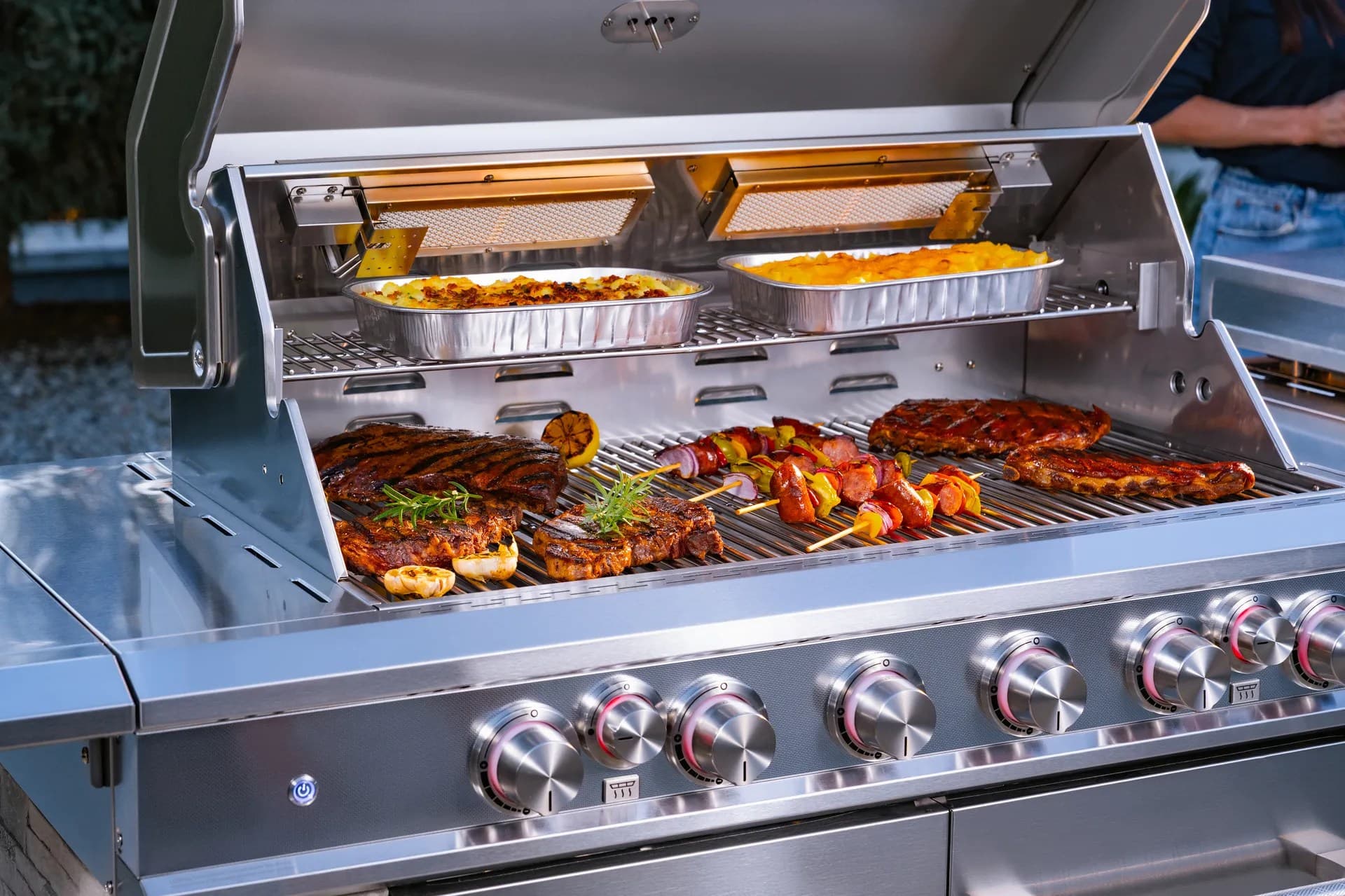
Discover how smart grilling enhances convenience, flavor, and efficiency.
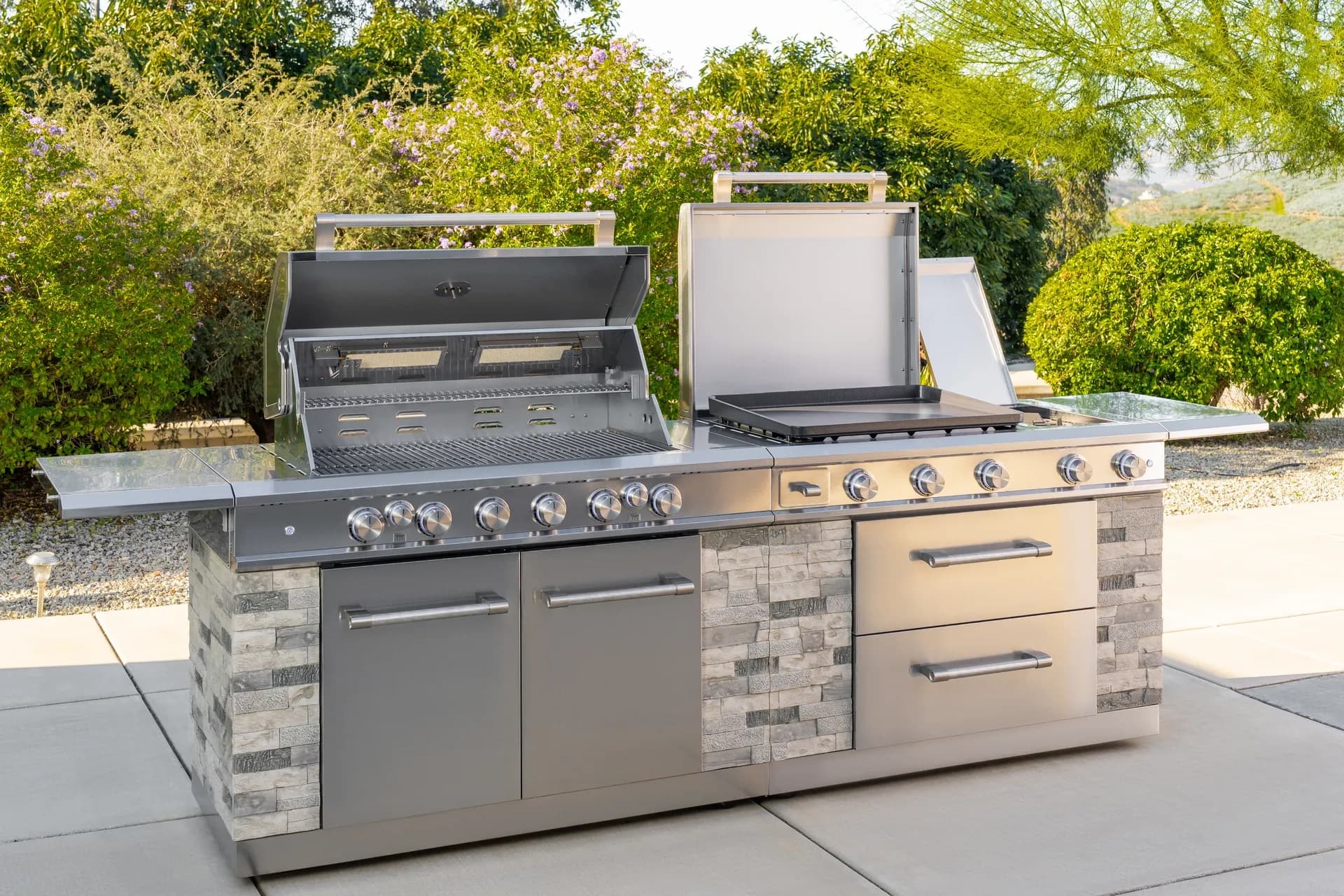
From sizzling breakfasts to smash burgers and teppanyaki-style dinners, the Daytona Pro 5 Burner NitroGuard™ Griddle delivers powerful heat, fast cooking, and a durable cooking surface built for every backyard cookout. Watch how easy outdoor cooking can be.
Here's what sets us apart from the competition
We position ourselves as delivering high-end outdoor cooking features and performance without premium-brand pricing, emphasizing “Quality Grills. Unbelievable Value.”
We offer gas grills, pellet grills, griddles, smokers, pizza ovens, portable/tabletop grills, electric grills, accessories, and replacement parts — allowing customers to stay within one ecosystem for all outdoor cooking needs.
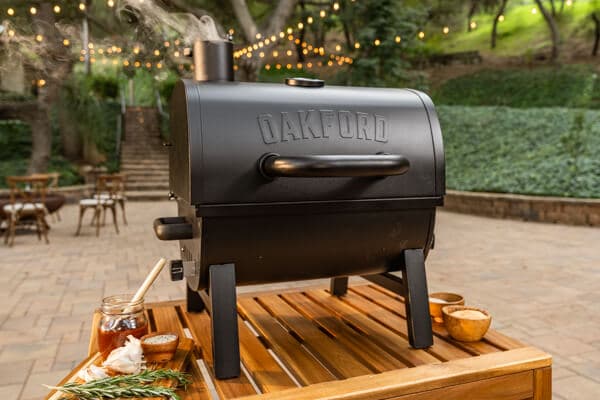
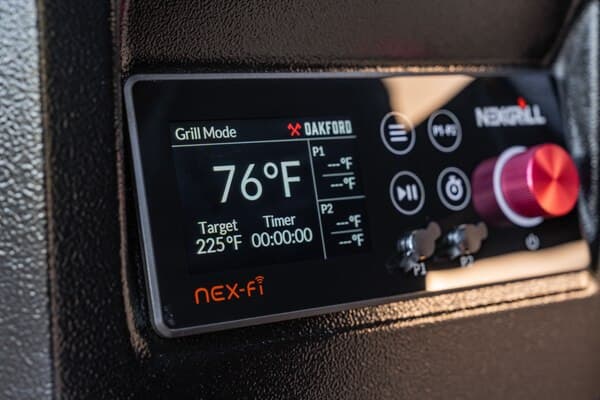
We differentiate ourselves through smart grilling products like the Oakford smart pellet grill, including app-connected cooking controls and modern outdoor cooking technology.
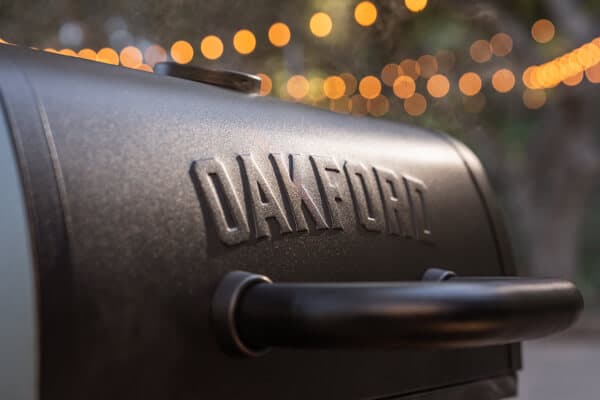
Expert tips, buying guides, comparisons, and inspiration for choosing and getting the most out of your grill.
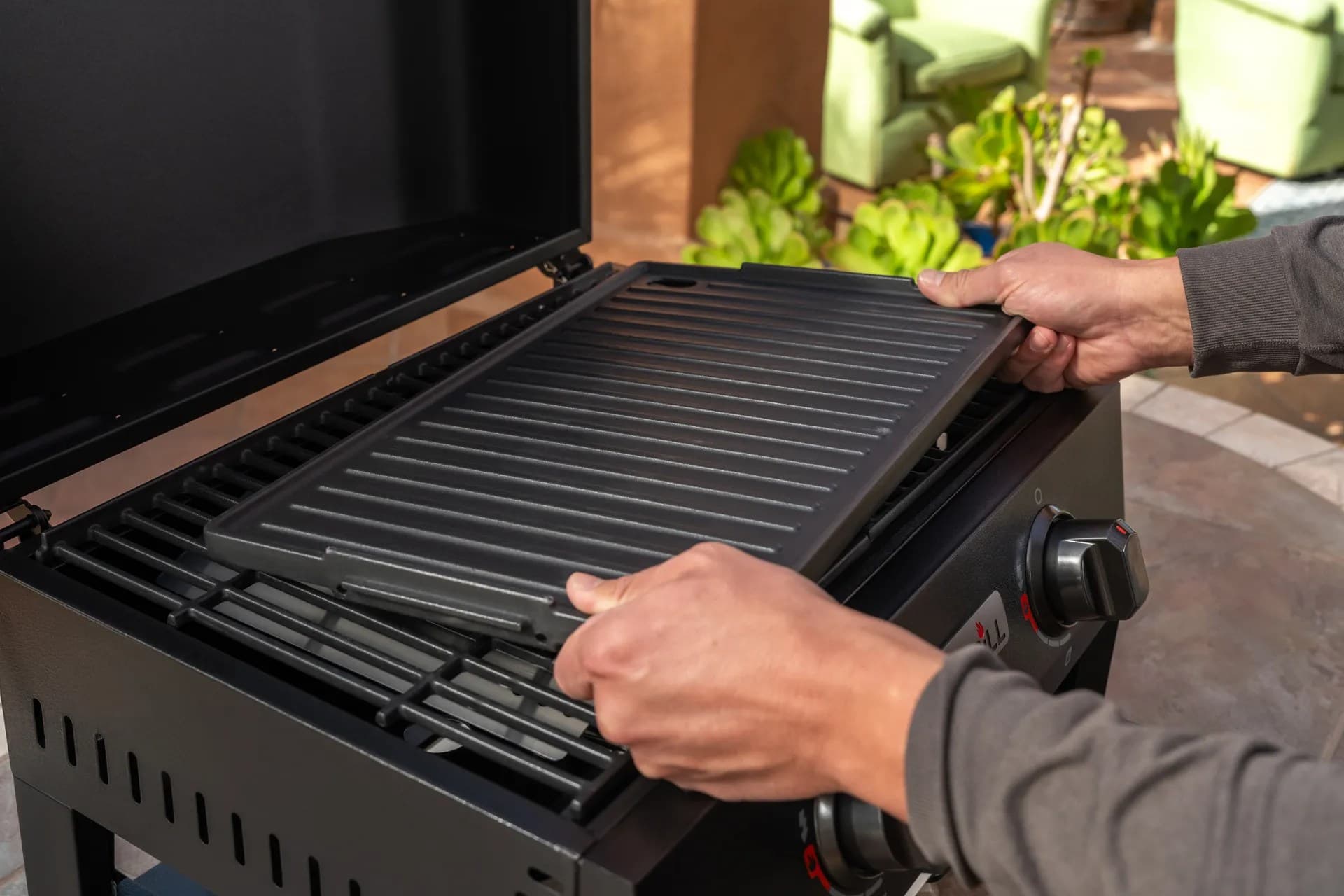
Practical guides for cleaning, maintenance, common grill issues, and performance optimization.
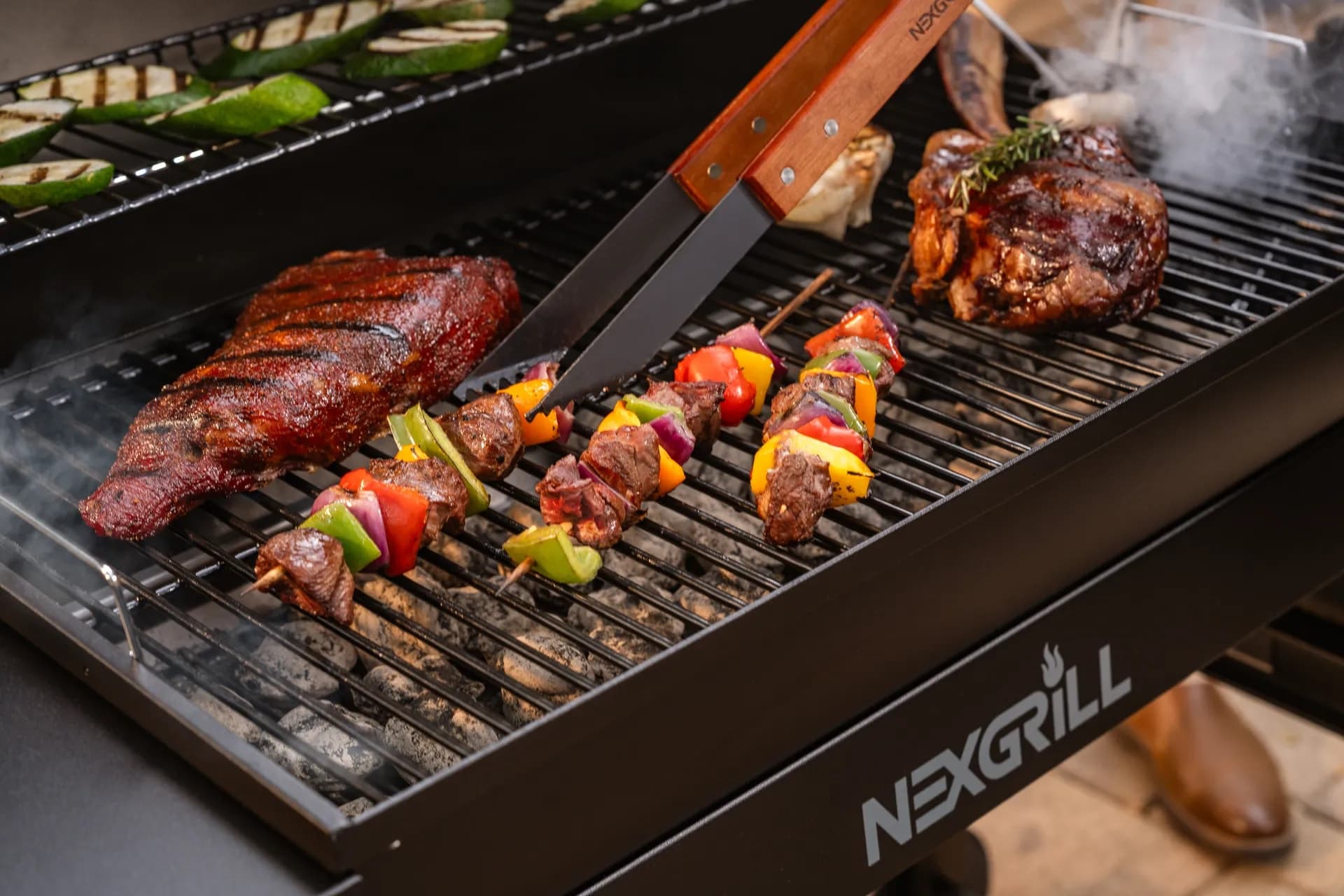
Step-by-step grilling recipes, cooking techniques, and meal ideas for every occasion and skill level.

Backyard entertaining ideas, seasonal grilling inspiration, and stories that celebrate outdoor cooking culture.
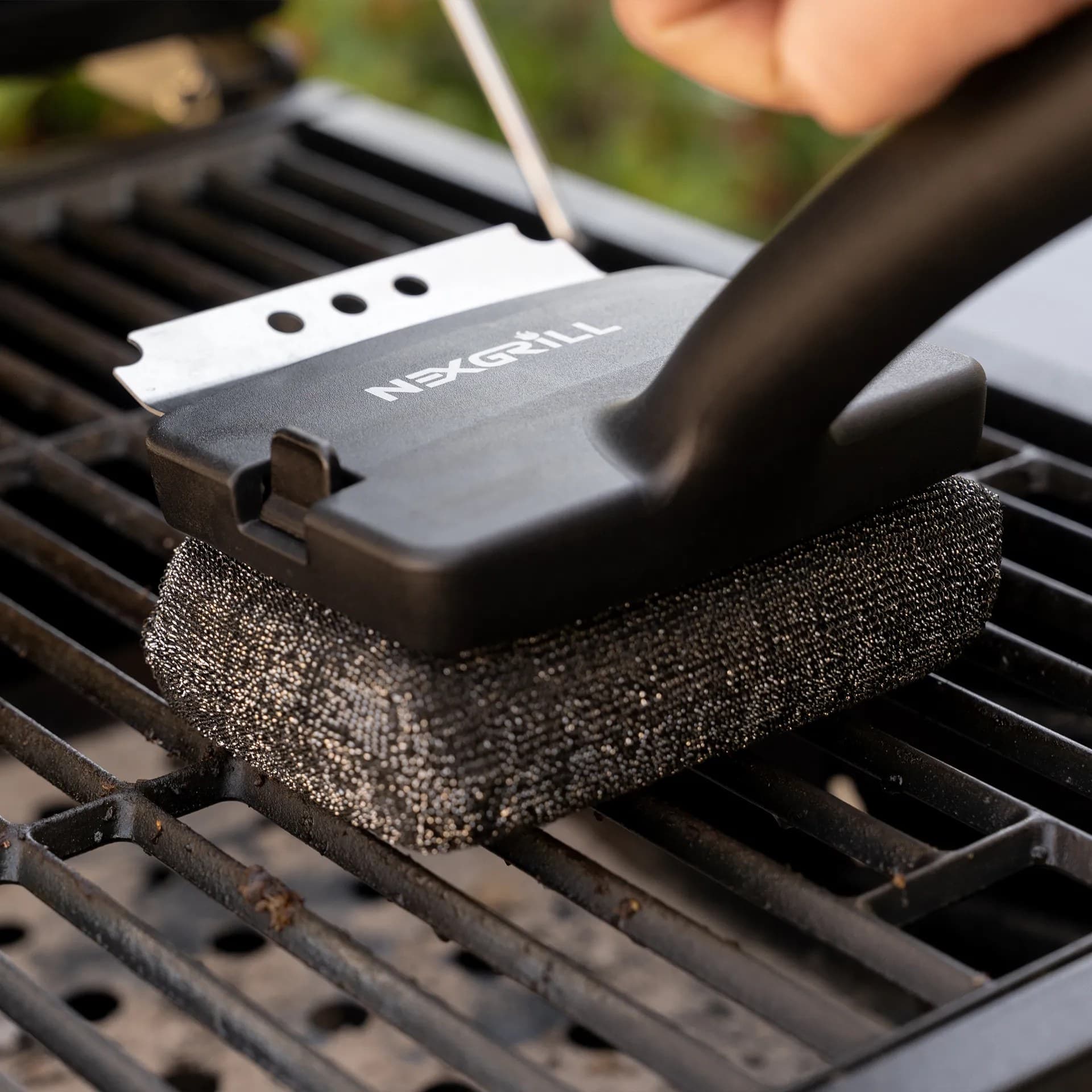
Helpful articles covering grilling tools, cookware, maintenance gear, and must-have accessories for outdoor cooking.
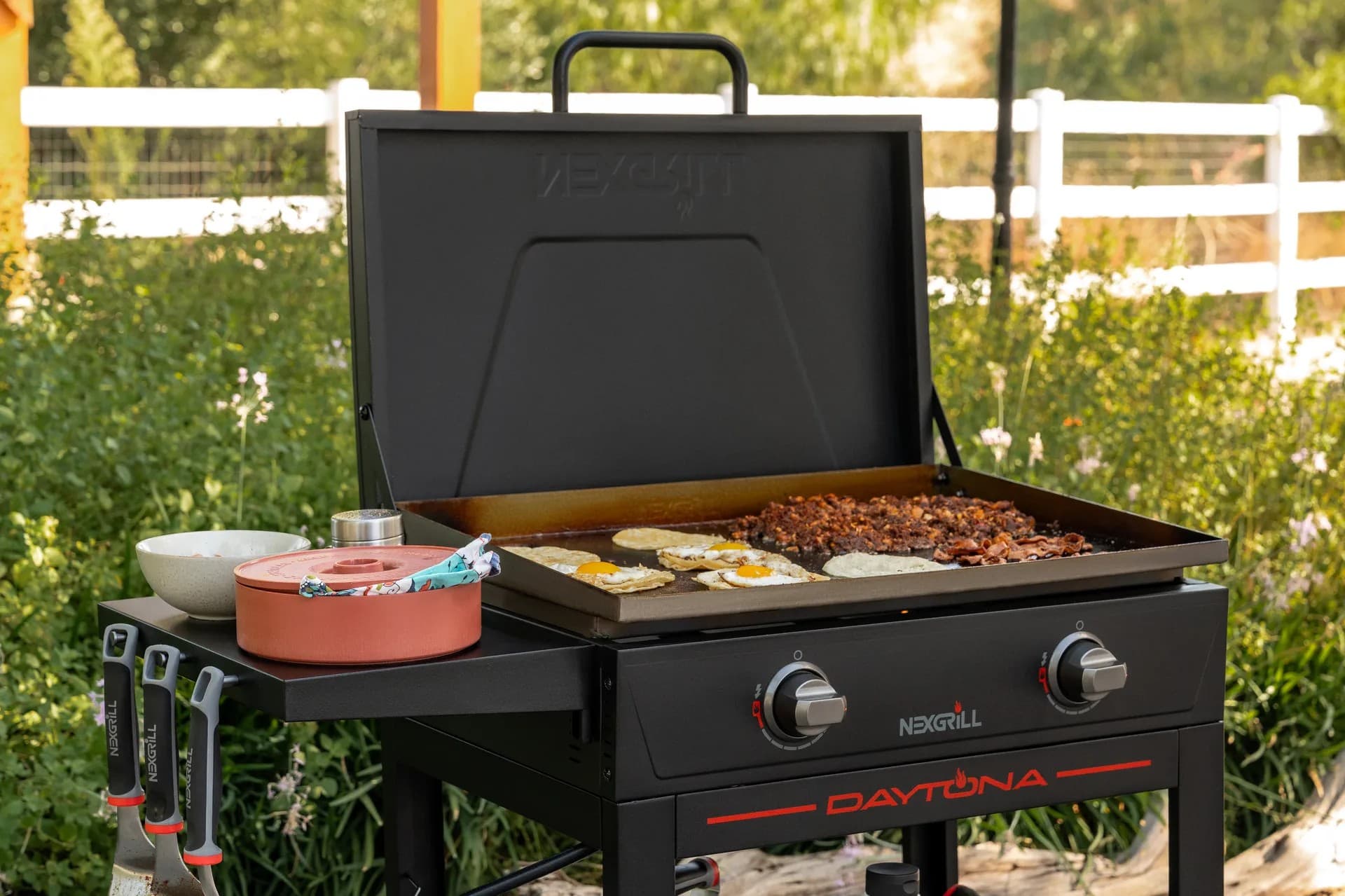
Find griddle recipes, cooking techniques, cleaning tips, and outdoor meal ideas designed for Nexgrill griddles.
Find answers to common questions
Gas grills provide instant heat and precise temperature control, making them easier to use. Charcoal grills offer a smoky flavor and high heat for searing but require more time to heat up and manage.
Pellet grills combine the convenience of gas with the flavor of wood, allowing for smoking, baking, and grilling. Traditional gas grills, however, are quicker to start and often easier to clean.
Charcoal grills typically reach higher temperatures quicker than gas grills, making them better for searing meat. However, high-quality gas grills can also provide adequate heat for effective searing.
Nexgrill offers models designed specifically for gas, charcoal, and pellets, allowing users to choose based on their cooking style and flavor preferences. Each type is built to optimize the characteristics of its respective fuel.
Choosing between gas and charcoal grills depends on your cooking preferences and lifestyle. If you value convenience and quick cooking, a gas grill may suit you better; if you prefer the taste and experience of traditional grilling, a charcoal grill would be ideal.
In This Article
Enhanced Cooking Precision
Remote Monitoring
Recipe Guidance
Smart grill technology turns a traditional outdoor cooker into a more measurable, more responsive cooking system. Instead of relying only on intuition and a quick look at the flames, the grill uses connected sensors, digital controls, and sometimes app-based prompts to help you track temperature, food progress, and heating patterns in real time. In practical terms, that means the grill is doing more of the monitoring work while you focus on timing, seasoning, and serving. For home cooks in the United States, this can be especially valuable on busy weeknights, during tailgates, or when a backyard meal needs to run smoothly with less guesswork.
The category has expanded beyond simple wireless thermometers. Today’s smart grills may include multiple temperature probes, Wi-Fi or Bluetooth connectivity, step-by-step cooking guidance, programmable doneness targets, and alerts when the grill or food reaches a specific threshold. Some systems are built into the grill itself, while others connect through a companion device or app. That difference matters because “smart” is not one feature - it is a set of controls that can reduce the small mistakes that often cause overcooked chicken, dry pork chops, or a steak that sits too long after searing.
Smart grilling helps translate temperature data into better decisions before food drifts off target.
A helpful way to think about smart grilling is as a feedback loop. The grill measures conditions, the app or control panel interprets them, and you receive a recommendation or alert that changes what you do next. That can be as simple as opening the lid less often, lowering a burner, or moving food to a cooler zone. It can also be more advanced, such as following a preset for reverse-seared steak or a low-and-slow cook where the system reminds you to maintain a steady range instead of chasing a single temperature spike.
For Nexgrill readers, the big value is not novelty. It is confidence. Smart grilling can make outdoor cooking feel more approachable for beginners while giving experienced grillers a faster way to verify what is happening on the cooking grate. That balance fits the brand’s people-first grilling philosophy, which emphasizes shared meals, approachable equipment, and a more connected cooking experience rather than technology for its own sake. Nexgrill’s brand guidelines consistently frame grilling as a welcoming, shared experience, which makes smart features especially relevant when the goal is to bring more people to the table with less stress and more consistency .
The best-known benefit of a smart grill is convenience, but convenience alone undersells the category. Smart features can improve three important parts of the cooking experience at once: planning, execution, and timing. Planning improves because you can set a target and let the grill guide you. Execution improves because the system gives you more data about what is happening now. Timing improves because alerts reduce the chance that a critical window gets missed while you are tending guests, side dishes, or another task indoors.
This is one reason smart grills have become a popular topic in mainstream outdoor cooking coverage. Recent product roundups and feature explainers highlight that buyers are increasingly interested in connected controls, app integration, and guided cooking rather than raw heat output alone. Coverage from sources such as NBC News, CNET, and Forbes points to the broader shift toward grill systems that make outdoor cooking easier to manage from a distance and easier to repeat with consistent results.
| Benefit | What it changes | Why it matters |
|---|---|---|
| Precision | Tracks heat and food temperature more closely | Helps prevent overcooking and uneven results |
| Convenience | Sends alerts and updates to your phone | Lets you step away without losing control |
| Repeatability | Uses saved settings and guided modes | Makes it easier to repeat a good cook |
| Confidence | Provides live feedback during cooking | Reduces second-guessing for newer grillers |
There is also a social benefit that does not get enough attention. Smart controls let the host spend less time hovering over the grill and more time actually hosting. That matters for family dinners, game-day spreads, or any cook where the backyard gathering is as important as the food. Nexgrill’s brand language repeatedly emphasizes connection, shared meals, and welcoming people around the grill, which aligns naturally with technology that keeps the cook from being isolated at the fire station the whole evening .
Tip: When comparing smart grills, focus on how the system changes your actual cooking habits. A useful app is one that lowers stress, shortens decision-making, and helps you serve food on time.
Precision is where smart grill technology earns its keep. Traditional grilling often depends on a combination of intuition, timing, and experience. That still matters, but smart controls add a layer of measurement that helps you stay inside a narrower cooking range. If a grill can report grate temperature, probe temperature, and even temperature trends over time, you can make better decisions about when to sear, when to hold heat, and when to let food rest.
For foods like chicken breasts, pork tenderloin, seafood, and thicker cuts of beef, precision can make the difference between juicy and merely acceptable. Even when you are cooking something forgiving like burgers, tighter temperature control improves workflow. You can preheat more reliably, identify hot spots sooner, and manage direct versus indirect zones with more confidence. For pellet and gas setups alike, that level of feedback is useful because the cooking problem is not just “turn it on.” It is “hold the right environment long enough for the food to finish correctly.”
| Cooking situation | Why precision helps | Common smart feature |
|---|---|---|
| Weeknight chicken dinner | Avoids drying out lean meat | Food probe alert at target temp |
| Reverse-seared steak | Helps manage a low-and-slow stage before searing | Temperature trend monitoring |
| Pork shoulder | Long cooks need stable heat over many hours | Long-duration graphing or alerts |
| Multi-item cook | Keeps one zone from running hotter than another | Zone-based monitoring |
The biggest practical gain is that precision reduces correction time. Without smart feedback, many grillers notice a problem only after the food has already drifted too far: the lid has been opened too often, the heat fell during a long cook, or the center of the grate is much hotter than the edges. A smart system can surface those problems earlier. That does not eliminate skill. It simply makes skill more repeatable.
It also changes how people build confidence. Newer grillers often assume precision means being rigid, but smart grilling is actually about flexibility. Once you know your grill’s behavior, you can adapt your technique around it. A connected grill can help you learn that your patio has a wind pattern, that one burner tends to run hotter than another, or that a particular recipe benefits from a 15-minute rest before plating. Those insights add up over time, and they are one of the most underrated advantages of smart technology.
Remote monitoring is the feature that most clearly separates smart grills from older outdoor cooking setups. Instead of standing beside the grill the entire time, you can check progress from inside the house, from the patio, or even from a few rooms away, depending on the device and connection. For many U.S. households, that means cooking can fit more naturally into daily life. You can answer the door, finish a salad, help kids, or prep dessert without wondering whether the grill needs attention every sixty seconds.
The strongest remote features are the ones that actually change behavior. A phone alert that tells you the roast is nearing target temperature is valuable because it prevents overcooking. A graph that shows a slow temperature dip is useful because it hints at a lid left open too long, low fuel, or changing weather. Some systems also allow you to adjust settings remotely, which is especially helpful when you want to reduce heat slightly or switch modes without walking back and forth repeatedly.
Warning: Remote control is a support tool, not a replacement for active grilling. You still need to check food safety, manage flare-ups, and use the app as a guide rather than a shortcut.
For larger gatherings, remote monitoring also improves pacing. Hosts can start a slow cook earlier, monitor its progress while guests arrive, and time finishing steps more accurately. That matters when the menu includes multiple items with different cook windows. For example, a rack of ribs may need hours, while vegetables or flatbreads may only need a short finish near the end. With connected monitoring, the grill becomes less of a fixed station and more of a managed cooking environment.
The value is not just in convenience but in interruption resistance. Outdoor cooks are constantly interrupted by weather changes, conversations, side dishes, and the demands of serving. Smart grill alerts help the cook return to the grill at the right moment rather than too late. In a busy household, that is often the real difference between a good dinner and a stressful one.
Try comparing two products side by side below to see which smart feature set best matches how you actually cook.
Once you have compared two options side by side, one of the biggest differences between smart grill models is how they help you cook, not just how they measure temperature. Recipe assistance can range from simple guided prompts to full cook programs that walk you through each step, from preheat to rest. For many households, this is the feature that turns smart grilling from a novelty into a genuinely useful kitchen companion. It shortens the learning curve for newcomers and standardizes results for experienced cooks who want fewer surprises on repeat recipes.
Guided cooking is especially helpful when the menu includes multiple foods that do not finish at the same time. A smart system can help you schedule the flow of the meal so the protein reaches target temperature while sides, buns, or vegetables are staged correctly. That kind of guidance is valuable for family dinners and casual entertaining because it reduces the chance that one item is ready while another is still underdone. It also helps users explore more than the same three weeknight recipes by giving them a clearer path into longer roasts, reverse searing, and mixed-zone cooking.
Many smart grilling experiences are built around practical coaching: when to flip, when to move food, when to lower heat, and when to rest. This is where technology becomes a teaching tool. Instead of just beeping at the end, the system helps explain the process along the way. That matters because outdoor cooking skill is often learned by repetition, and recipe guidance compresses the number of “wasted” attempts needed to get comfortable with new techniques. CNET’s smart grill coverage has noted that buyers are increasingly interested in products that make cooking more interactive and less trial-and-error driven, which is exactly where guided recipes add value.
| Guidance type | What it does | Best use case |
|---|---|---|
| Step-by-step recipe mode | Walks through a full cook sequence | Newer grillers and first-time recipes |
| Target-temperature alerts | Signals when food reaches a set threshold | Steaks, poultry, and roasts |
| Timed reminders | Prompts when to check, flip, or rest | Busy cooks managing several tasks |
| Saved cook profiles | Stores settings for repeat meals | Weekly staples and signature dishes |
For a brand like Nexgrill, which emphasizes approachable, inclusive cooking experiences, recipe guidance fits naturally. The company’s messaging repeatedly encourages gathering, sharing, and making the grill a place for everyone, not just seasoned experts . A guided recipe experience supports that mission because it helps more people participate successfully. If someone is nervous about smoking a pork loin for the first time or wants to try a more precise steak finish, the grill can become a coach instead of just a heat source.
Tip: Look for recipe guidance that explains the why behind each step. The best systems teach technique, so the next cook is easier even without the app open.
Safety is an important but often overlooked advantage of smart grill technology. While no grill should be treated as risk-free, connected features can reduce common mistakes by making problems easier to notice sooner. Alerts for high heat, lid status, food doneness, and unusual temperature swings help users react before a situation becomes harder to manage. That can be especially useful during long cooks or gatherings where the grill may be one of several things demanding attention at once.
Smart safety features are helpful because many grilling mishaps begin with distraction. Someone steps away to answer a call, a side dish starts to boil over, or a conversation pulls attention away from the fire. A good monitoring system can bring the cook back at the right time. In practical use, that means fewer overcooks, fewer frantic lid lifts, and a better chance of catching unusual temperature changes before food quality drops. On some setups, alerts can also remind users to check fuel levels or confirm that the unit is cooled down before a cover is placed back on.
Warning: Smart safety features do not replace basic grilling habits. Keep the grill in a stable outdoor location, follow the manufacturer’s instructions, and always supervise open heat.
Another safety advantage is reduced handling. If the grill or app provides clear feedback, you may not need to open the lid as often just to check whether food is done. Fewer unnecessary openings can help stabilize heat and limit exposure to flare-ups or hot surfaces. For families with newer grillers, that extra clarity can make outdoor cooking feel less intimidating and more manageable.
The main takeaway is that smart technology does not eliminate the need for care; it improves your situational awareness. That is especially useful for meal planning, because safety and timing often overlap. If a roast is ready sooner than expected, an alert can keep it from sitting too long. If the grill temperature is climbing unexpectedly, the system can give you time to correct course. Those small interventions are what make smart tools feel genuinely practical rather than decorative.
Energy efficiency is one of the more interesting advantages of smart grill technology because it is easy to miss when you focus only on convenience. A connected grill that reaches target temperature faster, holds heat more steadily, and reduces unnecessary lid openings can avoid wasted fuel and wasted time. In United States households where grilling is a recurring part of weekly meals, even modest efficiency gains can add up over a season of use.
Smart systems support efficiency in a few practical ways. First, they can help the user preheat more deliberately instead of overshooting and then compensating. Second, they can reduce overcooking, which indirectly reduces waste by improving the odds that food is served as intended. Third, they can support better zone management, so you use the heated area you need rather than firing up more grill than necessary. Over time, that can mean more intentional cooking and less fuel burned through guesswork.
Environmental impact is not only about fuel. It is also about food waste, replacement cycles, and how long the equipment stays useful. If better guidance helps a household cook more successfully at home, that can reduce takeout dependence and lower the chance that ingredients are thrown away because dinner did not turn out right. If alerts and monitoring help a grill last longer by encouraging cleaner, more controlled use, that also supports a more responsible ownership pattern. NBC News has highlighted consumer interest in smart grilling as part of a broader movement toward connected outdoor cooking that makes the process smoother and more manageable.
The smartest grills help you use only the heat, fuel, and time you actually need.
From a buying standpoint, efficiency should be judged by behavior, not just claims. Ask whether the grill or app actually helps you reduce unnecessary cooking time, use fewer resets, and stay on target without repeated corrections. If it does, the user experience may be quieter, simpler, and less wasteful - which is good for the cook and the backyard routine.
The right smart grill depends on how you cook today, not just on what looks impressive in a product demo. A beginner who wants straightforward guidance may benefit most from a system with easy alerts, preset recipes, and a simple app interface. A more experienced griller may care more about probe count, zone control, trend graphs, and the ability to manage multiple cooks at once. The best choice is the one that matches your habits, your patience level, and how often you want the grill to coach versus simply report.
| Buyer profile | Best smart feature focus | Why it fits |
|---|---|---|
| New griller | Recipe guidance and temperature alerts | Builds confidence without overwhelming setup |
| Busy family host | Remote monitoring and timed reminders | Keeps dinner moving while you handle other tasks |
| Experienced enthusiast | Multi-probe control and detailed temperature trends | Supports more technical cooks and repeatable results |
If you grill mostly for convenience, prioritize reliability and a clean app experience over a long feature list you may never use. If you host often, remote monitoring and alerts can make a bigger difference than extra decorative settings. If you enjoy learning new techniques, choose a model that teaches as well as it measures. Forbes and CNET both note that the appeal of smart grills is not merely connectivity; it is the way those tools simplify decisions during real-world cooking.
For Nexgrill shoppers, the smartest purchase is the one that supports consistent outdoor meals and fits naturally into the way your household gathers. That is why smart grill technology works best when it feels like part of the cookout, not a separate gadget managing it. When the experience is intuitive, the food tends to follow.
Here's what sets us apart
We position ourselves as delivering high-end outdoor cooking features and performance without premium-brand pricing, emphasizing “Quality Grills. Unbelievable Value.”
We offer gas grills, pellet grills, griddles, smokers, pizza ovens, portable/tabletop grills, electric grills, accessories, and replacement parts — allowing customers to stay within one ecosystem for all outdoor cooking needs.
We differentiate ourselves through smart grilling products like the Oakford smart pellet grill, including app-connected cooking controls and modern outdoor cooking technology.
Don't just take our word for it
Keep reading
From our catalog