Ensure optimal performance and longevity of your smart grill with these expert maintenance tips.

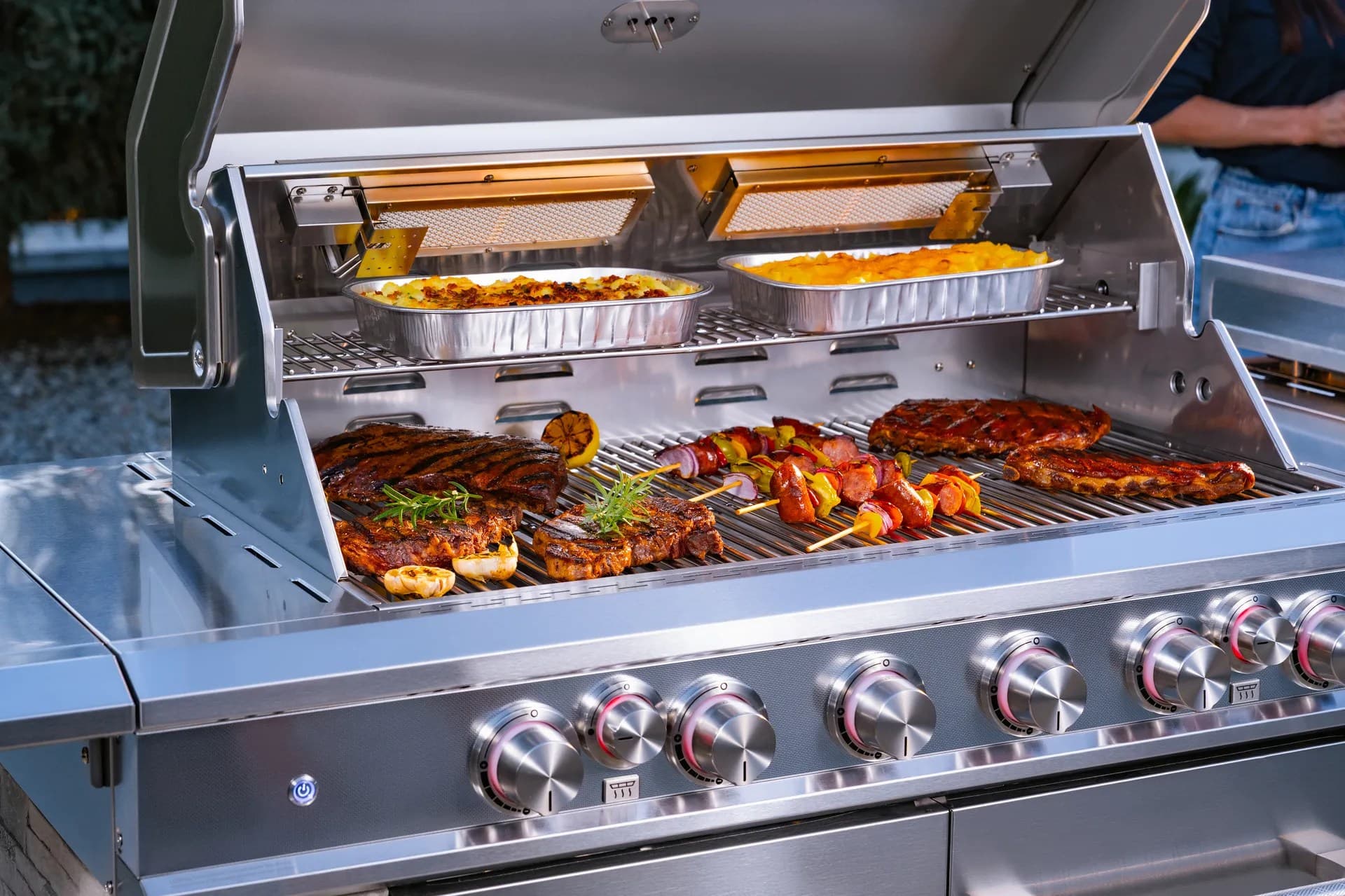
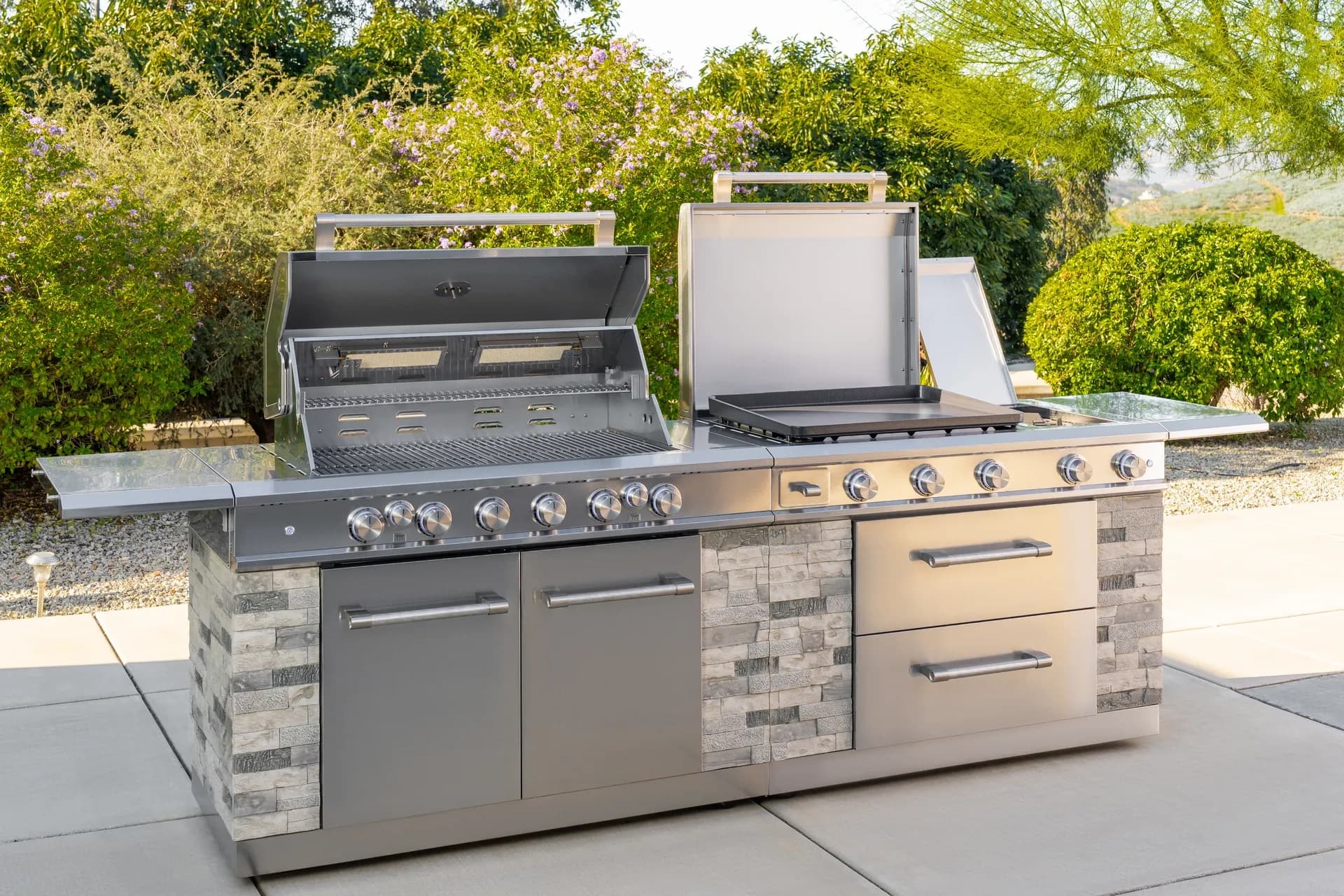
From sizzling breakfasts to smash burgers and teppanyaki-style dinners, the Daytona Pro 5 Burner NitroGuard™ Griddle delivers powerful heat, fast cooking, and a durable cooking surface built for every backyard cookout. Watch how easy outdoor cooking can be.
Here's what sets us apart from the competition
We position ourselves as delivering high-end outdoor cooking features and performance without premium-brand pricing, emphasizing “Quality Grills. Unbelievable Value.”
We offer gas grills, pellet grills, griddles, smokers, pizza ovens, portable/tabletop grills, electric grills, accessories, and replacement parts — allowing customers to stay within one ecosystem for all outdoor cooking needs.
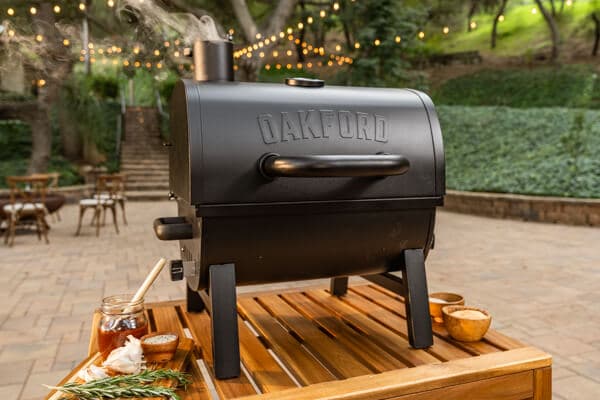
We differentiate ourselves through smart grilling products like the Oakford smart pellet grill, including app-connected cooking controls and modern outdoor cooking technology.
Expert tips, buying guides, comparisons, and inspiration for choosing and getting the most out of your grill.
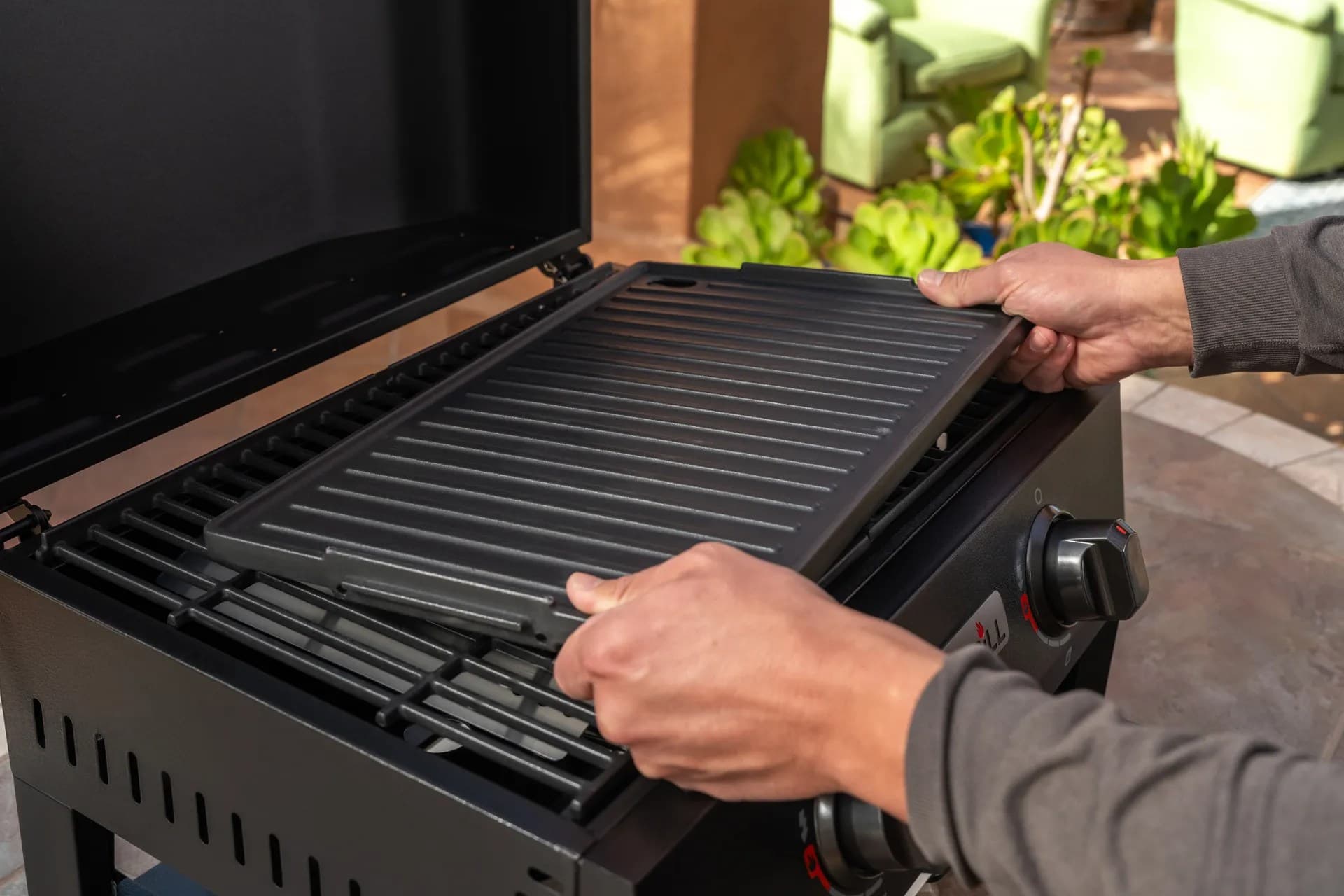
Practical guides for cleaning, maintenance, common grill issues, and performance optimization.
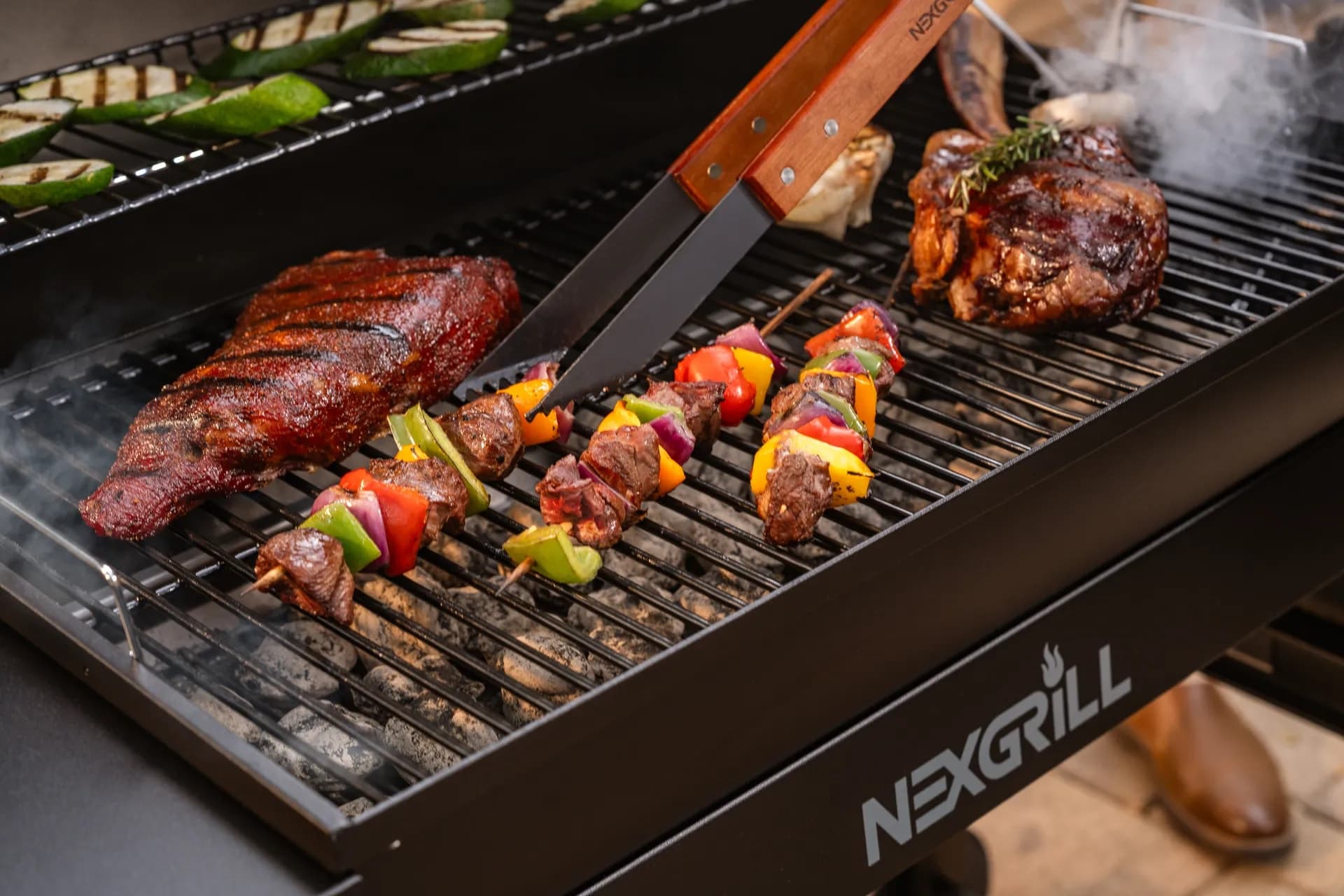
Step-by-step grilling recipes, cooking techniques, and meal ideas for every occasion and skill level.

Backyard entertaining ideas, seasonal grilling inspiration, and stories that celebrate outdoor cooking culture.
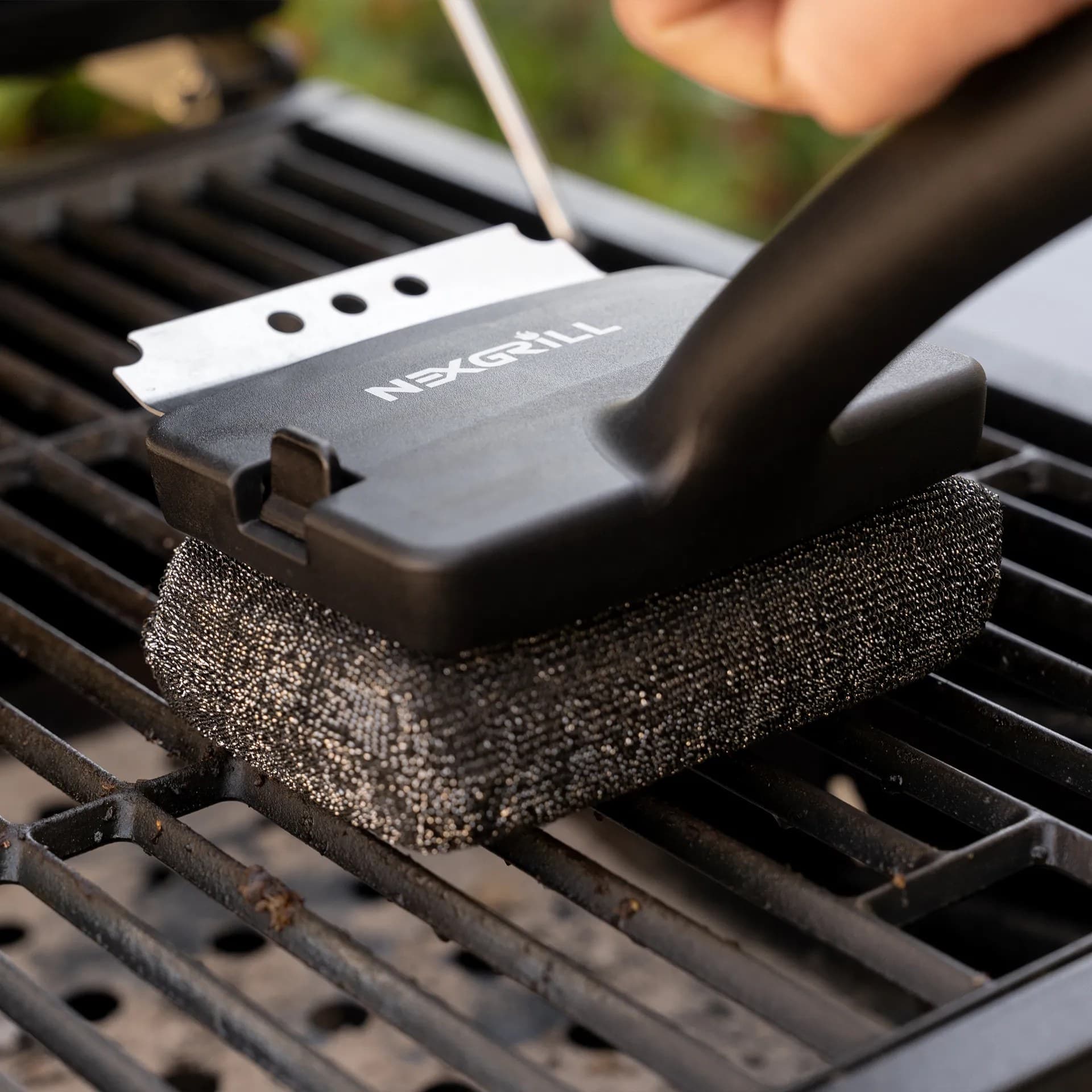
Helpful articles covering grilling tools, cookware, maintenance gear, and must-have accessories for outdoor cooking.
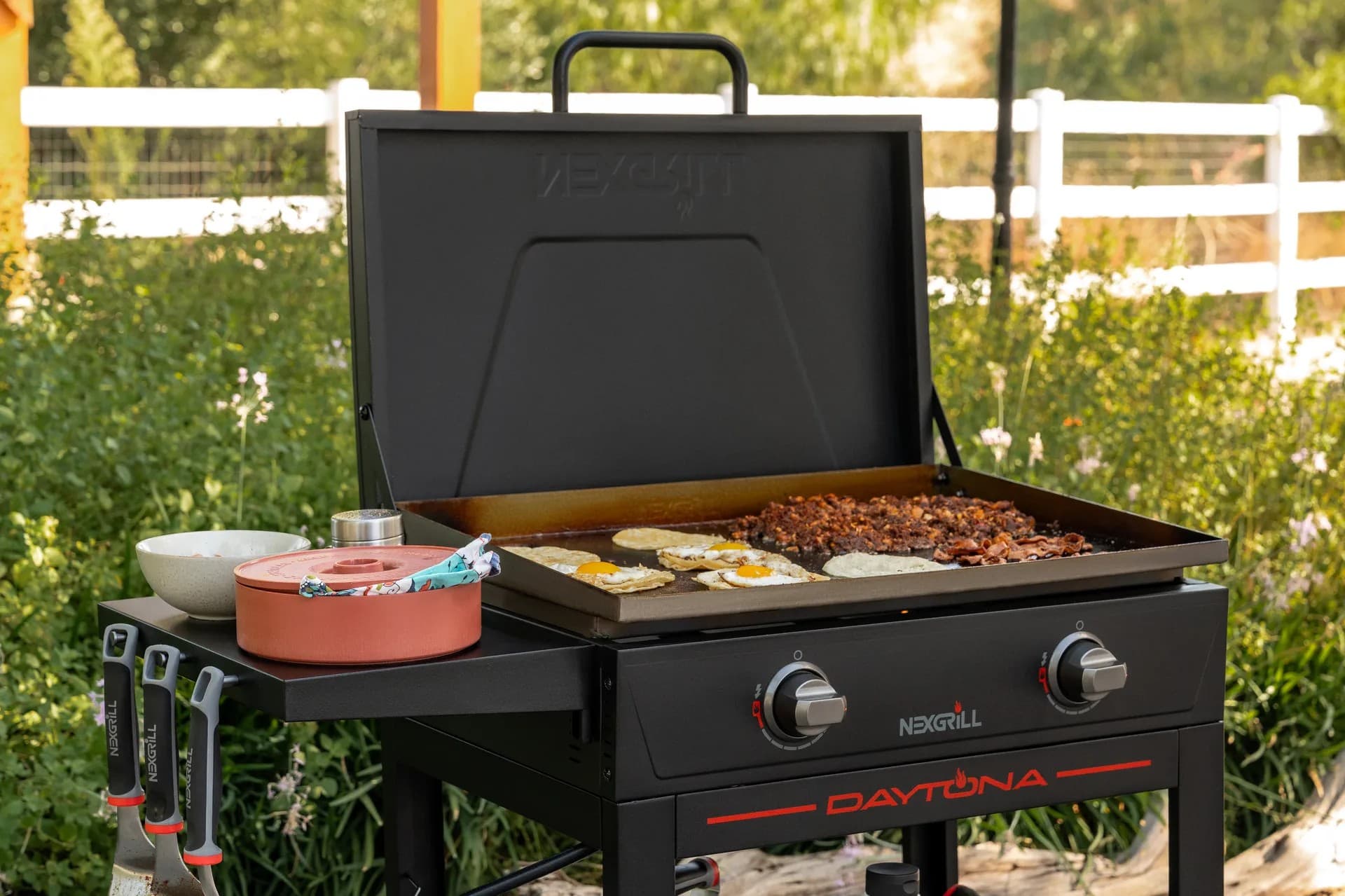
Find griddle recipes, cooking techniques, cleaning tips, and outdoor meal ideas designed for Nexgrill griddles.
Find answers to common questions
Gas grills provide instant heat and precise temperature control, making them easier to use. Charcoal grills offer a smoky flavor and high heat for searing but require more time to heat up and manage.
Pellet grills combine the convenience of gas with the flavor of wood, allowing for smoking, baking, and grilling. Traditional gas grills, however, are quicker to start and often easier to clean.
Charcoal grills typically reach higher temperatures quicker than gas grills, making them better for searing meat. However, high-quality gas grills can also provide adequate heat for effective searing.
Nexgrill offers models designed specifically for gas, charcoal, and pellets, allowing users to choose based on their cooking style and flavor preferences. Each type is built to optimize the characteristics of its respective fuel.
Choosing between gas and charcoal grills depends on your cooking preferences and lifestyle. If you value convenience and quick cooking, a gas grill may suit you better; if you prefer the taste and experience of traditional grilling, a charcoal grill would be ideal.
In This Article
Regular Cleaning
Component Inspection
Seasonal Maintenance
A smart grill is still a grill first, which means grease, heat, smoke, and outdoor weather will affect it the same way they affect any other outdoor cooker. The difference is that smart models also rely on sensors, control boards, Wi-Fi or Bluetooth modules, touchscreens, and firmware to make temperature management easier and more precise. That added convenience is exactly why maintenance needs to be a little more intentional. If you treat the electronics like an afterthought, the grill may still light up and cook, but you can lose the consistency, remote control, and temperature accuracy that made the smart feature set worth buying in the first place.
The best maintenance routine is not about doing one giant cleanup at the end of the summer. It is about small, repeatable habits that protect both the cooking chamber and the technology inside the unit. Nexgrill’s brand philosophy is built around dependable, welcoming outdoor cooking experiences, and that mindset translates well here: a smart grill works best when it is cared for regularly, not rescued occasionally. The goal is to keep the cooking surface clean, the airflow open, the probes accurate, and the connectivity stable so your grill performs the same way on a weeknight chicken dinner as it does during a holiday cookout. That reliability is especially important for households that use app-based controls or rely on precise low-and-slow cooking.
Smart grill upkeep is really two jobs at once: traditional grill care plus careful protection of sensitive electronics. The second part is what many owners overlook.
A practical maintenance plan should begin with the areas that collect the most residue: grates, drip trays, heat shields, firepots, and grease channels. Once those are handled, you can move to the technology that makes the grill smart. That includes wiping the display with a soft cloth, keeping vents free of debris, checking probe ports for buildup, and confirming that software and connectivity are current. A grill with a spotless lid but a misread temperature sensor can still ruin a brisket, while a grill with updated firmware but clogged grease management can create unnecessary flare-ups. Both sides matter equally.
Another reason smart grill maintenance deserves more attention than a standard checklist is that the technology can mask problems at first. If a touchscreen is slow, a Wi-Fi connection drops, or the app reports an odd temperature, the issue might be dirt, moisture, loose wiring, or a calibration drift rather than a major failure. Catching those small changes early is much easier than waiting until the grill stops responding during a cook. In practice, maintenance is less about fixing surprises and more about preventing them.
Daily care should be quick enough that you will actually do it after a cook. The most important step is to clean while the grill is still warm, not blazing hot. Warm metal loosens residue, making it easier to brush the grates, scrape the cooking surface, and remove stuck-on drippings before they harden. For pellet and gas smart grills alike, a short post-cook routine helps preserve flavor and prevents carbonized buildup from interfering with airflow or sensor readings. Consumer guidance on grill care consistently emphasizes routine cleaning and grease removal because buildup affects both safety and performance .
Start by brushing the grates with a tool appropriate to the material. Stainless steel grates tolerate more aggressive cleaning than coated surfaces, but even then, avoid metal tools that can gouge finishes or leave fragments behind. After the grates, empty the grease cup or scrape the drip tray if your model uses one. On smart grills, grease around vents and probe openings deserves special attention because residue can trap heat and distort readings. If the display panel is exposed near the cook box, wipe it with a dry or only slightly damp microfiber cloth. Do not spray cleaner directly onto the touchscreen or into seams. Moisture can find its way into buttons, ports, and control housings much more easily than into the cooking chamber.
Avoid strong degreasers, abrasive pads, and chlorine-based cleaners on display areas, probes, or sensor housings. They can cloud plastics or damage sensitive components.
A good habit is to check the probe connectors before putting the grill away. If you use meat probes frequently, remove them once they are cool, wipe them clean, and store them where the cables will not kink. Leaving probes plugged in through repeated heat cycles can shorten cable life and make the connector area harder to clean later. It also helps to close lids, covers, and accessory boxes only after moisture has dissipated. Trapped condensation is one of the simplest ways to create corrosion around metal fittings and electronics.
For owners who cook several times a week, the daily routine should also include a quick visual scan of the fuel area, igniter, and side of the control panel. Look for insect nests, drips, loose grease, or anything that seems out of place. Smart grills often make people more confident because the app can still show a temperature while a physical obstruction is quietly building inside the chamber. A 60-second visual inspection prevents that kind of blind spot.
Weekly maintenance should be deeper than the daily wipe-down but still manageable. Remove grates, flavorizer bars, heat diffusers, or grease trays if your grill design allows it, and clean the hidden surfaces underneath. This is where greasy residue tends to accumulate first. On pellet smart grills, also check the burn pot, ash cup, and surrounding air channels. On gas smart grills, inspect burner ports for clogs and make sure flames are even across the burner line. If a burner looks yellow, uneven, or sputtering, clean it before assuming there is a more serious problem.
Monthly maintenance should include a more detailed inspection of the smart components. Review the condition of any temperature probes, checking for bent tips, frayed cables, or residue baked onto the sensor. If the grill has a touchscreen or control dial with a digital interface, make sure it responds promptly and does not require excessive pressure or repeated taps. Lag can be a warning sign of moisture intrusion, a weak connection, or firmware that needs updating. Also inspect Wi-Fi antenna locations or Bluetooth module areas if they are visible and accessible. These parts should stay dry, clean, and unobstructed.
A thorough sensor, probe, and interface inspection can catch drift before it affects your next cook.
The monthly routine is also the right time to review calibration. Even well-built temperature sensors can drift slightly over time because of repeated heat cycles, grease exposure, and weather changes. If your smart grill supports calibration, compare the grill reading to a trusted reference thermometer in a stable cooking environment and follow the manufacturer’s instructions for adjustment. If it does not support user calibration, note repeated inconsistencies so you can spot patterns. A grill that is always off by a few degrees may not be broken, but you do need to understand that offset when planning roasts, poultry, or long smoke sessions.
For cleaning agents, monthly care is the point where compatibility matters most. Use products that are suitable for stainless steel, coated paint, glass, and silicone seals depending on what your grill uses. A cleaner that works fine on an exterior hood can be too harsh for a sensor ring or display lens. When in doubt, apply cleaner to the cloth instead of directly to the surface. That small habit protects the electronics while still removing smoke film and fingerprints.
Seasonal care is where smart grill owners can protect the investment for the long term. At the start of grilling season, inspect the entire unit as if you were using it for the first time. Clean inside the firebox, check all fasteners, confirm that cords and probes are undamaged, and make sure the display comes on cleanly. If the grill was stored outdoors, look for signs of moisture entry, rust on fasteners, or insect activity in vents and compartments. Even a cover cannot stop every environmental issue, so the preseason inspection is essential.
At the end of the season, perform a more complete shutdown routine. Deep-clean all removable parts, empty ash or grease collection systems, disconnect probes, and let the grill dry thoroughly before covering it. If your smart grill has a removable control module or battery compartment, follow the manufacturer’s instructions for storage. In colder climates, removing batteries can prevent corrosion and reduce the chance of a dead unit at the start of spring. This is also the best time to update firmware before long storage so the grill is ready when you fire it up again. Traeger’s maintenance guidance similarly stresses regular cleaning and care before storage, which is a smart habit for any modern grill platform .
If you store your grill outside, use a fitted, breathable cover and make sure the grill is completely dry first. Trapped moisture is harder on electronics than a little dust.
Storage location matters as much as the cover. A dry, level surface away from standing water is ideal. If the grill sits on a deck or patio, elevate it slightly so water cannot pool under the base. In regions with freeze-thaw cycles, inspect cable entry points and seals at the next startup because expansion and contraction can loosen vulnerable fittings. Smart grill electronics do not like repeated moisture, so protecting the enclosure is just as important as protecting the cooking chamber.
When a smart grill acts up, the fastest fix is usually the simplest one. If the grill will not connect to Wi-Fi or the app stops reporting correctly, first confirm power, signal strength, and whether the grill is within normal range of the router. Thick walls, metal siding, and outdoor interference can weaken connectivity. Restarting the grill and the app often resolves temporary handshake issues, especially after a power outage or router reset. If the problem persists, check whether the firmware is current and whether any recent network changes were made at home.
If temperature readings seem inaccurate, clean the probe, inspect the sensor housing, and compare the reading with a second thermometer. Grease buildup or a damaged probe cable can cause false readings long before the sensor fails completely. Uneven heat across the cooking surface usually points to burner blockage, ash buildup, poor airflow, or a damaged diffuser rather than a software issue. That is why smart grill troubleshooting should always begin with the physical parts first and the digital features second.
Touchscreen problems often come down to dirt, moisture, or electrical instability. If the screen is unresponsive, disconnect power according to the product manual, let the unit dry if it was exposed to humidity or rain, and restart it. If buttons or the touchscreen remain sluggish after cleaning, the issue may be internal and should be evaluated before further use. Smarter controls can make grilling easier, but they also make early warning signs easier to notice if you know what to look for. That is the real advantage of careful maintenance: small issues stay small.
Try comparing two products side by side below to see which fits best:
Once you have compared two options side by side, the next step is to think beyond routine cleaning and look at the maintenance habits that keep a smart grill performing like a precision appliance. Advanced care is not about taking the grill apart every weekend. It is about understanding which parts are responsible for measurement, airflow, ignition, and data flow so you can preserve accuracy and responsiveness over time. That matters because smart grills depend on a chain of systems working together: a clean cook chamber, stable fuel delivery, accurate sensors, and a controller that can interpret the information without noise or delay.
One of the most useful advanced habits is temperature verification. Many owners trust the display completely, but a smart grill becomes more dependable when you confirm its readings periodically. Use a separate, known-good thermometer to compare actual grate level temperature against the grill’s reported value during a steady preheat or hold. If there is a meaningful difference every time, you may need to recalibrate the system or adjust how you use the grill. That process is especially important for low-temperature smoking, where a difference of 15 to 25 degrees can change cook times significantly. It is better to know the grill’s personality than to assume it is perfect.
Another advanced technique is chamber inspection under good light. Remove grates and inspect surfaces around the firepot, diffuser, and sensor mounts for uneven carbon buildup. Carbon around a sensor does not just look messy; it can change how quickly the sensor reacts to temperature shifts. Wiping those areas carefully and regularly helps keep readings stable. When cleaning around electronics, use only materials recommended for the finish in question. BBQGuys recommends using gentle, finish-safe methods for stainless steel surfaces rather than harsh abrasives, which is especially important near smart control housings and trim pieces .
For smart grills, the cleanest-looking exterior is not always the best-maintained grill. Accuracy depends on what is happening inside the cabinet and around the sensors.
Advanced maintenance also includes keeping the electronics environment stable. If your grill sits in a humid climate or near an uncovered patio edge, use the cover consistently and allow the grill to cool fully before sealing it. Rapid temperature changes can create condensation inside control compartments. If the unit has an accessible service panel, inspect for moisture after heavy rain or long storage periods. Small signs of dampness are worth addressing immediately because they can affect the touchscreen, logic board, or wireless module over time.
Eventually, even a well-maintained smart grill will need replacement parts. The key is to replace components before wear turns into a larger failure. Common wear items include temperature probes, igniters, grease trays, gaskets, and seals. Probes are particularly important in smart grills because their accuracy drives both app feedback and automated temperature control. If a probe cable shows cracking, if the tip is pitted, or if readings fluctuate wildly, replace it with a part designed for your model. Do not assume a similar-looking part will behave the same way, especially when the grill’s controller expects a particular resistance profile or connector shape.
Touchscreens and control modules should also be inspected for signs that replacement may be needed. Dead spots, ghost touches, persistent lag, or recurring display errors are not minor annoyances if they interrupt preheating or probe monitoring. Before replacing an interface, verify that the issue is not simply dirt, moisture, or a software update requirement. If the hardware truly is worn out, choose components recommended for the specific grill line rather than adapting a generic substitute. Smart grills depend on accurate communication between the control board and the display, so mismatched parts can create frustrating behavior even when they physically fit.
Avoid installing non-matching probes or third-party modules unless the manufacturer states they are compatible with your exact model. A part that fits the port may still report the wrong data.
For many owners, upgrades are less about adding gadgets and more about restoring reliability. A fresh gasket can improve heat retention, a new probe can sharpen readings, and a replacement ignition assembly can eliminate intermittent startup problems. If your grill supports app-based features, check whether the manufacturer has released updated accessories or replacement kits that preserve those functions. Smart ownership is about keeping the original experience intact, not turning the grill into a science project.
Safety in a smart grill routine starts with the same fundamentals as any outdoor cooker, but the electronics add a few extra rules. The first is simple: never wash sensors, control panels, or wireless components with direct water pressure. Even if the exterior seems sealed, forceful spray can push moisture where it should not go. Use a damp cloth instead and keep cleaning products away from ports, seams, and charging areas. This is especially important after a greasy cook, when people may be tempted to use a heavy degreaser or pressure washer on the exterior.
Second, always disconnect power before inspecting internal wiring, replacing components, or cleaning around the control housing. If your grill uses a battery pack or plug-in adapter, handle it according to the manual and make sure the area is dry. A smart grill that is left on during cleaning can still respond to accidental button presses or app commands. That creates unnecessary risk. Third, treat probe cables as heat-sensitive parts, not disposable accessories. Route them so they are not pinched under lids or sharp edges, and replace damaged leads immediately.
Finally, remember that a covered grill is not automatically a safe grill. Let the unit cool before covering it, and make sure nearby materials are not exposed to residual heat or grease fumes. If you smell gas, smoke unexpectedly, or notice electrical behavior that seems unusual, stop using the grill until the issue is identified. Smart features are meant to improve control, not replace common-sense caution.
The smartest part of a smart grill is also the part most owners forget to maintain: the software. Firmware updates can improve performance, refine temperature logic, patch connectivity bugs, and strengthen security. Check for updates at the beginning of the season and again any time the app signals a new version. If your grill pairs through Wi-Fi, verify the home network password, router placement, and signal strength after major network changes. A grill located in a far corner of the patio may need stronger signal coverage than the rest of your devices.
Touchscreen care is part of software maintenance too. Many display issues begin with grime, oil residue, or moisture that causes input lag or false taps. Clean the screen with a microfiber cloth and avoid alcohol-heavy solutions unless the manufacturer explicitly permits them. If the interface supports menu navigation for probe settings or calibration, review those menus after updates to make sure nothing reset unexpectedly. Some owners discover that a change in settings, not a mechanical issue, is the reason a grill suddenly behaves differently.
Make software checks part of your first cook of the season. A quick update and connectivity test can prevent mid-cook frustration later.
If your smart grill connects through an app, log in occasionally during the off-season so the account stays active and synced. Re-pairing a grill after months of inactivity can take longer than expected if the app, router, or firmware has changed since the last use. Keeping the digital side current is not busywork; it is how you preserve the convenience that smart grilling promises in the first place.
The longest-lasting smart grills are usually the ones that are cleaned with consistency, stored with care, and updated on schedule. Longevity comes from reducing stress on every part of the system. That means limiting grease buildup, preventing moisture intrusion, protecting the display from harsh cleaners, and avoiding unnecessary strain on cables and connectors. It also means using the grill in ways that match its design. A smart pellet grill or gas grill can absolutely handle regular family dinners, weekend gatherings, and holiday meals, but it performs best when it is not constantly pushed through abuse that could have been avoided with a few simple habits.
One of the simplest lifespan boosters is documenting small changes. If the grill takes longer to preheat, the probe reads oddly, or the screen seems slower than before, note it. Those observations help you separate normal wear from a developing issue. This habit is especially valuable for advanced owners who rely on repeatable results for briskets, ribs, pizza, or reverse-sear cooks. Over time, you build a maintenance history that tells you when a part is aging and when the system just needs a reset or cleaning. In that sense, a smart grill rewards owners who think like caretakers rather than casual users.
From a Nexgrill perspective, that approach fits the brand well: outdoor cooking should feel welcoming, dependable, and worth returning to. A well-maintained smart grill does more than last longer. It keeps the experience consistent, which is what makes people trust it for both everyday meals and bigger gatherings. When the mechanics, sensors, and software all stay in sync, you get the full benefit of the technology without losing the simple pleasure of cooking outdoors.
Here's what sets us apart
We position ourselves as delivering high-end outdoor cooking features and performance without premium-brand pricing, emphasizing “Quality Grills. Unbelievable Value.”
We offer gas grills, pellet grills, griddles, smokers, pizza ovens, portable/tabletop grills, electric grills, accessories, and replacement parts — allowing customers to stay within one ecosystem for all outdoor cooking needs.
We differentiate ourselves through smart grilling products like the Oakford smart pellet grill, including app-connected cooking controls and modern outdoor cooking technology.
Don't just take our word for it
Keep reading
From our catalog