Explore the latest smart grill technologies, top models, and how to choose the perfect one for your outdoor cooking needs.
From sizzling breakfasts to smash burgers and teppanyaki-style dinners, the Daytona Pro 5 Burner NitroGuard™ Griddle delivers powerful heat, fast cooking, and a durable cooking surface built for every backyard cookout. Watch how easy outdoor cooking can be.
Here's what sets us apart from the competition
We position ourselves as delivering high-end outdoor cooking features and performance without premium-brand pricing, emphasizing “Quality Grills. Unbelievable Value.”
We offer gas grills, pellet grills, griddles, smokers, pizza ovens, portable/tabletop grills, electric grills, accessories, and replacement parts — allowing customers to stay within one ecosystem for all outdoor cooking needs.
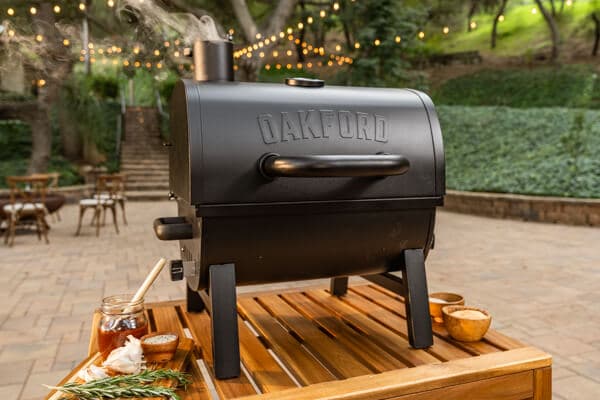
We differentiate ourselves through smart grilling products like the Oakford smart pellet grill, including app-connected cooking controls and modern outdoor cooking technology.
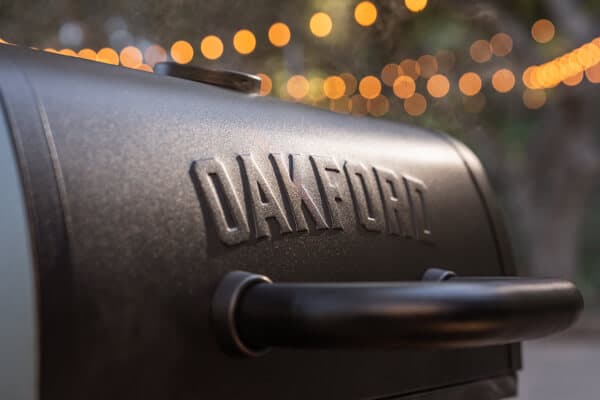
Expert tips, buying guides, comparisons, and inspiration for choosing and getting the most out of your grill.
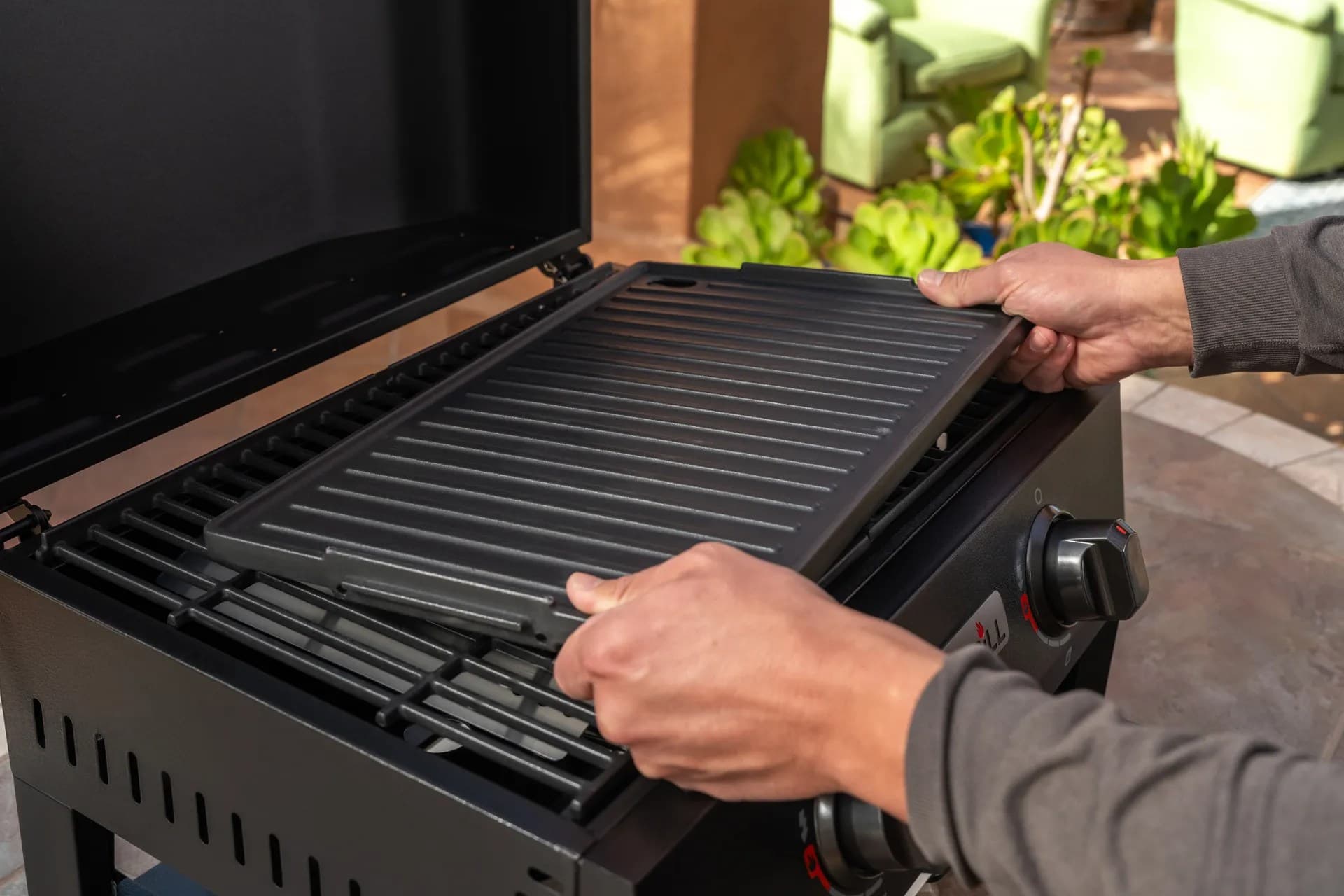
Practical guides for cleaning, maintenance, common grill issues, and performance optimization.
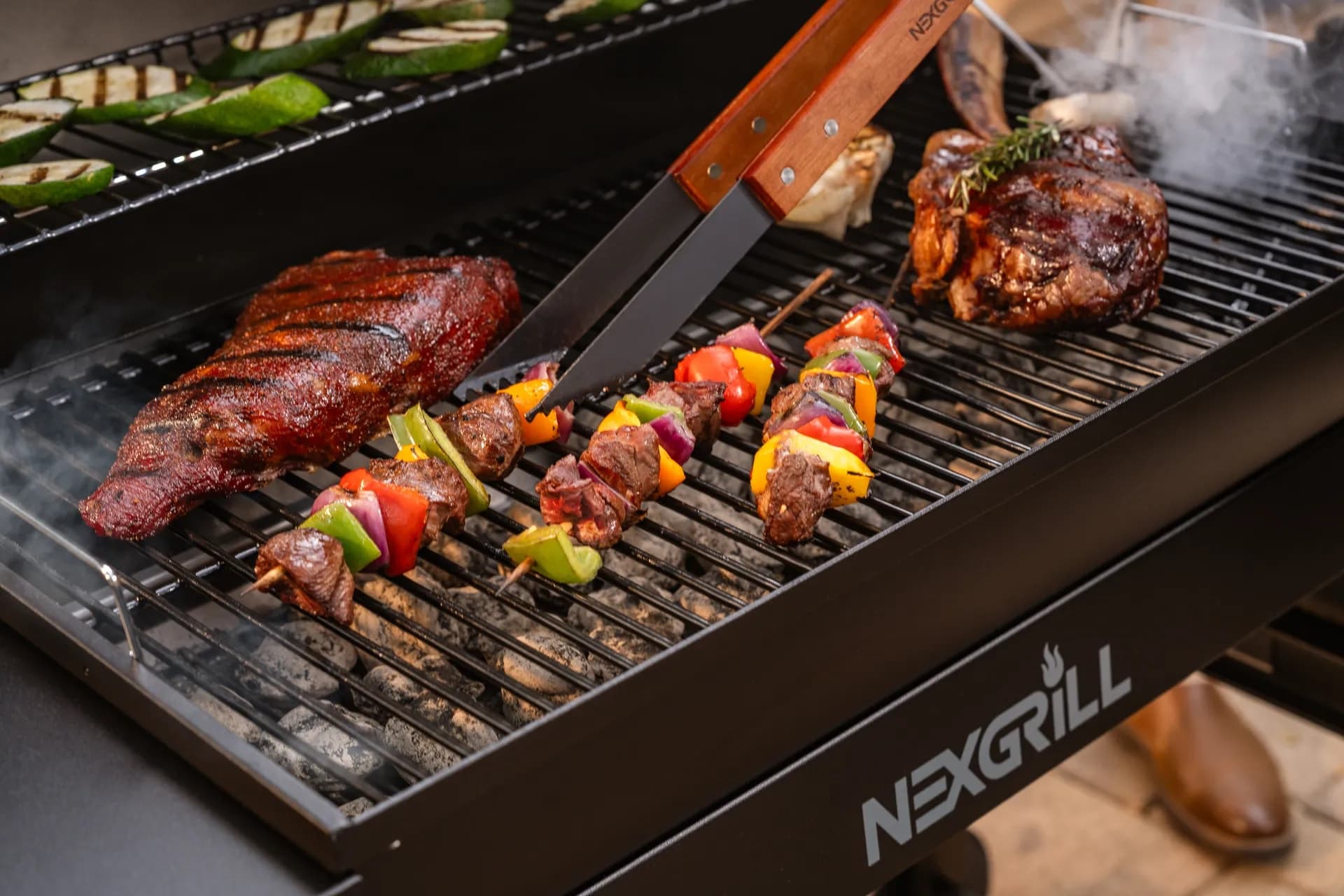
Step-by-step grilling recipes, cooking techniques, and meal ideas for every occasion and skill level.

Backyard entertaining ideas, seasonal grilling inspiration, and stories that celebrate outdoor cooking culture.
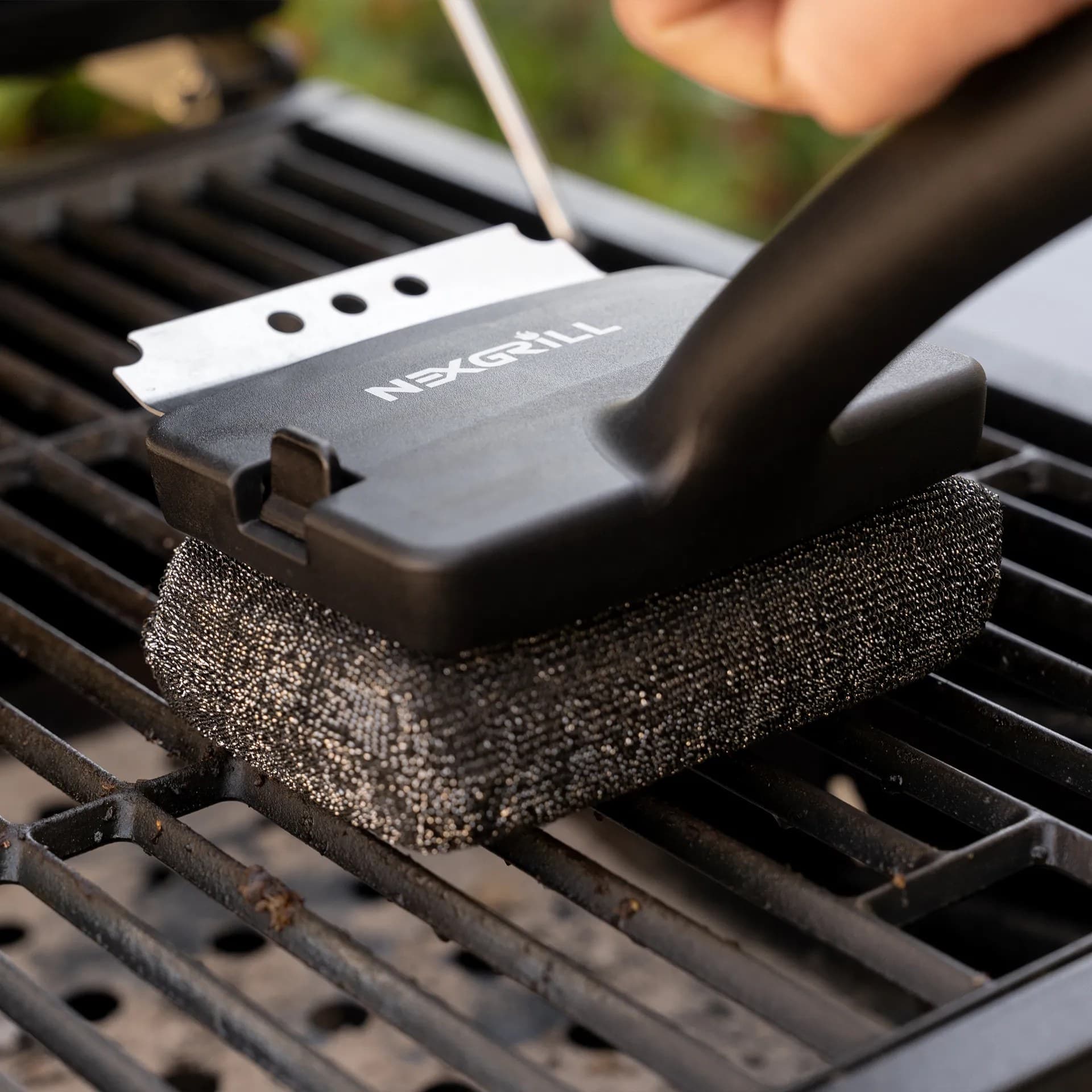
Helpful articles covering grilling tools, cookware, maintenance gear, and must-have accessories for outdoor cooking.
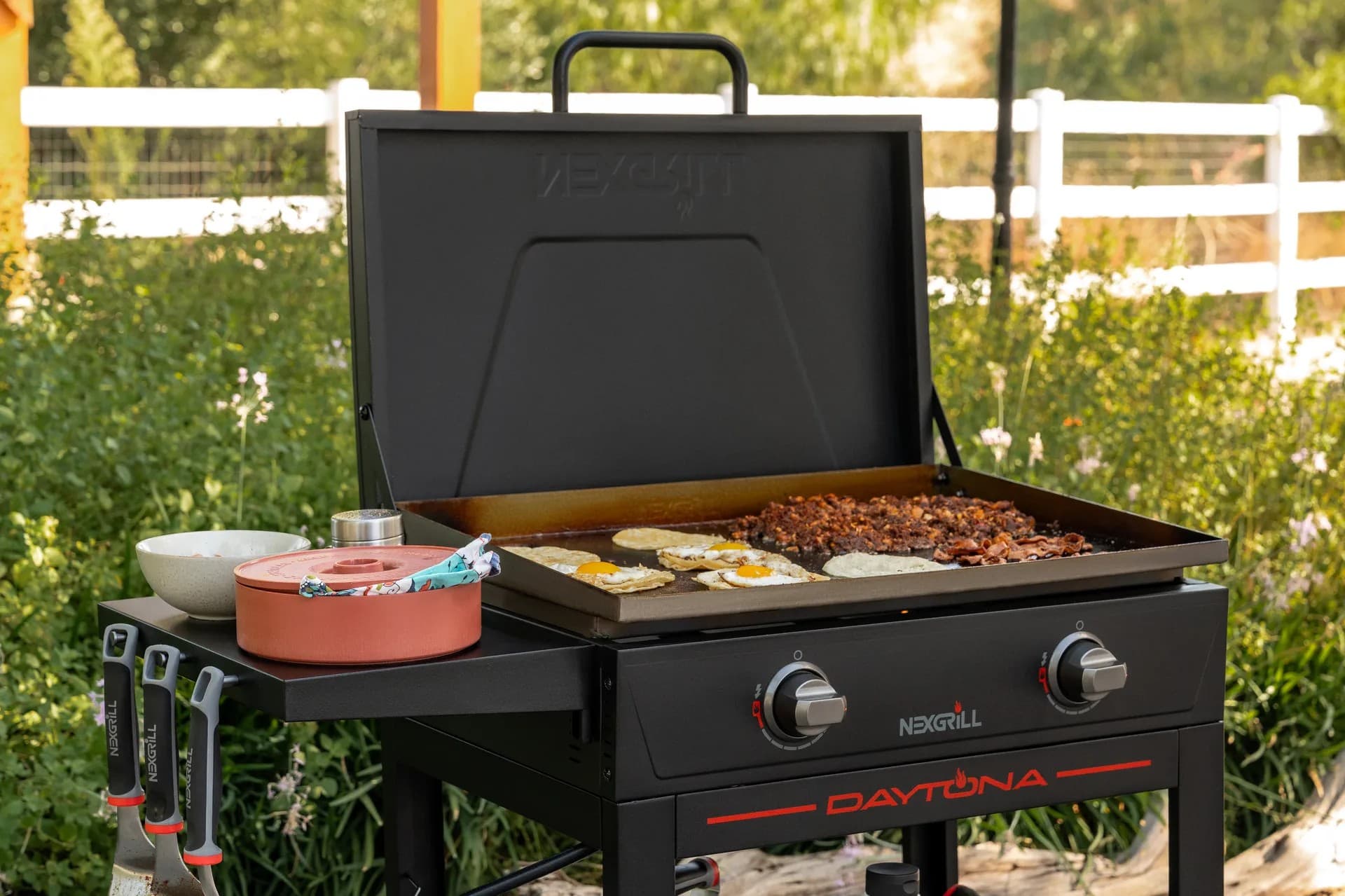
Find griddle recipes, cooking techniques, cleaning tips, and outdoor meal ideas designed for Nexgrill griddles.
Find answers to common questions
Gas grills provide instant heat and precise temperature control, making them easier to use. Charcoal grills offer a smoky flavor and high heat for searing but require more time to heat up and manage.
Pellet grills combine the convenience of gas with the flavor of wood, allowing for smoking, baking, and grilling. Traditional gas grills, however, are quicker to start and often easier to clean.
Charcoal grills typically reach higher temperatures quicker than gas grills, making them better for searing meat. However, high-quality gas grills can also provide adequate heat for effective searing.
Nexgrill offers models designed specifically for gas, charcoal, and pellets, allowing users to choose based on their cooking style and flavor preferences. Each type is built to optimize the characteristics of its respective fuel.
Choosing between gas and charcoal grills depends on your cooking preferences and lifestyle. If you value convenience and quick cooking, a gas grill may suit you better; if you prefer the taste and experience of traditional grilling, a charcoal grill would be ideal.
In This Article
Top Smart Grills of 2026
How to Choose the Right Smart Grill
Smart Grill Maintenance Tips
Smart grills have moved well beyond the novelty stage. For many outdoor cooks, they are now the easiest way to keep a weeknight dinner steady, a brisket session predictable, or a backyard cookout less dependent on guesswork. The core promise is simple: use built-in sensing, app connectivity, and automated control to make live-fire cooking more repeatable. But the real value is not just remote monitoring. It is the way these grills help you manage heat, timing, and food doneness with less babysitting and fewer interruptions to the rest of your day.
Nexgrill’s brand philosophy is built around approachable outdoor cooking and gathering people together, which matters here because smart grilling should lower barriers, not add complexity. A smart grill is most useful when it helps a busy parent, a first-time buyer, or an experienced griller get better results without turning the cookout into a technical project. That means the best models are not always the ones with the longest feature list. The best model is the one that fits how you actually cook: quick burgers after work, long low-and-slow ribs on Sunday, or mixed dishes where you need one person to manage a few different temperatures at once. Nexgrill’s own brand guidelines emphasize warmth, inclusivity, and practical accessibility, and that framing is a good lens for evaluating smart grilling equipment too.
Smart grilling is most valuable when it reduces friction: fewer lid checks, clearer temperature information, and less uncertainty about when food is done.
If you are comparing smart grills for the first time, start by separating convenience features from cooking-performance features. Connectivity alone does not make a grill better. What matters is how well the grill holds temperature, how clearly it reports real conditions, and how consistently it responds when you adjust heat. In the United States, where grill buyers often compare prices across big-box retailers and online listings, it is easy to get distracted by marketing language. A smarter approach is to look at the cooking system first and the app second. For example, a grill with dependable probes, solid heat retention, and easy-to-read controls will usually feel more intelligent in day-to-day use than a model packed with flashy automation but weak in core heat management.
There is also a practical lifestyle angle. Many households are cooking outdoors while juggling kids, guests, side dishes, and prep work indoors. A connected grill can save real attention in those moments. Instead of standing at the lid every few minutes, you can check progress from a phone, then step in only when temperatures actually need a change. That is especially useful for larger cuts like pork shoulder, whole chickens, and ribs, where steady heat matters more than constant intervention. Smart grills can also improve confidence for cooks who do not yet trust their own judgment on doneness. In that sense, they function as a bridge between beginner uncertainty and more advanced technique.
The best smart grills of 2026 tend to fall into three practical categories: pellet grills that excel at automated smoke-and-roast cooking, gas grills with connected thermometers and app guidance, and hybrid models that try to blend speed with precision. Rather than naming a single winner, it is more useful to compare what each category does best. A pellet smoker grill is typically the strongest choice for hands-off cooking because it manages fuel feed and temperature together. A smart gas grill is often better when you want fast preheat times, flexible weeknight use, and simpler cleanup. A hybrid or feature-rich model makes sense only when you can actually use its added capability, not because it looks impressive on a spec sheet.
Smart grill categories matter more than brand hype when you are comparing real cooking habits.
| Smart grill category | Best use case | Strengths | Typical price band in USD |
|---|---|---|---|
| Connected pellet smoker | Low-and-slow cooks, batch smoking, weekend entertaining | Stable heat, smoke flavor, remote monitoring | $600 to $1,500+ |
| Smart gas grill | Fast dinners, family use, mixed grilling schedules | Quick startup, broad temperature range, simple cleanup | $400 to $1,200+ |
| App-assisted hybrid grill | Cooks who want flexibility across methods | More control options, often stronger feature sets | $800 to $2,000+ |
In real-world reviews, the grills that rise to the top usually do four things well. First, they keep temperatures steady enough that the user does not have to correct the fire every 10 minutes. Second, they include probes that are accurate enough to trust. Third, they have app experiences that are genuinely readable under outdoor conditions, not just attractive in promotional screenshots. Fourth, they offer enough cooking space and layout flexibility to match the size of the meal. A compact smart grill can be excellent for couples or smaller patios, while a larger model is worth paying for only if you are regularly cooking for a crowd or doing multi-zone cooks.
Do not rank a smart grill highly just because it has more features. If the app is clumsy or the heat curve is erratic, the extra tech can become a distraction.
Another important 2026 trend is that many buyers now expect smart features to complement, not replace, basic grilling skills. That means the best-reviewed models tend to be the ones that still cook well even if the app is not open. If a grill loses connectivity, it should not become unusable. Likewise, if the meat probe is the star of the show, it should be easy to replace and easy to clean. Buyers should treat durability, service access, and accessory availability as part of the review process. A smart grill that is fun for one season but difficult to maintain is a poor value, no matter how impressive it looks on day one.
Choosing the right smart grill starts with a simple question: what problem do you want the technology to solve? If the answer is timing, then reliable probes and alerting matter most. If the answer is flexibility, then you need multiple temperature zones, strong lid heat retention, and enough surface area to cook different foods at once. If the answer is consistency, then a grill with stable fuel delivery and clear control logic is more important than a long list of app features. This mindset keeps you from overbuying features you may never use.
For U.S. households, the most common buying scenario is a mix of convenience and value. A smart grill should not feel like a luxury gadget that adds setup stress. It should feel like an outdoor appliance that saves time and improves confidence. If you grill most nights, prioritize startup speed and simple controls. If you cook large cuts on weekends, prioritize steady low-temperature behavior and probe accuracy. If you entertain, prioritize usable cooking area and visibility, because guests and side dishes do not wait while you troubleshoot temperature swings. For buyers comparing a gas model against a pellet model, the decision often comes down to whether they want faster response or deeper smoke flavor. Neither is universally better; the right choice depends on your menu and patience level.
Price should be read as a range, not a badge of quality. In the United States, entry smart grills can start in the mid-hundreds, while premium options can climb above $1,500 depending on size, materials, and automation depth. A fair comparison should include what is in the box: probes, covers, side shelves, griddle inserts, and app-enabled controllers can all affect real value. If you are comparing two models with similar price tags, the one with better heat distribution and more dependable temperature readings is usually the safer long-term purchase. For readers who want a branded, accessible outdoor-cooking experience, Nexgrill’s market position around value and inclusive gathering is useful context. The best smart grill is often the one that makes weeknight and weekend cooking feel easier, not the one that asks you to learn a new workflow from scratch.
| What to compare | Why it matters | Best signal of quality |
|---|---|---|
| Probe accuracy | Determines whether alerts are useful | Stable readings and easy replacement access |
| Heat retention | Controls consistency in wind and colder weather | Minimal temperature drift after lid openings |
| App usability | Affects how often you actually use the smart features | Clear alerts, readable graphs, quick pairing |
| Cooking area | Sets meal capacity and flexibility | Enough room for direct and indirect zones |
Who is this for? Busy families should look for the most dependable alerts and the easiest cleanup. Weekend pitmasters should lean toward stability, probe support, and larger cooking space. Budget-conscious buyers should avoid overspending on connectivity and instead choose the grill that offers the strongest base cooking performance for the money. That is the most practical way to narrow the field without getting lost in feature lists.
Try comparing two products side by side below to see which fits best:
Smart grills need the same basic care as any outdoor cooking equipment, plus a little attention to the electronic parts that make them useful. The key is to treat probes, wiring, ports, and controller surfaces as part of the appliance, not separate accessories you clean only when something goes wrong. A smart grill that is kept clean, dry, and free of grease buildup will usually hold up better and pair more reliably over time.
After each cook, remove residue from grates, empty grease collection areas, and wipe down probe leads once they are cool. That prevents carbonized buildup that can interfere with both cooking taste and sensor performance. If your grill uses removable probes, store them carefully so the tips do not bend or get crushed in a drawer. Avoid soaking any electronic connectors. Instead, use a damp cloth and let parts fully dry before reconnecting. For pellet-style smart grills, vacuuming ash from the firepot and cleaning around the auger area at sensible intervals helps maintain steady ignition and feed behavior. For smart gas grills, inspect burners and ignition components regularly so dirt or grease does not affect startup or flame quality.
A small amount of routine care is better than a big seasonal repair. Smart grill electronics tend to last longer when grease, moisture, and ash are kept under control.
Weather protection matters too. If your grill lives outside year-round, use a fitted cover and place the unit where water does not pool around the base. This is especially important in parts of the U.S. that see heavy rain, snow, or intense summer sun. Smart controllers do not like repeated exposure to moisture or direct UV, even if the cooking body is built for outdoor use. When possible, disconnect and store removable modules according to the manufacturer’s instructions. Before the first spring cook, check whether all cables are seated properly, the app still pairs, and the probes are reading room temperature correctly. That quick test can save a ruined dinner later.
The best smart grill owners build a small habit stack: clean after cooking, dry before covering, inspect before big meals, and test the app before relying on remote monitoring. That rhythm protects both flavor and function. It also keeps smart features feeling like a benefit rather than a liability.
Once you've compared two options side by side, the next step is understanding what the technology is actually doing for you. Smart grill technology can sound impressive, but the useful differences usually come from a handful of systems working together: temperature sensing, fuel management, connectivity, and software feedback. If those systems are well integrated, the grill feels calm and predictable. If they are poorly integrated, the grill can feel like two separate products - a cooker and an app - that never quite cooperate.
The most practical smart-grill technology is the one that removes uncertainty. On a good connected grill, the controller translates temperature data into actions that affect the fire quickly and smoothly. On a pellet grill, that may mean managing pellet feed and fan output to stabilize chamber heat. On a gas grill, it may mean using probes and app alerts to help you hold a target temp or move food before it overshoots. This matters in the real world because cooking is rarely happening in perfect conditions. In the United States, buyers often cook in wind, humidity, early spring cold, or extreme summer heat, and each of those conditions can affect how a grill performs. A smart system should help compensate, not simply report that conditions are changing.
It is also worth separating sensors from intelligence. A grill can have a thermometer and still not be especially smart. The value appears when the hardware and software create an easier cooking workflow: clean dashboards, meaningful alerts, and data you can trust. The best systems do not bury the user in charts. They show enough information to make a timely decision, then get out of the way. This is where app design becomes a real buying consideration rather than a marketing checkbox. If your phone is full of unread notifications, the grill has not solved the problem. If the app gives one reliable alert when the meat is approaching target temperature, it has done its job.
The best smart-grill technology is not the flashiest. It is the system that helps you make better decisions faster, with less lid-lifting and less second-guessing.
When comparing smart grill features, the safest approach is to rank them by impact on cooking, not by the length of the feature list. Temperature accuracy comes first because it affects every cook. Next is zone control, because being able to separate direct and indirect heat turns a single grill into a more flexible cooking station. After that comes probe support, because the more confidently you can track internal temperature, the less likely you are to overcook expensive cuts. Finally, app quality matters because it determines whether you will actually use the smart features frequently or ignore them after the novelty wears off.
| Feature | What good looks like | Why it matters in reviews |
|---|---|---|
| Temperature sensing | Responsive readings that match actual cooking conditions | Prevents overreliance on guesses |
| Connectivity | Stable pairing and clear remote status updates | Makes remote checks useful instead of frustrating |
| Probe ecosystem | Multiple probe ports and easy replacement | Supports larger cooks and mixed doneness levels |
| Control layout | Simple dials or screens that are easy to read outdoors | Reduces mistakes during live cooking |
In reviews, the strongest smart grills usually do not rely on automation alone. They give the cook enough manual control to adapt when a steak needs a hotter sear or a roast needs more time. That balance matters because outdoor cooking is inherently variable. If you only trust automation, you can get stuck waiting on a system to catch up. If you only trust manual control, you lose the convenience that smart technology is supposed to provide. Good reviews often note this balance explicitly: the grill should assist the cook, not replace the cook.
Be skeptical of feature checklists that never mention responsiveness or readability. A smart grill can look advanced and still be awkward to use outdoors.
Budget-friendly smart grills are about buying the right level of technology, not buying the cheapest thing with an app badge. In the United States, many buyers are looking for an entry point somewhere in the mid-hundreds of dollars, and that range can deliver solid value if you focus on the essentials. A good lower-cost smart grill should still include readable controls, acceptable heat consistency, and at least basic probe support. What you may need to give up is premium materials, expansive cooking space, or the most sophisticated automation features.
For cost-conscious shoppers, the key question is whether the smart features solve a real problem. If you mostly cook burgers, chicken thighs, vegetables, and simple weeknight meals, then a compact connected grill with dependable basic monitoring may be plenty. You do not need the biggest unit or the most elaborate software package. On the other hand, if you regularly smoke ribs or brisket, spending a little more for stronger thermal stability can be the better bargain because it reduces the risk of wasted meat and wasted time. In reviews, value should therefore be measured as cost per useful function, not just sticker price.
One useful way to think about budget smart grills is to ask what you are not paying for. Often you are skipping large-format cooking capacity, premium stainless accents, more advanced meat-probe bundles, or deep recipe integration. That is fine as long as the model still handles the main job. A budget grill that reliably alerts you when food is nearing target temperature, holds a stable enough cook chamber, and is easy to clean may be a better buy than a pricier model with three extra features you will never open. For Nexgrill-aligned shoppers, that practical value mindset fits the brand’s approachability and accessible ownership philosophy.
Advanced smart grill features are worth paying for only when they make longer or more complex cooks easier. The most meaningful premium upgrades usually include stronger multi-probe support, better temperature zoning, more refined pellet or fuel control, and app interfaces that support monitoring without making you stare at your phone. Some advanced models also include higher-resolution displays, improved lid and chamber sensors, and cooking modes that help you transition from searing to finishing without manually reworking the entire grill setup.
For enthusiasts who cook large cuts or run multi-course backyard meals, the benefit of advanced features is consistency under pressure. If you are smoking a brisket, roasting vegetables, and warming bread at the same time, small improvements in control logic can save real effort. Better alerts mean fewer surprises. Better probes mean fewer guess-based check-ins. Better temperature management means less time hovering over the cooker. That said, the advanced tier is not automatically the best choice for casual users. If you are mostly cooking quick meals, a simpler model may actually feel more enjoyable because it starts faster and asks less of you.
Choose advanced smart features when they solve a repeat problem in your cooking routine, not when they merely sound impressive on a product page.
A practical way to judge premium value is to think in scenarios. If a grill helps you host a 12-person backyard dinner with less stress, then the added cost may be justified. If it only adds menu screens and a prettier app while cooking no better than a simpler model, then the premium is mostly cosmetic. Strong smart grill reviews usually come back to this point: technology earns its keep when it improves the meal, the timing, or the confidence of the cook. That is the standard to use when comparing higher-end models across the 2026 landscape.
Here's what sets us apart
We position ourselves as delivering high-end outdoor cooking features and performance without premium-brand pricing, emphasizing “Quality Grills. Unbelievable Value.”
We offer gas grills, pellet grills, griddles, smokers, pizza ovens, portable/tabletop grills, electric grills, accessories, and replacement parts — allowing customers to stay within one ecosystem for all outdoor cooking needs.
We differentiate ourselves through smart grilling products like the Oakford smart pellet grill, including app-connected cooking controls and modern outdoor cooking technology.
Don't just take our word for it
Keep reading
From our catalog