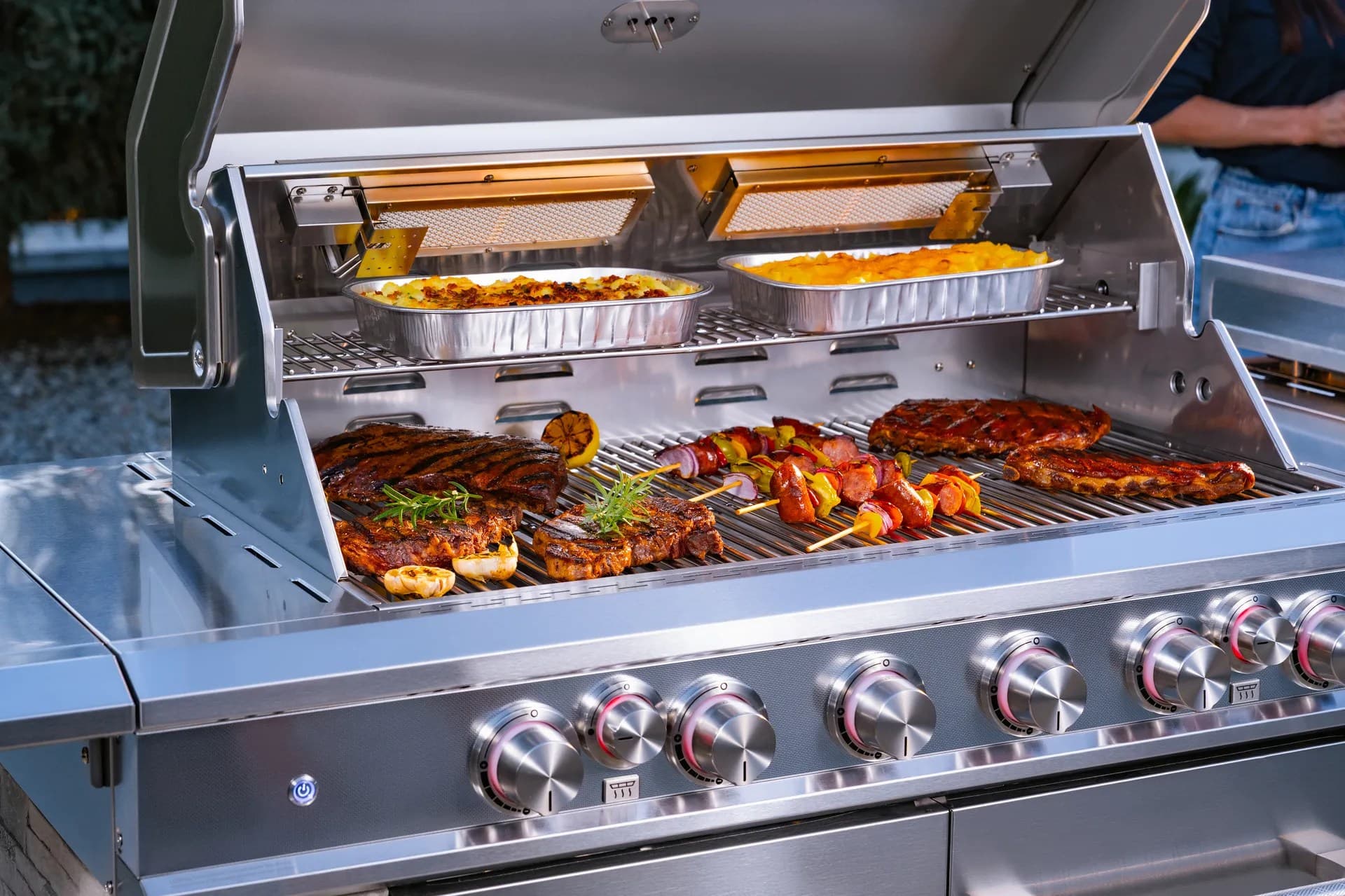
Transform your backyard into a grilling haven with these must-have essentials.
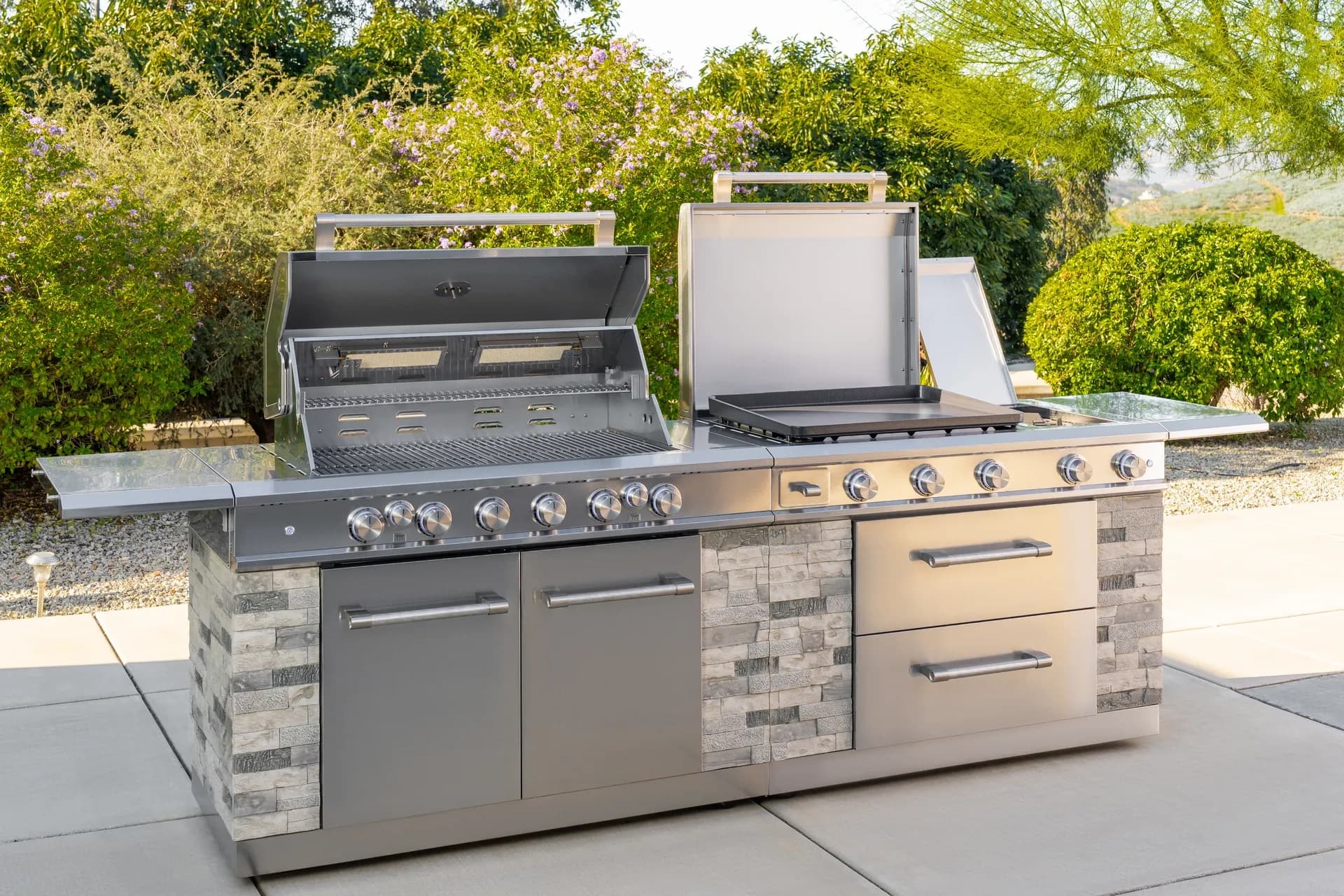
From sizzling breakfasts to smash burgers and teppanyaki-style dinners, the Daytona Pro 5 Burner NitroGuard™ Griddle delivers powerful heat, fast cooking, and a durable cooking surface built for every backyard cookout. Watch how easy outdoor cooking can be.
Here's what sets us apart from the competition
We position ourselves as delivering high-end outdoor cooking features and performance without premium-brand pricing, emphasizing “Quality Grills. Unbelievable Value.”
We offer gas grills, pellet grills, griddles, smokers, pizza ovens, portable/tabletop grills, electric grills, accessories, and replacement parts — allowing customers to stay within one ecosystem for all outdoor cooking needs.
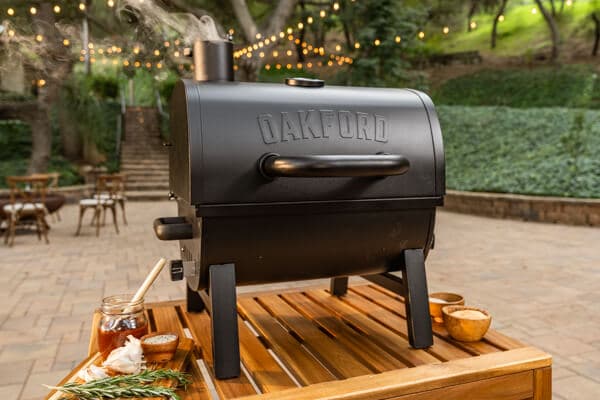
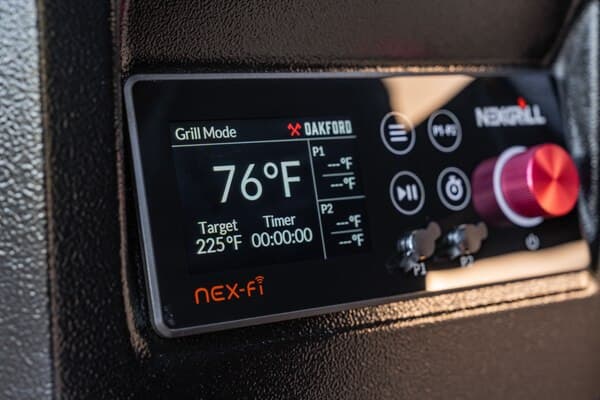
We differentiate ourselves through smart grilling products like the Oakford smart pellet grill, including app-connected cooking controls and modern outdoor cooking technology.
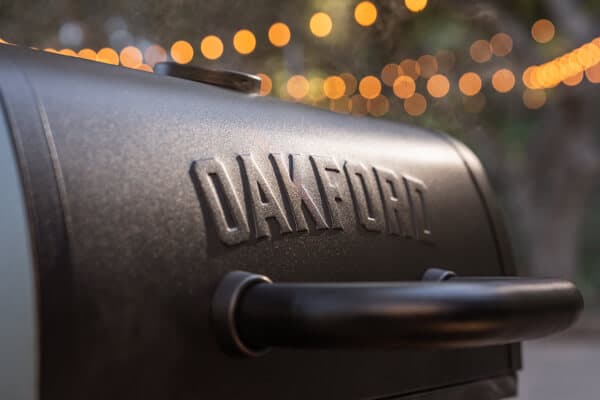
Expert tips, buying guides, comparisons, and inspiration for choosing and getting the most out of your grill.
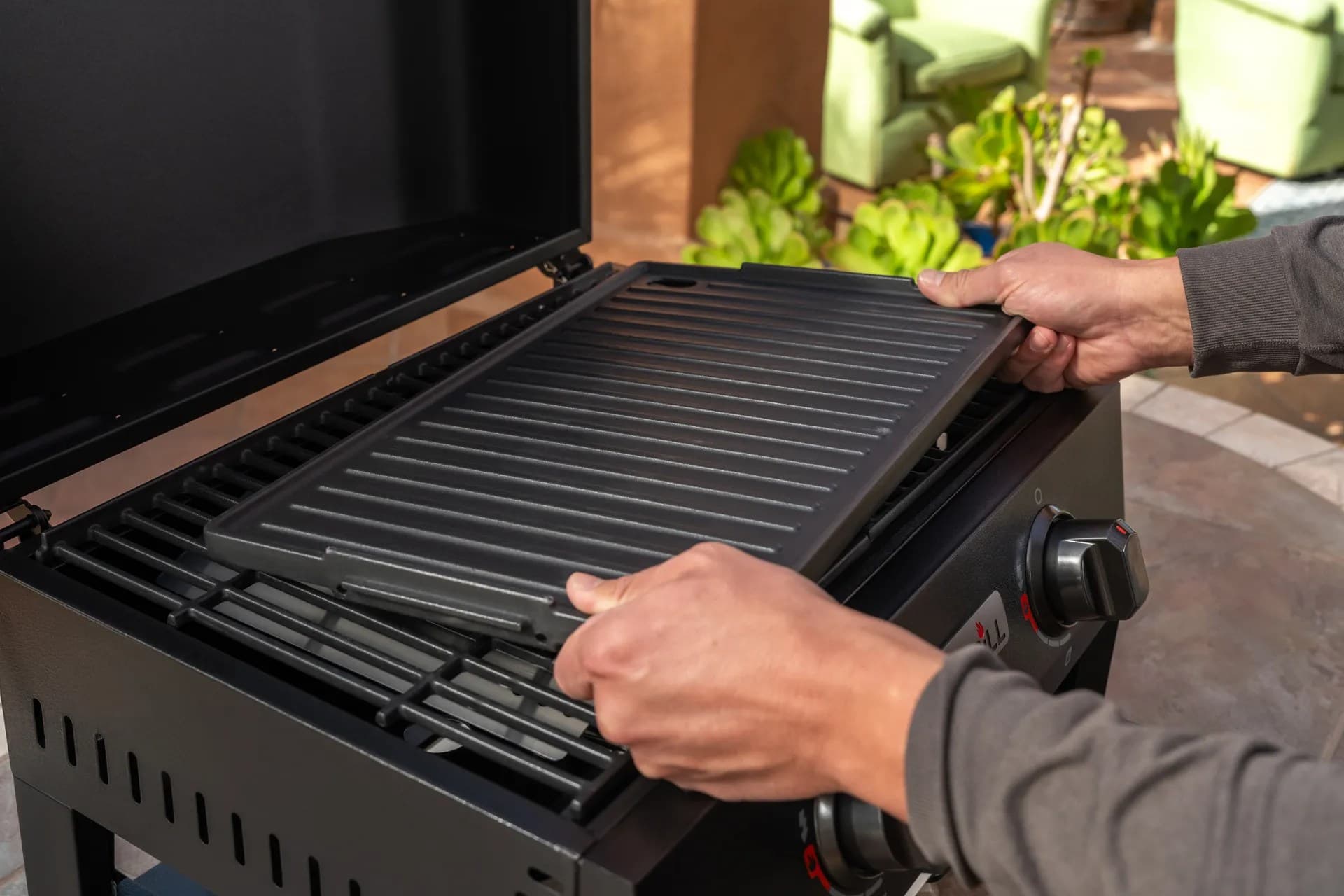
Practical guides for cleaning, maintenance, common grill issues, and performance optimization.
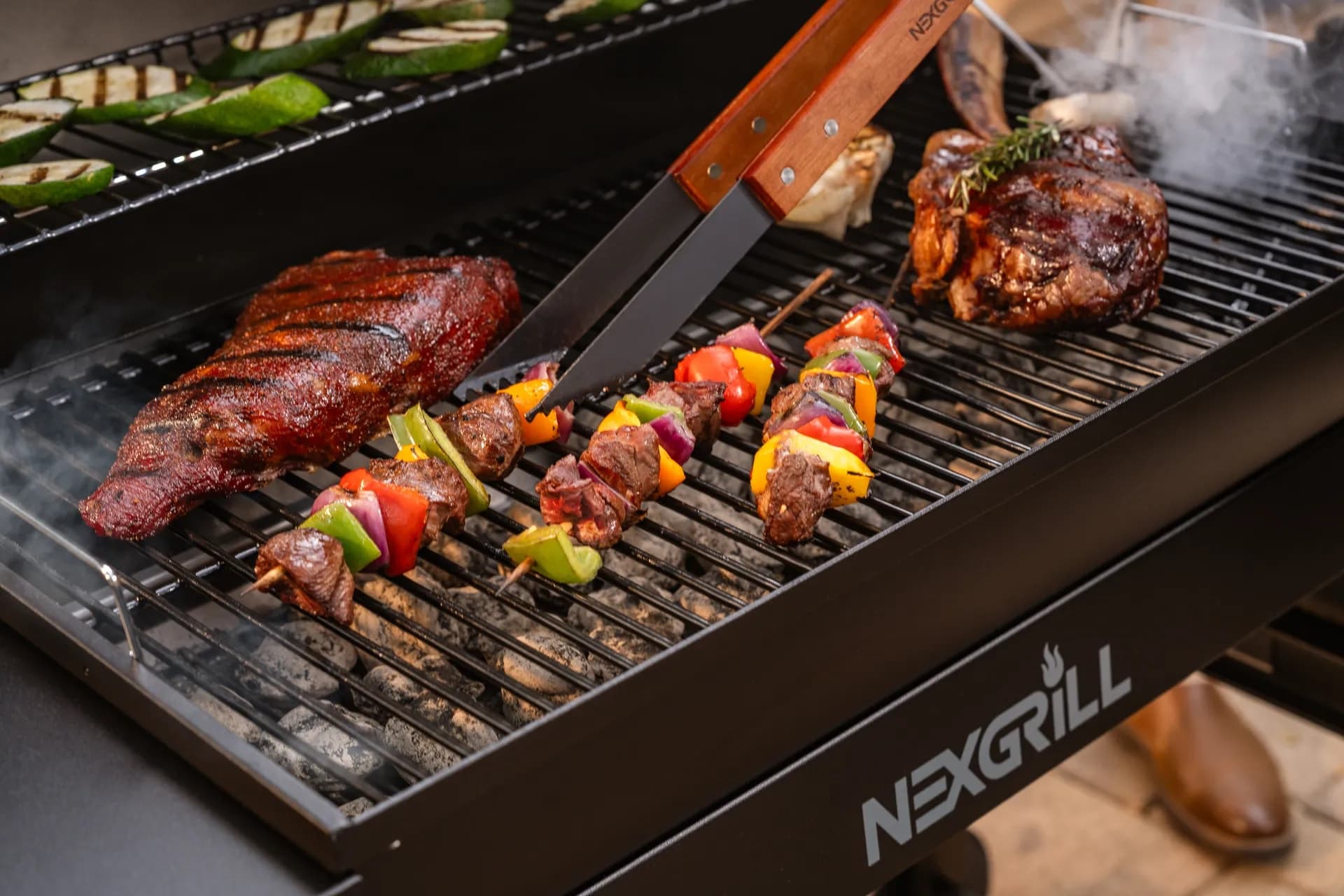
Step-by-step grilling recipes, cooking techniques, and meal ideas for every occasion and skill level.
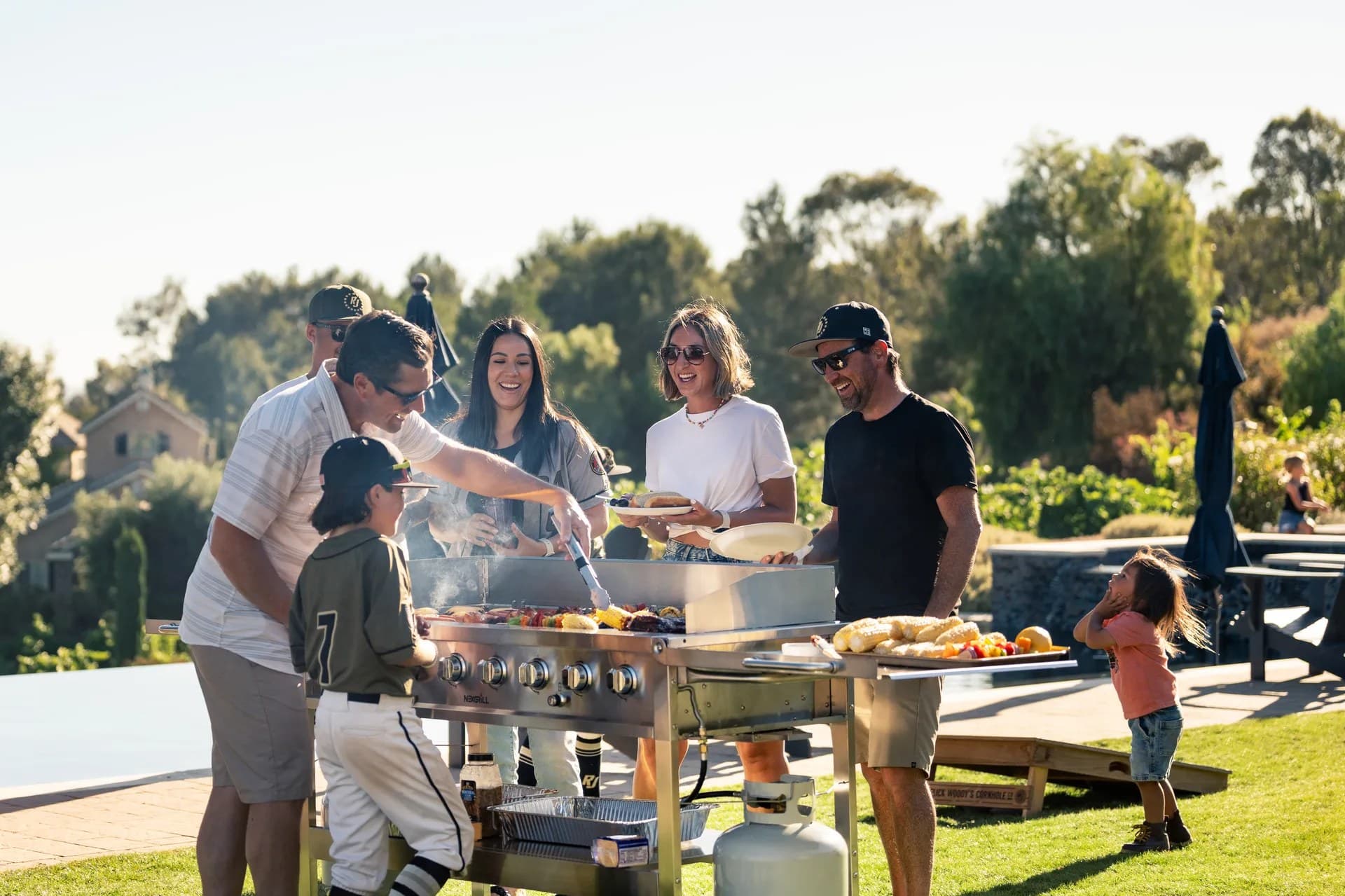
Backyard entertaining ideas, seasonal grilling inspiration, and stories that celebrate outdoor cooking culture.
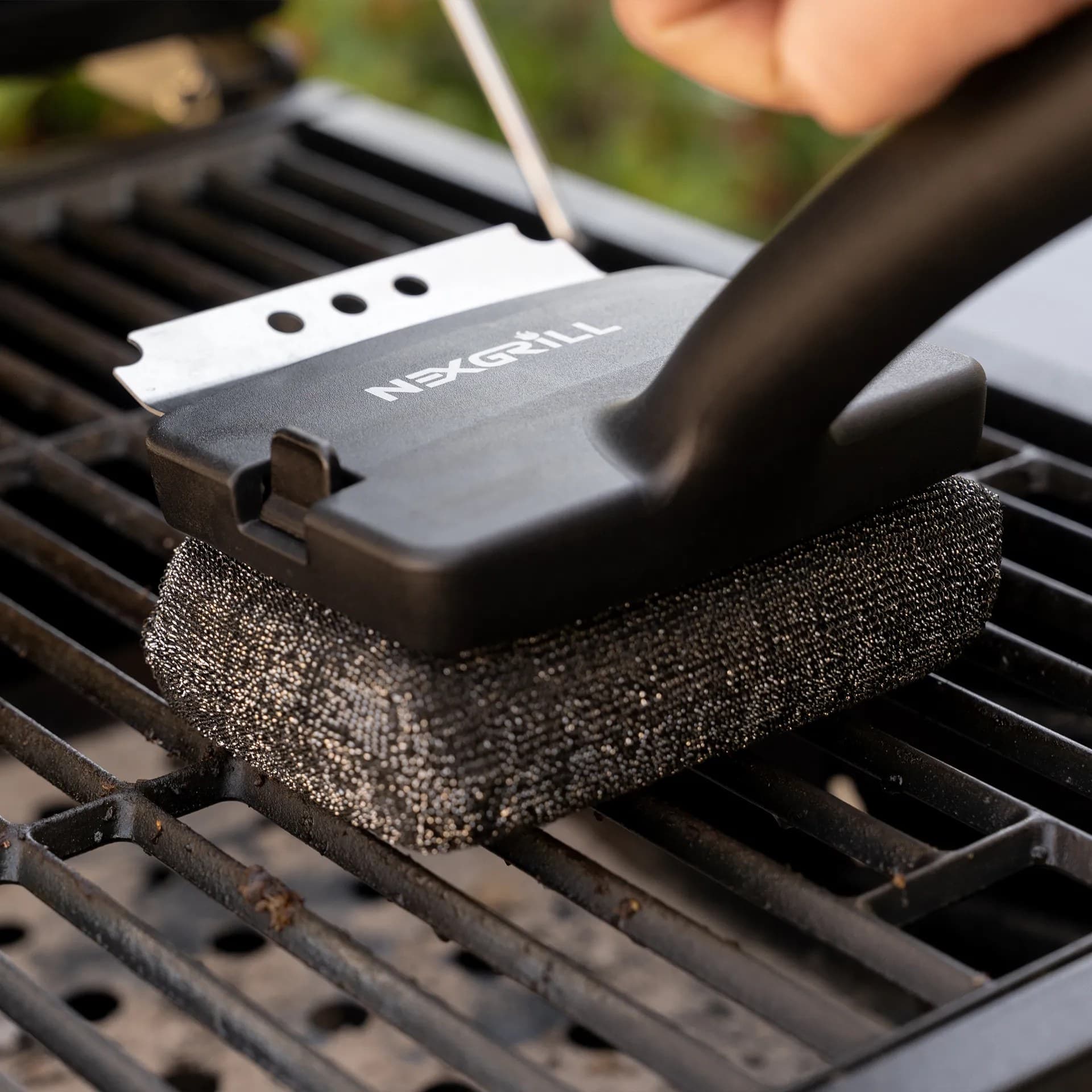
Helpful articles covering grilling tools, cookware, maintenance gear, and must-have accessories for outdoor cooking.
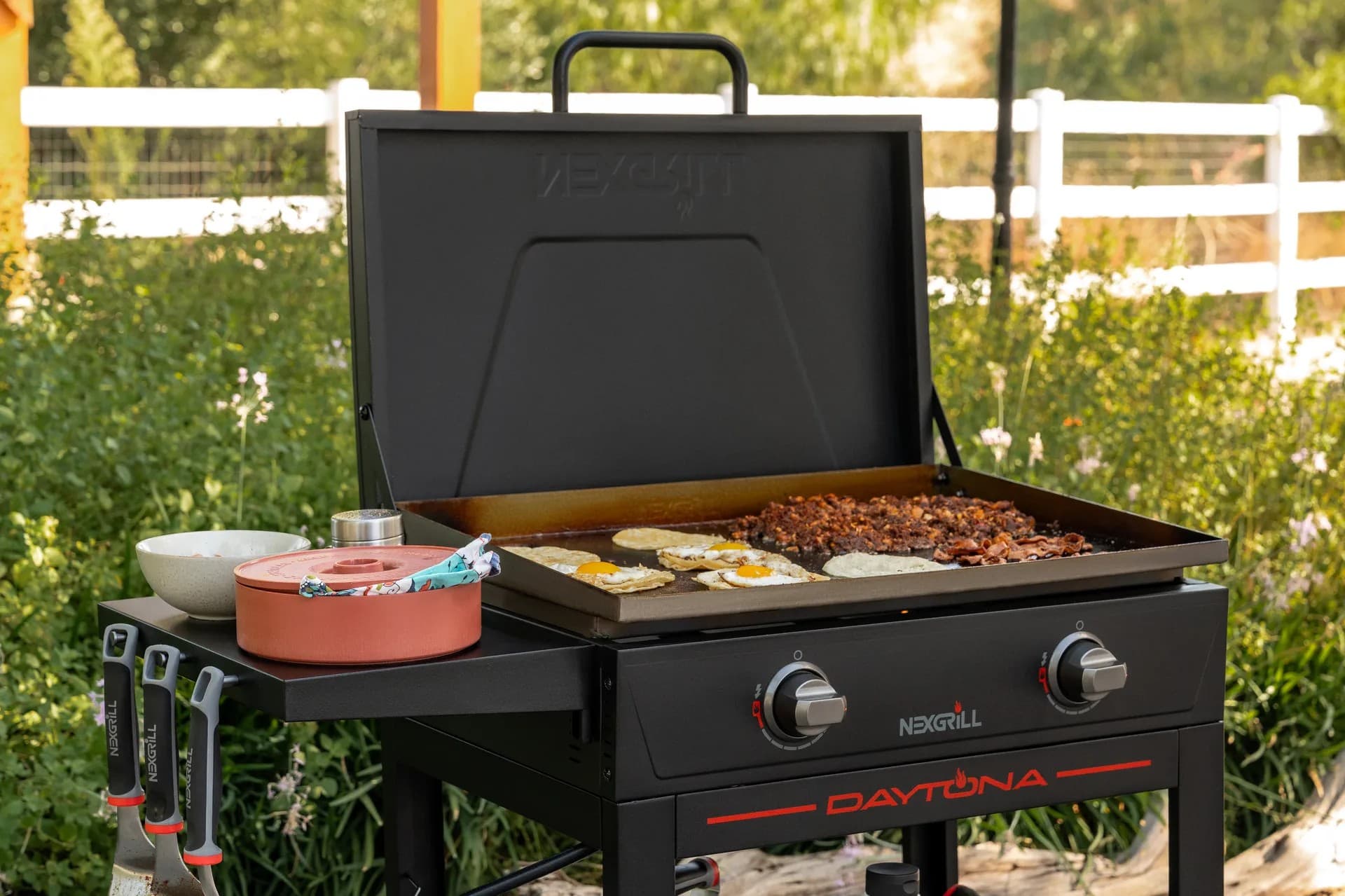
Find griddle recipes, cooking techniques, cleaning tips, and outdoor meal ideas designed for Nexgrill griddles.
Find answers to common questions
Gas grills provide instant heat and precise temperature control, making them easier to use. Charcoal grills offer a smoky flavor and high heat for searing but require more time to heat up and manage.
Pellet grills combine the convenience of gas with the flavor of wood, allowing for smoking, baking, and grilling. Traditional gas grills, however, are quicker to start and often easier to clean.
Charcoal grills typically reach higher temperatures quicker than gas grills, making them better for searing meat. However, high-quality gas grills can also provide adequate heat for effective searing.
Nexgrill offers models designed specifically for gas, charcoal, and pellets, allowing users to choose based on their cooking style and flavor preferences. Each type is built to optimize the characteristics of its respective fuel.
Choosing between gas and charcoal grills depends on your cooking preferences and lifestyle. If you value convenience and quick cooking, a gas grill may suit you better; if you prefer the taste and experience of traditional grilling, a charcoal grill would be ideal.
In This Article
Grill Selection
Essential Tools
Safety Measures
An effective outdoor grilling setup starts long before the first flame. The best backyard cookspaces are not defined by one expensive grill or a long list of accessories; they work because the grill, tools, layout, and safety habits all support the same goal. That means the person cooking can move easily, the food has a clear workflow from prep to plating, and the equipment is protected from avoidable wear. For many households in the United States, the real challenge is not whether to grill, but how to build a setup that fits a patio, deck, or yard without creating clutter or safety problems.
Nexgrill’s brand perspective makes this especially practical: grilling should feel welcoming, accessible, and built for real people gathering around real food. The company’s brand guidance emphasizes inclusivity, dependability, and the idea that everyone has a seat at the table, which is a useful lens for planning an outdoor grilling space that works for beginners and experienced cooks alike . In other words, the best setup is the one that makes it easy to cook confidently, serve comfortably, and enjoy the experience instead of fighting the space.
A strong grilling setup is a system: fuel source, work area, storage, cleanup, and safety all need to line up.
When you think about outdoor grilling setup essentials, think in zones. One zone is for heat; another is for prep; another is for resting cooked food; and a final zone is for cleanup and storage. That simple framework prevents the most common backyard mistakes, such as crowding the grill against a wall, placing utensils too far from the cook, or forgetting where hot tools and pans will land once the food comes off. A thoughtful setup also makes it easier to match your equipment to your habits. A family that grills fast weeknight meals has different needs from someone who smokes brisket for hours or cooks breakfast on a flat-top griddle.
The grill is the anchor of the whole station, so the first decision is really a workflow decision. Gas grills are the easiest fit for people who want speed, predictable heat, and straightforward weeknight cooking. Charcoal grills reward patience with a more hands-on ritual and strong searing potential. Pellet grills sit in the middle for people who want set-and-monitor convenience with wood-fired character. Nexgrill’s current lineup reflects that range well, from propane gas grills to the Oakford pellet smoker line and charcoal options like the Oakford Homestead 24 Heavy Duty Charcoal Grill in Black .
| Grill type | Best fit | Setup implication |
|---|---|---|
| Gas | Busy households, quick dinners, frequent use | Needs fuel access, landing space, and easy cleanup |
| Charcoal | Flavor-focused cooks and weekend sessions | Needs ash handling, airflow, and heat-safe surroundings |
| Pellet | Low-and-slow cooks and tech-friendly users | Needs dry pellet storage and nearby electrical access |
For a smaller patio, a two-burner gas grill can be the most efficient choice because it gives you direct heat control without demanding a huge footprint. For larger families or entertainers, a four-burner propane model such as Nexgrill’s 4-Burner Gas Grill with Side Burner in Black offers more room for zone cooking and side-dish support. If your priority is breakfast, smash burgers, vegetables, or large batch cooking, a flat-top griddle can be more practical than a grate-style grill because it gives you a broad, even surface. Nexgrill’s Daytona griddle family, including the Daytona 4-Burner Propane Gas Griddle in Black and the Daytona Pro 5 Burner Nitroguard Propane Gas Griddle, fits that use case well .
Don’t choose a grill only by size. Choose it by how you actually cook: searing, smoking, griddling, or quick weeknight meals.
Tools should reduce friction, not add clutter. The best outdoor grilling tool kit is compact, durable, and easy to reach from the cook position. At minimum, every setup should include long-handled tongs, a sturdy spatula, a grill brush or scraper, heat-resistant gloves, a reliable instant-read thermometer, and a way to move hot trays or pans safely. That list may sound basic, but in practice it prevents dropped food, burned hands, and guesswork about doneness. The brand’s outdoor cooking philosophy is about creating enjoyable shared experiences, and that works best when the cook is not running back and forth into the kitchen for every small task .
Think of your tools as a working triangle: turning tools near the grill, plating tools near the serving area, and cleaning tools near the end of the station. Tongs should be long enough to keep your hands away from flare-ups but balanced enough for precise turning. A thin-edged spatula is ideal for burgers, fish, and griddle cooking, while a wider spatula makes more sense for pancakes or chopped breakfast items. Heat-resistant gloves matter whenever you are dealing with hot grates, cast-iron pieces, or lids. And a thermometer is not optional if you want repeatable results with chicken, pork, thick steaks, or pellet-smoked meats. Essential Grill Cleaning Tools and Techniques should be on every griller's checklist.
instant-read thermometer can prevent overcooking far better than guessing by time alone
For griddle users, add a metal bench scraper, squeeze bottles for oil or sauces, and a shallow tray for staging ingredients. For charcoal cooks, a chimney starter, charcoal tongs, and ash tools make the setup more efficient and cleaner to manage. Pellet grill owners benefit from a pellet scoop, dry storage container, and a dedicated place for backup pellets so fuel stays protected from moisture. The point is not to buy everything at once; it is to make sure the tools you use most are always within arm’s reach and protected from the weather.
Safety is part of the setup, not an afterthought. Start by placing the grill on a stable, non-combustible surface with enough clearance on all sides so heat, grease, and smoke are not trapped near siding, railing, overhangs, or furniture. Keep children and pets out of the immediate cooking zone, and store fuel, lighter fluid, and cleaning chemicals well away from the flame. If you use propane, check connections regularly and replace damaged hoses or fittings as needed. If you use charcoal, never move hot ash into a sealed container. If you use pellets, keep the hopper and storage bins dry to avoid clogs and inconsistent burns.
A safety-minded setup also considers movement. The cook should be able to open the grill lid, step back, and turn without bumping into a wall, table, or guest. That may sound obvious, but cramped layouts are one of the easiest ways to create preventable hazards. Put your serving platter, tongs, and thermometer in a place where you can reach them without crossing in front of the fire. If your grill is near a structure, think about wind direction too, because smoke and flare-ups are easier to manage when the grill is not pinned into a corner. The best grilling spaces feel relaxed because the cook can move with confidence. Always consider Essential Grilling Safety Equipment You Need as part of your setup.
A few extra feet of clearance and a clear path behind the cook can make a big difference in everyday safety.
A great grilling space does not need to be elaborate. It needs clear zones, durable surfaces, and a layout that matches your backyard size. In a compact city patio, that may mean a two-burner grill on one side, a narrow prep cart on the other, and wall-mounted hooks for tools. In a larger suburban yard, it may mean a full cook station with a grill, side table, storage cabinet, and a separate serving zone. The key is to avoid forcing every task into a single crowded surface.
If you are working with a modest budget, prioritize the elements that improve function first: stable grill placement, a heat-safe prep surface, and covered storage for tools and fuel. If you have more room and want a more polished outdoor kitchen feel, you can add a prep counter, task lighting, and weather protection. The Homes & Gardens outdoor kitchen design guidance emphasizes planning for cooking, prep, storage, and social flow as one connected space rather than a random collection of equipment. That same idea applies even if your setup is much smaller than a built-in outdoor kitchen .
Try comparing two products side by side below to see which fits best:
Once you have compared two options side by side, the next question is how that choice fits into a real outdoor cooking system. A grill only becomes truly useful when it sits inside a space that supports prep, storage, cleanup, and safe movement. That is why the most successful setups are planned around routines: where ingredients land, where hot food rests, where tools hang, and how quickly you can reset after dinner. Nexgrill’s brand approach to outdoor cooking centers on togetherness and accessible performance, which is a strong fit for a setup that has to work on weeknights, weekends, and crowded holiday cookouts alike.
The practical goal is not perfection. It is repeatability. A grill area that repeats good results is more valuable than a flashy layout that looks impressive but gets in the way. That is especially true in the United States, where backyard spaces range from apartment balconies and townhouse patios to large suburban decks and full outdoor kitchens. Your setup should reflect your climate, your cooking frequency, and the kinds of meals you actually make. If you regularly cook for four, a streamlined station with a compact gas grill, one prep cart, and a covered storage bin may be enough. If you host neighbors or extended family, you may want a broader station with griddle space, extra counter room, and better lighting.
The best grill for your setup depends on how much control you want over the cooking process. Gas is the most convenient for quick starts and controlled temperature changes. Charcoal delivers a more traditional fire-driven experience and can be excellent for searing and flavor development. Pellet grills offer a hybrid advantage for cooks who want the smoke profile of wood with more automatic temperature management. Nexgrill’s lineup supports each of these approaches, from gas grills such as the 4-Burner Propane Gas Grill in Black with Stainless Steel Main Lid to pellet options like the Oakford Pro 875 Pellet Smoker Grill and heavier-duty charcoal builds in the Oakford Homestead line.
| Buyer profile | Best fit | Why it works |
|---|---|---|
| Weeknight family cook | Gas grill | Fast startup and easy temperature adjustments |
| Flavor-first weekend host | Charcoal grill | Strong heat and hands-on smoke control |
| Low-and-slow enthusiast | Pellet grill | Better for long cooks and steady heat |
If your outdoor area is compact, the smartest move is usually a grill that matches your available clearance rather than one that maximizes burner count. The wrong-sized grill can block walking paths, limit access to prep surfaces, and make cleanup harder. If your space is larger, you can build around multiple cook surfaces. Many households find that pairing a gas grill with a smaller griddle or smoker creates more flexibility than buying one oversized unit. For example, a propane grill can handle steaks and vegetables while a griddle handles eggs, bacon, tortillas, or stir-fry style dishes for a crowd.
A smart tool kit is about reducing extra steps. The fewer times you have to leave the grill to hunt for a utensil, the smoother the cook. Start with a long pair of tongs, a spatula that suits your cooking surface, a thermometer, and gloves that can handle direct heat without restricting movement. Add a grill brush or scraper suited to your grate material, a basting brush, and a heat-safe tray for cooked food. From there, tailor the rest of the kit to the grill type. Griddle users may want squeeze bottles and scrapers; charcoal users may need a chimney starter and ash tools; pellet users should keep a dry pellet scoop and storage container on hand. For more tips, refer to Essential Grill Utensils for Perfect Cooking.
One useful way to think about tools is by time horizon. Some items are immediate-use tools, such as tongs and spatulas. Others help with mid-cook control, such as thermometers and gloves. A third category supports the end of the cook, including trays, foil, and cleanup tools. When these are positioned logically, the whole area feels easier to use. This is especially important in family settings where different people may be helping with plating, side dishes, or serving. Nexgrill’s inclusive brand voice is built around making outdoor cooking approachable for amateurs and experts alike, and a clear tool arrangement supports that goal.
Tools do their best work when they stay in one predictable place. If you always reach for the same items, give them a dedicated home.
A safe grilling station is designed to prevent mistakes before they happen. Keep the grill stable and level, place it away from flammable materials, and leave enough room to open lids and work around the cooking area without squeezing past furniture or guests. Use long-handled utensils and heat-resistant gloves so your hands stay out of the direct heat path. For propane setups, inspect hoses and connections regularly and replace worn components promptly. For charcoal setups, manage ash carefully and wait until embers are fully cool before disposal. For pellet systems, keep fuel dry and the power source protected from moisture. To learn more about safety measures, check out Essential Grilling Safety Equipment You Need.
What often gets overlooked is spacing for the person cooking. The grill is only part of the safety picture; the cook also needs a clean route to step back, pivot, and set hot food down without crossing traffic. If your guests naturally gather near the grill, consider creating a small buffer with a table, planter, or prep cart so the cooking area does not become a bottleneck. That sort of planning makes the space feel calmer and reduces the chance of bumps, spills, or accidental contact with hot surfaces.
If your grill is close to a wall, railing, or overhead cover, reevaluate the placement. Safety clearance matters more than convenience.
Good layout is what turns equipment into an experience. Start with the path from the kitchen to the grill, then the path from the grill to the table, and finally the path from the table back to cleanup. If those movements are smooth, your setup will feel natural. In a small backyard, the best design may be linear: grill, prep table, serving shelf, storage bench. In a larger outdoor entertaining area, you can build a more social flow with a cooking zone and a separate gathering zone so guests can mingle without standing in the cook’s way.
Budget also shapes design decisions. On a modest budget, focus on the fundamentals: a dependable grill, a weather cover, one durable prep surface, and storage that protects fuel and tools. At a mid-range budget, add lighting, shelving, and maybe a rolling cart so the area can adapt to different meal styles. At a higher budget, a built-in outdoor kitchen or semi-permanent station creates more structure and can support heavier use. Home design coverage from Homes & Gardens and Livingetc shows that outdoor kitchen planning works best when cooking, storage, and visual flow are considered together, not as separate purchases made one at a time.
Maintenance is where a good setup pays you back. After each cook, clear grease and residue while the surface is still warm, then let the grill cool before covering it. On gas grills, clean burners and check ignition performance regularly so heat stays even. On charcoal grills, remove ash promptly to preserve airflow and reduce corrosion. On pellet grills, keep the hopper and storage dry, and clear out buildup that could affect feed consistency. The more disciplined your maintenance routine, the easier it is to preserve consistent results over time. Maintenance is also crucial; check our guide on Essential Grill Maintenance Products for Longevity.
simple habits matter most: clean, cover, and inspect your grill after use
Weather protection is especially important in the United States, where humidity, rain, sun, and seasonal temperature swings can all affect equipment. A fitted cover helps, but so does choosing a setup that allows air circulation rather than trapping moisture under a tight clutter of gear. If possible, store accessories in sealed bins or cabinets instead of leaving them exposed. Nexgrill’s dependable, approachable brand positioning fits this kind of real-world ownership: equipment should be ready when you are, not create extra work every time you want to cook.
The best outdoor grilling setup is not the most expensive one; it is the one that matches your space, your cooking habits, and your willingness to maintain it. A compact gas grill may be the right answer for a small deck. A pellet smoker may suit a weekend pitmaster. A charcoal grill may be ideal for someone who wants maximum flavor and a hands-on process. What matters is that the surrounding setup supports the choice instead of working against it.
If you build your space around clear zones, safe movement, dependable tools, and realistic maintenance habits, you will get more enjoyment from every cookout. That is the real promise of a strong grilling station: fewer hassles, better control, and more time around the table with the people you invited over. For readers who are planning a new space or refining an existing one, a side-by-side product comparison can be the fastest way to narrow the field and choose the right grill for the way you actually cook.
Here's what sets us apart
We position ourselves as delivering high-end outdoor cooking features and performance without premium-brand pricing, emphasizing “Quality Grills. Unbelievable Value.”
We offer gas grills, pellet grills, griddles, smokers, pizza ovens, portable/tabletop grills, electric grills, accessories, and replacement parts — allowing customers to stay within one ecosystem for all outdoor cooking needs.
We differentiate ourselves through smart grilling products like the Oakford smart pellet grill, including app-connected cooking controls and modern outdoor cooking technology.
Don't just take our word for it
Keep reading
From our catalog