A comprehensive guide to the must-have tools and practices for safe and enjoyable outdoor cooking.
Here's what sets us apart from the competition
We position ourselves as delivering high-end outdoor cooking features and performance without premium-brand pricing, emphasizing “Quality Grills. Unbelievable Value.”
We offer gas grills, pellet grills, griddles, smokers, pizza ovens, portable/tabletop grills, electric grills, accessories, and replacement parts — allowing customers to stay within one ecosystem for all outdoor cooking needs.
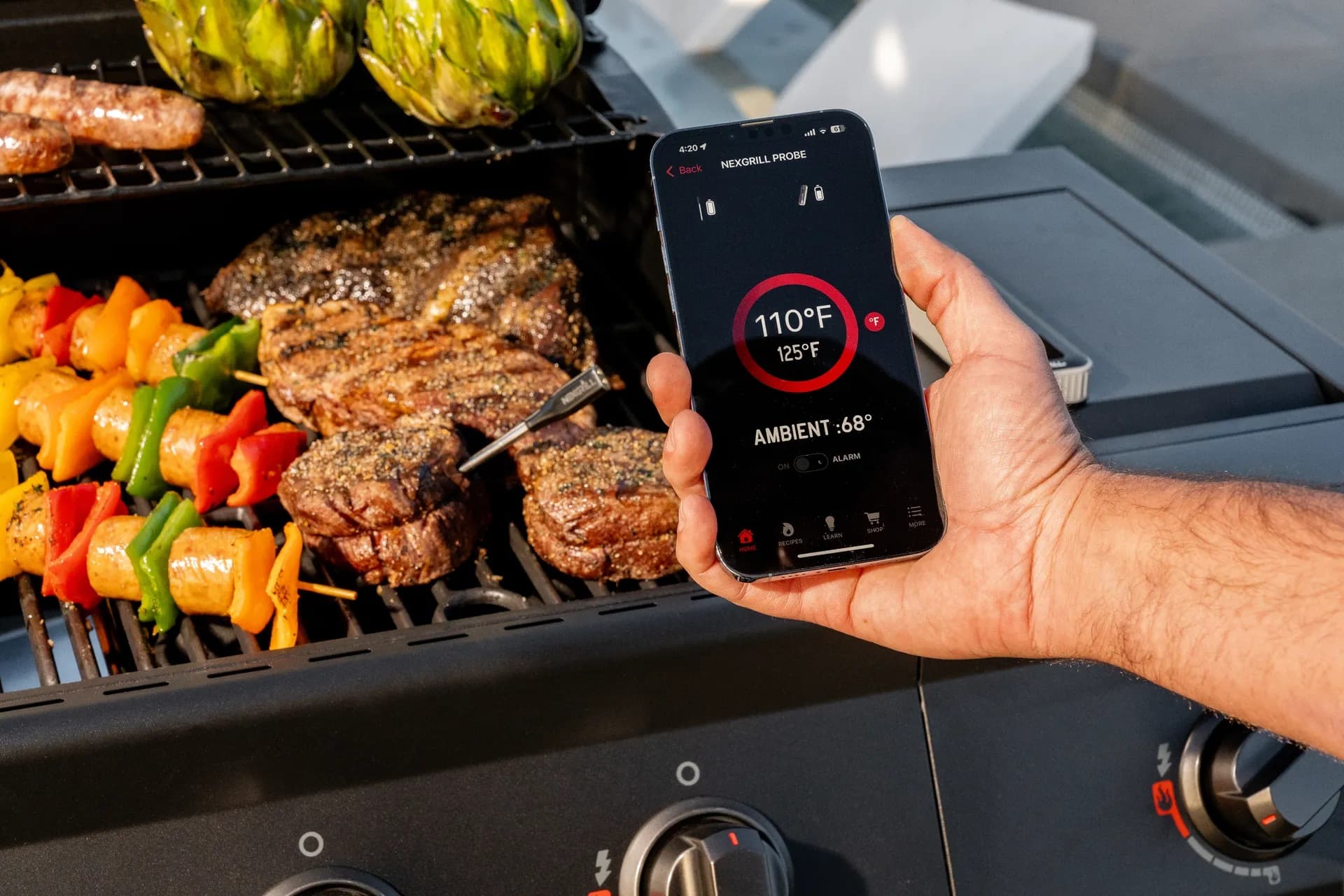
We differentiate ourselves through smart grilling products like the Oakford smart pellet grill, including app-connected cooking controls and modern outdoor cooking technology.
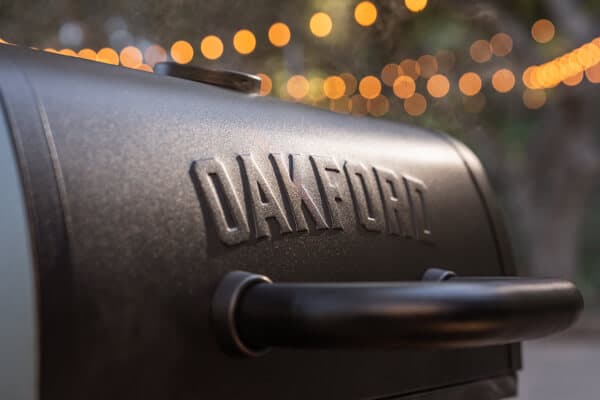
Expert tips, buying guides, comparisons, and inspiration for choosing and getting the most out of your grill.
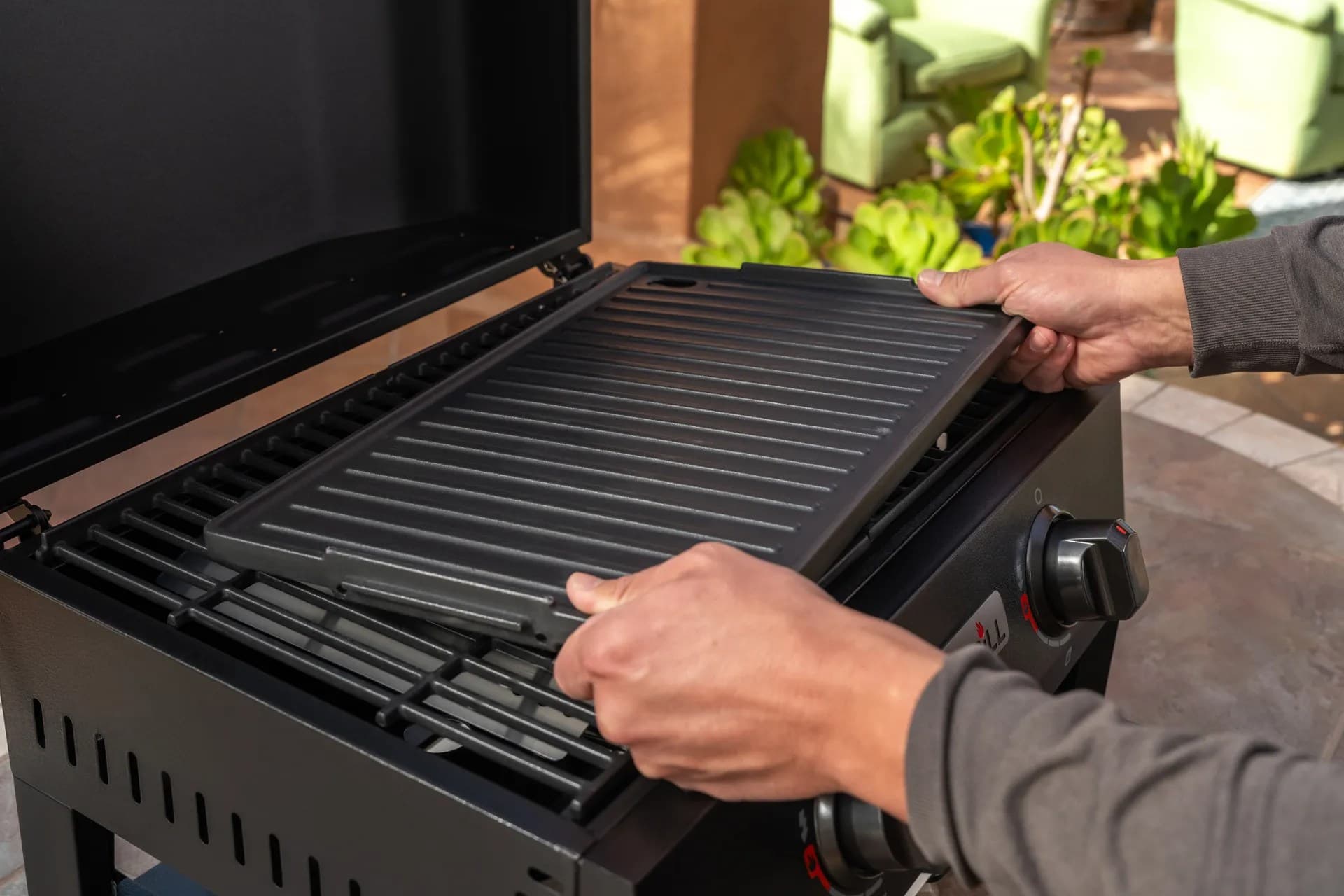
Practical guides for cleaning, maintenance, common grill issues, and performance optimization.
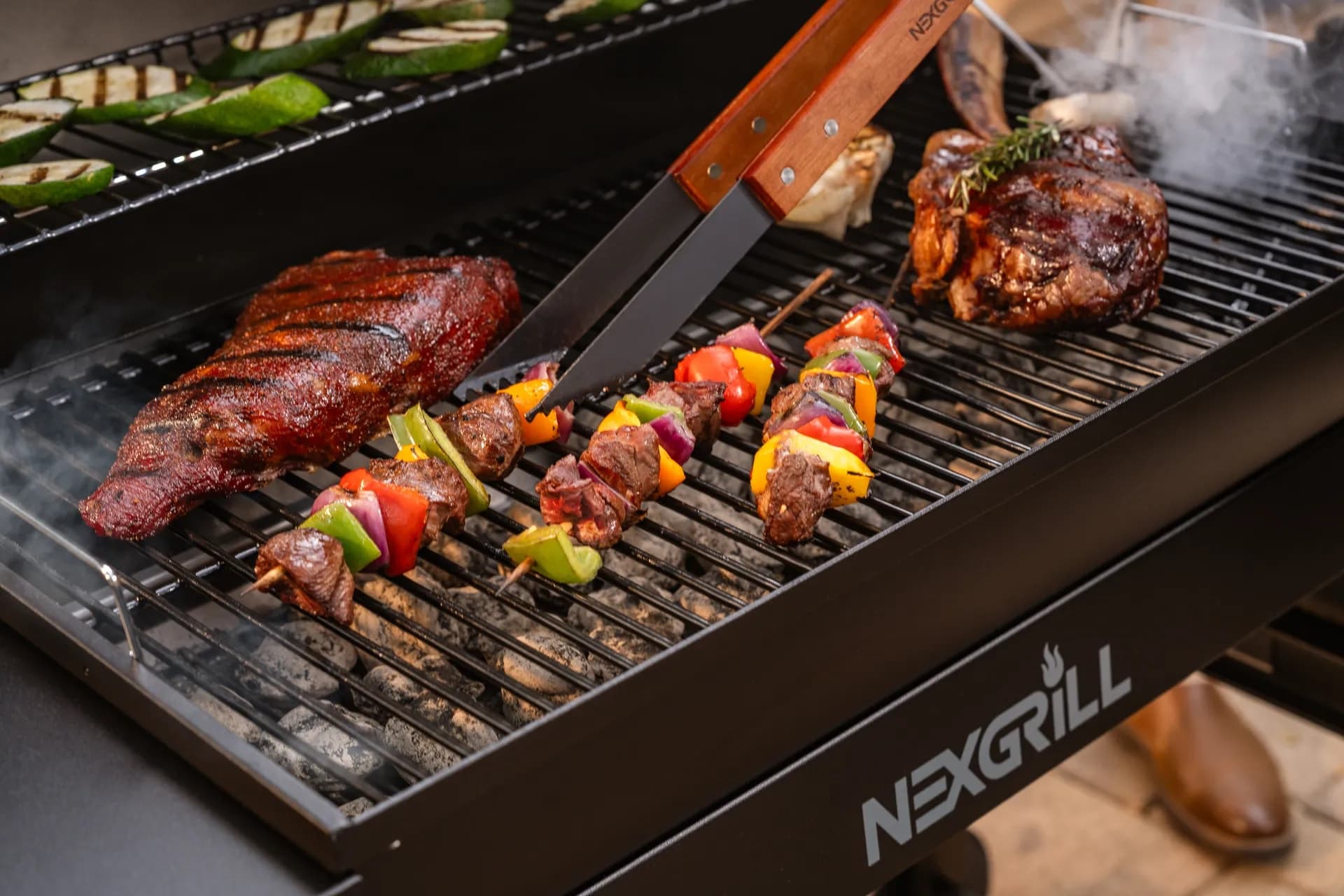
Step-by-step grilling recipes, cooking techniques, and meal ideas for every occasion and skill level.
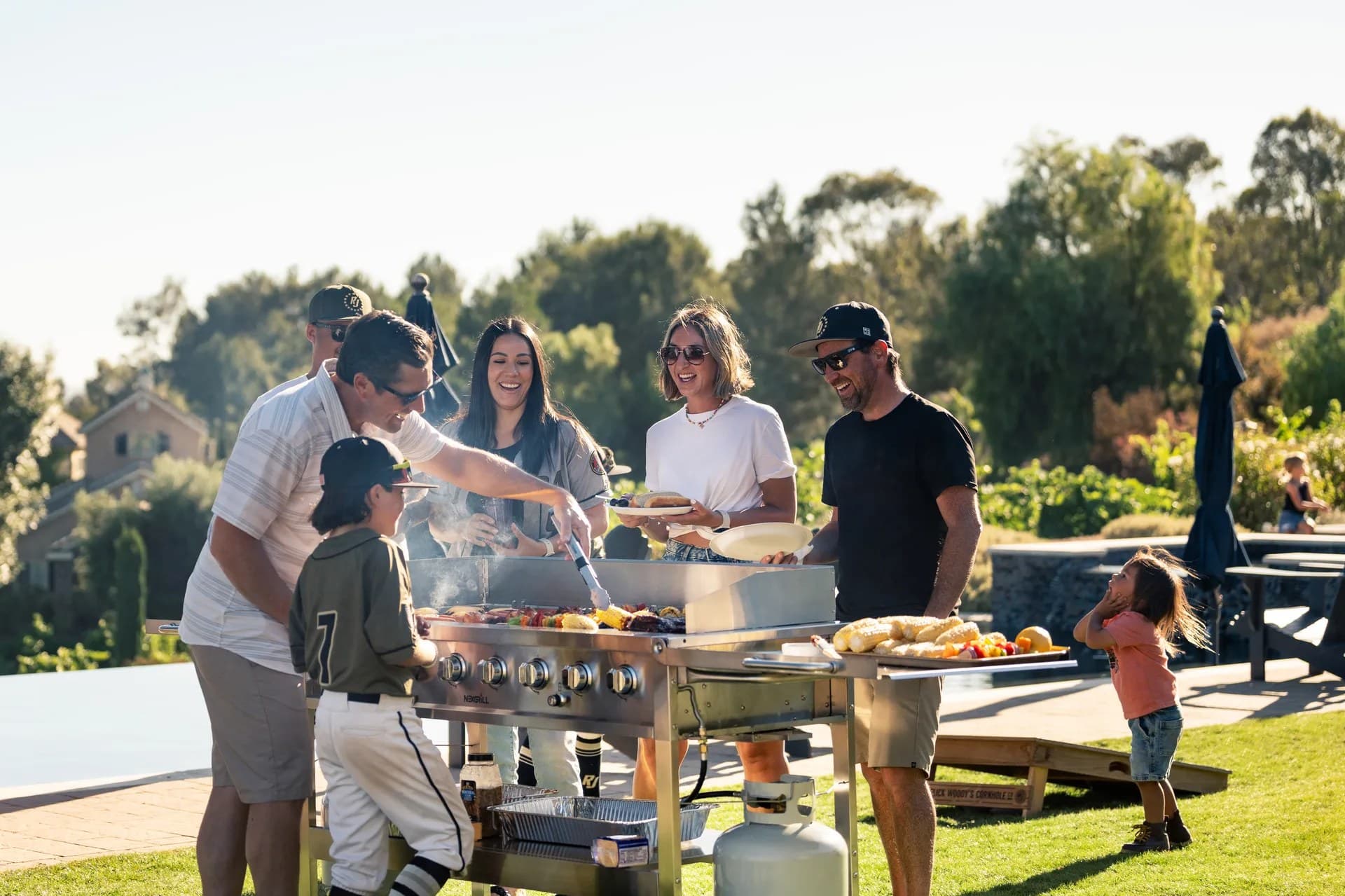
Backyard entertaining ideas, seasonal grilling inspiration, and stories that celebrate outdoor cooking culture.
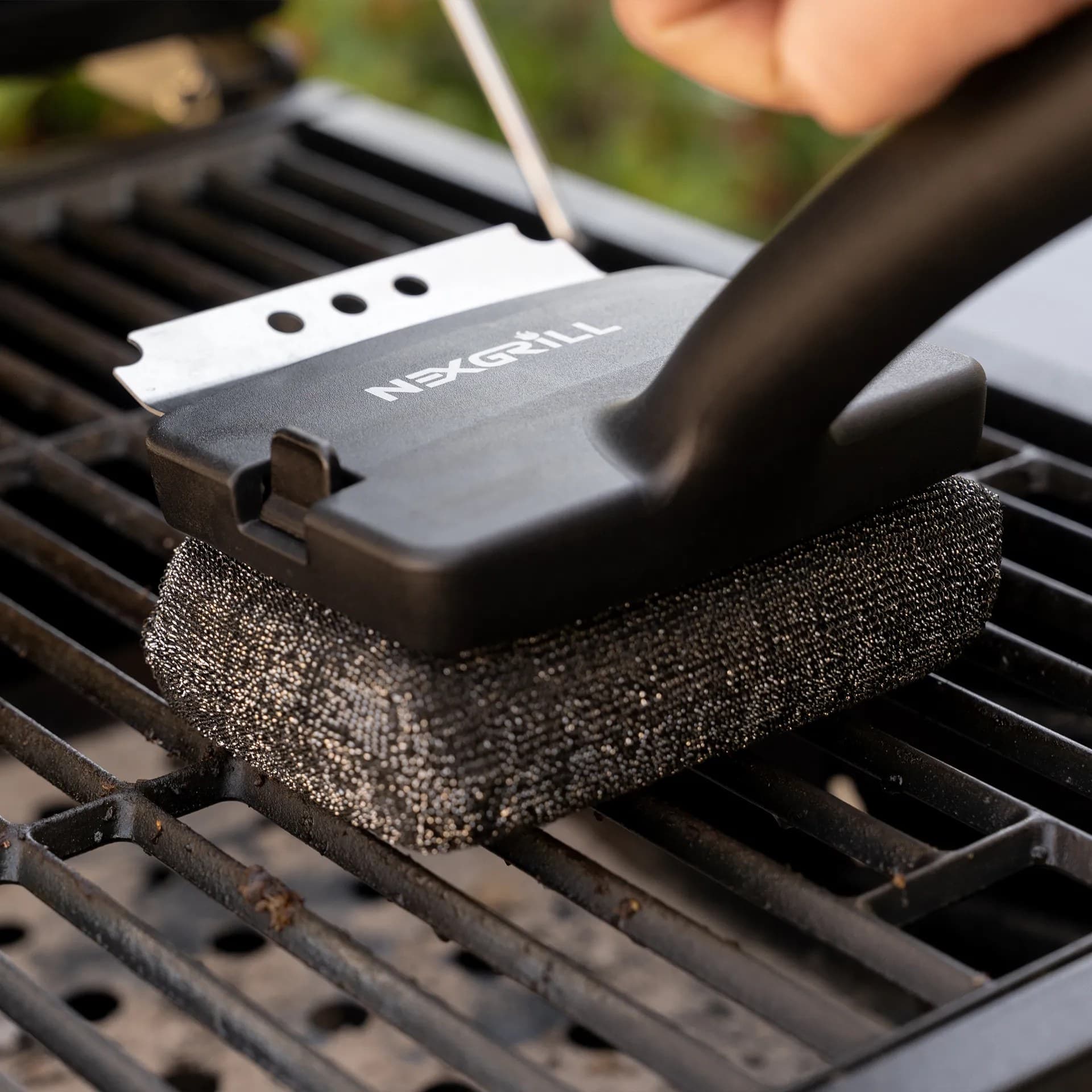
Helpful articles covering grilling tools, cookware, maintenance gear, and must-have accessories for outdoor cooking.
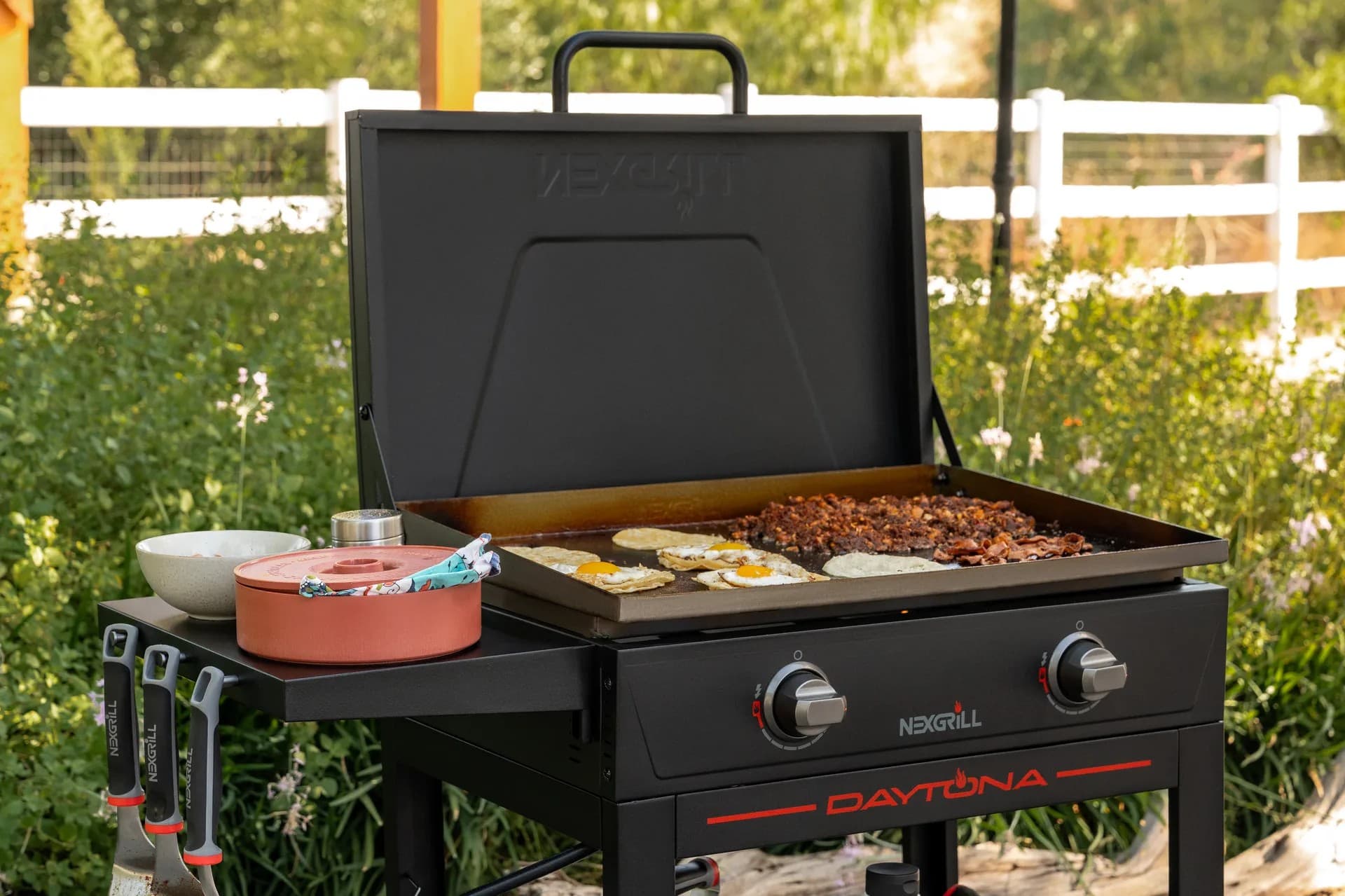
Find griddle recipes, cooking techniques, cleaning tips, and outdoor meal ideas designed for Nexgrill griddles.
Find answers to common questions
Nexgrill offers a variety of accessories including grill tools, covers, cooking utensils, and replacement parts designed to enhance your grilling experience.
Many Nexgrill accessories are widely compatible with various grill brands, but it is recommended to check the specifications for proper fit and functionality.
To maintain your Nexgrill accessories, regularly clean them with warm soapy water, avoid using abrasive materials that could scratch the surface, and store them in a dry place when not in use.
Yes, Nexgrill accessories can be purchased separately from the grills, allowing customers to customize their grilling setup as needed.
Instructions for using Nexgrill accessories are typically included in the packaging, and additional resources can be found on the Nexgrill website or in the product user manuals.
In This Article
Fire Extinguisher
Heat-Resistant Gloves
Grill Brush
Grilling safety is not just about avoiding a burned burger or a singed apron. It is about making sure the entire cooking area is prepared for heat, flame, grease, and gas before anyone presses the ignition button or drops charcoal into the firebox. A safe setup matters whether you are cooking on a compact patio grill, a full-size backyard gas grill, or a charcoal setup for weekend gatherings. The best grilling experiences happen when the focus stays on food and company, not on preventable accidents. Nexgrill’s brand voice emphasizes that grilling is a shared, welcoming experience, and safety equipment is what helps keep that experience relaxed and dependable for everyone around the table.
In practical terms, grilling safety starts long before the first sear marks appear. You need tools that reduce burn risk, control flare-ups, manage grease, and let you respond quickly if something goes wrong. That means thinking like a host and a safety planner at the same time. Many grill incidents come from small oversights: a brush left too close to the fire, gloves that are too thin for hot lids, a propane connection not checked before use, or a cooking area cluttered with paper towels and utensils. A little preparation changes that. It gives you a repeatable process instead of improvising while the grill is already hot.
The right tools help you prevent burns, flare-ups, and fire spread while grilling outdoors.
The real goal is not to turn grilling into a complicated project. It is to create a simple safety system that is ready every time you cook. Once you know which tools belong close to the grill and how they work together, your routine becomes much calmer. That is especially important for families, first-time grill owners, and anyone hosting guests who may not be familiar with the setup. A safe grill area is more welcoming because it gives people confidence to gather around it.
The core safety kit for outdoor cooking does not need to be complicated, but it should be intentional. The most important items are the ones that help you react to heat, protect your hands, clean surfaces safely, and shut down a problem fast if a flame behaves unexpectedly. For most home setups, the essentials include a fire extinguisher rated for grease and fuel fires, heat-resistant gloves, long-handled grilling tools, a grill brush or scraper, a drip-pan or grease management tray, and a reliable thermometer so you are not constantly opening the lid. Each item plays a different role, and together they reduce the chance that a small issue becomes a bigger one.
| Equipment | Why it matters | Best use case |
|---|---|---|
| Class B fire extinguisher | Helps address grease and flammable-liquid fires quickly | Keep within easy reach near gas or charcoal grilling stations |
| Heat-resistant gloves | Protects hands and wrists from lids, grates, pans, and utensils | Lifting hot lids, moving grates, adjusting coal, handling trays |
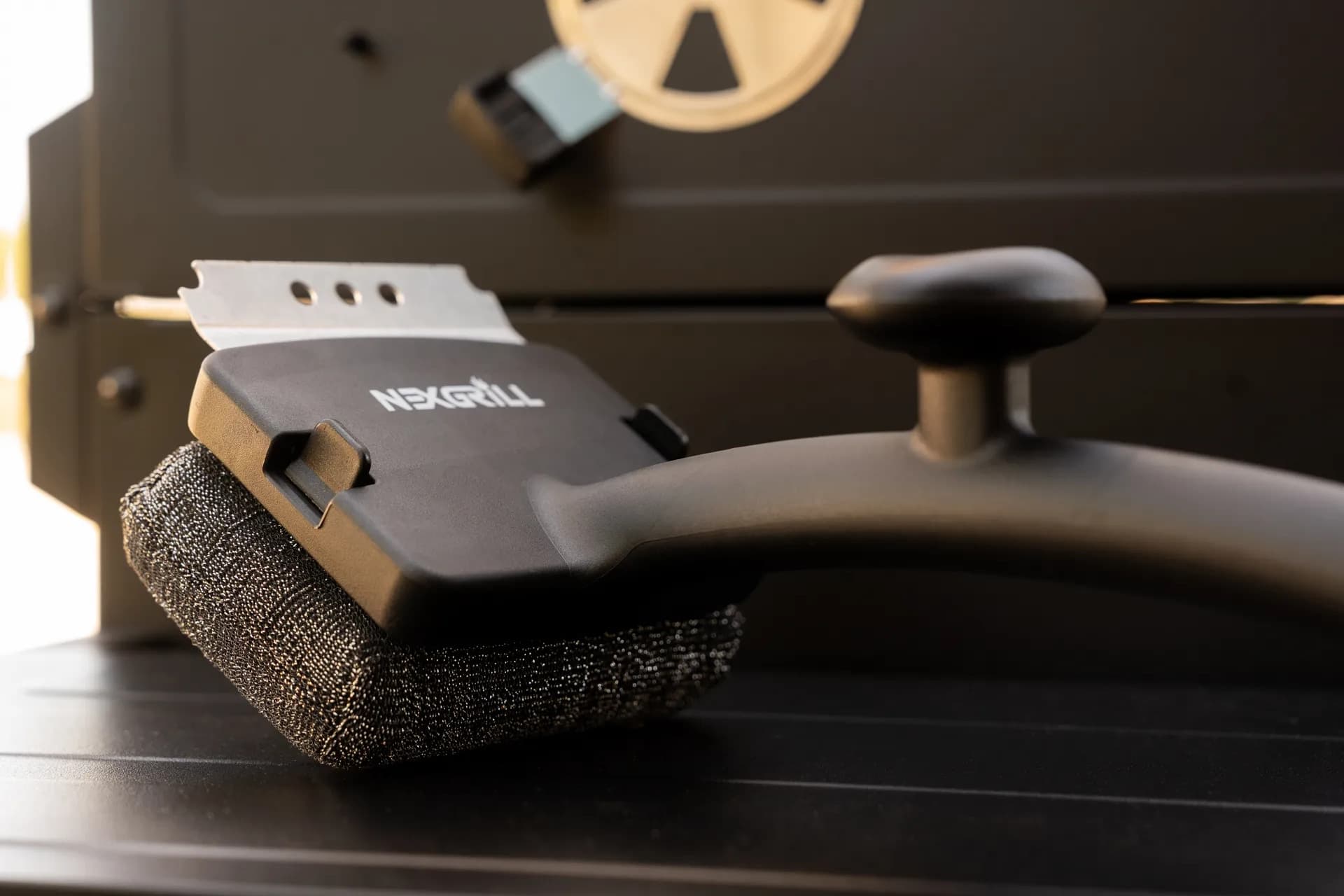
| Grill brush or scraper | Removes residue that can ignite or cause sticking | Cleaning grates after preheating or after cooking |
| Long-handled tongs and spatula | Keeps hands farther from direct heat | Turning food without leaning over the fire |
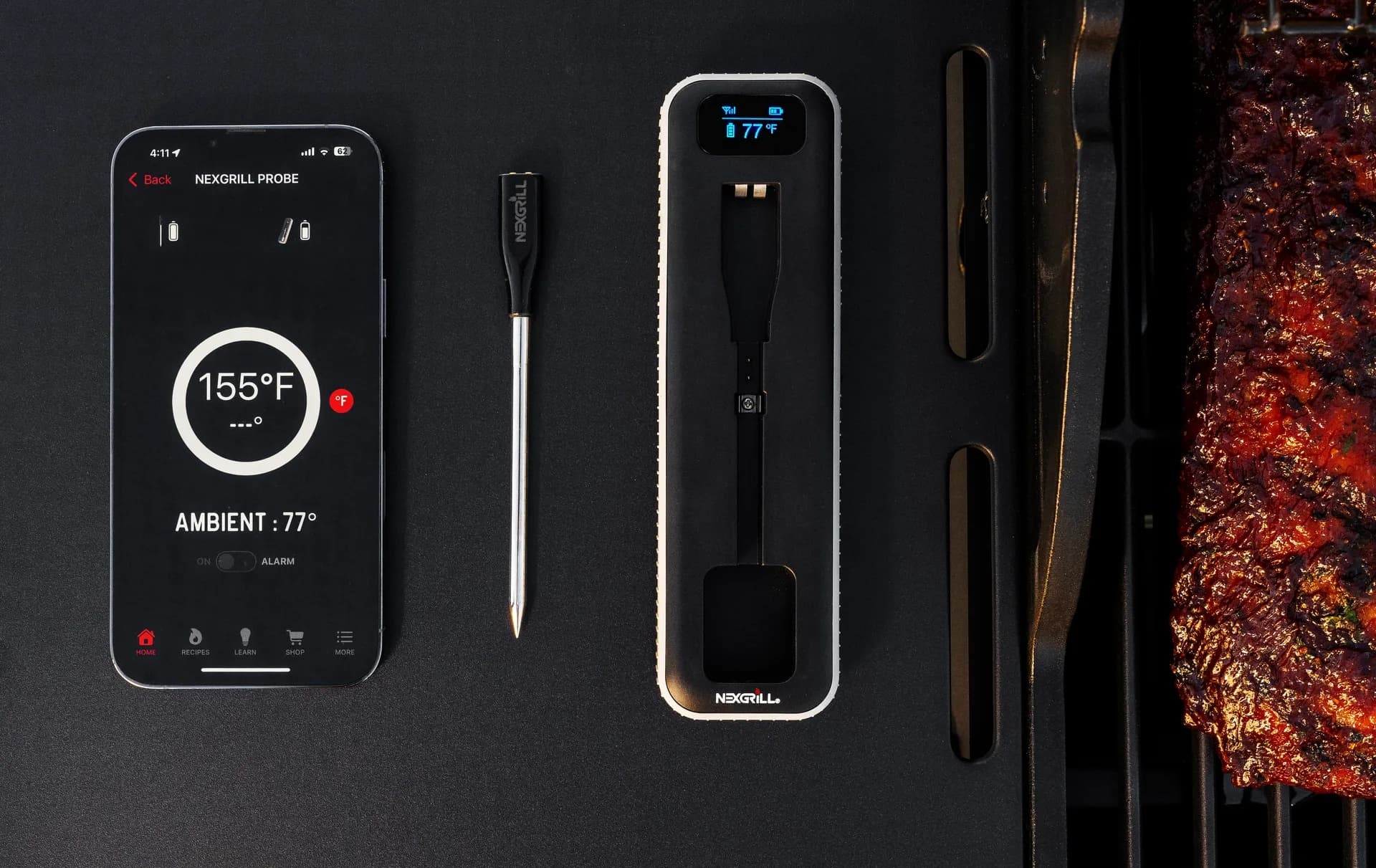
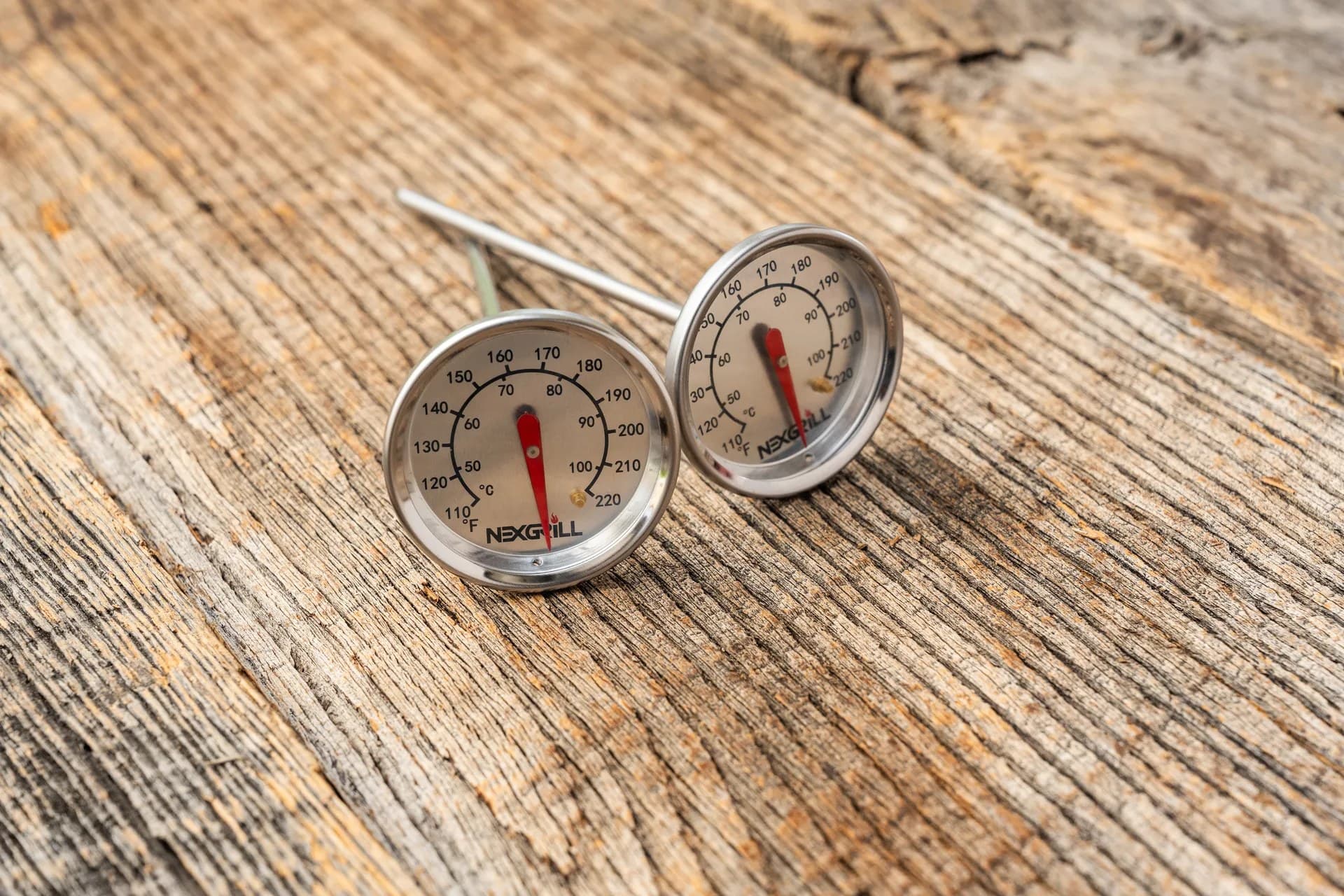
| Thermometer | Helps avoid overcooking and unnecessary lid opening | Monitoring doneness and reducing exposure to heat bursts |
A fire extinguisher belongs within arm’s reach of the grill, not inside the house. If you have to search for it, it is too far away.
A Class B extinguisher is a practical choice because it is designed for flammable liquids and gases, the categories most relevant to grease fires and fuel-related grilling issues. Heat-resistant gloves should cover more than just your palms; look for enough cuff length to protect your wrists when you reach near a hot lid or adjust a grate. A grill brush or scraper matters because buildup on grates can contribute to flare-ups and uneven cooking, and because a clean cooking surface is safer to handle when you are moving food or checking heat zones. Long-handled tools may seem basic, but they are among the easiest ways to reduce accidental burns during everyday use.
Good equipment is only half the equation. Safe grilling also depends on how you stage the area, how you use the tools, and how disciplined you are about a few simple habits. Start with the setup itself. Place the grill on a stable, level surface away from siding, overhanging branches, dry grass, or anything that can catch heat or sparks. Keep the cooking zone clear of coolers, patio cushions, paper products, and beverage crates that can become obstacles when you are carrying hot food or trying to move quickly. The space around the grill should feel open and easy to navigate.
Before lighting the grill, inspect the area and your equipment. For gas grills, make sure hoses and connections are in good condition and that the tank is positioned properly. For charcoal grills, keep lighter fluid stored away from the cooking area and use only what you need, following the product directions. Never add lighter fluid to a fire that is already burning. That rule is simple, but it is one of the most important in outdoor cooking. If the fire needs more fuel, handle it with care and wait until conditions are safe.
Do not wear loose sleeves, dangling towels, or synthetic fabrics that can melt quickly near flame. Closer-fitting clothing is a smarter choice around live heat.
Another smart practice is to manage flare-ups instead of reacting emotionally to them. When fat drips and flame jumps, keep the lid strategy in mind for your grill type and move food to a cooler zone if needed. Avoid water on grease flare-ups because it can spread the fire or send hot grease outward. Instead, use distance, indirect heat, or the appropriate extinguisher only when necessary and with confidence. This is also where good tongs, a spatula, and a reliable thermometer help: they let you manage food without hovering over the hottest area for longer than needed.
Finally, make a habit of turning the grill off cleanly after cooking. Shut gas valves properly, allow fuel to burn off safely, and let surfaces cool before you clean or cover the unit. That routine protects both the equipment and the people nearby. If you are comparing safety gear or planning what to add first, try comparing two products side by side below to see which fits best:
Once you've weighed two options against each other, the next step is choosing safety gear that matches the way you actually cook. The most useful equipment is not always the most expensive or the most feature-packed. It is the gear that fits your grill type, your space, and your habits. A frequent gas-grill host in a suburban backyard has different needs than someone who fires up charcoal occasionally on a small patio. The right setup starts with honest self-assessment: how often do you grill, what fuels do you use, and who is usually nearby when you cook?
For fire protection, choose an extinguisher that is easy to grab and simple enough to use under stress. The label should clearly indicate coverage for flammable liquids and electrical fires as well as the hazards relevant to outdoor cooking. You do not want to discover during an emergency that the extinguisher in your garage is the wrong type or too difficult to reach. Place it where you can access it without crossing the flame path. For hand protection, prioritize gloves that balance heat resistance with dexterity. Extremely bulky gloves can make it hard to grip tongs or move hot pans, while thin gloves may feel comfortable but fail when you need them most. Try to find a middle ground that lets you handle a lid, a skewer basket, or a drip tray without feeling clumsy.
| Buyer profile | What to prioritize | Why it helps |
|---|---|---|
| New grill owner | Fire extinguisher, heat-resistant gloves, long-handled tools | Builds a simple, reliable safety baseline without too many moving parts |
| Frequent weekend host | Extinguisher, sturdy brush, thermometer, grease management accessories | Supports repeat use and helps manage flare-up risk during larger cookouts |
| Charcoal enthusiast | Long-handled tools, heat gloves, ash handling care, extinguisher | Better control around live embers and hot metal surfaces |
When buying a grill brush or scraper, pay attention to the handle length, head shape, and how easily it reaches between grate bars. A brush that only cleans the surface in broad strokes may leave residue behind, which is exactly what you do not want after a greasy cook. If you prefer a scraper, make sure it matches the grate material and does not damage the surface. Some grill owners keep a brush for routine cleaning and a scraper for stubborn buildup. That pairing is often more effective than relying on one tool for everything.
A well-chosen glove should let you move naturally. If you have to fight the glove to pick up tongs or a lid, you will use it less often.
Think about where the gear will live between uses as well. Safety items should not be scattered across drawers or stored in places that slow you down. A small bin near the patio, a dedicated hook by the grill, or a shelf inside an outdoor prep station can make a big difference. In a real-world scenario, that organization helps a parent quickly find the extinguisher while another person manages the food, or lets a host replace a brush before the next cookout without wondering where it was last stored. Convenience matters because the easiest-to-reach tool is often the one you actually use.
Safety gear only works well if it is cared for. Heat, grease, moisture, and outdoor storage can all shorten the useful life of your equipment if you ignore them. Start with the extinguisher. Check the pressure indicator regularly, confirm that the pin and tamper seal are intact, and make sure the unit has not passed its recommended inspection or replacement date. If an extinguisher has been used even once, it may need to be replaced or professionally serviced depending on the model and how much was discharged. Treat it like an emergency device, not a decorative accessory.
Gloves deserve attention too. Grease and smoke residue can build up on fabric or seams, which affects comfort and grip. Clean them according to the manufacturer’s directions, then dry them completely before storing them. Damp gloves can be unpleasant to wear, and in some materials moisture can compromise performance. If the outer layer is cracked, stiff, or visibly worn, replace the gloves rather than hoping they will hold up one more season. The same principle applies to tongs and spatulas with loose rivets or warped handles: tools should feel solid in your hand.
Do not store safety gear inside a closed grill where heat and grease can damage it. Keep it dry, visible, and separate from cooking surfaces.
Brushes and scrapers need close inspection because they are the tools most likely to wear out silently. Bristles can flatten, bend, or loosen, and scraper edges can dull. A damaged brush does not clean well, and a damaged scraper can take more effort, which encourages poor cleaning habits. Replace worn tools before they become unreliable. Also, clean the brush head itself after use so grease does not accumulate and create a mess that transfers back to the grate the next time you cook.
Storage conditions matter more than many people realize. Outdoor gear that is left uncovered in rain or direct sun will degrade faster. If possible, keep safety equipment in a dry cabinet, storage box, or protected utility area near the cooking space. Label it if other household members use the grill, because shared access makes safety easier to maintain. A simple habit like checking your kit at the start of each season can reveal what needs replacing before you are standing over a hot grate and discovering a missing glove or a weak flashlight.
The final layer of grilling safety is behavior. Even the best equipment cannot fully compensate for a rushed setup or distracted cooking. Keep children and pets at a safe distance from the hot zone, and establish a clear boundary around the grill before anyone starts cooking. On busy cookout days, it helps to assign one person to watch the fire and another to handle plating or guest coordination. That small division of labor reduces crowding around the heat source and keeps traffic away from the cooking surface.
Weather also deserves attention. Wind can push flame unexpectedly, scatter ash, or make it harder to control a charcoal fire. Rain does not automatically make grilling unsafe, but wet surfaces and slippery decks call for more caution. If conditions are poor, move slower and keep your tools and fuel protected. Never grill indoors, in a garage, or in a partially enclosed area where fumes and heat can accumulate. That rule is especially important for gas and charcoal setups because ventilation is part of safe operation, not an optional extra.
One of the easiest safety upgrades is a clear landing zone next to the grill: a clean surface for trays, a place for tools, and room to move without crossing over the heat.
It also helps to cook with a sequence instead of improvising. Preheat first, clean the grate if needed, stage your ingredients, cook in manageable batches, and keep a clear path for moving hot items away from the flame. If you use propane, confirm that the tank area is stable and that you are following the grill manufacturer’s instructions before each cook. If you use charcoal, wait for embers to settle before disposing of ash and never assume they are cool just because the visible flame is gone. Many after-cook mishaps happen when embers are treated casually.
For families and frequent hosts, the safest grilling routine is the one that becomes automatic. The extinguisher stays where you can see it, the gloves are ready before ignition, the brush is used at the right moment, and the cooking area stays uncluttered. That kind of routine is what makes outdoor cooking feel easy and inviting. It lets the meal, the company, and the flavor take center stage while the safety system quietly does its job in the background.
Here's what sets us apart
We position ourselves as delivering high-end outdoor cooking features and performance without premium-brand pricing, emphasizing “Quality Grills. Unbelievable Value.”
We offer gas grills, pellet grills, griddles, smokers, pizza ovens, portable/tabletop grills, electric grills, accessories, and replacement parts — allowing customers to stay within one ecosystem for all outdoor cooking needs.
We differentiate ourselves through smart grilling products like the Oakford smart pellet grill, including app-connected cooking controls and modern outdoor cooking technology.
Don't just take our word for it
Keep reading
From our catalog