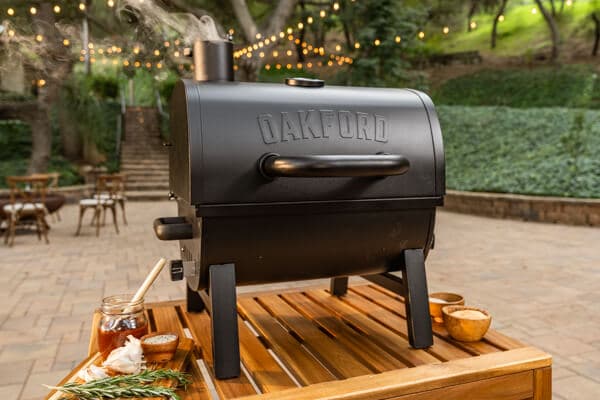
Discover top products to extend your grill's lifespan and enhance your cooking experience.
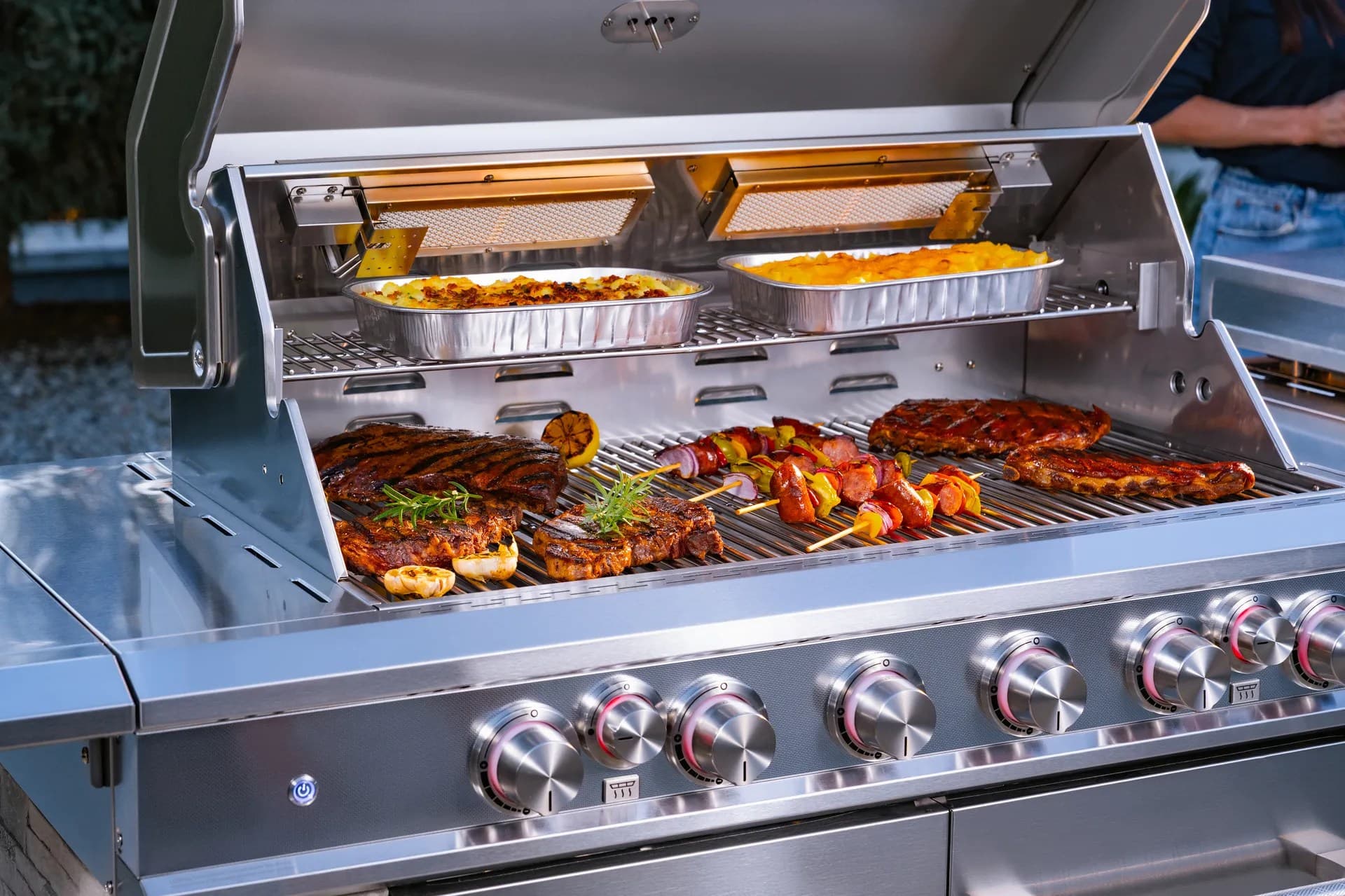
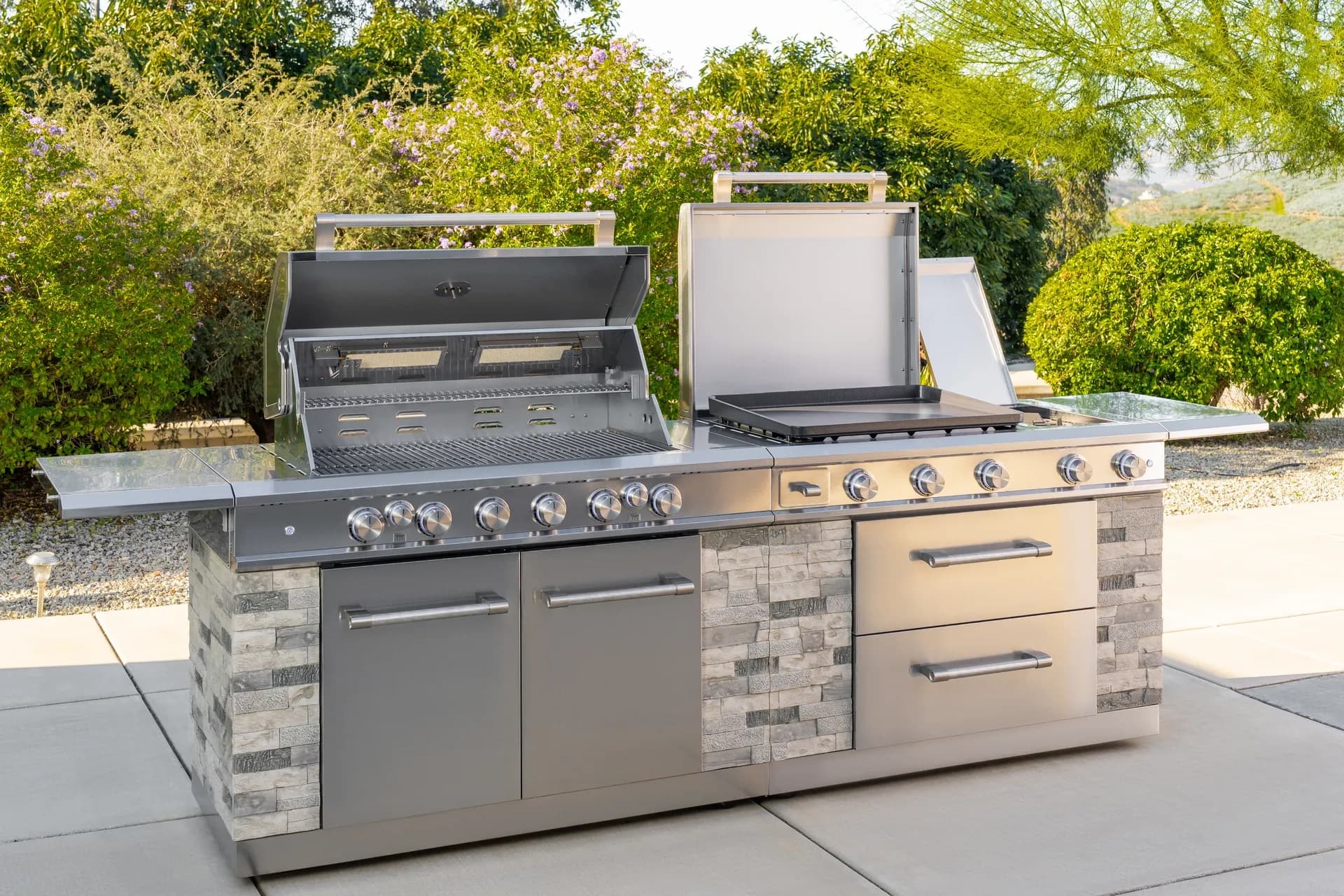
From sizzling breakfasts to smash burgers and teppanyaki-style dinners, the Daytona Pro 5 Burner NitroGuard™ Griddle delivers powerful heat, fast cooking, and a durable cooking surface built for every backyard cookout. Watch how easy outdoor cooking can be.
Here's what sets us apart from the competition
We position ourselves as delivering high-end outdoor cooking features and performance without premium-brand pricing, emphasizing “Quality Grills. Unbelievable Value.”
We offer gas grills, pellet grills, griddles, smokers, pizza ovens, portable/tabletop grills, electric grills, accessories, and replacement parts — allowing customers to stay within one ecosystem for all outdoor cooking needs.
We differentiate ourselves through smart grilling products like the Oakford smart pellet grill, including app-connected cooking controls and modern outdoor cooking technology.
Expert tips, buying guides, comparisons, and inspiration for choosing and getting the most out of your grill.
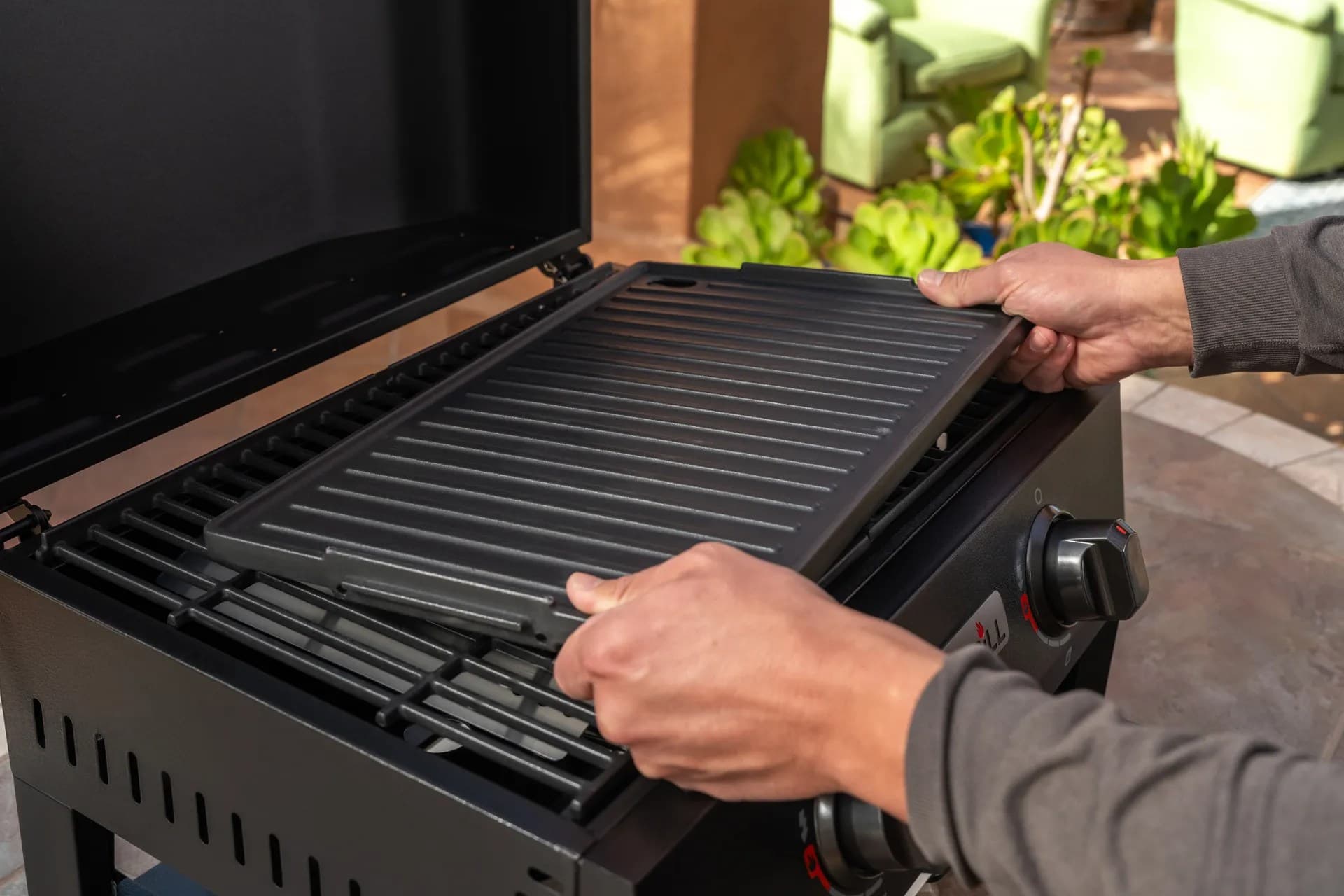
Practical guides for cleaning, maintenance, common grill issues, and performance optimization.
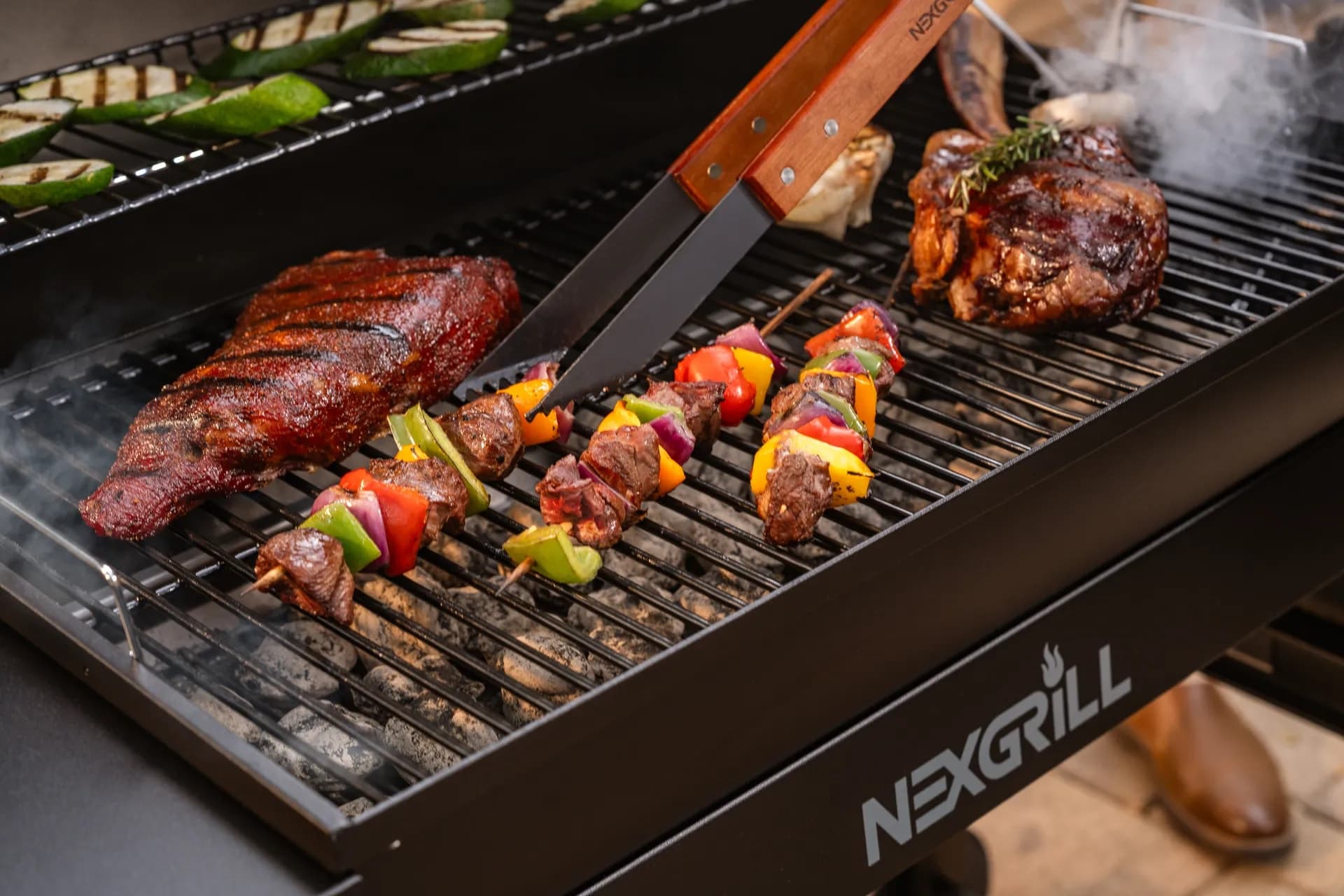
Step-by-step grilling recipes, cooking techniques, and meal ideas for every occasion and skill level.

Backyard entertaining ideas, seasonal grilling inspiration, and stories that celebrate outdoor cooking culture.
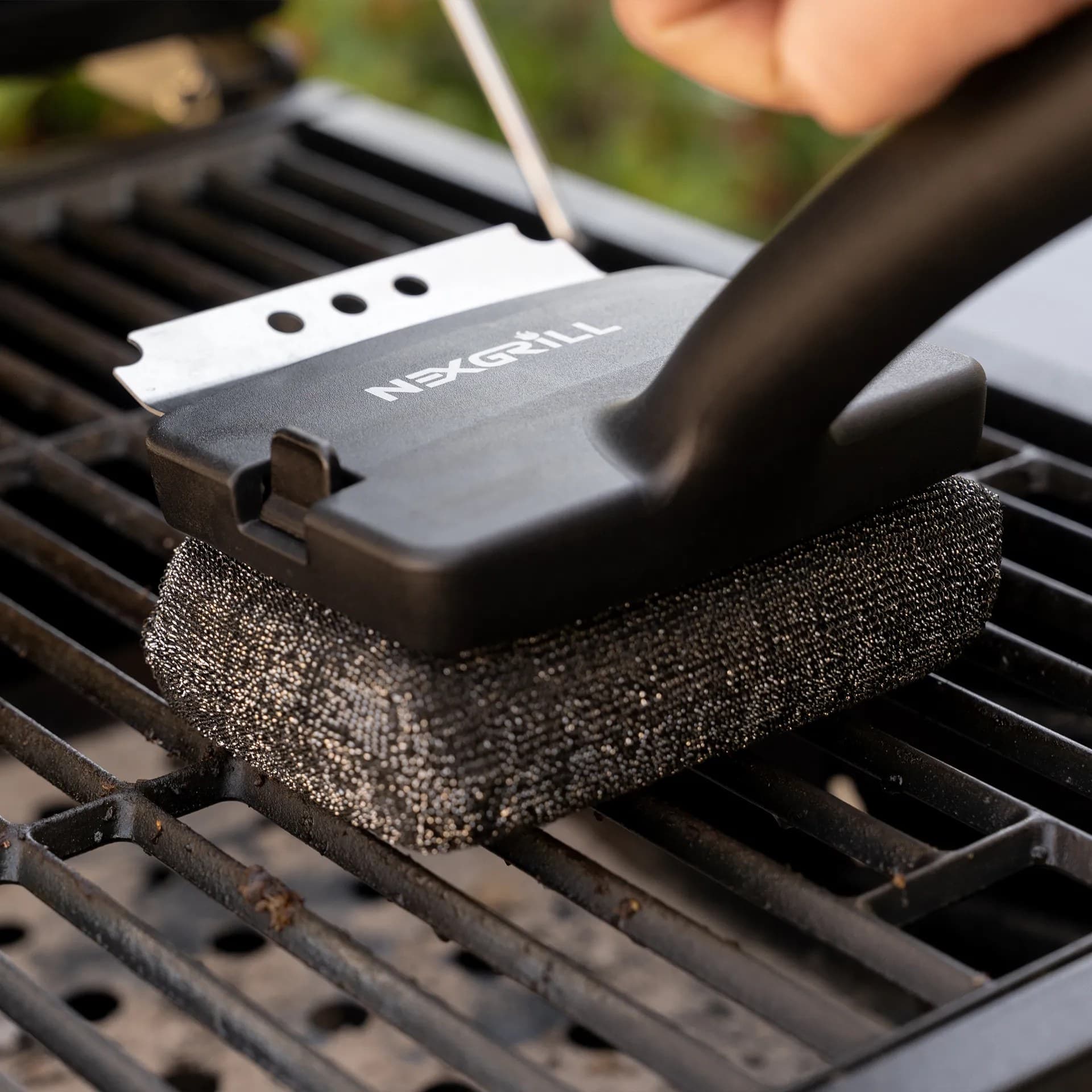
Helpful articles covering grilling tools, cookware, maintenance gear, and must-have accessories for outdoor cooking.
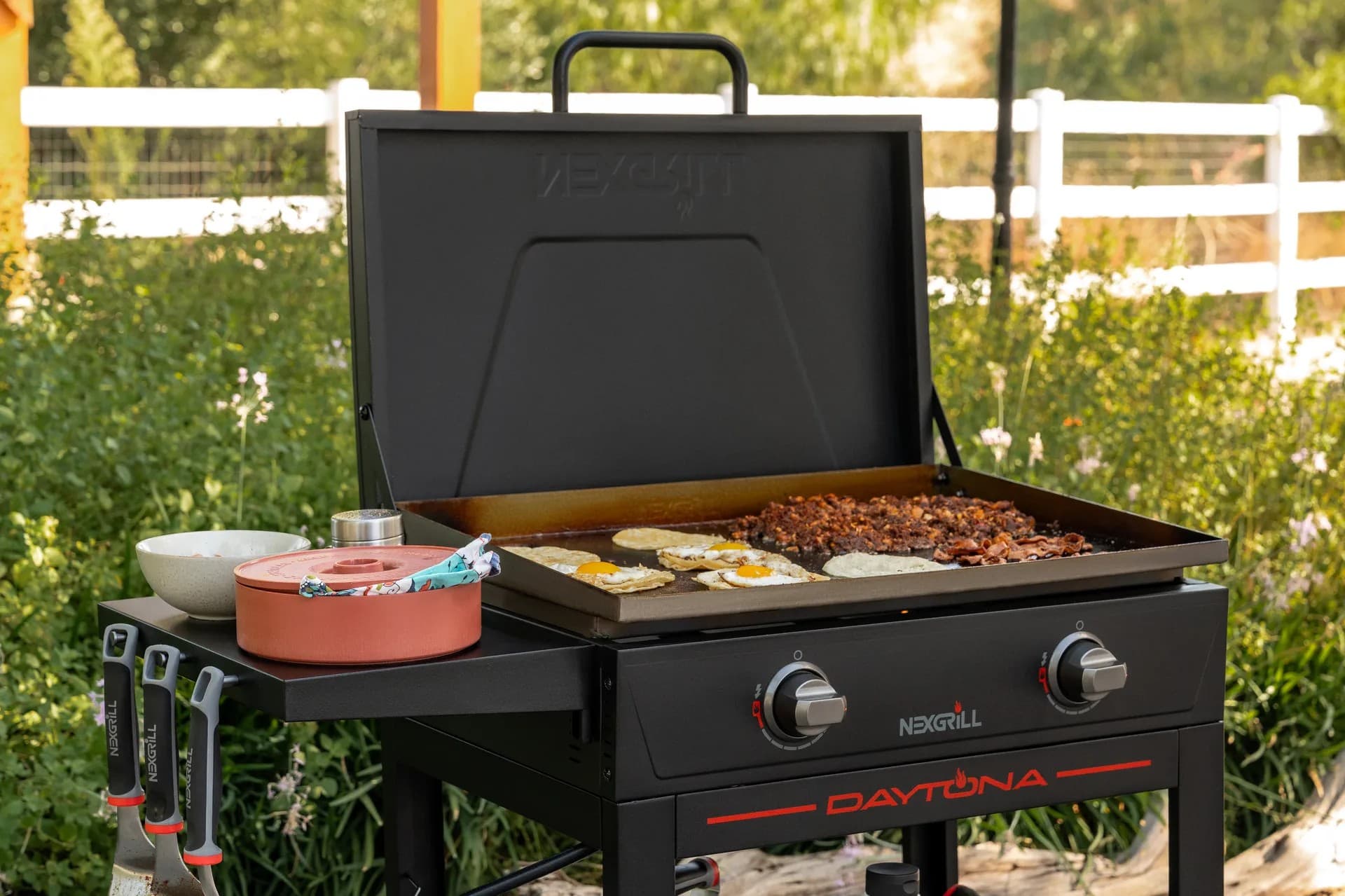
Find griddle recipes, cooking techniques, cleaning tips, and outdoor meal ideas designed for Nexgrill griddles.
Find answers to common questions
Gas grills provide instant heat and precise temperature control, making them easier to use. Charcoal grills offer a smoky flavor and high heat for searing but require more time to heat up and manage.
Pellet grills combine the convenience of gas with the flavor of wood, allowing for smoking, baking, and grilling. Traditional gas grills, however, are quicker to start and often easier to clean.
Charcoal grills typically reach higher temperatures quicker than gas grills, making them better for searing meat. However, high-quality gas grills can also provide adequate heat for effective searing.
Nexgrill offers models designed specifically for gas, charcoal, and pellets, allowing users to choose based on their cooking style and flavor preferences. Each type is built to optimize the characteristics of its respective fuel.
Choosing between gas and charcoal grills depends on your cooking preferences and lifestyle. If you value convenience and quick cooking, a gas grill may suit you better; if you prefer the taste and experience of traditional grilling, a charcoal grill would be ideal.
In This Article
Comprehensive Grill Cleaning Kits
High-Quality Grill Brushes
Protective Grill Covers
A grill is one of the few appliances that works hard, lives outside, and is expected to perform the same way after months of heat, grease, moisture, and weather. That combination makes maintenance less of a chore and more of a lifespan strategy. If you want a grill to stay dependable, cook evenly, and avoid premature wear, the products you choose for cleaning and protection matter just as much as the way you cook on it. In practical terms, the right maintenance routine helps preserve heat distribution, reduces corrosion risk, and keeps grease from turning into the kind of buildup that slows airflow and affects flavor.
Nexgrill’s brand focus on dependable, approachable outdoor cooking fits this mindset well: grilling should feel welcoming, not high-pressure, and that includes making upkeep manageable for everyday owners, not just enthusiasts. The best maintenance products are the ones that solve multiple problems at once. A good brush removes residue without damaging grates. A cleaner lifts baked-on grease before it becomes permanent. A cover prevents weather exposure that can shorten the life of lids, shelves, burners, and cart hardware. When you combine those tools with a simple routine, grill ownership becomes much easier over time.
Maintenance categories that do the most for longevity: cleaning, protection, and inspection
This article takes a product-first view of longevity. Instead of treating maintenance as a vague checklist, it focuses on the actual items that help a grill last longer in real American backyards, patios, and apartment-adjacent outdoor spaces. That means thinking about what happens after a steak night, after a rainy week, after a winter of non-use, and after grease has splashed onto parts you do not notice every day. The goal is to keep your grill ready for the next meal while protecting the parts that are expensive or inconvenient to replace.
A common mistake is waiting until the grill looks dirty before buying maintenance products. By then, residue may already be trapped in burner ports, grease trays may be overloaded, and rust may have started in small spots that are easy to miss. Better habits start with the right tools in advance. A cleaning kit, a safe scraper or brush, and a fitted cover are not extras; they are the minimum setup for anyone who wants their grill to keep performing season after season.
The best grill maintenance products for longevity are the ones that address the three biggest threats to a grill’s useful life: carbon buildup, grease accumulation, and weather exposure. A comprehensive cleaning kit is often the most efficient place to start because it brings together the basics you actually use after cooking. The kit should cover scraping, brushing, wiping, and degreasing so you do not have to improvise with household items that may be too abrasive or too weak for outdoor cooking equipment.
High-quality grill brushes deserve special attention because the cooking surface is where performance shows up first. A durable brush with sturdy bristles or a strong coil design can remove charred residue faster than a worn-out bargain brush that bends, sheds, or loses contact with the grate. The point is not just shine. Clean grates hold heat more consistently, release food more predictably, and reduce the risk of old residue transferring stale flavors to fresh food.
Protective grill covers are the second half of the longevity equation. Many owners underestimate how much damage repeated moisture and UV exposure can do, even when a grill is not being used daily. A weather-resistant cover helps limit dust, rain, pollen, and sun exposure, all of which can age a grill faster than cooking itself. If a grill lives on a patio year-round, the cover is often the most important low-effort product in the maintenance arsenal.
| Product type | Primary job | Why it helps longevity |
|---|---|---|
| Comprehensive cleaning kit | Handles scraping, wiping, and grease removal | Prevents residue from hardening and affecting heat flow |
| Grill brush | Cleans cooking grates after use | Protects grates from buildup and improves cooking consistency |
| Protective cover | Shields the grill from weather | Reduces rust, fading, and corrosion risk |
When choosing among these products, look beyond packaging claims and focus on materials and fit. Brushes should feel rigid enough to remove residue but controlled enough for the grate type you own. Cleaners should be intended for grill surfaces and nearby components, not generic solvents that can leave unwanted film. Covers should fit your grill closely enough to stay in place without trapping excessive moisture underneath. For a homeowner with a compact two-burner model, a simpler kit may be enough. For someone running a larger four-burner or griddle setup, a more complete kit pays off because there is more surface area and more grease management to stay on top of.
Maintenance products work best when they are used at the right moment in the grill’s life cycle. Brushes are most effective shortly after cooking while the grill is still warm, because residue loosens more easily before it has fully hardened. A cleaner or degreaser should follow if there is sticky buildup around the grates, lid interior, or drip area. A cover should go on only after the grill has cooled down completely, which prevents moisture from being trapped inside the grill body.
Think of the process as a sequence rather than a random set of tasks. First, loosen surface debris. Second, remove grease and carbon. Third, protect the grill from the elements. This sequence reduces the chance that grime will be pushed deeper into surfaces or that moisture will be sealed inside a warm grill. A brush alone can handle light everyday residue, but a cleaning kit becomes more useful when grease has been building up for several cookouts. In busy households, the difference between those two situations is often the difference between ten minutes of cleaning and a weekend project.
Tip: warm grates clean faster, but let the grill cool fully before covering it to avoid trapping moisture under the cover.
For best results, assign each product a job. Use the brush for grates only if it is appropriate for that surface, use cleaning sprays or wipes on the lid and grease-prone areas, and reserve the cover for storage or long pauses between uses. That division of labor keeps each product working longer and reduces accidental wear. A well-kept brush can last many seasons; a badly used one may bend out of shape quickly or become ineffective long before the grill does.
The other key habit is consistency. A short cleanup after every cookout is far easier than trying to recover a neglected grill. If you cook burgers one weekend and vegetables the next, small bits of residue can add up quietly. That is why longevity is really about rhythm. Use the products often enough that buildup never gets ahead of you, and the grill stays easier to maintain all year.
Maintenance products are most effective when they sit inside a bigger care routine. Start with storage: if your grill is outdoors full time, a fitted cover matters more than people think, especially in regions where afternoon rain, winter condensation, or strong sun are part of the normal routine. If your grill is stored in a garage or shed during the off-season, make sure it is fully clean and dry first so old grease does not sit on metal parts for months. That simple step can do more for longevity than a quick wipe-down right before storage.
It also helps to inspect your grill while you clean it. Look for rust spots, loose fasteners, damaged grates, clogged burner openings, and cracked hoses or worn ignition components if you own a gas model. A good maintenance product setup gives you an opportunity to spot problems early. Catching a small issue before it spreads is almost always cheaper and easier than waiting for a full performance failure. In the same way, keeping the grease tray from overflowing protects the underside of the grill and helps prevent flare-ups that can stress components.
If you are building a maintenance routine from scratch, begin with the highest-impact purchases: a proper brush, a cleaner suited to grill surfaces, and a protective cover sized for your model. Those three items do more for longevity than a drawer full of miscellaneous gadgets. Over time, you can add specialty items based on your grill type and how often you cook. The main goal is to make maintenance so practical that it becomes part of cooking, not something postponed until the grill starts looking tired.
Try comparing two products side by side below to see which fits best:
Once you've weighed two options against each other, the next step is turning product choice into a repeatable routine. Longevity is rarely about one deep-clean session. It comes from a simple sequence you can use after regular cooking, after heavy entertaining, and before any long storage period. A practical step-by-step process also helps you avoid the common mistake of cleaning in the wrong order, which can spread grease around or trap residue in places that are harder to reach later.
Start with the cooking grates while the grill is still warm enough to loosen residue but not so hot that cleaning becomes uncomfortable. A quality brush or scraper removes the bulk of charred food. Next, use a grill-safe cleaner on stubborn grease around the lid interior, the firebox, and exterior touchpoints such as shelves and handles. After that, empty or wipe the grease collection area so the buildup does not carry over into the next cook. Finish by checking that everything is dry before reassembling or covering the grill.
| Step | What to do | Why it matters |
|---|---|---|
| 1 | Brush grates after cooking | Removes fresh residue before it hardens |
| 2 | Apply cleaner to greasy surfaces | Helps prevent buildup in hard-to-reach areas |
| 3 | Clear the grease tray or pan | Reduces flare-ups and odor carryover |
| 4 | Dry and cover the grill | Limits moisture exposure between uses |
A product-centered routine like this works especially well for busy households because it keeps the cleanup realistic. You do not need to disassemble the grill after every meal. You do need to use the right maintenance products consistently enough that grease never gets a long head start. That is the difference between normal upkeep and problem-solving.
Warning: do not cover a grill while grease, moisture, or cleaning residue is still inside. Trapped buildup can create odor, corrosion, and messy flare-ups later.
Choosing the right maintenance products is about matching the tool to the grill and to the way you cook. A family that grills once a week has different needs from someone who cooks several nights in a row during the summer. Likewise, a charcoal grill, gas grill, and griddle all benefit from maintenance, but they do not present the same cleaning challenges. The best purchase is not always the strongest or the most expensive; it is the one that fits the actual job without damaging the surface you are trying to preserve.
For brushes, consider bristle style, handle length, and sturdiness. For cleaners, look for formulas that are appropriate for the materials on your grill and safe for the surfaces you touch most often. For covers, measure the grill carefully and think about the climate where you live in the United States. Humid environments put a premium on breathability and fit, while sunny, dry regions make UV protection and dust resistance more important. If your grill is on an exposed deck, a snug, weather-resistant cover is usually worth prioritizing over extra accessories you will use only occasionally.
There is also a value question. A bargain brush that wears out quickly may cost less today but more over a season if it needs frequent replacement. The same is true for covers that split at the seams or cleaners that do little on baked-on residue. Longevity comes from products that stay effective long enough to justify their cost. For most buyers, a balanced kit that includes both cleaning and protection is the most practical place to spend first.
Info: in humid or coastal areas, covers and routine drying become especially important because moisture exposure can accelerate corrosion even when the grill is not in use.
Seasonal care matters because a grill behaves differently in July than it does in January. In peak grilling season, the main challenge is repeated use. That means more grease, more ash if you use charcoal, and more frequent cleaning of the grate surface. During colder months, the challenge shifts to storage, condensation, and irregular use. A grill that sits untouched for weeks or months needs a different strategy than one used every other day.
Before storing the grill for an extended period, clean every accessible food-contact surface and empty ash or grease collection areas. If you own a gas grill, shut down the fuel supply, disconnect and inspect hoses as appropriate, and confirm that the area around burners and ignition components is free of debris. After the unit cools and dries completely, place the cover on it and store it in a location with as little exposure to standing moisture as possible. Even a good cover works best when the grill itself is already clean and dry.
In spring, do a restart inspection before the first cookout. Check for rust, clean off any dust or pollen, and verify that moving parts still open smoothly. If you kept the grill covered through winter, the interior may still need a light wipe-down before use. These seasonal habits are small, but they add up to a much longer service life and fewer surprise repairs.
Most common grill issues are maintenance issues in disguise. Uneven heating often starts with dirty burners, clogged airflow paths, or residue affecting heat transfer. Sticky cooking surfaces usually point to grates that need more frequent brushing or a deeper cleaning cycle. Rust on lids, shelves, or grate edges generally means moisture has been getting in too often or the grill has been sitting uncovered too long. The good news is that many of these problems can be prevented or slowed with the right maintenance products used consistently.
If you notice flare-ups, inspect the grease tray and surrounding areas before assuming there is a fuel or ignition problem. If food is sticking more than usual, start by cleaning the grates and making sure old residue is gone. If the exterior looks dull or spotty, a cleaner paired with a proper cover can make a noticeable difference over time. The key is to think in terms of cause and effect. Maintenance products are not just for appearance; they help preserve the systems that make the grill cook evenly and safely.
For readers comparing what to buy next, the best decision is usually straightforward: start with a brush, add a grill-safe cleaner, and protect the grill with a weather-resistant cover that fits your model. That combination covers the major failure points without overcomplicating ownership. If you want cleaner cookouts, fewer rust problems, and a grill that stays ready longer, those three products will give you the most practical return.
Here's what sets us apart
We position ourselves as delivering high-end outdoor cooking features and performance without premium-brand pricing, emphasizing “Quality Grills. Unbelievable Value.”
We offer gas grills, pellet grills, griddles, smokers, pizza ovens, portable/tabletop grills, electric grills, accessories, and replacement parts — allowing customers to stay within one ecosystem for all outdoor cooking needs.
We differentiate ourselves through smart grilling products like the Oakford smart pellet grill, including app-connected cooking controls and modern outdoor cooking technology.
Don't just take our word for it
Keep reading
From our catalog