Essential Tips to Protect Your Grill and Ensure Safe Grilling in Windy Conditions
From sizzling breakfasts to smash burgers and teppanyaki-style dinners, the Daytona Pro 5 Burner NitroGuard™ Griddle delivers powerful heat, fast cooking, and a durable cooking surface built for every backyard cookout. Watch how easy outdoor cooking can be.
Here's what sets us apart from the competition
We position ourselves as delivering high-end outdoor cooking features and performance without premium-brand pricing, emphasizing “Quality Grills. Unbelievable Value.”
We offer gas grills, pellet grills, griddles, smokers, pizza ovens, portable/tabletop grills, electric grills, accessories, and replacement parts — allowing customers to stay within one ecosystem for all outdoor cooking needs.
We differentiate ourselves through smart grilling products like the Oakford smart pellet grill, including app-connected cooking controls and modern outdoor cooking technology.
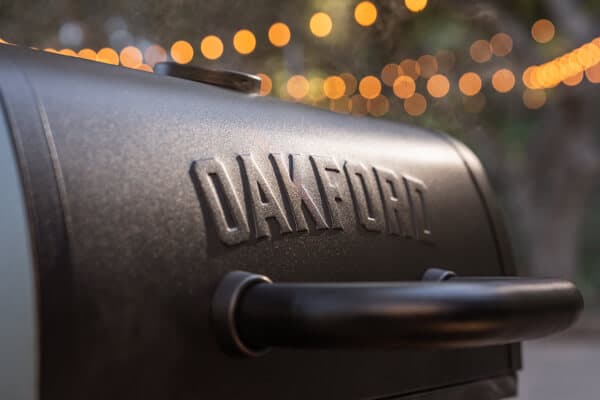
Expert tips, buying guides, comparisons, and inspiration for choosing and getting the most out of your grill.
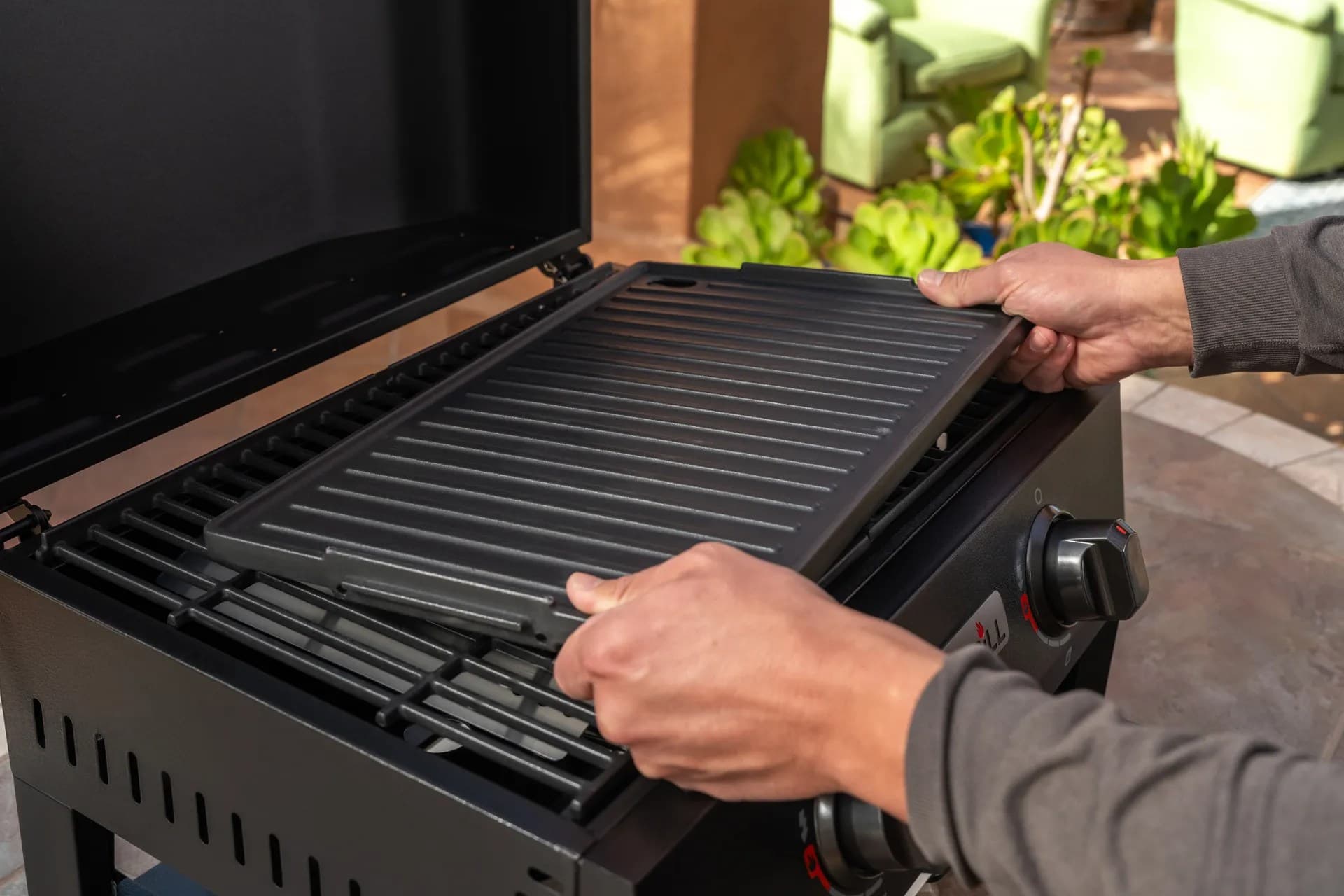
Practical guides for cleaning, maintenance, common grill issues, and performance optimization.
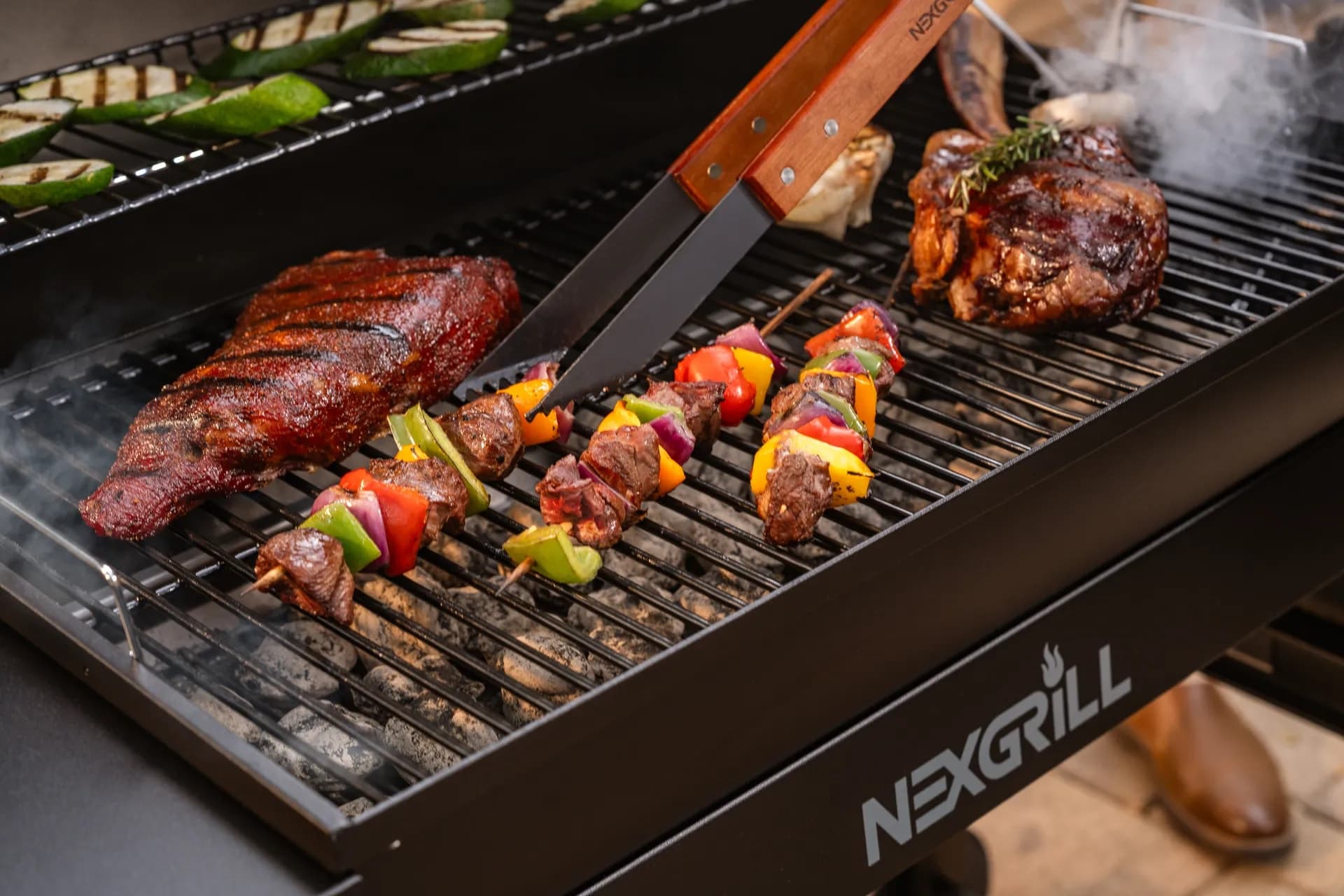
Step-by-step grilling recipes, cooking techniques, and meal ideas for every occasion and skill level.
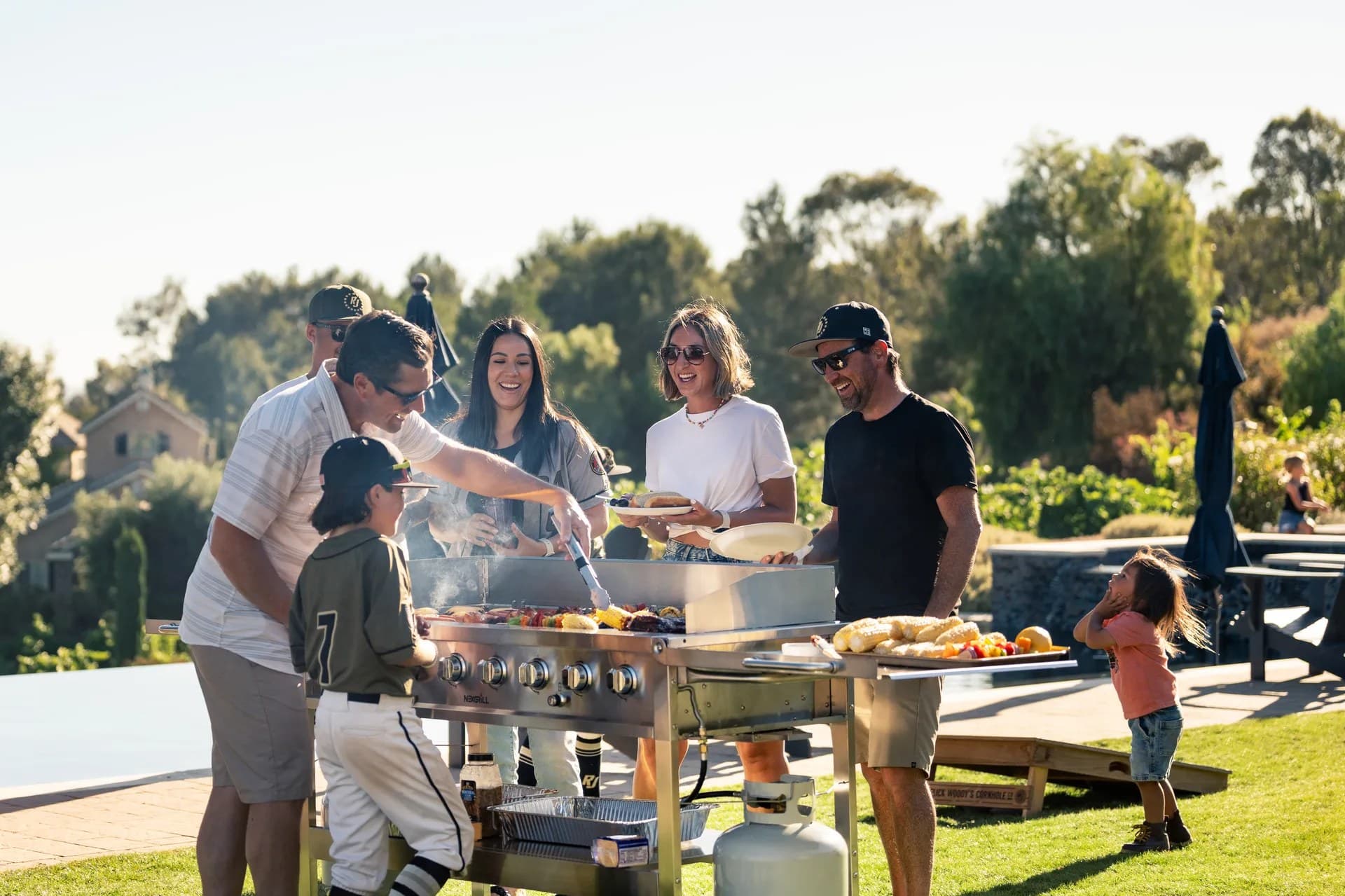
Backyard entertaining ideas, seasonal grilling inspiration, and stories that celebrate outdoor cooking culture.
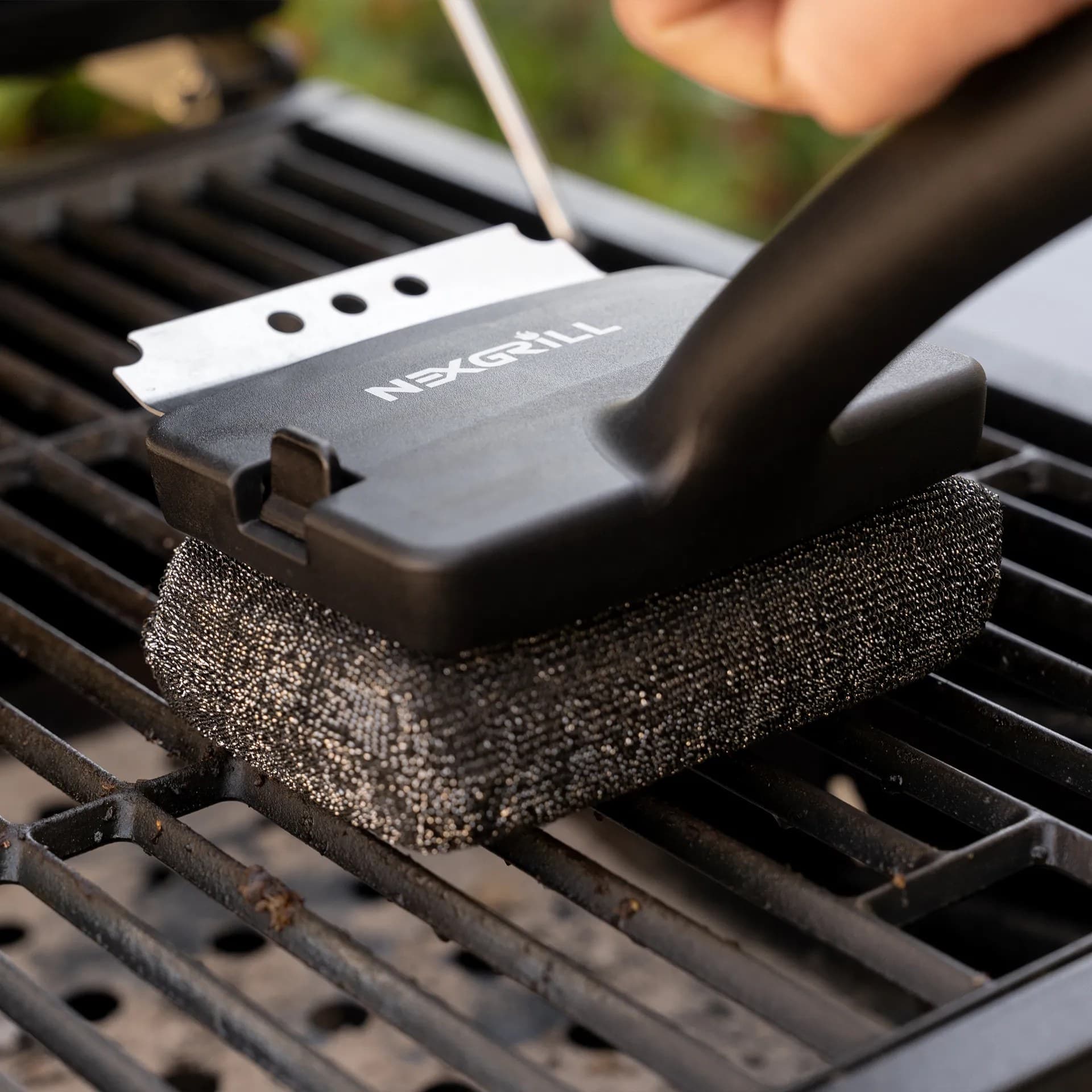
Helpful articles covering grilling tools, cookware, maintenance gear, and must-have accessories for outdoor cooking.
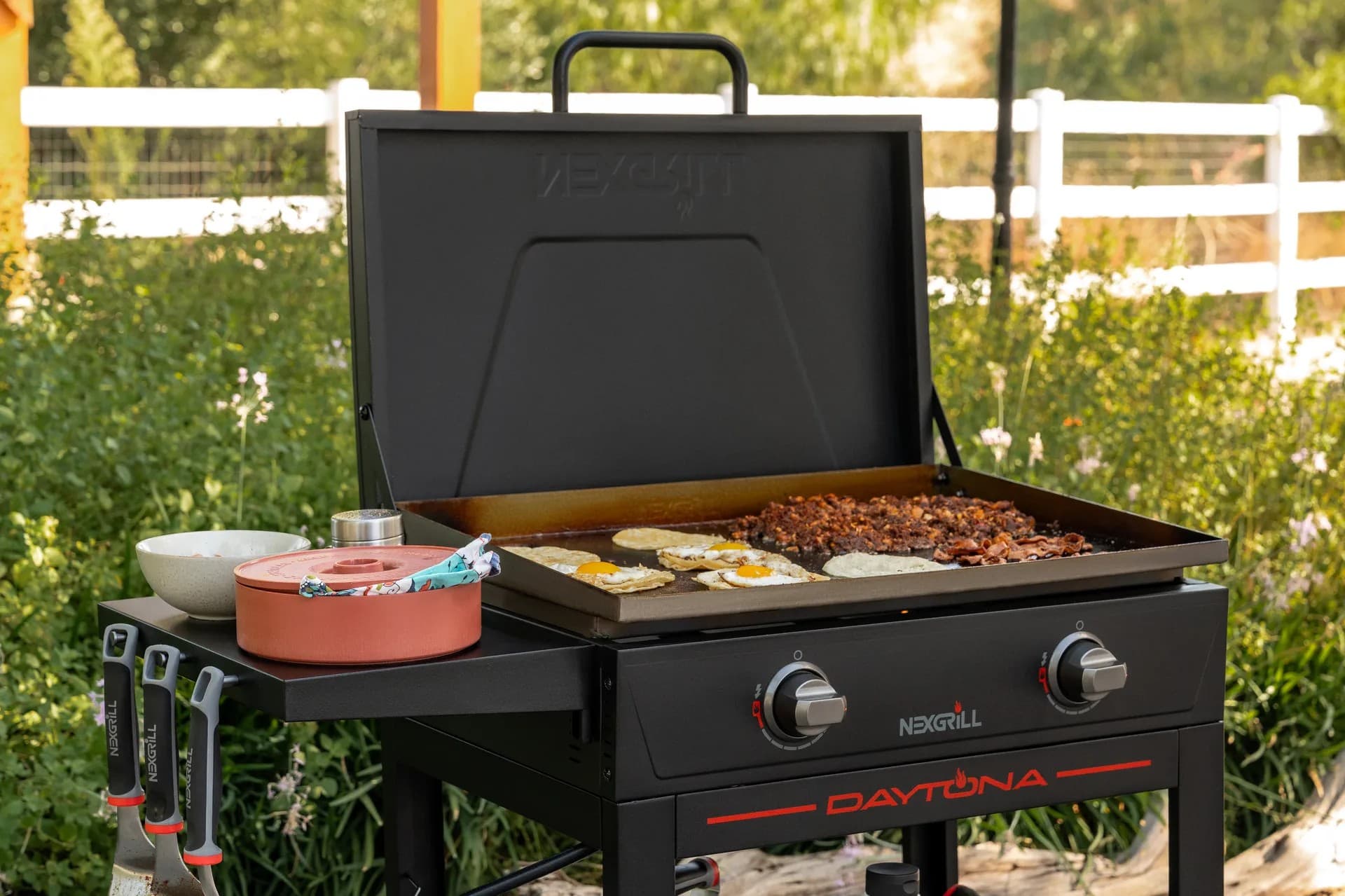
Find griddle recipes, cooking techniques, cleaning tips, and outdoor meal ideas designed for Nexgrill griddles.
Find answers to common questions
Gas grills provide instant heat and precise temperature control, making them easier to use. Charcoal grills offer a smoky flavor and high heat for searing but require more time to heat up and manage.
Pellet grills combine the convenience of gas with the flavor of wood, allowing for smoking, baking, and grilling. Traditional gas grills, however, are quicker to start and often easier to clean.
Charcoal grills typically reach higher temperatures quicker than gas grills, making them better for searing meat. However, high-quality gas grills can also provide adequate heat for effective searing.
Nexgrill offers models designed specifically for gas, charcoal, and pellets, allowing users to choose based on their cooking style and flavor preferences. Each type is built to optimize the characteristics of its respective fuel.
Choosing between gas and charcoal grills depends on your cooking preferences and lifestyle. If you value convenience and quick cooking, a gas grill may suit you better; if you prefer the taste and experience of traditional grilling, a charcoal grill would be ideal.
In This Article
Strategic Grill Placement
Utilize Windbreaks
Secure Your Grill
Wind changes the way a grill behaves long before you notice it in the food. A steady breeze can pull heat away from the cook box, make a gas flame flicker, or push ash and embers around a charcoal fire. The result is usually uneven cooking, longer preheat times, and more frequent temperature swings. On a calm day, a burner setting may feel predictable; on a windy day, that same setting can behave like a lower flame because the heat is being stripped away as fast as the grill creates it. That is why grill safety in windy conditions is not just about comfort. It is about keeping the cooking environment stable enough to operate the grill the way it was designed to be used.
For gas grilling, wind can cause a flame to dance or momentarily blow away from the burner ports. That can make ignition less reliable and, in some cases, create a situation where gas continues flowing without a stable flame. For charcoal grilling, wind can overfeed oxygen to one side of the fire while starving another part of the cook area, which leads to uneven burning. A gusty afternoon on a patio may feel harmless, but a grill that sits in an exposed corner can react very differently from the same grill tucked beside a wall or screened by a fence. The safest approach is to think of wind as a moving variable that affects flame control, heat retention, and the physical stability of the equipment itself.
Can turn a steady cook into an uneven one if the grill is exposed.
In practical terms, the wind matters most when it meets an open setup. A deck with no side protection, a driveway with crosswinds, or a campsite with little natural shelter can all magnify the risk. If you have ever noticed burgers taking longer on one side of the grate or a burner struggling to hold a medium setting, wind may be the hidden cause. The most effective wind safety habits start before ignition: choose the right spot, orient the grill carefully, and treat the surrounding space as part of the cooking system rather than just background scenery.
The best wind protection strategy is usually a combination of shelter, direction, and restraint. Start by positioning the grill in the most protected area available, but do it with clearances in mind. A covered patio, a side yard with a solid fence, or the lee side of a house can reduce direct exposure while still allowing safe airflow. The goal is not to trap heat in a closed pocket. Instead, you want to soften the force of the wind so it stops disrupting the flame and pushing the unit around. That is a meaningful difference, because a grill needs ventilation even as it benefits from protection.
Windbreaks can help when the yard itself is too open. A temporary folding screen, a stable exterior wall, or a purpose-built barrier can shield the burner area from the strongest gusts. The key is not to place a combustible or fragile material too close to the grill. A windbreak should be sturdy, nonflammable, and set up so it blocks the wind without crowding the cooking zone. For example, a homeowner hosting a weeknight cookout on a breezy suburban deck may find that shifting the grill two feet closer to a side wall makes a bigger difference than turning up the burners. Small adjustments often outperform dramatic ones.
It also helps to face the back of the grill into the prevailing wind when the model and layout allow it. This orientation can reduce the amount of direct gusting into the lid opening and ignition area. If the wind usually moves from west to east across your yard, and your grill is portable enough to reposition, test a layout that blocks that path instead of fighting it head-on. In many real backyard setups, the best spot is not the most convenient spot; it is the one that lets the grill work consistently.
| Wind Protection Tactic | What It Helps With | Best Use Case |
|---|---|---|
| Sheltered placement | Reduces direct gusts and stabilizes heat | Backyard patios, side yards, decks with partial cover |
| Nonflammable windbreak | Blocks crosswind without choking airflow | Open lawns or breezy outdoor kitchens |
| Repositioning to face away from wind | Limits flame disturbance at the lid and burners | Portable or wheeled grills |
Info: The safest wind protection is the one that lowers exposure without enclosing the grill. Air still needs to move around the unit.
Wind safety is also about how you work once the grill is lit. Use a lid carefully, because opening it too often in gusty weather can introduce abrupt temperature loss and make recovery harder. If you are using gas, preheat with the lid closed when safe and appropriate for your model, then check for stable flame behavior before you start cooking. If the flame looks weak, lifts off the burner ports, or changes sound dramatically when the wind picks up, pause and reassess instead of pushing forward. A short delay is far better than forcing a cook that cannot stay stable.
Keep accessories under control as well. Lightweight trays, foil pans, paper towels, and loose utensils can become hazards in a breeze. A wind gust can blow a mitt off the shelf, tip a tray of raw food, or scatter ash from a charcoal setup. On a practical level, set out only what you need for the next few minutes and keep the rest indoors or in a closed bin. That simple habit makes the cooking area less cluttered and safer to manage when weather changes mid-cook.
Warning: If strong wind repeatedly blows out the flame or causes the grill to shift, stop cooking and move the unit to a more protected location before relighting.
A real-world example helps: imagine a family planning salmon and asparagus on a Friday evening. The grill sits on an open deck, and a crosswind starts making the burner output look uneven. Instead of increasing heat aggressively, they move the grill to the sheltered side of the patio, check the hose and cart position, and then let the grill re-stabilize before continuing. That sequence prevents flareups, shortens the time spent fighting the weather, and keeps dinner on track. Try comparing two products side by side below to see which fits best:
Once you've thought through placement and protection, the grill itself becomes the next part of the equation. Some grills handle breezy conditions better because they have heavier frames, wider bases, or more controlled heat zones. For shoppers who expect regular exposure to wind, those details matter more than flashy extras. A heavier cart can resist movement better than a lightweight stand, and a model with a well-fitting lid may hold temperature more steadily when the air is moving around it. That is especially useful for weeknight cooks who want consistency without needing to micromanage every burner.
At Nexgrill, a solid choice for wind-prone patios is often a full-size gas grill or griddle with a stable cart design rather than a very light portable model. If your cooking style leans toward burgers, vegetables, and quick family meals, a 4-burner gas grill can give you more flexibility to create hotter and cooler zones while keeping the unit grounded. If you cook breakfast or flat-top meals outdoors, a griddle with a broad footprint can also sit more securely than a narrow, top-heavy setup. The practical difference is not just cooking power. It is how reliably the equipment stays put when weather gets active.
For buyers who entertain on a regular basis, a wider cooking platform can be easier to manage in wind because you can spread food out and reduce the need for constant lid opening. For casual grillers with smaller spaces, a compact unit may still work well if the patio has natural shielding and the grill can be tucked into a corner during use. The right choice depends less on one magic feature and more on whether the grill matches the environment where it will actually live.
| Buyer Profile | Better Grill Type | Why It Works in Wind |
|---|---|---|
| Weekend family griller | Full-size gas grill | Heavier base and better control for multiple zones |
| Breakfast and flat-top cook | Large outdoor griddle | Broad footprint and even surface cooking |
| Occasional griller with shelter | Compact grill with sturdy cart | Works well when the grill can be placed in a protected corner |
One of the most overlooked features in windy environments is how the grill rolls and locks. If the wheels are too small, the unit may drift on sloped concrete or vibrate during gusts. A model that feels planted when you push on the side is usually easier to trust on a breezy day. When you are shopping, think about whether you need a grill that can be moved often or one that will stay in place most of the season. That distinction will shape how much wind protection you need later.
Stability is not just about the grill's weight; it is also about how the grill is set up before you start cooking. Make sure the unit sits on level ground, all cart locks or wheel brakes are engaged if your model has them, and side shelves are not overloaded with heavy items that can shift balance. Even a well-built grill can feel unstable if one wheel is perched on a brick edge or the patio surface slopes toward the yard. In windy weather, that small imbalance becomes more noticeable because the grill is already being pushed by moving air.
If you use accessories such as covers, shelves, or side tables, make sure they do not act like sails. A loose cover should be removed before cooking, and lightweight add-ons should be secured or stored. For carts and cabinets, the safest routine is to check everything before ignition: are the wheels locked, is the tank properly seated, are the cooking grates dry and clear, and is the grill positioned so a gust will not push it toward a railing or wall? These are simple steps, but they are often what separate a calm cook from a frustrating one.
Think about the difference between a Saturday cookout in a sheltered backyard and a tailgate in an open parking lot. In the first case, the grill may need only minor positioning changes. In the second, the grill may need constant monitoring because wind can come from multiple directions, and even small shifts in direction can change the flame. The more open the setting, the more important it is to secure the grill, reduce loose items, and keep children and guests away from the immediate cooking perimeter. Stability is a habit, not a single action.
Once you have compared the setup, the grill style, and the level of shelter you have available, the last layer is day-of grilling discipline. Windy-day safety works best when the cook stays focused on the conditions rather than on the recipe alone. That means checking the forecast, watching for shifting gusts, and being willing to delay the meal if the weather is too unsettled. A grill can handle a light breeze much more easily than erratic, strong gusts that repeatedly interrupt the flame or move the unit around. If the conditions are worsening as you cook, it is better to pause than to improvise your way through a riskier setup.
Tip: Keep the cook zone simple on windy days. Fewer loose tools, fewer open containers, and fewer unnecessary movements make the area easier to control.
A useful practice is to build a wind check into your normal pre-grill routine. Before lighting, look at nearby flags, trees, or loose fabric to gauge the direction and strength of the breeze. If wind is pushing hard across your patio, move the grill or change the cook plan so you are not opening the lid every few seconds. For example, thicker cuts that require longer cook times can become frustrating if the lid is repeatedly buffeted by wind, while quicker items may be easier to manage once the grill has stabilized. Matching the menu to the conditions is a practical way to make outdoor cooking less stressful.
Another smart habit is to keep an eye on fuel behavior. If you are cooking with gas, a flame that suddenly looks weak or noisy deserves attention. If you are cooking with charcoal, uneven burn patterns or ash movement can indicate that the wind is dominating the fire instead of supporting it. In either case, do not assume the grill will self-correct. Step back, protect the flame from gusts if possible, and reset the setup if needed. A quick correction early is much easier than recovering after food has already been affected. Step back, protect the flame from gusts if possible, and reset the setup if needed. A quick correction early is much easier than recovering after food has already been affected.
Warning: Do not use makeshift barriers that can tip, melt, or fall into the cooking area. Wind protection should be stable and nonflammable.
For families cooking in open backyards, wind best practices often come down to who is standing where and what they are carrying. Keep kids and pets away from the side of the grill facing the wind, because that is where flare changes, heat movement, and accidental contact are more likely to happen. Keep a clear lane between the grill and the home so the cook can move food and utensils without crossing close to a gusty edge or stumbling around loose furniture. On a breezy evening, the cleanest path is usually the safest path.
If you want a memorable real-world example, picture a small neighborhood gathering where the host is grilling chicken thighs and asparagus on a breezy spring night. The first instinct might be to crank up the heat and keep going. But the smarter move is to lower exposure, lock the grill, reduce lid openings, and cook in smaller batches so the flame stays stable. That approach keeps the food moving, keeps the cook in control, and avoids the kind of last-minute scramble that wind often creates.
Here's what sets us apart
We position ourselves as delivering high-end outdoor cooking features and performance without premium-brand pricing, emphasizing “Quality Grills. Unbelievable Value.”
We offer gas grills, pellet grills, griddles, smokers, pizza ovens, portable/tabletop grills, electric grills, accessories, and replacement parts — allowing customers to stay within one ecosystem for all outdoor cooking needs.
We differentiate ourselves through smart grilling products like the Oakford smart pellet grill, including app-connected cooking controls and modern outdoor cooking technology.
Don't just take our word for it
Keep reading
From our catalog