A comprehensive guide to extending the life of your grill through proper care and maintenance.

From sizzling breakfasts to smash burgers and teppanyaki-style dinners, the Daytona Pro 5 Burner NitroGuard™ Griddle delivers powerful heat, fast cooking, and a durable cooking surface built for every backyard cookout. Watch how easy outdoor cooking can be.
Here's what sets us apart from the competition
We position ourselves as delivering high-end outdoor cooking features and performance without premium-brand pricing, emphasizing “Quality Grills. Unbelievable Value.”
We offer gas grills, pellet grills, griddles, smokers, pizza ovens, portable/tabletop grills, electric grills, accessories, and replacement parts — allowing customers to stay within one ecosystem for all outdoor cooking needs.
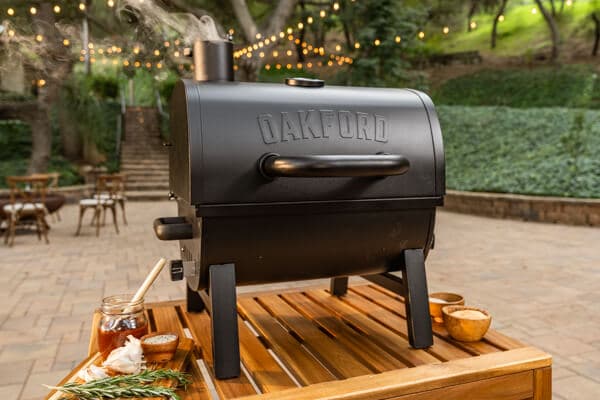
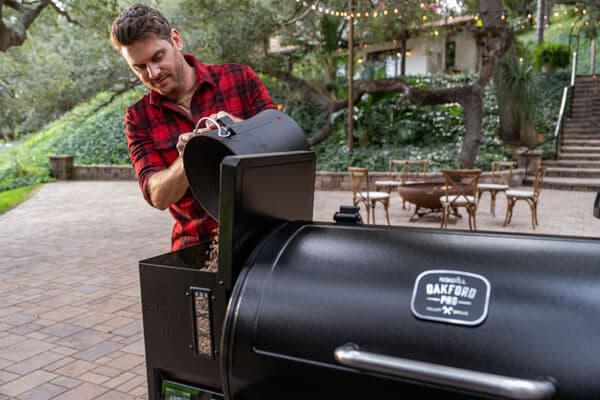
We differentiate ourselves through smart grilling products like the Oakford smart pellet grill, including app-connected cooking controls and modern outdoor cooking technology.

Expert tips, buying guides, comparisons, and inspiration for choosing and getting the most out of your grill.

Practical guides for cleaning, maintenance, common grill issues, and performance optimization.

Step-by-step grilling recipes, cooking techniques, and meal ideas for every occasion and skill level.

Backyard entertaining ideas, seasonal grilling inspiration, and stories that celebrate outdoor cooking culture.

Helpful articles covering grilling tools, cookware, maintenance gear, and must-have accessories for outdoor cooking.

Find griddle recipes, cooking techniques, cleaning tips, and outdoor meal ideas designed for Nexgrill griddles.
Find answers to common questions
Gas grills provide instant heat and precise temperature control, making them easier to use. Charcoal grills offer a smoky flavor and high heat for searing but require more time to heat up and manage.
Pellet grills combine the convenience of gas with the flavor of wood, allowing for smoking, baking, and grilling. Traditional gas grills, however, are quicker to start and often easier to clean.
Charcoal grills typically reach higher temperatures quicker than gas grills, making them better for searing meat. However, high-quality gas grills can also provide adequate heat for effective searing.
Nexgrill offers models designed specifically for gas, charcoal, and pellets, allowing users to choose based on their cooking style and flavor preferences. Each type is built to optimize the characteristics of its respective fuel.
Choosing between gas and charcoal grills depends on your cooking preferences and lifestyle. If you value convenience and quick cooking, a gas grill may suit you better; if you prefer the taste and experience of traditional grilling, a charcoal grill would be ideal.
In This Article
Regular Cleaning
Seasonal Maintenance
Protective Measures
A grill lasts longer when it is treated like a piece of outdoor equipment that works hard all year, not just as a weekend cooking appliance. Heat, grease, moisture, ash, and weather all wear down the parts that make a grill cook evenly and start reliably. If you maintain your grill for longevity, you are not only protecting the finish and the burners; you are also preserving the performance that makes each cookout predictable. The difference is easy to notice over time: a well-cared-for grill lights faster, holds heat more steadily, and needs fewer expensive part replacements.
For most grill owners in the United States, longevity is less about doing one huge cleaning session and more about building a simple routine. The habits you use after a Tuesday night chicken dinner, the quick check you perform on Saturday morning, and the deeper inspection you do at the start of spring all contribute to how long the grill stays dependable. That is especially important for families who grill frequently, because repeated use exposes igniters, grates, burners, grease trays, and hoses to constant stress. Small issues that are ignored early often turn into bigger repairs later.
Longevity is usually won in small moments: a warm scrape after cooking, a quick grease check, and a cover placed on a cooled grill do more than most owners realize.
This guide focuses on the maintenance habits that actually extend service life. It avoids the common trap of treating every cleaning task as equally important. In reality, some actions need to happen after every use, while others only matter weekly, monthly, or at the change of seasons. A grill that sits on a patio in humid summer weather faces different risks than one stored under a covered porch in a dry climate, but both benefit from the same core idea: keep debris from building up, keep moving parts inspected, and keep the grill shielded from the elements whenever possible.
If you are comparing how much effort your grill really needs, think of maintenance as preserving three things at once: ignition reliability, heat performance, and structural integrity. When those three stay in good shape, the grill remains easier to use and more economical to own. The sections below break that work into practical intervals so you can build a routine that fits a busy household without turning grill care into a chore.
Clean, inspect, and protect are the habits that most directly extend grill life.
Regular maintenance matters because a grill is exposed to two kinds of wear at the same time: cooking residue and outdoor conditions. Grease and food particles can clog burner ports, affect flame consistency, and create uneven heating patterns. At the same time, rain, humidity, temperature swings, and UV exposure can age paint, dull stainless surfaces, and encourage corrosion in vulnerable areas. The more often you grill, the more quickly these problems can appear if they are not managed.
Longevity is also a cost issue. Replacing a rusted burner tube, a worn igniter, or a damaged grate is far less expensive than replacing the entire grill. More importantly, proactive care helps you avoid the frustrating middle stage where a grill still technically works but cooks poorly. That stage often shows up as uneven flames, flare-up-prone grease buildup, stubborn ignition, or hot spots that make one side of the grate cook faster than the other. Those symptoms are often maintenance issues before they become mechanical failures.
If your grill is taking longer to preheat or lighting inconsistently, don’t assume it is “just getting older.” Those are often early maintenance signals.
Maintenance also improves cooking results in a very practical way. Clean grates sear better. Clear burners distribute flame more evenly. An empty grease tray reduces smoke from old residue and helps keep temperature control more stable. The result is not only a safer and more durable grill, but also better-tasting food because old buildup does not keep cycling back into the next meal. For anyone who hosts family gatherings, cooks weeknight meals outdoors, or uses the grill as a primary cooking station, maintenance is an efficiency tool as much as a preservation tool.
Another reason regular upkeep matters is that it helps you notice problems while they are still small. Routine contact with the grill gives you a chance to spot cracked knobs, loose fasteners, frayed hoses, rust forming at seams, or grease channels that are beginning to narrow. Catching those issues early can keep the grill functioning for years longer than a neglected unit. Think of maintenance as a short inspection built into normal use, not a separate project you only do when something breaks.
Daily maintenance should be quick enough that you will actually do it. After cooking, while the grill is still warm but safe to approach, scrape the grates with a grill brush or scraper to remove softened food residue. Heat makes buildup easier to lift, and this simple step prevents layer after layer of grease from hardening on the cooking surface. If your grill has a removable drip tray or grease cup, empty it regularly so old grease does not overflow or attract pests.
A practical daily routine usually takes only a few minutes. First, turn off the burners and let the grill cool slightly. Second, clean the grates while residue is still pliable. Third, check that burners are off and propane connections are secure before closing the lid or covering the grill. This kind of habit may seem minor, but it is the foundation of long-term durability because it stops buildup from becoming permanent damage.
If you often cook sticky foods such as marinated chicken, burgers with cheese, or sugary barbecue sauces, daily cleaning becomes even more important. Those foods leave residue that hardens quickly and can interfere with later cooks. A short post-cook routine prevents that residue from becoming carbonized buildup that takes much longer to remove later.
Weekly maintenance is where you move beyond surface care and begin checking the parts that keep the grill operating consistently. Once a week, remove the grates and inspect the burners, flame tamers, grease management system, and ignition area. Look for debris, rust spots, or grease accumulation that a quick daily brush would miss. This is also the right time to clean the firebox and clear out any ash or loose debris at the bottom of the cooking chamber.
A weekly inspection should focus on airflow and flame quality. Blocked burner ports or clogged vents can cause weak flames, uneven heat, or ignition problems. If you notice certain sections of the grill heating differently than others, that is often a sign something is obstructing the system. Removing the obstruction early helps the grill work less hard to produce the same results, which is one of the simplest ways to preserve it.
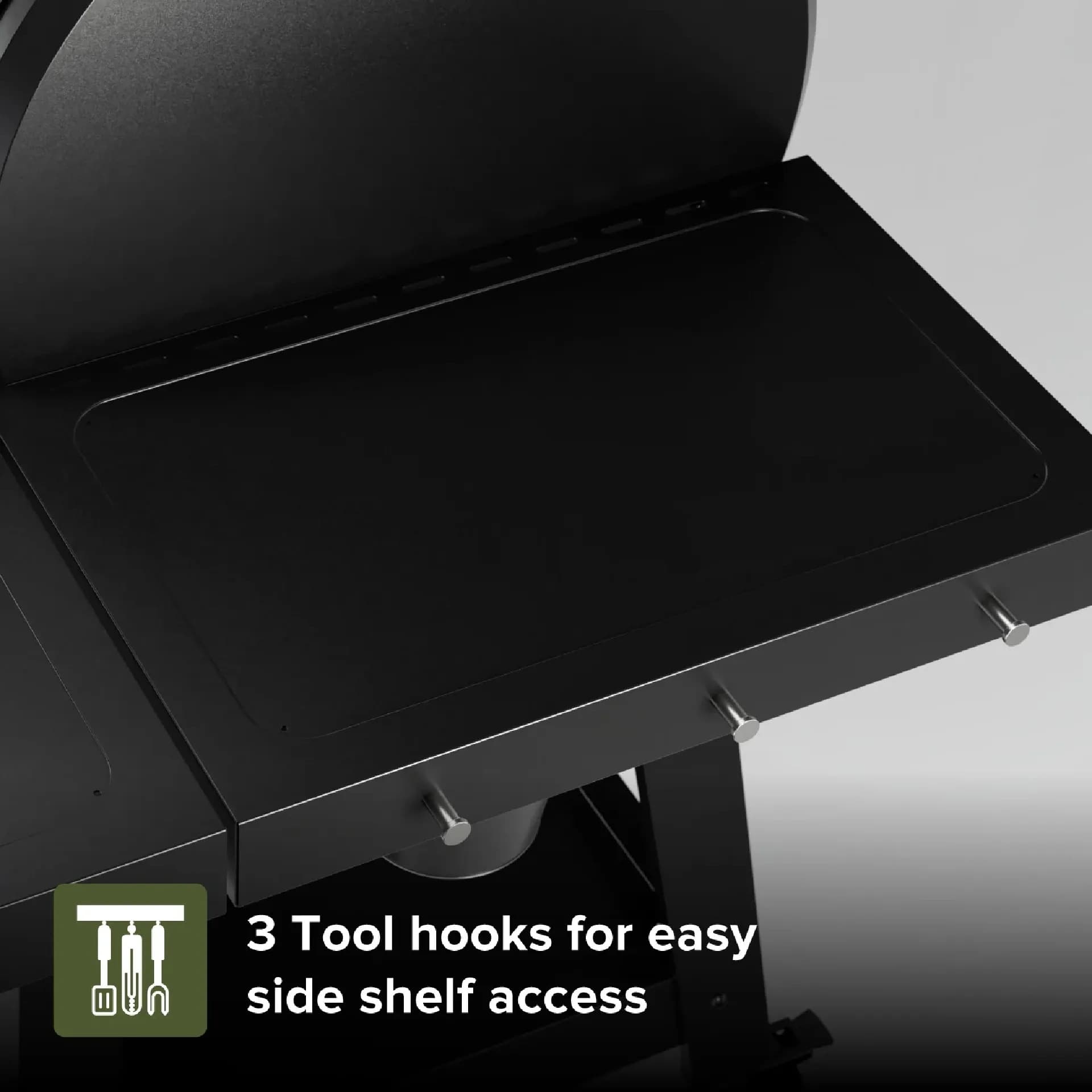
For grills with side shelves, tool hooks, or enclosed cabinets, a weekly wipe-down also keeps moisture and food residue from settling into seams and hardware. Outdoor storage areas often collect pollen, dust, and insects, and those materials are easy to ignore until they have time to trap moisture. Keeping these surfaces clean improves both appearance and lifespan.
Monthly maintenance is the deeper check that helps you catch wear before it becomes failure. At least once a month during regular grilling season, inspect hoses, knobs, igniters, fasteners, and cooking grates for signs of damage. If your grill uses propane, examine the connection points carefully and make sure the hose is not cracked, brittle, or rubbing against anything sharp. Small cracks can become larger problems if left alone.
This is also the time to clean parts that are not part of your weekly routine. Burners can often be gently cleared of debris, and the underside of the lid can be wiped to remove smoke residue. On many grills, the inside of the lid collects carbon and grease over time; leaving it untouched can cause flakes to fall back onto food and can trap corrosive residue in hidden spots. A monthly reset keeps these parts from aging faster than the rest of the grill.
Monthly inspections are the best time to replace a weak igniter or corroded grate before it affects an entire cooking season.
Seasonal maintenance is the most valuable long-form habit because it prepares the grill for periods of heavier use or storage. At the start of grilling season, perform a thorough inspection of burners, ignition, grates, grease trays, and external hardware. Before the first major cookout of the year, make sure every component is free of dust, insect nests, moisture, and old grease. This helps the grill perform predictably on the first use instead of discovering problems in the middle of a meal.
At the end of the season, give the grill a deeper cleaning than usual. Remove residue from the interior, empty grease containers, and let all parts dry completely before covering the unit. If your climate brings freezing temperatures, snow, or heavy rain, end-of-season care becomes especially important because moisture left inside the grill can lead to rust and stuck components. The goal is to store the grill in a stable condition so it is ready when you need it again.
For households that grill year-round, seasonal care still matters because the environment changes. Spring pollen, summer humidity, fall leaves, and winter moisture all affect the grill differently. Adjusting your inspection routine to the season gives you a better chance of spotting weather-related damage before it spreads.
Protective measures are one of the simplest ways to prolong grill life because they reduce exposure to the elements. A fitted grill cover is useful only if the grill is cool and dry before it is covered. Trapping moisture under a cover can be as harmful as leaving the grill uncovered. If possible, place the grill in a location that limits direct rain and harsh wind while still allowing airflow around the unit.
You can also protect the grill by treating it like outdoor equipment rather than permanent patio furniture. Keep it on a stable, level surface to prevent stress on wheels and legs. Move it carefully rather than dragging it, since rough movement can loosen fasteners or chip protective coatings. If you store accessories inside the cabinet or under shelves, make sure they are dry and organized so they do not trap moisture against metal surfaces.
A good cover helps most when it follows a dry cleaning routine. Covering a damp grill can lock in the very moisture you are trying to keep out.
For additional protection, keep the grill away from sprinklers, direct runoff, and areas where leaves or debris accumulate. Those small environmental exposures can shorten the life of exterior finishes and fasteners. The objective is not to make the grill indestructible; it is to reduce preventable stress so the core components last longer.
Even with excellent maintenance, some parts will eventually wear out. Knowing when to replace them is part of longevity because it prevents a failing component from damaging other parts of the grill. Common replacement signs include burners that produce uneven flames, igniters that click without lighting, grates that have deep rust spots or flaking coating, and grease trays that no longer sit securely or clean easily.
You should also pay attention to changes in cooking behavior. If a grill takes far longer to reach temperature, develops obvious hot and cold zones, or lights inconsistently from burner to burner, the issue may be a part that is nearing the end of its life. Replacing a worn part early is often the better choice because it preserves the rest of the grill and restores better performance.
Maintaining a grill for longevity is less about perfection and more about consistency. A few small routines repeated over time can keep the grill cleaner, safer, and more reliable than occasional deep cleaning alone. Daily brushing, weekly inspections, monthly checks, seasonal resets, and simple protective measures all work together to slow wear and preserve the parts that matter most.
If you want your grill to last, make maintenance part of the cooking process itself. Clean while the grill is warm, inspect it when you are done, and protect it before the weather does damage. Those habits support better cooking today and a longer service life tomorrow.
Once you start thinking about grill care as a lifespan strategy instead of a cleanup task, the maintenance schedule becomes much easier to understand. The goal is not to make your grill spotless every day; the goal is to reduce the stress that slowly shortens its working life. Burners, grates, igniters, knobs, fasteners, and grease-management components all age at different speeds, so a smart routine focuses on the parts most likely to fail first. If you maintain my grill for longevity with a consistent plan, you protect the investment and keep cooking performance steady through many seasons.
A grill’s lifespan depends on more than build quality. Two owners can buy the same model and end up with very different results based on how they clean, store, and inspect it. The owner who removes grease buildup, shelters the grill from rain, and replaces worn parts early will usually get far more usable years than the owner who waits for visible failure. That is why lifespan is best understood as the result of small, repeatable behaviors. The maintenance habits below are intentionally practical: they are the ones that most directly influence how long a grill can keep cooking evenly, igniting reliably, and resisting corrosion.
Routine care can be the difference between a grill that ages gracefully and one that fails early.
Grill lifespan is shaped by three forces: heat, residue, and the environment. Heat gradually fatigues metal components and can weaken seals or finish coatings. Residue from cooking creates buildup that blocks airflow, traps moisture, and affects flame pattern. Outdoor exposure adds rain, humidity, salt air in some regions, pollen, and UV light, all of which can shorten the life of surfaces and hardware. The more often these forces combine, the more important a disciplined maintenance plan becomes.
In practical terms, the longest-lasting grills are not necessarily the ones used the least. They are the ones maintained well enough to handle regular use without accumulating preventable damage. A grill that gets frequent use but is cleaned, dried, covered, and inspected can often outlast a grill that sits untouched outside in bad weather. That is because inactivity is not the same as protection. Moisture can still reach components, dust can settle into burner areas, and pests can nest in sheltered spaces. Lifespan is preserved through care, not just through low usage.
Another important point is that lifespan should be measured by usable performance, not just whether the grill still turns on. A grill that lights but cooks unevenly, wastes fuel, or has rusted grates may still be technically operational, but it no longer gives a satisfying or efficient cooking experience. From a homeowner’s perspective, keeping the grill useful for as long as possible is the real objective. That means maintaining the components that determine even heat, safe ignition, and structural stability.
A grill can appear functional long before it is truly in good shape. Uneven heat, stubborn ignition, and rust are early clues that lifespan is being lost.
Daily maintenance does the most to prevent buildup because it interrupts residue before it hardens. Right after cooking, when the grates are still warm, brush away food bits and grease. Warm grates are far easier to clean than cold ones, and that matters because every layer of leftover residue acts like a magnet for the next layer. By the time buildup becomes obvious, it has usually already begun affecting heat transfer and flavor.
A daily check should also include a quick visual inspection of the firebox and grease path. Look for drips, pooling grease, or food debris that could dry into a problem later. If the grill has a catch tray or drip cup, empty it often enough that grease never reaches an overflow point. This is not just about cleanliness; it is about preventing corrosive residue from sitting inside the grill where it can attack metal surfaces over time.
For households that cook several times a week, daily maintenance becomes a rhythm: preheat, cook, brush, cool, cover. That rhythm protects the cooking system because it keeps the grate surface from becoming permanently coated and reduces the amount of work required during deeper cleanings. It also makes it easier to spot changes. If the grill looks different from one use to the next, you will notice that sooner if you are already handling it daily.
Weekly maintenance should be viewed as a performance check. This is the time to look beneath the surface and confirm that the grill’s core systems still move air, fuel, and heat the way they should. Remove grates and inspect burner areas for crumbs, grease flakes, or insect activity. Many flame issues begin with a small blockage that could have been removed in seconds during a weekly inspection. The earlier you catch that, the less likely you are to end up with uneven heating or repeated ignition frustration.
Inspect the heat tents, flavorizer-style components, and drip path if your grill includes them. These parts are designed to manage drippings and spread heat more evenly, but they cannot do their job well if they are coated in thick buildup. Wiping or scrubbing them weekly helps preserve the intended airflow pattern inside the grill. You should also wipe the underside of the lid and the interior ledges, because soot and grease there can flake off during future cooks.
If the grill has doors or enclosed storage, weekly care should extend to hinges and handles. Moisture can collect around hardware, and sticky residue can make moving parts harder to use. A quick cleaning now keeps those components from feeling stiff or corroded later. This is especially worthwhile in humid climates or in areas where the grill sits under tree cover and collects debris more quickly.
Monthly maintenance is where lifespan protection becomes more deliberate. Start by inspecting parts that experience mechanical wear: igniters, burner controls, knobs, hinges, screws, and hose connections. Look for looseness, cracking, corrosion, or inconsistent operation. If a knob feels different from the others or a lid hinge has started to drag, address that while the issue is still small. Tiny mechanical problems often become larger structural ones if they are ignored through another month of use.
The monthly routine should also include deeper cleaning of internal surfaces. Remove cooking grates and examine the burner tubes or heating elements more carefully. Clear away spider webs, ash, or residue that may have escaped weekly cleaning. If your grill sits outdoors year-round, these hidden spaces deserve extra attention because they are where performance problems often start. Keeping them clean supports more complete combustion and steadier temperatures.
This is also the best time to evaluate how the grill is aging overall. Is the finish still holding up? Are there rust spots beginning near seams? Do the wheels still roll smoothly? Monthly observation helps you decide whether a part should be repaired, replaced, or simply watched. That judgment is valuable because longevity is not just about cleaning. It is about knowing which parts are worth saving and which ones are beginning to compromise the rest of the grill.
Seasonal maintenance matters because weather changes create different kinds of wear. At the start of the grilling season, perform a full readiness check. Clean all food-contact surfaces, verify ignition function, inspect burner flames, and confirm that moving parts operate smoothly. Before a summer of heavier use, you want the grill to be in its best condition so the first several cooks are easy and predictable. That early-season reset also helps you catch anything that deteriorated during winter storage.
At the end of the season, shift from active-use maintenance to storage preparation. Remove residue, empty grease containers, and allow every surface to dry thoroughly before covering the grill. If you live where freezing temperatures or heavy rain are common, storing the grill with trapped moisture can shorten the life of internal parts faster than many owners expect. A dry, clean grill lasts longer because rust has less opportunity to develop in hidden areas.
In regions with year-round grilling, the seasonal routine still helps by creating milestones for deeper inspection. Spring pollen, summer humidity, fall leaves, and winter storms each introduce different contaminants or moisture patterns. Using seasonal change as a reminder for more complete maintenance keeps the grill from gradually drifting into poor condition without you noticing.
| Seasonal task | Why it matters |
|---|---|
| Deep clean cooking surfaces | Removes hardened residue before it affects heat and flavor. |
| Inspect burners and ignition | Catches wear before the grill is heavily used again. |
| Dry all internal components | Reduces rust risk during storage or weather changes. |
| Check wheels and fasteners | Keeps the grill stable and easier to move safely. |
Protective measures are the most overlooked part of longevity because they happen outside the cooking process, yet they have a large effect on how long the grill stays in good condition. A quality cover is important, but only if the grill is cool and dry before it is put on. Covering a damp grill can trap moisture, which works against the very protection you were trying to create. Good protection starts with dryness, then continues with coverage.
Placement matters too. Keeping a grill on level ground reduces stress on wheels, legs, and frame joints. If possible, avoid locations where sprinklers hit the unit regularly or where water tends to collect after rain. Small amounts of repeated exposure can lead to paint damage, rust at seams, and corrosion around fasteners. Even under a cover, wind-driven moisture and debris can find their way into weak points if the grill is poorly positioned.
Another protective habit is handling the grill gently. Do not drag it across rough surfaces, and do not force lids, doors, or shelves that are sticking from buildup or rust. Those movements can strain hinges and hardware. If a part begins to feel resistant, that is a cue to clean, lubricate, or inspect rather than to push harder. Longevity is often about avoiding unnecessary mechanical stress.
Protecting the grill from weather is most effective when it is paired with a dry interior. A cover cannot compensate for trapped moisture or grease.
Wear and tear usually shows up in patterns, not sudden failures. Uneven flames, delayed ignition, hotter zones on one side, rust on grates, or knobs that no longer turn smoothly are all signs that the grill is aging in a specific area. Those are not just cosmetic issues. They can affect cooking performance and may eventually damage nearby components if ignored.
Pay attention to the sound and behavior of the grill during ignition and preheat. If the flame pattern looks weaker than usual, if one burner no longer lights consistently, or if heat seems to take longer to build, the issue may be a worn igniter, a dirty burner, or a restricted gas path. For charcoal-style components, excessive corrosion, poor airflow, or warped metal are warning signs that the structure is losing integrity.
When wear shows up in more than one place at the same time, it is often a sign the grill needs a more serious service decision. At that point, replacing a part may restore function, but if multiple key components are failing at once, it may be time to evaluate whether the grill can still perform as intended. The practical question is not whether the grill can technically power on; it is whether it still cooks safely, evenly, and efficiently enough to be worth keeping in regular rotation.
The most effective way to extend grill life is to treat maintenance as part of ownership, not as an occasional correction. Daily care prevents buildup, weekly checks preserve airflow and ignition performance, monthly inspections catch wear early, seasonal resets prepare the grill for changing conditions, and protective measures shield the unit from avoidable weather damage. Together, these habits do more than keep a grill looking good. They help it cook better for longer.
If your goal is to maintain my grill for longevity, the best plan is simple: stay consistent, watch for changes, and fix small problems before they spread. That approach saves money, improves results, and keeps the grill ready when you want to cook.
Here's what sets us apart
We position ourselves as delivering high-end outdoor cooking features and performance without premium-brand pricing, emphasizing “Quality Grills. Unbelievable Value.”
We offer gas grills, pellet grills, griddles, smokers, pizza ovens, portable/tabletop grills, electric grills, accessories, and replacement parts — allowing customers to stay within one ecosystem for all outdoor cooking needs.
We differentiate ourselves through smart grilling products like the Oakford smart pellet grill, including app-connected cooking controls and modern outdoor cooking technology.
Don't just take our word for it
Keep reading
From our catalog