A comprehensive guide to selecting the ideal location for your grill to enhance safety and cooking efficiency.
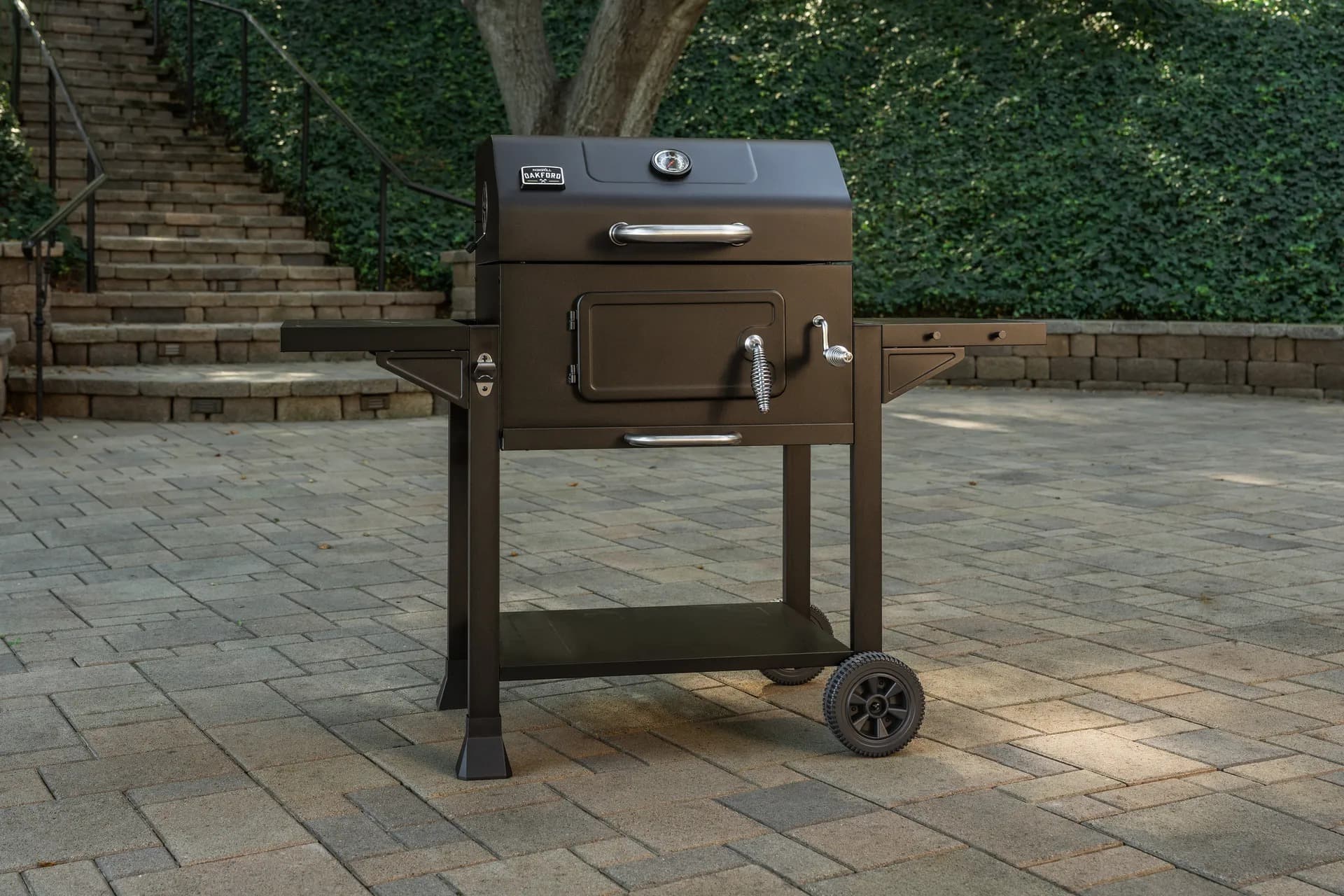
From sizzling breakfasts to smash burgers and teppanyaki-style dinners, the Daytona Pro 5 Burner NitroGuard™ Griddle delivers powerful heat, fast cooking, and a durable cooking surface built for every backyard cookout. Watch how easy outdoor cooking can be.
Here's what sets us apart from the competition
We position ourselves as delivering high-end outdoor cooking features and performance without premium-brand pricing, emphasizing “Quality Grills. Unbelievable Value.”
We offer gas grills, pellet grills, griddles, smokers, pizza ovens, portable/tabletop grills, electric grills, accessories, and replacement parts — allowing customers to stay within one ecosystem for all outdoor cooking needs.
We differentiate ourselves through smart grilling products like the Oakford smart pellet grill, including app-connected cooking controls and modern outdoor cooking technology.

Expert tips, buying guides, comparisons, and inspiration for choosing and getting the most out of your grill.

Practical guides for cleaning, maintenance, common grill issues, and performance optimization.

Step-by-step grilling recipes, cooking techniques, and meal ideas for every occasion and skill level.

Backyard entertaining ideas, seasonal grilling inspiration, and stories that celebrate outdoor cooking culture.

Helpful articles covering grilling tools, cookware, maintenance gear, and must-have accessories for outdoor cooking.

Find griddle recipes, cooking techniques, cleaning tips, and outdoor meal ideas designed for Nexgrill griddles.
Find answers to common questions
Gas grills provide instant heat and precise temperature control, making them easier to use. Charcoal grills offer a smoky flavor and high heat for searing but require more time to heat up and manage.
Pellet grills combine the convenience of gas with the flavor of wood, allowing for smoking, baking, and grilling. Traditional gas grills, however, are quicker to start and often easier to clean.
Charcoal grills typically reach higher temperatures quicker than gas grills, making them better for searing meat. However, high-quality gas grills can also provide adequate heat for effective searing.
Nexgrill offers models designed specifically for gas, charcoal, and pellets, allowing users to choose based on their cooking style and flavor preferences. Each type is built to optimize the characteristics of its respective fuel.
Choosing between gas and charcoal grills depends on your cooking preferences and lifestyle. If you value convenience and quick cooking, a gas grill may suit you better; if you prefer the taste and experience of traditional grilling, a charcoal grill would be ideal.
In This Article
Safety First
Optimal Performance
Convenience Matters
Where you set your grill has a direct effect on three things that matter every time you cook outdoors: safety, performance, and how easy the whole experience feels. A grill can be a great cooking tool, but if it is tucked into the wrong corner of a patio, squeezed too close to furniture, or placed where wind keeps disrupting the flame, the results are frustrating at best and risky at worst. Good grill placement is not just about finding a flat spot. It is about creating a small, dependable work zone that supports steady heat, comfortable movement, and a clear path between the grill, the prep area, and the serving table.
Nexgrill’s brand philosophy emphasizes approachable, practical outdoor cooking that brings people together, and that idea translates naturally into placement decisions. A grill should feel inviting to use, not awkward to reach or difficult to manage. The best setup makes it easy for a beginner to cook without second-guessing, while also giving experienced grillers enough breathing room to manage multiple foods at once. A thoughtful location also helps you use your grill more often, because convenience is a powerful part of consistency.
Safety, heat control, and everyday usability should all be solved by placement, not luck.
In many United States backyards, placement is constrained by real-world conditions: a narrow deck, a side yard with limited airflow, or a patio shared with seating, planters, and storage bins. That is why the ideal position is not the same for every home. A gas grill near a kitchen door may be convenient, but only if the clearance around it allows safe movement. A larger multi-burner model may be perfectly capable of handling a family gathering, but it still needs enough open space for lid operation, side shelf use, and the cook’s working stance.
This guide focuses on the placement decisions that shape the entire cooking experience. Rather than repeating basic safety rules, it looks at how location affects flame stability, walking paths, workflow, weather exposure, and the longevity of the grill itself. If you think of the grill as the center of a small outdoor kitchen rather than a stand-alone appliance, the logic becomes much clearer. Try comparing two products side by side below to see which fits best: the right model for your space is often the one whose size and setup needs match the way your yard actually works.
The safest grill location is one that reduces preventable hazards before cooking even begins. That means thinking about what surrounds the grill in every direction, not just where the front of the cook station faces. Grills create heat, open flame, and grease vapor, so the nearby environment matters. A well-chosen location keeps the grill away from combustible surfaces, provides open air around the unit, and gives the cook enough room to move without bumping into chairs, railings, or traffic from guests. This is especially important on compact patios where one poor decision can turn a comfortable space into a crowded one.
One of the most practical safety benefits of better placement is predictability. When a grill is positioned on a stable, level surface with a consistent approach path, it is easier to control your movements while carrying trays, sauce, or tools. That reduces the chance of spills, dropped food, and awkward turns near hot surfaces. It also helps when opening the lid or reaching a side burner, because you are less likely to have your body angle compromised by a tight layout. For many homeowners, the difference between a stressful cookout and a smooth one is simply whether the grill has enough “working room.”
Warning: A grill placed too close to a wall, fence, or overhead structure can trap heat and smoke where you do not want them, even if the grill itself appears to fit.
It is also worth considering the route people take to and from the grill. If guests naturally cut across the cooking area to reach a table, cooler, or doorway, that is a placement problem, not a guest problem. The grill should sit in a spot that creates a clear separation between cooking traffic and social traffic. In practical terms, that may mean moving the grill slightly farther from the house entry, but closer to an edge of the patio where people are less likely to pass behind the cook. The point is to protect the working zone so that the person grilling is not constantly turning to avoid others.
For propane models, placement should also support easy cylinder access and inspection without forcing the tank into a cramped corner. The grill should remain stable enough that doors, lids, and shelves can be used without wobble. For charcoal units, the same idea applies to ash handling and airflow. A location with poor ventilation can make lighting and temperature management more difficult, even if the area seems sheltered. Good placement is not dramatic; it is disciplined. It simply removes unnecessary risk from the equation.
Placement affects cooking performance more than many shoppers expect. Wind, shade, surface stability, and nearby structures all influence how evenly heat reaches the food. A grill set in a gusty corner can burn hotter on one side and cooler on the other, making it harder to sear steaks evenly or keep vegetables from scorching. By contrast, a sheltered but open location can help the grill run more predictably. This matters whether you are using a compact two-burner unit for weeknight dinners or a larger four-burner setup for a Saturday gathering.
Heat management is easier when the grill sits where the cook can access controls, lids, and prep surfaces without twisting awkwardly. If you regularly use two-zone cooking, the physical orientation of the grill matters. You want enough room to arrange hotter and cooler zones, then move food with confidence. A grill that is shoved up against a wall or corner may technically function, but it can limit the airflow and access needed for more advanced techniques. That is particularly true for cooks who like to sear on one side while finishing on the other, or who use indirect heat for thicker cuts.
Tip: Place the grill where you can stand naturally, open the lid fully, and still reach the prep shelf without taking a step into the traffic path.
The surrounding surface also influences performance. A level, non-wobbly base keeps burners, grates, and grease flow working the way they were designed to. If a grill is slightly tilted, grease can pool unevenly, which affects cleanup and may create temperature inconsistencies. For griddle-style cooking, a level setup is even more important because flat-top food tends to reveal small changes in slope immediately. Pancakes, eggs, and sautéed vegetables behave differently if the cooking surface is not stable. Good placement helps the grill perform like a cooking tool rather than a piece of furniture that happens to get hot.
Another overlooked factor is sunlight. In some settings, direct sun can heat the cook area aggressively, making the person at the grill uncomfortable and encouraging rushed behavior. In other settings, too much shade can keep the cooking zone damp longer after rain or morning dew. The right balance is usually an area with open air, good visibility, and manageable exposure. You want the cook to be comfortable enough to focus on timing, not the weather. When that balance is right, food quality improves because the person grilling has better control of the process.
Convenience may sound secondary to safety, but in day-to-day use it often determines whether a grill gets used often or left idle. If the grill is too far from the kitchen, too hard to reach from the door, or awkward to access with utensils and ingredients, cooking outside starts to feel like a chore. The most practical grill placement shortens the distance between prep, cooking, and serving. That does not mean placing the grill in the center of everything. It means arranging the space so the cook can move efficiently without crowding the grill or forcing other people to squeeze around it.
For many homes, the best location is one that links naturally to the kitchen or an outdoor prep table. That might be a side patio near the back door, a section of deck with room for a cart, or a hardscape area where ingredients can be staged before the lid opens. If the grill has side shelves, those surfaces need enough side clearance to be useful. If you are always reaching past a chair or planter to set down tongs, the design of the outdoor space is working against you. The ideal placement supports the way food actually moves from fridge to cutting board to grill to plate.
Accessibility also matters for cleanup. A grill positioned near a hose, drain-safe surface, or storage area for tools and covers is easier to maintain after the meal ends. While maintenance is not the main topic of this article, placement influences how likely you are to clean the grill promptly. If you have to drag cleaning supplies across the yard every time, you will probably do less of it. That is why a smart setup often includes a small buffer zone around the grill for utensils, trays, and a trash container or food scrap bin.
The best grill setups keep one open lane for the cook and one separate lane for everyone else.
Consider the full sequence of a cookout. You carry ingredients out, preheat the grill, monitor the food, move it to a resting area, and then clean up. If your grill is placed so that each step can happen without backtracking, the entire experience feels smoother. That is especially helpful when cooking multiple items at once, such as chicken on one zone, vegetables on another, and buns warming at the edge. The more efficient the placement, the less energy you spend managing the space and the more attention you can give to the food.
One of the most common mistakes is treating the grill like a decorative object instead of a working appliance. A grill that looks balanced near a wall or tucked into an unused corner may seem neat, but if that position blocks airflow or limits access, the setup is flawed. Another frequent issue is placing the grill too close to seating simply because that feels social. In reality, the cook needs separation from the crowd to work safely and confidently. A grill should anchor the gathering, not sit inside the guest seating zone.
A second mistake is ignoring the surface beneath the grill. Soft grass, uneven pavers, loose gravel, or a warped deck board can make the grill unstable and harder to control. Even when the grill is technically safe, a shaky base changes how the lid opens and how confidently the cook can handle food. This is one reason many homeowners eventually move the grill from a temporary spot to a more permanent hard surface once they realize how much difference the foundation makes.
Another error is underestimating wind. People often place the grill where it looks protected from the house, but overlook how wind tunnels around fences, corners, and narrow side yards. That can interfere with flame behavior and make temperature management inconsistent. Placement should account for the path of the breeze, not just the shape of the patio. In many cases, a small shift of a few feet improves the whole experience.
The perfect grill setup is not about finding one magical spot. It is about choosing a location that supports the way you cook, the way your space flows, and the way people gather around the meal. Good placement gives you safer movement, more consistent performance, and a more relaxed rhythm from prep to cleanup. That is why the best location is usually the one that balances open air, stable footing, and easy access instead of merely looking convenient from a distance.
For Nexgrill owners, the most rewarding setups are often the ones that turn grilling into a dependable part of the routine, not a special project. When the grill is easy to reach, easy to manage, and positioned with purpose, you are more likely to use it for quick dinners, weekend meals, and spontaneous gatherings alike. Before locking in a location, step through the full cooking sequence in your head: carry the ingredients, open the lid, move around the grill, and serve the food. If each step feels natural, you are close to the right answer. Once you've weighed two options against each other, here's what else matters…
Once you've weighed two options against each other, here's what else matters: different grill types ask for different kinds of space. A compact two-burner gas grill has a smaller footprint and is easier to fit into a modest patio corner, but it still needs clearance for lid operation, burner control, and safe movement around the front. A larger four-burner grill or a griddle setup needs more breathing room because the cook is likely to use the full width of the station, move between zones, and stage food on side shelves. Placement should match the grill’s physical behavior, not just its measurements on a product page.
Gas grills are usually the most flexible in placement because they heat quickly and work well in locations where the cook can move in and out of the space efficiently. They are often the right choice for families who want a reliable weeknight setup near the house. Griddles, by contrast, benefit from a clean, level area with room for prep containers and serving platters, because flat-top cooking tends to involve more active movement across the surface. Charcoal grills often need the most airflow awareness because lighting, temperature control, and smoke direction all become part of the placement decision. That does not mean charcoal is harder to enjoy; it simply means the environment needs to cooperate a little more.
Info: The right placement is often less about grill category and more about how you actually cook. If you sear, roast, or griddle in separate stages, you need room for that workflow.
Think about a weekday cook using a smaller propane grill. That person may want fast access from the back door and minimal setup friction. A weekend host using a larger Nexgrill model may need a more generous zone where guests can gather without blocking the cook. These are not the same use cases, so they should not share the same placement logic. The right answer is always the one that supports your real habits.
The best way to evaluate your outdoor space is to walk it like a cook would. Start from the kitchen door, move to the proposed grill spot, and notice whether the path is clear, level, and wide enough for your hands and trays. Then imagine the grill lid open, food resting nearby, and guests moving through the area. If that mental picture feels crowded, the location probably needs adjustment. Good placement is not just visually tidy; it is operationally efficient.
Measure the usable zone, not just the empty patch of patio. A space can appear large until you account for a railing, steps, a storage bench, or a dining set. This is especially important in townhomes and smaller suburban decks where every square foot has a job. Leave enough room for the grill itself, plus a safe margin for the cook to stand, turn, and carry hot food away from the heat source. If you are using a cart-based model, account for wheel movement and the space needed to roll it into position without hitting a threshold or planter edge.
The structure beneath the grill matters too. A concrete patio, stone pavers, or another sturdy level surface usually gives the most reliable setup. Wood decks can also work when they are properly maintained and spacious enough, but they demand more attention to airflow and clearance. Grass or dirt may seem easy at first, but those surfaces can shift, soften after rain, or make movement awkward during a busy cookout. If the grill must live on an imperfect surface, a stable platform or mat can improve day-to-day usability, though it should never replace the need for a safe, level base.
The grill needs a stable base underneath and clear airspace around it.
1. Mark the grill footprint on the ground.2. Add space for the lid to open fully.3. Add standing room for the cook.4. Keep a separate lane for guests.5. Test the path with a tray in your hands.This method sounds basic, but it prevents the most common placement regret: choosing a location by eye instead of by function. It also helps if you plan to add a prep table, storage cart, or outdoor fridge later. When the grill is positioned with the rest of the future setup in mind, the space can grow without needing a complete reset.
Weather changes how a grill behaves, and the best placement takes that into account before the season changes arrive. In windy months, a grill that sits in an exposed edge of the yard may become harder to manage because gusts can alter flame consistency and push smoke across the cook’s face. In humid or rainy periods, a covered or partially sheltered area may keep the cooking zone more comfortable, but that shelter cannot create a cramped pocket with poor ventilation. The goal is to block nuisance weather, not trap heat or moisture.
In colder parts of the United States, people often move the grill closer to the home in winter for convenience, but that shift should still preserve clearances and airflow. In hotter climates, shade becomes more important, especially for the person standing at the grill. If the cook is baking in direct sun, they are more likely to rush, step back unpredictably, or skip some of the small attentions that keep food quality high. Placement can reduce that fatigue by giving the cook a more manageable environment.
Warning: Seasonal cover or shelter choices should never turn the grill into a boxed-in nook. Protection from weather should never come at the expense of ventilation or safe clearance.
Think about after-rain conditions too. A grill placed where runoff collects may be sitting in a damp area every time the weather shifts. That can make the surrounding surface slick and reduce the comfort of the setup, especially if guests are carrying plates nearby. A slightly raised, better-drained area often performs better over the course of a year than a lower spot that seems convenient but stays wet longer. Good seasonal planning is really just long-term placement thinking.
A well-placed grill should feel like part of the outdoor living area without competing with it. The strongest layouts use the grill as a working anchor on the edge of the social space, not the center of the conversation zone. That allows guests to gather nearby, enjoy the aroma, and watch the cooking if they want, while still giving the cook enough room to operate. In practical terms, the grill should connect to the patio design, not interrupt it.
If you have an outdoor dining set, place the grill so serving is easy but guest seating is not directly in the splash zone of grease or smoke. If your backyard includes a fire pit, play area, or pool deck, be deliberate about separation. Each zone needs a different job. The grill area is a kitchen zone first and a social zone second. That distinction keeps the whole yard more comfortable to use. It also helps when you are hosting a mixed group with kids, adults, and people moving in different directions.
For homeowners designing around entertaining, the best placement often supports a natural flow: ingredients come from the house, the grill sits near a prep surface, and the serving area is a few steps away. This arrangement reduces bottlenecks and keeps the cook from turning into a traffic controller. If you like to entertain regularly, that flow matters as much as the grill itself. A beautiful space that is hard to work in will not get used to its full potential.
Placement does not just affect the next meal; it also affects how long the grill stays in good condition. A unit parked in constant direct weather exposure will usually face more wear from moisture, dust, and temperature swings than one positioned with a bit of thoughtful shelter and drainage. While every grill still needs routine care, a smarter location can reduce how often exterior surfaces get blasted by rain or baked by afternoon sun. That matters for finish, hardware, and the feeling of ownership over time.
The surface under the grill matters to durability as well. If the grill sits where water pools or where dirt repeatedly splashes up from the ground, exterior components can show wear sooner. A cleaner, drier base helps preserve the look and function of the unit. It also reduces the amount of grime that moves onto the wheels, frame, and lower body every time the grill is rolled or repositioned. In other words, placement can either support or fight your maintenance habits.
Tip: If your grill lives outdoors year-round, choose a location where a cover can be installed and removed easily. If the cover is annoying to use, it will not get used enough.
Good placement also makes inspection easier. When the grill is not wedged into a hard-to-reach corner, you are more likely to notice wear, loose hardware, or buildup before it becomes a larger issue. That matters because early awareness is one of the simplest ways to preserve performance. A grill that you can access comfortably is a grill that you are more likely to care for consistently.
The final decision should be based on how the space works in real life, not how it looks in a perfectly staged photo. The best grill placement gives you a level base, open air, a practical cooking path, and enough room for the grill to do its job without forcing the cook to improvise. It should feel easy to approach, easy to operate, and easy to step away from when the meal is done. That combination is what turns a grill into a reliable part of outdoor living.
Before settling on a location, test it during a normal day, not just during a planned cookout. Bring out the tools, open the lid, move a tray, and see whether the path still feels natural when you are carrying something hot. That quick reality check often reveals small issues that measurements alone miss. If the space works when you are cooking a simple dinner, it will usually work even better when friends and family gather around it.
For a Nexgrill setup, the smartest placement is the one that supports repeat use. Outdoor cooking becomes more enjoyable when the grill is positioned to welcome you back again and again, with fewer obstacles and more confidence. That is the heart of a good layout: not just a place for the grill, but a place where cooking feels easy to start and easy to share.
Here's what sets us apart
We position ourselves as delivering high-end outdoor cooking features and performance without premium-brand pricing, emphasizing “Quality Grills. Unbelievable Value.”
We offer gas grills, pellet grills, griddles, smokers, pizza ovens, portable/tabletop grills, electric grills, accessories, and replacement parts — allowing customers to stay within one ecosystem for all outdoor cooking needs.
We differentiate ourselves through smart grilling products like the Oakford smart pellet grill, including app-connected cooking controls and modern outdoor cooking technology.
Don't just take our word for it
Keep reading
From our catalog