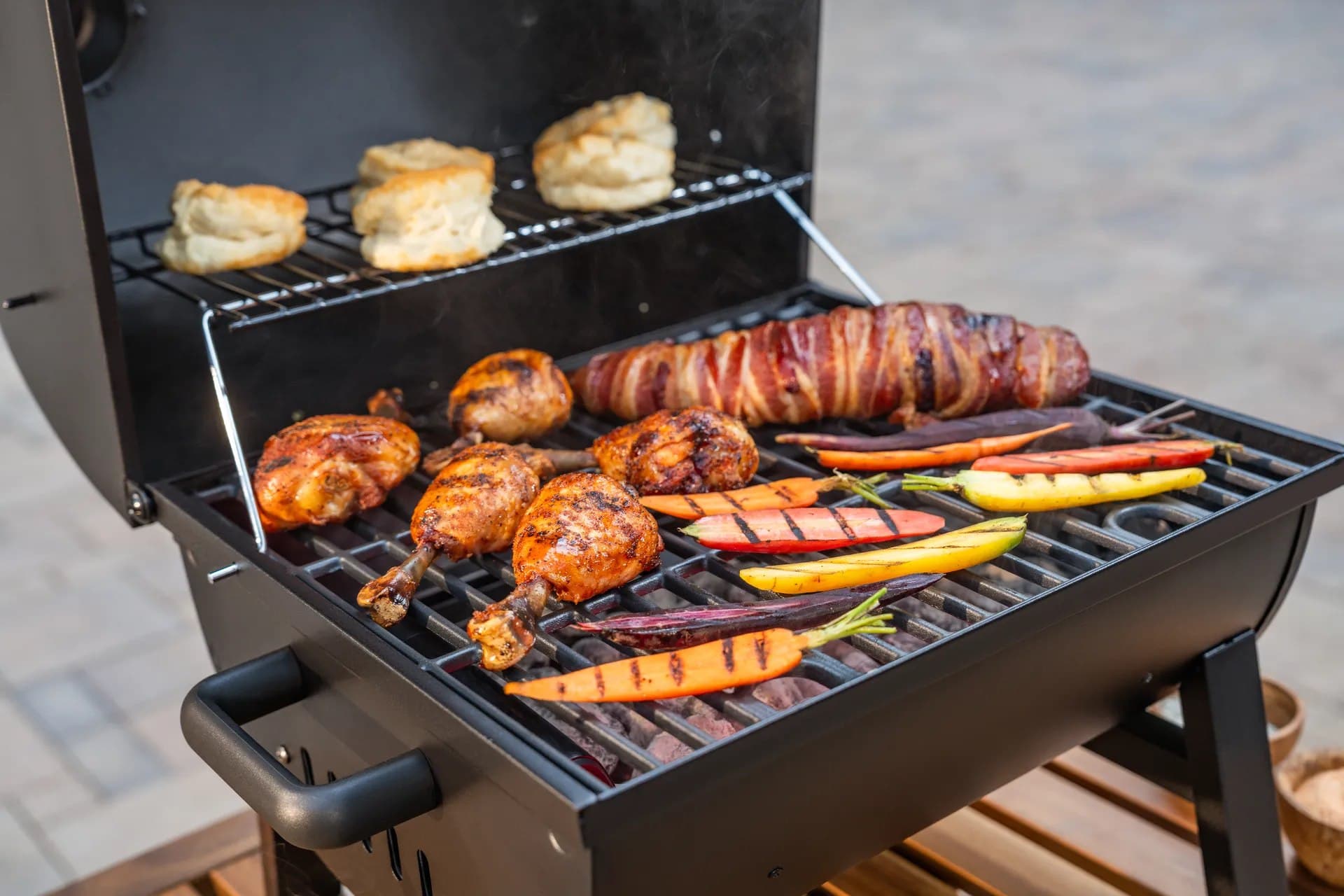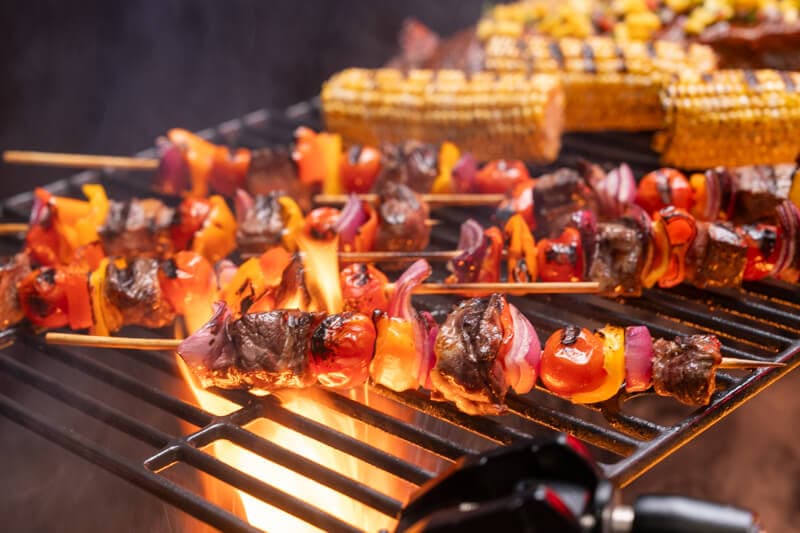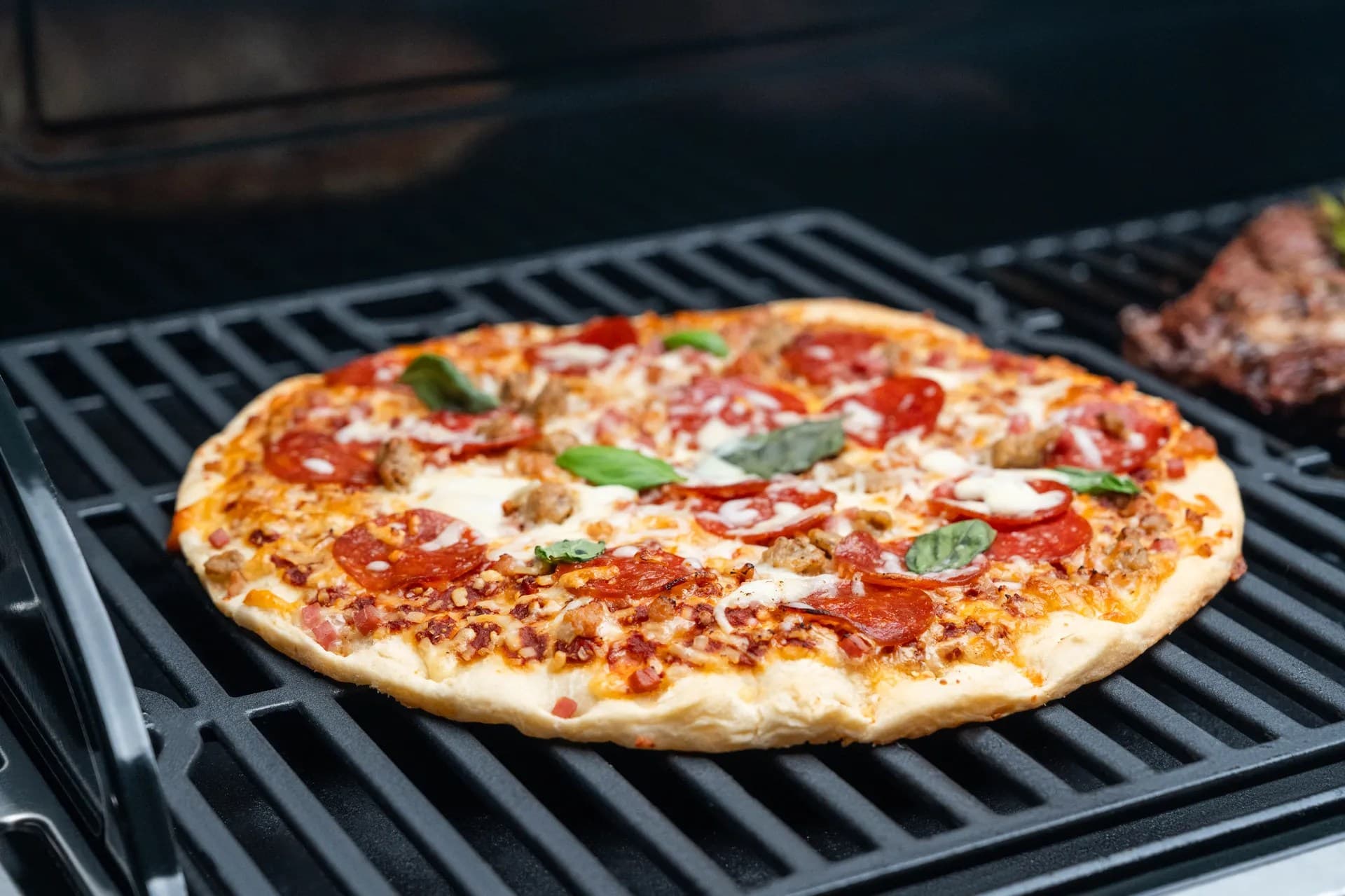
Explore diverse marinades to elevate your grilling experience year-round.
Here's what sets us apart from the competition
We position ourselves as delivering high-end outdoor cooking features and performance without premium-brand pricing, emphasizing “Quality Grills. Unbelievable Value.”
We offer gas grills, pellet grills, griddles, smokers, pizza ovens, portable/tabletop grills, electric grills, accessories, and replacement parts — allowing customers to stay within one ecosystem for all outdoor cooking needs.
We differentiate ourselves through smart grilling products like the Oakford smart pellet grill, including app-connected cooking controls and modern outdoor cooking technology.
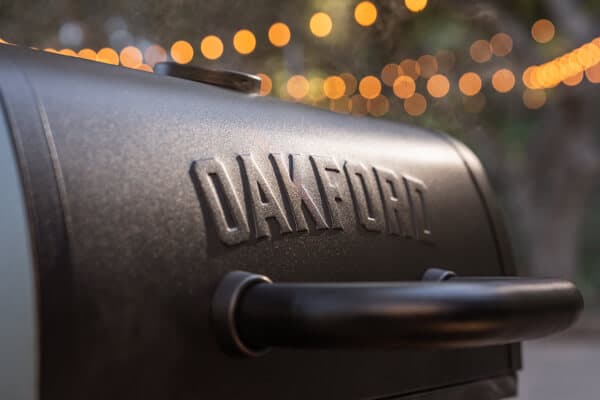
Expert tips, buying guides, comparisons, and inspiration for choosing and getting the most out of your grill.
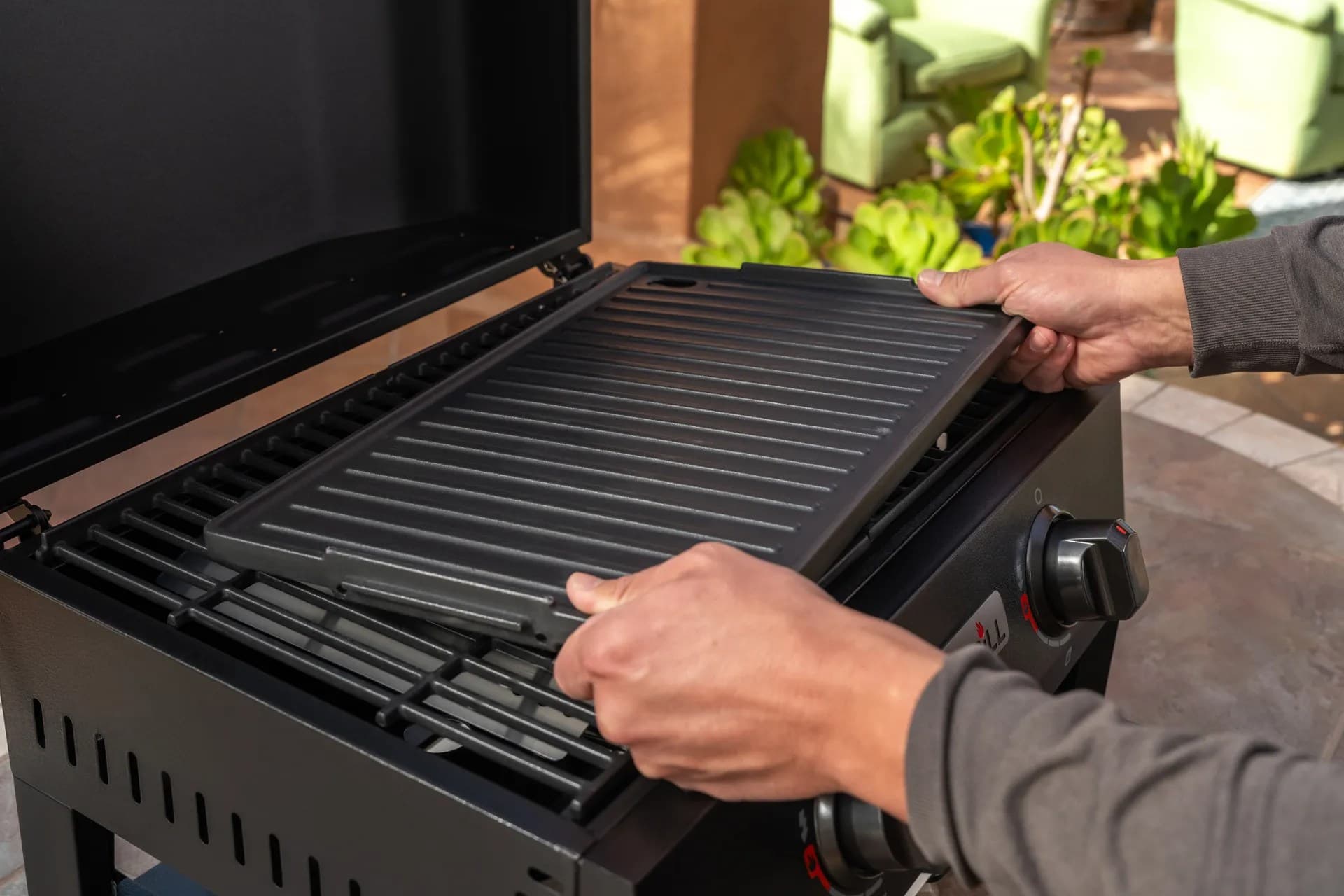
Practical guides for cleaning, maintenance, common grill issues, and performance optimization.
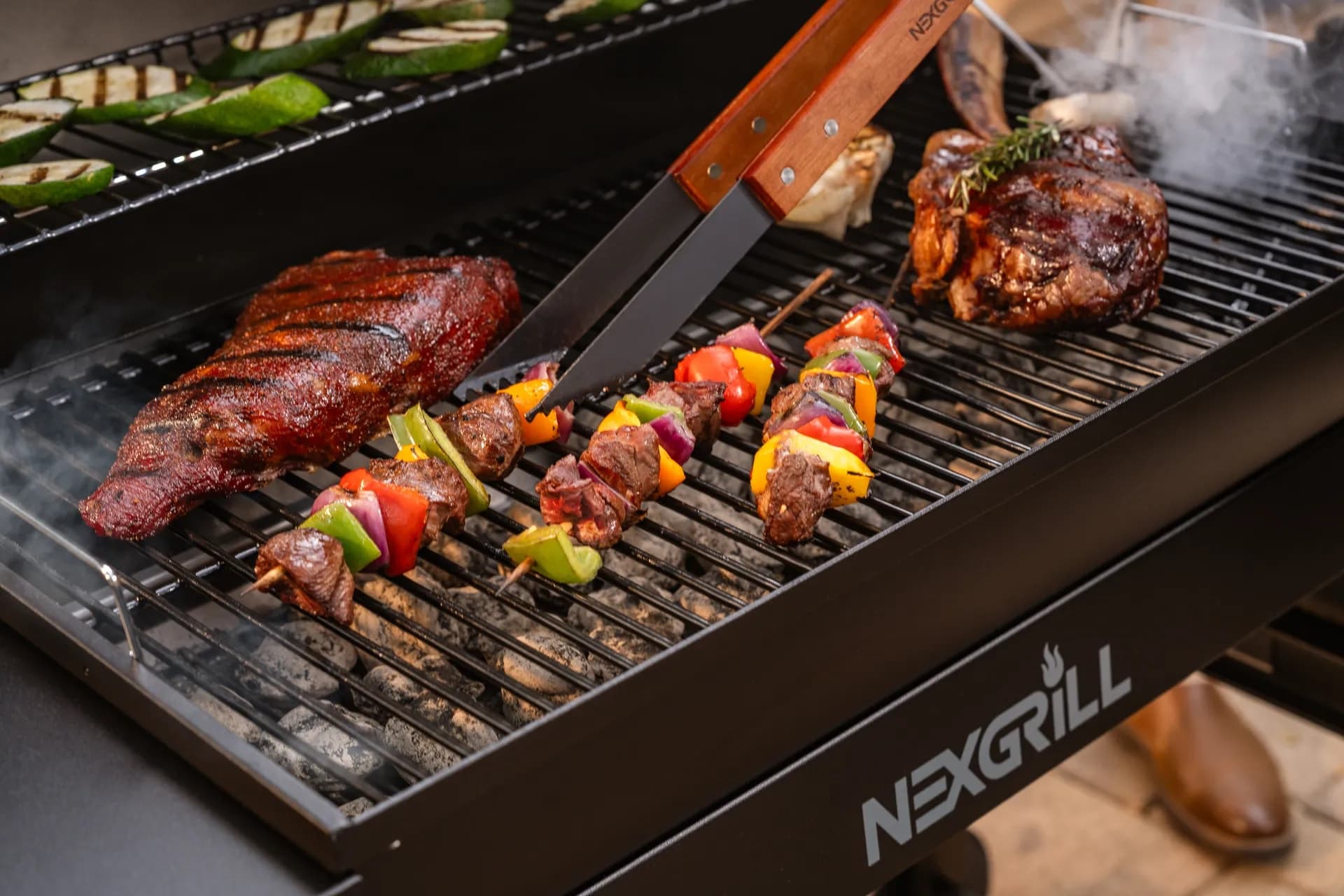
Step-by-step grilling recipes, cooking techniques, and meal ideas for every occasion and skill level.
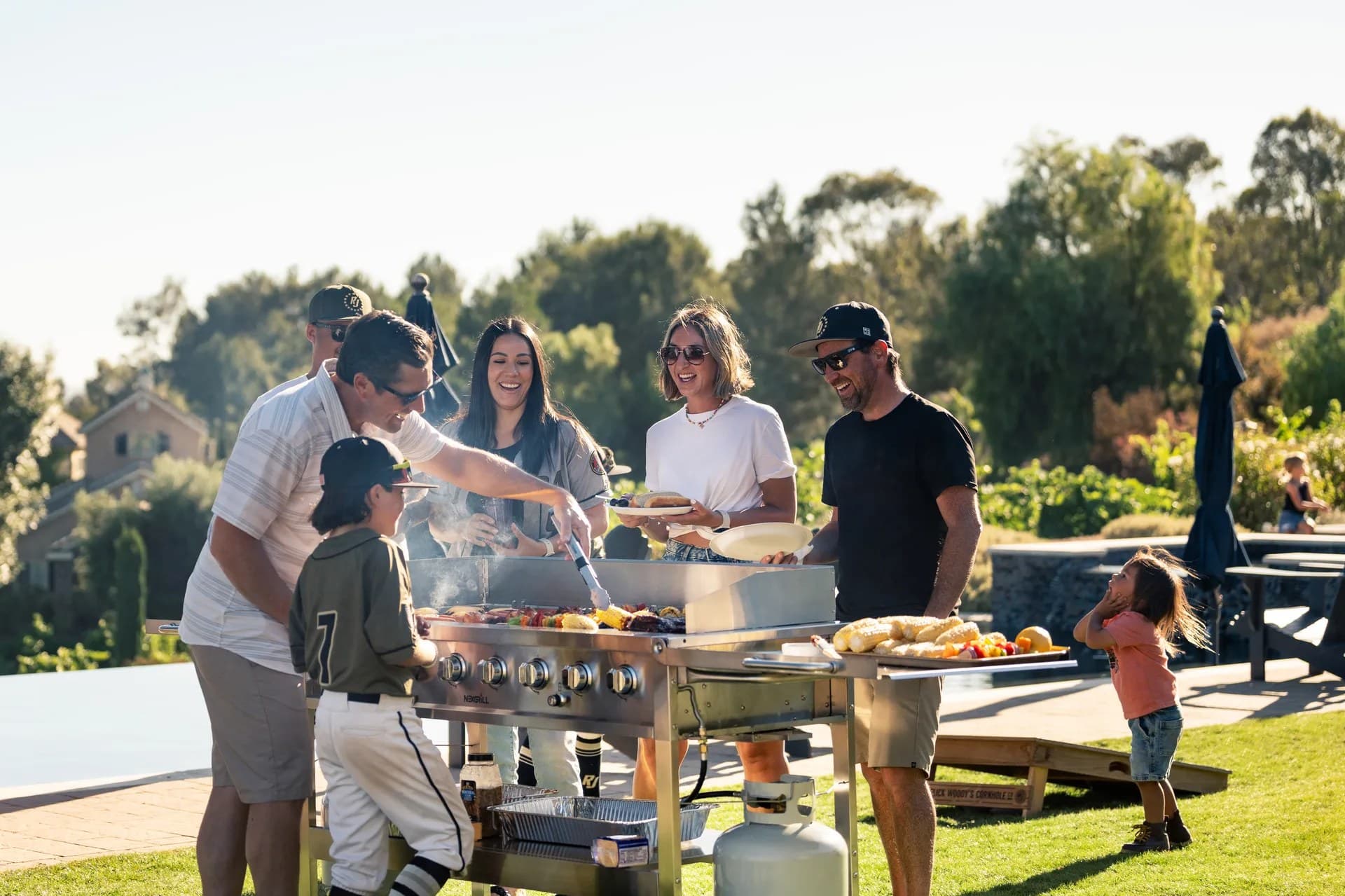
Backyard entertaining ideas, seasonal grilling inspiration, and stories that celebrate outdoor cooking culture.
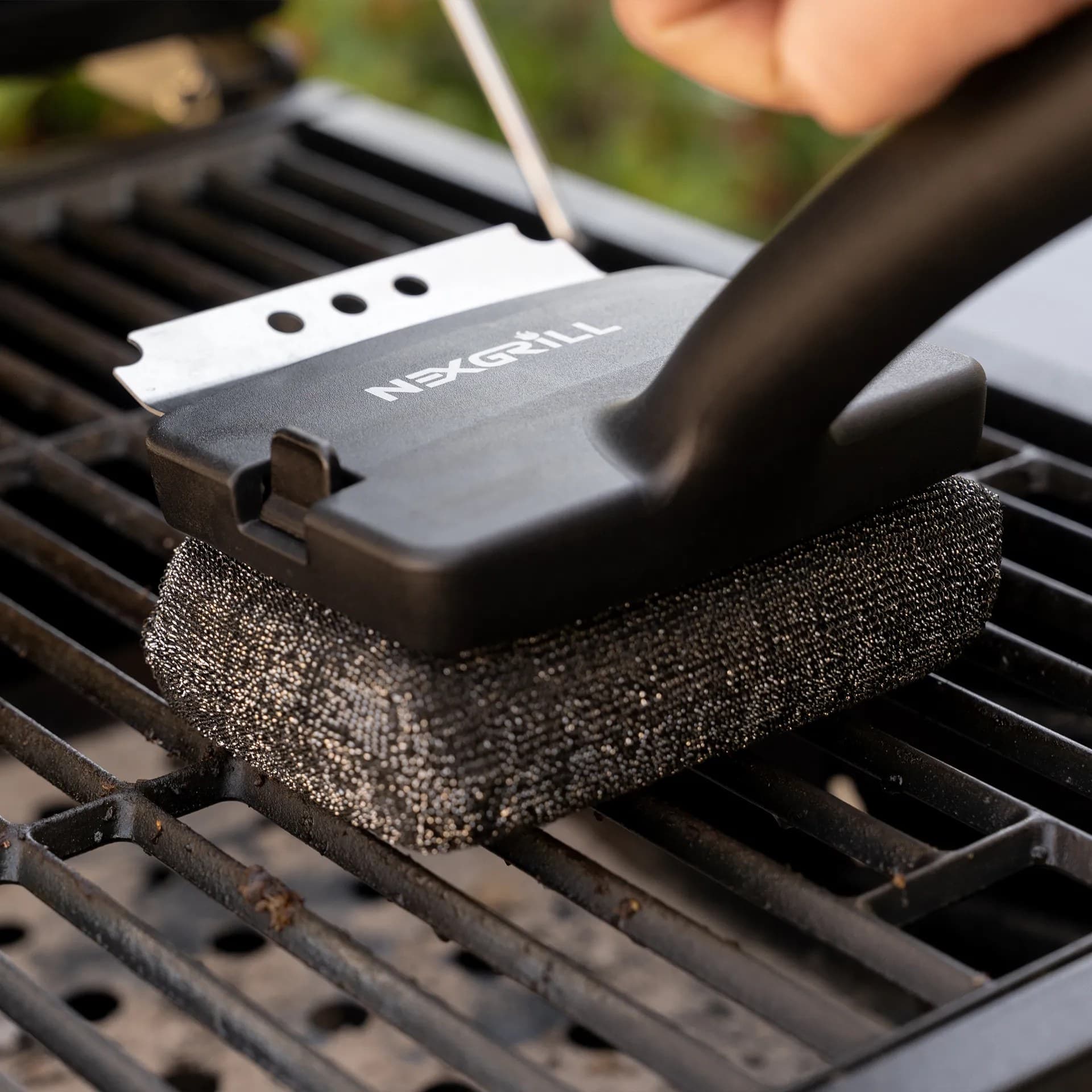
Helpful articles covering grilling tools, cookware, maintenance gear, and must-have accessories for outdoor cooking.
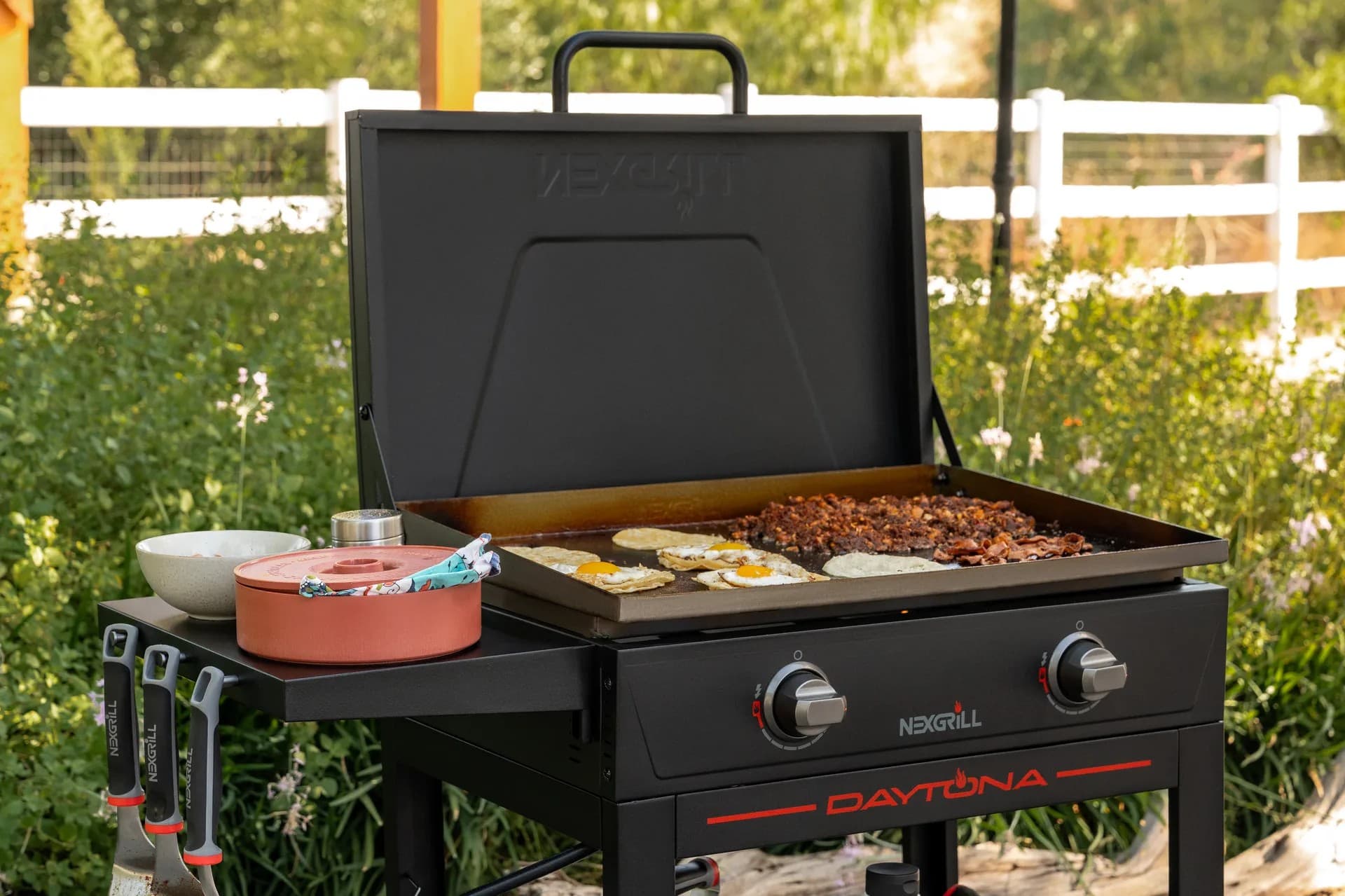
Find griddle recipes, cooking techniques, cleaning tips, and outdoor meal ideas designed for Nexgrill griddles.
Find answers to common questions
Nexgrill equipment is suitable for a variety of recipes including meats, vegetables, and even pizzas. Popular options include marinated steaks, grilled vegetables, and shrimp skewers.
To enhance the flavor of grilled vegetables, consider marinating them in olive oil, herbs, and spices before grilling. Alternatively, you can season them with salt and pepper during grilling for a more straightforward approach.
To achieve perfect grill marks, preheat your grill to a high temperature and ensure that the food is dry before placing it on the grill. Avoid moving the food too early, as it needs to sear properly to form those classic grill marks.
Using a meat thermometer is the most accurate way to ensure your grilled meat is at the desired temperature. For instance, chicken should reach an internal temperature of 165°F while medium-rare beef is typically at 135°F.
To clean your Nexgrill after cooking, allow it to cool and then use a grill brush to remove any residue from the grates. You can also wipe down the exterior with a damp cloth and mild soap to keep it looking its best.
In This Article
Seasonal Marinade Highlights
Quick and Easy Recipes
Expert Tips and Techniques
A good marinade does more than add flavor. It can soften tougher cuts, help lean proteins stay juicier on the grill, and give vegetables a surface that browns more evenly once they hit the heat. The best grilling marinades for every season are not one-note mixtures copied from one month to the next. They respond to what people actually want to eat when the weather changes: richer and deeper flavors in colder months, brighter and more herb-driven notes in spring, lighter and fresher combinations in summer, and smoky, spiced layers as autumn arrives.
The practical advantage of thinking seasonally is that you can match marinade style to both the food and the cooking situation. In winter, when grilling often feels like a shortcut to comfort food, you may want a marinade built around soy sauce, molasses, mustard, garlic, or dark citrus. In spring, when markets are full of herbs and tender vegetables, a marinade with lemon, dill, parsley, scallions, or white wine can feel right at home. Summer calls for marinades that stay light enough not to overwhelm peaches, chicken, shrimp, or zucchini. Fall often rewards a touch of smoke, maple, cider, paprika, and warm spices that pair well with longer grilling sessions.
This approach also helps you plan around the equipment you use. A flat-top griddle can handle marinaded vegetables and thin-cut proteins quickly, while a gas grill with well-managed heat zones gives you the control to sear without burning sugary ingredients. If you prefer charcoal, the flavor from the fire can reinforce savory marinades that already lean earthy or smoky. The point is not to make every recipe complicated. It is to make each marinade purposeful, balanced, and suited to the season you are cooking in.
A seasonal marinade works best when it complements the weather, the cut of meat, and the pace of your cook instead of forcing the same flavor profile all year.
seasonal flavor directions to rotate through the year
Winter grilling benefits from marinades that taste hearty, savory, and a little more assertive than the ones you might use in July. Cold weather tends to make sweet marinades feel flat, so winter is a good time to lean into umami, salt, garlic, black pepper, and deeper sweeteners such as molasses or dark brown sugar. A strong winter marinade can make a simple weeknight steak, pork chop, or chicken thigh feel more satisfying without requiring a long ingredient list.
One reliable winter direction is a soy-ginger marinade with garlic, sesame oil, rice vinegar, and a small amount of honey. It works particularly well for flank steak, skirt steak, or boneless chicken thighs because the salt and acid help the marinade penetrate while the ginger adds a clean bite that keeps the flavor from feeling heavy. Another option is a mustard-maple blend with apple cider vinegar and rosemary. That combination is especially good for pork tenderloin or thick-cut pork chops because it adds sharpness, sweetness, and an herbal note that stands up to grill marks.
Winter is also the season when more cooks reach for bolder spice. A chili-cocoa marinade can sound unusual, but a little cocoa powder paired with ancho chile, cumin, garlic, and olive oil creates a deep, savory crust on beef. The cocoa should not read as dessert; it should function as a background note that enriches the char. Likewise, a coffee-bourbon marinade can be useful for brisket-style cuts or steak tips when you want something rich and aromatic. The coffee reinforces the grilled flavor, while bourbon and brown sugar encourage browning during the cook.
If you are using winter marinades on a grill, keep in mind that sugary mixtures can darken quickly. That does not mean avoiding them, but it does mean managing heat carefully and wiping off excess marinade before the food goes on the grates. A two-zone setup is especially helpful in cold weather because you can sear over direct heat and then finish over a cooler section if the exterior is browning too quickly.
Winter marinades with sugar or honey should be watched closely on the grill, since colder conditions can tempt you to leave food over the flame longer than needed.
Spring marinades should taste like a reset. After months of richer comfort food, many cooks want something cleaner, greener, and more aromatic. This is the best time for herbs, citrus zest, mild vinegars, scallions, dill, mint, and garlic. Spring marinades also work especially well with tender foods such as chicken cutlets, trout, shrimp, asparagus, mushrooms, and baby zucchini because they do not need an overpowering sauce to become interesting.
A lemon-herb marinade is a classic for a reason, but the key is to make it specific. Lemon juice alone can make proteins taste sharp and flat if used without enough oil or aromatics. A better spring version uses lemon zest, lemon juice, olive oil, minced garlic, parsley, dill, and a touch of Dijon mustard. The zest carries fragrant citrus oils that survive the grill better than juice alone, while Dijon helps the marinade cling to the food. This mix works beautifully on chicken breasts that have been pounded to an even thickness, but it also wakes up cauliflower steaks or whole mushrooms.
Another strong spring idea is a yogurt-based marinade with lime, coriander, mint, and scallions. The yogurt brings gentle acidity and a creamy coating that is especially useful for chicken, lamb, or even tofu. Because yogurt contains both fat and acid, it can tenderize while keeping the surface moist, which is useful if you are grilling over medium-high heat. For seafood, a lighter herb-and-white-wine marinade can be even better. Shrimp absorb flavor quickly, so a short marination with olive oil, white wine, garlic, parsley, and lemon peel can be enough to brighten the dish without softening the texture too much.
Spring also invites a little green bitterness, which is why ingredients like arugula, basil, tarragon, and chives can be smart additions. They make marinades taste fresher and less predictable. If you want to keep the flavors from drifting into the same territory as a salad dressing, use enough salt and oil to make the mixture feel intentional for grilling, not just for tossing vegetables.
Summer marinades are at their best when they are bright, fast, and balanced enough to handle high heat without becoming sticky or bitter. This is the season for fruit, fresh herbs, mild chile heat, and restrained sweetness. Think pineapple, peach, lime, orange, basil, cilantro, mint, and chili flakes rather than heavy sauces. The goal is to support the food, not bury it, especially when grilling in warm weather where flavors can feel intensified.
A pineapple-lime marinade is a good example of summer done well. Pineapple adds sweetness and natural enzymes, but it should be used carefully because it can change texture if proteins sit too long. For chicken, shrimp, or pork, keep the marinating time short and pair the fruit with lime juice, olive oil, garlic, and a little soy sauce. That combination delivers brightness, salt, and a little caramelization on the grill. For fish, something even gentler is usually better: orange juice, olive oil, dill, and thin slices of fennel can add perfume without overwhelming delicate flesh.
Stone fruit also shines in summer marinades. Peach or nectarine puree mixed with rice vinegar, ginger, and a small amount of chili can create a glaze-like marinade for chicken thighs or pork kebabs. It tastes seasonal without becoming dessert-like. If you prefer savory flavor, a basil-garlic marinade with lemon and olive oil is a strong fit for vegetables such as eggplant, summer squash, and peppers. Those foods hold onto oil well, so the marinade becomes part of the grill char rather than running off into the tray.
The best summer marinades are also efficient. On hot days, cooks want to prep ahead, chill the food, and move quickly from the fridge to the grill. That means favoring ingredients that mix easily and stay stable, such as citrus juice, vinegar, fresh herbs, and oils that are not too heavy. A small amount of honey can help browning, but in summer it is usually wiser to keep sugar modest so the exterior does not burn before the interior is done.
Fall is the season when grilling naturally becomes more layered. The air is cooler, the food often leans toward richer proteins and hearty vegetables, and smoke-friendly marinades feel especially appropriate. This is the time for paprika, cumin, maple, cider, chipotle, sage, thyme, and roasted garlic. Fall marinades should taste a little deeper than summer versions but not as heavy as some winter blends. The best ones create a bridge between freshness and warmth.
A maple-mustard marinade with apple cider vinegar, garlic, and thyme works well on chicken thighs, pork loin, and turkey cutlets. It offers sweetness, sharpness, and herb flavor in one mix, which is useful when you want the food to feel seasonal without becoming overly sweet. Another strong fall direction is a chipotle-cider marinade for pork tenderloin or flank steak. Chipotle adds smoke and heat, cider brings fruit brightness, and a touch of oil keeps the texture glossy on the grill. If you are cooking root vegetables or portobello mushrooms, a maple-soy marinade with black pepper and smoked paprika can bring out their earthy character.
Fall is also a good time to think about marinades that echo the ingredients in side dishes. A rosemary-garlic marinade pairs nicely with potatoes, squash, or onions cooked alongside the main protein. That kind of coordination makes the whole meal feel more intentional. Because fall cooks often involve slightly longer grill times, you can use more assertive seasoning than you might in spring or summer. Thick proteins like pork chops or bone-in chicken pieces can handle a marinade with stronger acidity and a longer rest in the refrigerator.
For cooks who like a little complexity, fall is the best time to experiment with spice layering. Smoked paprika gives color and grill-friendly warmth. Mustard adds bite. Maple smooths the edges. Apple cider vinegar keeps the flavor from becoming cloying. The result is a marinade that feels rooted in the season rather than merely adapted from a summer sauce.
A great marinade is not just a recipe; it is a balancing act. Most good marinades have three functional parts: fat, acid, and seasoning. The fat, often oil, carries flavor and helps prevent sticking. The acid, such as vinegar, citrus, wine, or yogurt, brightens the taste and can help tenderize. The seasoning layer brings salt, herbs, spices, aromatics, and sometimes a touch of sweetener. If one part dominates too strongly, the food can become mushy, bland, or burnt.
Timing matters just as much as ingredients. Thin proteins like shrimp, scallops, and fish need only a short marination, sometimes 15 to 30 minutes, because they can be affected quickly by acid. Chicken pieces, pork chops, and steak tips often benefit from a few hours in the refrigerator. Tougher cuts can stay in a marinade longer, but there is still a ceiling. More time does not always mean more flavor. Once the salt and acid have done their work, extra hours may add little.
The container you use also affects results. Zip-top bags are practical because they keep food coated evenly with less marinade than a bowl might require. Glass or nonreactive containers are useful when you are mixing fruit or acidic ingredients. No matter the vessel, keep the food cold while it marinates and discard any used marinade that has touched raw meat unless you boil it first for a sauce.
For better browning, remove excess marinade before grilling and pat the food lightly dry; a wet surface can steam instead of sear.
Finally, think about the grill itself. Sugary marinades caramelize quickly, so they do best over controlled heat rather than a blazing fire. Oil-rich marinades can flare up if too much pools on the surface, so a clean grate and a well-managed fire matter. For mixed menus, a gas grill or griddle gives you flexibility to move foods around as the marinade begins to brown. That control is what turns a seasonal idea into a reliable meal.
Seasonal marinades make grilling feel more responsive to the calendar and more enjoyable to cook. Instead of relying on a single all-purpose sauce, you can shape your flavors around what the season naturally offers and what your grill handles best. Winter brings depth, spring brings freshness, summer favors brightness and fruit, and fall rewards smoke and spice. When you line those flavors up with the food on your grill, the results feel more thoughtful and more memorable.
The most useful habit is not memorizing dozens of recipes, but learning how to build a marinade that fits the moment. Once you understand the role of salt, acid, fat, sweetener, and aromatics, you can create combinations for chicken, pork, beef, seafood, or vegetables without starting from scratch every time. That flexibility is what keeps year-round grilling practical rather than repetitive.
Try comparing two products side by side below to see which fits best:
Once you have a few seasonal marinade ideas in mind, the next step is understanding how those flavors behave on the grill. Marinades are not interchangeable. A citrus-forward mixture that is perfect for shrimp in June can be too sharp for pork chops in January, and a thick maple-soy blend that excels on a chilly evening can overwhelm tender summer vegetables. The most useful way to think about grilling marinades for every season is as a set of tools: each one has a job, and each one works best under certain conditions.
That is why seasonal cooking is so practical. It gives you a simple framework for deciding whether to go bold, fresh, fruity, or smoky. It also helps you avoid a common mistake: using one favorite marinade for everything. When you tailor the mixture to the time of year, you get better flavor, cleaner texture, and more predictable results on the grill. This is especially helpful for home cooks who move between weeknight dinners and weekend gatherings, because the same structure can scale from a few chicken thighs to a tray of kebabs or a batch of vegetables.
In practical terms, seasonal marinades should also respect what your grill can do. Higher-sugar marinades need closer attention on direct heat. Delicate seafood needs short exposure to acid. Dense proteins can take longer marination windows and stronger seasoning. If you understand those basic relationships, you can cook with more confidence and waste less food. The rest of this guide focuses on how each season shifts the flavor balance and how to apply those ideas in real grilling situations.
Think of seasonal marinades as flavor systems, not just sauces. The best one is the one that suits the protein, the weather, and the heat you plan to use.
Winter cooking usually benefits from deeper color and stronger seasoning. A marinade that feels balanced in July can taste timid in December, especially if you are grilling steak or pork in cold air. Winter marinades should lean toward savory, smoky, and slightly sweet profiles that create a satisfying crust when exposed to heat. That often means ingredients like soy sauce, Worcestershire, mustard, garlic, black pepper, molasses, maple syrup, and rosemary.
A classic winter move is a soy-mustard marinade with garlic and a small amount of brown sugar. It is straightforward, but the combination is effective because salt amplifies the meat’s natural flavor while mustard adds a sharp edge that keeps the final result from tasting heavy. This type of marinade works particularly well for flank steak, pork chops, or chicken thighs. If you want something richer, try a balsamic-garlic marinade with cracked pepper and thyme. Balsamic vinegar brings sweetness and acidity at the same time, which makes it useful on beef or mushrooms when the goal is a browned exterior and an aromatic finish.
Another winter-specific angle is smoke-adjacent flavor without a smoker. Chipotle in adobo, smoked paprika, cumin, and a little maple can create a profile that feels warm and layered. On the grill, these ingredients echo the flavor you would expect from slower winter cooking. They are especially effective for pork tenderloin, beef kabobs, and hearty vegetables such as portobello mushrooms or cauliflower steaks. Because winter grilling often happens at lower ambient temperatures, many cooks leave food on the grill longer than they should. That makes it important to use a marinade that browns predictably rather than one that burns on contact.
If you are cooking in winter, consider using a marinade that also adds visual appeal. Darker ingredients like soy, coffee, cocoa, and molasses can create a richer surface color, which makes grilled food feel more substantial and appetizing when served on a cold night. Just remember that the presence of sugar means you should manage flare-ups and keep a cooler zone ready for finishing. A steady, controlled grill is more important than raw heat when the weather turns cold.
Spring is the season for lifting flavor, not weighing it down. As markets start offering more herbs, scallions, asparagus, peas, and tender greens, the best marinades become cleaner and more aromatic. Citrus, vinegar, fresh herbs, garlic, and light oils take the lead. Instead of pushing for heaviness, spring marinades should make food taste vivid and newly awake after a long winter.
A lemon-dill marinade is a strong starting point for spring grilling. It is especially good for chicken breasts, salmon, and vegetables because the citrus brightens the dish while dill gives it a cool herbal finish. If you want a little more body, add olive oil and Dijon mustard so the marinade clings better and doesn’t run off the food before it reaches the grill. Another useful option is a white-wine and herb marinade with parsley, thyme, garlic, and a touch of shallot. This style works well when you are grilling quickly and want the flavor to feel elegant but not complicated.
Spring is also a smart time to use yogurt-based marinades. Yogurt softens sharp edges and creates a creamy coating that helps proteins stay moist, which is especially useful for chicken and lamb. You can pair yogurt with lemon juice, mint, cumin, and garlic for a fresh profile that still feels substantial enough for the grill. For vegetables, especially mushrooms and asparagus, lighter olive-oil blends with lemon zest and herbs may be the better choice because they avoid masking the food’s own flavor.
A seasonal spring marinade should feel like a transition between winter’s richness and summer’s brightness. That means enough acid to wake the palate, enough fat to support browning, and enough herbs to make the dish taste green and alive. It is also the right season to pay attention to cut size. Thin cuts absorb flavor quickly and cook fast, so spring marinades should be designed to complement, not overpower, the ingredient’s natural delicacy.
Summer marinades need to be efficient, lively, and forgiving. Hot weather tends to encourage simpler grilling, so the best marinades are often the ones you can mix in minutes and use without a long planning process. Fruit, herbs, citrus, and gentle heat are the building blocks here. Think pineapple, peach, lime, basil, mint, cilantro, jalapeño, and a splash of soy or vinegar to keep the flavors grounded.
A lime-cilantro marinade is one of the most versatile summer combinations because it works with chicken, shrimp, steak tips, and vegetables. Lime provides sharpness, cilantro keeps the flavor fresh, garlic adds depth, and oil helps everything brown. If you want to bring in fruit, a peach-ginger marinade can be especially good for pork or chicken. Peach puree gives the marinade a rounded sweetness, while ginger keeps it from tasting flat. Because fruit contains natural sugars, it is smart to grill over medium heat so the exterior gets caramelized without scorching.
For seafood, summer marinades should be short and restrained. Fish and shrimp do not need extended soaking times, and too much acid can alter their texture. A simple marinade with olive oil, lemon zest, garlic, dill, and a pinch of salt is often enough. If you want more complexity, use orange juice or a small amount of honey to round out the acidity. Summer is also an ideal season for vegetable marinades, especially for zucchini, eggplant, peppers, and corn. These ingredients benefit from oil-based mixtures that help prevent sticking and intensify browning.
The key summer trade-off is flavor versus heat management. The lighter the marinade, the easier it is to keep the grill clean and the food moving. Heavy sauces can drip, flare, and burn. Fresh, fruit-forward blends are usually more forgiving, and they fit the seasonal expectation that outdoor food should taste bright and easy to eat. Mastering grilling techniques for unforgettable summer parties often emphasizes these principles.
Fall marinades sit in a useful middle ground. They can be richer than summer versions but still more agile than the deepest winter blends. This makes fall the season for smoky paprika, cider, maple, black pepper, sage, thyme, cumin, and chili. The best fall marinades bring warmth and color without becoming too heavy or too sweet.
One strong fall marinade is an apple-cider and mustard blend with garlic and thyme. It is especially good for pork, chicken, and sausage because the cider adds brightness while mustard sharpens the finish. If you want more smoke, add paprika or chipotle. Another interesting option is a maple-soy marinade with black pepper and rosemary. The soy adds savory depth, maple helps with browning, and rosemary gives the flavor an unmistakably autumnal note. That combination is particularly good for root vegetables, pork chops, and beef kebabs.
Fall is also a great time to match marinade intensity to longer cooking sessions. Many people grill in cooler weather with slightly thicker cuts and bigger portions, which means the marinade needs to be sturdy enough to stay interesting after a longer exposure to heat. Stronger herbs and spices make sense here because they retain their identity during grilling rather than disappearing. If you want an extra layer of flavor, think about using marinade ingredients that also complement the season’s side dishes, such as sage for squash or mustard for roasted potatoes.
For a fall cookout, the best marinades often echo woodsy and roasted flavors. They should feel grounded, a little smoky, and capable of standing beside a plate full of sturdy sides. That is what makes fall grilling distinct from the lighter profiles of summer. Embrace autumn flavors: fall grilling recipes to savor.
The most effective marinades usually start with a clear ratio rather than random pouring. A practical structure is to use oil for body, acid for brightness, salt for penetration, and aromatics for character. Once you know that pattern, it becomes easier to adapt recipes for the season. In winter, you might lean more savory and sweet. In spring, you might lean herb-forward. In summer, you might keep things light and fruity. In fall, you may want smoke and spice.
Time is one of the most important variables. Thin proteins need short marinating windows because acid works fast. Shrimp may only need 15 to 20 minutes. Chicken pieces and pork cuts often benefit from a few hours. Tougher cuts can go longer, but more time is not automatically better. Over-marinating, especially in acidic mixtures, can make texture mushy or oddly firm depending on the ingredient. When in doubt, shorten the time and rely on a well-balanced seasoning base instead of extra hours in the fridge.
It also helps to reserve some clean marinade before adding raw food if you want a finishing glaze later. That way you avoid using a liquid that has contacted uncooked meat. If you plan to brush marinade on during grilling, keep it separate and use it only on food that is already nearly cooked. This matters even more with sugary mixtures, because a glaze applied too early can scorch before the interior is done.
| Season | Best flavor direction | Best foods | Heat note |
|---|---|---|---|
| Winter | Soy, mustard, molasses, coffee, rosemary | Steak, pork chops, chicken thighs | Use controlled heat to prevent burning sugar |
| Spring | Lemon, dill, parsley, yogurt, white wine | Chicken, salmon, asparagus, mushrooms | Best with medium heat and short marination |
| Summer | Pineapple, lime, basil, mint, ginger | Shrimp, pork, vegetables, chicken | Keep sugar modest to avoid flare-ups |
| Fall | Apple cider, maple, paprika, chipotle, thyme | Pork, beef, squash, root vegetables | Great for longer cooks over medium heat |
A zip-top bag can help the marinade coat food evenly with less liquid, which is especially useful for weeknight cooking and smaller portions.
Seasonal grilling marinades make outdoor cooking more adaptable and more rewarding. Instead of treating marinades as one-size-fits-all recipes, you can use the season to guide flavor decisions that better match your ingredients and your grill. Winter wants depth, spring wants lift, summer wants brightness, and fall wants smoke and spice. That pattern is simple, but it gives you a reliable way to plan meals that feel intentional rather than repetitive.
The real payoff comes when you start using the seasons to solve everyday grilling problems. Need a chicken marinade that will not taste heavy in warm weather? Reach for citrus and herbs. Need pork to feel more satisfying on a cold evening? Bring in mustard, maple, or soy. Want vegetables to feel like part of the main event? Use a marinade that encourages browning and matches the season’s core ingredients. These decisions make cooking easier, and they make the food taste more connected to the moment. Mastering year-round grilling: techniques for every season.
If you keep the fundamentals in mind, you can repeat the same seasonal framework all year without falling into routine. That is the value of marinating with intention: it helps the grill work harder for you, whether you are cooking for a quiet family dinner or a bigger outdoor gathering.
Here's what sets us apart
We position ourselves as delivering high-end outdoor cooking features and performance without premium-brand pricing, emphasizing “Quality Grills. Unbelievable Value.”
We offer gas grills, pellet grills, griddles, smokers, pizza ovens, portable/tabletop grills, electric grills, accessories, and replacement parts — allowing customers to stay within one ecosystem for all outdoor cooking needs.
We differentiate ourselves through smart grilling products like the Oakford smart pellet grill, including app-connected cooking controls and modern outdoor cooking technology.
Don't just take our word for it
Keep reading
From our catalog