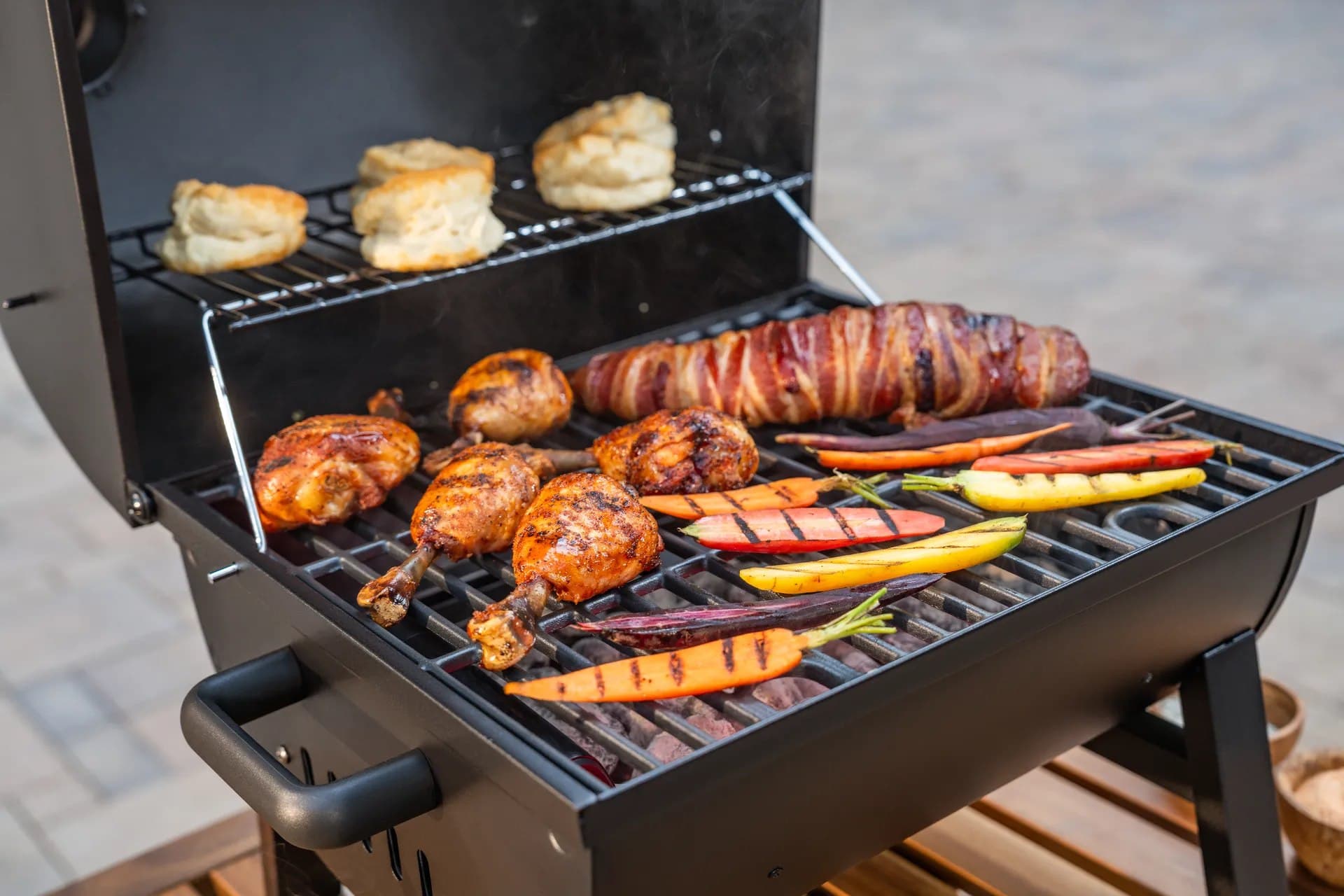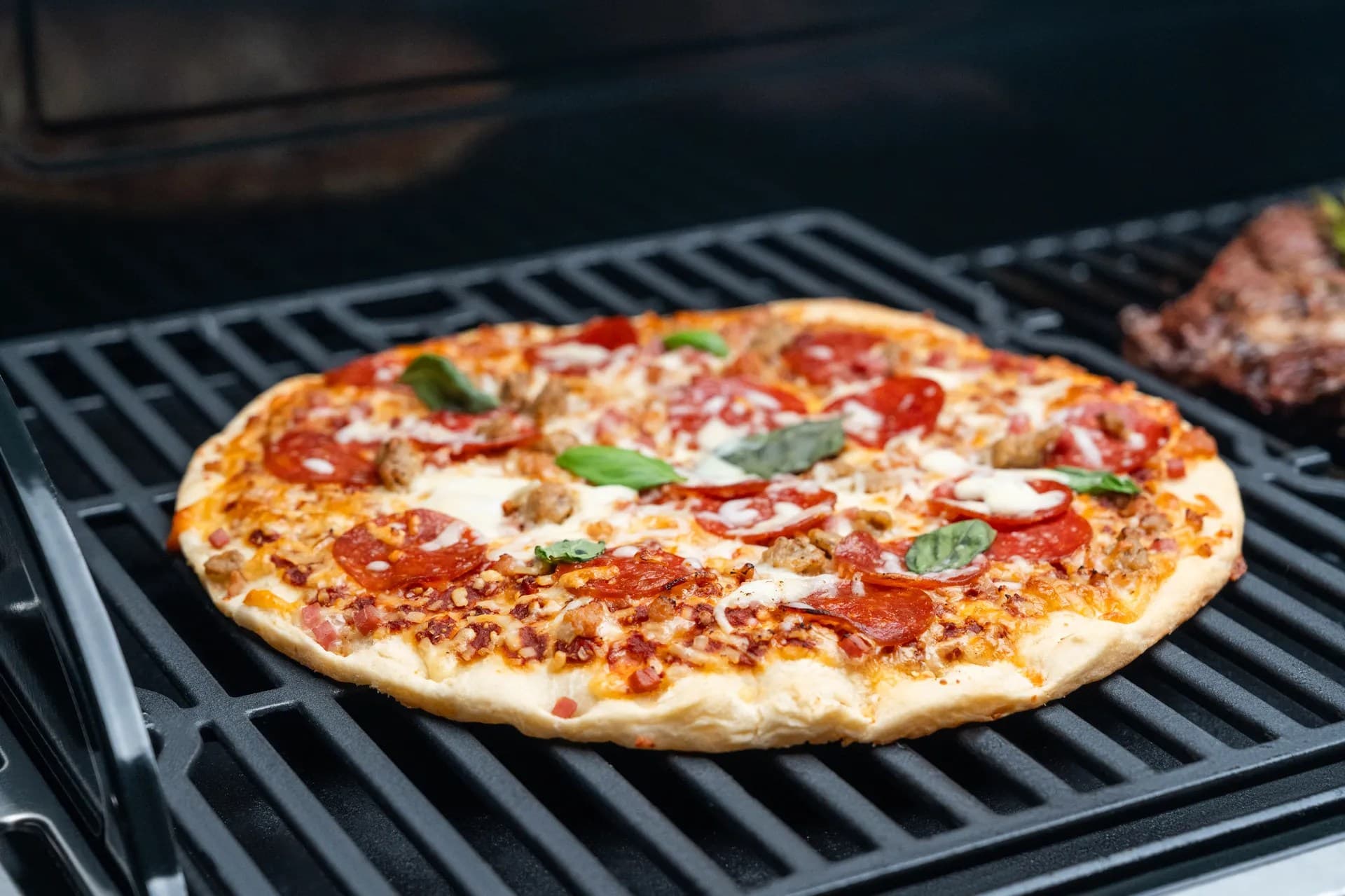
Discover simple and speedy marinades to elevate your meals without the wait.
Here's what sets us apart from the competition
We position ourselves as delivering high-end outdoor cooking features and performance without premium-brand pricing, emphasizing “Quality Grills. Unbelievable Value.”
We offer gas grills, pellet grills, griddles, smokers, pizza ovens, portable/tabletop grills, electric grills, accessories, and replacement parts — allowing customers to stay within one ecosystem for all outdoor cooking needs.
We differentiate ourselves through smart grilling products like the Oakford smart pellet grill, including app-connected cooking controls and modern outdoor cooking technology.

Expert tips, buying guides, comparisons, and inspiration for choosing and getting the most out of your grill.

Practical guides for cleaning, maintenance, common grill issues, and performance optimization.
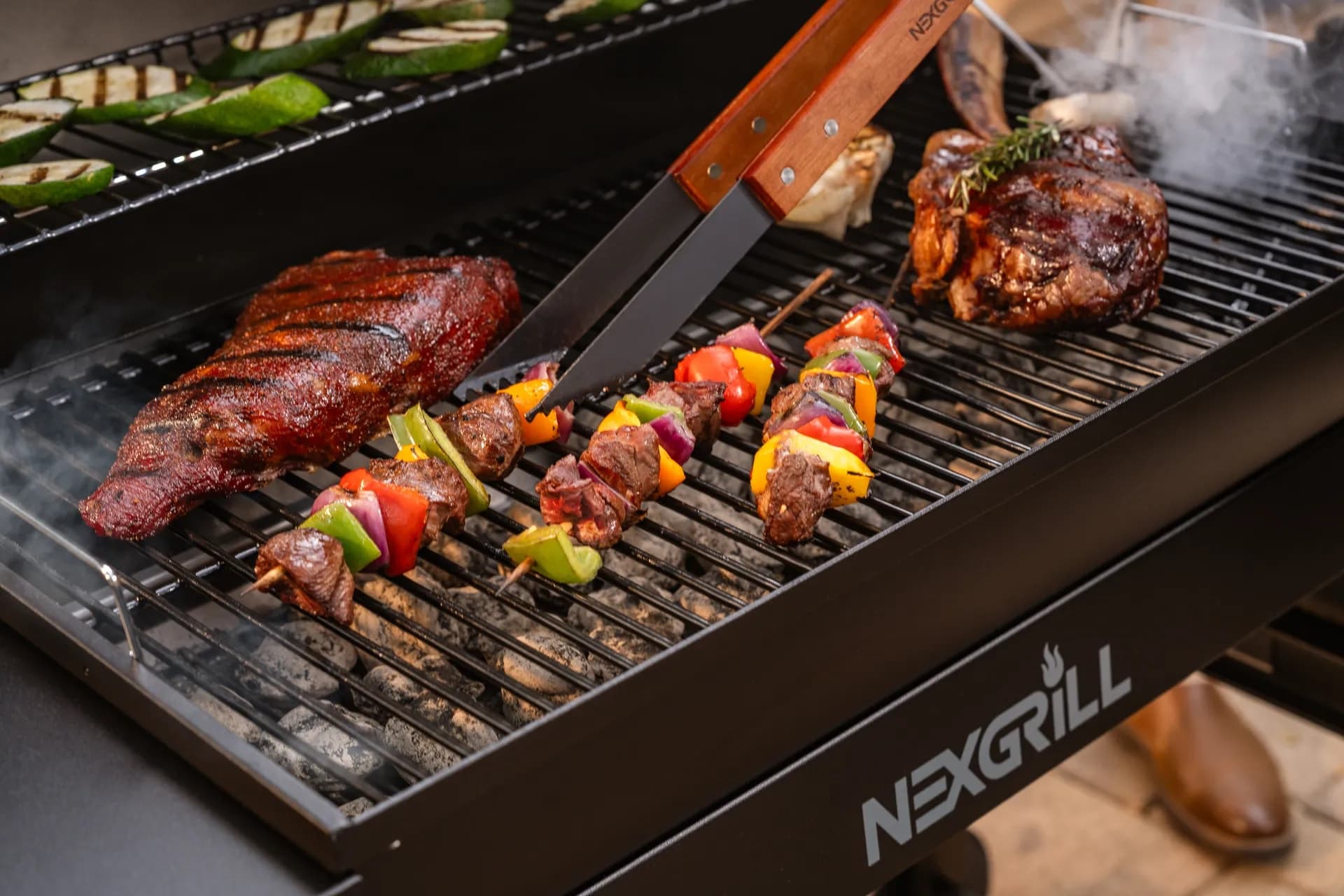
Step-by-step grilling recipes, cooking techniques, and meal ideas for every occasion and skill level.

Backyard entertaining ideas, seasonal grilling inspiration, and stories that celebrate outdoor cooking culture.
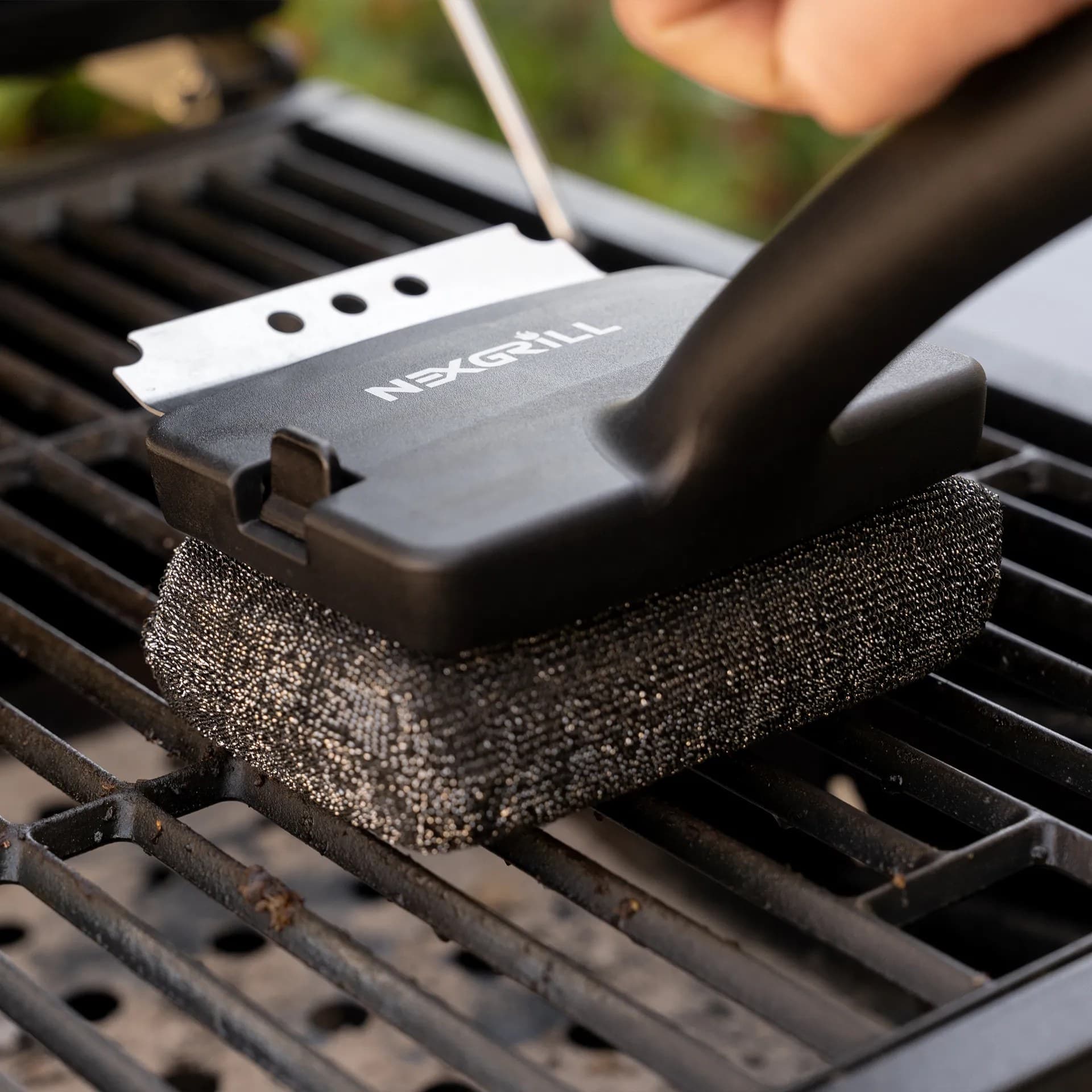
Helpful articles covering grilling tools, cookware, maintenance gear, and must-have accessories for outdoor cooking.
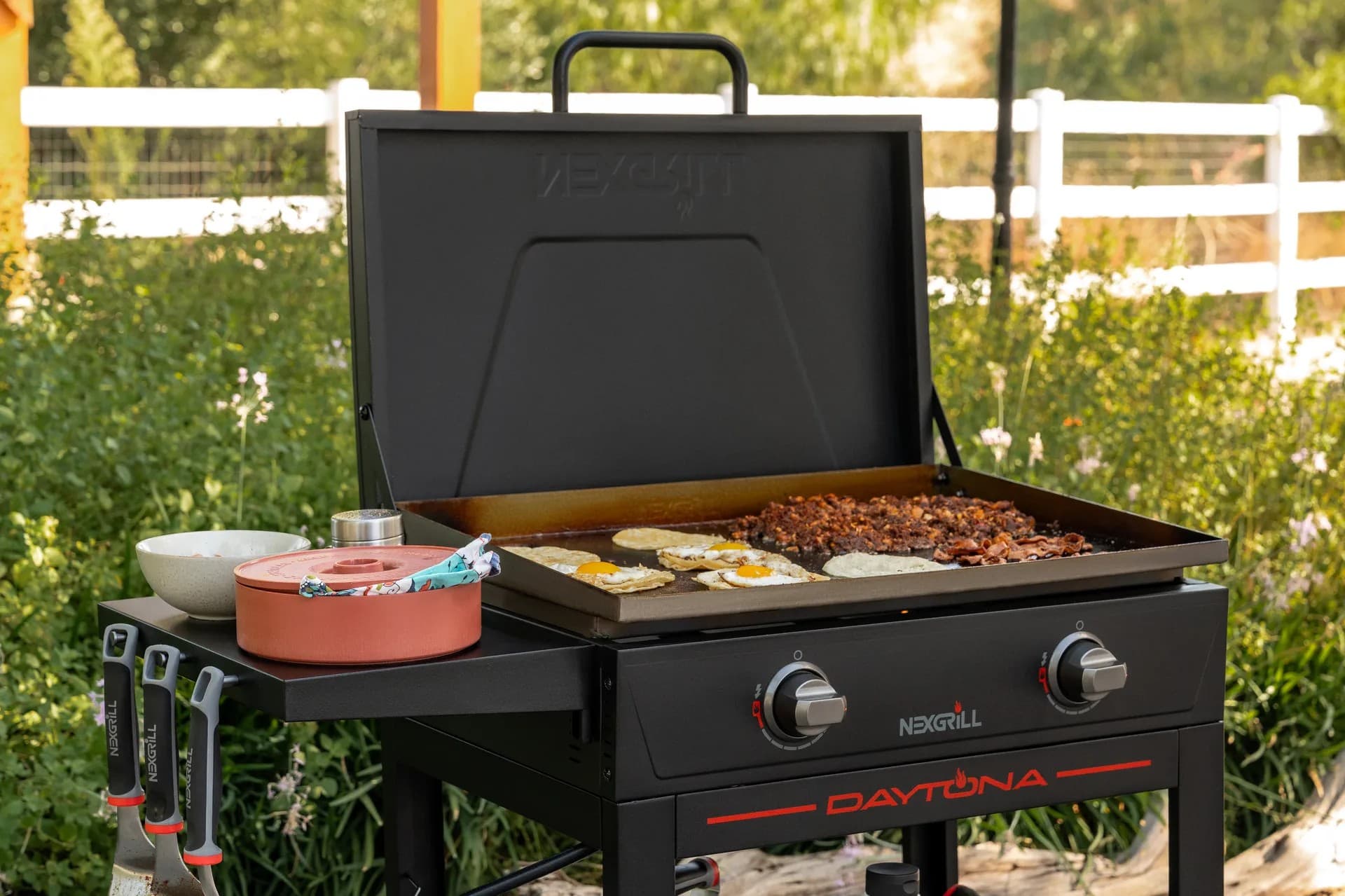
Find griddle recipes, cooking techniques, cleaning tips, and outdoor meal ideas designed for Nexgrill griddles.
Find answers to common questions
Nexgrill equipment is suitable for a variety of recipes including meats, vegetables, and even pizzas. Popular options include marinated steaks, grilled vegetables, and shrimp skewers.
To enhance the flavor of grilled vegetables, consider marinating them in olive oil, herbs, and spices before grilling. Alternatively, you can season them with salt and pepper during grilling for a more straightforward approach.
To achieve perfect grill marks, preheat your grill to a high temperature and ensure that the food is dry before placing it on the grill. Avoid moving the food too early, as it needs to sear properly to form those classic grill marks.
Using a meat thermometer is the most accurate way to ensure your grilled meat is at the desired temperature. For instance, chicken should reach an internal temperature of 165°F while medium-rare beef is typically at 135°F.
To clean your Nexgrill after cooking, allow it to cool and then use a grill brush to remove any residue from the grates. You can also wipe down the exterior with a damp cloth and mild soap to keep it looking its best.
In This Article
Lemon Herb Chicken Marinade
Spicy Honey Sriracha Marinade
Classic Teriyaki Marinade
Quick marinade ideas are for the nights when you want real flavor without planning dinner two days in advance. Instead of waiting overnight, you can build depth in minutes by using ingredients that move fast: acid for brightness, oil for carrying flavor, salt for seasoning, and aromatics for character. A good quick marinade is less about soaking and more about creating immediate contact between surface moisture and bold, balanced seasoning. That makes it especially useful for weeknight cooking, last-minute guests, and anyone who wants a better result without turning dinner into a project.
The biggest advantage of a quick marinade is flexibility. The same basic method can work for chicken thighs, shrimp, pork tenderloin, tofu, mushrooms, or sliced vegetables. You can keep the formula simple or add a regional flavor direction, depending on what you already have in the kitchen. In practice, quick marinades are more like flavor concentrates than long-term cures. They deliver immediate impact, and because they are built for speed, they often help you cook more confidently. If dinner changes at 5:30 p.m., you do not need a special shopping trip or an overnight plan.
Is often enough for a strong, fast marinade on thinner proteins and vegetables.
Quick marinades solve a practical problem: how to make dinner taste more deliberate when time is tight. For home cooks, the most obvious benefit is speed, but the deeper benefit is consistency. When you rely on a repeatable flavor formula, you can make chicken, salmon, or vegetables taste like they belong on the same table without re-learning the recipe every time. That matters for households that cook often and want variety without complexity.
Another benefit is ingredient efficiency. Quick marinades usually rely on pantry and fridge staples, so you can build something useful from what you already own. Olive oil, soy sauce, vinegar, citrus, garlic, mustard, honey, ginger, and dried spices can each play a role. Instead of buying a long list of specialty ingredients, you learn how to combine a few core elements in smarter ways. That approach also reduces waste, because a marinade can turn a modest amount of protein or produce into a full, flavorful meal.
For grilling and outdoor cooking, quick marinades have one more advantage: they help food cook with better surface character. A lightly seasoned exterior can promote browning, while balanced oil content helps prevent sticking on grates or pans. That does not mean a marinade replaces technique, but it does make the cooking process more forgiving. A well-marinated piece of chicken tends to taste seasoned all the way through the surface, not just on top. That is a small change that makes dinner feel more complete.
Tip: Think in flavor families, not just recipes. Citrus-herb, sweet-heat, and soy-ginger are easy starting points you can adapt to what is in the kitchen.
A strong quick marinade almost always starts with four parts: acid, fat, salt, and flavor builders. The acid may come from lemon juice, lime juice, vinegar, yogurt, or even a splash of pickle brine. Its job is to brighten the food and help surface seasoning take hold. The fat, usually oil, helps carry aromatics and keeps the marinade from tasting sharp or thin. Salt is what makes the rest of the flavor register clearly. Without it, a marinade can taste lively in the bowl and flat on the plate. Finally, flavor builders such as garlic, herbs, chili paste, ginger, mustard, maple syrup, or soy sauce give the marinade identity.
The best quick marinades also pay attention to balance. Too much acid can make delicate proteins taste overly sharp. Too much sugar can cause scorching on hot surfaces. Too little salt can leave the food underseasoned. For that reason, quick marinades are best handled with a measuring spoon and some discipline the first few times you make them. Once you understand the ratios, you can improvise more freely. A marinade that tastes pleasantly bold in the bowl is usually ready to do its job.
| Ingredient role | Common examples | Why it matters |
|---|---|---|
| Acid | Lemon juice, lime juice, vinegar | Adds brightness and keeps flavor from feeling heavy |
| Fat | Olive oil, avocado oil, sesame oil | Carries seasonings and helps with browning |
| Salt | Soy sauce, kosher salt, miso | Pulls the flavor together and seasons more evenly |
| Aromatics | Garlic, ginger, herbs, onion powder | Creates a distinct flavor profile |
If you want a fast place to begin, build around a few reliable flavor directions. One of the most useful is a lemon herb mix: olive oil, lemon juice, garlic, parsley, thyme, and black pepper. It works well on chicken, fish, zucchini, and asparagus because it tastes clean and fresh rather than heavy. Another dependable choice is a soy-ginger blend with sesame oil, soy sauce, grated ginger, garlic, and a touch of brown sugar. That profile gives you savory depth with just enough sweetness to help browning.
For richer, more crowd-pleasing meals, a honey mustard marinade can be a strong option. It combines mustard, honey, oil, garlic, and a little vinegar for a sauce-like flavor that suits pork chops and chicken thighs. If you prefer something brighter and more modern, a lime chili marinade can bring heat and citrus together for shrimp, steak strips, or portobello mushrooms. Each of these quick marinade ideas works because it is simple, repeatable, and easy to scale up or down depending on how much food you are cooking.
Warning: Sugar-heavy marinades can burn quickly over high heat. If your marinade includes honey, maple syrup, or brown sugar, wipe off excess before cooking and watch the heat closely.
The most effective quick marinating starts with contact. Use a shallow dish or a resealable bag so the food is coated evenly, and turn it once or twice while it rests. For thin pieces, 10 to 20 minutes may be enough. For denser cuts such as pork tenderloin or thicker chicken pieces, 30 minutes to an hour can improve flavor without becoming overpowering. The goal is not to flood the ingredient, but to let the surface seasoning work efficiently.
Temperature and timing matter, too. Very acidic marinades can change the surface texture of delicate foods if they sit too long, so seafood and tender vegetables usually need shorter times than beef or chicken. Also remember that a marinade is not a substitute for safe cooking. Raw marinade that touched uncooked food should not be reused unless it has been boiled or otherwise handled safely. If you want a glaze or sauce for serving, set some aside before the food goes in.
A useful mindset is to taste the marinade before it touches the food. It should be bold enough to seem slightly intense on its own, because the food will dilute it once it is coated. That is especially true for quick marinades, where time does not do the heavy lifting. Flavor has to be present from the start. When you approach it that way, even a simple marinade can make a weeknight meal feel intentional and well-seasoned.
Quick marinades are one of the easiest ways to improve everyday cooking without adding stress. They help you season food more evenly, build flavor faster, and make a simple meal feel more finished. Whether you are cooking for yourself, your family, or a last-minute gathering, having a few go-to marinade formulas on hand gives you flexibility when time is short and expectations are high. Try comparing two products side by side below to see which fits best:
Lemon herb chicken marinade is the kind of quick solution that earns a permanent place in the kitchen because it is bright, versatile, and easy to remember. The basic formula is simple: olive oil, lemon juice, garlic, parsley, thyme, salt, and black pepper. That combination gives chicken a clean, lively flavor that feels fresh enough for spring meals but still works year-round. It is particularly useful for boneless chicken breasts, thighs, and skewers because the marinade adds flavor without masking the natural taste of the meat. If you are cooking on a grill or in a hot skillet, this marinade also encourages a pleasant browned exterior when the excess is patted away before cooking.
The practical reason this marinade works so well is balance. Lemon provides acidity, but the oil softens the edge. Garlic adds savoriness, while the herbs give the chicken a more finished, restaurant-style profile. For a deeper result, you can add a small spoonful of Dijon mustard or a pinch of paprika. That changes the marinade without making it complicated. If you want to stretch the same idea across a week, use it once for chicken and again on salmon or vegetables. A good quick marinade should be flexible enough to earn repeat use rather than becoming a one-off recipe.
| Component | Suggested amount | Purpose |
|---|---|---|
| Olive oil | 3 tablespoons | Carries flavor and helps browning |
| Lemon juice | 2 tablespoons | Adds brightness and tenderness |
| Garlic | 2 cloves, minced | Builds savory depth |
| Fresh herbs | 1 tablespoon | Adds fragrance and freshness |
Tip: For thin chicken cutlets, 15 to 20 minutes is often enough. For thicker pieces, aim for 30 to 60 minutes so the seasoning has time to settle in.
Spicy honey sriracha marinade is built for cooks who want quick flavor with a sweet-heat finish. Honey brings roundness, sriracha adds chili heat, lime juice sharpens the profile, and neutral oil ties everything together. This combination is especially effective on chicken wings, shrimp, pork, and firm tofu because it gives each ingredient a glossy, punchy coating that tastes bold even after a short rest. The sweetness helps the mixture cling, while the lime keeps it from becoming one-dimensional.
What makes this marinade especially useful is that it can function in more than one role. Used briefly, it is a marinade. Reduced carefully, it can become a glaze. That means one mixture can carry you from prep to serving without adding another complicated sauce. If you are cooking for a group with mixed preferences, you can also control the heat level by adjusting the sriracha instead of rebuilding the whole recipe. More sriracha gives stronger heat and more aroma; less sriracha gives a sweeter, milder coating that still feels flavorful.
Because honey can brown quickly, this marinade is best used with moderate heat and careful timing. Pat excess off the surface before searing so the food browns rather than burns. That extra step matters most on a grill or in a cast-iron pan where heat concentrates quickly. If you want a balanced result, pair the dish with something cool and crisp such as cabbage slaw, cucumber salad, or rice. The contrast makes the sweet heat stand out without overwhelming the plate.
Classic teriyaki marinade remains one of the best quick marinade ideas because it delivers a familiar savory-sweet profile that works on almost everything. Soy sauce provides salt and umami, mirin or a touch of sugar adds sweetness, rice vinegar contributes balance, ginger gives warmth, and sesame oil adds aroma. This kind of marinade is especially effective for chicken thighs, salmon, steak tips, mushrooms, and even broccoli. It is a strong choice when you want dinner to feel organized and complete with very little extra work.
The strength of teriyaki is its structure. It does not rely on one dominant flavor note. Instead, the ingredients support one another so the result tastes rounded and intentional. If you want to make it more weeknight-friendly, use pantry substitutions such as honey in place of mirin or rice vinegar in place of more specialized ingredients. You can also whisk in grated garlic or a small amount of orange zest for a slightly different finish. This is one of those marinades that gets better as you learn how to tune it to your own table.
Info: Teriyaki-style marinades are ideal when you want strong flavor in a short window, but they work best on foods that can handle a savory-sweet profile without becoming too delicate.
If you want more variety, think of quick marinades as templates rather than fixed formulas. A balsamic garlic version works well for steak, portobello mushrooms, and roasted vegetables because the vinegar adds depth and the garlic brings a familiar savory edge. A yogurt-based marinade is another useful option for chicken, especially when you want tenderness and a spiced finish. Yogurt pairs well with cumin, coriander, paprika, garlic, and lemon, creating a richer texture than a simple oil-and-acid mix. For seafood, a citrus dill marinade can be incredibly effective because it stays light and aromatic instead of burying the natural flavor of the fish.
You can also keep a practical pantry marinade in rotation for busy nights: soy sauce, brown sugar, garlic powder, onion powder, a splash of vinegar, and oil. It is not fancy, but it is reliable, and reliability matters when the goal is to get dinner on the table quickly. The point of these recipes is not to chase complexity. It is to make your everyday cooking more adaptable so you can respond to what is in the fridge, what is in season, and how much time you actually have.
| Quick marinade style | Best use | Flavor result |
|---|---|---|
| Balsamic garlic | Steak, mushrooms, vegetables | Deep, savory, slightly tangy |
| Yogurt spice | Chicken, kebabs | Tender, creamy, aromatic |
| Citrus dill | Fish, shrimp, vegetables | Light, fresh, bright |
The most important technique in quick marinating is matching the marinade to the ingredient. Delicate foods like shrimp or thin fish fillets need a shorter window because acid works fast. Chicken and pork can usually tolerate more time, and vegetables often need just a light coat and a brief rest. If you are slicing meat into smaller pieces before marinating, you increase surface area and help the flavor move faster. That is one of the easiest ways to make a quick marinade feel even quicker.
Another helpful practice is separating the marinade into two portions before adding raw food if you want extra sauce for serving. This keeps your finishing sauce clean and avoids cross-contamination. If you are planning to grill, remove excess marinade before the food goes on the heat so the exterior caramelizes instead of steaming. For pan cooking, a hot pan and a dry surface are usually better than too much liquid in the skillet. A quick marinade is meant to support browning, not prevent it.
Finally, keep notes on what worked. One batch may be too acidic, another too sweet, and a third may be perfect. The advantage of quick marinades is that they are easy to tweak in tiny increments. A little more honey, a little less vinegar, an extra clove of garlic, or a splash of citrus zest can move the flavor in the direction you want. That makes them a practical tool for everyday cooking, not just a recipe category.
Quick marinade ideas are valuable because they make good flavor accessible on ordinary schedules. You do not need to wait overnight to make chicken taste brighter, shrimp taste bolder, or vegetables taste more complete. With a few dependable formulas, you can adjust dinner to your mood, your ingredients, and your timeline. The more you use quick marinades, the easier it becomes to cook with confidence and variety, even when the clock is not on your side.
Here's what sets us apart
We position ourselves as delivering high-end outdoor cooking features and performance without premium-brand pricing, emphasizing “Quality Grills. Unbelievable Value.”
We offer gas grills, pellet grills, griddles, smokers, pizza ovens, portable/tabletop grills, electric grills, accessories, and replacement parts — allowing customers to stay within one ecosystem for all outdoor cooking needs.
We differentiate ourselves through smart grilling products like the Oakford smart pellet grill, including app-connected cooking controls and modern outdoor cooking technology.
Don't just take our word for it
Keep reading
From our catalog