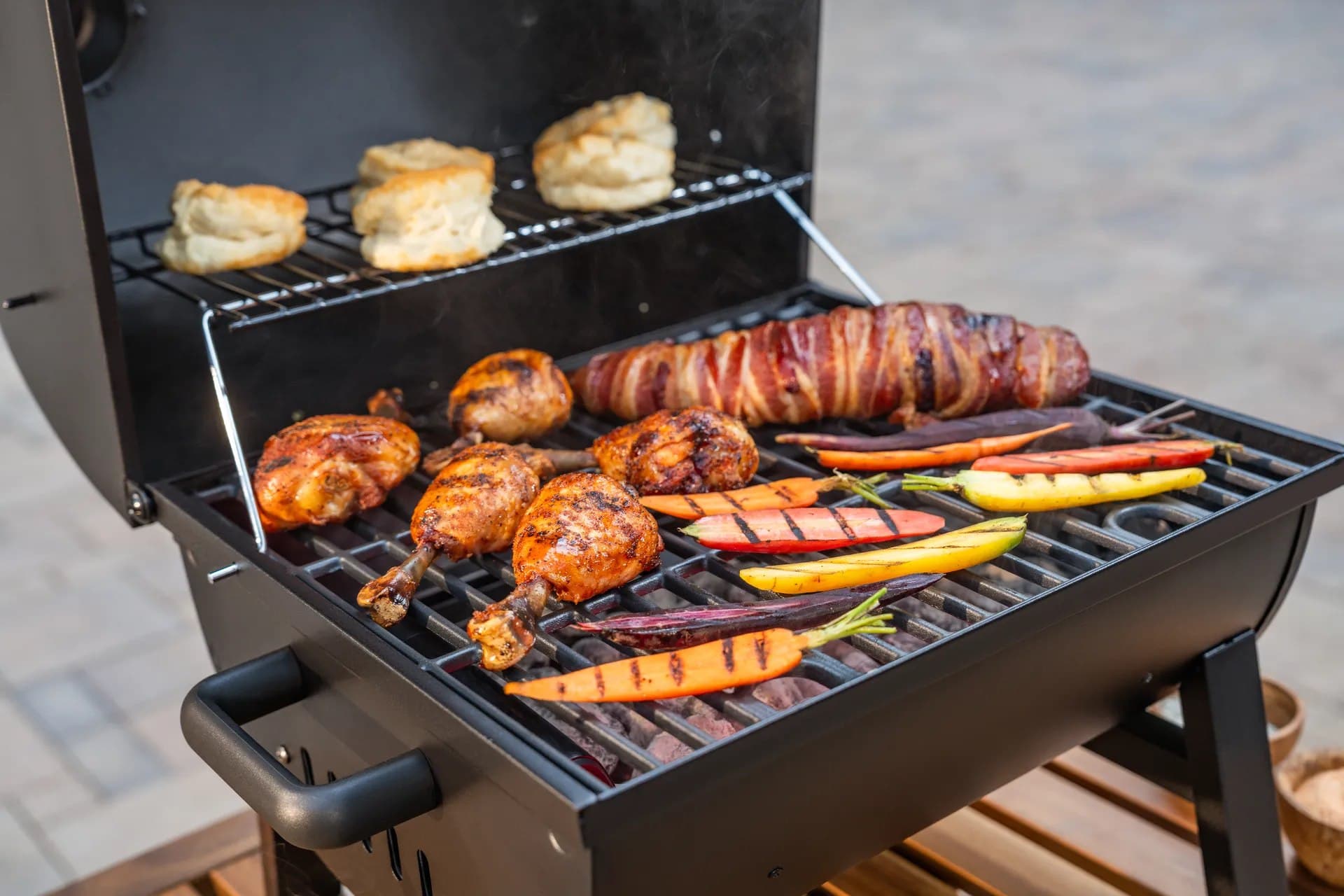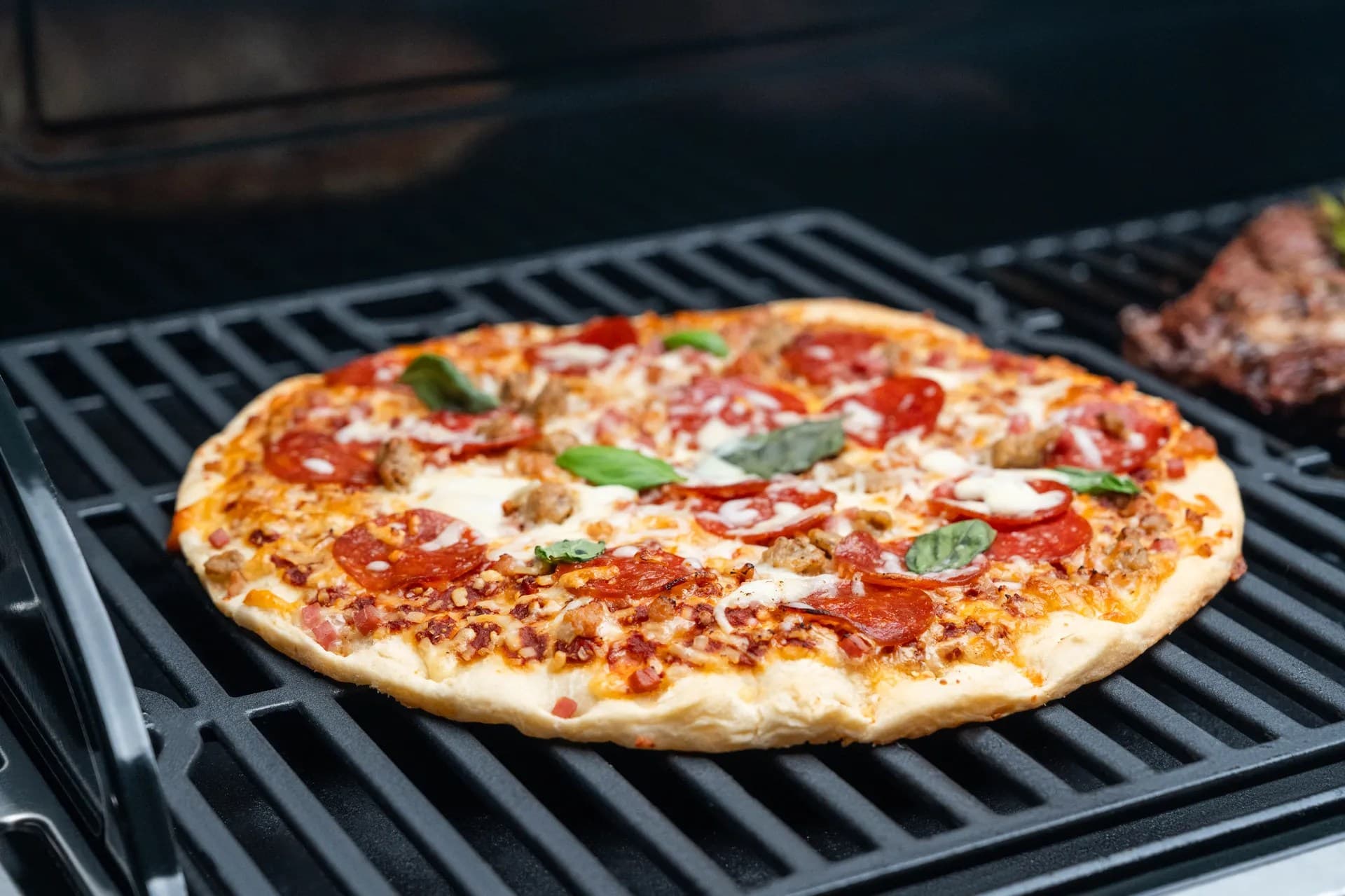
Enhance your grilling experience with these flavorful and easy-to-prepare side dishes.
Here's what sets us apart from the competition
We position ourselves as delivering high-end outdoor cooking features and performance without premium-brand pricing, emphasizing “Quality Grills. Unbelievable Value.”
We offer gas grills, pellet grills, griddles, smokers, pizza ovens, portable/tabletop grills, electric grills, accessories, and replacement parts — allowing customers to stay within one ecosystem for all outdoor cooking needs.
We differentiate ourselves through smart grilling products like the Oakford smart pellet grill, including app-connected cooking controls and modern outdoor cooking technology.
Expert tips, buying guides, comparisons, and inspiration for choosing and getting the most out of your grill.
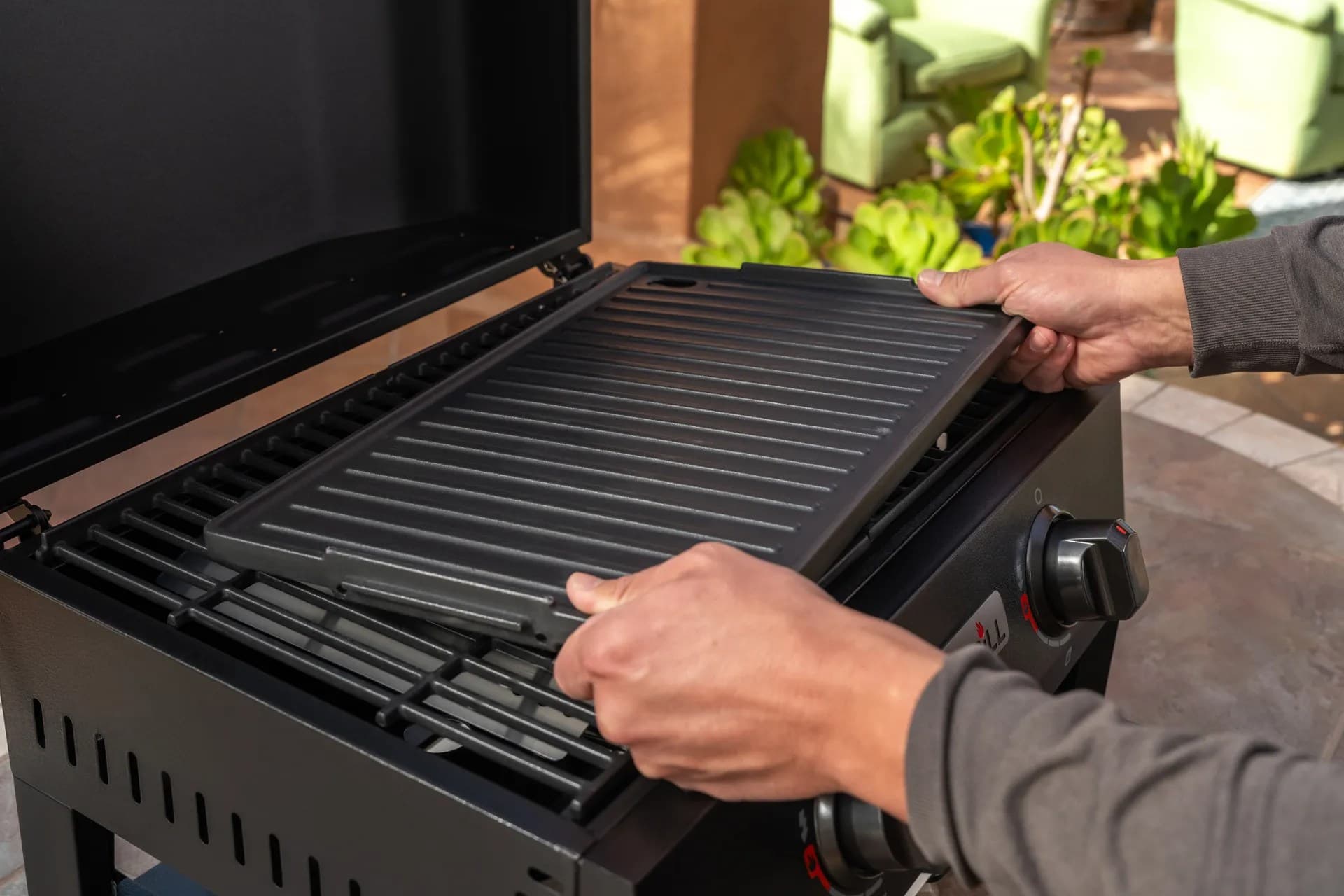
Practical guides for cleaning, maintenance, common grill issues, and performance optimization.
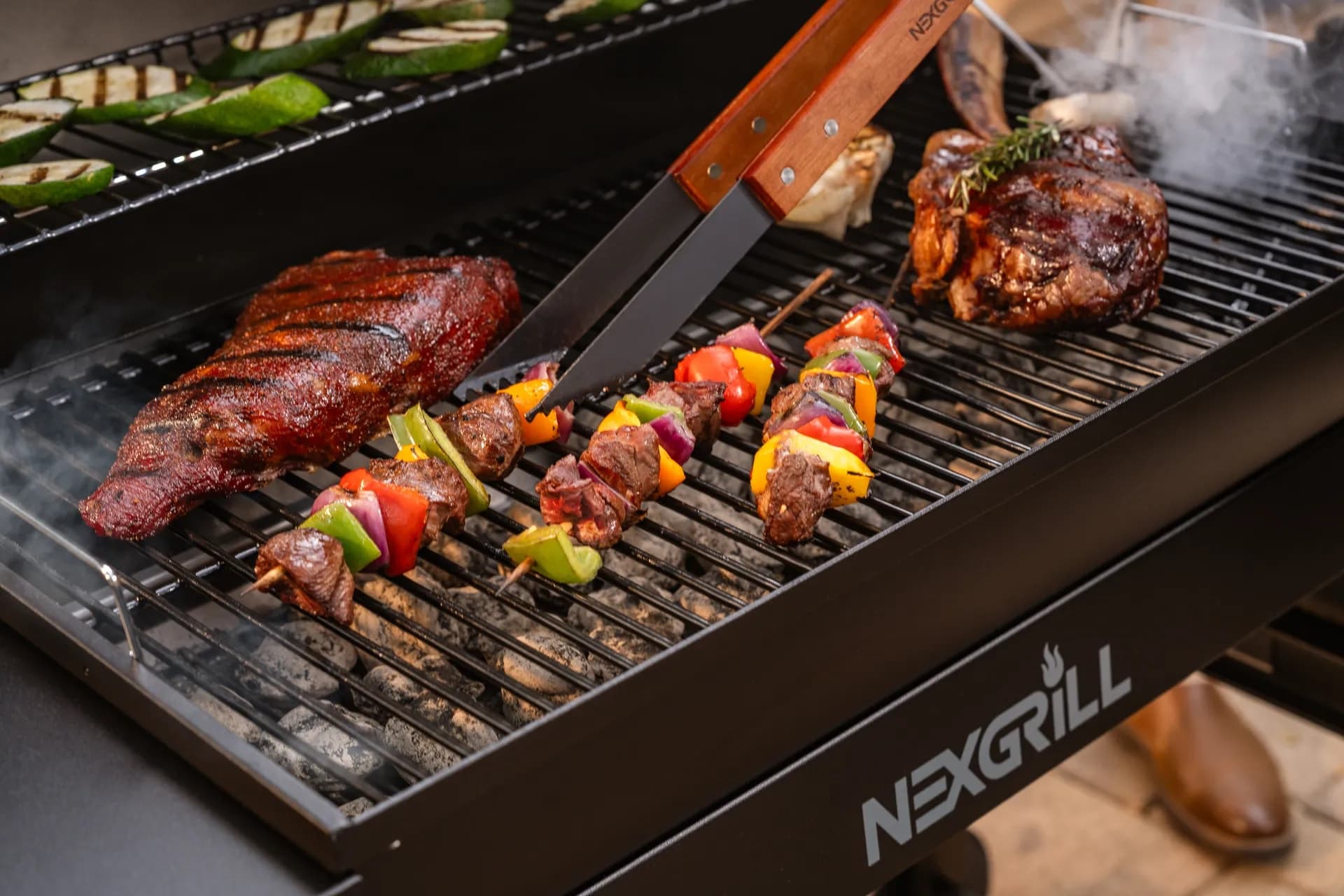
Step-by-step grilling recipes, cooking techniques, and meal ideas for every occasion and skill level.
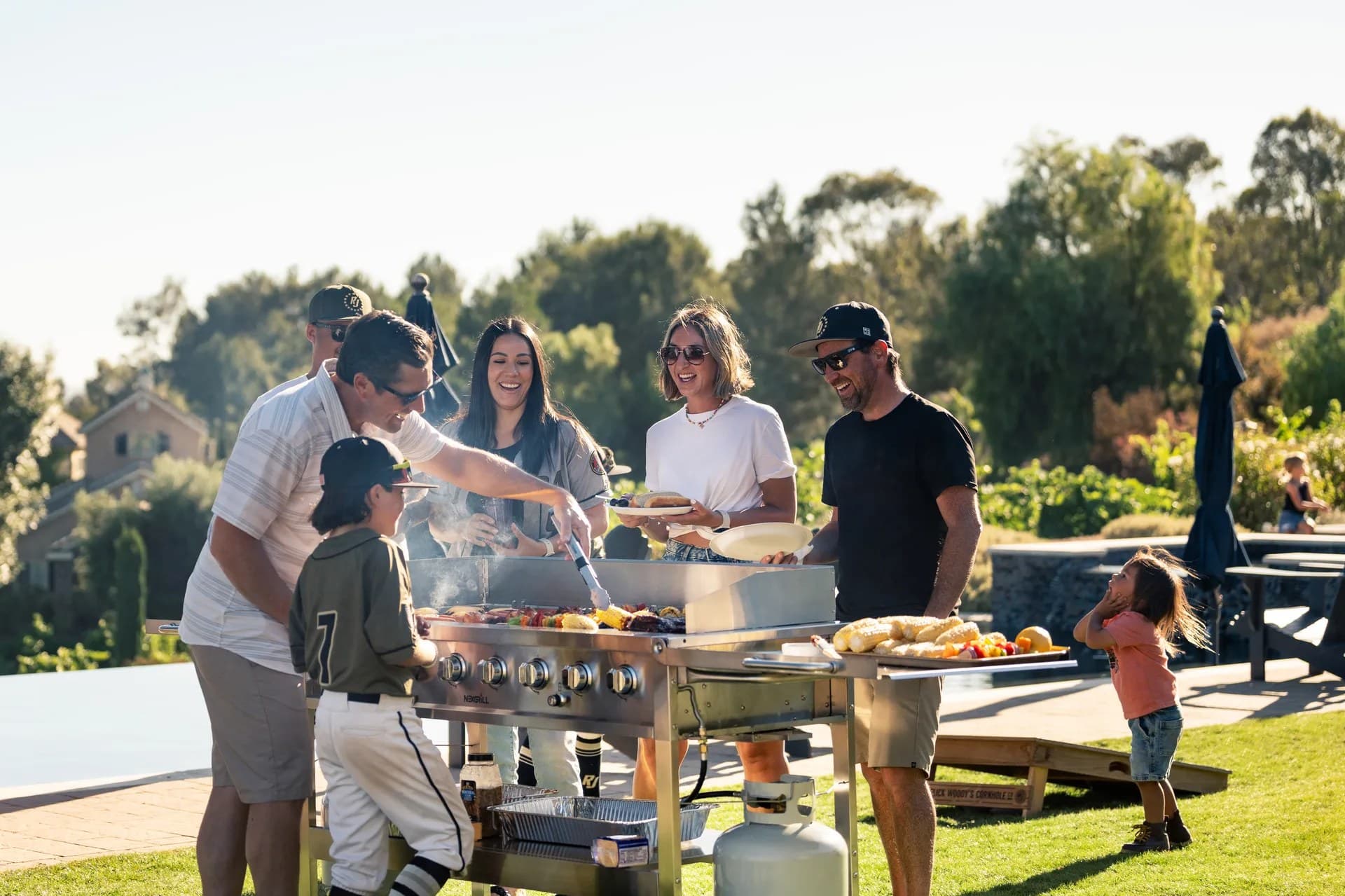
Backyard entertaining ideas, seasonal grilling inspiration, and stories that celebrate outdoor cooking culture.
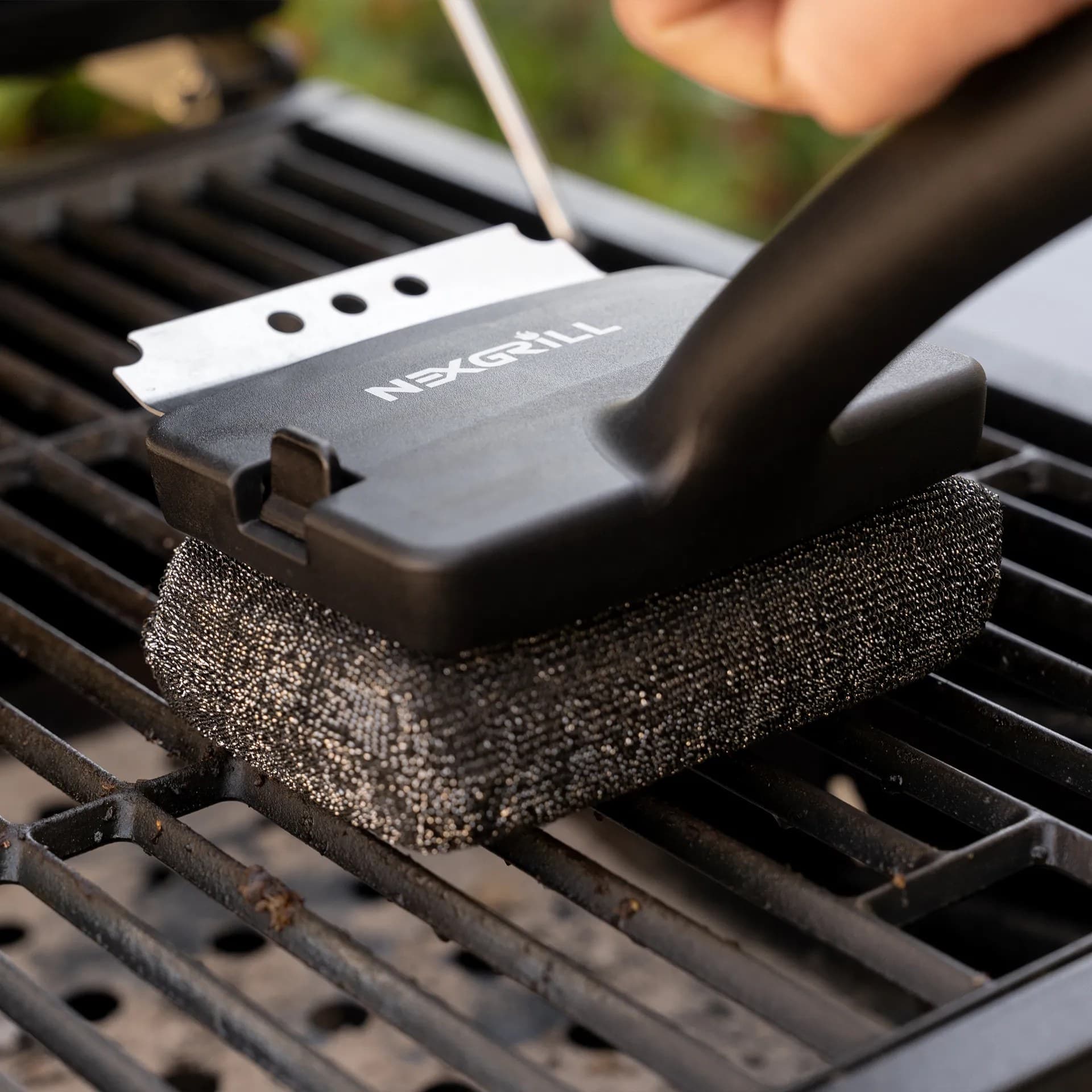
Helpful articles covering grilling tools, cookware, maintenance gear, and must-have accessories for outdoor cooking.
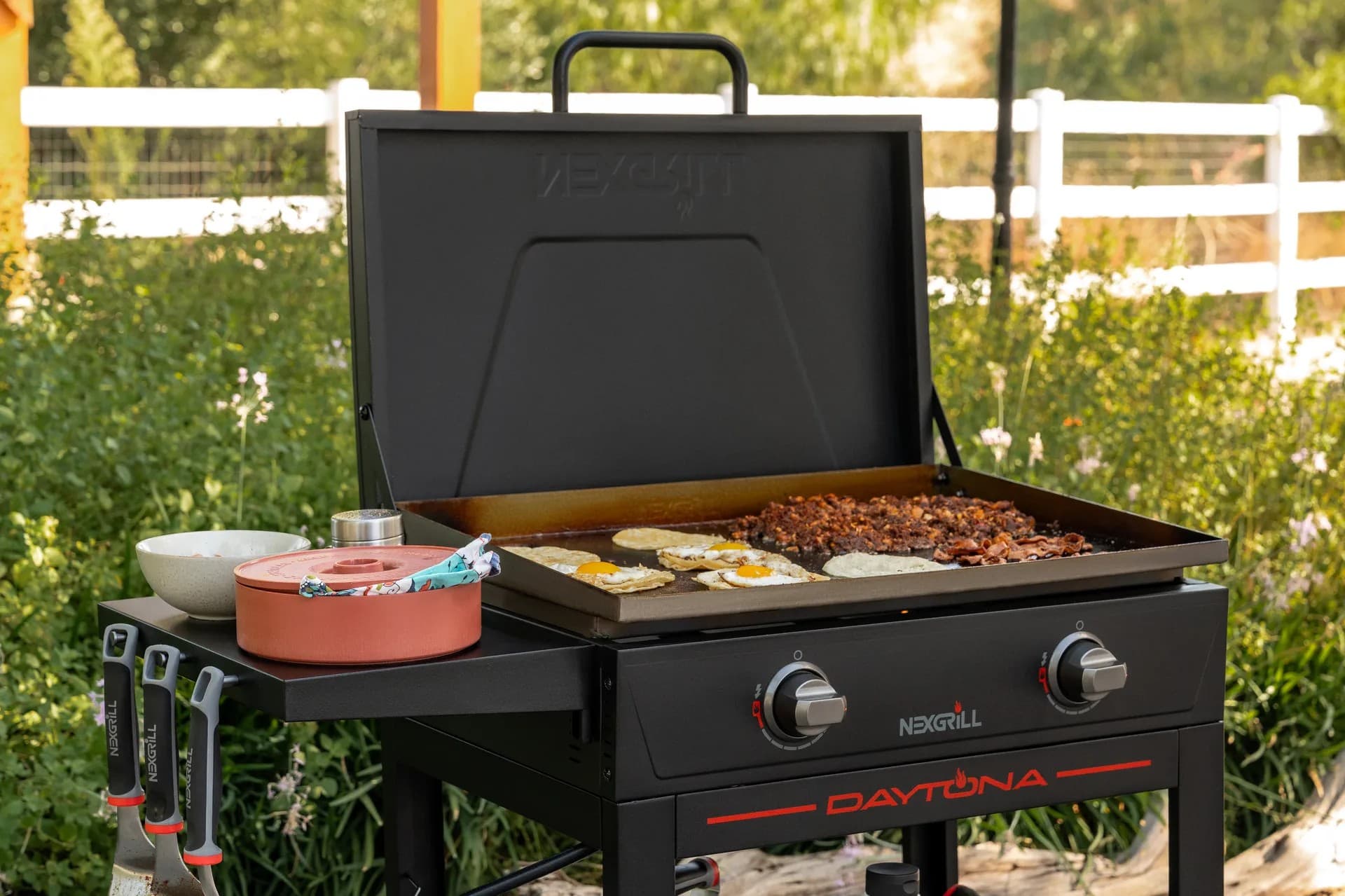
Find griddle recipes, cooking techniques, cleaning tips, and outdoor meal ideas designed for Nexgrill griddles.
Find answers to common questions
Nexgrill equipment is suitable for a variety of recipes including meats, vegetables, and even pizzas. Popular options include marinated steaks, grilled vegetables, and shrimp skewers.
To enhance the flavor of grilled vegetables, consider marinating them in olive oil, herbs, and spices before grilling. Alternatively, you can season them with salt and pepper during grilling for a more straightforward approach.
To achieve perfect grill marks, preheat your grill to a high temperature and ensure that the food is dry before placing it on the grill. Avoid moving the food too early, as it needs to sear properly to form those classic grill marks.
Using a meat thermometer is the most accurate way to ensure your grilled meat is at the desired temperature. For instance, chicken should reach an internal temperature of 165°F while medium-rare beef is typically at 135°F.
To clean your Nexgrill after cooking, allow it to cool and then use a grill brush to remove any residue from the grates. You can also wipe down the exterior with a damp cloth and mild soap to keep it looking its best.
In This Article
Grilled Corn on the Cob
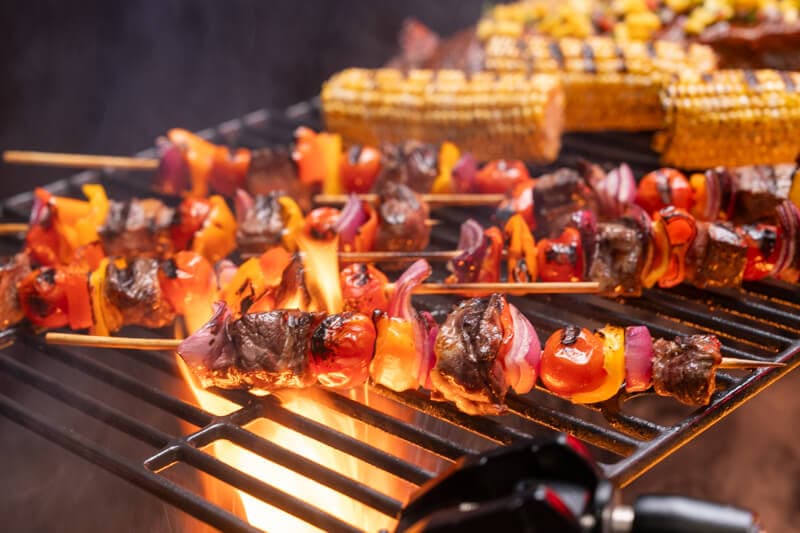
Grilled Vegetable Skewers
Garlic Butter Grilled Asparagus
A great grilled meal is rarely about the main protein alone. What makes a backyard dinner feel complete is the mix of flavors, textures, and temperatures on the plate. The best side dishes for grilled meals do more than fill space: they balance smoky char with freshness, add color to the table, and give guests something memorable to talk about while the grill is still working. When your main course is steak, chicken, burgers, ribs, or seafood, the right sides can make the entire meal feel more intentional and restaurant-worthy.
The most effective grilled sides usually follow one of three roles. Some add sweetness, like corn or pineapple, which plays well with the savory crust from the grill. Others add freshness, like romaine or vegetable skewers, which cut through rich meats and heavier sauces. A third group brings earthy depth, such as mushrooms or sweet potatoes, giving the plate substance without overpowering the main item. Thinking this way helps you build a menu that feels balanced rather than random.
If you are cooking for a weekend crowd, side dishes also solve a practical problem: they let you stretch the meal without making the cook do all the work at the last minute. Many of the best options can be prepared while the grill is already hot, which saves time and keeps cleanup manageable. That matters whether you are hosting a casual family dinner or planning a larger outdoor gathering. With a few smart techniques, even simple ingredients can become the part of the meal people remember most.
Tip: Build grilled sides around contrast. If the main dish is rich and smoky, choose a bright or juicy side. If the protein is lean, add a side with butter, oil, or caramelized sugars for extra depth.
Featured side dishes that work with everything from burgers to salmon
The six sides in this guide were chosen because they cover different grilling styles, skill levels, and flavor profiles. Grilled corn on the cob is the classic everyone expects, while grilled romaine lettuce and grilled pineapple feel a little more unexpected and can make a menu feel more creative. Grilled sweet potatoes and mushrooms bring deeper flavor and help round out a plate, while vegetable skewers are useful because they can absorb marinades and use whatever produce is in season. Garlic butter grilled asparagus, meanwhile, is one of the easiest ways to make a simple vegetable feel special.
The goal is not to force every side onto every menu. Instead, think about what each dish contributes. Corn adds sweetness and a little smoke. Vegetables on skewers create variety. Asparagus brings elegance and speed. Sweet potatoes make the meal more filling. Romaine gives you a grilled salad with crunch and char. Mushrooms add savory richness. Pineapple offers a fresh finish that works especially well with pork and chicken. When you match those roles to the meal, your sides stop being an afterthought and start becoming part of the strategy.
Grilled corn on the cob remains one of the easiest and most satisfying side dishes because it performs well with very little effort. The natural sugars in corn caramelize over direct heat, giving the kernels a deeper flavor than boiling ever can. You can grill corn in the husk for a steamed, slightly sweet result, or peel it back and grill it directly for more char and smoke. Either approach works, but the method you choose should match the meal. For a very smoky, burger-style cookout, direct grilling gives the stronger flavor. For a more delicate menu, the husk method keeps the corn tender and juicy.
One reason corn belongs in almost any grilling lineup is that it works with many seasonings. Butter and salt are the starting point, but you can move in a Tex-Mex direction with chili powder, lime, and cotija-style cheese, or keep it simple with herb butter and cracked pepper. The key is to season after grilling so the toppings cling to the hot kernels without burning on the grates. If you are serving a crowd, grilled corn also has the advantage of being easy to hold warm wrapped in foil for a few minutes while the main protein finishes.
Grilled vegetable skewers are one of the best ways to make a side dish feel abundant, colorful, and practical at the same time. Because the pieces are cut into similar sizes, they cook evenly and can be seasoned with a single marinade before hitting the grill. Bell peppers, red onions, zucchini, mushrooms, cherry tomatoes, and squash all work well, though the exact mix should reflect the season and what is fresh near you. A simple oil-based marinade with garlic, lemon, salt, and herbs often performs better than a heavy sauce because it encourages browning without making the vegetables soggy.
Skewers are especially useful when you want a side dish that feels lighter but still satisfies guests who expect something substantial. They bring texture variety to the table, and the charred edges create a flavor boost that can make vegetables appealing even to guests who usually skip them. If you are using wooden skewers, soaking them first is worthwhile to prevent scorching. Metal skewers are more reusable and can help transfer heat through denser vegetables, but either option works as long as the pieces are arranged with enough spacing for airflow.
Garlic butter grilled asparagus is a side dish that looks refined but is actually very easy to execute. Asparagus is quick-cooking, which makes it especially useful when your grill is already hot for steaks, chicken breasts, or salmon. The spears need only a light coating of oil, a little salt, and enough heat to create slight blistering without turning mushy. Once off the grill, a garlic butter finish adds richness and aroma. The result is a side that tastes deliberate and polished, even though the process is simple.
This dish works best when the asparagus spears are of similar thickness so they cook at the same rate. Thick spears can hold up to a hotter grill and still stay tender in the center, while thinner spears benefit from a shorter cook time and a little more attention. If you want to move the flavor in a different direction, a squeeze of lemon or a dusting of parmesan can shift the dish from classic steakhouse style to something brighter. That flexibility makes asparagus one of the most versatile vegetable sides for grilled meals.
Grilled sweet potatoes bring a welcome contrast to savory proteins because they combine natural sweetness with a lightly smoky exterior. Unlike fries or mashed sweet potatoes, grilling adds a charred edge that deepens the flavor and keeps the texture interesting. The easiest method is to slice the potatoes into planks or thick rounds, coat them with oil, season well, and cook over medium heat until they are tender enough to pierce with a fork. A little spacing between pieces matters, because overcrowding traps steam and prevents browning.
Sweet potatoes are especially useful when you want a side dish that feels hearty enough for ribs, brisket, or thick-cut chicken thighs. You can keep the seasoning simple with salt, pepper, and smoked paprika, or lean into a sweeter profile with cinnamon and maple butter after grilling. In either case, the grill’s caramelizing effect does most of the work. That makes sweet potatoes one of the best options for anyone who wants a side that looks like effort but doesn’t demand much more than prep time and steady heat.
Grilled romaine lettuce is a smart choice when you want a side that feels lighter but still belongs on a grilled menu. The outer leaves pick up a little smoke and char, while the inner leaves stay crisp enough to give the salad structure. The trick is to halve the heads lengthwise, brush the cut sides with oil, and place them briefly over direct heat just long enough to mark the surface. Too much time on the grill will collapse the leaves, so this is more about a quick sear than a long cook.
Once the romaine comes off the grill, it pairs well with a wide range of toppings. A lemony vinaigrette, shaved parmesan, cherry tomatoes, or even crumbled bacon can turn it into a side that feels complete without becoming heavy. It is especially effective next to rich meats because the bitterness and crunch bring balance to the plate. For hosts who like to offer something a little unexpected, grilled romaine can serve as a conversation starter while still staying practical and easy.
Grilled mushrooms are one of the most reliable ways to add savory depth to a meal. Their natural umami flavor intensifies on the grill, especially when they are brushed with oil and seasoned well before cooking. Larger varieties such as portobello or cremini hold up particularly well because they release less moisture than delicate mushrooms and keep a meaty texture. You can cook them whole, sliced, or threaded onto skewers with other vegetables, depending on how you want them to function on the plate.
Mushrooms are especially good with beef, lamb, and grilled chicken because their flavor mirrors the char and richness of the main course. They can be finished with garlic, herbs, balsamic glaze, or just a bit of butter after grilling. If you are building a menu that needs a bridge between the protein and the lighter sides, mushrooms do that job beautifully. They add body without feeling heavy, and they are one of the few vegetable sides that can hold their own next to a steak.
Grilled pineapple is a simple side that brings brightness to a meal and works especially well with spicy or smoky proteins. The grill concentrates the fruit’s natural sweetness and adds a light caramel note that pairs well with pork, chicken, shrimp, and even barbecue sauces. Thick slices or rings are easier to handle than thin pieces because they hold their shape better over direct heat. A quick brush of oil can prevent sticking, though many cooks prefer to grill pineapple plain and finish it after it comes off the grate.
What makes pineapple so useful is its flexibility. It can be served as a fresh-tasting side, a salsa ingredient, or even a dessert-adjacent element on the same table. A pinch of cinnamon, a drizzle of honey, or a little lime juice can push the flavor in different directions. For a summer cookout, grilled pineapple adds a bright, refreshing note that can reset the palate between bites of richer food. That makes it one of the easiest ways to give your menu a more complete flavor arc.
The best grilled side dishes do not compete with the main course; they complete it. Corn, vegetable skewers, asparagus, sweet potatoes, romaine, mushrooms, and pineapple each contribute something different, from sweetness and char to freshness and depth. By mixing those qualities intentionally, you can build a meal that feels balanced, colorful, and satisfying without adding unnecessary complexity.
If you are planning your next backyard meal, start by choosing one classic side, one vegetable-based side, and one option that adds either sweetness or a bright finish. That formula works whether you are serving burgers, ribs, grilled chicken, or seafood. Try comparing two products side by side below to see which fits best:
Once you have compared two options side by side, the next step is thinking about how the menu works as a whole. Side dishes matter because grilling tends to create bold, concentrated flavors: smoke, char, seasoning, fat, and heat all show up quickly. A well-chosen side dish gives that intensity somewhere to land. It can cool the palate, add crunch, provide a sweet counterpoint, or reinforce the savory character of the main food. Without that balance, even a well-cooked protein can feel one-dimensional.
In practical terms, side dishes also help you manage timing. The best grilled menus are built from items that can be staged together, finished quickly, and held briefly if needed. That means choosing sides that either cook in the same window as your main course or can rest without turning limp. Corn, mushrooms, and asparagus are especially useful for this. Grilled romaine and pineapple are more last-minute items, while sweet potatoes and vegetable skewers offer the most flexibility for prep ahead of time. If you think like a host rather than a cook following separate recipes, you can build a menu that feels polished and relaxed instead of chaotic.
Warning: Many grilled sides fail because they are overcooked to match the main protein’s timing. Vegetables usually need less heat and less time than meat, so cook them on their own schedule.
For grilled corn that tastes sweet, smoky, and juicy, start by deciding whether you want to leave the husks on or peel them back. Husks left intact create a gentle steaming effect and protect the kernels, which is helpful if the grill runs hot or you want a softer result. Peeling the husks back and removing the silk gives you more direct char and a more pronounced roasted flavor. Both methods work well, but direct grilling usually produces the strongest side-dish character for a traditional cookout menu.
A simple approach is often the best. Brush the ears with a thin layer of oil or melted butter, season lightly, and place them over medium-high heat, turning occasionally so the kernels brown evenly. After grilling, finish with salt and a flavored butter. You can make that butter more interesting by mixing in smoked paprika, lime zest, chopped herbs, or a little garlic. This is the moment to layer flavor, because a hot ear of corn accepts toppings better than a cold one. If you are serving a crowd, keep the finished corn loosely wrapped in foil for a short window rather than letting it sit exposed to air.
Corn is also one of the best sides for mixed menus because it works with nearly every main dish. It pairs naturally with ribs and barbecue chicken, but it also works with grilled salmon and shrimp when you want a sweet component on the plate. If you want to make the dish more interactive, set out multiple toppings and let guests season their own ears. That small detail turns a familiar side into something memorable without adding much labor for the cook.
Vegetable skewers are easiest to execute when you group ingredients by cooking speed. Dense vegetables like onions and peppers can go on the same skewer as zucchini or mushrooms, but tomatoes should be handled carefully because they can burst early. If you want consistent results, cut everything into pieces that are large enough to stay on the skewer and small enough to cook in a reasonable amount of time. A uniform cut matters more than exact ingredient counts. The goal is even browning, not perfect symmetry.
Before grilling, toss the vegetables with oil, salt, and a seasoning blend that supports browning. Garlic powder, black pepper, oregano, and a little lemon juice work well, but avoid drowning the vegetables in marinade because excess liquid can steam the surface. Place the skewers over medium heat and turn them only when you see visible grill marks. Overturning can keep them from developing color. If you want more depth, finish with a quick drizzle of herb oil after they come off the grill rather than adding more liquid before cooking.
This side is ideal for cookouts where you want a colorful plate without needing a complicated recipe. It also makes a smart use of seasonal produce because you can adjust it based on what is available and still keep the same basic method. For family meals, vegetable skewers can be a quiet way to make the plate look abundant. For entertaining, they add the kind of visual variety that makes the whole spread feel planned.
To make garlic butter grilled asparagus, begin with trimmed spears and coat them lightly with oil so they do not stick. Season with salt and pepper, then place them on a hot grill in a single layer. The spears only need a few minutes per side, enough to develop slight char marks while staying crisp-tender. You are not trying to soften them into submission. Asparagus should still have a little snap when it comes off the grill, because that texture is what makes it taste fresh and lively alongside richer grilled foods.
The garlic butter finish is best added after grilling, not before. Melted butter mixed with minced garlic, a touch of lemon zest, or chopped parsley can be spooned over the hot spears so the flavor blooms without burning. If you want a variation, try adding crushed red pepper for heat or shaved parmesan for a more savory finish. Another useful variation is to serve the asparagus over a spoonful of herbed yogurt or aioli, which can turn a simple side into a plated starter.
Tip: For the best texture, choose asparagus spears that are similar in thickness. Mixing very thin and very thick spears on the same grill can lead to uneven results.
Sweet potatoes work especially well on the grill when they are cut to expose enough surface area for browning. Thin rounds cook quickly and develop a higher ratio of char to interior softness, while thicker wedges create a heartier side dish that can stand next to heavier meats. A par-cook step can be useful if you want to shorten grill time: microwave, steam, or partially boil the slices until they are just starting to soften, then finish them on the grill for color and smoke. This approach is helpful for larger batches during a busy cookout.
Seasoning can move in several directions. For barbecue menus, smoked paprika, brown sugar, and butter create a warm, caramelized profile. For a more savory plate, olive oil, rosemary, and flaky salt work better. Sweet potatoes are also one of the few grilled sides that can be served in a wide temperature range. They are good hot off the grill, but they also hold reasonably well at room temperature if you are pacing a larger meal. That makes them a practical option when the main course requires more focus.
If you are serving them with pork chops or ribs, think about adding acidity to balance the sweetness. A light vinegar glaze or a squeeze of citrus can prevent the side from feeling too heavy. With chicken or grilled sausage, a richer herb butter may be the better choice. The same ingredient can therefore serve different roles depending on the rest of the menu.
Grilled romaine becomes more interesting when you treat it like a warm salad rather than a novelty. Start by halving the heads, brushing the cut sides with oil, and placing them briefly over direct heat. You want surface color and a little wilting at the edges, not a fully softened leaf. A short grill time preserves crunch and keeps the center refreshing. Because romaine is mild, the dressing does a lot of the work, so choose one that adds brightness without overpowering the char.
A classic lemon vinaigrette is always a solid choice, but Caesar-style dressing, green goddess, or a mustard-herb vinaigrette also work well. The dressing should be added after grilling so it clings to the warm leaves. Toppings can include breadcrumbs for crunch, shaved cheese for saltiness, or sliced grilled onions for more depth. If you want to turn the side into something closer to a composed salad, add avocado or tomatoes, but keep the portion modest so the lettuce remains the focus.
This side is particularly effective with rich mains because it lightens the plate without feeling austere. It is a smart choice when the rest of the menu leans heavy, such as burgers with cheese, saucy ribs, or buttery grilled shrimp. Grilled romaine can make the meal feel more balanced while still staying firmly in the realm of grilled food.
Mushrooms are one of the most versatile grilled sides because they can echo the flavor of nearly any meat without competing with it. With steak, they reinforce the savory, browned notes already present in the protein. With chicken, they add body and umami that can compensate for a leaner texture. With pork, especially chops or tenderloin, mushrooms provide a rich, earthy counterpoint that makes the plate feel more complete. Even with grilled sausages, they help bridge the gap between the smoke of the meat and the freshness of other sides.
A simple marinade of oil, garlic, soy sauce or Worcestershire, and black pepper can deepen the flavor before grilling. Larger mushrooms should be cooked cap side down first so they hold their juices better. Smaller mushrooms can be skewered or cooked in a grill basket to prevent them from falling through the grates. After grilling, a touch of butter or balsamic glaze can make the flavor more pronounced. The important thing is not to drown them; mushrooms already carry a lot of natural character.
If your menu is built around beef, mushrooms are almost always a good fit. If the main protein is lighter, use them sparingly and pair them with a brighter side like romaine or pineapple so the plate does not become too heavy. This balance is what turns a mixed grill menu into a memorable meal rather than a pile of separate dishes.
Grilled pineapple works because it brings sweetness, acidity, and caramel flavor in a way that naturally complements smoke and spice. Thick rings or spears are the easiest shapes to grill because they are stable and easy to turn. A light brush of oil helps prevent sticking, but the fruit itself does most of the work. Once grilled, pineapple can be served in several ways: as a side on its own, chopped into salsa, or plated next to pork, chicken, or shrimp.
For serving ideas, think about the final flavor balance. With barbecue pork, pineapple adds brightness and cuts through the richness. With grilled chicken, it can be paired with a chili-lime seasoning for a sweet-heat combination. With seafood, a squeeze of lime and a little cilantro can make the fruit feel fresher and more tropical. If you want to turn it into a more composed side, serve the pineapple with mint, toasted coconut, or a light drizzle of honey after grilling. Those additions make the flavor feel layered rather than one-note.
Pineapple also has a useful timing advantage: it grills quickly and can be cooked while other sides are resting. That makes it a good late-stage menu item when you want something warm and bright without extending the cookout. It is especially appealing for summer menus where guests expect a little sweetness to finish the plate.
A memorable grilled meal is built through contrast and timing as much as through technique. The right side dishes help you create that balance. Corn offers classic sweetness and smoke, vegetable skewers bring color and flexibility, asparagus adds quick elegance, sweet potatoes contribute body, romaine brings freshness, mushrooms provide savory depth, and pineapple finishes the meal with brightness. Together, those dishes give you a menu that feels complete from the first bite to the last.
If you want a dependable formula for future cookouts, think in terms of one classic side, one vegetable-forward side, and one side that adds either sweetness or acidity. That combination works for almost any main protein and keeps the menu from feeling repetitive. You do not need to make everything at once; even two well-chosen sides can dramatically improve the overall meal experience. The more you practice matching texture, flavor, and grill timing, the easier it becomes to build a spread that feels both simple and impressive.
Here's what sets us apart
We position ourselves as delivering high-end outdoor cooking features and performance without premium-brand pricing, emphasizing “Quality Grills. Unbelievable Value.”
We offer gas grills, pellet grills, griddles, smokers, pizza ovens, portable/tabletop grills, electric grills, accessories, and replacement parts — allowing customers to stay within one ecosystem for all outdoor cooking needs.
We differentiate ourselves through smart grilling products like the Oakford smart pellet grill, including app-connected cooking controls and modern outdoor cooking technology.
Don't just take our word for it
Keep reading
From our catalog