A comprehensive guide to enjoying outdoor cooking throughout the year, regardless of weather conditions.
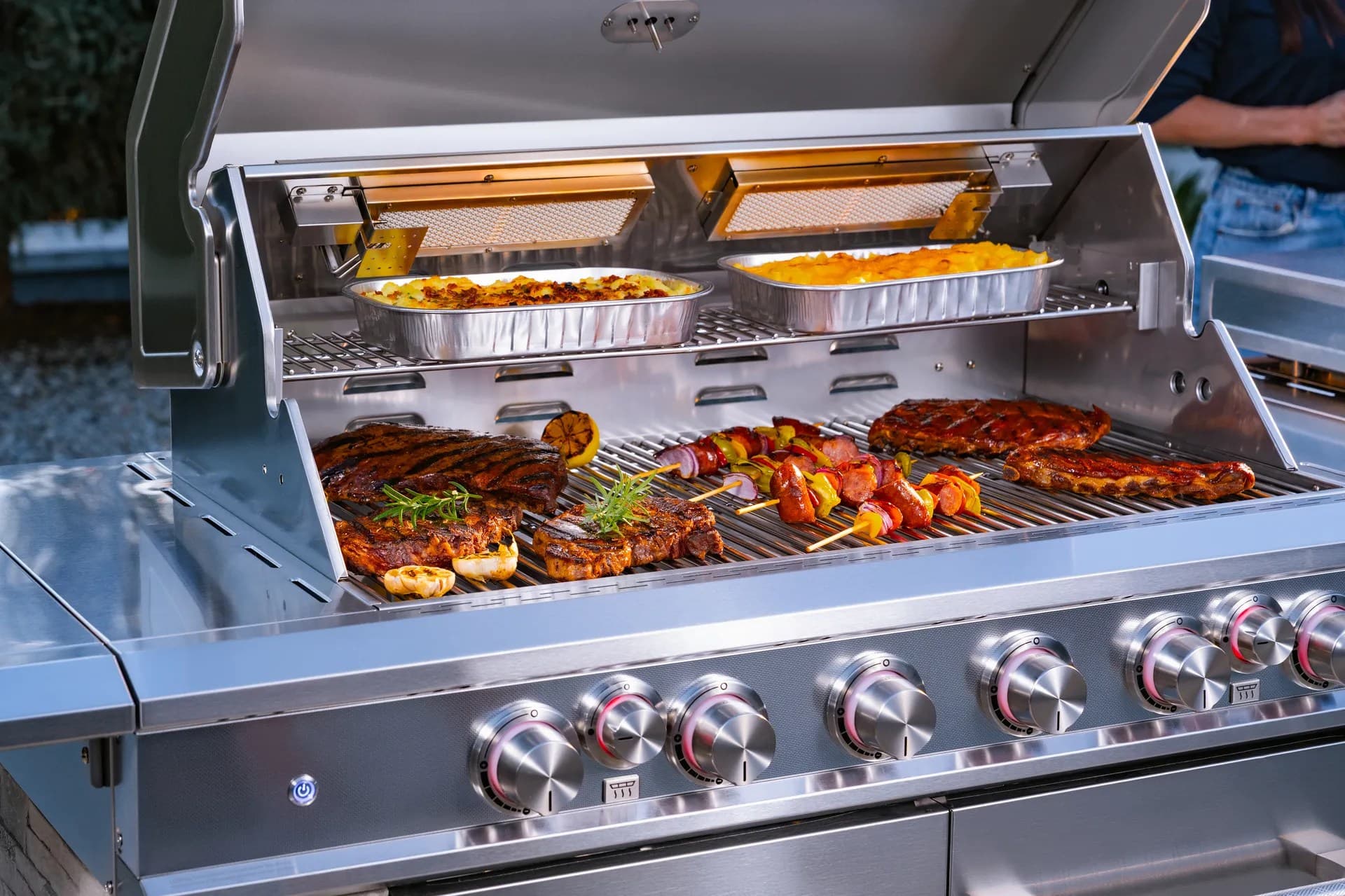
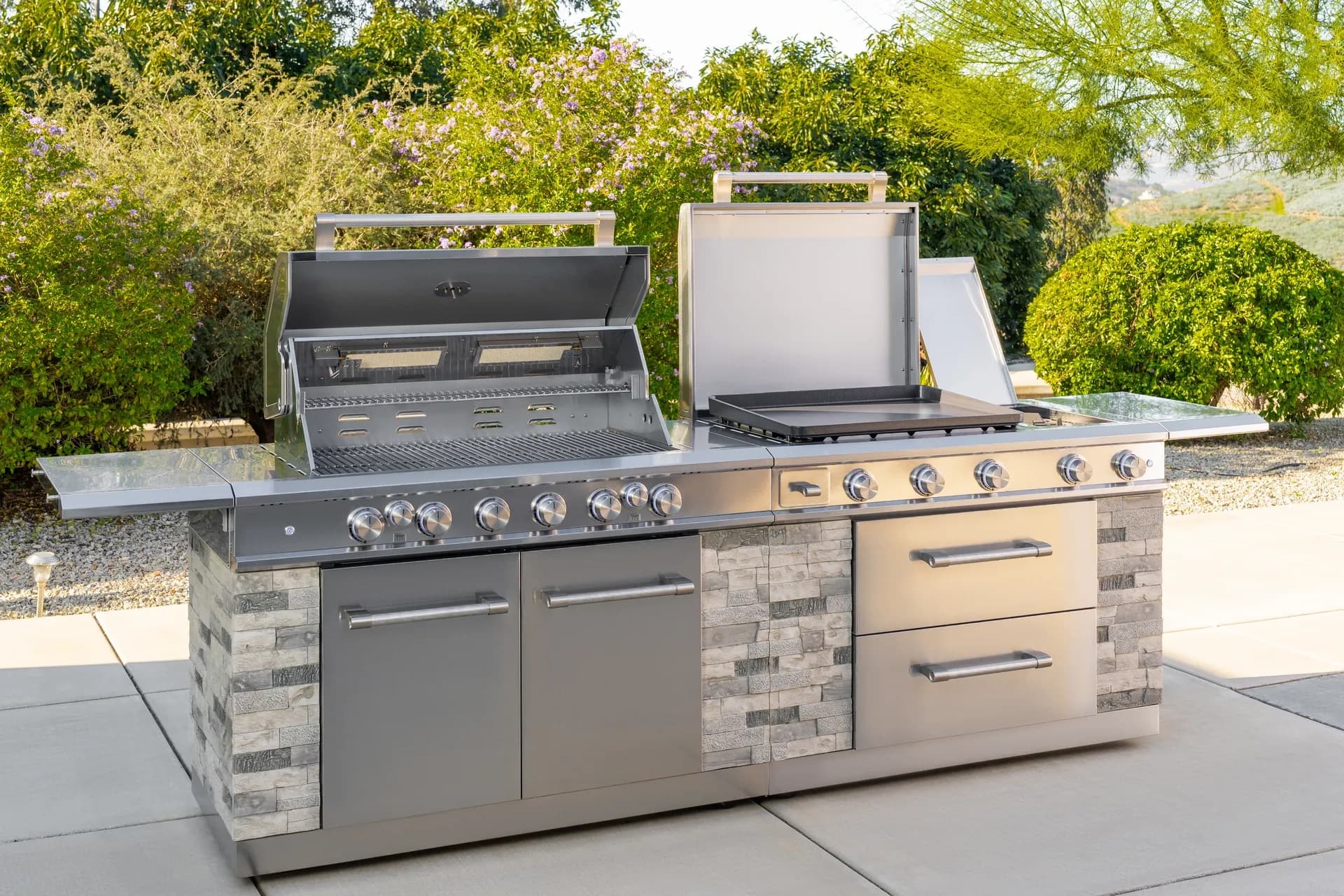
From sizzling breakfasts to smash burgers and teppanyaki-style dinners, the Daytona Pro 5 Burner NitroGuard™ Griddle delivers powerful heat, fast cooking, and a durable cooking surface built for every backyard cookout. Watch how easy outdoor cooking can be.
Here's what sets us apart from the competition
We position ourselves as delivering high-end outdoor cooking features and performance without premium-brand pricing, emphasizing “Quality Grills. Unbelievable Value.”
We offer gas grills, pellet grills, griddles, smokers, pizza ovens, portable/tabletop grills, electric grills, accessories, and replacement parts — allowing customers to stay within one ecosystem for all outdoor cooking needs.
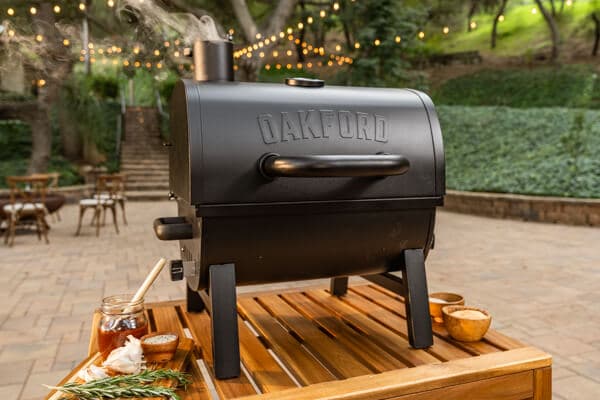
We differentiate ourselves through smart grilling products like the Oakford smart pellet grill, including app-connected cooking controls and modern outdoor cooking technology.
Expert tips, buying guides, comparisons, and inspiration for choosing and getting the most out of your grill.
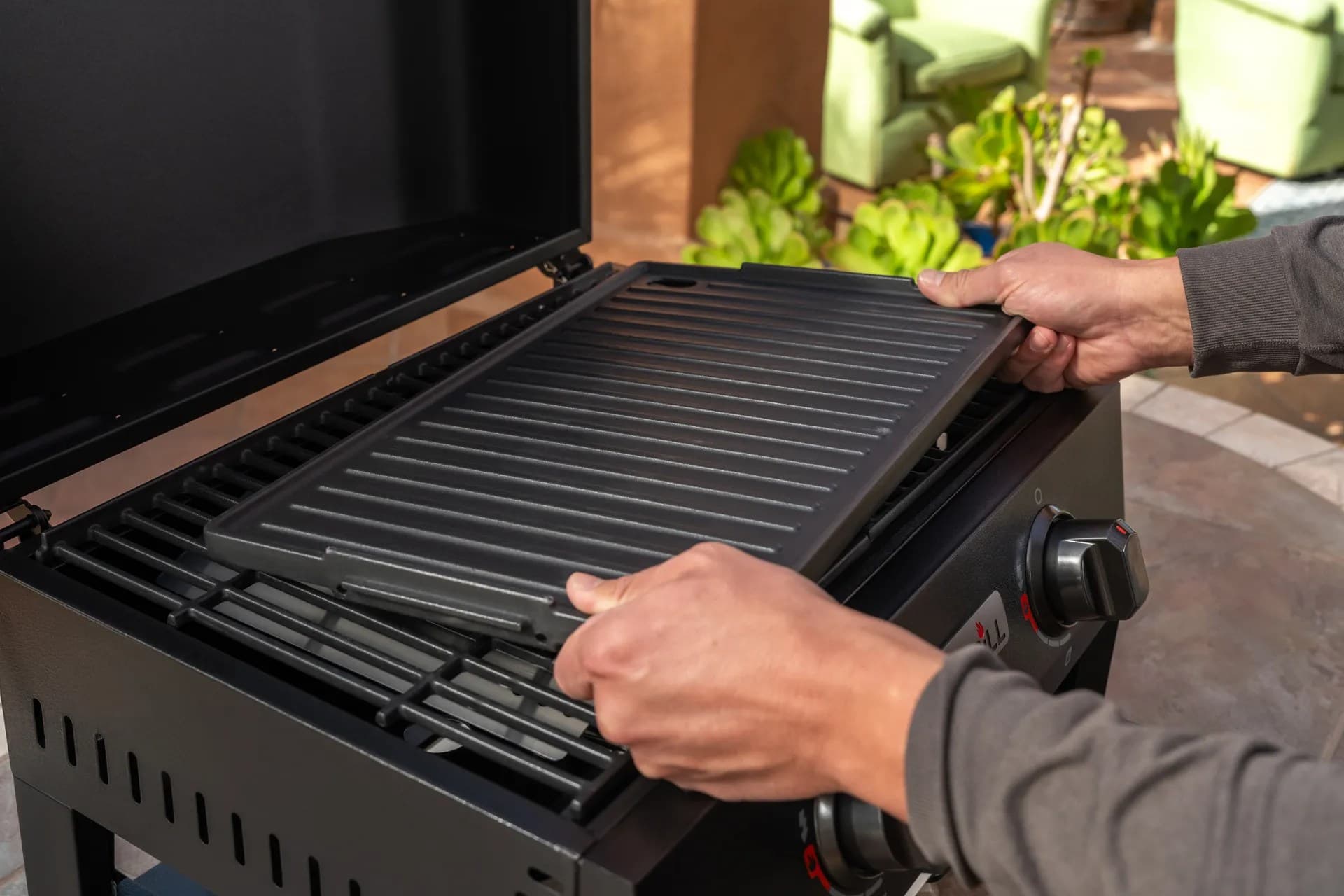
Practical guides for cleaning, maintenance, common grill issues, and performance optimization.
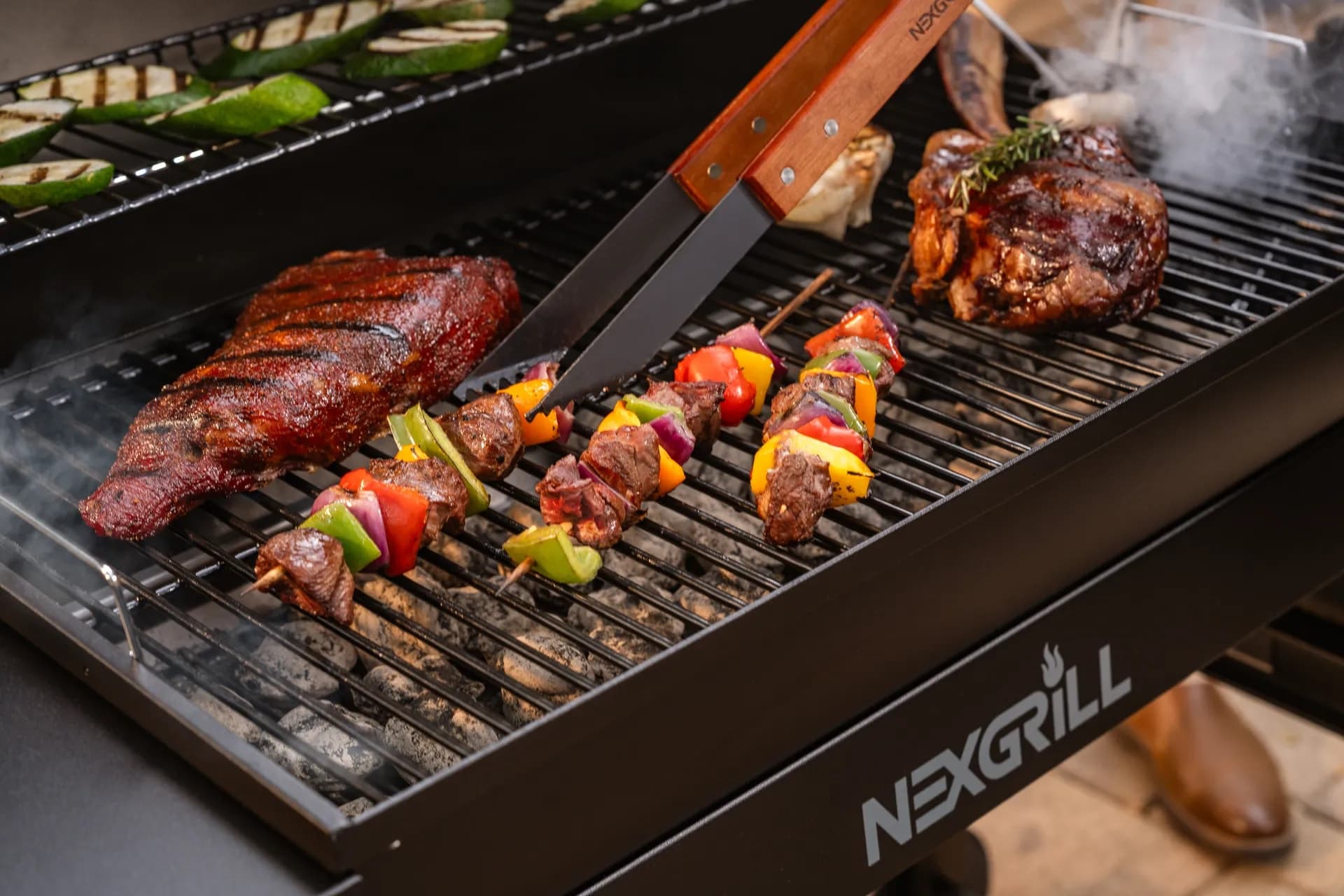
Step-by-step grilling recipes, cooking techniques, and meal ideas for every occasion and skill level.
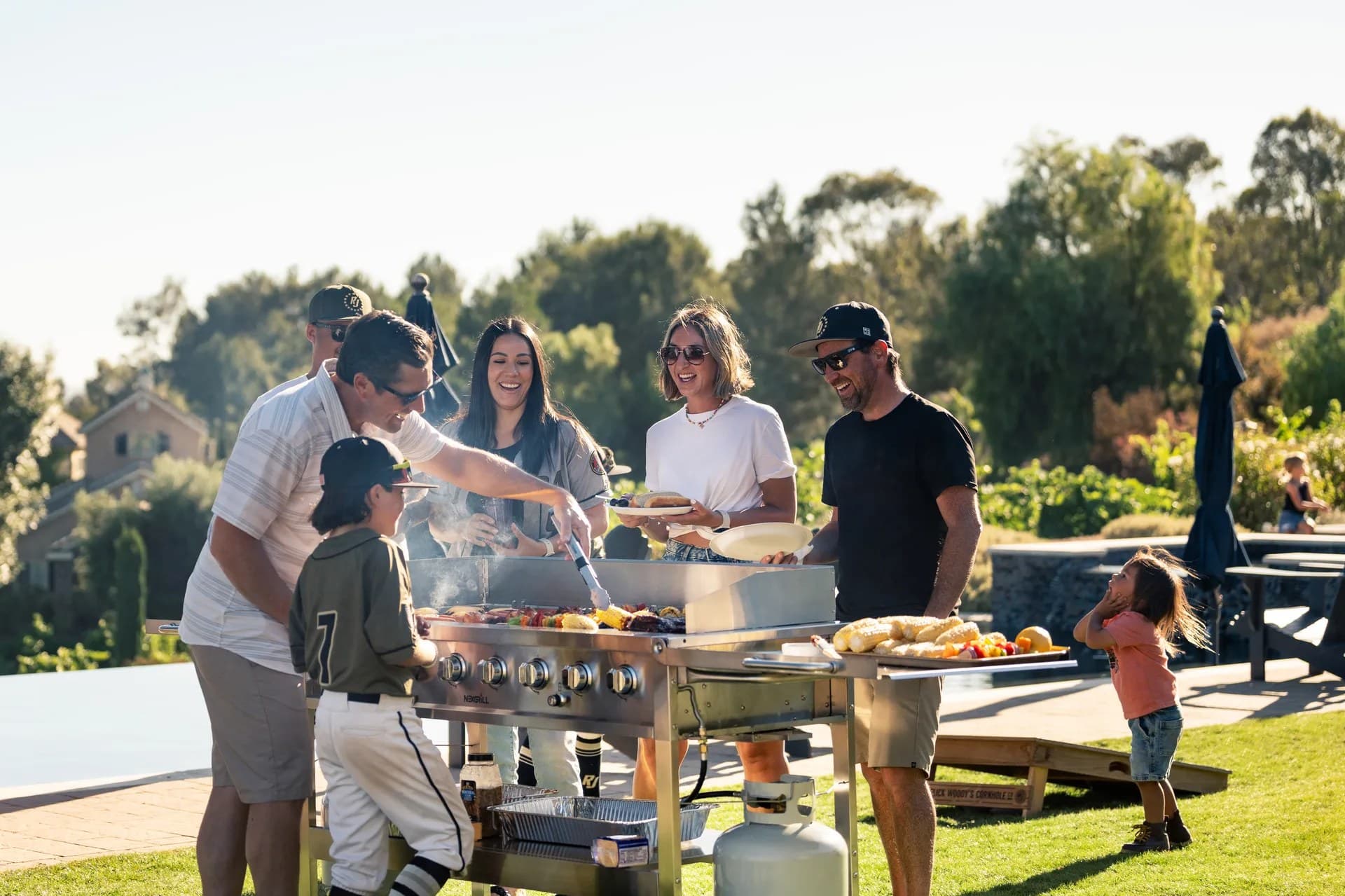
Backyard entertaining ideas, seasonal grilling inspiration, and stories that celebrate outdoor cooking culture.
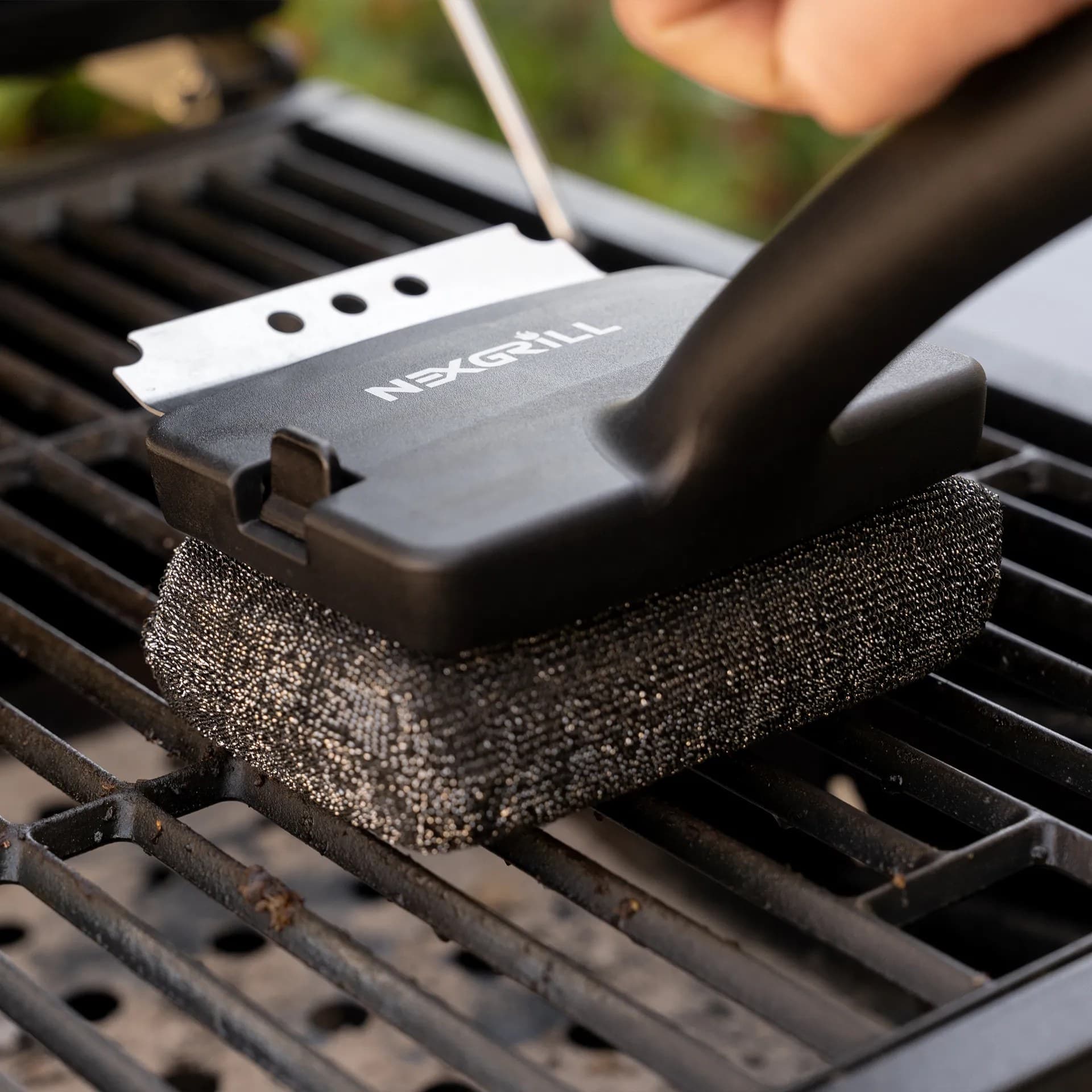
Helpful articles covering grilling tools, cookware, maintenance gear, and must-have accessories for outdoor cooking.
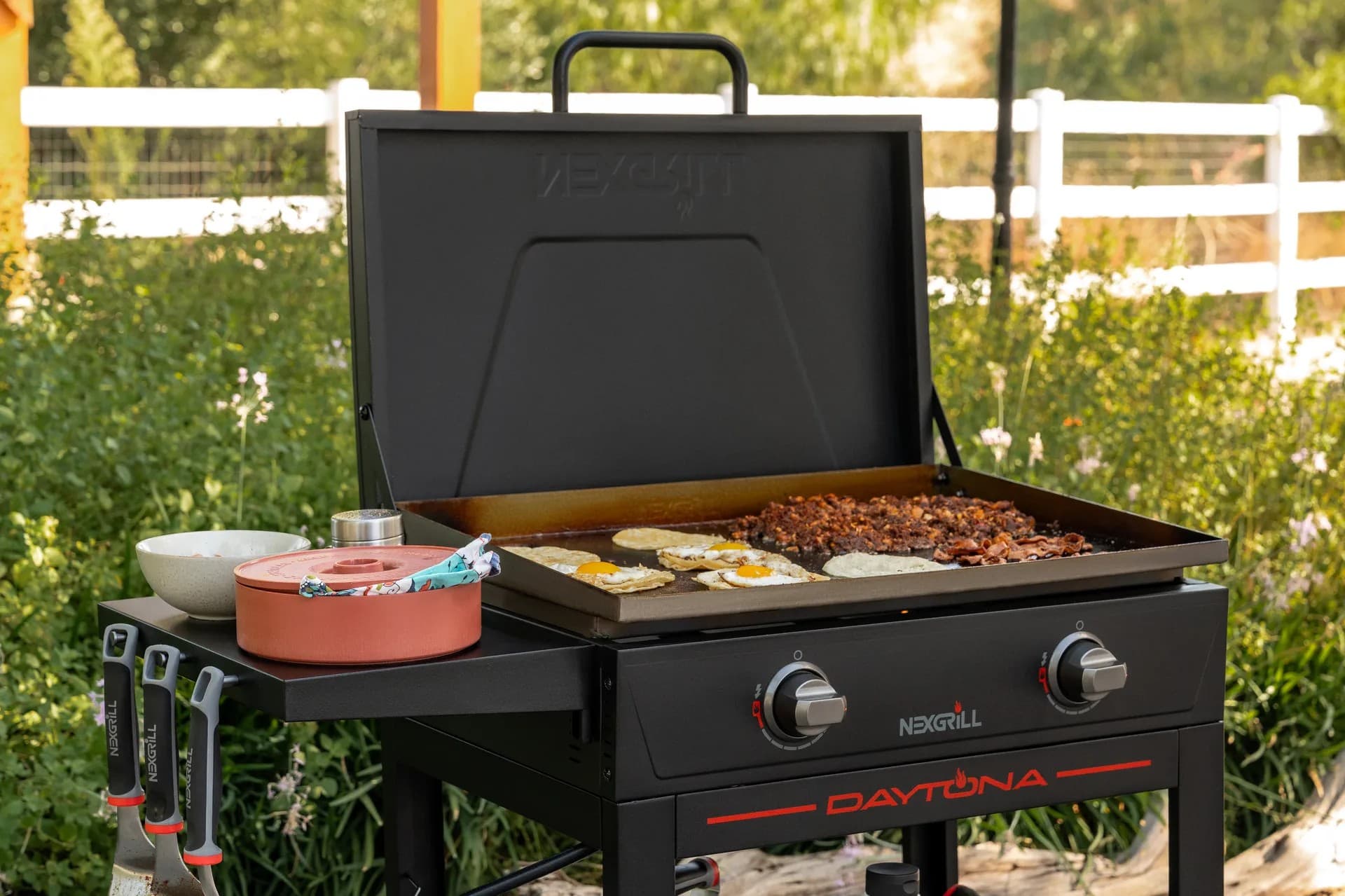
Find griddle recipes, cooking techniques, cleaning tips, and outdoor meal ideas designed for Nexgrill griddles.
Find answers to common questions
Gas grills provide instant heat and precise temperature control, making them easier to use. Charcoal grills offer a smoky flavor and high heat for searing but require more time to heat up and manage.
Pellet grills combine the convenience of gas with the flavor of wood, allowing for smoking, baking, and grilling. Traditional gas grills, however, are quicker to start and often easier to clean.
Charcoal grills typically reach higher temperatures quicker than gas grills, making them better for searing meat. However, high-quality gas grills can also provide adequate heat for effective searing.
Nexgrill offers models designed specifically for gas, charcoal, and pellets, allowing users to choose based on their cooking style and flavor preferences. Each type is built to optimize the characteristics of its respective fuel.
Choosing between gas and charcoal grills depends on your cooking preferences and lifestyle. If you value convenience and quick cooking, a gas grill may suit you better; if you prefer the taste and experience of traditional grilling, a charcoal grill would be ideal.
In This Article
Seasonal Grilling Strategies
Essential Equipment for All-Weather Grilling
Safety Measures for Year-Round Grilling
Year-round grilling works best when you stop thinking of the seasons as obstacles and start treating them as different operating conditions. A winter dinner on the patio, a spring cookout on a breezy evening, and a humid August gathering all ask the cook to manage heat differently. The food can still be excellent in each case, but the path to a good result changes. That is why the most effective year-round grilling techniques are less about one perfect recipe and more about adapting your setup, timing, and heat control to the weather in front of you.
For many home cooks, the biggest shift is mental. In warm weather, grilling often feels spontaneous: preheat the grill, season the food, and cook. In colder months, the grill needs a little more planning, and in shoulder seasons you may need to react quickly to wind, falling temperatures, or a sudden change in humidity. The good news is that the same core skills apply all year: build and hold heat, manage direct and indirect zones, keep the lid use intentional, and avoid rushing the cook just because the weather is uncomfortable.
Seasonal variables matter most: temperature, wind, moisture, and daylight all affect how a grill performs.
Nexgrill’s approach to outdoor cooking aligns naturally with this mindset because the brand is built around practical, accessible grilling that fits real life rather than idealized weather. The company’s brand voice emphasizes that grilling is for everyone, not just expert pitmasters, and that spirit matters in every season. Whether you are using a compact two-burner setup or a larger multi-burner gas grill, year-round success usually comes from simple habits repeated well: preheat longer when it is cold, shield the cooking area from wind when possible, and match the cooking method to the day instead of forcing every meal into the same pattern.
This guide focuses on the practical side of that adjustment. Rather than repeating the same advice for each season, it breaks the year into operating modes. You will see how to prep the grill, what changes to expect from weather, and why certain accessories become more valuable outside peak summer. The goal is not to make grilling feel complicated. It is to make it predictable enough that you can confidently cook steak in January, vegetables in April, burgers in July, and chicken in October without re-learning the basics every time you step outside.
The most reliable year-round grilling technique is to adjust for heat loss before it becomes a problem. Cold air, wind, and damp surfaces all pull energy away from the grill. That means a grate temperature that feels easy to maintain in June may drop quickly in January. Instead of relying on a single preheat time, watch for signs that the grill has stabilized: grates are hot enough to sear, the lid thermometers or controls have stopped climbing sharply, and the cooking zone feels even rather than patchy. In colder months, that often means giving the grill more time before the food goes on.
A second adjustment is fuel planning. If you are using propane, expect more demand in cold weather because the system works harder to maintain temperature. If you are using charcoal, build a larger or denser fire bed when ambient temperatures drop, but do so carefully so you do not overshoot the target. For gas grills, use the burners intentionally: one side can create an indirect zone for thicker cuts, while the hottest side handles searing. That multi-zone approach is especially helpful in shoulder seasons, when outside temperatures can swing enough to make one cooking area too aggressive and another too slow.
Moisture matters as much as temperature. In spring, damp air and wet surfaces can make it harder to get a strong crust on food. In summer, humidity can make the cook feel slower even if the grill is at the same nominal heat. In autumn, falling leaves and cool evening air can create uneven drafts around the grill. The technique is the same each time: minimize unnecessary lid opening, dry the food surface before it hits the grate, and let the grill recover after each check rather than peeking repeatedly.
| Seasonal condition | Main impact on grilling | Best adjustment |
|---|---|---|
| Cold air | Slower heat recovery and more energy loss | Preheat longer and keep the lid closed between checks |
| Wind | Uneven burner performance and flare variability | Place the grill in a sheltered spot with safe clearance |
| Humidity | Reduced browning efficiency and slower surface drying | Pat food dry and avoid overcrowding the cooking surface |
| Short daylight | Harder to monitor color and doneness visually | Use a probe thermometer and prep ingredients in advance |
This is also where many home cooks benefit from simplifying the menu. Seasonal grilling is not just about weather-proofing the equipment. It is about choosing foods that suit the conditions. Thick chops, chicken thighs, sausages, root vegetables, and skewers tolerate temperature swings better than delicate fish when the wind is picking up. In the warmer months, lighter marinades, vegetables with a quick sear, and fast-cooking proteins keep the process efficient. The technique should fit the environment, not fight it.
Tip: Build one direct zone and one indirect zone whenever possible. That gives you a safety valve when weather slows the grill down or a cut of meat cooks faster than expected.
All-weather grilling becomes much easier when the equipment supports the season instead of forcing you to improvise every time the forecast changes. The most useful gear is usually not flashy. It is the equipment that improves heat retention, measurement, and comfort while you cook. A reliable grill cover matters because it keeps moisture and debris off the cooking system between sessions. A good instant-read thermometer matters because visual cues become less dependable in dim evening light or steam-heavy conditions. Heat-resistant gloves matter because cold metal handles and unexpected flare-ups are more common when the outside temperature drops.
For homeowners comparing grill categories, a multi-burner gas grill is often the easiest choice for year-round use because it creates flexible zones and recovers temperature quickly after the lid opens. A griddle can also be a smart all-season tool, especially for foods that benefit from broad, even contact such as breakfast items, smash burgers, vegetables, and stir-fry style meals. Pellet grills appeal to cooks who want a steadier, slower heat profile for longer sessions, while charcoal brings a distinct flavor profile and rewards cooks who are comfortable managing a live fire. The best choice depends on how much control you want to exert when the weather is less than ideal.
| Equipment | Why it helps year-round | Best use case |
|---|---|---|
| Grill cover | Protects from rain, snow, pollen, and UV exposure | Off-season storage and weekly use |
| Instant-read thermometer | Reduces guesswork when weather affects cooking speed | Thick cuts, poultry, and reverse-sear cooking |
| Wind protection | Helps stabilize flame and heat distribution | Open patios and exposed decks |
| Long-handled tools | Keeps hands farther from hot surfaces and cold spray | Busy cooks and larger grills |
| Lighting or headlamp | Improves visibility in short-daylight months | Late dinners and winter cooks |
Nexgrill’s broader lineup is useful here because it gives different types of grillers an entry point into year-round cooking. A two-burner gas grill may suit a smaller patio and weeknight use. A four-burner gas grill gives more room for indirect heat and larger gatherings. A flat-top griddle expands what can be cooked when the weather is unpredictable, since a broad cooking surface often handles breakfast and delicate foods more evenly than a narrower grate setup. The key is to choose equipment that matches your typical weather, your available outdoor space, and how often you actually grill.
Info: If you grill after sunset during colder months, add a light source before you start cooking. Better visibility makes it easier to monitor browning, flare-ups, and food safety.
Safety deserves special attention in year-round grilling because the weather can create new risks even when the grill itself is familiar. In winter, snow, ice, and wet decking can make footing unstable. In spring and fall, gusts can move paper towels, topple lightweight utensils, or push heat toward nearby objects. In summer, heat stress and dehydration can make cooks less attentive. The basic response is the same in every season: create a clear, stable cooking zone, keep combustible items away from the grill, and avoid using the equipment in enclosed or poorly ventilated spaces.
Another safety habit is to check the surroundings before lighting the grill. Make sure the grill sits on a level surface, that overhead clearance is sufficient, and that any cover or storage item has been removed before ignition. If you are cooking in colder weather, brush off snow and ice around the grill so you are not stepping into slick patches while handling hot food. If it is very windy, reposition the grill if possible or delay the cook until conditions settle. A stable flame and predictable heat are more important than forcing a timeline.
Food safety also changes slightly with the seasons. In hot weather, raw ingredients can move into the temperature danger zone more quickly, so keep proteins chilled until just before cooking and do not let platters sit in the sun. In cool weather, the problem is less about spoilage and more about uneven cooking, which can leave the interior behind even when the exterior looks done. That is why a thermometer is one of the most important year-round tools. It protects both quality and confidence, especially when you are cooking unfamiliar cuts or adapting a recipe to less predictable conditions.
Warning: Never grill in a garage, breezeway, or other partially enclosed area, even if the weather is unpleasant. Poor ventilation and combustion gases create serious hazards.
If you are building a year-round routine, think in terms of repeatable checks rather than seasonal improvisation. Confirm propane connections, clean the grate after each use, empty ash or grease as directed by the grill type, and store accessories in a dry location. These habits matter all year, but they pay the biggest dividends when the weather is working against you. A grill that is clean, protected, and set up with the right tools will be easier to trust when the conditions are less friendly.
Try comparing two products side by side below to see which fits best:
Once you've weighed two options against each other, the next question is usually how to make the chosen grill perform when temperatures fall. Winter grilling is mostly about preserving heat and reducing waste. Cold air strips energy away from the cooking chamber faster, and that means every unnecessary lid opening, draft, or burst of steam has a bigger effect than it would in summer. The answer is not to cook timidly. It is to build a more deliberate process: preheat longer, keep the food organized before it goes outside, and trust the thermometer instead of repeatedly opening the lid to inspect progress.
The cold-season cook benefits from simpler, heartier meals that tolerate extended cook time. Bone-in chicken pieces, sausage links, pork chops, root vegetables, and thicker steaks are often better choices than delicate fillets or quick-cooking items that require constant attention. If you are using a gas grill, create a hotter side for searing and a cooler side for finishing. If you are using charcoal, build a fire that can maintain itself longer rather than one that burns brightly and fades quickly. In both cases, the lid becomes your best friend because it acts as a shield against the outside air.
The physical environment around the grill matters too. Keep the cooking area clear of snow, ice, and standing water. Dress for the task, but avoid clothing that could brush against hot surfaces or dangle near flames. If there is strong wind, do not stand in a way that blocks your own ventilation path or exposes the flame to gusts from every angle. A small windbreak can help, but only if it is placed safely and does not trap heat or obstruct ventilation. Good winter grilling is calm and methodical, not rushed by discomfort.
In winter, many grills need extra time to stabilize before food goes on, especially when the wind is active.
Warning: Do not clear snow or ice with hot water near the grill. Sudden melting can create slippery patches and increase the chance of a fall while handling hot equipment.
Spring and fall are the seasons where grilling habits often become the most adaptable. The weather can feel perfect one hour and challenging the next. That volatility means the cook needs to read the environment continuously rather than rely on a static routine. In spring, damp air and cool evenings can slow browning, especially if you are cooking a menu built around quick sears. In fall, temperature drops and shifting wind can make burners feel uneven. These conditions reward cooks who prep ingredients in advance and leave room in the plan for weather-related delays.
Transitional seasons are ideal for mixed menus because the grill can handle both lighter foods and more substantial dishes in the same session. Early spring might call for asparagus, salmon, shrimp skewers, or chicken cutlets, while late autumn may be better suited to pork tenderloin, squash wedges, and sandwiches built from grilled meats and vegetables. A griddle shines here because it offers broad contact and easier control for smaller or more delicate items, while a gas grill with multiple burners is better when you need one zone for vegetables and another for proteins. The main technique is to think in modules: cook the items that need higher heat first, then move to the pieces that benefit from a gentler finish.
This is also the best time to make use of recipes that bridge the seasons rather than lock you into a single weather identity. A grilled chicken and herb plate works in April. Grilled peaches, onions, or flatbreads work in late September. The same grill can support both, but the cook should adjust timing and heat based on the day. If the temperature is still cool, give the grill extra recovery time between batches. If the air is damp, dry the food surface more carefully before seasoning. The technique is less about dramatic change and more about small, smart corrections.
Tip: Transitional weather is perfect for batch cooking. Grill the main protein first, then hold it loosely while vegetables and finishing items cook in the second zone.
Summer seems like the easiest season for grilling, but heat and humidity create their own set of problems. When the weather is already hot, the grill can overshoot faster than expected, and the cook may assume food is progressing at a different rate than it really is. Humidity can also make the outer surface of meats or vegetables feel wet longer, which delays browning and encourages overhandling. The trick in summer is to stay disciplined rather than relaxed to the point of inattention.
One helpful summer technique is to choose foods that benefit from quick exposure to heat and simple seasoning. This is the season for burgers, kebabs, chicken thighs, zucchini, corn, and other ingredients that can move efficiently from prep to plate. However, the same principles still apply to larger meals: create zones, avoid crowding, and leave the lid closed whenever possible. If the grill is positioned in full sun, the exterior of the unit and its surfaces can become extremely hot to the touch, so plan your workflow accordingly. Move tools and ingredients into shade before you start cooking so you are not constantly reaching over hot metal.
Hydration and timing become part of the technique in summer as well. Long cooks in hot weather can be tiring, and fatigue increases the chance of skipping steps. Keep a bottle of water nearby, stage all ingredients before ignition, and use a clean, deliberate setup so you are not improvising mid-cook. This is also the season where a griddle can be especially useful because it provides stable contact heat for breakfast, lunch, and dinner foods without the same level of open-grate exposure. Whether you are cooking outdoors for a family meal or a neighborhood gathering, summer success comes from steady pace rather than speed alone.
Year-round grilling is less about fighting the weather and more about understanding how the weather changes the job. In winter, you protect heat. In spring and fall, you adapt to fluctuations. In summer, you manage excess heat and humidity without losing control. The most effective grillers do not use the same method in every month. They keep the same standards and adjust the process to match the day.
That is what makes year-round cooking so satisfying. It gives you more chances to gather, experiment, and make outdoor meals part of everyday life instead of something reserved for perfect weather. With the right setup, reliable tools, and a few seasonal habits, a backyard grill becomes a true four-season cooking station. Explore the Nexgrill collection for models and accessories that fit your space, your routine, and the way you actually cook outdoors. Mastering seasonal grilling can truly elevate your outdoor cooking experience.
Here's what sets us apart
We position ourselves as delivering high-end outdoor cooking features and performance without premium-brand pricing, emphasizing “Quality Grills. Unbelievable Value.”
We offer gas grills, pellet grills, griddles, smokers, pizza ovens, portable/tabletop grills, electric grills, accessories, and replacement parts — allowing customers to stay within one ecosystem for all outdoor cooking needs.
We differentiate ourselves through smart grilling products like the Oakford smart pellet grill, including app-connected cooking controls and modern outdoor cooking technology.
Don't just take our word for it
Keep reading
From our catalog