Exploring International Grill Dishes: A Global Culinary Journey
Discover diverse grilling traditions and recipes from around the world to elevate your outdoor cooking experience.
In This Article
Global Grilling Traditions
Authentic Recipes
Elevate Your Grilling
Introduction to Global Grilling Traditions
International grill dishes are one of the best ways to understand how communities cook, celebrate, and share food. A grill is never just a heat source; it is a cultural tool that reflects local ingredients, climate, and social habits. In some places, grilling is quick and social, built around open flames and fast-cooked skewers. In others, it is slow, layered, and built around marinades, spice pastes, and carefully managed embers. That variety is what makes global grilling so rewarding for home cooks: you are not simply following a recipe, you are learning a cooking language.
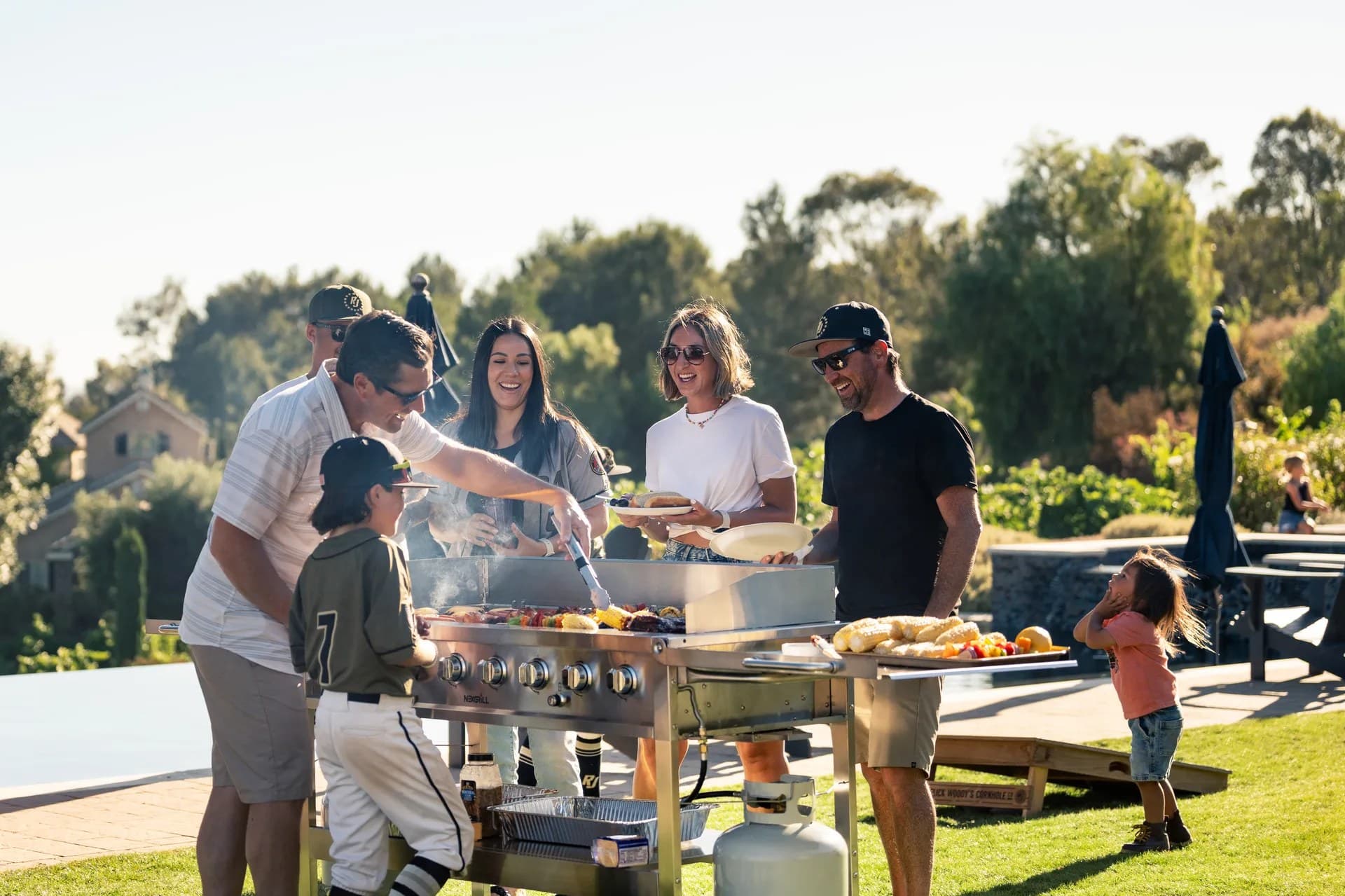
Nexgrill’s brand philosophy fits this kind of cooking especially well because it treats grilling as a shared experience rather than a solitary task. The brand’s messaging emphasizes togetherness, inclusivity, and the idea that everyone has a place at the table, which aligns naturally with cuisines that were built for gathering and passing plates around. That spirit matters when you explore international grill dishes, because many of the most memorable recipes were designed for family meals, street food stalls, neighborhood celebrations, or weekend cookouts where sharing is part of the ritual.
Can express dozens of regional grilling traditions when you match technique to ingredients.
What sets international grill dishes apart from standard backyard barbecue is the balance between technique and seasoning. A Korean-style grilled meat dish may depend on sweet-salty marinade and high-heat searing. A Mediterranean skewer may use olive oil, herbs, citrus, and brief cooking over flame. A South Asian tandoor-inspired dish often emphasizes yogurt, spice blends, and char as part of the flavor profile. These are not interchangeable styles, and that is exactly why they are so useful to study. Each one teaches a different way to handle heat, moisture, and browning.
For home grillers in the United States, global grilling also solves a practical problem: variety. When you want to move beyond burgers and standard barbecue rubs, international recipes give you a broader toolkit without requiring complicated equipment. The right marinade can transform chicken thighs, shrimp, tofu, steak, or vegetables into something distinctly regional. The trick is to preserve the logic of the original dish instead of stripping it down to a generic “fusion” version. That means paying attention to acid levels, salt balance, cooking time, and garnish, not just the headline flavors.
Regional Grilling Techniques and Signature Dishes
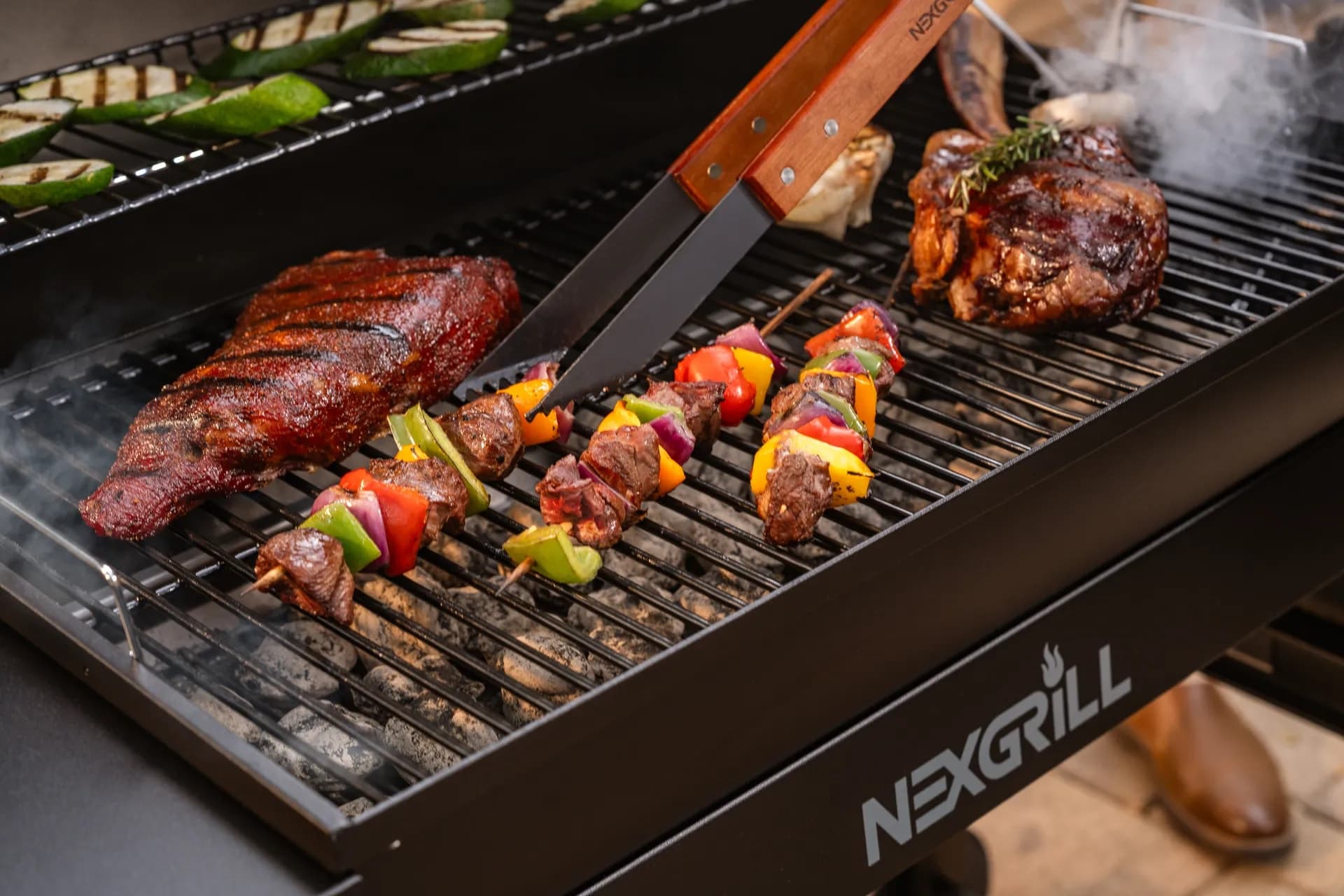
The most useful way to approach world grilling is by technique, because technique tells you how a dish is meant to cook and why it tastes the way it does. In Latin American grilling traditions, open-fire cooking often centers on direct heat, bold seasoning, and meats that can handle a strong sear. In East Asia, grilling may lean on glaze, repeated basting, and quick cooking over intense heat. In the Mediterranean, fish, lamb, and vegetables often rely on simple seasoning and clean smoke rather than heavy sauce. Understanding the method prevents the common mistake of treating every international recipe like a generic marinated meat dish.
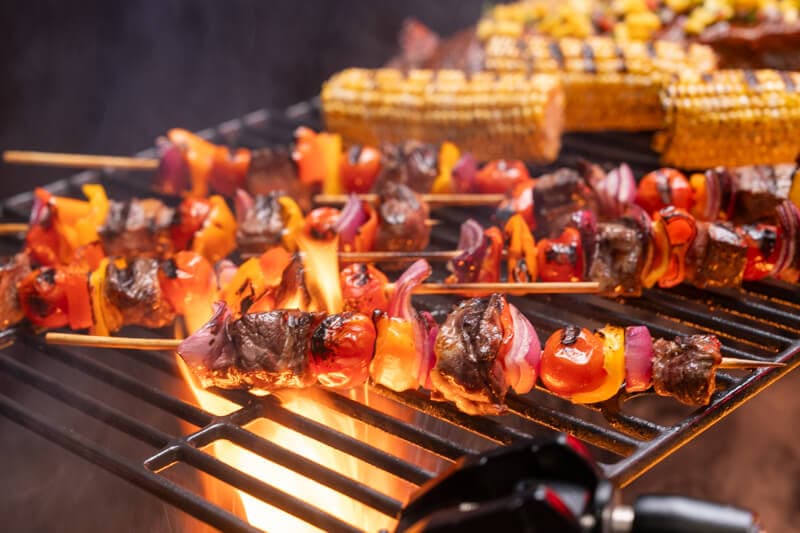
A good example is yakitori from Japan. The appeal is not only the chicken itself, but the discipline of small skewers, minimal ingredients, and careful control over doneness. By contrast, a Mexican-style carne asada approach usually celebrates a larger cut, char, and finishing with bright condiments. In India, kebab traditions can range from minced and shaped mixtures to deeply spiced chunks of meat, and the cooking method may require resting the meat after marination so the seasoning penetrates evenly. These differences matter because they tell you whether your goal is tenderness, char, smoke, glaze, or freshness.
| Region | Typical Technique | Signature Flavor Cue |
|---|---|---|
| Japan | Small skewers, quick high heat, repeated glazing | Sweet-salty tare, light char |
| Mexico | Direct grilling over hot fire | Lime, chili, cumin, cilantro |
| Middle East | Skewers and charcoal heat | Garlic, yogurt, spice, herbs |
| Korea | Tabletop or open grill, fast searing | Soy, pear, sesame, sesame oil |
| Mediterranean | Simple grilling of fish, lamb, vegetables | Olive oil, lemon, oregano, rosemary |
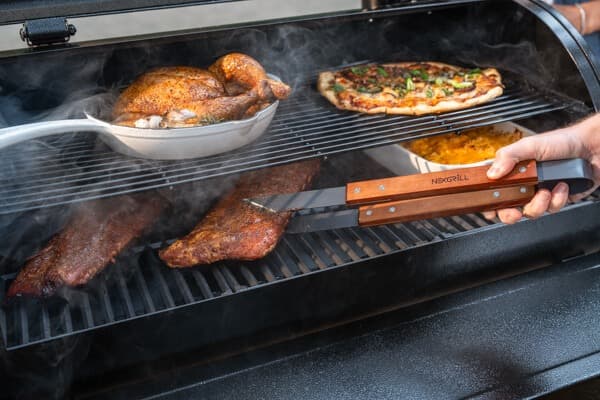
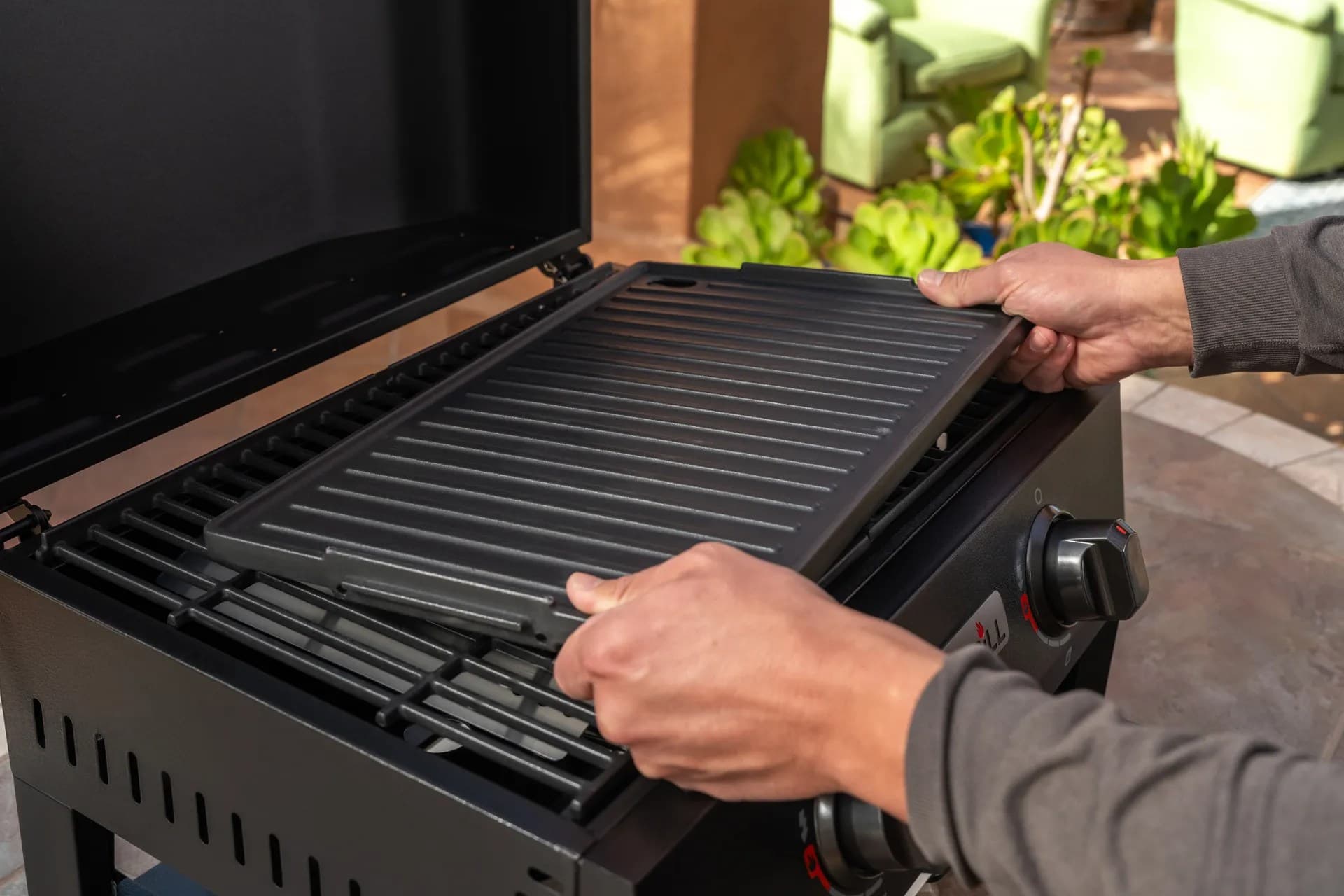
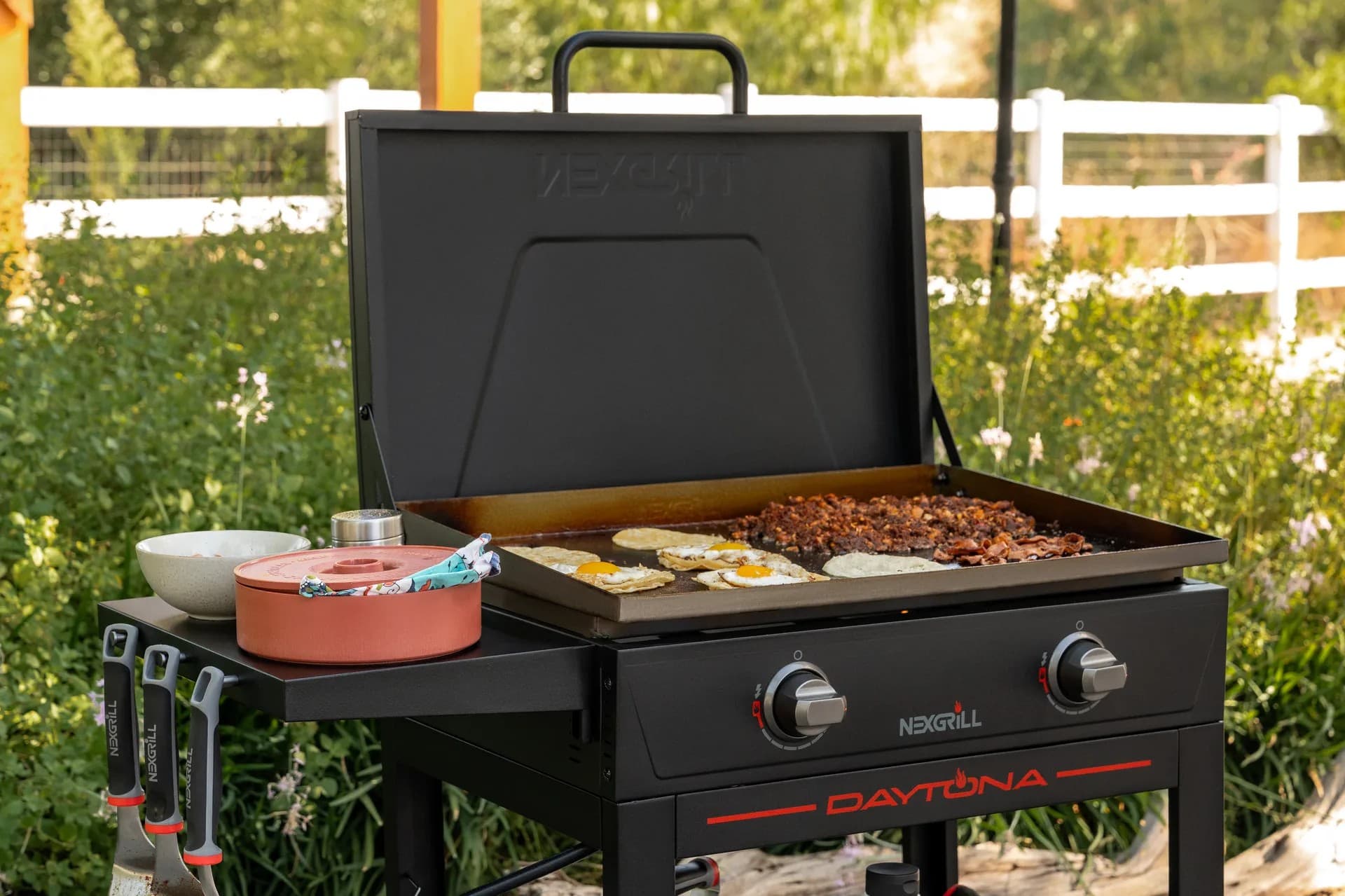
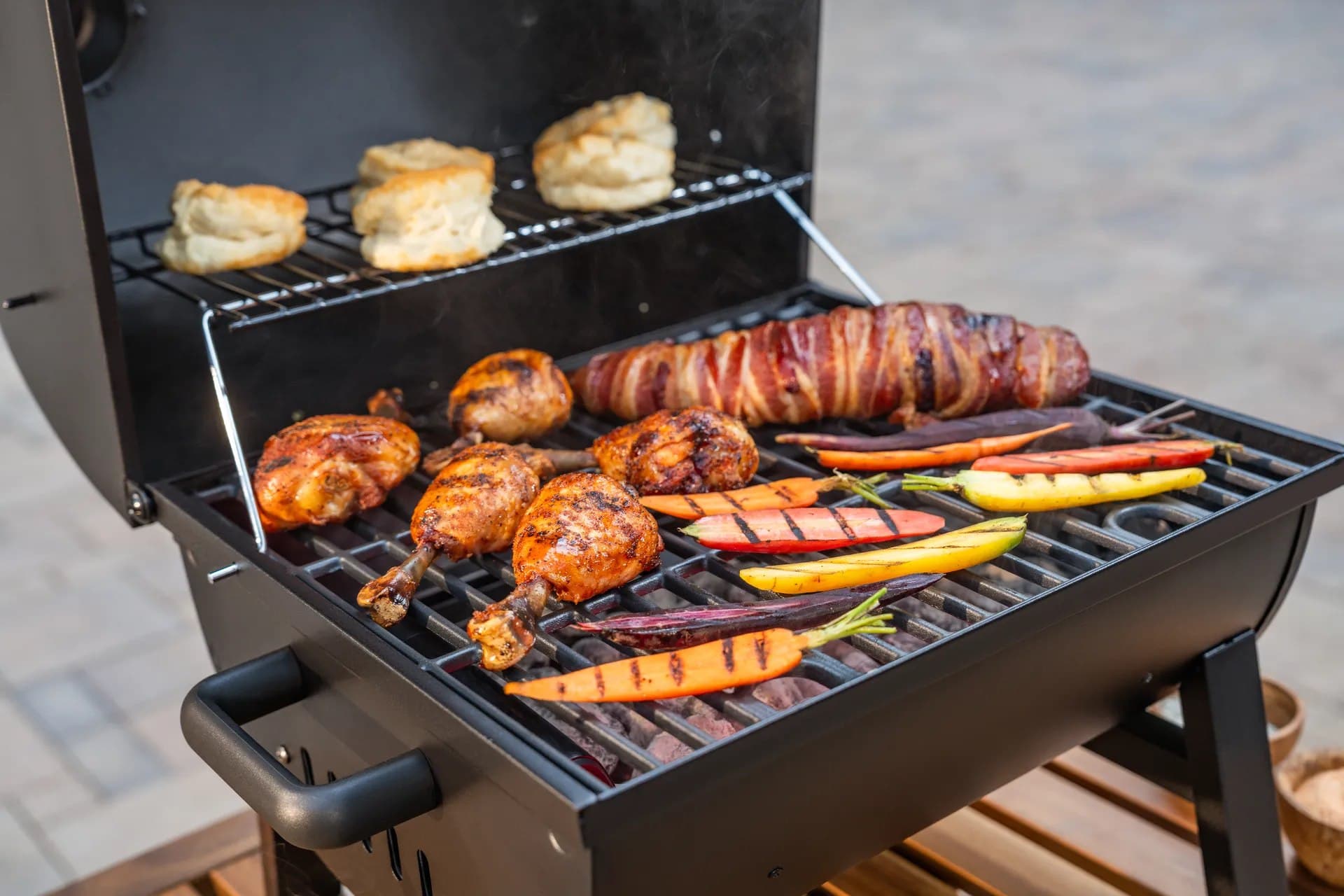
Nexgrill’s product range is especially useful for this style of cooking because different international dishes benefit from different cooking surfaces. The company offers gas grills, griddles, pellet grills, and charcoal options, which gives home cooks room to match the method to the dish rather than forcing every recipe onto one surface. For example, a flat griddle is helpful when a recipe needs even contact heat for vegetables, chopped meats, or breakfast-style street food. A pellet smoker grill is more appropriate when you want layered smoke on a larger cut. A charcoal grill is ideal when a cuisine values flame character and charcoal aroma. That kind of flexibility helps the cook stay closer to the original dish’s intent.
Authentic Recipes from Around the World
If you want international grill dishes to feel authentic, start by choosing recipes that respect the structure of the original cuisine. One practical path is to begin with a small set of recipes that teach different flavor systems. A Korean bulgogi-style beef skewer teaches sweet-savory balance and fast cooking. A Greek-style chicken souvlaki teaches how to keep a marinade bright and not too oily. A Lebanese chicken kebab teaches the value of yogurt, lemon, garlic, and spice in a marinade that tenderizes while flavoring. A Thai-style grilled chicken dish teaches the role of sugar, fish sauce, and aromatics in browning and caramelization. Each recipe is a lesson in how food cultures build flavor before the food ever hits the grill.
The key to authenticity is not just the ingredient list; it is also the rhythm of the preparation. For instance, many global grilling recipes rely on an overnight or multi-hour marinade because the meat is expected to absorb seasoning gradually. Others depend on a very fast cook because the sauce or garnish is added after grilling. When you rush those steps, the dish can taste flat even if the ingredients are correct. Use that as your guide: if the recipe uses citrus, yogurt, or vinegar, pay attention to marination time so the acid enhances instead of toughening the protein. If the recipe uses sugar or honey, keep a closer eye on the fire to prevent scorching.
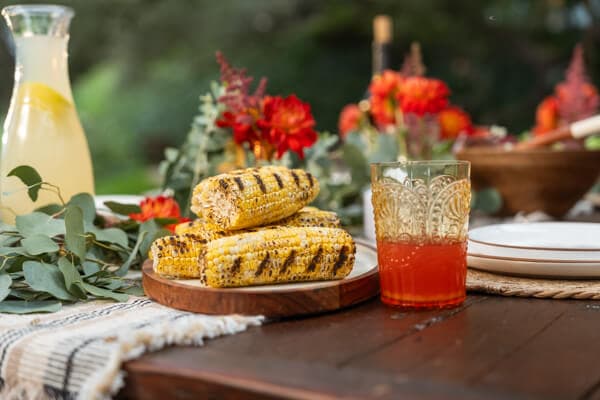
Vegetables deserve a place here too. International grilling traditions often use eggplant, peppers, mushrooms, corn, onions, and even leafy greens in ways that are far more specific than a generic side dish. Mediterranean grilled vegetables may be dressed with olive oil and herbs. Southeast Asian versions may be finished with a sweet-sour glaze or chile sauce. In the Americas, grilled corn can be transformed with citrus, cheese, or spice. These dishes matter because they expand the grill beyond the main protein and help build a complete meal.
Tip: When you are trying a recipe from another cuisine, keep the cooking method intact first, then adjust the seasoning to your pantry. That preserves the dish’s identity.
Tips for Incorporating International Flavors into Your Grilling
The easiest way to bring international flavors into your grilling is to think in layers: marinade, finishing sauce, garnish, and serving style. A lot of home cooks stop at the marinade, but many global dishes rely on a final acidic or herbal finish that wakes up the grilled surface. A lime squeeze over charred meat, a scattering of fresh herbs, a drizzle of chili oil, or a spoonful of yogurt sauce can be the difference between a dish that feels inspired and one that feels complete.
Another important habit is to build a flavor map before turning on the grill. Ask three questions: what is the dish’s anchor seasoning, what creates browning, and what provides freshness at the end? For example, a dish might use soy sauce as the anchor, brown sugar as the caramelizing agent, and scallions as the fresh finish. Or it may use garlic and rosemary as the anchor, olive oil as the browning medium, and lemon zest as the finish. Once you identify those roles, it becomes much easier to improvise without losing the recipe’s character.
Warning: Strong spices and sugary glazes can burn quickly on high heat. Keep part of the grill cooler so you can move food if the surface chars too fast.
The right equipment can also make international cooking easier at home. A gas grill gives fast temperature control for dishes that need quick searing and lower-risk basting. A griddle helps with minced meat, flatbreads, onions, and vegetables that should stay in close contact with the surface. A pellet grill is valuable when you want steady heat and subtle smoke for dishes inspired by longer barbecue traditions. A charcoal grill is best when smoke and flame are central to the final flavor. Because Nexgrill offers multiple fuel types and formats, you can choose equipment that matches the tradition you want to cook instead of adapting the tradition to an awkward setup.
It also helps to plan your menu as a conversation between dishes rather than a pile of unrelated flavors. For example, if your main dish is a spicy Korean-style grilled chicken, your side dish might be cucumber salad, sesame rice, or grilled scallions rather than another heavily seasoned item. If you are making a Middle Eastern kebab, pair it with flatbread, yogurt sauce, and charred tomatoes. That approach makes the meal feel intentional and keeps the table balanced. It is also very much in line with Nexgrill’s inclusive approach to outdoor cooking, where the goal is to bring different tastes together around the fire.
Conclusion
International grill dishes are worth learning because they teach you more than recipes; they teach you methods, flavor logic, and cultural context. Once you start seeing grilling as a global craft, you can move more confidently between cuisines and create meals that feel both exciting and respectful. The payoff is bigger than novelty. You gain a more adaptable grilling style, a stronger sense of timing, and a better understanding of how heat transforms food in different parts of the world.
For Nexgrill readers, that global perspective pairs naturally with the brand’s focus on gathering and shared meals. Whether you are cooking for a family dinner, a weekend crowd, or a small group of friends, international grilling gives you a reason to experiment and a structure that keeps the results grounded. Try comparing two products side by side below to see which fits best:
Introduction to Global Grilling Traditions
Once you've weighed two options against each other, the next thing that matters is how those tools support the kind of cooking you actually want to do. International grill dishes are a perfect test case because they reveal whether your setup can handle fast searing, indirect heat, flat-surface cooking, long basting sessions, or smoke-forward recipes. That is why global grilling is so much more than a recipe theme. It is a practical way to learn what your grill can do and what your favorite cuisines ask of it.
Global grilling traditions often grew from local ingredients and shared social customs. In places where meat is expensive or portions are small, skewers and marinated bites became efficient and celebratory. In regions with abundant herbs, citrus, and olive oil, simple grilling emphasized freshness over heavy sauce. In barbecue cultures shaped by smoke and slow heat, the grill became a place for patience and control. Those broad patterns still show up in modern home cooking, and they are useful because they give you a framework for choosing recipes that suit your equipment and your schedule.
Nexgrill’s brand story is built around the idea that the table is open to everyone, and that perspective fits global cooking especially well. The brand emphasizes inclusivity, togetherness, and accessible outdoor cooking, which makes it a natural home for recipes inspired by many parts of the world. The brand guidelines specifically frame grilling as a shared experience where different tastes and traditions can come together, and that is exactly what international grill dishes do best.
Works best when technique, timing, and finish are treated as part of the recipe.
Regional Grilling Techniques and Signature Dishes
Different regions approach flame in very different ways, and those differences are worth preserving. East Asian grilling often balances sweetness, salt, and quick browning. Mediterranean traditions lean on bright herbs, olive oil, and seafood or vegetables that cook quickly and cleanly. Middle Eastern grilling places enormous value on skewers, spice blends, and the texture that comes from charcoal heat. Latin American grilling can be more direct and celebratory, with bold marinades, char, and generous table condiments. Rather than treating these as flavor trends, it helps to think of them as systems for building taste.
A practical example is the way grilled chicken is treated across cultures. In one tradition, it may be brushed repeatedly with glaze so the surface builds a lacquer. In another, it may be marinated in yogurt and spices for tenderness, then served with herb sauce. In another, it may be seasoned simply and relied on to pick up smoke and char from the fire. The protein is similar, but the dish is not. That means the grill method, the marinading time, and the final sauce all need to match the cuisine’s logic. If you want a dish to taste authentic, start by respecting the order in which the flavor is built.
| Technique | Best For | Why It Matters |
|---|---|---|
| Direct grilling | Skewers, cutlets, vegetables | Creates fast browning and visible char |
| Indirect grilling | Larger cuts, bone-in poultry | Helps cook through without burning the exterior |
| Flat-top cooking | Minced meats, vegetables, rice dishes | Handles small ingredients and sauces evenly |
| Charcoal grilling | Meat, fish, and smoky regional dishes | Adds a pronounced fire-kissed flavor |
For readers who want a practical home setup, the choice of equipment matters. A Nexgrill gas grill is a strong choice when your recipe depends on temperature control and quick recovery after opening the lid. A griddle is especially useful for dishes with chopped onions, flatbreads, tacos, or rice-based components. A pellet smoker grill can support recipes that benefit from gentle smoke and longer, steadier cooking windows. A charcoal grill is the most direct route to the kind of flame character that many traditional barbecue cultures value. Nexgrill’s product lineup across gas, charcoal, pellet, and griddle formats gives home cooks room to choose a platform that matches the method rather than settling for a compromise.
Authentic Recipes from Around the World
Authenticity in grilled food is often less about strict exactness and more about understanding what the dish is trying to express. A Turkish kebab, for instance, may be defined by seasoning, shape, and cooking over hot coals. A Caribbean grilled dish may rely on allspice, thyme, Scotch bonnet, and a balance of heat and sweetness. A Brazilian churrasco-style approach highlights the meat itself, seasoned simply so the fire and fat do more of the work. Those dishes are not built on the same idea, and the best home cook will notice that immediately.
When you cook these recipes at home, aim for accuracy in process before creativity in presentation. If a marinade is meant to rest for several hours, respect that. If the dish traditionally uses metal skewers to conduct heat, wooden skewers can change the result unless they are properly soaked. If the sauce is supposed to be brushed on at the end, do not bury the meat in it at the start. Those small choices make a larger difference than people expect, especially with recipes that rely on char or caramelization. International grill dishes reward patience because they are built from timing as much as ingredient lists.
For vegetables and side dishes, authenticity can come from treatment rather than a long ingredient list. Grilled eggplant may be peeled and dressed with garlic and lemon. Corn may be charred and finished with cheese, chili, or herb butter. Mushrooms can be grilled in a way that emphasizes umami and smoke. These supporting dishes are not filler; in many cuisines they are essential to the full meal. The same goes for breads and starches, which often appear alongside grilled meats to catch juices and sauces.
Tip: For better authenticity, keep one element of the dish unmistakably traditional, such as the marinade, skewer format, or finishing sauce, even if you adapt the side dishes for your household.
Tips for Incorporating International Flavors into Your Grilling
To bring international flavors into your grilling without flattening them into generic “global” food, start with a pantry strategy. Stock a few categories of ingredients that map across cuisines: an acidic element like lemon, lime, tamarind, or vinegar; an aromatic base like garlic, ginger, onion, or scallions; a salty-sweet backbone like soy sauce, miso, honey, or molasses; and a fresh finish like cilantro, dill, parsley, mint, or green onion. With those building blocks, you can make a wide range of regional dishes more confidently.
Another useful habit is to season in stages. Dry spice blends can go on before grilling to create a surface crust, while wet sauces and herb oils often belong after cooking or in the final minutes. This matters because many global grilling dishes use contrasting textures: crisp edges and soft centers, char and freshness, heat and coolness. If everything is blended together too early, the result can taste muddy rather than layered.
Warning: Sweet marinades and spice-heavy sauces can blacken fast over direct flame. Keep a cooler zone ready and turn food often when the sugars are high.
Equipment selection also affects how confidently you can cook globally inspired food. A gas grill is ideal when you need repeatable heat for marinated meat and quick-turn vegetables. A flat-top griddle is better for minced meats, loaded vegetables, and dishes that need a broad cooking area. A pellet grill is useful when a recipe calls for more smoke than sear. A charcoal grill is the choice when fire character is part of the dish identity. For home cooks trying to build a repertoire, that means choosing the grill based on the food style you expect to cook most often, not just the size of the patio. Nexgrill’s broad category mix makes that decision easier.
Conclusion
International grill dishes are valuable because they turn a backyard cookout into a culinary map. They help you discover how different cultures use fire, seasoning, and timing to create meals that are memorable, practical, and deeply social. If you approach them with respect for method and a willingness to learn the logic behind the flavors, you will get much more than novelty. You will build a stronger grilling instinct.
That is also why this topic fits Nexgrill so well. The brand’s emphasis on shared meals, openness, and welcoming different tastes mirrors the spirit of global grilling itself. Whether you are cooking for family, friends, or a full backyard table, international dishes are a reminder that grilling is at its best when it brings people together.