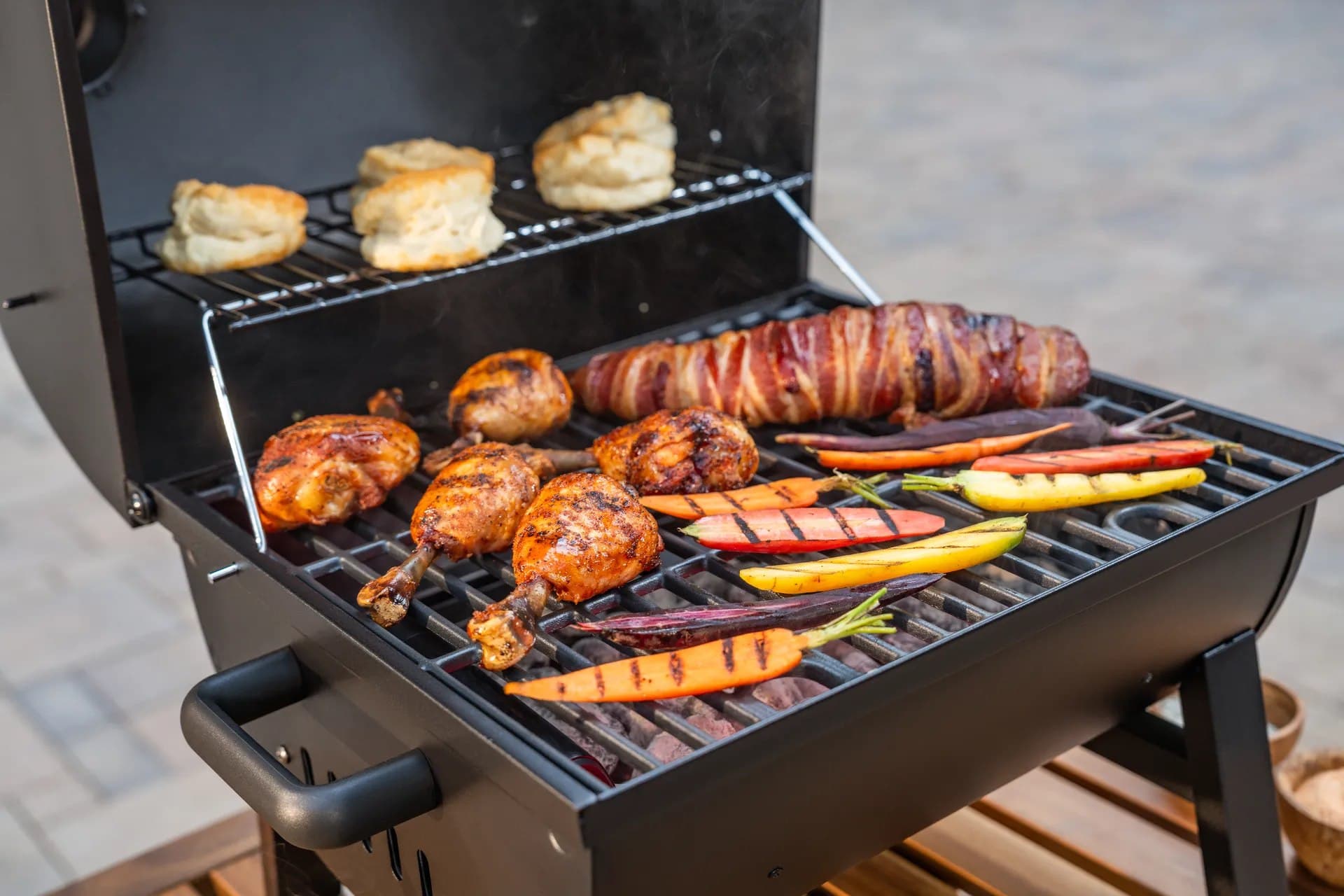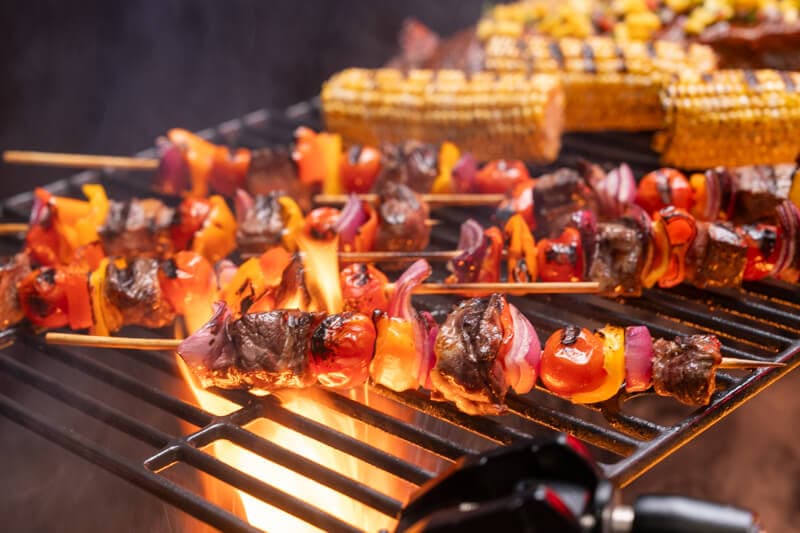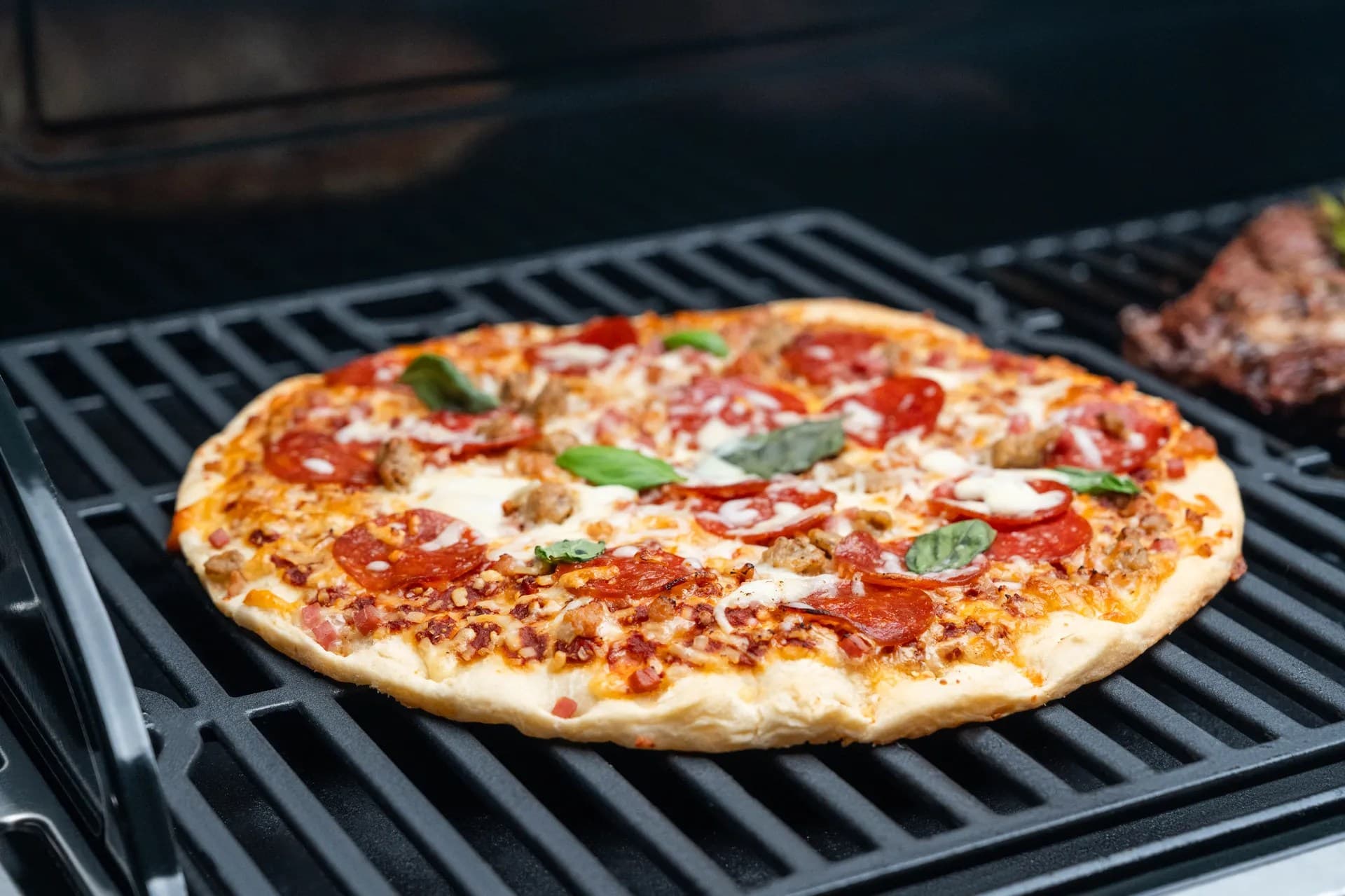
Discover unique and flavorful recipes to elevate your fall grilling experience.
Here's what sets us apart from the competition
We position ourselves as delivering high-end outdoor cooking features and performance without premium-brand pricing, emphasizing “Quality Grills. Unbelievable Value.”
We offer gas grills, pellet grills, griddles, smokers, pizza ovens, portable/tabletop grills, electric grills, accessories, and replacement parts — allowing customers to stay within one ecosystem for all outdoor cooking needs.
We differentiate ourselves through smart grilling products like the Oakford smart pellet grill, including app-connected cooking controls and modern outdoor cooking technology.
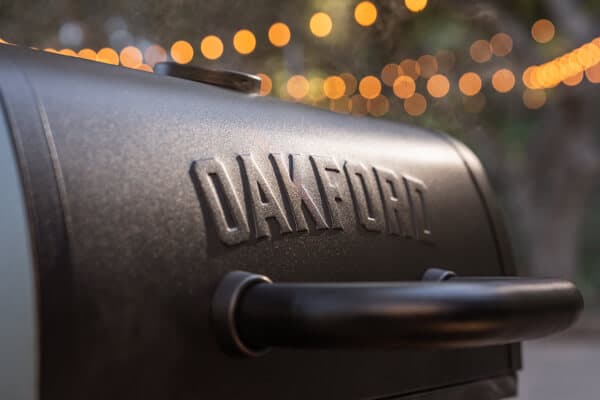
Expert tips, buying guides, comparisons, and inspiration for choosing and getting the most out of your grill.
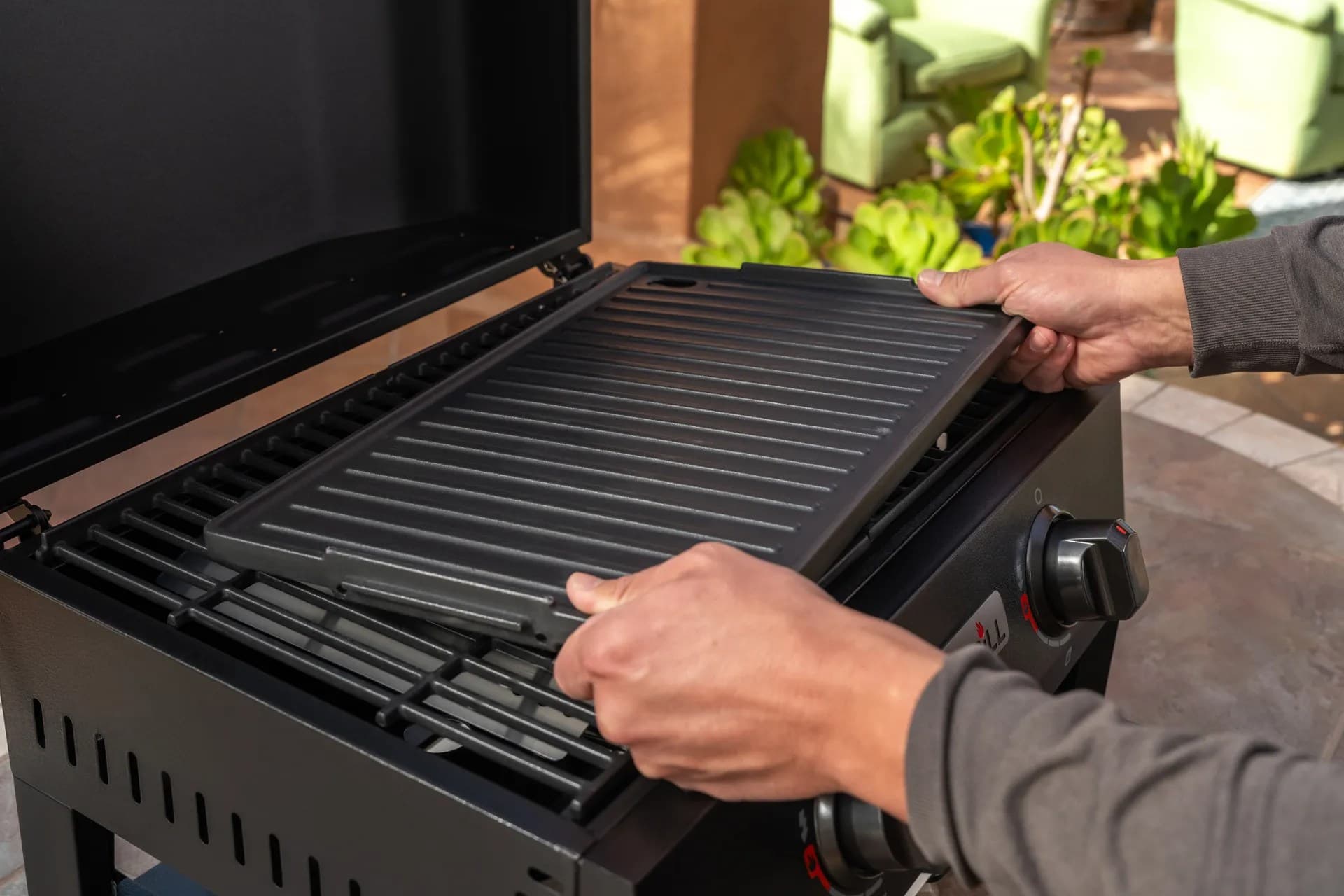
Practical guides for cleaning, maintenance, common grill issues, and performance optimization.
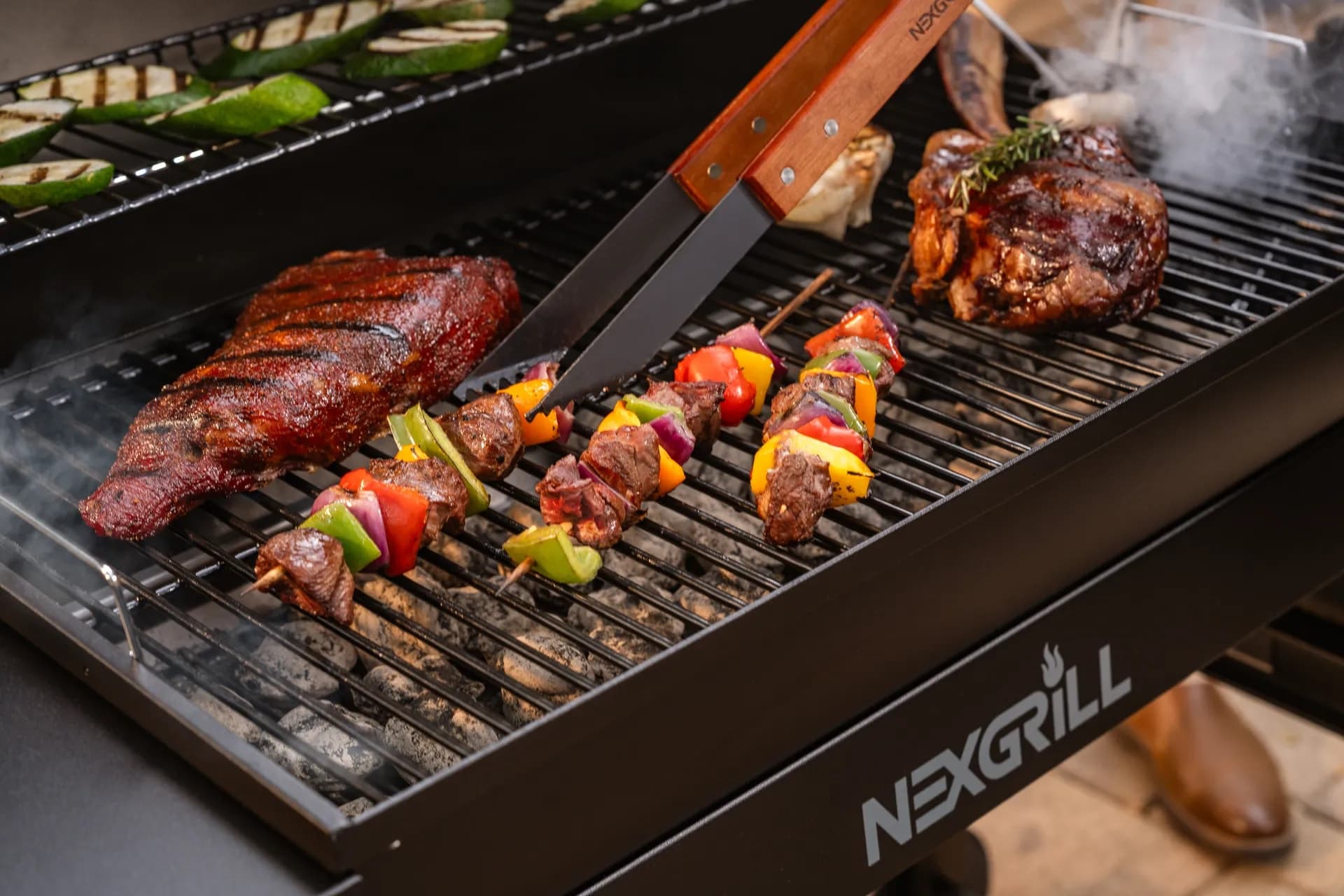
Step-by-step grilling recipes, cooking techniques, and meal ideas for every occasion and skill level.
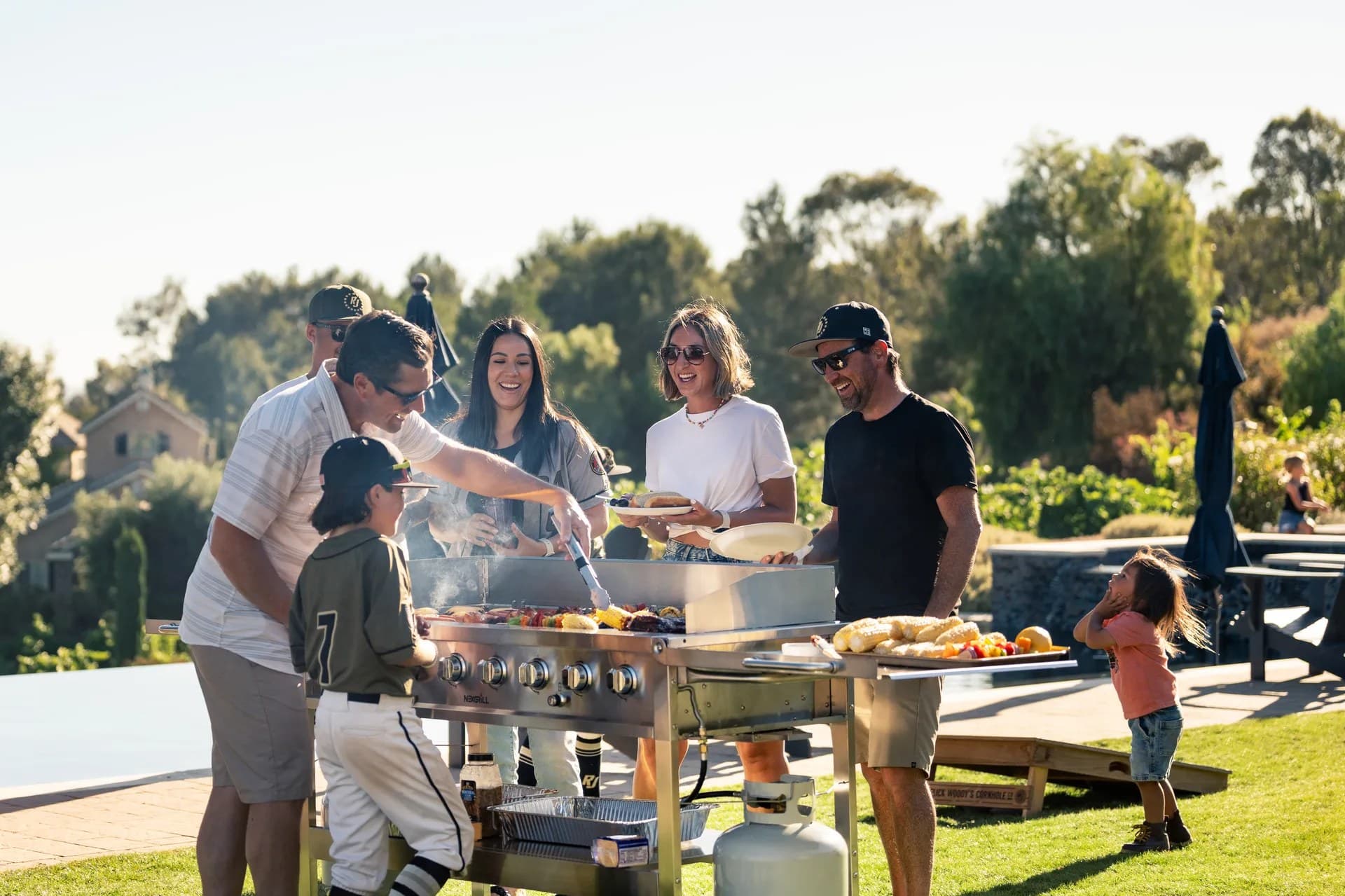
Backyard entertaining ideas, seasonal grilling inspiration, and stories that celebrate outdoor cooking culture.
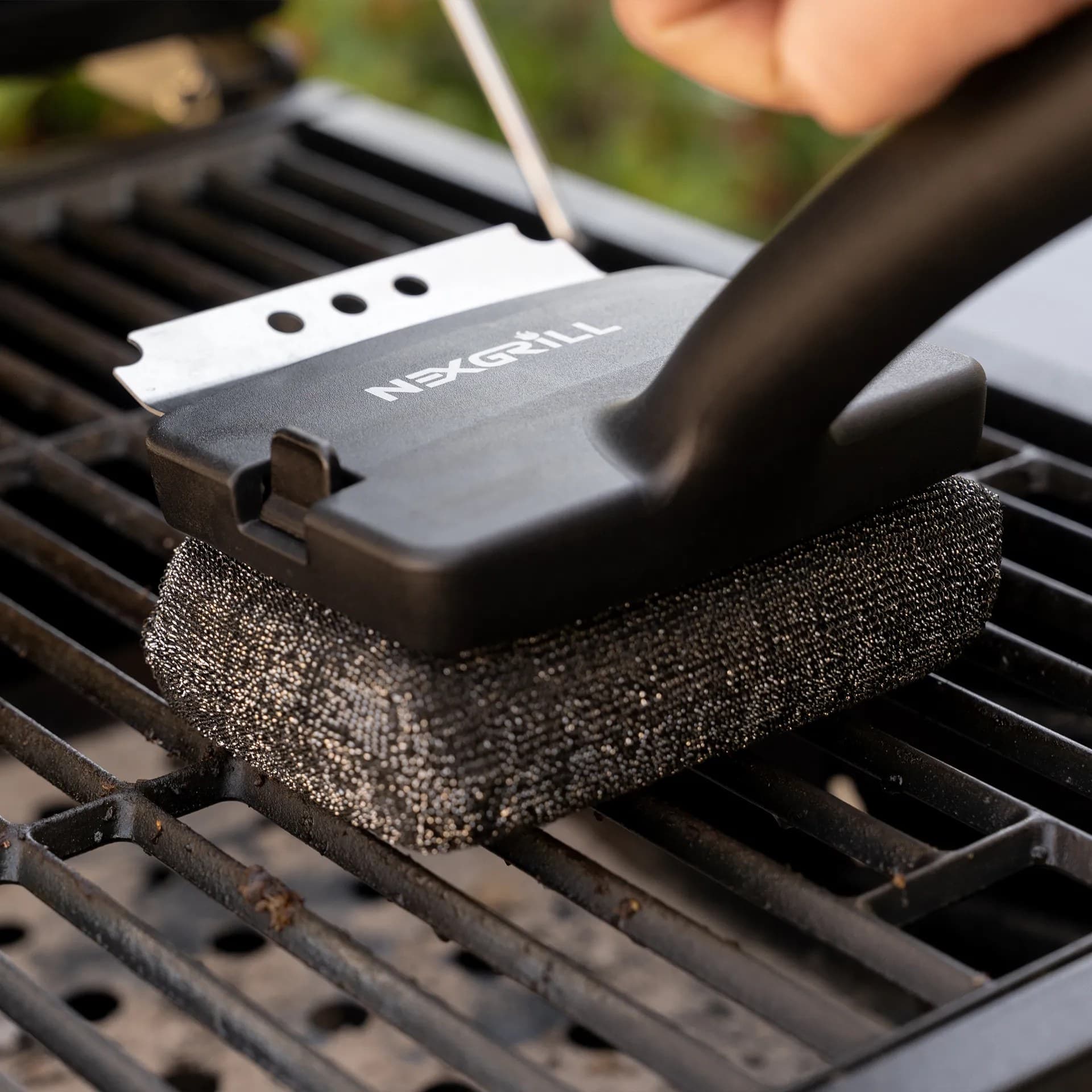
Helpful articles covering grilling tools, cookware, maintenance gear, and must-have accessories for outdoor cooking.
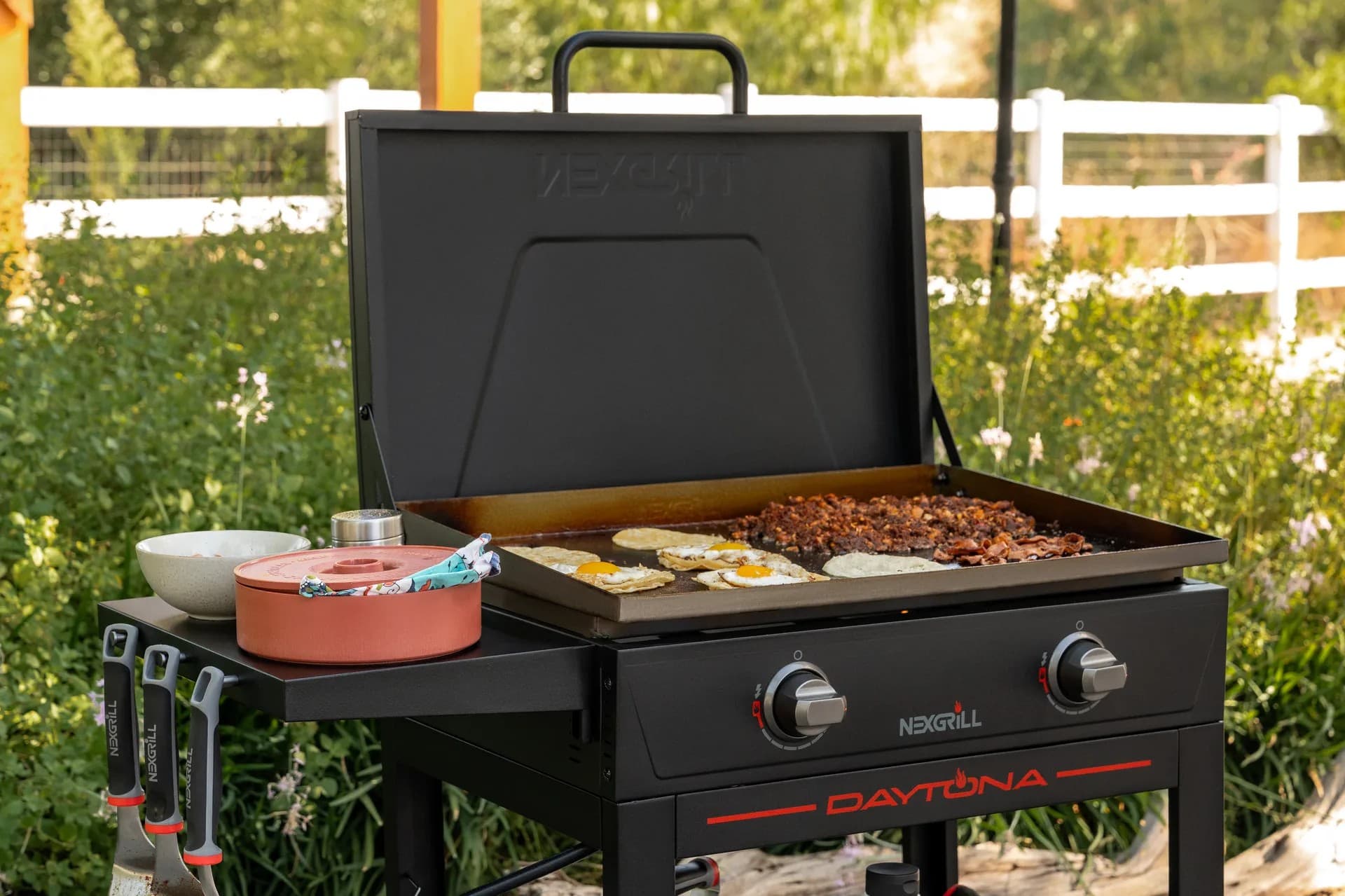
Find griddle recipes, cooking techniques, cleaning tips, and outdoor meal ideas designed for Nexgrill griddles.
Find answers to common questions
Nexgrill equipment is suitable for a variety of recipes including meats, vegetables, and even pizzas. Popular options include marinated steaks, grilled vegetables, and shrimp skewers.
To enhance the flavor of grilled vegetables, consider marinating them in olive oil, herbs, and spices before grilling. Alternatively, you can season them with salt and pepper during grilling for a more straightforward approach.
To achieve perfect grill marks, preheat your grill to a high temperature and ensure that the food is dry before placing it on the grill. Avoid moving the food too early, as it needs to sear properly to form those classic grill marks.
Using a meat thermometer is the most accurate way to ensure your grilled meat is at the desired temperature. For instance, chicken should reach an internal temperature of 165°F while medium-rare beef is typically at 135°F.
To clean your Nexgrill after cooking, allow it to cool and then use a grill brush to remove any residue from the grates. You can also wipe down the exterior with a damp cloth and mild soap to keep it looking its best.
In This Article
Seasonal Ingredients
Grilling Techniques
Pairing Suggestions
Fall grilling is less about chasing summer-style cookouts and more about making the most of ingredients that naturally feel at home in cooler weather. Think of it as a season of deeper sweetness, earthier textures, and a little more smoke. Apples, pears, squash, carrots, sweet potatoes, Brussels sprouts, and even pumpkins bring a level of flavor that stands up well to open flame, especially when you pair them with maple, sage, rosemary, cider vinegar, brown sugar, or chile heat. The goal is not to force summer foods into autumn clothing. It is to build meals that taste like the season by using ingredients that already carry fall character.
For Nexgrill readers, this is also the season when outdoor cooking becomes more intentional. You may have fewer long, lazy weekends, which means the best fall grilling recipes need to be practical enough for weeknights and special enough for gatherings. That is where smart recipe design matters. A well-built fall menu often starts with one main grilled item and then layers in a roasted or charred vegetable, a crisp salad or grain side, and a beverage that echoes the same flavors. The result feels complete without requiring a complicated production in the backyard.
Fall grilling works best when you balance sweetness, smoke, and acidity. A touch of acid from cider vinegar, mustard, or citrus keeps rich autumn ingredients from tasting heavy.
If you are looking for a signature autumn dish, build around a simple formula: one protein or main vegetable, one fruit or root vegetable, one herb, and one finishing sauce. A cedar-plank salmon with maple-Dijon glaze, grilled pork tenderloin with apple-fig chutney, or charred acorn squash with tahini and herb oil all fit the season without leaning on the same old barbecue profile. Even vegetables can carry the meal. A platter of grilled sweet potatoes, red onions, and Brussels sprouts served over farro with toasted pecans can be as satisfying as a meat-centered main course.
The best fall grilling recipes also respect the rhythm of the season. You want dishes that can handle a little breeze, a shorter evening, and a grill that may need slightly more attention as temperatures drop. That usually means choosing recipes with clear staging: items that can be prepped indoors, brought outside quickly, and finished over direct or indirect heat with minimal fuss. Autumn cooking rewards preparation, but it also rewards flexibility. If the weather shifts or guests arrive early, a thoughtful recipe gives you room to adapt without sacrificing flavor.
The strongest fall grilling recipes start with ingredients that already bring texture and sweetness to the plate. Pumpkins are useful, but not only as a decorative symbol of the season. Smaller varieties like sugar pumpkin or pie pumpkin can be halved, seeded, brushed with oil, and grilled cut-side down until the flesh softens and the edges caramelize. From there, you can finish with butter, brown sugar, chili flakes, or a savory herb vinaigrette. Squash works similarly. Delicata squash is especially practical because the skin is tender enough to eat, which makes slicing and serving much easier. Acorn squash and butternut squash benefit from a little more patience and indirect heat, but their natural sugars become more pronounced as they cook.
Apples are another fall ingredient that changes character beautifully on the grill. Firm varieties such as Honeycrisp, Granny Smith, or Pink Lady hold their shape better than softer types. Grilled apple slices can be served with pork chops, chopped into a salad with bitter greens, or folded into a grain bowl with mustard dressing. Pears behave similarly, though they soften faster and are best watched closely. When you grill fruit, the objective is usually not to make it taste smoky in an overpowering way. It is to concentrate the sugars, add a kiss of char, and create contrast with savory elements like blue cheese, sausage, fennel, or chicken.
Root vegetables deserve a larger place in fall grilling than they usually get. Carrots, parsnips, beets, turnips, and sweet potatoes all benefit from pre-cooking or par-cooking before they meet the grill. Their density makes them less forgiving than zucchini or asparagus, so a practical method is to steam or microwave them until just barely tender, then transfer them to the grill for caramelization. That approach preserves moisture while giving you the smoky finish you want. A grilled carrot medley with cumin and honey, for example, can become a surprisingly elegant side dish for chicken thighs or brisket.
For easier fall cooking, choose ingredients that do not break apart easily. Firm apples, dense squash, and sturdy root vegetables hold up better than soft, watery produce.
| Ingredient | Best Grill Method | Flavor Payoff |
|---|---|---|
| Sugar pumpkin | Indirect heat or cut-side-down grilling | Soft, slightly sweet flesh with caramelized edges |
| Apples | Direct heat, quick sear | Concentrated sweetness and gentle char |
| Sweet potatoes | Par-cook, then grill | Creamy texture with crisp outer edges |
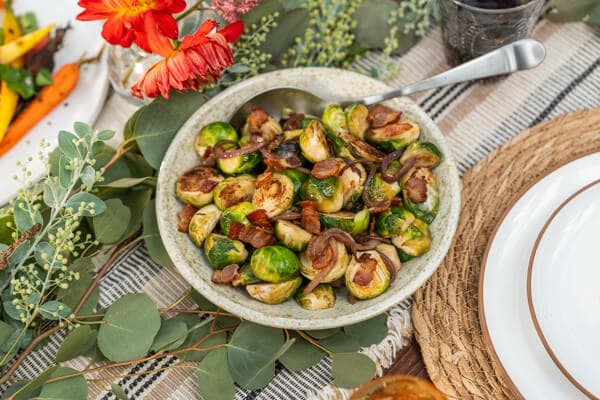
| Brussels sprouts | Skewers or grill basket | Nutty flavor and crisp charred leaves |
| Pears | Direct heat, brief cooking | Juicy sweetness with a lightly smoky finish |
Herbs and pantry ingredients matter just as much as produce. Rosemary and sage complement pork, chicken, squash, and potatoes because they can stand up to smoke and heat without disappearing. Maple syrup adds roundness, but it works best in moderation so your glaze does not burn too quickly. Mustard, cider vinegar, and lemon juice brighten rich ingredients and help create the kind of balance that defines memorable autumn food. If you want a recipe to feel distinctly fall without becoming cloying, use sweetness as an accent rather than the main event.
Fall grilling rewards technique more than spectacle. Because the weather is cooler and the ingredients are often denser, the smartest recipes rely on heat management. Direct heat is ideal for quick-cooking items like apple slices, flat vegetables, or boneless chicken cutlets. Indirect heat is better for thick pork tenderloin, squash halves, whole fish, or vegetable medleys that need time to soften without burning. If you are cooking a mixed menu, set up your grill with one hot zone and one cooler zone so you can move items as they finish. That simple setup gives you more control and helps everything land on the table at the same time.
Smoking is another autumn technique that feels especially appropriate. You do not need a full smoker to borrow smoky flavor for fall recipes. On a gas grill, a foil packet of wood chips can add a gentle wood note to pork chops, turkey breasts, or squash. On a charcoal grill, a smaller coal bed with a controlled indirect zone can help you hold steady temperatures for longer cooks. The key is restraint. Fall ingredients already bring their own flavor, so smoke should support them rather than bury them. Hickory and applewood are especially useful for autumn dishes because they echo the earthy-sweet profile of the season.
One of the most useful fall techniques is pre-seasoning or dry-brining. Proteins such as chicken thighs, turkey tenderloin, or pork chops benefit from salt in advance because it helps retain moisture and seasons the meat more evenly. For vegetables, a short rest after tossing with oil and salt helps draw out surface moisture, which improves browning. If you are grilling squash or sweet potatoes, a light dusting of spice before they go on the grill can create a more layered result than seasoning only at the end. Smoked paprika, cinnamon, coriander, cumin, and black pepper all work well in small amounts when paired with autumn produce.
Watch sugary glazes carefully. Maple, honey, and fruit preserves can scorch fast, so brush them on near the end of cooking rather than at the start.
A practical recipe example is maple-mustard grilled chicken with charred apples and Brussels sprouts. Start by seasoning chicken thighs with salt, pepper, and a little garlic powder. Grill them over medium heat, turning once, until nearly done. At the same time, halve Brussels sprouts and toss them in oil, then cook them in a grill basket so they get crisp edges without falling through the grates. Finish the chicken with a maple-Dijon glaze during the last few minutes, then grill apple wedges briefly just long enough to sear them. The whole dish reads like fall without requiring complicated steps or unusual equipment.
Another strong autumn approach is plank or foil cooking for delicate items. Cedar-plank salmon with fennel and apple relish works beautifully because the plank adds subtle wood aroma while keeping the fish moist. Foil packets are especially helpful for root vegetables or mixed harvest sides when you want steam to do part of the work. You can open the packet at the end to encourage browning, which creates a pleasing contrast between tenderness and char. Try comparing two products side by side below to see which fits best:
Once you have weighed two options against each other, the next step is choosing the version that fits your table, your timing, and the ingredients you can actually find this week. That is where fall grilling becomes fun instead of fussy. The best autumn cookouts do not try to copy summer menus. They lean into harvest ingredients and use the grill as a tool for coaxing out sweetness, smoke, and texture. In practice, that means choosing recipes with a clear seasonal identity: pork with apple and sage, squash with charred edges and tahini, salmon with maple and mustard, or vegetables that can play the lead role instead of only showing up as a side dish.
Readers often approach fall grilling with the same question: how do I make the food feel seasonal without turning every plate into a dessert? The answer is balance. Autumn produce tends to be naturally sweeter than summer vegetables, so the surrounding ingredients need enough acidity, salt, bitterness, or heat to keep the plate lively. Think of a grilled pear salad with radicchio and blue cheese, or sweet potatoes finished with lime and chili instead of marshmallow-style sweetness. The grill helps because it introduces a savory edge that the oven cannot always replicate. You can keep the menu familiar, but the flavor profile should feel a little deeper and more grounded.
Core autumn flavors to build around: sweet, smoky, and acidic
A helpful way to plan is to build meals around what the grill does best. Protein can carry glaze or smoke. Vegetables can provide contrast in color and texture. Fruit can add brightness. Grain-based sides can soak up juices and sauces. If you think in these layers, you do not need a long recipe list to make dinner feel complete. A fall grilling recipe can be as simple as one main item and two thoughtful accompaniments, as long as each element earns its place. That kind of cooking is approachable for weeknights but still polished enough for a Saturday gathering.
If your goal is to make fall grilling recipes that people remember, start by shopping with texture in mind. The best seasonal ingredients for the grill are not always the prettiest. They are the ones that stay intact when exposed to heat. Think of halved pears, thick apple wedges, wedges of acorn squash, peeled sweet potato slabs, or Brussels sprouts on skewers. Those ingredients give you surface area for browning while holding onto enough structure to serve neatly. That matters when you are cooking outdoors, because food that disintegrates on the grates can slow down the whole meal.
Pumpkin deserves special attention, but only if you choose the right form. Large carving pumpkins are not ideal for cooking. Smaller culinary pumpkins have denser flesh and a more pleasant flavor. They can be sliced into wedges, brushed with oil, and grilled until tender enough to mash with butter and herbs or serve alongside grilled sausage. If you want an even faster route, cube the flesh after par-cooking it indoors and finish it on the grill for color. The same principle applies to root vegetables. Parsnips and carrots often benefit from being cut lengthwise and partially cooked first so they can caramelize rather than remain stubbornly firm.
Apples are one of the most versatile ingredients in the fall grilling toolkit because they bridge sweet and savory with very little effort. Use them in wedges beside pork, shave them raw into slaws, or grill slices and chop them into a warm grain bowl. Pears can be treated the same way, though they should usually be just ripe rather than soft. For more savory dishes, onions and fennel bring a gentle sweetness of their own and help create a layered autumn base. A grill basket is useful for smaller items like cubed squash, sliced peppers, or Brussels sprouts, because it reduces the risk of losing ingredients through the grates.
| Recipe Style | Best Seasonal Ingredient Pair | Why It Works |
|---|---|---|
| Savory main dish | Pork tenderloin, apple, sage | Classic autumn flavor with enough richness for cooler weather |
| Vegetable-forward plate | Squash, Brussels sprouts, tahini | Roasty, nutty, and satisfying without feeling heavy |
| Lighter dinner | Salmon, pear, mustard | Bright, rich, and balanced with just enough sweetness |
| Shareable side | Sweet potato, maple, chili | Comforting base with an edge that keeps the dish interesting |
Cooler weather changes how food behaves on the grill, which is why autumn technique matters as much as ingredient choice. Indirect heat is especially useful when you are cooking thicker items that need time to soften all the way through. It lets you avoid burnt exteriors before the interior is ready. That is helpful for squash halves, stuffed apples, whole onions, pork tenderloin, and larger chicken pieces. A two-zone fire gives you the freedom to sear first and finish gently, or cook slowly from the start and then add a final char at the end.
Smoking is another technique that works naturally in fall because the season already leans smoky and earthy. You do not need a complicated setup to get good results. Even a modest amount of wood smoke can elevate turkey, salmon, cabbage, or vegetables. The trick is not to overdo it. Autumn produce can absorb too much smoke if it sits too long, especially softer vegetables. A light hand gives you complexity without covering up the ingredient itself. If you are using a gas grill, keep the lid closed as much as possible so the heat stays steady and the smoke can do its work.
Another valuable fall technique is finishing with fresh contrast. Because the season tilts richer, the last garnish matters more than usual. Add chopped herbs, a squeeze of citrus, a spoonful of vinaigrette, or a few toasted nuts right before serving. These small additions wake up the dish and keep it from tasting monotonous. For example, grilled carrots with cumin and honey become much more dynamic once you add lemon zest and parsley. Grilled squash becomes more memorable when topped with feta, pumpkin seeds, or a herb drizzle. The goal is not just to cook food; it is to create texture contrast from first bite to last.
If you want to scale a recipe for a crowd, choose items that can be cooked in batches and held briefly without losing quality. Grilled vegetables are excellent for that, especially when they are cut to similar thickness. Proteins can be rested while the sides finish. Fruit should be cooked close to serving time so it does not collapse. That is why a fall menu often works best when the centerpiece is a pork roast, chicken thighs, or salmon fillets, with vegetables and fruit handled as supporting elements. The method keeps the meal flowing and prevents the kitchen from becoming a bottleneck.
Pairing is what transforms a grilled dish into a fall meal. Because autumn flavors are often rich, smoky, and slightly sweet, the best sides bring freshness, crunch, or acidity. A grilled pork chop with apple glaze becomes more complete when you add a bitter green salad with vinaigrette or a cabbage slaw with fennel. Grilled salmon with maple mustard feels more composed when it is served with wild rice, roasted mushrooms, or charred broccolini. Vegetable mains also benefit from a side that adds chew, such as farro, couscous, or crusty bread.
For casual gatherings, keep the side list grounded in ingredients that can travel from kitchen to patio easily. A warm barley salad with roasted squash, dried cranberries, and herbs travels well and complements nearly any grilled main. Potato salad can also work in fall if you move away from a summer-heavy profile and use mustard, dill, or pickles for brightness. A shaved Brussels sprout slaw with apple and toasted walnuts gives you a crisp counterpoint to richer proteins. These sides are practical, but they also help make the whole plate feel intentional.
Beverage pairings should reinforce the same balance of sweetness and acidity. Cider is the most obvious fall partner, but it works because its apple character echoes the ingredients on the plate. Dry hard cider, sparkling apple cider, or a cider spritz can all fit a cookout. For wine, look for options with enough acidity to cut through richness, such as a dry Riesling, Pinot Noir, or a lighter red blend. If you prefer beer, amber ales and brown ales usually match grilled squash, pork, and root vegetables better than very bitter styles. Nonalcoholic drinks can be just as thoughtful: ginger beer with citrus, iced tea with rosemary, or sparkling water with pear and lime can make the menu feel cohesive.
Pair bold mains with crisp or acidic sides. That contrast helps fall recipes stay lively and keeps the meal from feeling too heavy.
Fall grilling is most rewarding when you cook with purpose rather than volume. A few strong ingredients, handled well, usually make a better seasonal meal than a crowded plate of competing flavors. When you focus on produce like apples, squash, root vegetables, and herbs, you create dishes that feel rooted in autumn without becoming repetitive or overly sweet. That approach also makes the grill a more versatile tool during the months when people are most likely to fall back on the oven.
The best recipes for this season are the ones you can actually repeat. That may mean a simple grilled salmon with cider glaze on a weeknight, or a bigger spread of pork tenderloin, charred squash, and apple slaw for a weekend dinner with friends. Whatever the menu, keep the focus on balance, practical technique, and ingredients that work together naturally. Try comparing two products side by side below to see which fits best:
Here's what sets us apart
We position ourselves as delivering high-end outdoor cooking features and performance without premium-brand pricing, emphasizing “Quality Grills. Unbelievable Value.”
We offer gas grills, pellet grills, griddles, smokers, pizza ovens, portable/tabletop grills, electric grills, accessories, and replacement parts — allowing customers to stay within one ecosystem for all outdoor cooking needs.
We differentiate ourselves through smart grilling products like the Oakford smart pellet grill, including app-connected cooking controls and modern outdoor cooking technology.
Don't just take our word for it
Keep reading
From our catalog