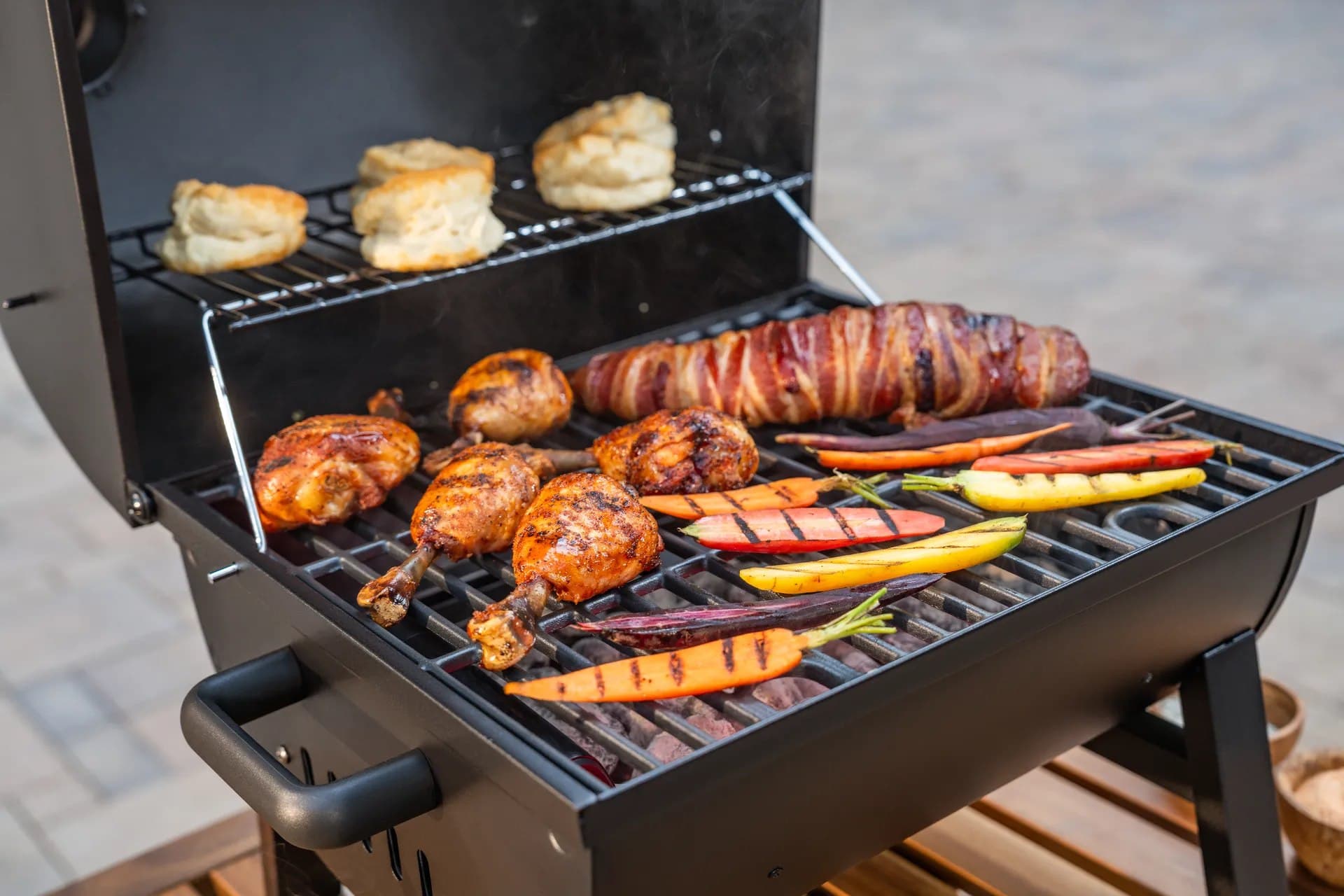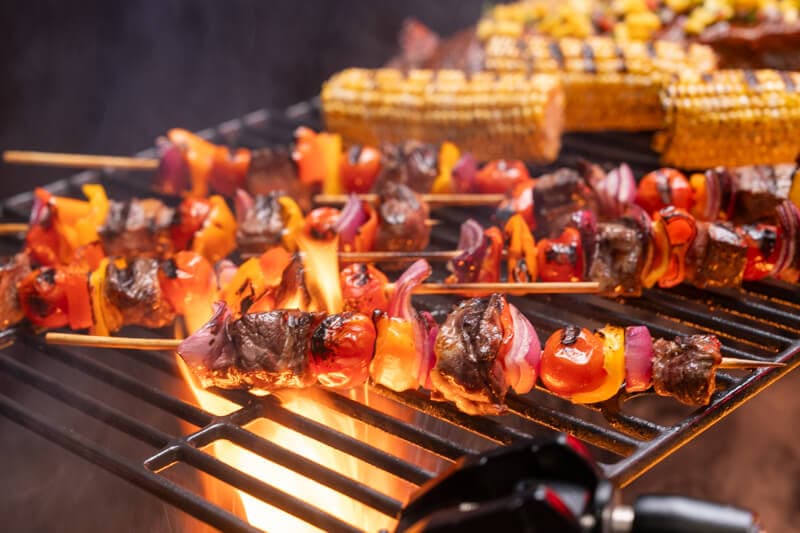
Celebrate Easter with flavorful grilled dishes and expert tips to enhance your holiday feast.
Here's what sets us apart from the competition
We position ourselves as delivering high-end outdoor cooking features and performance without premium-brand pricing, emphasizing “Quality Grills. Unbelievable Value.”
We offer gas grills, pellet grills, griddles, smokers, pizza ovens, portable/tabletop grills, electric grills, accessories, and replacement parts — allowing customers to stay within one ecosystem for all outdoor cooking needs.
We differentiate ourselves through smart grilling products like the Oakford smart pellet grill, including app-connected cooking controls and modern outdoor cooking technology.
Expert tips, buying guides, comparisons, and inspiration for choosing and getting the most out of your grill.
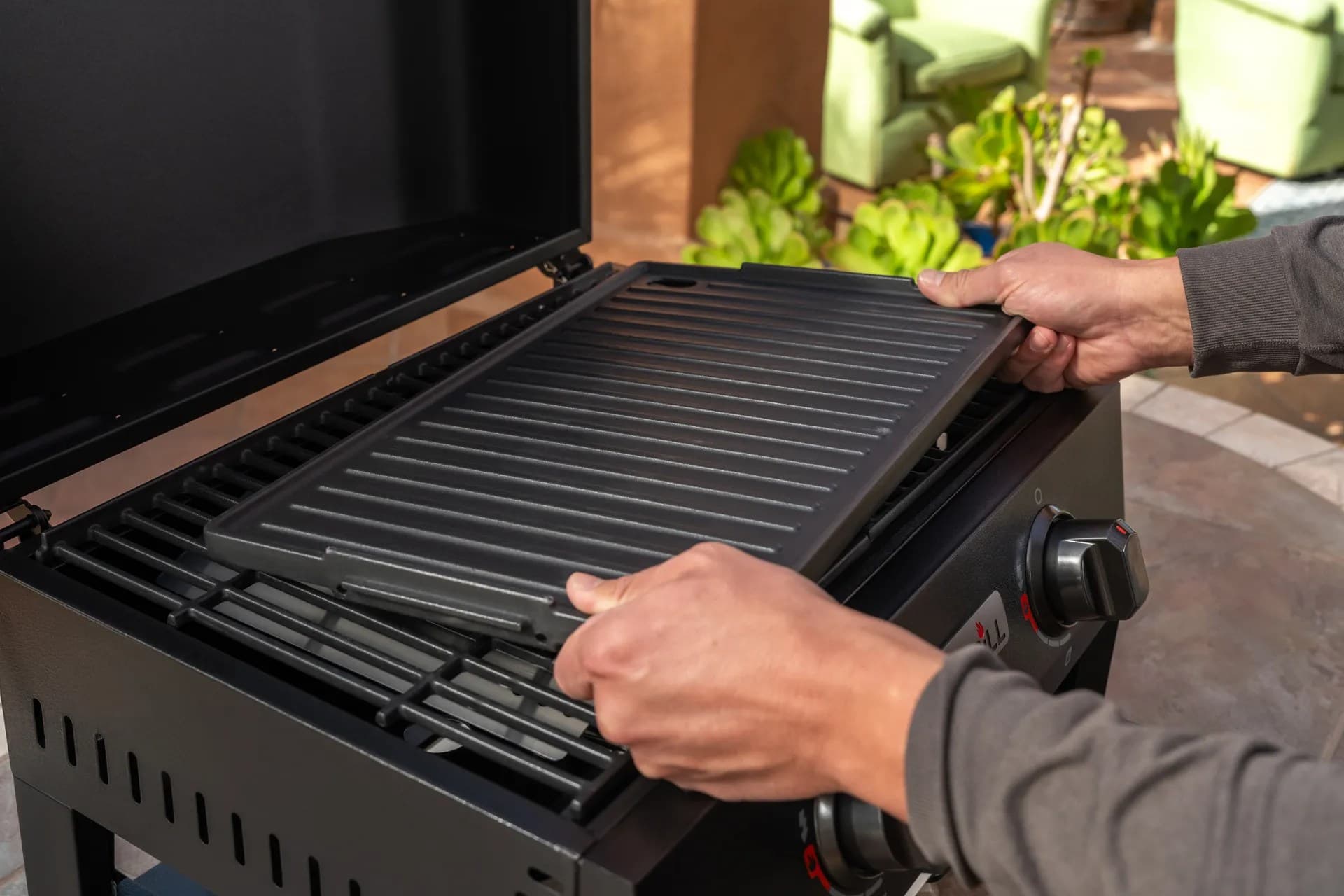
Practical guides for cleaning, maintenance, common grill issues, and performance optimization.
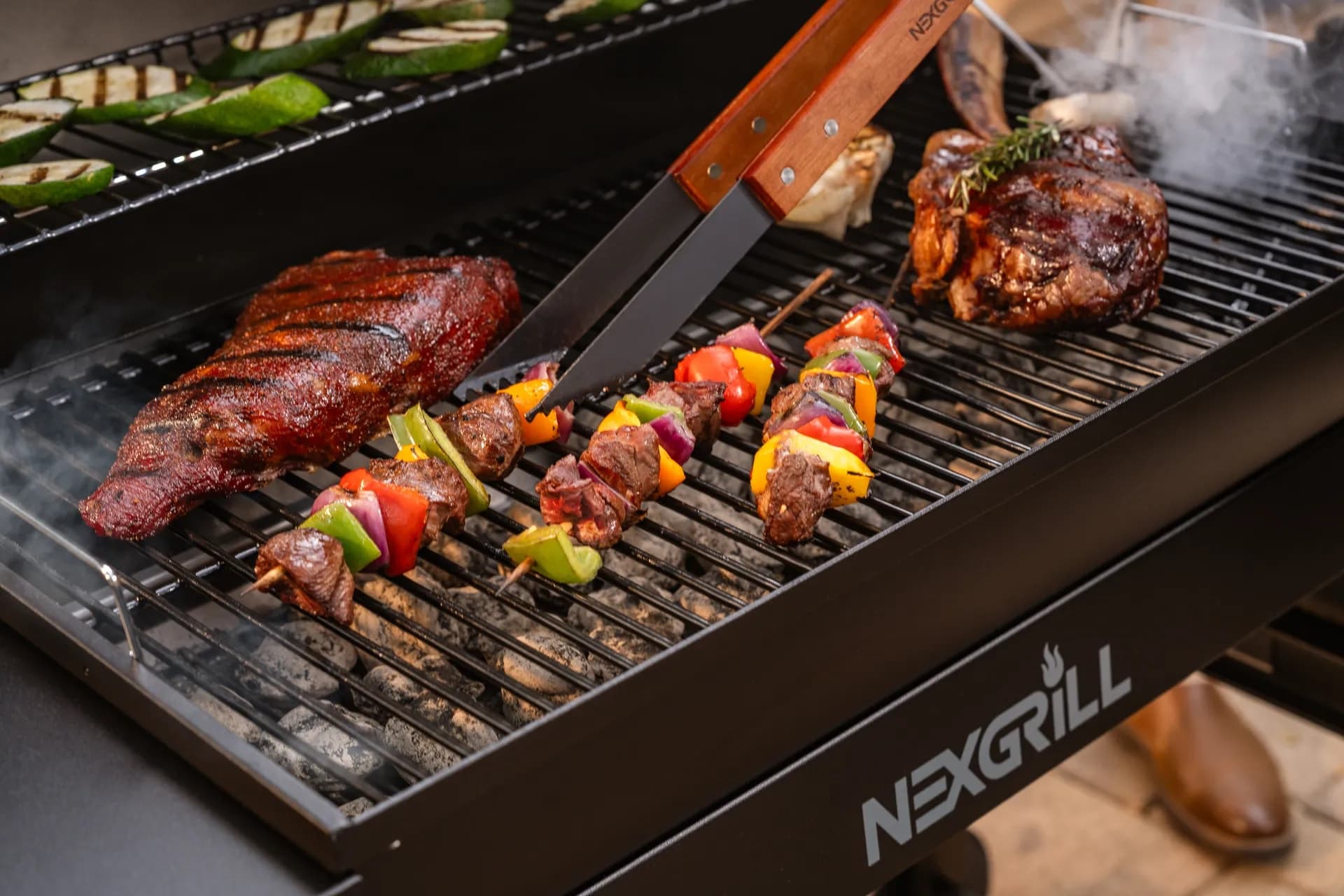
Step-by-step grilling recipes, cooking techniques, and meal ideas for every occasion and skill level.
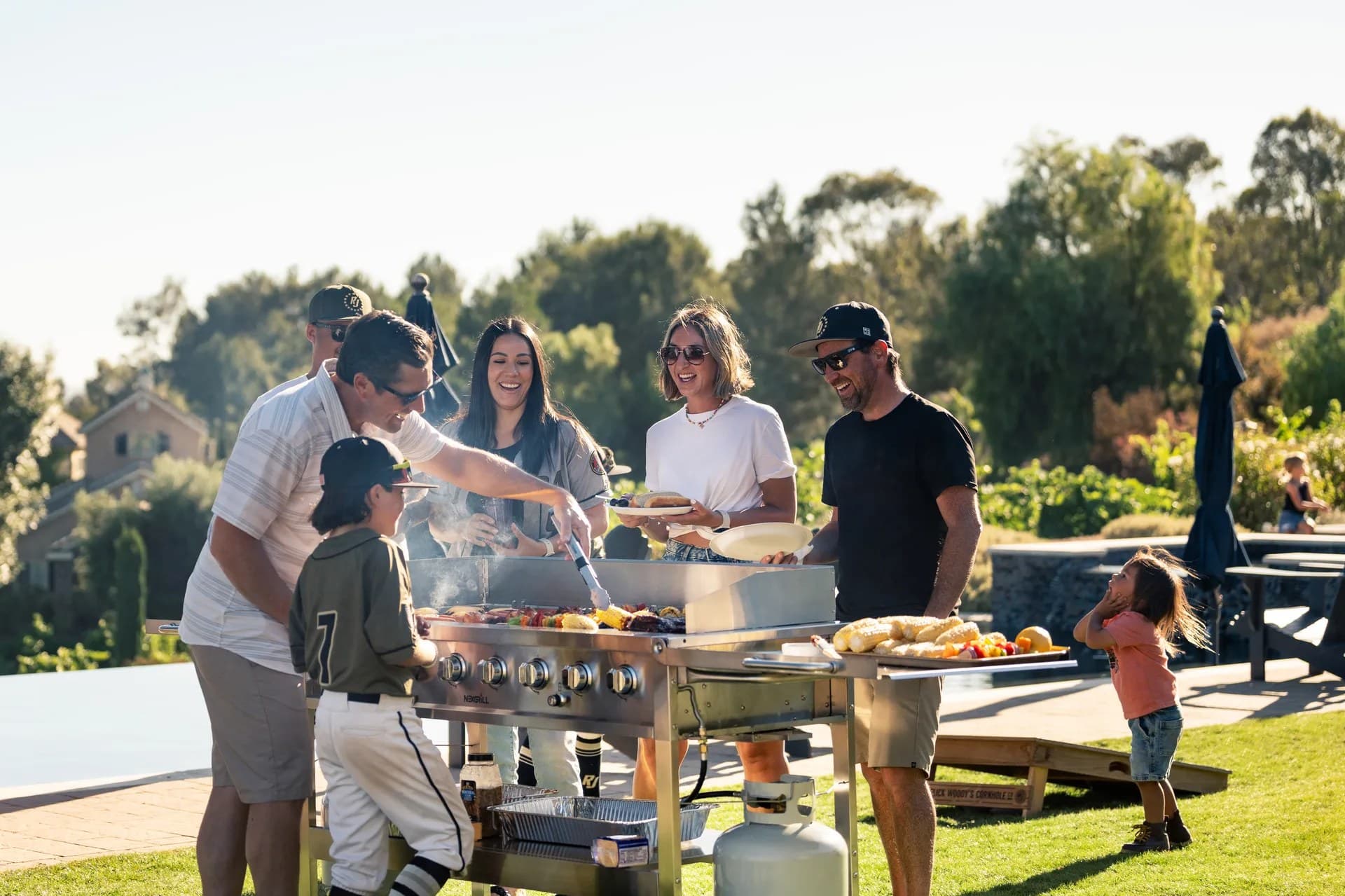
Backyard entertaining ideas, seasonal grilling inspiration, and stories that celebrate outdoor cooking culture.
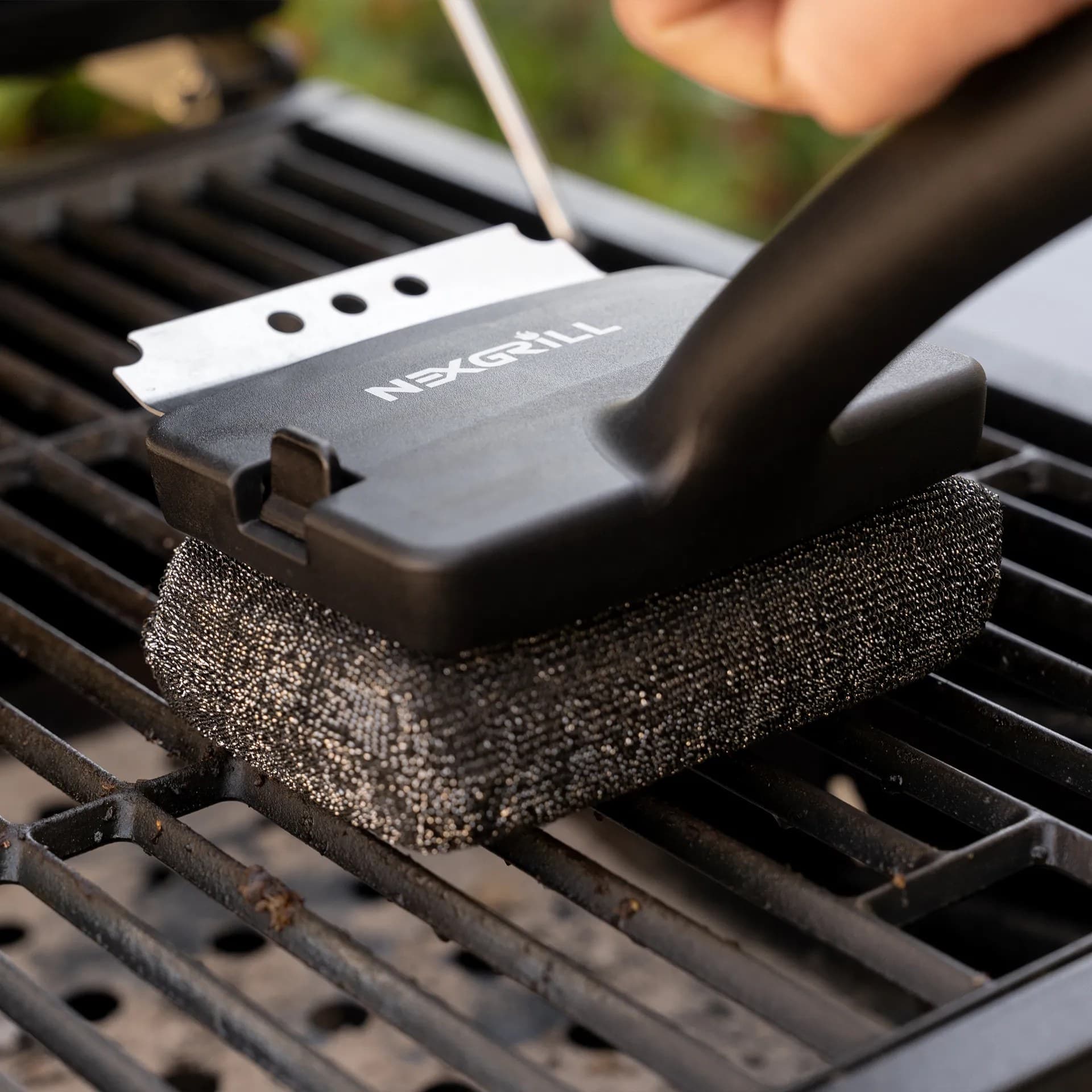
Helpful articles covering grilling tools, cookware, maintenance gear, and must-have accessories for outdoor cooking.
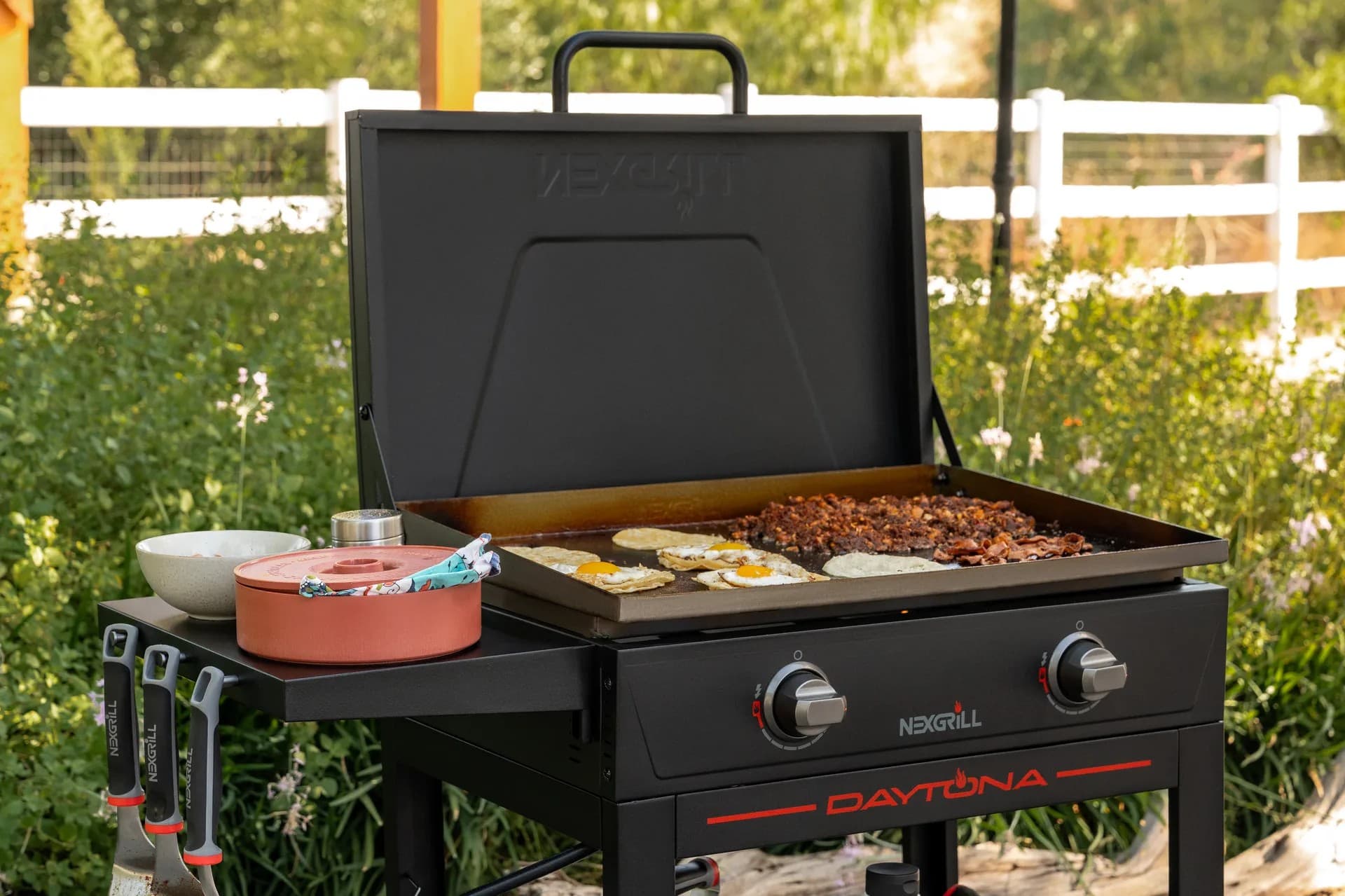
Find griddle recipes, cooking techniques, cleaning tips, and outdoor meal ideas designed for Nexgrill griddles.
Find answers to common questions
Nexgrill equipment is suitable for a variety of recipes including meats, vegetables, and even pizzas. Popular options include marinated steaks, grilled vegetables, and shrimp skewers.
To enhance the flavor of grilled vegetables, consider marinating them in olive oil, herbs, and spices before grilling. Alternatively, you can season them with salt and pepper during grilling for a more straightforward approach.
To achieve perfect grill marks, preheat your grill to a high temperature and ensure that the food is dry before placing it on the grill. Avoid moving the food too early, as it needs to sear properly to form those classic grill marks.
Using a meat thermometer is the most accurate way to ensure your grilled meat is at the desired temperature. For instance, chicken should reach an internal temperature of 165°F while medium-rare beef is typically at 135°F.
To clean your Nexgrill after cooking, allow it to cool and then use a grill brush to remove any residue from the grates. You can also wipe down the exterior with a damp cloth and mild soap to keep it looking its best.
In This Article
Grilled Easter Delights
Expert Grilling Tips
Easter Side Dishes
Easter menus often lean toward roasts, glazed hams, and heavy casseroles, but grilling brings a lighter, more social rhythm to the holiday. It lets the host spend less time in the kitchen and more time at the table, which fits the spirit of a shared meal especially well. Nexgrill’s brand philosophy centers on togetherness and accessible outdoor cooking, and that makes Easter a natural fit for the grill: the occasion feels festive without requiring a complicated production, and the food can be as simple or as ambitious as you want it to be. The goal is not to replace every traditional dish. It is to create a menu that feels bright, seasonal, and memorable enough to stand beside the classics.
For a strong Easter grilling menu, think in layers rather than a single centerpiece. Start with a main course that benefits from smoke, char, or direct heat; then add sides that can hold their own next to rich holiday flavors; finally, choose beverages that refresh the palate instead of weighing it down. That structure works whether you are cooking for six people on a casual patio or welcoming a larger family crowd that needs food to be served in waves. Nexgrill’s emphasis on welcoming, approachable outdoor cooking aligns with that kind of holiday flow: one grill, several dishes, and a table where different tastes can still feel united. As the brand guidelines note, grilling is about community, creativity, and the perfectly cooked dinner, not about formal rules or gatekeeping.
Easter grilling works best when the menu balances one showpiece with easy, make-ahead sides so the host can stay present with guests.
Main course, side dishes, and drinks should each contribute a different texture and temperature.
The best Easter main course is one that benefits from both elegance and forgiving cooking. Bone-in lamb chops are a classic holiday choice because they cook quickly, look polished on the plate, and pair naturally with herbs, garlic, mustard, and citrus. For a more family-style approach, a butterflied leg of lamb gives you the same holiday flavor in a format that is easier to grill evenly and slice for a crowd. The key is to use medium heat and let the grill provide color without rushing the center. A simple rosemary, lemon zest, olive oil, and black pepper seasoning keeps the meat tasting fresh rather than heavy. If you want a more coastal Easter menu, cedar-plank salmon or skin-on salmon fillets work beautifully because the grill adds smoky depth while keeping the fish moist and celebratory.
Pork also belongs on an Easter grill if you want a more budget-friendly centerpiece. A mustard-and-honey glazed pork tenderloin cooks fast and slices neatly, making it a practical option for hosts who need dependable results. It is lean, so the grill should be hot enough to sear quickly but not so hot that the exterior dries out before the center finishes. For bigger gatherings, a small pork loin roast can be handled indirectly, then rested and carved on a platter. The payoff is that pork takes well to spring flavors like apricot, sage, thyme, and apple cider glaze. If your crowd includes guests who prefer poultry, split chicken breasts or bone-in chicken thighs can be grilled with a light herb brine and served with a bright pan sauce or compound butter. That lets you build a holiday spread without forcing every guest into one flavor profile.
| Main course | Best technique | Why it works for Easter |
|---|---|---|
| Bone-in lamb chops | Direct high heat, short cook time | Elegant, fast, and easy to portion |
| Butterflied leg of lamb | Direct then brief indirect finish | Feeds a crowd and slices cleanly |
| Cedar-plank salmon | Indirect heat with lid closed | Light, seasonal, and excellent with herbs |
| Honey-mustard pork tenderloin | Hot sear then gentle finish | Budget-friendly and holiday-worthy |
If you are using a Nexgrill-style gas grill or griddle setup, plan the cook around zones. Sear over direct heat for color, then move thicker cuts to a cooler side to finish without burning the glaze. That method keeps the meal polished rather than rushed, which is especially important when the table includes children, older guests, and people who eat at different paces. Try comparing two products side by side below to see which fits best:
The smartest Easter sides are not just “filler”; they should bridge the gap between smoky main dishes and the sweeter foods many families expect on the holiday table. Grilled asparagus with shaved parmesan is a reliable choice, but it is not the only one worth serving. Grilled spring onions with a splash of sherry vinegar can be chopped into a warm salad, while baby potatoes can be parboiled, smashed lightly, and finished on the grill until the edges crisp. These sides offer texture, not just color. If the main course is rich, your sides should cut through that richness with acid, bitterness, or freshness.
A less obvious but excellent Easter side is grilled romaine with lemony breadcrumbs and a soft cheese such as ricotta or goat cheese. The grill gives the lettuce a lightly smoky edge while keeping the center crisp. Another standout is charred carrots with orange zest, honey, and dill, which can sit comfortably next to lamb or pork. For a more substantial option, consider a warm grain salad built from farro or barley, then fold in grilled peas, herbs, and toasted pistachios. That kind of side is especially helpful when guests arrive hungry or when the meal needs to be stretched across multiple servings. It also travels better than delicate green salads if you are bringing a dish to someone else’s house.
When a side has both char and acid, it can stand up to lamb or pork without feeling heavy or repetitive.
Do not underestimate the value of one cool side and one warm side. A cucumber and herb salad with yogurt dressing can refresh the palate between bites of grilled meat, while a hot skillet of cornbread or skillet rolls can help turn the meal into a true gathering. Easter is also a good time for asparagus, snap peas, radishes, and spring herbs because they need very little intervention. A quick toss in olive oil, salt, and lemon before grilling is often enough. You are not trying to bury the ingredients under sauce. You are trying to let the fire add character. That approach fits the Nexgrill tone of being resourceful and approachable, which is exactly what holiday cooking should feel like.
Holiday grilling is less about flashy technique and more about timing, staging, and restraint. Start by setting up your grill before guests arrive so the first burn-off, grate cleaning, and preheat are already behind you. If you are cooking more than one protein, finish the thickest item first and rest it under loose foil while the smaller items cook. This is where two-zone grilling matters: one hot zone for color and one gentler zone for finishing and holding. For Easter, that usually means the difference between serving food that is merely hot and serving food that still looks intentional on the plate.
Marinades should be used with care. Bright, herb-based marinades work well for poultry and lamb, but acidic blends should not be left on too long or they can make the surface mushy. A good holiday workflow is to season the meat the night before, then add a finishing glaze only in the last few minutes of cooking. For salmon and other fish, oil the grates well and avoid moving the fillet too early; one clean release tells you the sear has set. For vegetables, high heat is usually your friend because it creates contrast fast, which keeps the meal lively instead of soft and uniform. You can also make your life easier by par-grilling certain vegetables, then finishing them in a warm oven or covered pan if the grill is crowded.
Easter pairings should feel fresh and easy to drink, not overly formal. With lamb, a medium-bodied red such as Pinot Noir or Grenache works well because it supports herbs and char without overpowering the meat. If your main course is pork with fruit glaze, reach for a dry Riesling or a light Chardonnay, which can handle sweetness while staying crisp. Salmon generally does best with Sauvignon Blanc, dry rosé, or sparkling wine, especially when the dish includes dill, citrus, or asparagus. Those options keep the meal lively and can stand up to the subtle smoke from the grill.
For nonalcoholic pairings, think beyond basic soda. Sparkling water with cucumber and mint feels seasonally right, and iced tea with lemon can mirror the herbal notes in the food. A lightly sweetened lemonade with thyme or basil also works beautifully with grilled dishes because it brings enough brightness to balance charred edges. If you are serving a mixed crowd, offer at least one sparkling beverage and one still beverage so people can choose based on the richness of their meal. The more varied the menu, the more important it is to provide drinks that reset the palate instead of competing with it.
A memorable Easter grill menu does not need to be extravagant. It needs to feel thoughtful, balanced, and welcoming. When you choose a main course that suits the grill, build sides that add freshness and texture, and pair everything with beverages that sharpen rather than dull the palate, the whole meal feels more cohesive. That is the difference between simply cooking outside and hosting an Easter feast people actually remember. The best part is that grilling naturally invites conversation and movement, which gives the holiday a relaxed energy that works for families, friends, and neighbors alike. In Nexgrill’s own language, the occasion is today, and the table is open to everyone.
Once you have the first few Easter dishes planned, the bigger question becomes how to make the whole meal feel coordinated rather than improvised. A successful holiday grill menu is built around contrast: one item with smoke and char, one side with brightness, one side with comfort, and one drink that resets the palate. That kind of structure keeps the meal from becoming too rich too quickly, and it gives guests reasons to keep sampling rather than settling into one flavor profile. Nexgrill’s brand voice encourages exactly this kind of shared, welcoming experience around the fire, where the meal becomes a reason to gather rather than a test of technical skill.
Easter is especially well suited to grilled cooking because spring ingredients are already moving in a lighter direction. Herbs are fresher, produce is more colorful, and many families want food that feels celebratory without being heavy. Grilling preserves that mood. It creates a dish that looks intentional and festive, but it also allows the host to work in batches, hold food gently, and stay involved with guests. The most overlooked advantage is timing: if you build the menu around proteins that cook at different speeds, you can serve in a natural sequence instead of rushing everything to the table at once. That pacing matters more than a perfect garnish. It is what makes an Easter dinner feel calm and generous instead of chaotic.
For a holiday main course, choose ingredients that reward careful heat management and do not demand constant attention. Lamb remains the most classic Easter grill centerpiece because it carries herbs, garlic, and citrus exceptionally well. A rack of lamb is ideal when you want a dramatic presentation, while butterflied leg of lamb is better for serving a larger group with less stress. The key difference is not just appearance; it is workflow. A rack of lamb gives you precise, elegant portions, but a butterflied cut gives you more even thickness, which makes it easier to grill over direct heat and finish to the same doneness across the entire piece. Either way, the grill should be hot enough to build a crust, then moderated so the interior stays juicy.
If lamb is not the crowd favorite, pork tenderloin and chicken thighs are both strong Easter options because they absorb flavor quickly and slice well for buffet-style service. Pork tenderloin with a mustard, brown sugar, and apple cider vinegar glaze gives you a balance of savory and sweet that fits the holiday without becoming dessert-like. Chicken thighs, especially bone-in and skin-on, are forgiving and ideal when the host needs a protein that can sit briefly while side dishes are finished. For a seafood-forward menu, cedar-planked salmon or whole trout gives you an elegant, lighter alternative. Seafood also keeps the holiday table from feeling too expected, which can be refreshing if the family serves ham or roast at other gatherings throughout the year.
| Protein | Holiday advantage | Best finishing touch |
|---|---|---|
| Rack of lamb | Elegant presentation | Mint-herb oil |
| Butterflied leg of lamb | Feeds more people | Garlic-lemon drizzle |
| Pork tenderloin | Fast and budget-conscious | Apricot or mustard glaze |
| Cedar-planked salmon | Light and seasonal | Dill and lemon |
The best Easter menu can also include one surprising cut that reflects the casual, welcoming side of the holiday. Try grilled spatchcock chicken if you want a centerpiece that looks generous and slices efficiently for a crowd. Spatchcocking flattens the bird for faster, more even cooking and gives the skin more exposure to heat, which creates a better texture than roasting alone. For a more modern plate, grilled lamb skewers can be served family-style with yogurt sauce and herbs, making them easier for mixed-age gatherings where not everyone wants a formal plated meal. These are practical choices, but they also feel festive because they are meant to be shared. That is consistent with the brand’s view that grilling is about inclusion, accessibility, and giving everyone a seat at the table.
Holiday sides should do more than fill the plate. They should make the main dish taste more complete. Instead of repeating familiar spring salads, build sides with a bit of char so they feel connected to the grill. Grilled fennel with orange and olives is an underused choice that works beautifully with lamb or salmon because it brings a subtle anise note and enough brightness to counter smoky food. Another strong side is grilled new potatoes dressed in mustard vinaigrette while still warm. The potatoes hold their shape, absorb the dressing, and provide the kind of satisfying texture that keeps guests from overloading on bread or dessert too early.
For a more vegetable-forward holiday spread, grilled broccolini, spring onions, and carrots can be served as a mixed platter with a single herb-based sauce. This approach saves time and creates a visually striking side without requiring three separate recipes. You can also lean into dairy and crunch with charred asparagus topped with toasted hazelnuts and a little shaved cheese. If you want something that travels well for a potluck-style Easter, farro salad with grilled artichokes, peas, dill, and preserved lemon is sturdy enough to sit at room temperature while still tasting fresh. It is a useful alternative to leafy salads, which can wilt under real-world party conditions.
A good holiday side has at least one of these three qualities: it can be made ahead, it can be served warm or room temperature, or it brings a contrasting texture to the plate.
One of the easiest ways to make Easter sides feel special is to add an element that catches the eye: char marks, fresh herbs, toasted nuts, or a glossy finishing oil. Those details do not require much extra time, but they change the perception of the meal. A plate with grilled vegetables, a bright salad, and a composed starch feels deliberate even if the recipes are straightforward. That is especially important for hosts who want a memorable table without spending the whole afternoon over the fire. If you are building around a larger main course, keep the sides slightly sharper and more acidic than usual so the meal remains balanced from first bite to last.
Easter cooking goes more smoothly when you plan the sequence like a small service window. Start with dishes that benefit from resting, such as lamb or pork, then move to faster-cooking vegetables and seafood, and finish with items that need only a quick sear. This lets the grill work efficiently and reduces the chance of overcooked food sitting too long. If your grill has multiple burners, use one area as a hot zone and another as a lower zone for holding or finishing. If you are using a griddle alongside a grill, use the griddle for sides like potatoes or spring vegetables while the primary protein cooks on grates. That kind of division helps when the menu is larger than the cooking surface.
Seasoning timing matters as much as temperature. For lamb and pork, salt early enough to help the surface dry and develop flavor, then apply sweet glazes only toward the end so they do not scorch. For fish, lightly oil the skin and the grates, and do not force a flip until the protein naturally releases. For vegetables, don’t be afraid of a hotter fire than you might use indoors; the grill’s job is to bring out sweetness quickly while preserving structure. When a side needs a more refined finish, keep a covered pan nearby so you can hold it warm without overcooking.
Avoid thick sugary glazes too early in the cook. Easter food should look lacquered, not burnt.
A holiday checklist can be simple and still effective: preheat the grill, clean the grates, stage a tray for rested meat, and pre-mix any herb sauces or finishing oils before guests arrive. That preparation gives you breathing room when people start asking questions, children are coming and going, and the timing of side dishes shifts. Good grilling is rarely about improvisation under pressure. It is about creating enough structure that the food can shine without stealing the whole afternoon.
Drink pairing for Easter should respect two things: the char from the grill and the holiday’s sense of celebration. Sparkling wine is one of the easiest answers because it works across the table, from lamb to vegetables to citrusy sides. A dry sparkling wine or brut-style option keeps the palate moving and adds a festive feel without demanding a formal pairing chart. For lamb, Pinot Noir remains a dependable choice because its fruit and acidity complement herbs and smoke without overwhelming the meat. For pork tenderloin with fruit glaze, a crisp rosé or a light white blend can balance sweetness and keep the menu bright.
If seafood is the centerpiece, Sauvignon Blanc, dry riesling, or a mineral-driven white can help mirror the freshness of lemon, dill, and spring vegetables. When the menu includes several richer dishes, a chilled red such as Gamay can be a useful middle ground because it feels celebratory but still approachable. For nonalcoholic drinks, focus on beverages with real flavor structure: sparkling water with citrus peel, iced green tea with mint, or a lightly sweetened berry shrub mixed with soda water. These pairings do more than provide a substitute. They support the meal by cleaning the palate between bites.
The most memorable Easter grill menus are not necessarily the biggest; they are the most balanced. A thoughtful main course, two sides with different textures, and drinks that refresh the palate can create an Easter feast that feels relaxed, generous, and distinctly seasonal. That is where grilling shines. It gives the host control over flavor and timing while keeping the celebration centered on conversation and shared plates. Nexgrill’s inclusive, approachable outdoor-cooking spirit fits that holiday mood well, because the goal is not perfection for its own sake. The goal is a table where everyone has something they want to eat and a place to enjoy it together.
Here's what sets us apart
We position ourselves as delivering high-end outdoor cooking features and performance without premium-brand pricing, emphasizing “Quality Grills. Unbelievable Value.”
We offer gas grills, pellet grills, griddles, smokers, pizza ovens, portable/tabletop grills, electric grills, accessories, and replacement parts — allowing customers to stay within one ecosystem for all outdoor cooking needs.
We differentiate ourselves through smart grilling products like the Oakford smart pellet grill, including app-connected cooking controls and modern outdoor cooking technology.
Don't just take our word for it
Keep reading
From our catalog