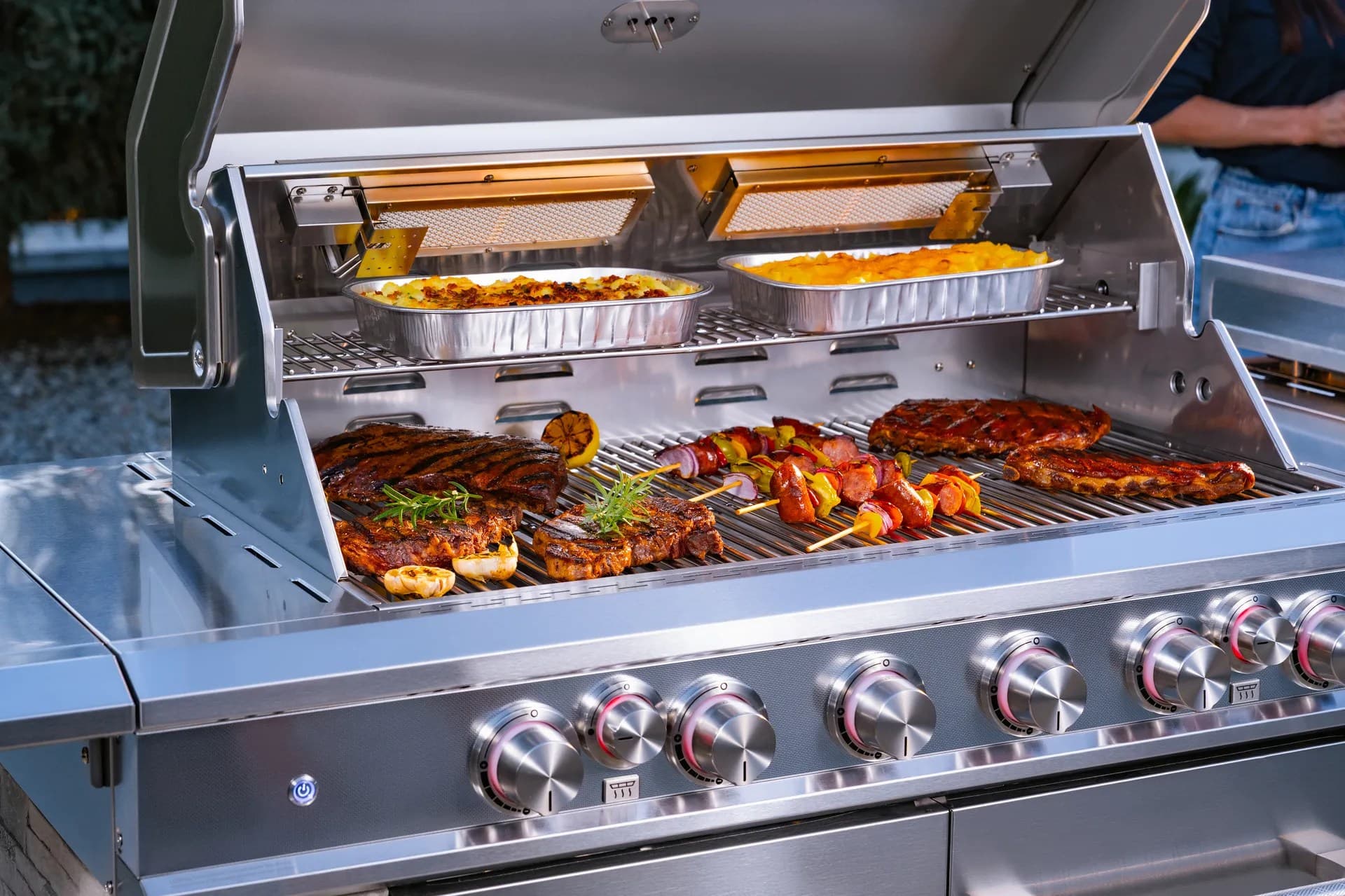
Elevate your summer gatherings with expert grilling tips and recipes.
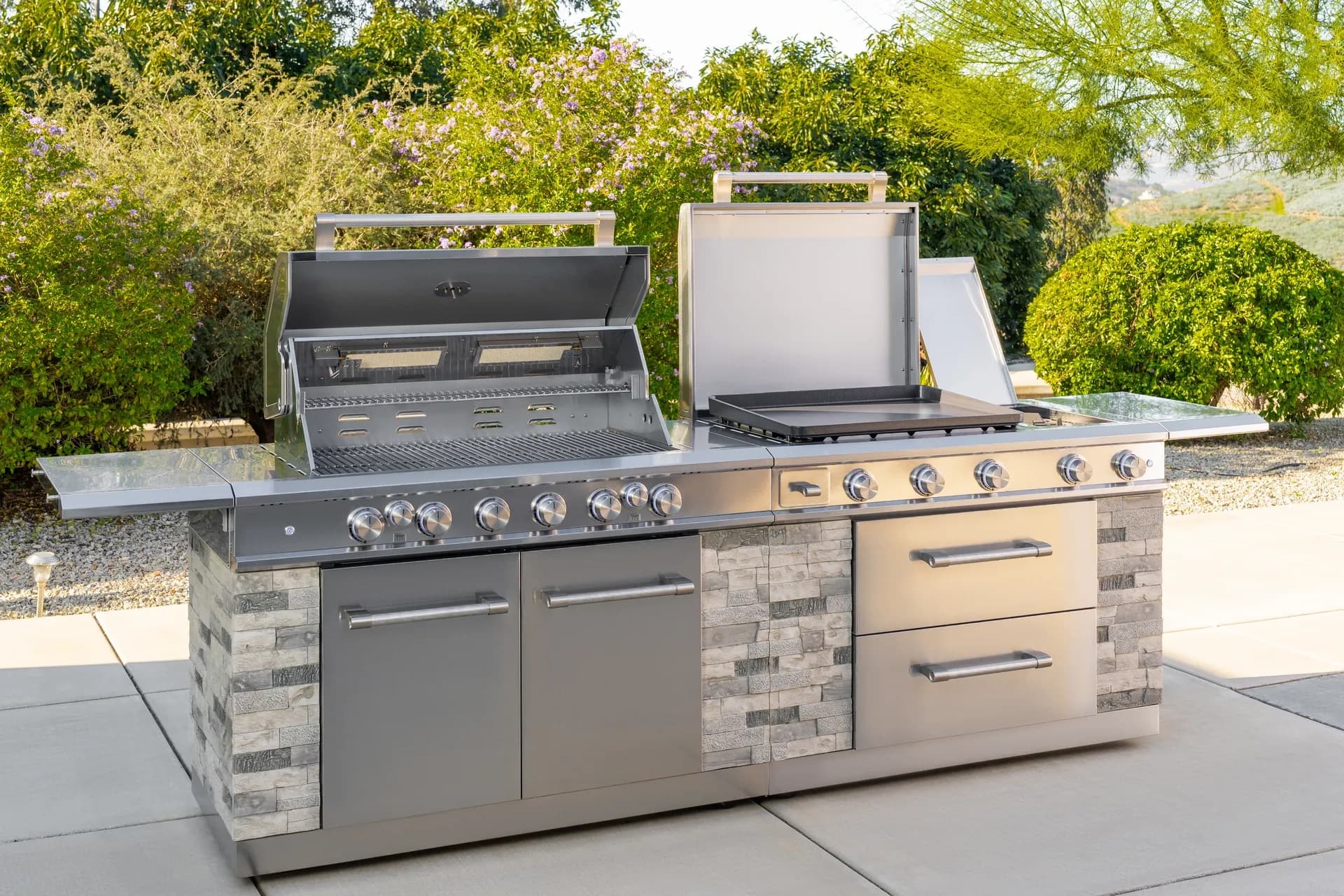
From sizzling breakfasts to smash burgers and teppanyaki-style dinners, the Daytona Pro 5 Burner NitroGuard™ Griddle delivers powerful heat, fast cooking, and a durable cooking surface built for every backyard cookout. Watch how easy outdoor cooking can be.
Here's what sets us apart from the competition
We position ourselves as delivering high-end outdoor cooking features and performance without premium-brand pricing, emphasizing “Quality Grills. Unbelievable Value.”
We offer gas grills, pellet grills, griddles, smokers, pizza ovens, portable/tabletop grills, electric grills, accessories, and replacement parts — allowing customers to stay within one ecosystem for all outdoor cooking needs.
We differentiate ourselves through smart grilling products like the Oakford smart pellet grill, including app-connected cooking controls and modern outdoor cooking technology.
Expert tips, buying guides, comparisons, and inspiration for choosing and getting the most out of your grill.
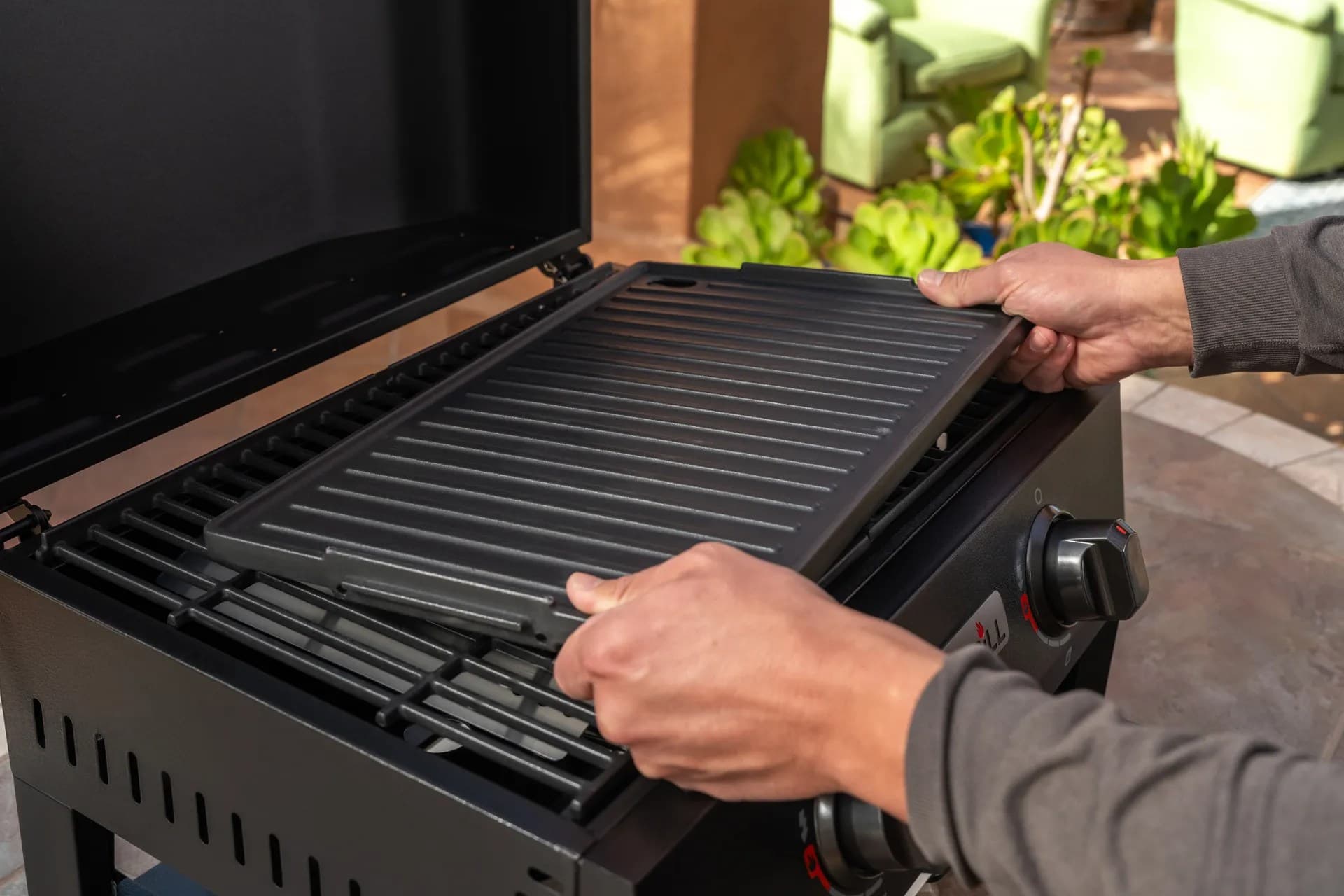
Practical guides for cleaning, maintenance, common grill issues, and performance optimization.
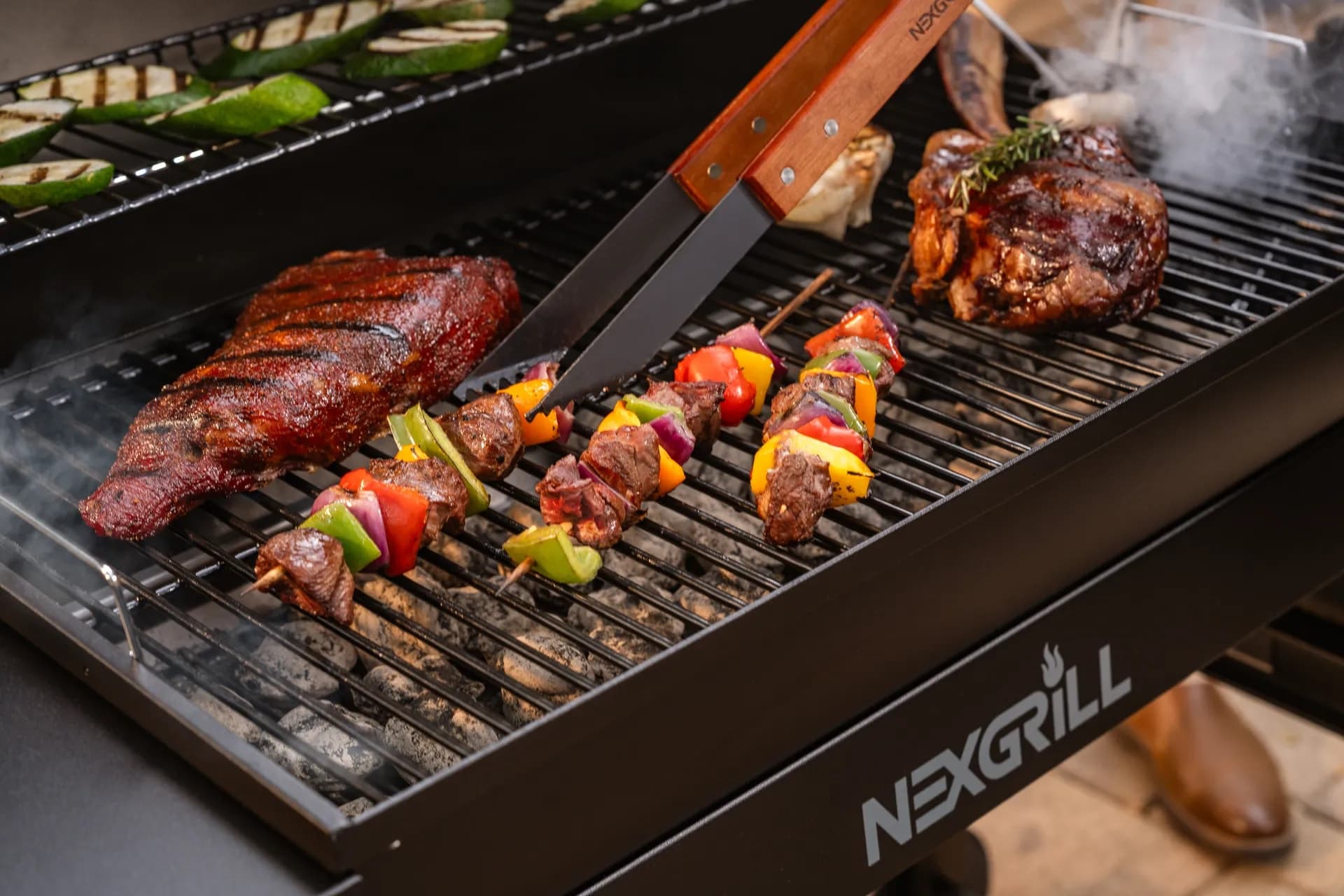
Step-by-step grilling recipes, cooking techniques, and meal ideas for every occasion and skill level.
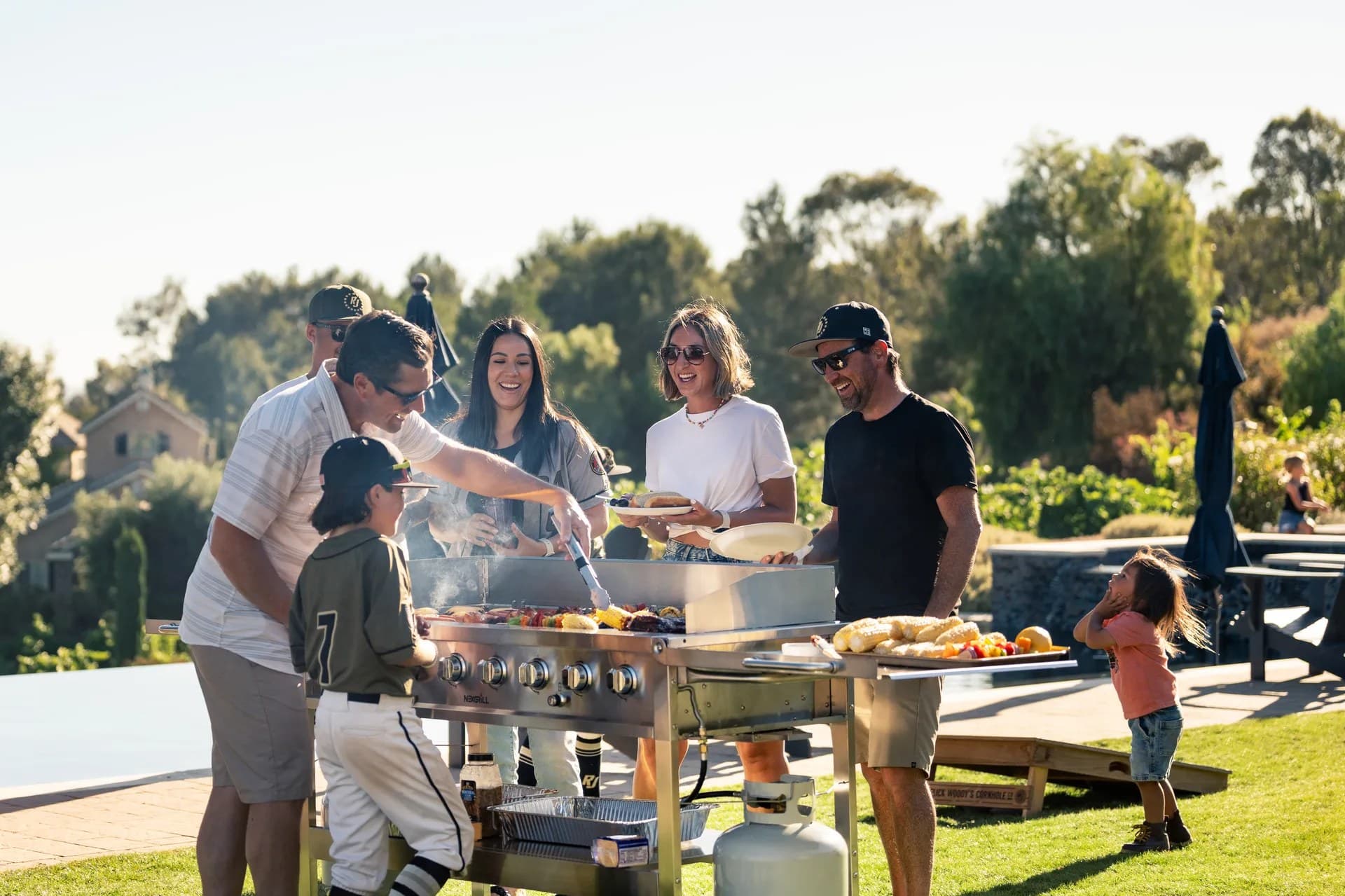
Backyard entertaining ideas, seasonal grilling inspiration, and stories that celebrate outdoor cooking culture.
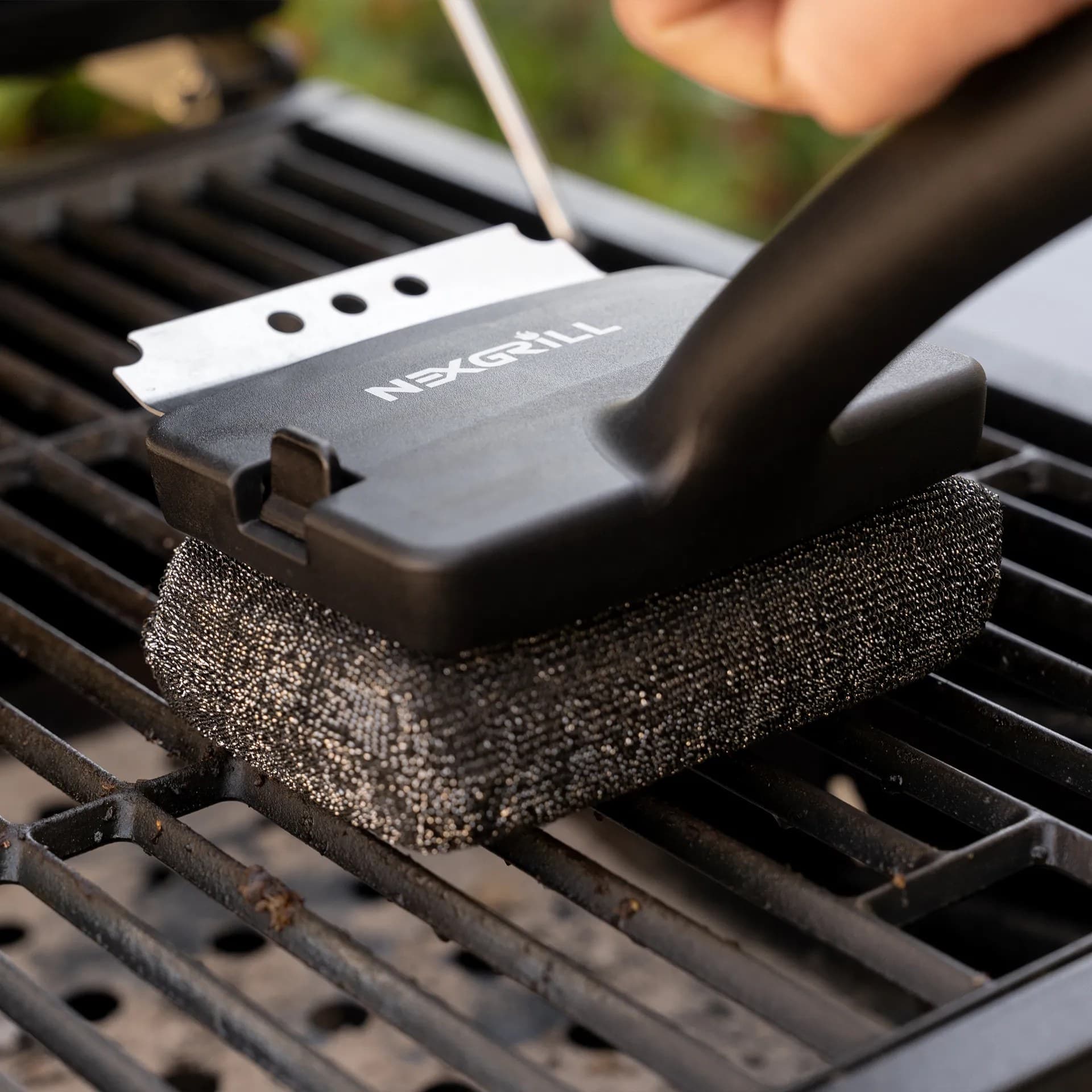
Helpful articles covering grilling tools, cookware, maintenance gear, and must-have accessories for outdoor cooking.
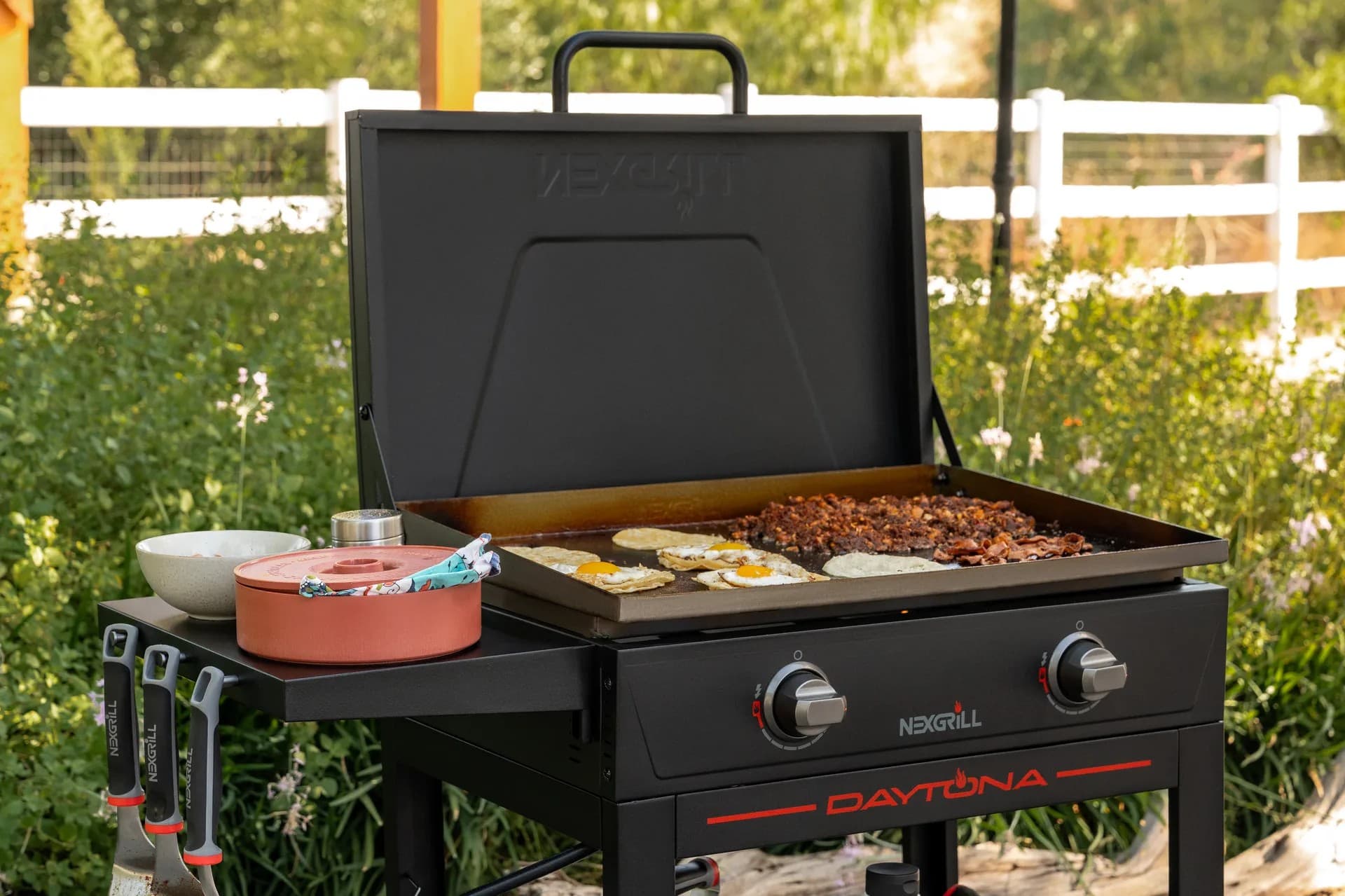
Find griddle recipes, cooking techniques, cleaning tips, and outdoor meal ideas designed for Nexgrill griddles.
Find answers to common questions
Gas grills provide instant heat and precise temperature control, making them easier to use. Charcoal grills offer a smoky flavor and high heat for searing but require more time to heat up and manage.
Pellet grills combine the convenience of gas with the flavor of wood, allowing for smoking, baking, and grilling. Traditional gas grills, however, are quicker to start and often easier to clean.
Charcoal grills typically reach higher temperatures quicker than gas grills, making them better for searing meat. However, high-quality gas grills can also provide adequate heat for effective searing.
Nexgrill offers models designed specifically for gas, charcoal, and pellets, allowing users to choose based on their cooking style and flavor preferences. Each type is built to optimize the characteristics of its respective fuel.
Choosing between gas and charcoal grills depends on your cooking preferences and lifestyle. If you value convenience and quick cooking, a gas grill may suit you better; if you prefer the taste and experience of traditional grilling, a charcoal grill would be ideal.
In This Article
Grilling Essentials
Flavorful Recipes
Safety First
Summer parties ask a grill to do more than cook food. It becomes the center of the gathering, the pacing tool for the evening, and often the easiest way to feed a mixed crowd without making the host disappear into the kitchen. The best grilling techniques for summer parties are the ones that keep food moving, flavors lively, and timing flexible. That means planning for staggered arrivals, handling different proteins and vegetables at the same time, and choosing methods that let you cook confidently even when the weather, the menu, or the guest list changes at the last minute. Nexgrill’s brand perspective is built around that kind of shared experience: outdoor cooking is meant to bring people together, not intimidate them .
For a party, the goal is not perfection in a restaurant sense. The goal is flow. You want food that can be seared, finished gently, rested properly, and served in waves so guests always have something ready to eat. That is why summer entertaining rewards techniques more than recipes alone. A well-seasoned chicken thigh, a tray of vegetables with clean grill marks, and a platter of sliced steak all benefit from different heat zones and a host who understands when to move food, when to wait, and when to let carryover heat do the work. Nexgrill’s tone around gathering and inclusivity fits that approach well: the occasion is today, and everyone should feel invited to the table .
Can comfortably support multiple cooking styles when you plan zones, timing, and service flow.
This guide focuses on practical techniques for real summer hosting: the tools that matter, how to prep your grill, when to use direct versus indirect heat, and how to build a menu that feels festive without creating extra stress. It also keeps safety and cleanup front and center, because party grilling works best when the host can stay relaxed and in control from the first appetizer to the last slice of dessert fruit.
The right tools do not just make grilling easier; they reduce the chance of timing mistakes when guests are watching and food is coming off in batches. For summer parties, a reliable instant-read thermometer is one of the most important items you can have. It removes guesswork for chicken, steak, pork, and fish, especially when you are cooking more than one type of food. A long-handled spatula, sturdy tongs, a grill brush, a basting brush, and a sheet tray for carrying cooked items are the next essentials. If you are serving a mixed crowd, two separate trays are even better: one for raw or prepped foods and one for finished food.
Heat management tools matter too. Disposable foil pans are useful for holding cooked vegetables or keeping sauced items warm, but heavy-duty reusable trays are better for full parties because they hold shape and temperature more evenly. A small bowl of neutral oil and a folded towel near the grill help keep grates clean between batches. If you are using a gas setup, make sure the ignition is dependable and your burners are producing consistent flames across the cooking surface. If you are using a charcoal setup, chimney starters, heat-resistant gloves, and extra fuel are worth having on hand before you light anything.
| Tool | Why it matters at a party | Best use |
|---|---|---|
| Instant-read thermometer | Removes guesswork when cooking multiple proteins | Chicken, steak, fish, pork |
| Long-handled tongs | Keeps hands away from flare-ups and hot surfaces | Flipping vegetables, sausages, skewers |
| Two trays | Prevents cross-contamination and keeps service organized | Raw prep and finished food |
| Heat-resistant gloves | Helps manage lids, pans, and hot grates safely | Moving food and handling coals |
For larger summer gatherings, consider whether a griddle, a side burner, or a grill with generous prep space would improve your workflow. Nexgrill’s product range includes options like the Daytona griddles for breakfast, smash burgers, and vegetables, as well as multi-burner gas grills and pellet options for hosts who want to cook across several methods in one evening. The right equipment is the one that supports your menu rather than forcing the menu to fit the grill.
Good party grilling starts before the first guest arrives. A clean grill heats more evenly, smells better, and is less likely to create unwanted flare-ups. Begin by brushing the grates while the grill is warm, not cold, so residue lifts more easily. Then empty grease trays, inspect burners or charcoal airflow, and check that ignition and fuel connections are working as expected. If you have not used the grill in a while, take a few minutes to run a test preheat before cooking anything important. That one habit can prevent the common party problem of discovering a cold spot only after the first round of food is already on the grate.
Maintenance also includes the small details that keep timing smooth. Wipe down exterior surfaces, make sure shelves are clear, and stage all tools within arm’s reach. If you are cooking on gas, verify that knobs turn cleanly and flames look steady and blue rather than erratic or yellow. If you are cooking with charcoal, remove old ash so airflow is not restricted. Summer parties often create more grease and sugar exposure than ordinary weeknight meals because of marinades and glazes, so cleaning before and after each event pays off quickly in both flavor and safety.
Tip: preheat long enough for the entire grate surface to come up to temperature. A rushed preheat is one of the fastest ways to get uneven searing during a party.
Direct heat is your friend when the goal is speed, browning, and crisp edges. Burgers, thin chicken cutlets, shrimp, asparagus, bell peppers, and quick-cooking skewers all benefit from being placed directly over the hot zone. The key is attention: direct heat rewards close supervision, frequent turning, and short rest periods. For summer parties, direct heat works especially well for appetizers and “first wave” foods because guests can snack while the rest of the menu finishes.
Indirect heat, by contrast, is how you protect larger foods from burning before the inside is done. Bone-in chicken pieces, thick sausages, stuffed peppers, whole fish, and larger roasts all cook more gracefully when they start over cooler heat or away from the flame. Many hosts use a hybrid approach: sear first over direct heat, then move the food to indirect heat to finish. This is one of the best ways to manage summer-party timing because it gives you color on the outside and control on the inside. If you are cooking for a crowd, setup matters just as much as technique. A two-zone fire lets you move food back and forth rather than guessing whether the center is ready.
| Technique | Best for | Party advantage |
|---|---|---|
| Direct heat | Burgers, shrimp, vegetables, hot dogs, kebabs | Fast service and strong char |
| Indirect heat | Whole chicken pieces, thick sausages, larger cuts | Even cooking without burning |
| Sear-then-finish | Steaks, chops, thick chicken | Restaurant-style exterior with reliable doneness |
A useful party habit is to think in lanes. One lane for hot and fast, one for slow and controlled, and one for resting and slicing. That structure prevents bottlenecks when multiple dishes are ready at once. Try comparing two products side by side below to see which fits best:
The most memorable summer party foods are often simple foods cooked with care. Instead of trying to make ten elaborate dishes, build a menu with one showpiece, one quick-cook item, and one vegetable or fruit element that can be finished right before serving. A cedar-planked salmon with dill yogurt, for example, creates a centerpiece without requiring a complicated sauce. Honey-lime chicken thighs bring big flavor and stay forgiving on the grill. Grilled peaches with mascarpone and cracked pepper give the menu a final note that feels seasonal without adding much labor.
For a crowd, skewers are especially effective because they portion well and cook quickly. Try alternating chicken, zucchini, and red onion on one set of skewers; halloumi and cherry tomatoes on another; or shrimp with pineapple on a third. Another strong summer-party technique is to season food in layers. Salt proteins early, use a light oil or citrus marinade, and finish with fresh herbs or a squeeze of acid after grilling. That final touch matters more than many people realize because it keeps the food tasting bright even after it has rested for a few minutes.
Info: choose at least one recipe that can be grilled in batches and held warm briefly. That keeps service moving when guests arrive in waves rather than all at once.
Safety is part of good hospitality. Keep the grill on a stable surface, away from overhanging branches, deck railings, and foot traffic. Children and pets should have a clear buffer around the cooking area. Use long-handled tools so you are not leaning into heat or smoke, and never walk away from an active fire while you are cooking in a busy backyard. If you are using gas, confirm that hoses and connections are secure before lighting. If you are using charcoal, light coals with an approved starter rather than loose accelerants. These habits may sound basic, but they are exactly what keep a party calm and enjoyable.
Food safety is equally important. Keep raw meats separate from cooked foods, and avoid reusing marinades that touched raw protein unless they have been boiled first. During summer heat, cold items can warm up quickly, so return perishable sides to refrigeration when they are not on the serving table. A small cooler or insulated bin near the grill can help manage this without interrupting the flow of the party. Finally, keep a plan for grease flare-ups: move food to indirect heat, close the lid briefly if appropriate, and let the flames settle rather than reacting with panic.
When the cookout ends, let coals cool completely and disconnect fuel responsibly. A few extra minutes of cleanup preserves your grill and makes the next gathering easier. That practical finish is part of what makes a summer party successful: guests leave with a great meal, and the host leaves with a grill ready for the next one.
The best summer parties are rarely remembered for one single dish. They are remembered for a feeling: the ease of food arriving at the right moment, the smell of smoke and herbs in the air, and the sense that everyone has a place near the grill. Mastering a few dependable techniques gives you that feeling on purpose instead of by luck. Direct heat, indirect heat, clean grates, careful timing, and a menu that fits your equipment will do more for your party than any complicated recipe ever could. Grill with confidence, keep the pace relaxed, and let the food do what summer food does best: bring people together.
Once you have compared your options and settled on the right grill setup, the next step is learning how to layer techniques so your party menu feels more polished without becoming difficult to execute. Smoking and searing are the two most useful advanced methods for summer entertaining because they solve different problems. Smoking builds flavor over time, while searing creates fast visual impact and texture. Used together, they let you serve food that tastes like you spent all day cooking, even if your actual active work was limited to a few smart moves at the grill.
Smoking works best when you use it for foods that can handle a longer exposure to gentle heat and wood aroma. Chicken thighs, pork tenderloin, turkey breast, salmon, and even vegetables like corn or mushrooms can absorb smoke beautifully if the heat stays controlled. Searing, by contrast, is ideal for steak, lamb chops, tuna, halloumi, and sliced vegetables that benefit from a deep brown crust. A useful summer-party strategy is to smoke or roast the component that needs tenderness, then finish with a brief sear for contrast. That approach keeps the menu interesting while staying realistic for a host who also needs to pour drinks, greet guests, and keep the side dishes moving.
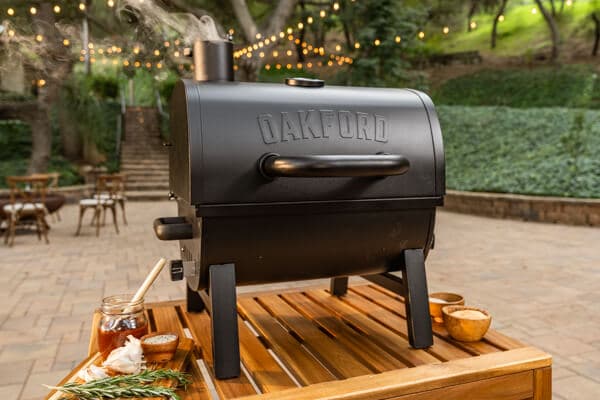
For hosts who use pellet grills, smoking becomes especially accessible because the temperature control is consistent and the smoke profile is easier to manage. Nexgrill’s Oakford pellet options are well suited to that style of cooking, while a gas grill with strong zone control is often better for fast searing and batch service . The important lesson is not to chase smoke for its own sake. Light smoke should support the food, not overpower it. For a summer party, a clean profile is usually more crowd-friendly than heavy smoke because it pairs with salads, beverages, and a wider range of guests’ preferences.
| Method | Flavor effect | Best party application |
|---|---|---|
| Low-and-slow smoke | Adds depth and tenderness | Chicken thighs, pork, salmon |
| Hot sear | Builds crust and visual appeal | Steaks, tuna, chops, vegetables |
| Smoke-then-sear | Combines aroma with texture | Mixed menu centerpiece |
Great party menus are built around balance. Rich grilled foods need bright sides, crisp textures, and beverages that refresh the palate. If you are serving a fatty cut like ribs or a heavily seasoned sausage, pair it with something acidic such as vinegar slaw, cucumber salad, or grilled lemon wedges. If your main dish is lean, like chicken breast or shrimp, add a creamy or herb-forward side to give the plate more body. A summer party menu should feel varied enough that guests can eat a few plates without getting tired of the same flavor register.
Beverage pairing does not need to be complicated. Sparkling water with citrus, iced tea with herbs, and chilled nonalcoholic spritzes keep the menu flexible for all guests. If you are serving alcohol, lighter beers, crisp lagers, and bright white wines often work better than heavy options because they match the open-air atmosphere and the cleaner flavors of grilled food. For dessert, consider grilled stone fruit, shortcake, or citrusy frozen treats rather than something heavy after a hot meal. The goal is to end the evening feeling refreshed, not overfull.
If you want to build a menu with less stress, use a simple ratio: one rich item, one light item, one smoky or charred item, and one cold or crisp finish. That structure ensures there is always contrast on the table. It also makes service easier because you can batch the components independently and bring them out as they finish.
Summer parties often include guests with different dietary needs, and grilling can actually make that easier if you plan for it upfront. For vegetarian guests, focus on ingredients that handle heat well and pick up seasoning without falling apart: zucchini planks, portobello mushrooms, corn, asparagus, eggplant, tofu, and halloumi are all dependable choices. For gluten-free guests, the main concern is not the grill itself but the sauces, marinades, and cross-contact from shared tools or breaded items. A clean section of the grate, separate tongs, and clearly labeled sauces go a long way toward making everyone feel comfortable.
The most successful special-diet dishes are the ones that look intentional, not like an afterthought. A grilled vegetable platter with olive oil, lemon, herbs, and flaky salt can be just as appealing as meat when it is arranged well and finished properly. Tofu benefits from firm pressing, a flavorful marinade, and a hot grill that can create definition without tearing. For gluten-free bread options, warm them separately and keep them away from crumbs from other items. Guests notice when a host has planned for them before they ask, and that alone improves the experience.
Warning: even a well-scrubbed grill can transfer breadcrumbs, marinades, or sauce residue. If you are serving gluten-free food, dedicate one clean tray and one clean set of tools to that part of the menu.
A smart grilling station keeps the host from becoming the bottleneck. Start by dividing the area into zones: prep, grill, rest, and serve. Prep should hold raw ingredients, oil, seasoning, and tools. Grill should stay uncluttered except for the food being cooked. Rest should include a tray for finished food that can sit for a few minutes before slicing or serving. Serve should be a clean area where guests can assemble plates without crowding the grill itself. This separation is especially useful for summer parties because people naturally gravitate toward the action, and you need enough structure to keep that energy from getting in the way.
Lighting matters for late-afternoon and evening gatherings. If the grill area gets dark before the party ends, use safe ambient lighting so you can see food color, handle tools accurately, and avoid accidents. Keep napkins, utensils, and condiments in visible places so guests do not need to interrupt the cook. If the menu is large, label a few platters or serving boards in advance so the table setup stays organized. A good host thinks like a line cook: the fewer unnecessary steps between grill and table, the better the rhythm of the evening.
When something goes wrong, the fastest fix is usually the simplest one. If food is sticking, the grill may not be hot enough, or the food may not be ready to release yet. If one side of the grill is cooking faster than the other, move food into a zone with more stable heat and rotate your trays rather than fighting the hot spot. If flare-ups are frequent, trim excess fat, move sugary sauces to the last stage of cooking, and keep a cooler zone ready. If the food is browning too quickly outside but staying undercooked inside, reduce direct exposure and finish with indirect heat.
Charcoal grill users often solve problems by adjusting the arrangement of coals rather than adding more fuel. Gas grill users often solve them by checking burner output, lid position, and whether the grate has been preheated long enough. For summer parties, the most common error is overcrowding. Too much food on the grill lowers surface temperature and reduces the char everyone wants. It is usually better to cook in smaller waves and hold finished items briefly than to pile everything on at once.
Summer weather is not always perfectly calm. Wind can change flame behavior, humidity can affect how food browns, and sudden heat waves can make the cooking surface feel more aggressive than expected. The answer is to adapt rather than overcorrect. On windy days, shield the grill safely and monitor flame stability. On extremely hot days, shorten preheat times slightly and keep more attention on carryover heat. If rain threatens, plan a covered staging area for ingredients and move quickly between the house and the grill so your setup stays dry and organized.
The best seasonal habit is to treat outdoor cooking as flexible. If weather shifts, choose recipes that can tolerate a little timing drift: marinated chicken thighs, sausages, vegetables, and kebabs are more forgiving than delicate fish or ultra-thin cuts. You are not just cooking food; you are managing conditions. That mindset makes summer entertaining less stressful and much more successful.
Becoming better at grilling for summer parties is less about memorizing complicated recipes and more about building a system you can repeat. Keep your grill clean, use the right heat for the right food, stage your tools carefully, and plan a menu with enough contrast to keep guests interested. Once those habits are in place, advanced methods like smoking, searing, and hybrid cooking become natural extensions of your routine instead of intimidating techniques.
Nexgrill’s approach to outdoor cooking is rooted in inclusivity, resourcefulness, and dependable performance, which makes it a strong fit for hosts who want to feed a crowd without losing the joy of the occasion . If you keep the focus on flow, flavor, and hospitality, your summer gatherings will feel effortless even when the grill is doing a lot of work behind the scenes.
Here's what sets us apart
We position ourselves as delivering high-end outdoor cooking features and performance without premium-brand pricing, emphasizing “Quality Grills. Unbelievable Value.”
We offer gas grills, pellet grills, griddles, smokers, pizza ovens, portable/tabletop grills, electric grills, accessories, and replacement parts — allowing customers to stay within one ecosystem for all outdoor cooking needs.
We differentiate ourselves through smart grilling products like the Oakford smart pellet grill, including app-connected cooking controls and modern outdoor cooking technology.
Don't just take our word for it
Keep reading
From our catalog