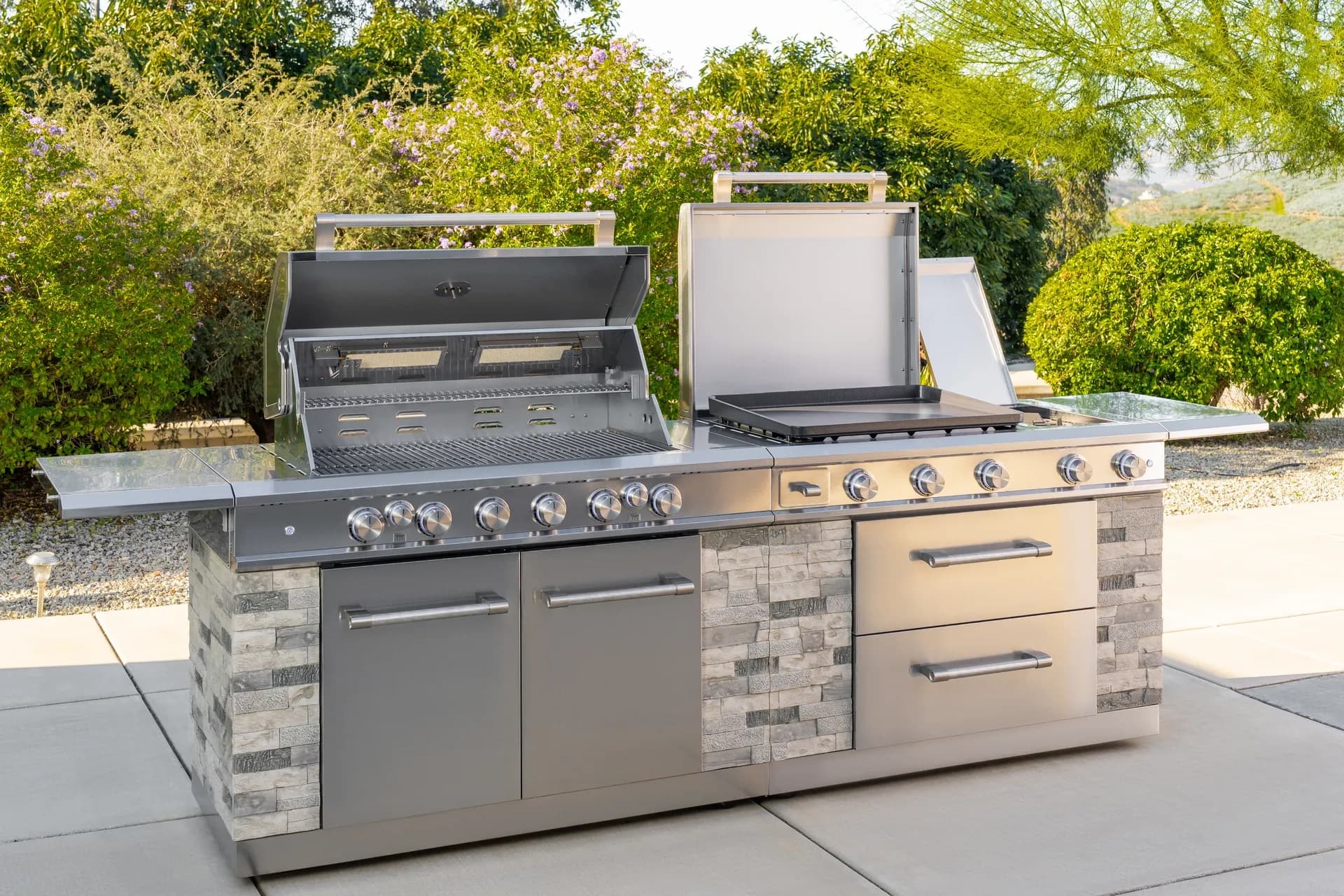
From sizzling breakfasts to smash burgers and teppanyaki-style dinners, the Daytona Pro 5 Burner NitroGuard™ Griddle delivers powerful heat, fast cooking, and a durable cooking surface built for every backyard cookout. Watch how easy outdoor cooking can be.
Here's what sets us apart from the competition
We position ourselves as delivering high-end outdoor cooking features and performance without premium-brand pricing, emphasizing “Quality Grills. Unbelievable Value.”
We offer gas grills, pellet grills, griddles, smokers, pizza ovens, portable/tabletop grills, electric grills, accessories, and replacement parts — allowing customers to stay within one ecosystem for all outdoor cooking needs.
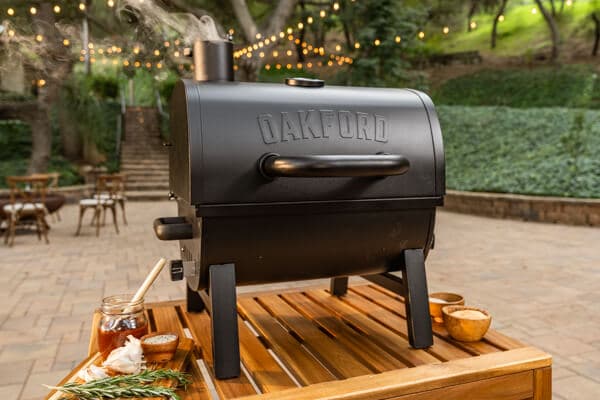
We differentiate ourselves through smart grilling products like the Oakford smart pellet grill, including app-connected cooking controls and modern outdoor cooking technology.
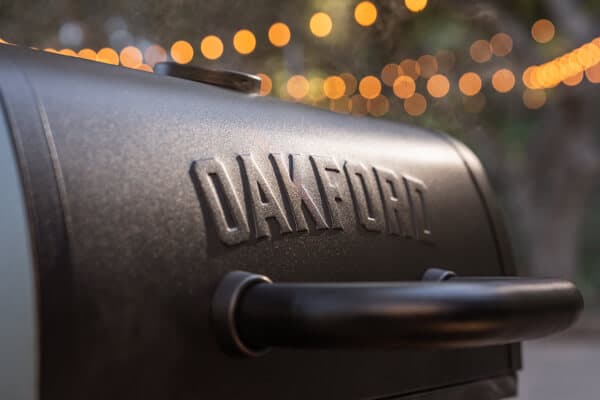
Expert tips, buying guides, comparisons, and inspiration for choosing and getting the most out of your grill.
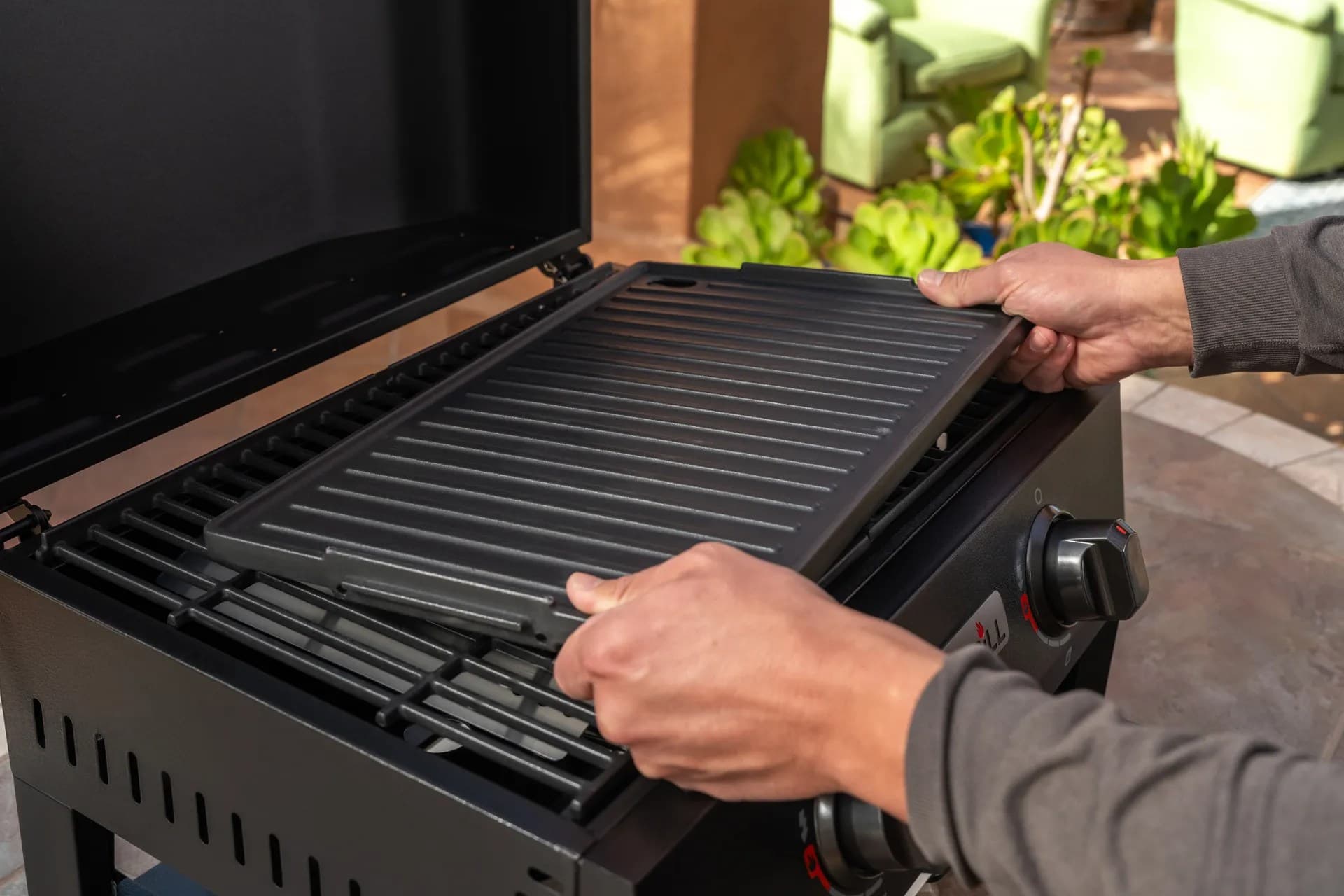
Practical guides for cleaning, maintenance, common grill issues, and performance optimization.
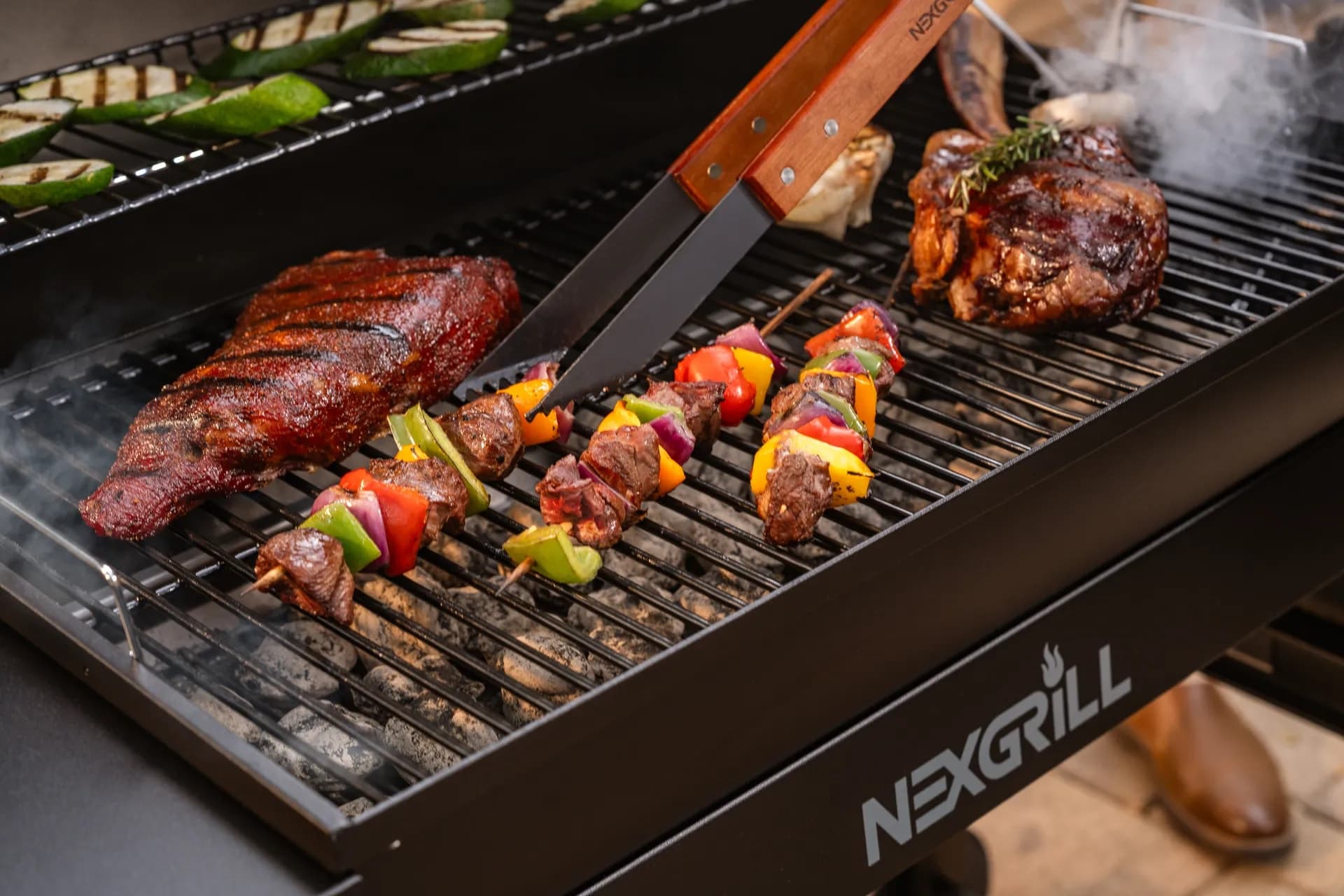
Step-by-step grilling recipes, cooking techniques, and meal ideas for every occasion and skill level.

Backyard entertaining ideas, seasonal grilling inspiration, and stories that celebrate outdoor cooking culture.
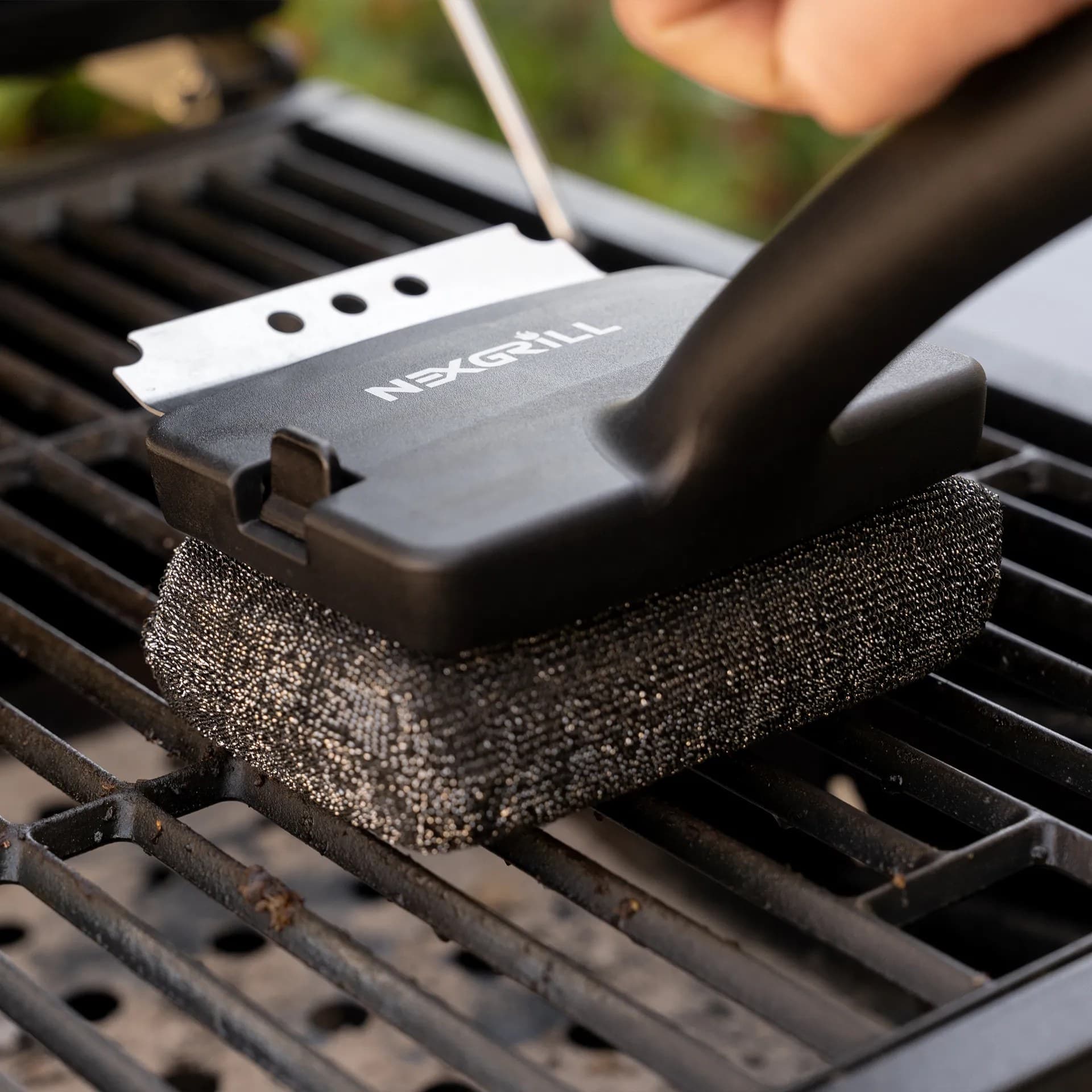
Helpful articles covering grilling tools, cookware, maintenance gear, and must-have accessories for outdoor cooking.
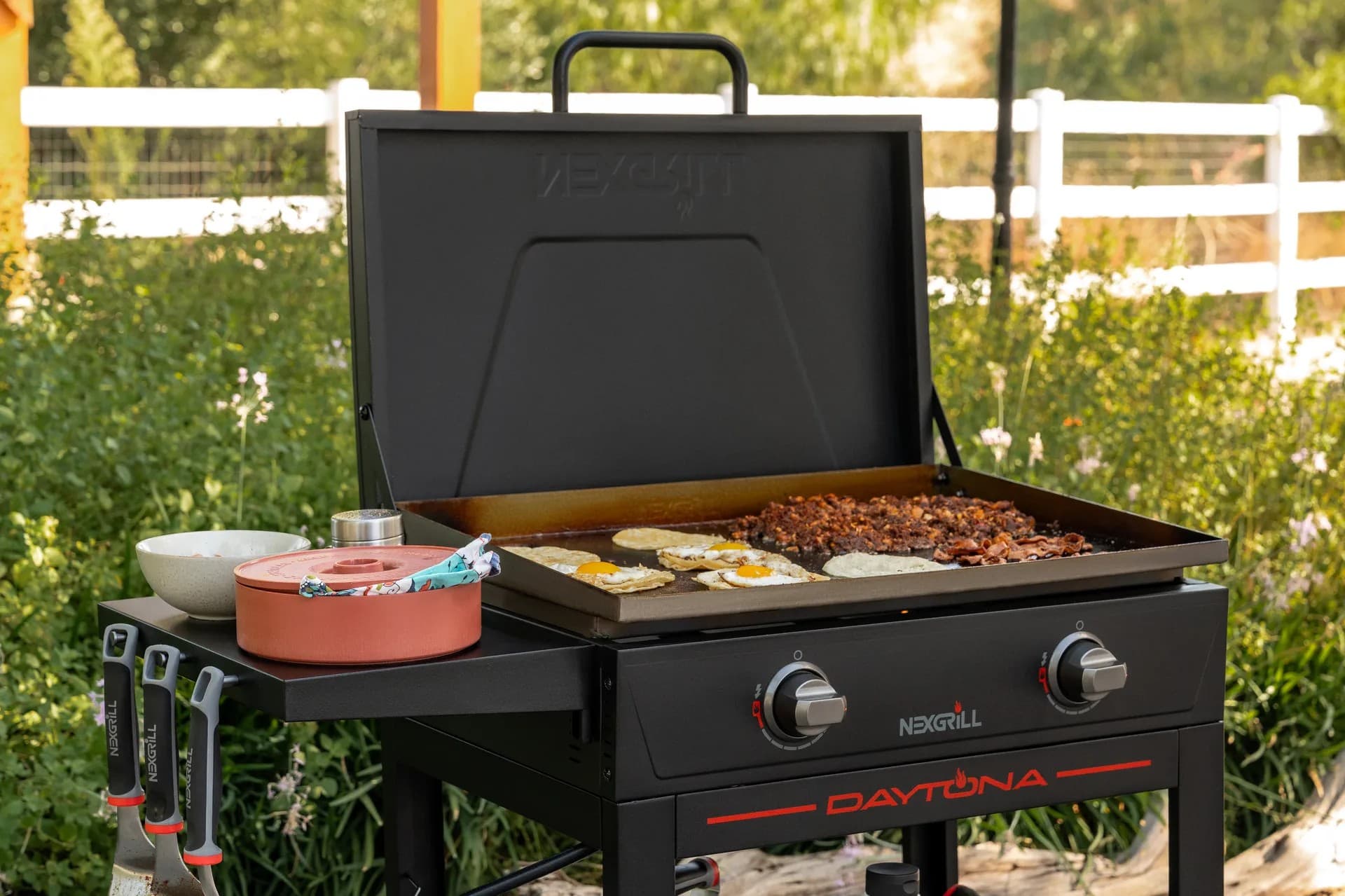
Find griddle recipes, cooking techniques, cleaning tips, and outdoor meal ideas designed for Nexgrill griddles.
Find answers to common questions
Gas grills provide instant heat and precise temperature control, making them easier to use. Charcoal grills offer a smoky flavor and high heat for searing but require more time to heat up and manage.
Pellet grills combine the convenience of gas with the flavor of wood, allowing for smoking, baking, and grilling. Traditional gas grills, however, are quicker to start and often easier to clean.
Charcoal grills typically reach higher temperatures quicker than gas grills, making them better for searing meat. However, high-quality gas grills can also provide adequate heat for effective searing.
Nexgrill offers models designed specifically for gas, charcoal, and pellets, allowing users to choose based on their cooking style and flavor preferences. Each type is built to optimize the characteristics of its respective fuel.
Choosing between gas and charcoal grills depends on your cooking preferences and lifestyle. If you value convenience and quick cooking, a gas grill may suit you better; if you prefer the taste and experience of traditional grilling, a charcoal grill would be ideal.
In This Article
Enhanced Control
Convenience
Versatility
Wi-Fi-enabled grills sit at the intersection of outdoor cooking and connected-home convenience. Instead of standing beside the firebox and guessing whether a roast has reached its target temperature, you can monitor probes, adjust settings, and receive alerts from a phone or tablet. That shift matters because grilling is no longer only about heat and smoke; it is also about time management, consistency, and confidence. For busy households, tailgaters, and weekend entertainers, the ability to keep an eye on the cook while doing something else nearby changes how the entire meal flows.
Nexgrill’s brand philosophy emphasizes that grilling should be welcoming, practical, and built for real people, not just experts. That perspective fits smart grilling especially well. Connected features are most valuable when they remove friction: checking doneness without opening the lid repeatedly, staying informed when a brisket is nearing its resting point, or stepping back into the house without losing track of dinner. The goal is not to replace skill. It is to support better judgment with better information, so the cook can focus on flavor, timing, and the rest of the gathering.
Smart grilling is most useful when it solves a real problem: keeping temperatures steady, reducing guesswork, and helping you coordinate multiple dishes at once.
A Wi-Fi grill also behaves differently from a basic digital grill because it extends visibility beyond the patio. That can matter for low-and-slow cooks, where a small temperature swing or an early stall can affect dinner timing. It can also matter for direct grilling if you are juggling sides, sauce, or guests. In practice, smart features are most helpful when paired with a grill that already has stable heat output, sensible burner layout, or a clear cooking chamber design. Technology is most effective when it amplifies solid hardware rather than trying to compensate for weak construction.
For shoppers comparing options, the real question is not whether a grill has Wi-Fi, but what that connection actually helps you do. Some models focus on probe monitoring and alerts. Others add app-based recipes, step-by-step cook guidance, temperature history, or automated reminders. A few prioritize multiple sensors and tighter remote oversight for long smokes. Understanding that difference will help you decide whether you need a helpful convenience feature or a more advanced cooking assistant.
The strongest benefit of smart grilling is control without constant hovering. Traditional grilling often requires a rhythm of lid lifting, temperature checking, and repeated trips to the patio. With Wi-Fi connectivity, that rhythm changes. You can receive alerts when the grill reaches preheat temperature, when the food probe approaches a target, or when the cook drifts outside the desired range. That matters because every time the lid opens, heat escapes. Less unnecessary opening can support more consistent results, especially for larger cuts like pork shoulder, turkey breast, or whole chicken.
Convenience is the other major advantage, but it is worth being specific about what that means in a United States backyard context. It often means being able to prep sides inside the kitchen, talk with guests, or keep an eye on kids while the grill continues running outside. It can also mean fewer missed windows. If your steak only needs another minute or two, a timely alert can help you hit the finish point instead of overshooting it. For cooks who value repeatability, app-based logs and probe history can be surprisingly useful because they show how long a food actually took under your conditions.
unnecessary lid lift can make a meaningful difference on slow cooks and delicate roasts.
Another benefit is accessibility for mixed-experience households. If one person is more confident with fire management and another is still learning, the app can reduce intimidation by giving clearer cues. That aligns well with Nexgrill’s inclusive approach to outdoor cooking. The best smart-grill experiences are not about showing off. They are about making the cook feel supported, whether the task is searing burgers for a weeknight meal or managing a smoke session for a holiday gathering.
Smart grilling technology can also improve planning. When you know the food is approaching readiness, you can sync sides, bread, resting time, and serving time more accurately. That is especially useful for multi-course outdoor meals where timing is everything. A grill that sends useful alerts can help the host stay social without letting the meal drift. In short, smart features are not just about novelty; they are about orchestrating the whole cook so the food arrives at the table when people are ready to eat.
When shoppers start comparing Wi-Fi-enabled grills, they usually fall into one of three camps: the weekend smoker, the family griller, or the versatility seeker. Those groups care about different things, so the best Wi-Fi model is not necessarily the one with the most app features. It is the one whose cooking style matches the meal style you actually use.
| Use case | Most important smart feature | What to prioritize in the grill |
|---|---|---|
| Long smoke sessions | Reliable probe alerts and temperature graphs | Stable pellet or smoker-style heat control |
| Weeknight family cooking | Quick notifications and easy app navigation | Fast preheat and straightforward burner layout |
| Entertaining and mixed menus | Multiple probe support and scheduling | Large cooking surface and multi-zone capability |
A pellet smoker with connected controls is often the strongest choice for cooks who value low-and-slow consistency and set-and-monitor convenience. A pellet platform is naturally suited to longer cooks, so Wi-Fi features have a lot of room to add value. For households that host casually but often, a larger gas grill with smart monitoring can be the better fit because it preheats quickly and handles burgers, vegetables, and quick weeknight meals with less setup. If your cooking style moves between smoking, roasting, and everyday grilling, a Wi-Fi-enabled grill with flexible heat zones will usually be more practical than one that is optimized for only a single style.
The best smart grill is the one you will use often. Favor stable heat, enough cooking space, and an app experience that you can read at a glance.
A good setup process starts before the first cook. Place the grill where it will have a dependable wireless signal, then confirm that the app, probes, and firmware are all updated before you rely on them for dinner. In many homes, the patio edge or a nearby exterior wall offers better Wi-Fi stability than a far corner of the yard. If your router signal weakens outdoors, a mesh node or extender can be more helpful than moving the grill after the fact. Smart grilling works best when the connection is treated as part of the cooking system, not an afterthought.
The first cook should be simple. Use it to learn how quickly the grill preheats, how the app reports temperature changes, and how your probes respond when the lid opens. A test cook with chicken thighs, pork chops, or vegetables is often more useful than starting with a complicated brisket. You want to understand the relationship between what the app shows and what the grill is actually doing. That makes later cooks more predictable and helps you trust the data rather than constantly second-guessing it.
In everyday use, think of the app as your co-pilot. It can alert you when to check, but it should not replace visual cues, probe placement discipline, or common sense. For example, if you are cooking a thick roast, place the probe in the center of the coldest section rather than near fat pockets or bone. If you are grilling multiple foods, label the probes in a way that makes sense to you. Simple habits like these make the technology far more useful.
Wi-Fi hardware adds convenience, but the grill still needs the same care as any outdoor cooker. Grease management, grate cleaning, burner inspection, and weather protection all matter because connectivity cannot compensate for a dirty firebox or a clogged grease path. After each cook, allow the unit to cool enough to clean safely, then remove residue from the grates and empty the grease tray as directed by the manufacturer. That keeps flavor cleaner and reduces the build-up that can interfere with airflow and ignition.
For smart components, treat the controller, cords, ports, and probe connections carefully. Keep them dry, avoid forcing connectors, and inspect for wear if you frequently move the grill or store it outdoors. A weather-resistant cover can help protect both the cooking chamber and the electronic components from dust, rain, and direct sun. If the grill will sit unused for a while, make sure the interior is clean and the electronics are stored according to the product instructions.
Do not assume the app is the only thing that needs care. Dirty grates, blocked airflow, and neglected grease trays are still the fastest way to weaken performance.
Battery replacement, probe replacement, and software updates are also part of ownership. The smartest grill in the world still depends on basic upkeep to remain accurate and dependable. If you build a routine around cleaning after cooks, checking connections before big gatherings, and protecting the grill during bad weather, you will get more dependable use out of the technology and the cooker itself. Try comparing two products side by side below to see which fits best:
Once you've weighed two options against each other, the next step is to look beyond the headline phrase Wi-Fi-enabled and ask what the platform actually does in practice. The most valuable advanced features are the ones that reduce guesswork during a cook, not the ones that simply sound futuristic. Probe-based alerts, multi-stage cook reminders, temperature trend charts, and app-controlled shutoff or scheduling functions can all be useful when they are implemented clearly. A well-designed interface should make it easy to tell whether the grill is heating, holding, or drifting, because that helps you act before a problem affects the food.
Some smart grills also include recipe guidance or doneness presets. Those can be helpful for newer grillers, but the real value is consistency. If you can repeat a chicken or rib cook and see similar time-and-temperature patterns, you can adjust seasoning, timing, and serving plans with more confidence. In other words, advanced features matter most when they support repeatable cooking rather than novelty. For experienced grillers, the best systems often feel almost invisible because they quietly remove friction.
Look for features that answer a practical question: Is the cook on track, and what should I do next?
Another advanced consideration is ecosystem quality. A grill app that is easy to navigate, updates smoothly, and gives clear alerts is worth far more than a cluttered interface loaded with functions you will never use. Some of the best real-world benefits come from simple things like readable temperature displays, dependable Bluetooth or Wi-Fi handoff, and easy probe naming. When those small touches work well, the entire experience becomes calmer and easier to trust.
Comparing Wi-Fi grills works best when you evaluate the full cooking system, not just the connectivity badge. A smart grill that cannot hold stable heat, offer enough cook space, or recover quickly after lid opening will be frustrating no matter how polished the app looks. The best comparison begins with how you cook: fast direct grilling, smoke-heavy weekends, or flexible family cooking. From there, judge how well the hardware and software support that routine.
| Comparison factor | Why it matters | What a strong option looks like |
|---|---|---|
| Temperature stability | Keeps food progressing predictably | Consistent heat with limited swings after opening the lid |
| Probe management | Helps track multiple foods at once | Clear labeling, accurate readings, easy alerts |
| App clarity | Reduces user error during active cooking | Simple dashboard with quick-to-read status |
| Build and cleaning design | Affects long-term ownership cost | Accessible grease management and durable exterior parts |
For a buyer in the United States, price should always be measured as total ownership cost, not just the shelf price in USD. That includes fuel type, accessories, covers, replacement probes, and any accessory bundles you may need to cook the way you want. A more expensive grill with better heat control and a cleaner app experience can be the better value if it saves time and frustration during frequent use. On the other hand, if you only grill occasionally, a simpler model with reliable alerts may make more sense than a premium system with features you will rarely open.
One practical way to compare is to ask which type of cook would expose the grill’s weaknesses fastest. A rib rack session will reveal probe accuracy and temperature control. A high-heat burger night will reveal recovery time and zone management. A long brisket will expose app stability, heat drift, and ease of monitoring overnight or over many hours. If a grill performs well across those situations, it is usually a strong contender for real household use.
User feedback about Wi-Fi grills often follows a familiar pattern: people love the convenience when the connection is stable and the app is intuitive, and they become frustrated when setup is rushed or signal quality is poor. That tells you something important. Many complaints are not about cooking quality alone; they are about the relationship between hardware, software, and the home network. A grill may be mechanically sound yet still feel disappointing if the owner tries to use it at the far edge of the yard with weak Wi-Fi.
Positive reviews usually mention freedom. Cooks appreciate being able to step away from the patio without abandoning the meal. They also mention confidence, especially when the app sends a timely alert before a roast overcooks or a smoke session needs attention. For families and hosts, the convenience often shows up as better social flow. People spend less time staring at the grill and more time with guests. That is one of the clearest signs that the technology is doing real work.
The most satisfied owners are usually the ones who spend ten extra minutes on setup and learn the app before the first big cook.
Reviews also reveal that expectations matter. Buyers who expect Wi-Fi to make them master-level cooks overnight are often disappointed. Buyers who see it as a tool for reducing mistakes and keeping things on schedule are usually happier. That is a healthy mindset for any smart appliance. The grill still needs a thoughtful cook; the Wi-Fi just makes it easier to stay on course.
Most Wi-Fi grill issues fall into a few categories: connection problems, probe errors, app syncing delays, and inconsistent temperature readings. If the grill will not connect reliably, start with the basics. Confirm that the router signal reaches the patio, that the correct network band is being used if your system separates them, and that firmware or app updates are installed. In many cases, the grill itself is fine; the issue is simply a weak signal or an outdated app version. Restarting the controller, the app, and the router can also clear temporary glitches.
Probe issues are often easier to solve than they seem. Make sure the probe is fully seated, the cable is not kinked or damaged, and the sensor is placed in the thickest part of the food without touching bone or the grate. If a reading jumps suddenly, the probe may have shifted or a connector may have loosened. If a probe consistently reads incorrectly across multiple cooks, it may need replacement. That is one reason it helps to keep a backup probe on hand for long cooks or major gatherings.
The next wave of smart grilling will likely focus on better integration rather than more bells and whistles. Expect stronger app reliability, more precise multi-probe systems, and cooking guidance that is tailored to the specific grill model and ambient conditions. The most useful innovation will probably be less about flashy automation and more about removing uncertainty. Better temperature forecasting, smarter alerts, and clearer cook history can help grillers make faster decisions with less stress.
Another likely trend is a stronger connection between the grill and the rest of the outdoor cooking setup. That could mean easier coordination with side burners, accessories, or recipe planning tools that help hosts time the entire meal. As smart-home habits continue to spread, buyers will probably expect cleaner interfaces and more dependable remote access as standard rather than premium extras. For outdoor cooking brands, the opportunity is to make connected grilling feel natural, welcoming, and genuinely useful. That is where smart technology earns its place at the cookout.
Here's what sets us apart
We position ourselves as delivering high-end outdoor cooking features and performance without premium-brand pricing, emphasizing “Quality Grills. Unbelievable Value.”
We offer gas grills, pellet grills, griddles, smokers, pizza ovens, portable/tabletop grills, electric grills, accessories, and replacement parts — allowing customers to stay within one ecosystem for all outdoor cooking needs.
We differentiate ourselves through smart grilling products like the Oakford smart pellet grill, including app-connected cooking controls and modern outdoor cooking technology.
Don't just take our word for it
Keep reading
From our catalog