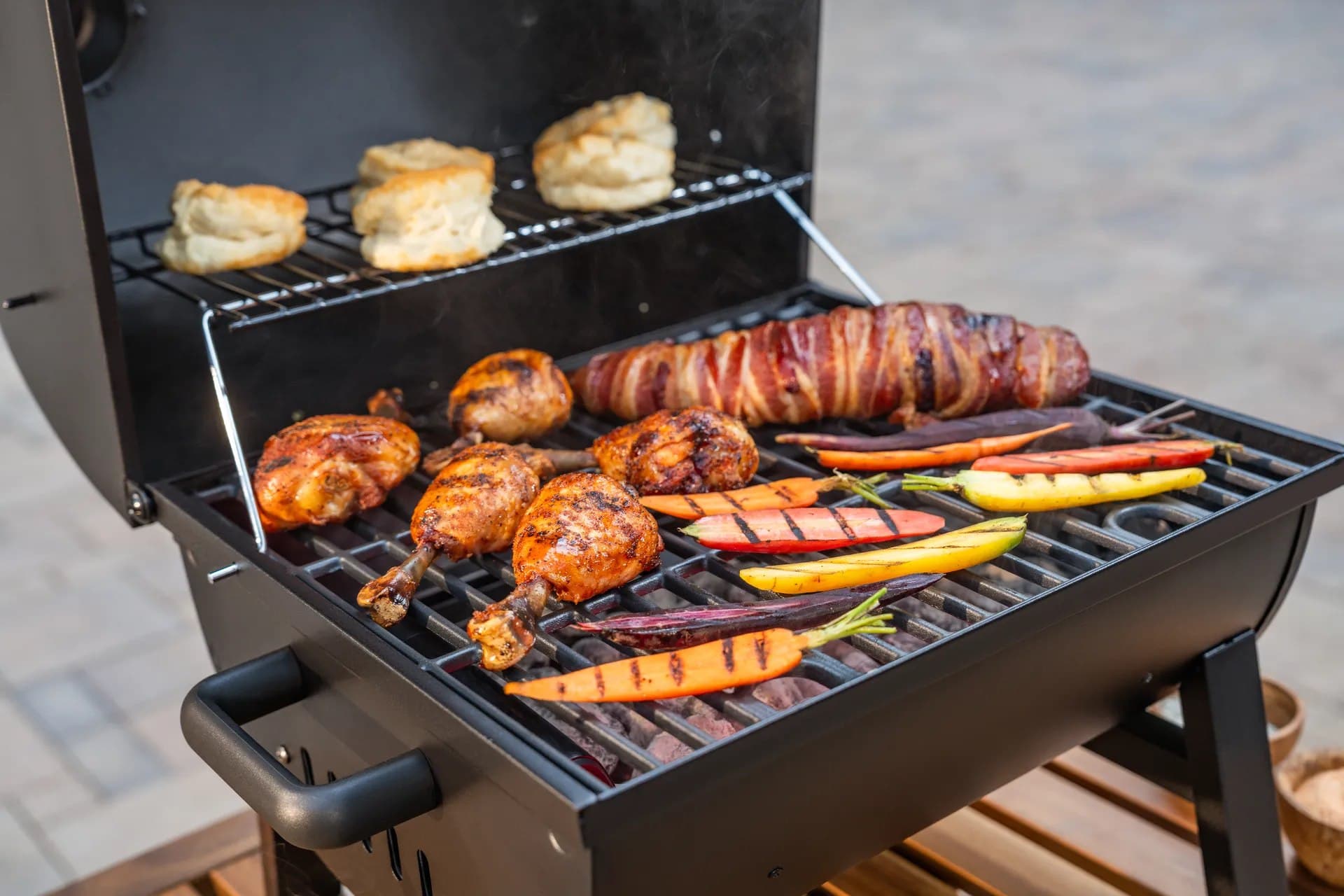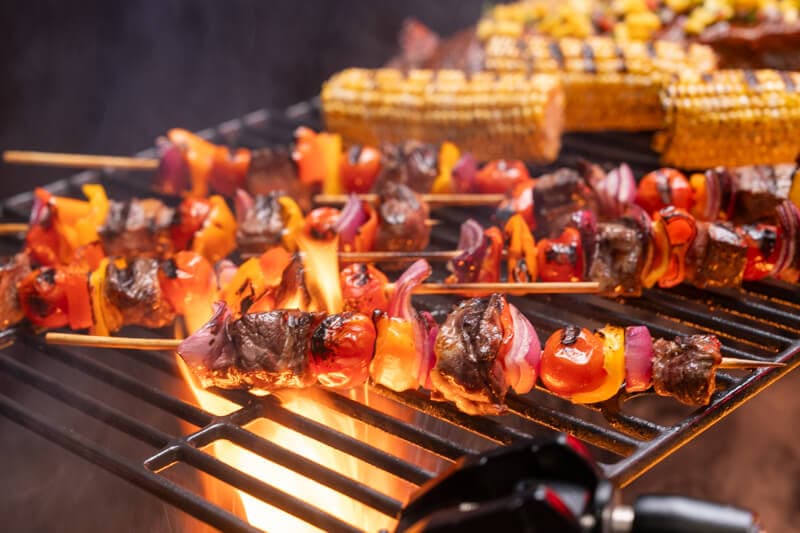
Discover unique marinades to elevate your grilled vegetable dishes.
Here's what sets us apart from the competition
We position ourselves as delivering high-end outdoor cooking features and performance without premium-brand pricing, emphasizing “Quality Grills. Unbelievable Value.”
We offer gas grills, pellet grills, griddles, smokers, pizza ovens, portable/tabletop grills, electric grills, accessories, and replacement parts — allowing customers to stay within one ecosystem for all outdoor cooking needs.
We differentiate ourselves through smart grilling products like the Oakford smart pellet grill, including app-connected cooking controls and modern outdoor cooking technology.

Expert tips, buying guides, comparisons, and inspiration for choosing and getting the most out of your grill.
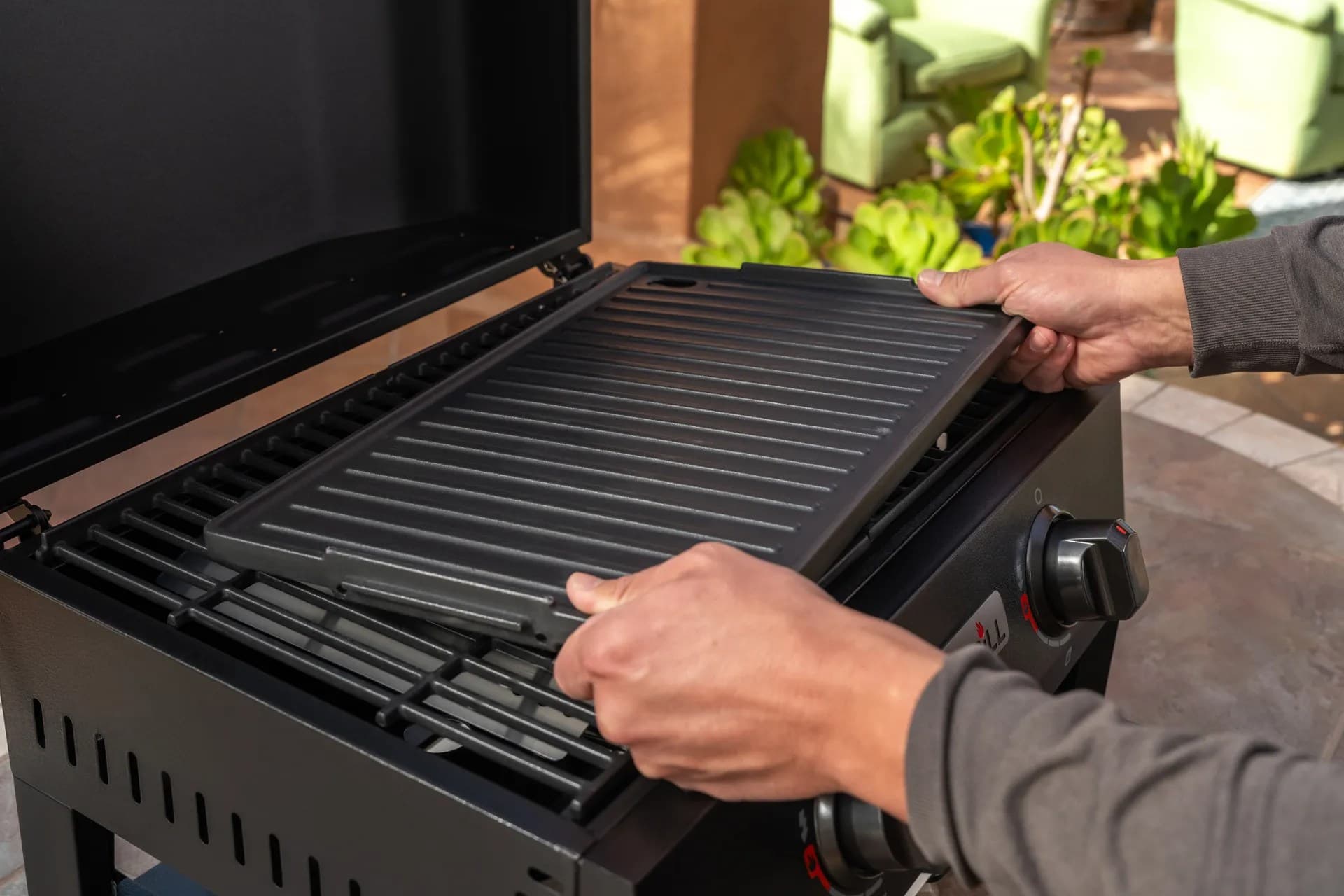
Practical guides for cleaning, maintenance, common grill issues, and performance optimization.
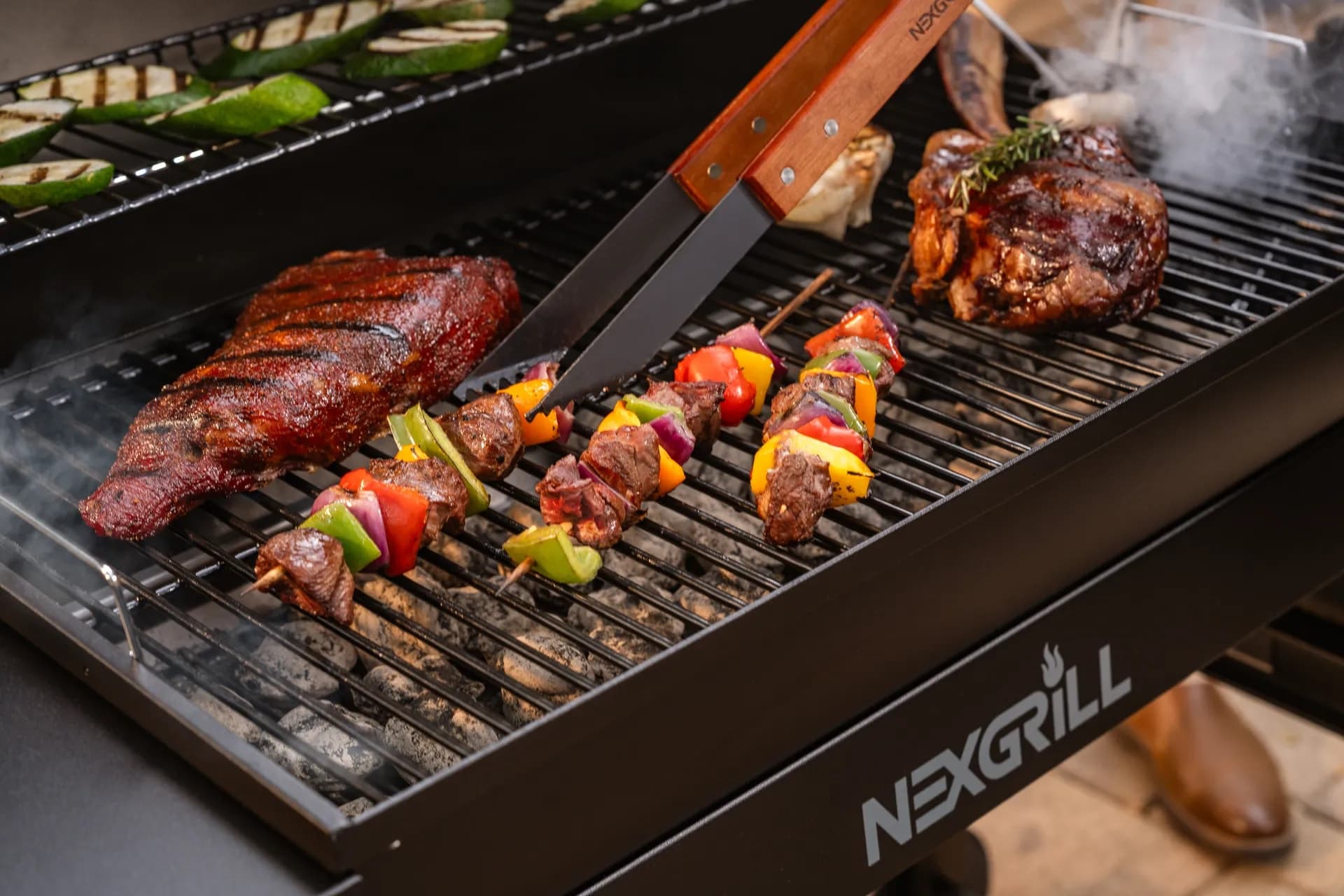
Step-by-step grilling recipes, cooking techniques, and meal ideas for every occasion and skill level.
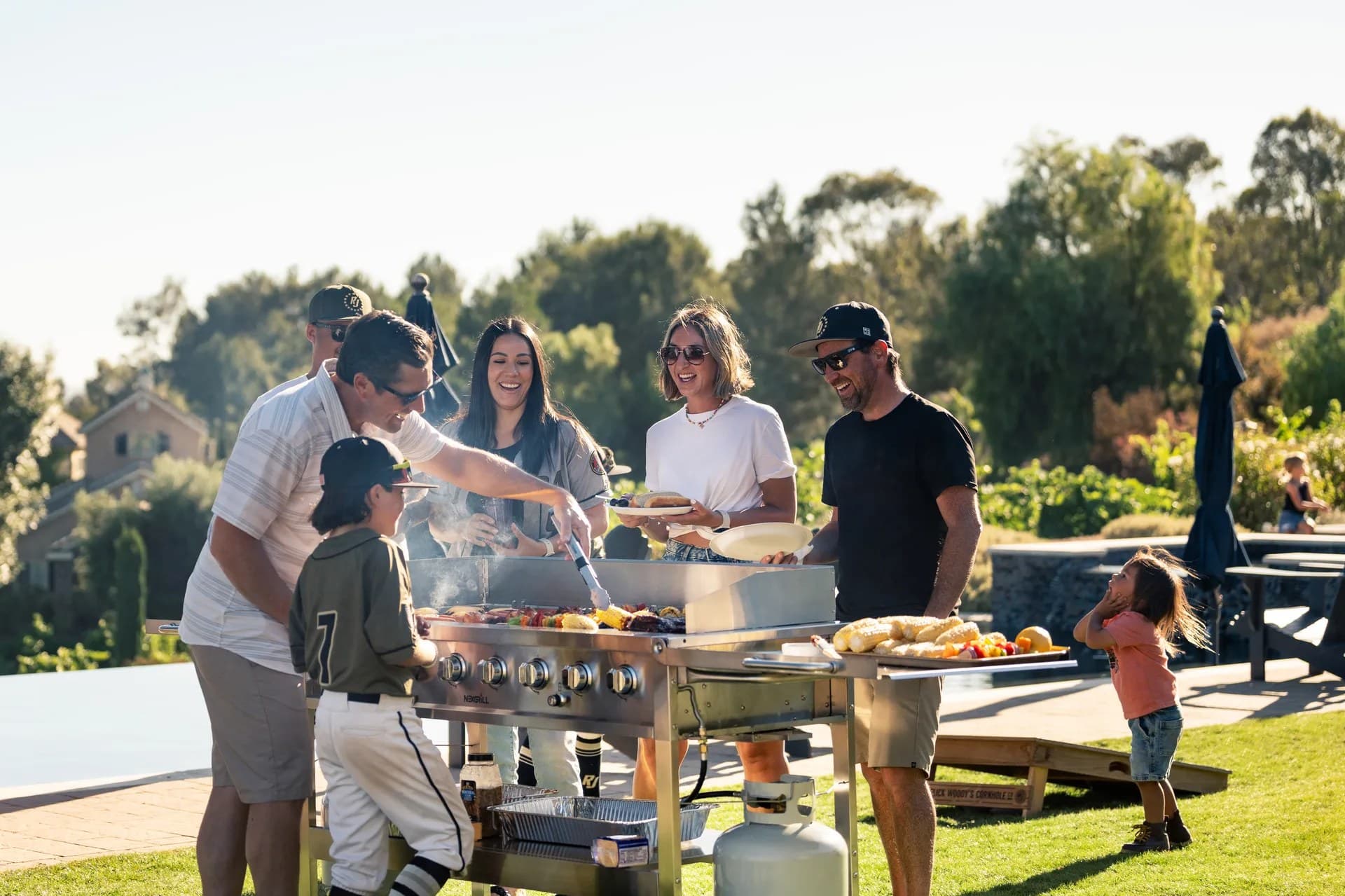
Backyard entertaining ideas, seasonal grilling inspiration, and stories that celebrate outdoor cooking culture.
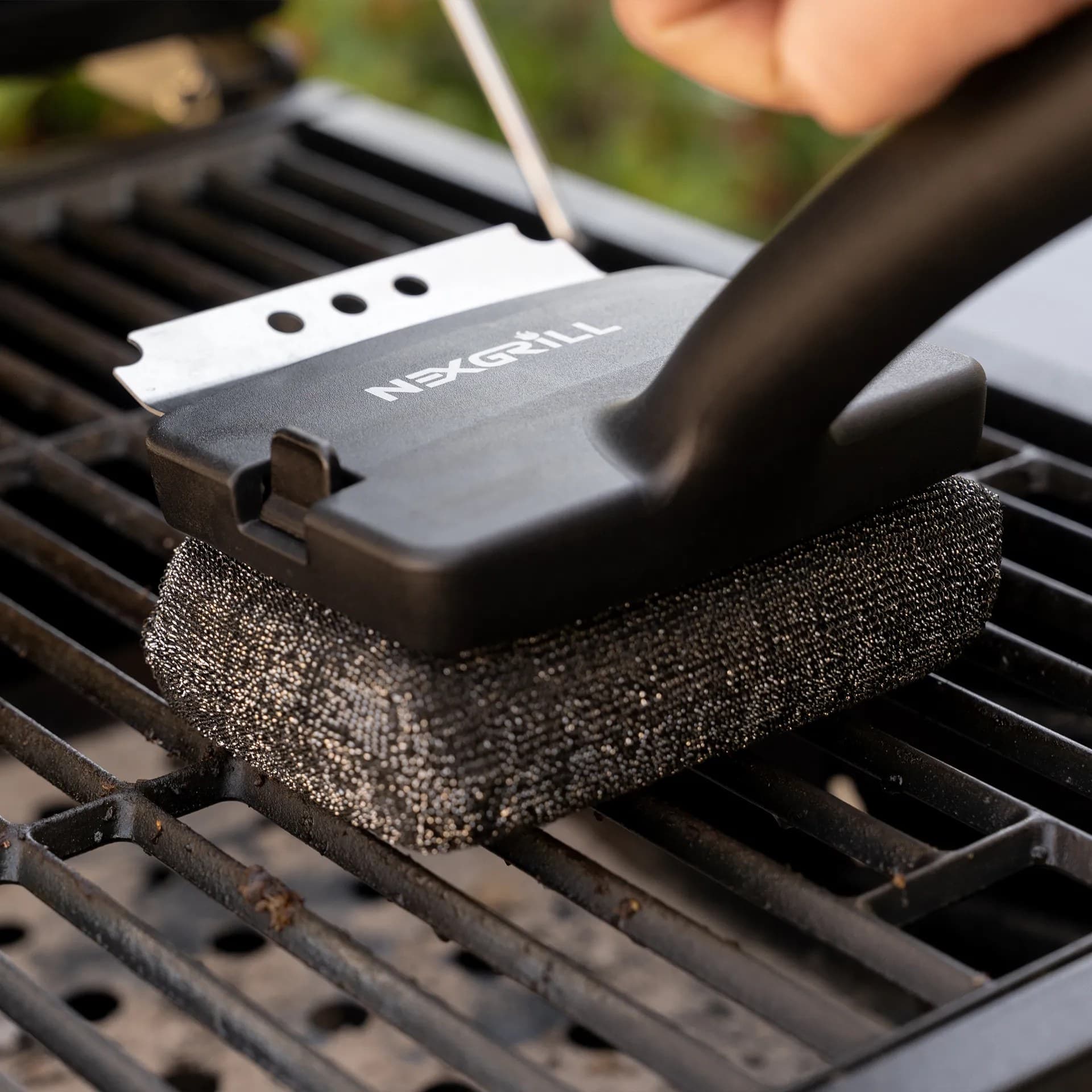
Helpful articles covering grilling tools, cookware, maintenance gear, and must-have accessories for outdoor cooking.
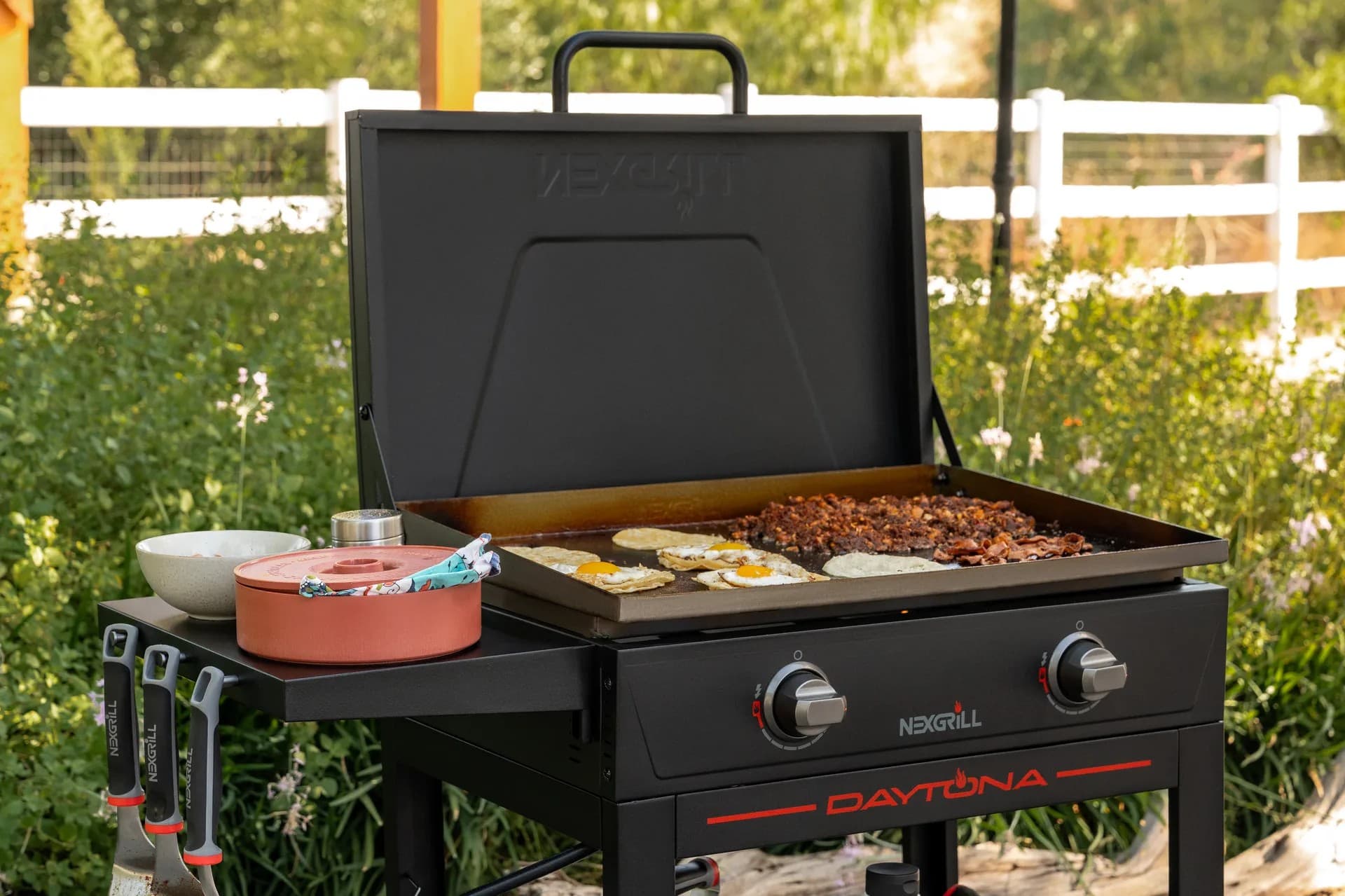
Find griddle recipes, cooking techniques, cleaning tips, and outdoor meal ideas designed for Nexgrill griddles.
Find answers to common questions
Nexgrill equipment is suitable for a variety of recipes including meats, vegetables, and even pizzas. Popular options include marinated steaks, grilled vegetables, and shrimp skewers.
To enhance the flavor of grilled vegetables, consider marinating them in olive oil, herbs, and spices before grilling. Alternatively, you can season them with salt and pepper during grilling for a more straightforward approach.
To achieve perfect grill marks, preheat your grill to a high temperature and ensure that the food is dry before placing it on the grill. Avoid moving the food too early, as it needs to sear properly to form those classic grill marks.
Using a meat thermometer is the most accurate way to ensure your grilled meat is at the desired temperature. For instance, chicken should reach an internal temperature of 165°F while medium-rare beef is typically at 135°F.
To clean your Nexgrill after cooking, allow it to cool and then use a grill brush to remove any residue from the grates. You can also wipe down the exterior with a damp cloth and mild soap to keep it looking its best.
In This Article
Lemon Herb Marinade
Balsamic Glaze Marinade
Soy-Ginger Marinade
If you have ever wondered what to marinate vegetables in before grilling, the best answer is not a single bottle or a one-size-fits-all formula. The right marinade depends on the vegetable itself, the heat of your grill, and the kind of flavor you want to create. A good marinade should do three things at once: add surface flavor, help vegetables brown more evenly, and support the final texture so the food tastes lively instead of watery or flat. For grilling, that balance matters because vegetables cook quickly and can lose their character if they are drowned in liquid or over-seasoned with acid.
This guide focuses on creative marinades that work especially well for grilling because they are built around fat, acid, salt, and aromatics in combinations that actually make sense for vegetables. That means you will see lemon-forward blends for fresh vegetables, richer balsamic marinades for deeper char, and savory Asian-inspired mixtures that bring out umami in mushrooms, peppers, zucchini, and eggplant. The goal is not just to coat vegetables before they hit the grate. The goal is to make each bite taste intentional, with enough contrast that the grill marks, smoke, and caramelization all become part of the flavor.
Nexgrill’s food-focused approach has always emphasized dishes with a story behind them, not just a cooking method. That is a good fit for vegetables, because grilled vegetables can go in many directions depending on the marinade: bright and picnic-ready, savory and rustic, or bold and spicy for a more memorable side dish. A bright marinade can make zucchini taste almost floral. A darker, sweeter marinade can turn mushrooms or onions into a deeply savory addition to grain bowls, wraps, or flatbreads. With the right mix, vegetables stop playing the role of filler and start carrying the meal.
The most effective vegetable marinades are usually thinner than meat marinades and use less acid. Vegetables need flavor on the surface, but too much liquid can prevent browning.
When you are deciding what to marinate vegetables in before grilling, start by thinking about the vegetable category. Dense vegetables like carrots, cauliflower, and sweet potatoes can handle stronger seasoning and a slightly longer soak. Fast-cooking vegetables like asparagus, zucchini, yellow squash, and bell peppers benefit from lighter marinades and shorter marinating time. Mushrooms are a special case because they absorb flavor quickly and can handle bolder ingredients, while onions and tomatoes usually need only a light coating to amplify their natural sweetness. That is why this article presents multiple marinade styles instead of one master recipe. You can match the marinade to the ingredient and the occasion, whether you are cooking a weeknight side dish or building a colorful grilled platter for a crowd.
One reason homemade marinades are worth the effort is that they let you control the balance between oil, salt, acidity, and sweetness. Bottled dressings often contain too much sugar or too many additives for high-heat grilling, and they can burn before the vegetables finish cooking. A simple homemade marinade with olive oil, citrus, vinegar, herbs, garlic, soy sauce, or spice paste gives you better control over both flavor and color. That flexibility is especially useful if you are grilling mixed vegetables, because one marinade can be adjusted to suit several ingredients at once.
A lemon herb marinade is one of the best starting points for grilled vegetables because it feels bright without being heavy. It works especially well on asparagus, zucchini, green beans, artichoke hearts, and summer squash. The citrus sharpness keeps the vegetables tasting fresh after grilling, while olive oil helps carry the herbs and prevents sticking on the grates. Garlic adds depth, and a small amount of salt helps the vegetables release and then reabsorb flavor more effectively.
A reliable version starts with 1/4 cup olive oil, 2 tablespoons lemon juice, 1 teaspoon lemon zest, 2 minced garlic cloves, 1 tablespoon chopped parsley, 1 teaspoon chopped thyme, and 1/2 teaspoon kosher salt. If you want more aroma, add a little dill or basil. This marinade is especially useful when you want the vegetables to taste clean and vivid, not smoky-sweet or spicy. The lemon does the work of brightening, but it should be used carefully because too much acid can soften tender vegetables before they reach the grill.
For tender vegetables, marinate for 15 to 30 minutes. That is usually enough to add flavor without making them soggy.
This style shines when you want a side dish that can sit next to grilled chicken, fish, or grain bowls without overpowering them. It is also a smart choice for mixed vegetable skewers because the herbs give the whole tray a uniform, garden-fresh flavor. If you are grilling outdoors for a brunch or early dinner, lemon herb vegetables pair naturally with eggs, feta, couscous, or simply a squeeze of extra lemon after grilling. The flavor profile is light, but the char from the grill gives it enough structure to feel complete.
Balsamic glaze marinades are ideal when you want grilled vegetables to taste richer and more concentrated. The natural sweetness of balsamic vinegar works beautifully with onions, mushrooms, bell peppers, carrots, and Brussels sprouts. Because balsamic reduces and caramelizes more quickly than lighter acids, it can create a slightly sticky, glossy finish that makes vegetables look as good as they taste. That visual appeal matters when you are serving a platter family-style or building a composed salad.
For a balanced balsamic marinade, combine 3 tablespoons balsamic vinegar, 3 tablespoons olive oil, 1 teaspoon Dijon mustard, 1 teaspoon honey or maple syrup, 1 minced garlic clove, 1/2 teaspoon black pepper, and a pinch of salt. If you prefer more herbal character, rosemary and oregano are excellent additions. This marinade gives vegetables a sweet-savory edge, which works especially well when you want the grill’s heat to deepen rather than lighten the flavor. Mushrooms in particular respond well because they already have an earthy, meaty character that pairs naturally with balsamic.
A practical marinating window for balsamic-coated vegetables before grilling
Use balsamic marinades with a light hand on the grill, especially if your vegetables are already high in natural sugar. A little char is desirable; burnt sugar is not. For that reason, thicker cuts and sturdier vegetables perform better than delicate greens. If you want a stronger glaze effect, reserve some of the marinade before it touches raw vegetables and brush it on during the last minute of grilling. That layering approach helps build a glossy finish without risking flare-ups or bitterness. The result is more balanced and more visually polished than soaking vegetables for too long in a sweet marinade.
Soy-ginger marinades are especially effective when your goal is savory depth. This is the marinade to use when you want grilled vegetables to feel substantial enough to anchor noodles, rice bowls, lettuce wraps, or tacos with an Asian-inspired twist. Soy sauce contributes salt and umami, ginger gives warmth and fragrance, sesame oil adds nuttiness, and rice vinegar keeps the mixture from becoming too heavy. This style is excellent for portobello mushrooms, eggplant, cabbage wedges, scallions, snap peas, and even tofu if you are building a mixed grill.
A simple version includes 3 tablespoons soy sauce, 1 tablespoon rice vinegar, 1 tablespoon toasted sesame oil, 1 teaspoon grated fresh ginger, 1 teaspoon honey, and 1 minced garlic clove. If you want a little heat, add a pinch of chili flakes or a dab of chili paste. Unlike delicate herb marinades, this one can stand up to more assertive grilling and benefits from the contrast between smoky edges and savory seasoning. It is a particularly smart choice for vegetables with lots of surface area because the sauce clings nicely and helps develop strong grilled flavor.
The best technique here is to toss the vegetables lightly so every piece is coated but not dripping. Overly wet vegetables steam on the grill, which dilutes the umami impact. If you are grilling cabbage or thick slices of eggplant, allow a bit more time in the marinade so the seasoning reaches beyond the outer layer. For smaller vegetables like scallions or snap peas, a quick coat right before grilling is usually enough. Once cooked, a sprinkle of sesame seeds or sliced scallions reinforces the flavor without adding much effort.
The most successful vegetable marinades are often built from a few familiar flavor families. If you want to keep experimenting, you can think in terms of brightness, sweetness, heat, and savory depth. A smoky paprika marinade can add barbecue character to cauliflower and potatoes. A yogurt-based marinade can work for vegetables that benefit from mild tang and a creamy coating, although it is better for thicker cuts and moderate heat than for extremely delicate vegetables. A chili-lime marinade can bring snap and heat to corn, zucchini, or bell peppers when you want a livelier profile.
Another useful direction is to build marinades around pantry ingredients that already complement grilling. Red wine vinegar, maple syrup, miso, harissa, pesto, and tahini can all create compelling coatings when used in the right ratio. The key is restraint. Vegetables are naturally expressive, so the marinade should amplify their flavor rather than bury it. A great test is whether you can still identify the vegetable after grilling. If the answer is no, the marinade is probably too aggressive or too wet.
Avoid thick marinades with a lot of sugar on high heat unless you plan to grill quickly or brush them on near the end. Sugar-heavy coatings can scorch before vegetables are done.
Vegetable marinating is less about soaking and more about smart timing. For most vegetables, 15 to 30 minutes is enough. Mushrooms, onions, and eggplant can handle longer exposure, while asparagus, zucchini, and tomatoes need a shorter window. If your vegetables are cut into uniform sizes, they will marinate and grill more evenly, which makes the final texture easier to manage. Uneven pieces lead to uneven charring, and that often makes the lighter vegetables taste overdone while the denser ones still feel under-seasoned.
Drying the vegetables lightly before grilling is another important step. Even if they have been tossed in marinade, excess liquid on the surface can keep them from searing properly. You do not need to wipe them completely dry, but you should let the excess drip off before placing them on the grate. If you are using a grill basket, the same rule applies: less pooling liquid means better browning. Salt should be used with purpose, especially if the marinade already contains soy sauce, miso, or cheese-friendly ingredients.
It also helps to think about finishers. A marinade creates the base flavor, but a final splash of citrus, a crumble of cheese, or a handful of fresh herbs after grilling can make the vegetables taste brighter and more complete. That is particularly true for lemon herb and balsamic styles. If the vegetables are going onto a platter, try serving them warm rather than hot so the marinade flavors read more clearly and the texture stays pleasant.
If you are asking what to marinate vegetables in before grilling, the best answer is to choose a marinade that matches both the vegetable and the meal you want to build. Lemon herb marinades bring brightness, balsamic adds depth, and soy-ginger contributes savory complexity. Each one creates a different kind of grilled vegetable experience, which is exactly why it is worth keeping more than one option in your rotation. A smart marinade can turn a simple tray of vegetables into the part of the meal people remember most.
The real advantage is flexibility. Once you understand how acid, oil, salt, and aromatics interact, you can adapt these ideas to whatever is in your refrigerator or garden. That makes grilled vegetables easier to prepare, more satisfying to eat, and much more likely to fit the mood of the meal. Try comparing two products side by side below to see which fits best:
Once you've weighed two options against each other, the same thinking applies to grilled vegetables: the best marinade is the one that matches the ingredient, the grill, and the way you plan to serve the food. If you are trying to decide what to marinate vegetables in before grilling, the answer should be rooted in texture and purpose rather than habit. A marinade for vegetables is not there simply to make them taste seasoned. It should help them cook cleanly, highlight their natural sweetness, and give the final dish enough contrast to stand up beside proteins, grains, or sauces.
Think of marinades as flavor architecture. Bright citrus and herbs create lift, Mediterranean herbs bring savory complexity, and chili-based blends supply heat and visual intensity. For Nexgrill-style outdoor cooking, that matters because vegetables often share the grate with other foods or sit in a mixed platter where they need to bring something distinctive. The right marinade can make grilled vegetables feel like a centerpiece instead of an afterthought. It can also help home cooks organize the meal more confidently: one style for fresh summer produce, another for earthy vegetables, another for a bolder game-day spread.
Vegetables usually need less marinating time than meat. In many cases, 15 to 30 minutes is enough to build flavor without softening the texture.
This second half takes a more practical angle on marinade choice. Instead of repeating the basics, it focuses on how to build useful flavor profiles for different grilling scenarios. If you are feeding a mixed crowd, for example, you may want one bright marinade for zucchini and asparagus, one savory marinade for mushrooms and onions, and one spicy option for cauliflower or peppers. That kind of planning keeps the grill menu interesting without making prep complicated. It also makes the final plate look and taste more deliberate.
A citrus herb marinade is one of the cleanest ways to season vegetables before grilling because it combines freshness with enough fat to encourage browning. Orange, lemon, or lime juice can each work, but orange is especially useful when you want sweetness that softens sharper vegetables like red onion or radish. Lemon and lime are better when you want a sharper edge for zucchini, bell peppers, and asparagus. Olive oil remains the base because it carries the aromatics and helps reduce sticking on the grate.
A practical version uses 1/4 cup olive oil, 2 tablespoons citrus juice, 1 teaspoon zest, 1 tablespoon chopped fresh herbs, 1 minced garlic clove, and a small pinch of salt. Parsley, basil, dill, and mint can each change the profile in useful ways. Mint, for example, can make grilled carrots or zucchini feel unexpectedly fresh, while dill works well for cucumbers if you are doing a quick grilled-and-chilled vegetable salad. The key is to keep the herb blend clear enough that the citrus still reads as the main note.
This marinade suits recipes where the grill should deepen flavor without making everything taste heavy. It is a smart match for early-season vegetables, mixed summer platters, and sides that need to pair with seafood or poultry. If the vegetables are cut into thin planks or spears, marinate briefly and grill hot so the exterior picks up char before the inside loses structure. If you are working with denser vegetables such as cauliflower steaks, a slightly longer marinate helps the seasoning carry deeper into the bite.
A Mediterranean herb marinade moves in a more savory direction and works especially well when you want vegetables to taste as if they belong on a mezze platter or alongside grilled seafood. Olive oil, garlic, oregano, rosemary, thyme, and a little red wine vinegar create a profile that feels rustic and layered. This is one of the best choices for eggplant, mushrooms, onions, fennel, and peppers because those vegetables can handle stronger herbal notes and a bit more time in the marinade.
A simple formula is 1/4 cup olive oil, 1 tablespoon red wine vinegar, 2 minced garlic cloves, 1 teaspoon dried oregano, 1/2 teaspoon rosemary, 1/2 teaspoon thyme, and a small pinch of salt and pepper. If you want an added savory note, a teaspoon of grated parmesan-style cheese works after grilling rather than in the marinade itself, because dairy can interfere with browning if used too early. The vinegar should be kept moderate so the vegetables stay firm. This blend is especially effective when you want the char from the grill to complement herbaceous richness rather than compete with sweetness.
Use this style on vegetables that benefit from structure, like eggplant, onions, and mushrooms. Their texture holds up well to savory oils and herbs.
One of the strengths of a Mediterranean herb marinade is that it makes grilled vegetables easy to integrate into other dishes. You can tuck them into pita with hummus, layer them over couscous, or serve them with feta and olives for a table that feels complete without needing extra sauce. If you are hosting outdoors, this is a strong option because it travels well from grill to serving platter and still tastes good as it cools slightly.
When you want grilled vegetables with a louder personality, a spicy sriracha-lime marinade brings heat, acidity, and a little sweetness into one fast-moving blend. It is especially good for cauliflower, corn, bell peppers, mushrooms, and zucchini. The lime gives the vegetables lift, the sriracha adds a chili-garlic punch, and a little oil keeps the coating even. This is the kind of marinade that works well when the grilled vegetables are part of tacos, rice bowls, or a weekend cookout spread that needs a more memorable side.
A balanced version can be made with 3 tablespoons olive oil, 1 tablespoon lime juice, 1 to 2 teaspoons sriracha, 1 teaspoon honey, 1 minced garlic clove, and a pinch of salt. The honey is useful because it rounds out the heat and helps the vegetables develop some gloss on the grill. Too much sweetener, however, can make the surface burn too quickly, so the marinade should stay relatively light. If you want more intensity, brush a little extra on after grilling instead of loading it all on beforehand.
This style is best when you are cooking vegetables that can stand up to a strong finish. Cauliflower florets and corn segments are particularly good because the edges caramelize, creating contrast against the heat. Mushrooms also respond well because they absorb the seasoning quickly and offer a savory base that keeps the spice from feeling one-note. If your group likes a little fire, this marinade is the one most likely to disappear first from the platter.
There are many other directions worth exploring if you want variety across the season. A miso-sesame marinade can add salinity and roasted depth to eggplant or mushrooms. A harissa yogurt coating can be excellent for thicker vegetables when you want creamy tang and warmth, though it should be used sparingly on high heat. A maple-mustard marinade can give carrots and onions a sweet-savory profile that works well when the meal leans toward comfort food. Pesto thinned with olive oil can also be used as a quick marinade for zucchini or tomatoes, though it behaves more like a coating than a soak.
The most helpful way to choose is to decide what role the vegetables should play. If they need to feel refreshing, lean citrus and herbs. If they need to feel rich and grounded, lean toward oregano, garlic, and vinegar. If you want them to stand out in a lively mixed plate, bring in chili, lime, and a little sweetness. That small planning step produces better results than following a generic recipe every time.
If you are marinating vegetables with a lot of water content, avoid overly salty or sugary blends. They can draw out moisture and make the grill surface steam instead of sear.
The technique matters as much as the recipe. Start by cutting vegetables into consistent sizes so they cook at the same pace. Toss them gently in the marinade rather than submerging them, because a thin coating is usually enough. Let the vegetables rest in the marinade just long enough to pick up flavor, then allow excess liquid to drip off before they hit the grill. If the vegetables are coated too heavily, the sugars and moisture can interfere with browning and make cleanup messier.
Different vegetables need different treatment. Dense vegetables can handle more time, while delicate vegetables need speed. Mushrooms, onions, and eggplant are forgiving and can benefit from 20 to 45 minutes in a marinade. Zucchini, asparagus, and peppers usually do better with a shorter window. If you are grilling a mixed batch, marinate the tougher vegetables separately so everything finishes at the right moment. Another useful habit is to save a portion of unused marinade, kept away from raw vegetables, and use it as a finishing drizzle after grilling.
Heat control is the final piece. Vegetables often do best over medium-high heat where they can char quickly without collapsing. If your marinade contains sugar, watch closely and move the vegetables as needed so the surface develops color rather than bitterness. A grill basket, skewers, or a well-oiled grate can all make handling easier, especially for smaller vegetables that might fall through the grates. Good technique turns a marinade from a coating into a real flavor advantage.
Mastering vegetable marinades is less about memorizing recipes and more about learning how flavor behaves under heat. Citrus herb marinades bring brightness, Mediterranean blends contribute savory structure, and spicy sriracha-lime mixtures add energy and contrast. Once you understand those flavor families, you can move confidently from one vegetable to the next and choose the best marinade based on texture, sweetness, and the rest of the meal.
If you keep asking what to marinate vegetables in before grilling, the answer becomes easier with practice: start with a light oil base, add a flavor direction that supports the vegetable, and keep the marinating time matched to the ingredient’s texture. That approach helps you avoid soggy results and gives you more control over the final plate. From there, grilled vegetables become much more than a side dish. They become an adaptable, flavorful part of the cookout that can feel bright, bold, rustic, or spicy depending on the marinade you choose.
Here's what sets us apart
We position ourselves as delivering high-end outdoor cooking features and performance without premium-brand pricing, emphasizing “Quality Grills. Unbelievable Value.”
We offer gas grills, pellet grills, griddles, smokers, pizza ovens, portable/tabletop grills, electric grills, accessories, and replacement parts — allowing customers to stay within one ecosystem for all outdoor cooking needs.
We differentiate ourselves through smart grilling products like the Oakford smart pellet grill, including app-connected cooking controls and modern outdoor cooking technology.
Don't just take our word for it
Keep reading
From our catalog