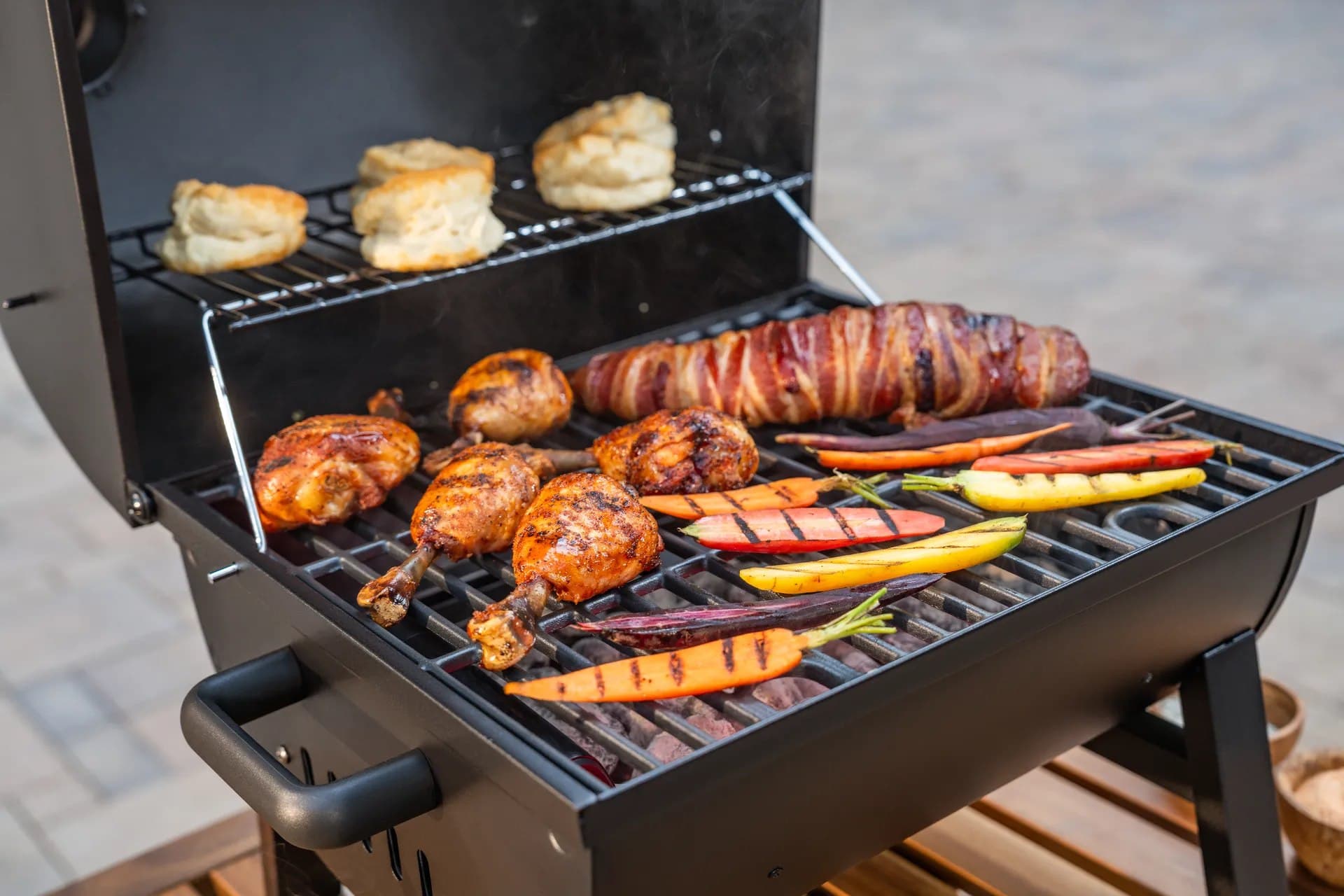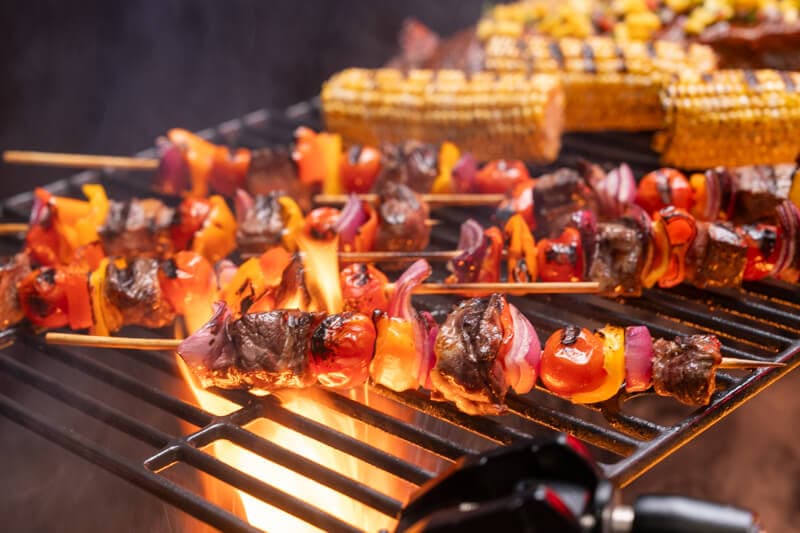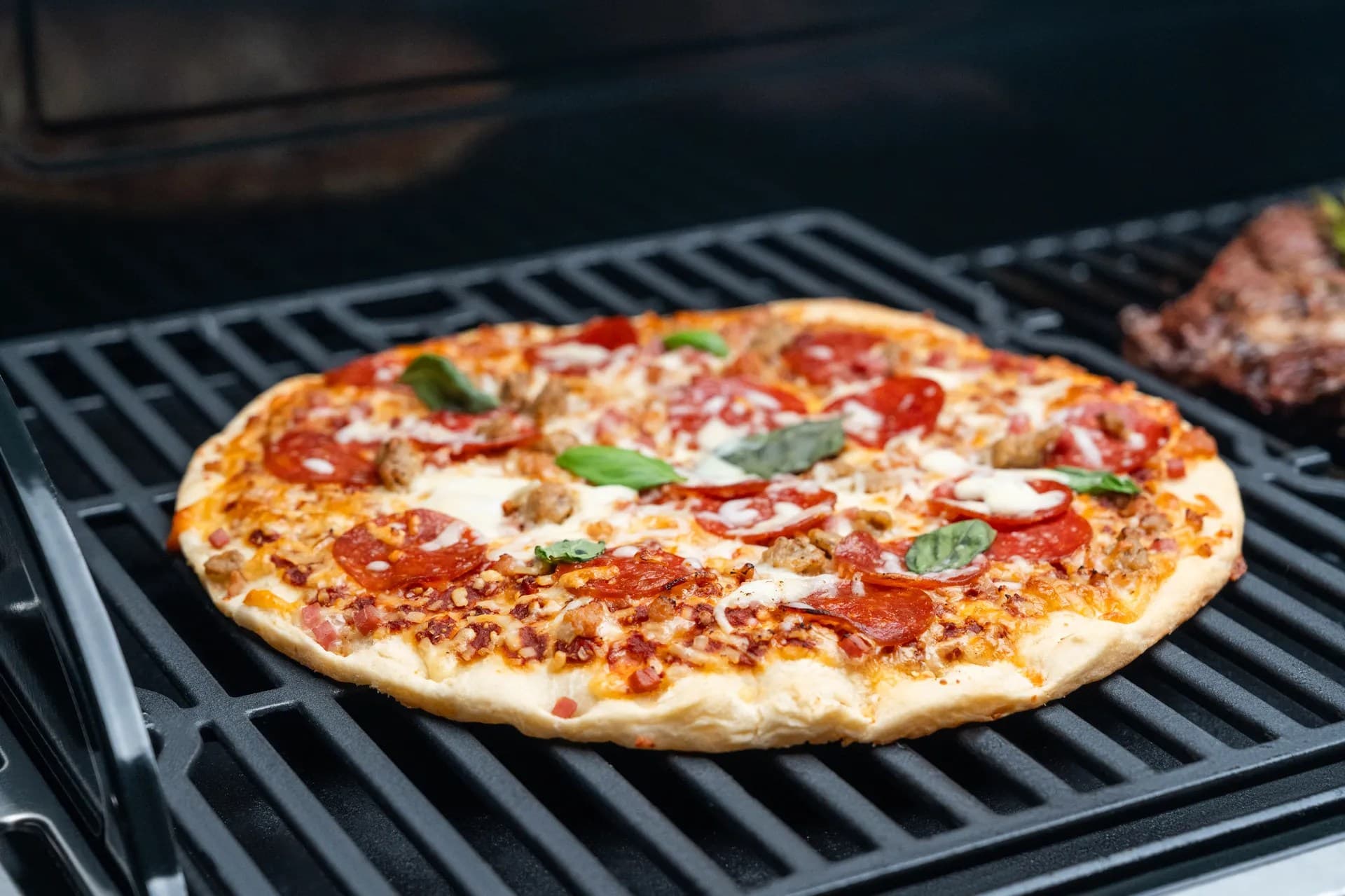
Discover the top vegetables to grill and master the art of grilling them to perfection.
Here's what sets us apart from the competition
We position ourselves as delivering high-end outdoor cooking features and performance without premium-brand pricing, emphasizing “Quality Grills. Unbelievable Value.”
We offer gas grills, pellet grills, griddles, smokers, pizza ovens, portable/tabletop grills, electric grills, accessories, and replacement parts — allowing customers to stay within one ecosystem for all outdoor cooking needs.
We differentiate ourselves through smart grilling products like the Oakford smart pellet grill, including app-connected cooking controls and modern outdoor cooking technology.
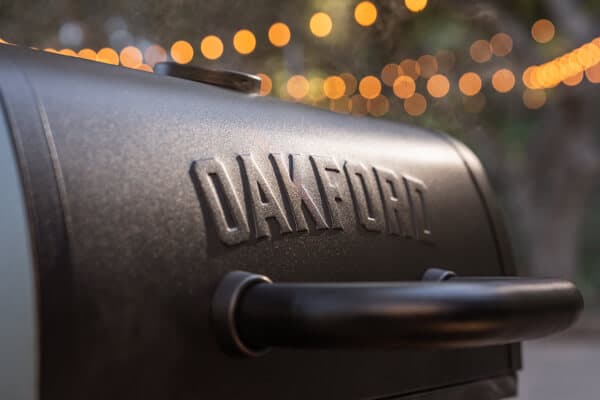
Expert tips, buying guides, comparisons, and inspiration for choosing and getting the most out of your grill.
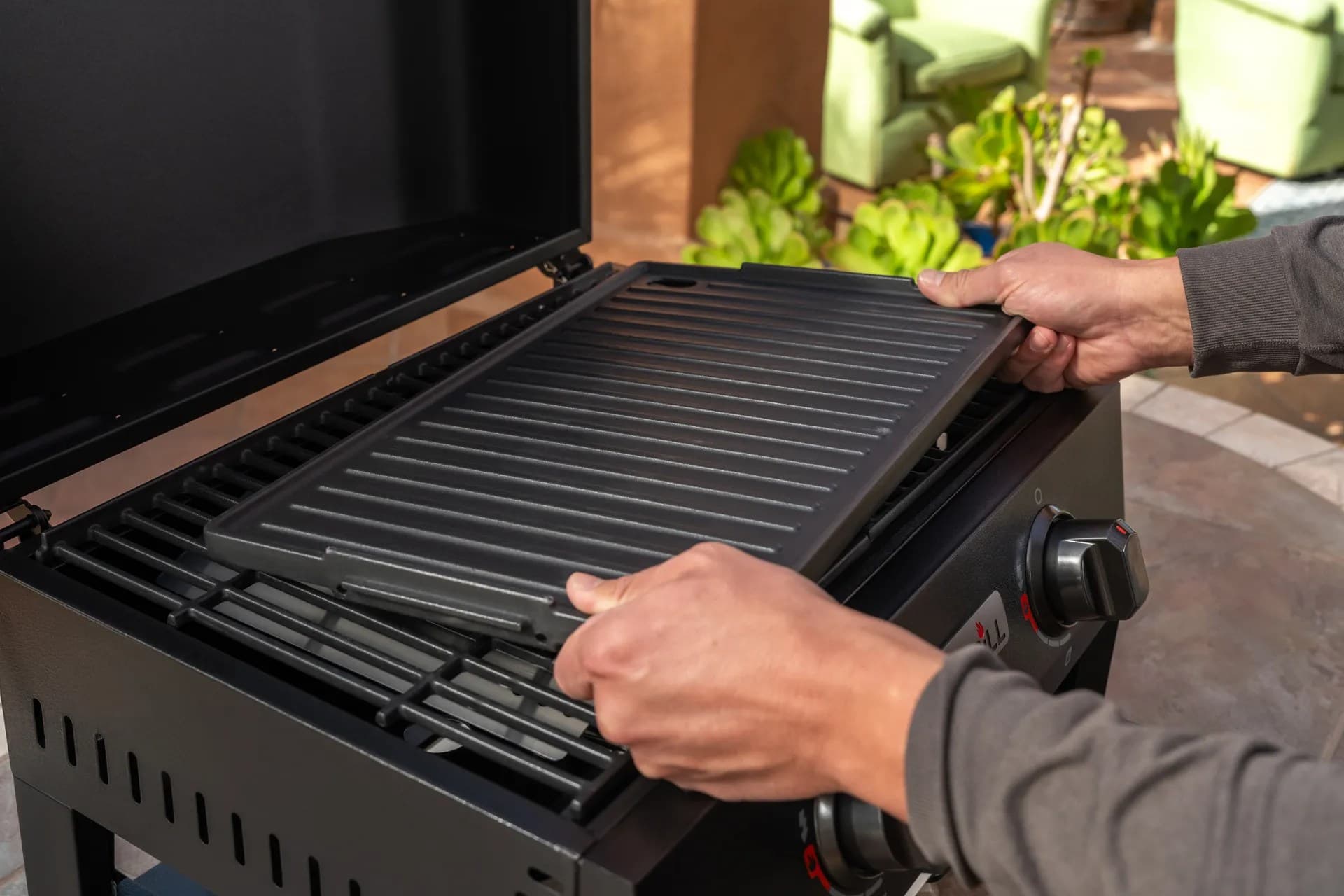
Practical guides for cleaning, maintenance, common grill issues, and performance optimization.
Step-by-step grilling recipes, cooking techniques, and meal ideas for every occasion and skill level.
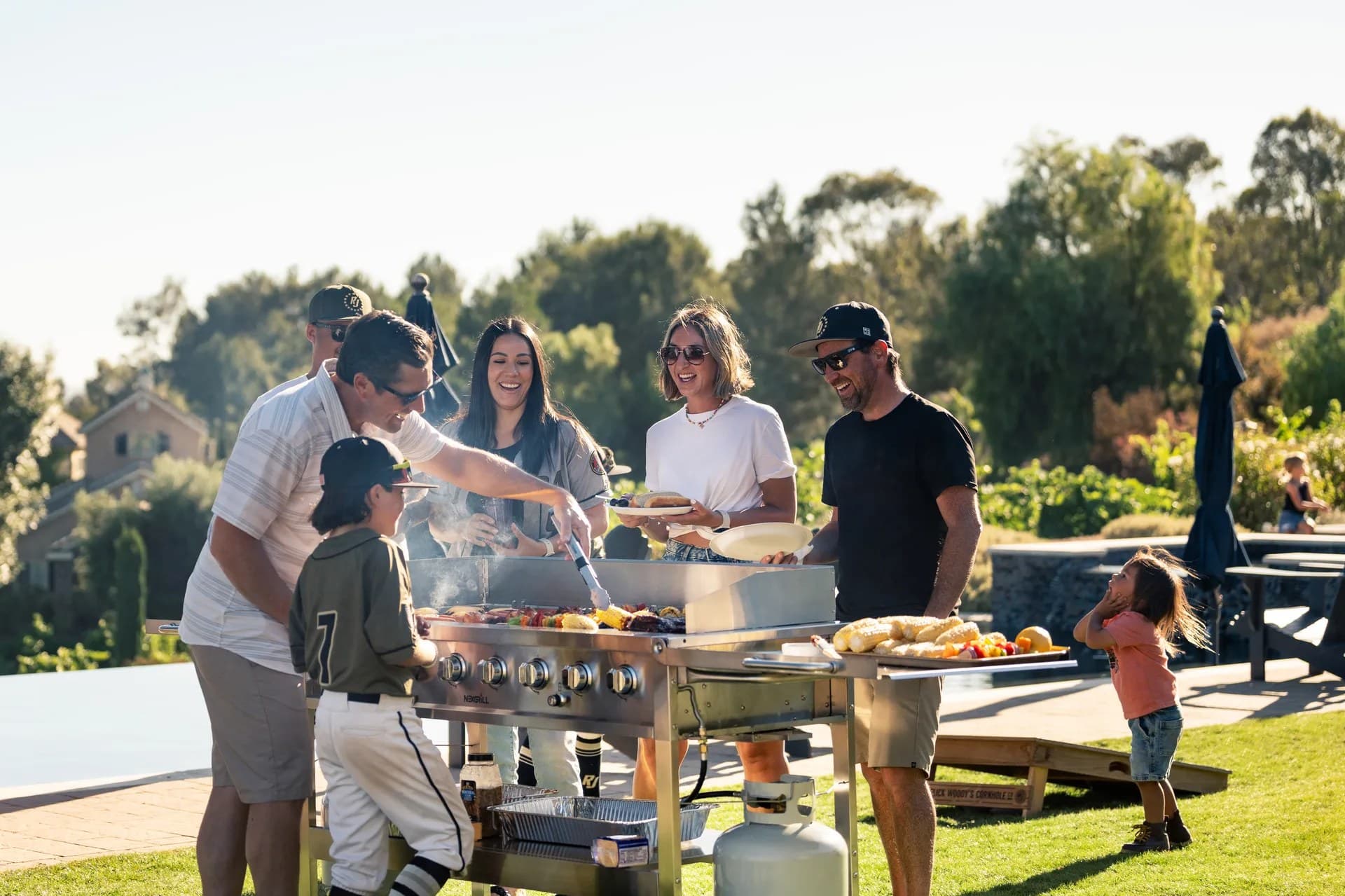
Backyard entertaining ideas, seasonal grilling inspiration, and stories that celebrate outdoor cooking culture.
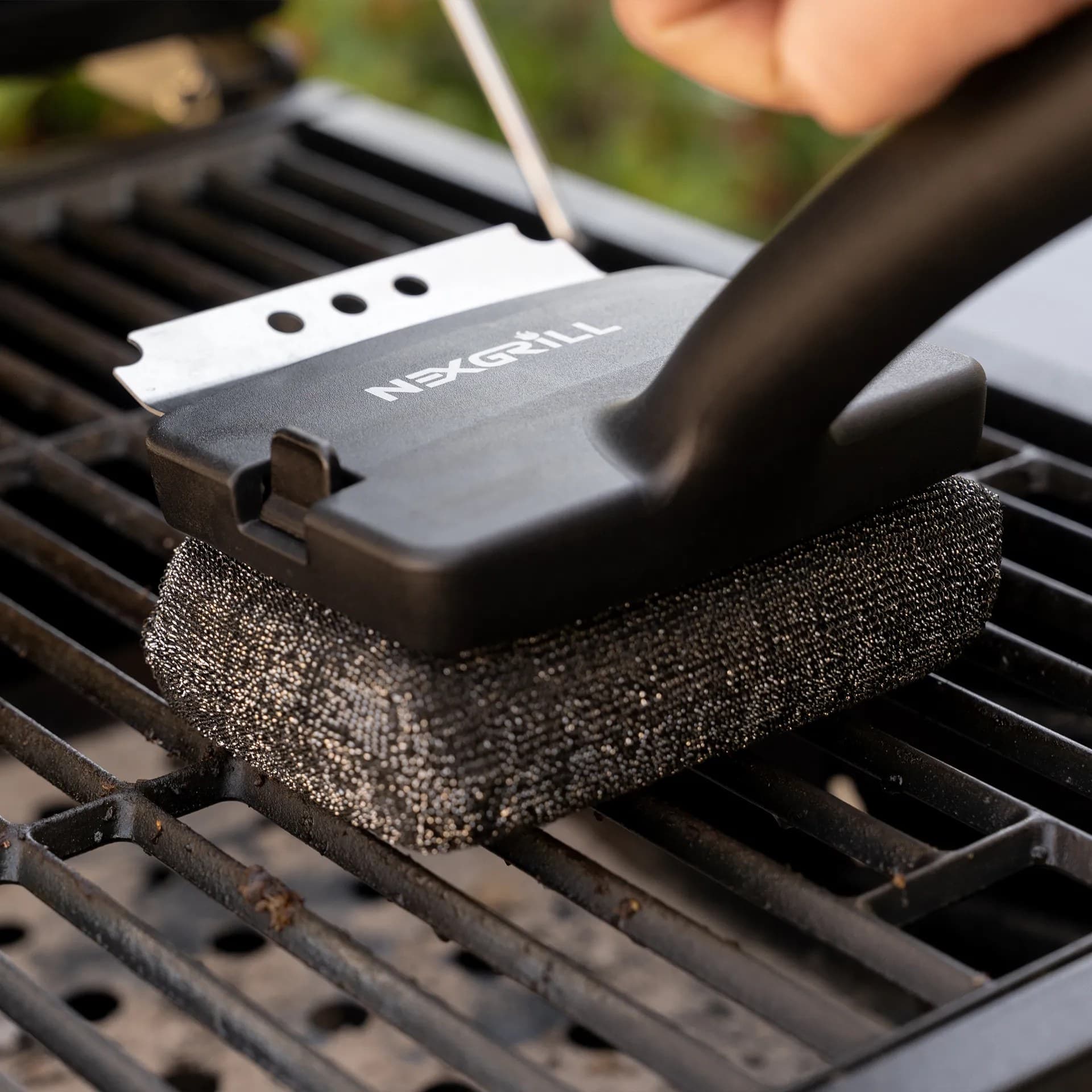
Helpful articles covering grilling tools, cookware, maintenance gear, and must-have accessories for outdoor cooking.
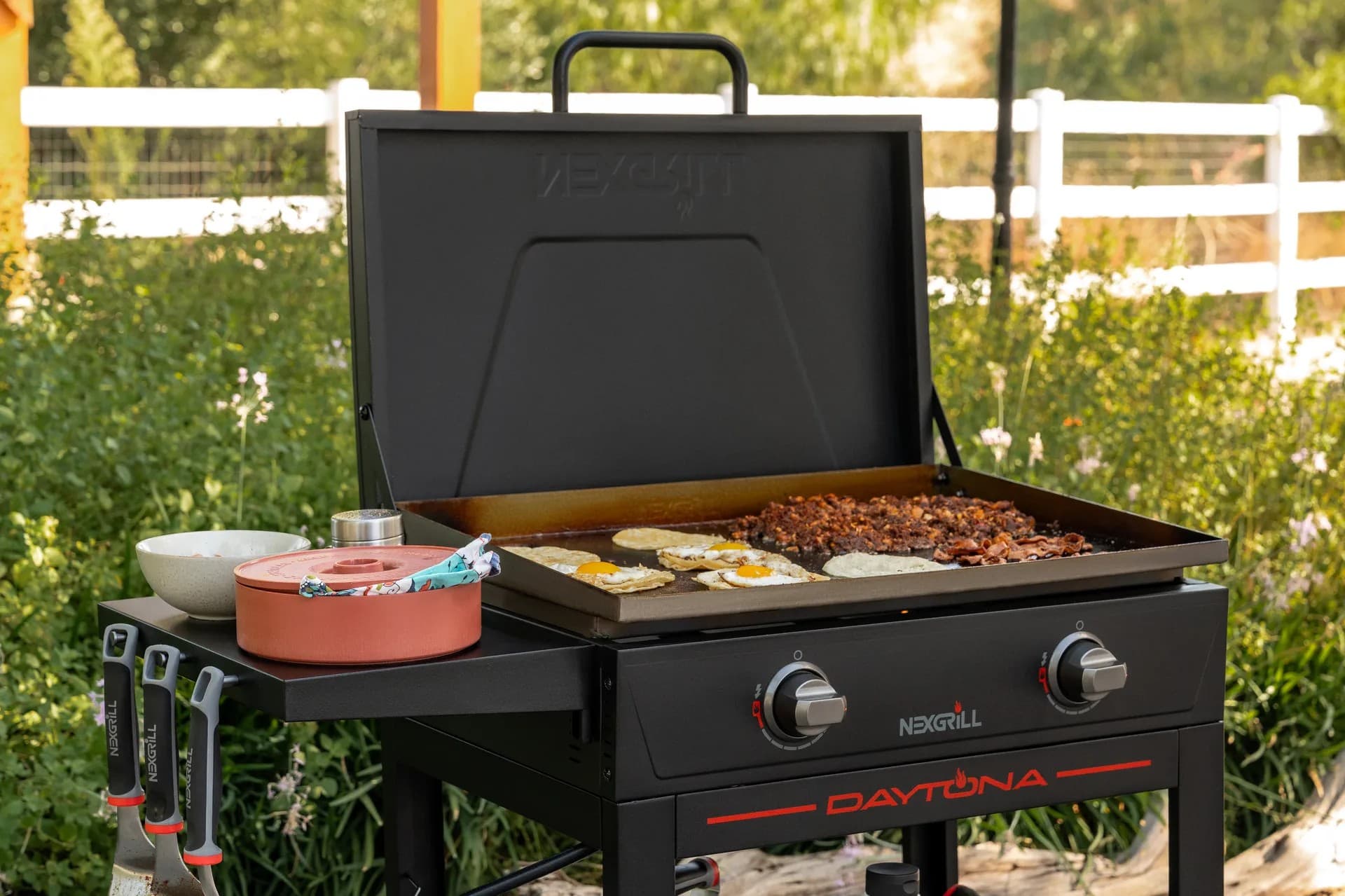
Find griddle recipes, cooking techniques, cleaning tips, and outdoor meal ideas designed for Nexgrill griddles.
Find answers to common questions
Nexgrill equipment is suitable for a variety of recipes including meats, vegetables, and even pizzas. Popular options include marinated steaks, grilled vegetables, and shrimp skewers.
To enhance the flavor of grilled vegetables, consider marinating them in olive oil, herbs, and spices before grilling. Alternatively, you can season them with salt and pepper during grilling for a more straightforward approach.
To achieve perfect grill marks, preheat your grill to a high temperature and ensure that the food is dry before placing it on the grill. Avoid moving the food too early, as it needs to sear properly to form those classic grill marks.
Using a meat thermometer is the most accurate way to ensure your grilled meat is at the desired temperature. For instance, chicken should reach an internal temperature of 165°F while medium-rare beef is typically at 135°F.
To clean your Nexgrill after cooking, allow it to cool and then use a grill brush to remove any residue from the grates. You can also wipe down the exterior with a damp cloth and mild soap to keep it looking its best.
In This Article
Top Vegetables for Grilling
Grilling Techniques
Seasonal Grilling
Grilling vegetables is one of the easiest ways to turn a simple side dish into the kind of food people talk about after the meal is over. The heat of the grill brings out natural sugars, softens sharp edges in flavor, and adds the subtle char that makes vegetables feel more substantial and satisfying. At Nexgrill, that idea fits the brand’s emphasis on shared outdoor cooking: food that is approachable, flexible, and built for gathering people around the table .
If you have ever wondered what are good vegetables for grilling, the answer starts with vegetables that can handle direct heat without turning mushy too quickly. The best choices tend to have enough structure to hold together, enough moisture to stay tender, and enough natural sweetness to benefit from browning. That does not mean delicate vegetables are off limits. It simply means that some require more thoughtful prep, better placement on the grate, or a shorter cook time than hearty vegetables like zucchini, peppers, mushrooms, and corn.
For home cooks, the real advantage of grilling vegetables is control. You can build a full plate with a few carefully chosen ingredients, match the vegetables to the season, and use the grill to create contrast: crisp edges, smoky aroma, and tender centers. That is especially valuable for weeknight dinners, mixed grill platters, and backyard meals where you want a side dish that feels just as intentional as the main course. Grilled vegetables also work well across eating styles, from plant-forward menus to meals that simply need a brighter, fresher companion to steak, chicken, or fish.
This guide focuses on vegetables that grill well, how to prepare them so they cook evenly, and how to choose the right produce at the right time of year. Rather than treating vegetable grilling as an afterthought, use it as part of the menu design. The best grilled vegetable plates are built from ingredients with different textures and cook times, then finished with the right seasoning and heat management. A little planning makes all the difference.
Vegetable categories covered below, from sturdy staples to more delicate options
The most reliable vegetables for grilling usually fall into two groups: those that are dense enough to cook through without collapsing, and those that have enough surface area to brown beautifully while still staying crisp-tender. Zucchini and yellow squash are classic examples because their mild flavor benefits from char, but they should be sliced thick enough to avoid falling through the grates. Bell peppers are another strong choice because their walls soften and sweeten as they blister, which makes them one of the most forgiving vegetables for beginners.
Red onions are especially good for grilling because the layers hold together long enough to caramelize at the edges while remaining juicy inside. Cut them into thick rounds or wedges so they do not unravel. Portobello mushrooms also grill well because their meaty texture absorbs seasoning and develops a satisfying, savory bite. When you want a vegetable that feels substantial enough to stand in for a main component, portobellos are often a smart pick.
Corn on the cob is a summer favorite because the grill accentuates sweetness and adds a lightly smoky finish. You can grill it in the husk for a more steamed result or shucked for deeper browning. Asparagus belongs on the list too, but it performs best when the stalks are thick enough to avoid overcooking before the exterior picks up color. For a more robust option, eggplant is excellent when sliced into rounds or planks; it becomes creamy inside and takes on a rich, almost silky texture.
| Vegetable | Why it grills well | Best prep style |
|---|---|---|
| Zucchini | Fast-cooking, mild, and easy to char | Thick planks or spears |
| Bell peppers | Sweetens as the skin blisters | Large strips or halves |
| Red onions | Caramelizes without losing structure | Thick rounds or wedges |
| Portobello mushrooms | Meaty texture and strong flavor absorption | Whole caps, cleaned and trimmed |
| Corn | Sweetness deepens with smoke and heat | In husk or shucked |
| Asparagus | Quick char with crisp-tender bite | Medium to thick spears |
| Eggplant | Becomes creamy and rich | Rounds or long planks |
A good rule of thumb: if a vegetable cooks in under 10 minutes, cut it larger than you think you need. Thin slices are the fastest way to lose texture on the grill.
Good grilled vegetables are usually less about fancy seasoning and more about managing moisture, heat, and cut size. Start by drying vegetables well after washing them. Excess surface water creates steam, and steam works against browning. A light coating of oil helps with heat transfer and prevents sticking, but the goal is a thin film rather than a heavy marinade that drips into flare-ups. Season simply before grilling so the natural flavor stays in focus, then finish with salt, acid, herbs, or cheese after the vegetables come off the grill.
Cutting style matters just as much as seasoning. Vegetables with a lot of water, like zucchini and mushrooms, do better in larger pieces because smaller pieces soften too quickly. Dense vegetables such as carrots or beets may benefit from partial pre-cooking if you want them tender within a reasonable grill time. For carrots, a brief blanch or microwave step can help them cook evenly without burning the outside. For potatoes, par-cooking before they hit the grill is often the difference between a crisp exterior and a raw center.
Heat control is where many home cooks gain the biggest advantage. Medium-high heat is usually ideal for most vegetables because it provides enough energy for browning without incinerating the exterior. If your grill has multiple zones, use direct heat for fast browning and a cooler area for finishing thicker pieces. This is especially useful when cooking a mixed tray of vegetables with different densities. You can sear peppers and zucchini over stronger heat, then move them to a cooler zone while thicker pieces finish.
Avoid crowding the grill. When vegetables touch too closely, they trap steam and lose the clean char that makes grilled vegetables taste distinct.
Another useful approach is to grill vegetables by texture family. Soft vegetables like squash, mushrooms, and peppers can share similar timing. Dense vegetables like onions, carrots, and cauliflower often need either thinner slicing or more time over gentler heat. Leafy vegetables like romaine or radicchio can be grilled very quickly and should be treated almost like a finishing ingredient rather than a main cook. If you want better grill marks, let the vegetables sit undisturbed long enough to set the sear before turning them. Constant flipping usually reduces browning and increases breakage.
Seasonality gives grilled vegetables a noticeable advantage because vegetables are at their best when they are harvested at peak ripeness. In late spring, asparagus and spring onions often deliver the sharp, fresh flavor that pairs well with a hot grill. Early summer is a natural time for zucchini, yellow squash, peppers, and corn, which all respond well to quick cooking and benefit from warm-weather sweetness. By late summer, eggplant, tomatoes, and a second wave of peppers become especially appealing because they tend to be richer and more developed in flavor.
Fall grilling shifts toward heartier vegetables that can handle deeper browning and longer cook times. Brussels sprouts, cauliflower, carrots, and delicata squash are excellent choices when the weather cools. They bring a more substantial bite and often taste sweeter after exposure to fire. Winter grilling is still possible, especially with sturdy vegetables such as onions, mushrooms, cabbage wedges, and root vegetables. If you are grilling in colder weather, thicker cuts and a covered grill help maintain consistent heat.
Choosing vegetables by season also helps you create menus that feel fresher and more economical. In the United States, peak-season produce is often more flavorful and easier to find in larger quantities, which matters when you are feeding family or hosting a cookout. A practical example: a midsummer platter of grilled corn, peppers, zucchini, and onions gives you a bright, colorful spread that cooks quickly and serves a crowd. In October, switching to Brussels sprouts, squash, and carrots gives the plate a deeper, earthier character that matches the season better.
Seasonal grilling windows: spring, summer, fall, and winter each reward different vegetable choices
The best vegetables for grilling are the ones that can handle heat, reward a little char, and fit naturally into the rest of the meal. Zucchini, peppers, onions, mushrooms, corn, asparagus, and eggplant are dependable starting points, but the best results come from matching each vegetable to the right cut, the right heat level, and the right season. Once you learn to think in those terms, grilled vegetables become more than a side dish. They become a flexible part of your outdoor cooking routine.
If you are planning a mixed menu, compare two vegetables side by side below to see which fits best for your grill setup, timing, and flavor goals.
Once you have compared two options side by side, the next question is usually how to make the vegetable itself shine. Grilling rewards ingredients that taste good before they ever hit the grate. That is why vegetables are such a strong fit for outdoor cooking: they already bring color, sweetness, bitterness, and texture to the table, and the grill simply concentrates those qualities. A good grilled vegetable dish does not need to be complicated to feel complete. It needs balance, timing, and enough heat to develop the right surface flavor.
What makes this especially useful for everyday cooks is that vegetables can be cooked in ways that fit the meal instead of forcing the meal to fit the ingredients. If the main course is a quick weeknight chicken dinner, vegetables like zucchini, mushrooms, and peppers can cook alongside it. If the menu is built around a longer weekend cook, thicker vegetables such as onions, carrots, or cauliflower can be managed more deliberately. That flexibility is one reason vegetable grilling has become a dependable part of backyard cooking rather than just a seasonal garnish.
There is also a social side to grilled vegetables that often gets overlooked. A platter of mixed vegetables makes it easier to serve a group with different preferences because it naturally supports vegetarian, vegan, and omnivore menus at the same table. That fits the Nexgrill view of grilling as a shared experience, not a one-size-fits-all routine . When you plan for variety, the grill becomes a tool for inclusion as much as flavor.
If you want dependable results, start with vegetables that either have a firm structure or a naturally high payoff from caramelization. Bell peppers are one of the best examples because they are forgiving, easy to cut, and visibly improve on the grill. The skin blisters, the flesh softens, and the sugars deepen. Zucchini and summer squash are also dependable, but they need a light hand. Slice them thick enough to keep them from falling apart and avoid leaving them on too long. Their advantage is speed; their challenge is moisture.
Mushrooms deserve special attention because they provide the kind of savory flavor that makes grilled vegetables feel substantial. Portobellos can be treated almost like a steakhouse side or even a main component, while cremini and button mushrooms work well when skewered or cooked in a grill basket. Onions, especially red or sweet onions, are ideal for grilling because the heat rounds out their sharpness and creates a sweet, smoky edge. Thick wedges tend to hold up best.
Corn is a classic because it is both familiar and adaptable. Grilling corn in the husk gives it a softer, more steamed texture, while shucked corn gets deeper color and stronger char. Asparagus is best when the stalks are fairly uniform in size; that helps the whole batch cook evenly. Eggplant also belongs in the top tier, especially if you want a richer, more satisfying texture. A little oil and enough space on the grate keep it from sticking and turning soggy.
Less obvious but highly useful options include cabbage wedges, cauliflower steaks, Brussels sprouts, and even romaine hearts. These vegetables are valuable because they offer different textures and often pair well with bold sauces, vinaigrettes, or herb finishes after grilling. Cabbage wedges pick up smoky edges while staying crisp in the center. Cauliflower benefits from a brief seasoning step and enough time over steady heat to develop color without drying out. Brussels sprouts are especially good on skewers or in a grill basket, where they can char without slipping through the grates.
| Vegetable | Best grill result | Common mistake to avoid |
|---|---|---|
| Bell peppers | Sweet, blistered, and tender | Cutting pieces too small |
| Zucchini | Charred edges with a tender center | Overcooking until soft |
| Mushrooms | Deep, savory flavor | Skipping oil or seasoning |
| Onions | Caramelized and smoky | Using thin slices that fall apart |
| Corn | Sweet and lightly smoky | Leaving it on too long after husks char |
| Asparagus | Tender-crisp with light char | Using spears that are too thin |
| Eggplant | Creamy, smoky, and rich | Adding too little oil |
The most important technique is not a sauce or a spice blend; it is preparation. Cut vegetables to a size that matches their density. Thin vegetables do not need the same treatment as dense ones. Zucchini should usually be sliced into planks or thick rounds. Carrots often need to be cut in half lengthwise, or briefly softened before grilling. Broccoli florets work better when held together on a skewer or placed in a basket, because the loose florets can scorch before the stems cook through. When the cut is right, the cook becomes much easier to control.
A hot grill should be used with intention, not aggression. Medium-high heat works for most vegetables because it delivers enough surface contact for browning without pushing the food into burnt territory. For a mixed tray, use one area of the grill for direct searing and another for finishing. This is especially useful for a cookout where you may be moving vegetables around while also handling protein. If you can create a warm zone, you can keep finished vegetables from overcooking while the rest catch up.
Oil matters, but only in moderation. The goal is to coat the vegetables lightly so they release more cleanly from the grate and brown more evenly. Too much oil can cause flare-ups and muddy flavor. Salt should be used before grilling if it has time to draw out a little moisture, but delicate herbs and acids often perform better after the vegetables are cooked. Lemon juice, balsamic vinegar, fresh basil, parsley, and a touch of chili oil all make strong finishing choices because they highlight the grill flavor instead of burying it.
For vegetables that are likely to stick, let the grate do the work. If the food is ready to release, it usually will. Forcing a turn too early tears the surface and reduces browning.
Another practical technique is to group vegetables by cook time. Bell peppers, onions, and mushrooms can often share the grill space. Corn may need a little longer, depending on whether it is husked or shucked. Asparagus and zucchini cook quickly and are best added later, especially if you want them crisp-tender. If you are cooking for a crowd, this timing strategy helps you avoid the common problem of some vegetables being overdone while others are still undercooked.
Seasonality is more than a produce-shopping trend. It has a direct impact on flavor, texture, and value. In spring, asparagus, spring onions, radishes, and baby carrots tend to be especially rewarding. These vegetables are bright, fresh, and generally respond well to short grill times. In early summer, the grill naturally shifts toward zucchini, peppers, corn, and summer squash. These ingredients are plentiful, cook quickly, and are easy to pair with nearly any menu.
Late summer is the best time to explore deeper, more concentrated flavors. Eggplant, tomatoes, and mature peppers become more rewarding because they have had time to develop sweetness and density. Fall brings a different kind of opportunity. Brussels sprouts, cauliflower, carrots, cabbage, and squash can handle more heat and often taste better when paired with smoky or nutty finishes. These vegetables are excellent for menus that need more structure and warmth.
Winter grilling is often overlooked, but it can be one of the best times to use sturdy produce. Onion wedges, cabbage halves, mushrooms, and root vegetables hold up well to colder air and stronger seasonings. A covered grill helps maintain a stable cooking environment, and thicker cuts become even more important because heat loss can be more noticeable outdoors. In the United States, buying what is in season often means better flavor and more consistent sizing, which makes grilling easier and more rewarding.
If a vegetable looks unusually wet or fragile at the store, it may not be the best grilling candidate. Choose produce that feels firm, dry on the surface, and evenly sized.
The simplest answer to what are good vegetables for grilling is this: choose vegetables that match your heat, your timing, and your menu. Bell peppers, zucchini, mushrooms, onions, corn, asparagus, eggplant, cabbage, and cauliflower all offer different strengths, and the best grillers learn how to use those strengths instead of treating every vegetable the same. Once you understand structure, moisture, and seasonality, grilled vegetables become one of the most flexible parts of your outdoor cooking routine.
If you are cooking for a family dinner, a neighborhood cookout, or a plant-forward meal that still feels complete, grilled vegetables can carry more of the plate than many people expect. They bring color, texture, and a smoky finish that works with a wide range of foods. The next time you build a menu, think beyond the protein and let the vegetables help shape the whole experience.
Here's what sets us apart
We position ourselves as delivering high-end outdoor cooking features and performance without premium-brand pricing, emphasizing “Quality Grills. Unbelievable Value.”
We offer gas grills, pellet grills, griddles, smokers, pizza ovens, portable/tabletop grills, electric grills, accessories, and replacement parts — allowing customers to stay within one ecosystem for all outdoor cooking needs.
We differentiate ourselves through smart grilling products like the Oakford smart pellet grill, including app-connected cooking controls and modern outdoor cooking technology.
Don't just take our word for it
Keep reading
From our catalog