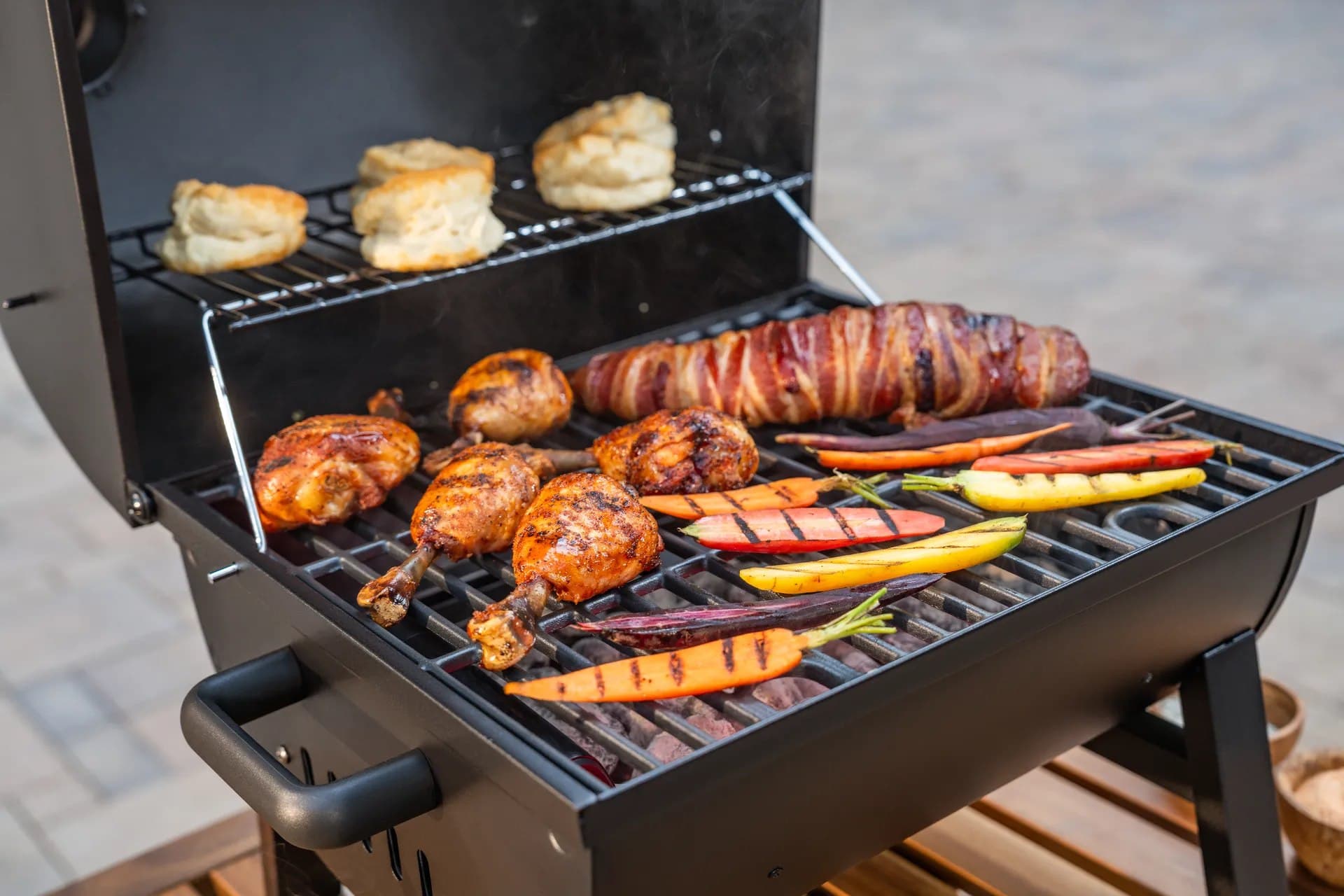
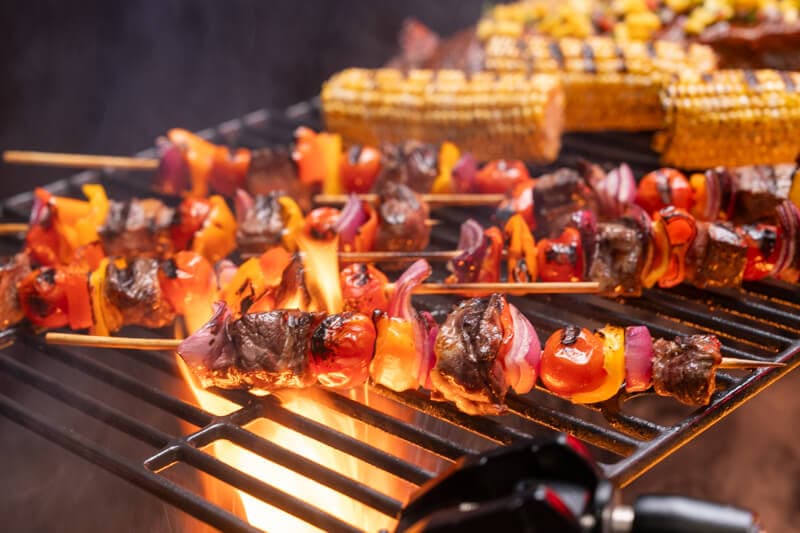
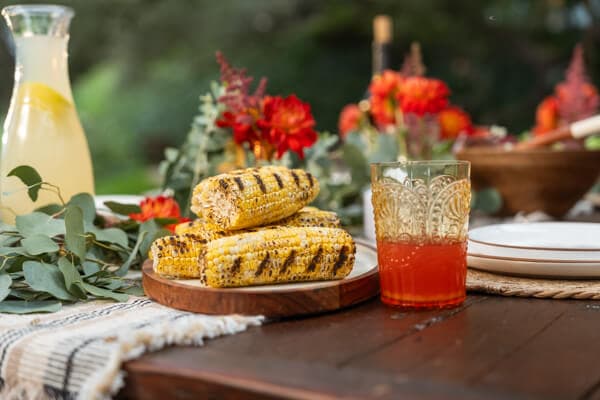
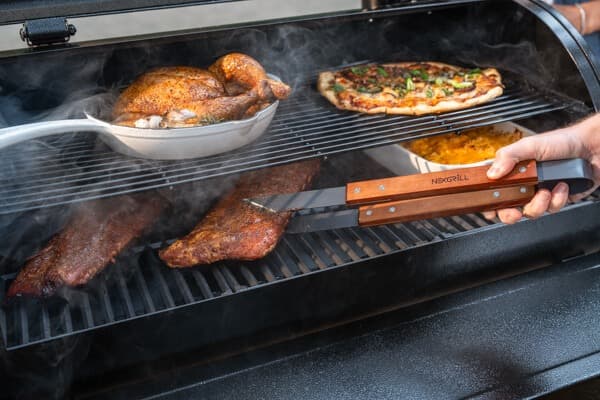
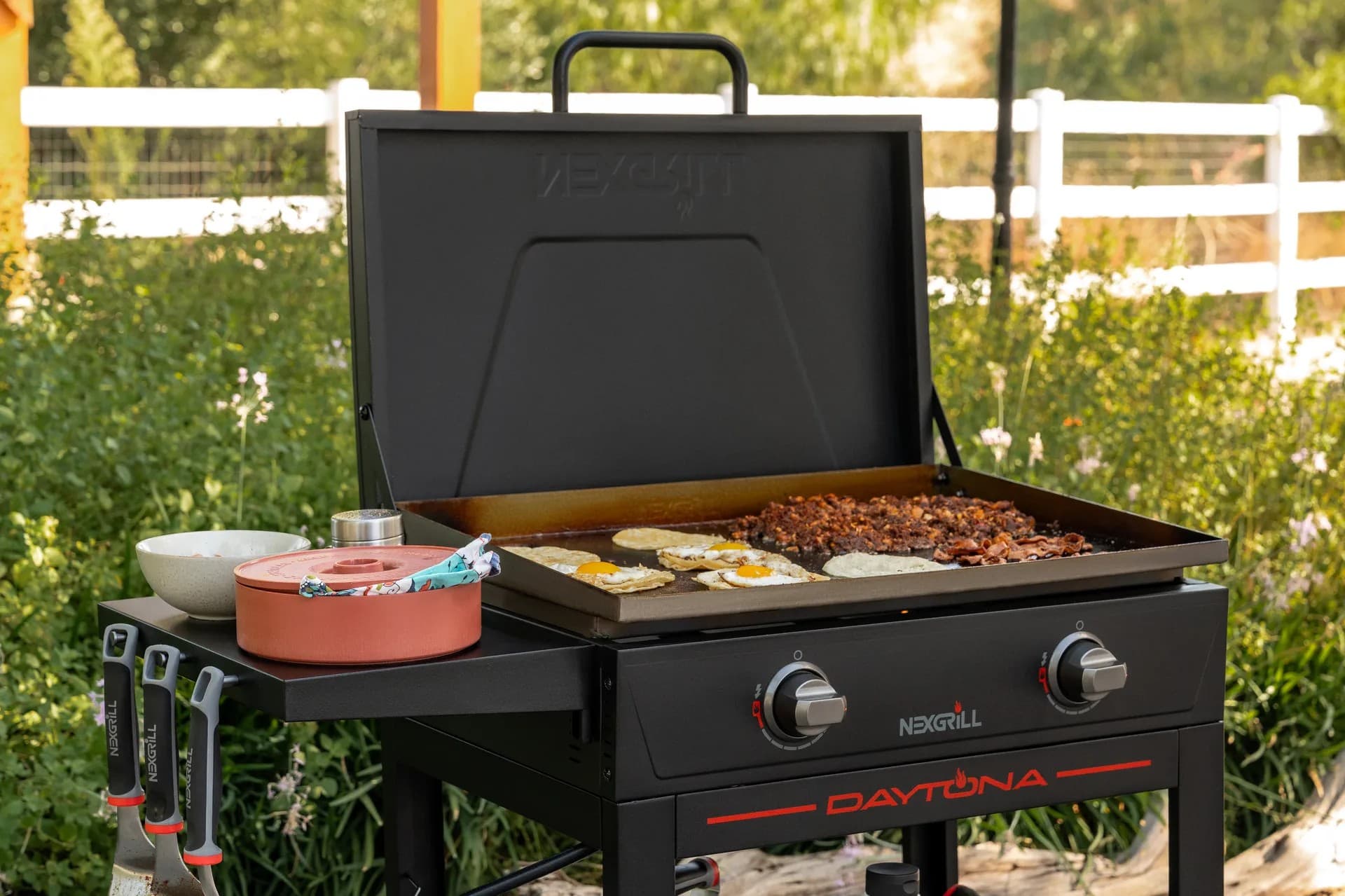
Discover a variety of vibrant and easy-to-prepare grilling recipes perfect for spring gatherings.

Here's what sets us apart from the competition
We position ourselves as delivering high-end outdoor cooking features and performance without premium-brand pricing, emphasizing “Quality Grills. Unbelievable Value.”
We offer gas grills, pellet grills, griddles, smokers, pizza ovens, portable/tabletop grills, electric grills, accessories, and replacement parts — allowing customers to stay within one ecosystem for all outdoor cooking needs.
We differentiate ourselves through smart grilling products like the Oakford smart pellet grill, including app-connected cooking controls and modern outdoor cooking technology.

Expert tips, buying guides, comparisons, and inspiration for choosing and getting the most out of your grill.

Practical guides for cleaning, maintenance, common grill issues, and performance optimization.

Step-by-step grilling recipes, cooking techniques, and meal ideas for every occasion and skill level.

Backyard entertaining ideas, seasonal grilling inspiration, and stories that celebrate outdoor cooking culture.

Helpful articles covering grilling tools, cookware, maintenance gear, and must-have accessories for outdoor cooking.

Find griddle recipes, cooking techniques, cleaning tips, and outdoor meal ideas designed for Nexgrill griddles.
Find answers to common questions
Nexgrill equipment is suitable for a variety of recipes including meats, vegetables, and even pizzas. Popular options include marinated steaks, grilled vegetables, and shrimp skewers.
To enhance the flavor of grilled vegetables, consider marinating them in olive oil, herbs, and spices before grilling. Alternatively, you can season them with salt and pepper during grilling for a more straightforward approach.
To achieve perfect grill marks, preheat your grill to a high temperature and ensure that the food is dry before placing it on the grill. Avoid moving the food too early, as it needs to sear properly to form those classic grill marks.
Using a meat thermometer is the most accurate way to ensure your grilled meat is at the desired temperature. For instance, chicken should reach an internal temperature of 165°F while medium-rare beef is typically at 135°F.
To clean your Nexgrill after cooking, allow it to cool and then use a grill brush to remove any residue from the grates. You can also wipe down the exterior with a damp cloth and mild soap to keep it looking its best.
In This Article
Lemon Herb Chicken Thighs
Grilled Asparagus with Parmesan
Strawberry Balsamic Pork Chops
Spring is the season when grilling starts to feel lighter, fresher, and more spontaneous. Instead of leaning on heavy marinades, long braises, or winter-style sauces, the best spring grilling recipes make room for bright herbs, citrus, crisp vegetables, quick-cooking seafood, and fruit that caramelizes beautifully over live fire. The goal is not to make everything taste the same. It is to let the grill add smoke, char, and texture while the ingredients keep their own clean seasonal character. That balance is what makes spring meals feel so satisfying.
For home cooks, spring is also the easiest time to build a flexible menu around the grill. You might start with a protein such as chicken thighs, salmon steaks, pork chops, or shrimp, then fill in the plate with vegetables and a sweet finish. Because spring produce is at its best in smaller, more delicate forms, grill timing matters more than brute heat. Asparagus can go from crisp to limp in a matter of minutes. Peaches need only enough heat to soften and deepen their sugars. Carrots and sweet potatoes benefit from a brief pre-cook or par-cook so they can finish on the grill without drying out. A spring menu works best when you think in stages rather than just one big cook.
Spring grilling is about restraint as much as flavor. Lower heat in the right place, shorter cook times, and fresh finishing elements usually produce better results than aggressive charring.
This collection is designed to help you cook a full spring spread, not just a single main dish. You will find a zesty lemon herb chicken thigh recipe for the center of the plate, an elegant asparagus side that still feels simple enough for a weeknight, a fruit-forward pork chop pairing, and several supporting dishes that make the grill feel useful from start to finish. The recipes are written so that beginners can follow them step by step, while more experienced grillers can use them as a framework for timing, heat management, and flavor pairing.
A useful way to approach spring grilling is to organize each recipe around three decisions: the cut or ingredient, the heat zone, and the finishing flavor. A cut like chicken thighs can handle direct heat and benefits from a marinade with acidity. A vegetable like asparagus needs a hotter zone and a shorter window. A dish like grilled peaches with honey should be treated as a finishing course, not an afterthought. Once you start thinking in those terms, it becomes easier to plan a menu where every plate element feels intentional.
| Recipe | Best For | Spring Advantage |
|---|---|---|
| Lemon Herb Chicken Thighs | Main course | Bright, juicy, and easy to batch-cook |
| Grilled Asparagus with Parmesan | Side dish | Fast cook time and clean vegetable flavor |
| Strawberry Balsamic Pork Chops | Main course | Sweet-tart sauce pairs naturally with early-season fruit |
When planning your cook, think about what your guests actually want to eat in spring. After a long winter, most people want meals that feel vivid but not heavy. That makes this the right time for lemon, garlic, parsley, cilantro, balsamic vinegar, cumin, and fresh fruit. Those ingredients sharpen grilled foods without hiding them. They also let you build a menu that can move from lunch to dinner without feeling repetitive. If you want a sequence that keeps the meal balanced, start with vegetables and fruit that can hold briefly on a platter, then move to proteins, then finish with something sweet.
Chicken thighs are one of the most forgiving spring grilling proteins because they stay juicy even when cooked over direct heat. Bone-in, skin-on thighs are especially useful if you want a richer result, while boneless thighs work well when you want to get dinner on the table quickly. For a spring flavor profile, the marinade should lean on lemon zest, lemon juice, garlic, olive oil, parsley, and a small amount of black pepper. The acidity brightens the meat, while the fat carries the herb flavor and helps the skin or surface brown more evenly.
A practical method is to marinate the chicken for at least 30 minutes and up to 4 hours in the refrigerator. Longer is not always better with citrus; too much time can make the exterior texture soft. Before grilling, let the chicken sit at room temperature for about 15 to 20 minutes so it cooks more evenly. Pat the surface lightly if the marinade is very wet, then place the thighs on a medium-hot grill. If you are using skin-on thighs, start skin-side down to render some fat and create a crisp outer layer. If you are using boneless thighs, use steady medium heat and turn once the first side develops deep color.
For chicken thighs, a two-zone fire helps: sear over direct heat, then finish on cooler heat if the outside darkens before the center is done.
In a typical home grilling setup, chicken thighs take about 12 to 18 minutes total depending on size and whether they are bone-in. The most reliable signal is internal temperature, which should reach 165°F in the thickest part. Use the last minute of cooking to brush on a little reserved oil, extra lemon zest, or a fresh herb finishing drizzle. If you want the dish to feel more complete, serve it with grilled lemon halves and a simple salad of arugula, shaved fennel, and cucumber. That combination keeps the meal light while still feeling substantial.
The biggest mistake with lemon herb chicken is using too much high heat too early. That can burn the garlic or char the herbs before the meat is cooked through. Another common issue is flipping too often. Let the surface develop color before moving the thighs. The grill marks and caramelization are not just visual; they contribute depth of flavor and help the marinade taste less sharp. If you are cooking for a group, chicken thighs are also easy to scale because they hold well for several minutes after coming off the grill without drying out.
Asparagus is one of the clearest signals that spring has arrived. It cooks quickly, tastes best when the stalks still have a little snap, and pairs naturally with the smoky notes of the grill. For this recipe, the stalks only need a light coating of olive oil, kosher salt, and black pepper before they hit the grates. Medium-thick spears are ideal because they are sturdy enough to grill without falling apart. Very thin asparagus can still be used, but it needs close attention and a shorter cooking window.
The best way to grill asparagus is to create enough surface heat to pick up color without over-softening the vegetable. Arrange the spears crosswise across the grates so they do not slip through. Turn them once or twice until they are lightly charred and just tender. This usually takes only a few minutes, which makes asparagus a smart side when the main course needs more attention. After grilling, finish with shaved Parmesan while the asparagus is still hot so the cheese softens slightly instead of staying in hard shards.
If asparagus is woody at the base, trim or peel the lower section first. That single prep step improves texture more than any seasoning will.
A useful serving idea is to plate the asparagus with a squeeze of lemon and a few drops of good olive oil. Parmesan adds salt and richness, but the lemon keeps the side dish from becoming too heavy. If you want a more complete spring appetizer, you can add toasted breadcrumbs or a few sliced radishes for crunch. The dish is excellent with chicken, pork, seafood, or even alongside grilled bread and a soft cheese spread. It also works well as a warm salad component if you want leftovers the next day.
The easiest mistake with asparagus is walking away from it. Unlike thicker vegetables, asparagus changes texture fast. Watch for the point where the stalks bend slightly but still hold their shape. If you cook them until they are completely limp, the Parmesan will not save the texture. Another smart tip is to keep a cool spot on the grill where you can move spear bundles if the grill is running hotter than expected. That small adjustment protects the vegetable from scorching while you finish the rest of the menu.
Pork chops work especially well in spring when paired with fruit-based glazes that balance savory seasoning with a touch of sweetness. Strawberry and balsamic vinegar make a natural combination because the berries bring freshness while the vinegar adds depth and a gentle tang. For thick-cut pork chops, a brief brine or salt rest before grilling helps the meat stay juicy. Season the chops simply with salt, pepper, and a little olive oil so the glaze can shine after the grill does its work.
To make the strawberry balsamic sauce, simmer chopped strawberries with balsamic vinegar, a little honey, and a pinch of salt until the fruit breaks down and the mixture thickens slightly. You want enough body to glaze the chops without turning the surface soggy. Grill the pork chops over medium heat, then brush the sauce on during the last few minutes so the sugars can caramelize instead of burning. Thick-cut chops usually benefit from finishing on indirect heat after the initial sear if they are browning faster than the center is cooking.
Aim for an internal temperature of 145°F, followed by a short rest. That rest matters because the juices redistribute and the chop slices cleaner at the table. If you want the plate to feel more seasonal, serve the pork with grilled scallions, a fennel slaw, or roasted fingerling potatoes finished on the grill. The strawberry glaze also works well with a little cracked pepper on top, which sharpens the sweetness and keeps the flavor from leaning dessert-like.
Carrots are underrated on the grill because they can become sweet, smoky, and richly textured when handled correctly. The key is to start with carrots that are similar in size so they cook evenly. If they are thick, halve them lengthwise. A light coating of oil and salt is enough before grilling, but the real flavor comes from the yogurt sauce. Cumin adds warmth, while serrano pepper brings a fresh, clean heat that wakes up the dish without overwhelming it.
Because carrots are denser than asparagus, they usually benefit from a head start. You can par-cook them briefly in salted water or steam them until barely tender, then move them to the grill to pick up char and smoke. That method gives you the best of both worlds: a tender interior and a caramelized surface. Once they come off the grill, spoon the cumin-serrano yogurt over the top or serve it on the side as a dipping sauce. A little lemon juice or lime zest in the yogurt keeps the sauce bright and spring-ready.
This dish is especially useful when you want a side that feels a little more structured than a salad but still fresh enough for warm weather. It pairs beautifully with chicken, shrimp, or salmon. If you are cooking for guests who like mild heat, start with less serrano and add more to taste. That flexibility makes the recipe easy to adapt without changing the core flavor.
Salmon steaks are ideal for spring because they are substantial enough for grilling yet light enough to feel seasonal. A salmon steak often holds together better than a very delicate fillet, which can be helpful if you are still building confidence at the grill. For this recipe, keep the seasoning straightforward: oil, salt, pepper, and perhaps a little lemon zest. The cilantro-garlic yogurt sauce brings creaminess without heaviness and gives the fish a cool, herbaceous contrast.
Grill the salmon over medium heat with the skin side down first if the steak has skin. Use a clean, well-oiled grate so the fish releases more easily. Avoid forcing a flip too early; salmon is ready to turn when it lifts with minimal sticking. Depending on thickness, the total cook time may be around 8 to 12 minutes. The center should still be moist and just opaque. If you prefer a slightly more cooked texture, give it a minute longer, but do not overdo it. Salmon dries out faster than chicken or pork.
The cilantro-garlic yogurt sauce can be made by mixing plain yogurt with chopped cilantro, grated garlic, lemon juice, olive oil, and a little salt. Spoon it over the fish at the table rather than during the final grilling stage so the fresh herbs stay vibrant. This is the kind of recipe that rewards clean preparation and confidence with timing. It is also a smart choice when you want a healthier-feeling meal that still has enough richness to satisfy.
Sweet potatoes bring a more substantial texture to a spring menu, especially when they are paired with something sharp and herb-driven like chimichurri. Because raw sweet potatoes are dense, they do best with a little pre-cook before they hit the grill. Slice them into planks or thick rounds, steam or microwave them until just tender, then brush with oil and grill until the edges darken. That approach creates contrast without leaving the inside underdone.
Chimichurri made with parsley, garlic, vinegar, chili flakes, and olive oil gives the sweet potatoes a lively finish. The sauce cuts through the sweetness and adds a green, punchy flavor that makes the dish feel more like a composed side than a simple starch. If you want to turn the recipe into a hearty vegetarian plate, add a dollop of yogurt, feta, or grilled spring onions alongside the potatoes. It is the kind of dish that can sit comfortably next to chicken or stand on its own for a casual dinner.
Shrimp and chorizo are a smart pairing because they cook quickly and bring different kinds of richness to the skewer. Shrimp adds sweetness and a light texture, while chorizo contributes smoky spice and fat. For spring, this combination works especially well when balanced with lemon, parsley, or a quick herb salad on the side. Use peeled shrimp that are large enough to stay juicy on the grill, and slice the chorizo into chunks or thick coins that can char without drying out.
Thread the shrimp and chorizo onto skewers, leaving a little space so the heat can move around the ingredients. Grill over medium-high heat and turn once the shrimp become pink and opaque and the chorizo has some crisp edges. Because shrimp cook very fast, the skewers need close attention. Pull them as soon as the shrimp are done; overcooking makes them rubbery. Serve with lemon wedges or a light herb sauce to brighten the richness of the sausage.
Grilled peaches are one of the easiest desserts to make on the grill, and they fit spring menus because they feel fresh rather than heavy. Choose peaches that are ripe but still firm enough to hold their shape. Halve and pit them, then brush the cut sides with a little oil or melted butter before placing them cut-side down on the grill. The heat caramelizes the sugars and creates a soft, fragrant surface with just enough smoke to make the flavor more complex.
Once the peaches come off the grill, drizzle them with honey and add a pinch of flaky salt if you want the flavors to pop. They can be served on their own or with yogurt, ice cream, whipped cream, or a crumble of toasted nuts. The most useful tip is not to over-handle them. A peach only needs a few minutes on the grill. If it becomes too soft, it can collapse before you plate it. Treated gently, it becomes a simple dessert that feels elegant without requiring extra work.
Spring grilling works best when you keep the menu bright, varied, and timed with intention. A meal built from lemon herb chicken thighs, asparagus with Parmesan, strawberry balsamic pork chops, grilled carrots with yogurt, salmon steaks with cilantro-garlic sauce, sweet potatoes with chimichurri, shrimp and chorizo skewers, and peaches with honey gives you a complete seasonal spread that feels carefully composed without being fussy. Each recipe uses the grill for a different purpose: browning, softening, caramelizing, or lightly smoking ingredients that already taste like spring.
If you want the most reliable results, focus on three habits: prep ingredients so they are similar in size, manage heat zones rather than relying on one temperature for everything, and finish dishes with something fresh such as herbs, citrus, yogurt, or fruit. Those steps help the recipes stay vivid and balanced. They also make it easier to cook for different kinds of guests, from people who want a simple chicken dinner to those who would happily build a plate around vegetables and grilled fruit.
Try comparing two products side by side below to see which fits best:
Spring grilling feels different from summer cooking because the ingredients themselves are more delicate and often more varied. You are not just chasing char marks or smoky depth; you are trying to preserve freshness while adding just enough flame-kissed flavor to make the food memorable. That is why spring is such a good time to build meals around bright herbs, tender vegetables, quick-searing proteins, and fruit that can be transformed by a short pass over the grill. The recipes in this guide are chosen to help you do exactly that, with practical instructions that work whether you are cooking on a compact gas grill, a roomy backyard setup, or a griddle. The emphasis is on useful technique, not just flavor ideas.
A well-planned spring grill menu should move with the season. Early in the meal, you want dishes that wake up the palate, such as asparagus with Parmesan or carrots with cumin-serrano yogurt. In the middle, you want proteins that are satisfying but not dense, such as lemon herb chicken thighs, salmon steaks, or pork chops with a fruit glaze. At the end, you want a dessert that feels effortless and seasonal, such as grilled peaches with honey. This structure keeps the meal from feeling too heavy, and it also helps with timing. Vegetables and fruit can be finished while the proteins rest, so nothing sits around getting cold or overcooked.
categories make the easiest spring menu: bright main, crisp side, and a sweet finish.
Another reason these recipes work well together is that they share ingredients without tasting repetitive. Lemon and parsley appear in a few places, but they are used differently each time: as a marinade in the chicken, as a fresh note in yogurt sauces, or as a finishing herb for vegetables. Balsamic vinegar brings depth to the pork chops but does not dominate the plate. Cumin and serrano create a warm, slightly spicy side that balances the sweeter dishes. That kind of cross-connection is valuable because it lets you buy smarter, prep once, and cook more efficiently without serving a table of clones.
If you are newer to grilling, spring recipes are a good place to practice control rather than speed. Chicken thighs teach you how to manage a longer cook on moderate heat. Asparagus teaches you how quickly a vegetable can change. Salmon teaches you when to trust a gentle release from the grates. Peaches teach you how little grill time is actually required for fruit. Once you understand those differences, the whole season becomes easier to cook for. You stop treating the grill like a black box and start using it as a tool for texture and timing.
Chicken thighs are one of the most dependable spring main courses because they remain juicy, accept marinades well, and work with a broad range of fresh seasonings. For this recipe, the goal is a marinade that tastes clean and lively rather than overpowering. Combine lemon zest, lemon juice, minced garlic, olive oil, chopped parsley, a little salt, and black pepper. If you want extra depth, add a small amount of Dijon mustard to help the marinade cling to the chicken. Boneless, skinless thighs cook quickly and are ideal for weeknight dinners, while bone-in thighs give you a little more cushion if your grill runs hot.
Let the chicken marinate for at least 30 minutes so the surface picks up flavor. If time allows, up to four hours is plenty. Place the thighs on a medium grill and let them sear undisturbed until you see good color developing. That color matters because it builds savory notes that support the lemon and herbs. If the thighs are skin-on, start skin-side down and give the fat time to render before flipping. If they are boneless, turn once and let them cook evenly. The most important practical step is to keep one cooler area of the grill available in case the outside is browning faster than the center is cooking.
For a cleaner lemon flavor, add a few drops of fresh juice at the end rather than loading all the acidity into the marinade.
A reliable target is 165°F in the thickest part of the thigh. Once the chicken reaches temperature, let it rest for several minutes before slicing. That pause keeps the juices in the meat instead of on the cutting board. If you are serving a larger group, these thighs are especially practical because they can be grilled in batches and held briefly under loose foil without losing too much texture. A side of grilled lemon halves, spring greens, or even a spoonful of herb yogurt can make the plate feel more complete without complicating the cook.
Asparagus is the definition of spring simplicity, but simple does not mean unimportant. On the grill, asparagus picks up a hint of smoke and a delicate sweetness that works beautifully with Parmesan. The key is to begin with spears that are similar in thickness so they cook at the same pace. Trim the woody ends, toss the spears lightly with olive oil, salt, and pepper, and place them on a hot grill set to medium or medium-high heat. Rotate them once or twice until they are lightly charred and tender enough to bite cleanly but not so soft that they lose their structure.
Parmesan should be added immediately after grilling so the residual heat softens it slightly. A few shavings are usually better than a heavy snowfall of cheese because you still want the asparagus to taste like asparagus. If you want more dimension, add lemon zest, crushed red pepper, or a touch of flaky salt at the end. This side dish works with nearly every protein in this article, and it is especially useful when you need something elegant that does not require much active time at the grill. Because asparagus cooks quickly, it can slot in while the chicken rests or while the salmon finishes on the cooler side of the grates.
Do not overcook asparagus waiting for the rest of the meal. Pull it when it still has a little snap; it will continue to soften off the grill.
If you are cooking for a mixed group, asparagus is also one of the easiest dishes to scale. It does not need exact portions, and it holds up reasonably well on a platter. For a more substantial presentation, arrange the spears in one direction and finish with olive oil and Parmesan at the table. That creates a clean, restaurant-style look without extra effort. A small squeeze of lemon is optional, but it can sharpen the cheese and make the whole side taste brighter.
Pork chops are a good spring centerpiece because they handle fruit sauces particularly well. Strawberry and balsamic are a useful pairing because the berries bring a fresh, early-season sweetness while balsamic vinegar supplies acidity and a darker, rounded flavor. Thick-cut chops are the best choice here because they stay juicy through the grilling and glaze stages. Season them simply with salt, pepper, and olive oil, then let them sit while you prepare the sauce. If you have time, a light salt rest on the chops before grilling will improve moisture retention.
To make the glaze, simmer strawberries with balsamic vinegar, a small spoonful of honey, and a pinch of salt until the berries soften and the mixture thickens enough to coat the back of a spoon. You are not aiming for jam; you want a spoonable glaze that can cling to the meat without running off. Grill the pork chops over medium heat and brush the glaze on during the final minutes only. If you add it too early, the sugars can burn before the meat reaches temperature. Move the chops to indirect heat if they are coloring too quickly on the outside.
For food quality and texture, 145°F is the best target before resting. After a short rest, the chops will stay juicy and slice more cleanly. The finished dish pairs well with grilled onions, a fennel salad, or even a simple charred bread side. This is a spring recipe that feels a little more composed than a basic chop, but it is still realistic for an ordinary weeknight or a weekend cookout. It also gives you a good example of how fruit can add structure to savory grilling without turning the dish into dessert.
Carrots are often overlooked on the grill because people assume they need a long roast rather than direct heat, but they adapt beautifully to a spring barbecue when cut and cooked with care. The best approach is to use carrots of similar thickness and slice very large ones lengthwise so they finish evenly. If they are especially thick, par-cook them lightly first, either by steaming or simmering briefly, and then move them to the grill for color. That two-stage method keeps the exterior from burning before the interior softens.
The cumin-serrano yogurt sauce brings the dish to life. Cumin adds warm earthiness, serrano gives a fresh heat, and yogurt adds coolness and body. A small splash of lime juice or lemon juice helps the sauce stay bright and spring-friendly. You can spoon the sauce under the carrots, over them, or on the side for dipping. If you are serving this at a larger gathering, keeping the sauce separate is the easiest way to preserve texture and let guests choose how much heat they want.
Carrots taste best when the grill supplies smoke and browning, not when it tries to fully soften them from raw. Give them a head start if needed.
This is also one of the most adaptable sides in the article. It can accompany chicken, salmon, or pork, but it also works as a small plate with flatbread and herbs. If you like more texture, finish with chopped cilantro, toasted pepitas, or a few torn mint leaves. That extra freshness makes the carrots feel even more at home in a spring menu. The main thing is not to overload the sauce with too much serrano at the start. You can always add more heat later, but you cannot remove it once it is mixed in.
Salmon steaks give you a little more structure than fillets, which can be useful when grilling in spring weather and managing moving heat. Their thickness makes them easier to handle, and their natural richness pairs well with a bright yogurt sauce. Keep the seasoning restrained so the salmon flavor still comes through. A brush of oil, salt, black pepper, and a little lemon zest is enough before grilling. If the skin is intact, start skin-side down to protect the flesh and help the fish release cleanly.
Grill the steaks over medium heat and avoid moving them too often. Once the fish has a good sear and begins to release naturally, turn it gently. If you want to be precise, the center should be just opaque and still moist when it comes off the grill. The total time depends on thickness, but salmon generally cooks quickly enough to stay in the spring-friendly category. The cilantro-garlic yogurt sauce is best mixed fresh: plain yogurt, chopped cilantro, grated garlic, lemon juice, olive oil, and salt. This creates a cool, creamy finish that contrasts the smoke and char.
Serve the sauce after grilling so the herbs stay vivid. If you want to stretch the meal, add a grain salad, grilled potatoes, or asparagus alongside the fish. This recipe is particularly strong for cooks who want a lighter dinner that still feels substantial. It also teaches a useful grilling principle: the simplest fish dishes often taste the best when the garnish is fresh and the heat is controlled. If you are nervous about overcooking fish, salmon steaks are a forgiving place to build confidence because they hold together better than thinner cuts.
Sweet potatoes are not the first ingredient many people associate with spring, but they are excellent on the grill when you want a side that feels hearty without being winter-heavy. The key is preparation. Slice them into thick rounds or planks, then give them a short head start by steaming or microwaving until just tender. Once they are softened enough to pierce but still firm, brush them with oil and place them on a medium-hot grill. The goal is color on the outside and a soft, creamy interior.
Chimichurri is the perfect counterpoint because it adds freshness, acid, garlic, and herb brightness. A classic mix of parsley, garlic, vinegar, olive oil, and chili flakes works well, and you can lean toward more acidity if the sweet potatoes are especially sweet. This pairing is excellent on a mixed spring table because it bridges the gap between vegetable side and starch. It also gives you a way to build a vegetarian plate that still feels complete and satisfying. If you want extra contrast, add a spoon of yogurt or a crumble of salty cheese.
A practical tip is to make the chimichurri ahead of time so the flavors meld while the sweet potatoes grill. The sauce improves as it sits, and the potatoes need only enough time to develop grill marks and a little char. This is one of those recipes where restraint pays off. Too much sauce can hide the sweet potato flavor; too little and the dish feels flat. The sweet spot is a generous spoonful over warm potatoes just before serving.
Shrimp and chorizo skewers are ideal for spring entertaining because they come together quickly and deliver a lot of flavor with very little ceremony. The shrimp contribute sweetness and a delicate bite, while the chorizo adds smoke, spice, and fat that baste the skewer as it cooks. For best results, use large shrimp so they do not overcook before the sausage is ready. If your chorizo is firm enough to grill directly, cut it into thick coins or chunks. If it is very soft, use a pre-cooked version that can hold its shape on the skewer.
Thread the ingredients with a little space between them so heat can circulate. Season lightly, because chorizo already carries a lot of flavor. Grill over medium-high heat and turn once when the shrimp turn pink and opaque. The skewers will finish fast, so stay close. Shrimp can go from perfect to rubbery in a short window, while chorizo only needs enough time to blister and release some fat. A squeeze of lemon or a herb finish after grilling can sharpen the flavors and keep the skewer from feeling too rich.
For mixed seafood and sausage skewers, keep a clean plate for the finished food and avoid using the same platter that held raw ingredients.
These skewers are especially strong for backyard gatherings because they are easy to serve and easy to portion. They also pair well with a cucumber salad, rice, grilled bread, or a simple green side. If you want a more polished finish, brush the shrimp lightly with olive oil and paprika before grilling. That keeps the color lively and gives the skewer a more cohesive look. The main advantage of this recipe is speed: it can be one of the last items to go on the grill and still make a serious contribution to the meal.
Grilled peaches are a natural spring dessert because they celebrate fruit instead of masking it. Use peaches that are ripe but still firm enough to halve and grill without collapsing. Brush the cut sides lightly with oil or melted butter, then place them cut-side down on a medium grill. You only need enough time to soften the flesh and create a little caramelization. Once the peaches lift easily, remove them and drizzle with honey while warm.
This dessert becomes especially good when you treat it as a canvas rather than a finished formula. A spoonful of yogurt, a few chopped nuts, a little mint, or a pinch of flaky salt can shift the flavor from simple to memorable. If you want to keep it very light, serve the peaches on their own with just honey and perhaps a squeeze of lemon. If you want a richer finish, pair them with vanilla ice cream or whipped cream. The charm of the dish is that it asks almost nothing from the cook, yet it closes a spring meal with a clear seasonal accent.
The best spring grilling menus are built around freshness, quick cooking, and thoughtful sequencing. Lemon herb chicken thighs bring brightness and dependable main-dish appeal. Asparagus with Parmesan gives you a side that is fast, elegant, and unmistakably seasonal. Strawberry balsamic pork chops offer a sweet-savory centerpiece that feels right for the season. Carrots with cumin-serrano yogurt, salmon with cilantro-garlic yogurt, sweet potatoes with chimichurri, shrimp and chorizo skewers, and peaches with honey round out the meal so it can move from savory to sweet without losing momentum.
If you want these recipes to work smoothly in real life, keep the process simple: prep ingredients in advance, use heat zones wisely, and finish with fresh elements right before serving. That approach helps each dish taste cleaner and more intentional. It also makes the meal easier to manage when guests arrive or when you are cooking several items at once. Spring grilling does not need to be complicated to feel special. It just needs the right ingredients, a steady hand, and enough attention to timing that the grill enhances the season instead of overpowering it.
Here's what sets us apart
We position ourselves as delivering high-end outdoor cooking features and performance without premium-brand pricing, emphasizing “Quality Grills. Unbelievable Value.”
We offer gas grills, pellet grills, griddles, smokers, pizza ovens, portable/tabletop grills, electric grills, accessories, and replacement parts — allowing customers to stay within one ecosystem for all outdoor cooking needs.
We differentiate ourselves through smart grilling products like the Oakford smart pellet grill, including app-connected cooking controls and modern outdoor cooking technology.
Don't just take our word for it
Keep reading
From our catalog