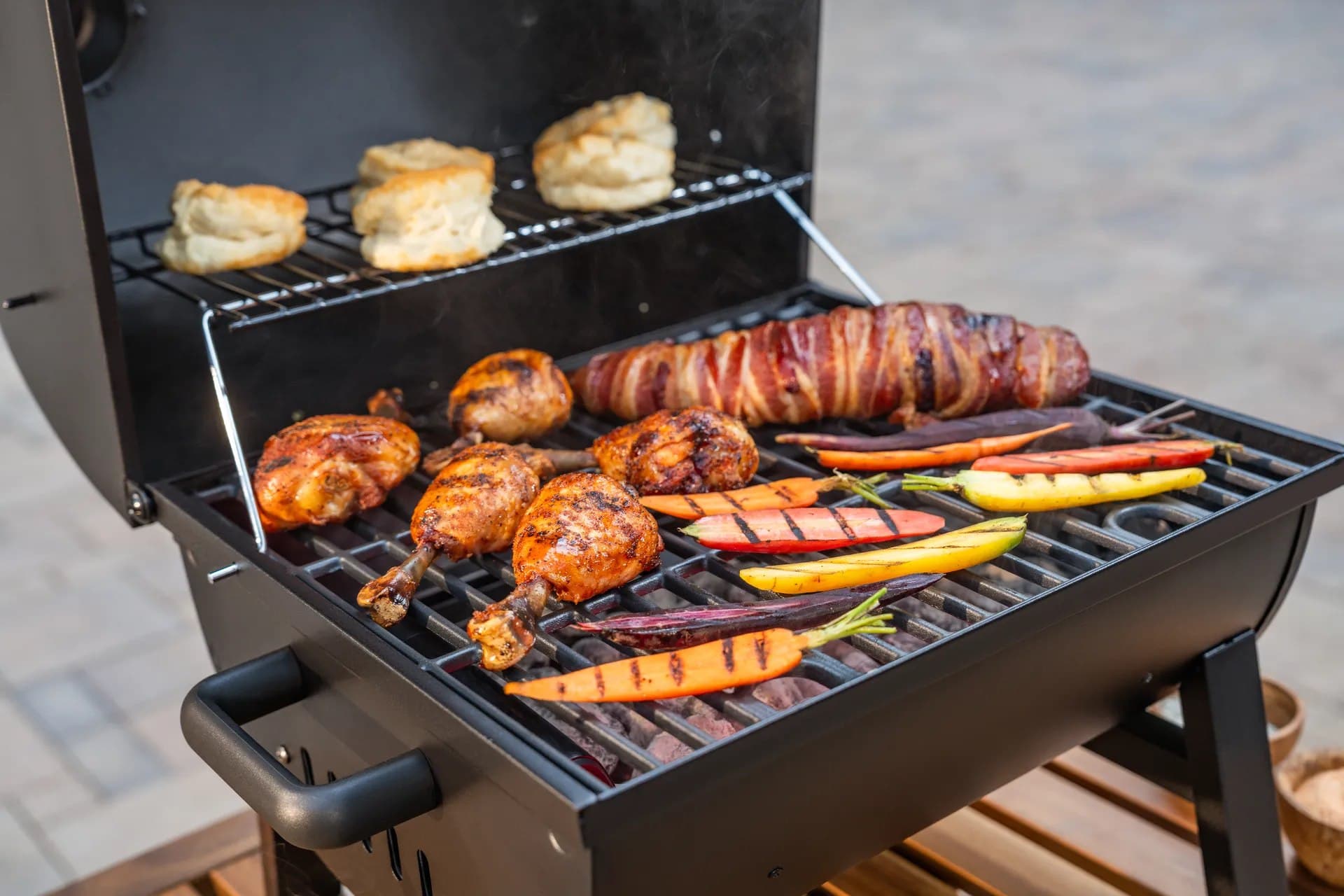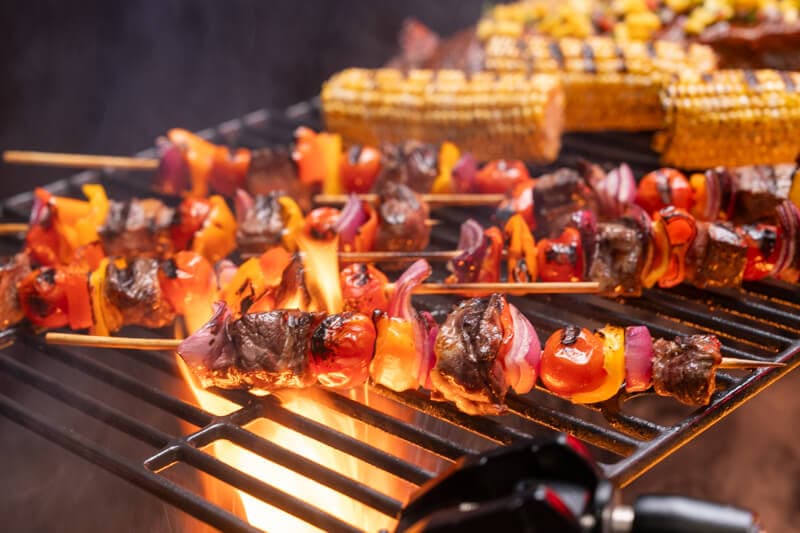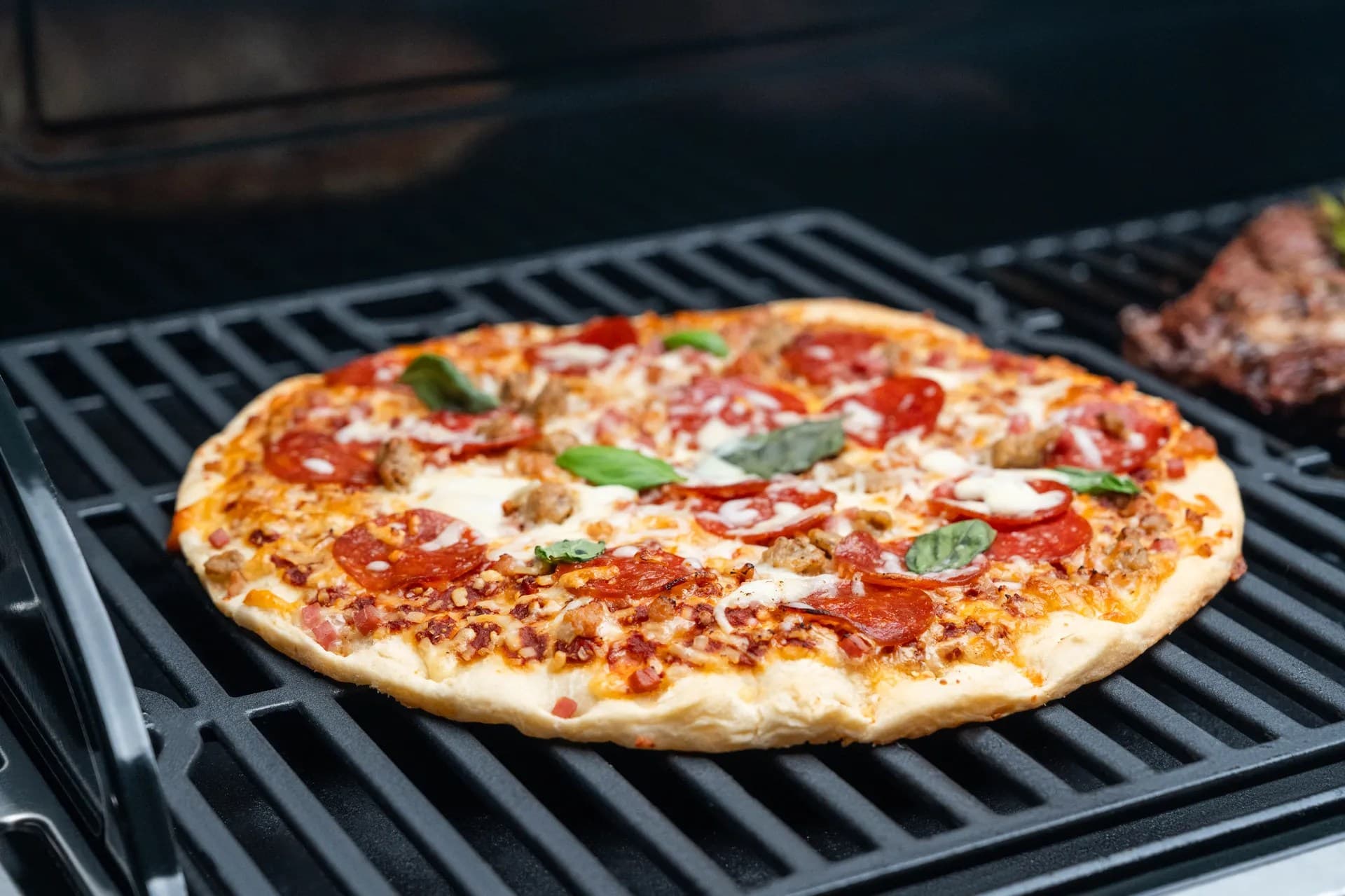
Discover innovative methods to enhance your grilling experience and impress your guests.
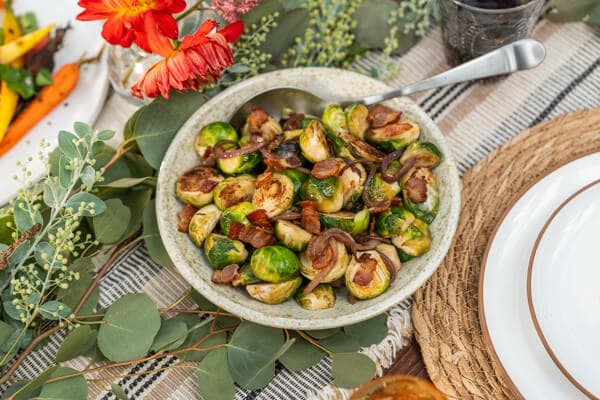
Here's what sets us apart from the competition
We position ourselves as delivering high-end outdoor cooking features and performance without premium-brand pricing, emphasizing “Quality Grills. Unbelievable Value.”
We offer gas grills, pellet grills, griddles, smokers, pizza ovens, portable/tabletop grills, electric grills, accessories, and replacement parts — allowing customers to stay within one ecosystem for all outdoor cooking needs.
We differentiate ourselves through smart grilling products like the Oakford smart pellet grill, including app-connected cooking controls and modern outdoor cooking technology.

Expert tips, buying guides, comparisons, and inspiration for choosing and getting the most out of your grill.
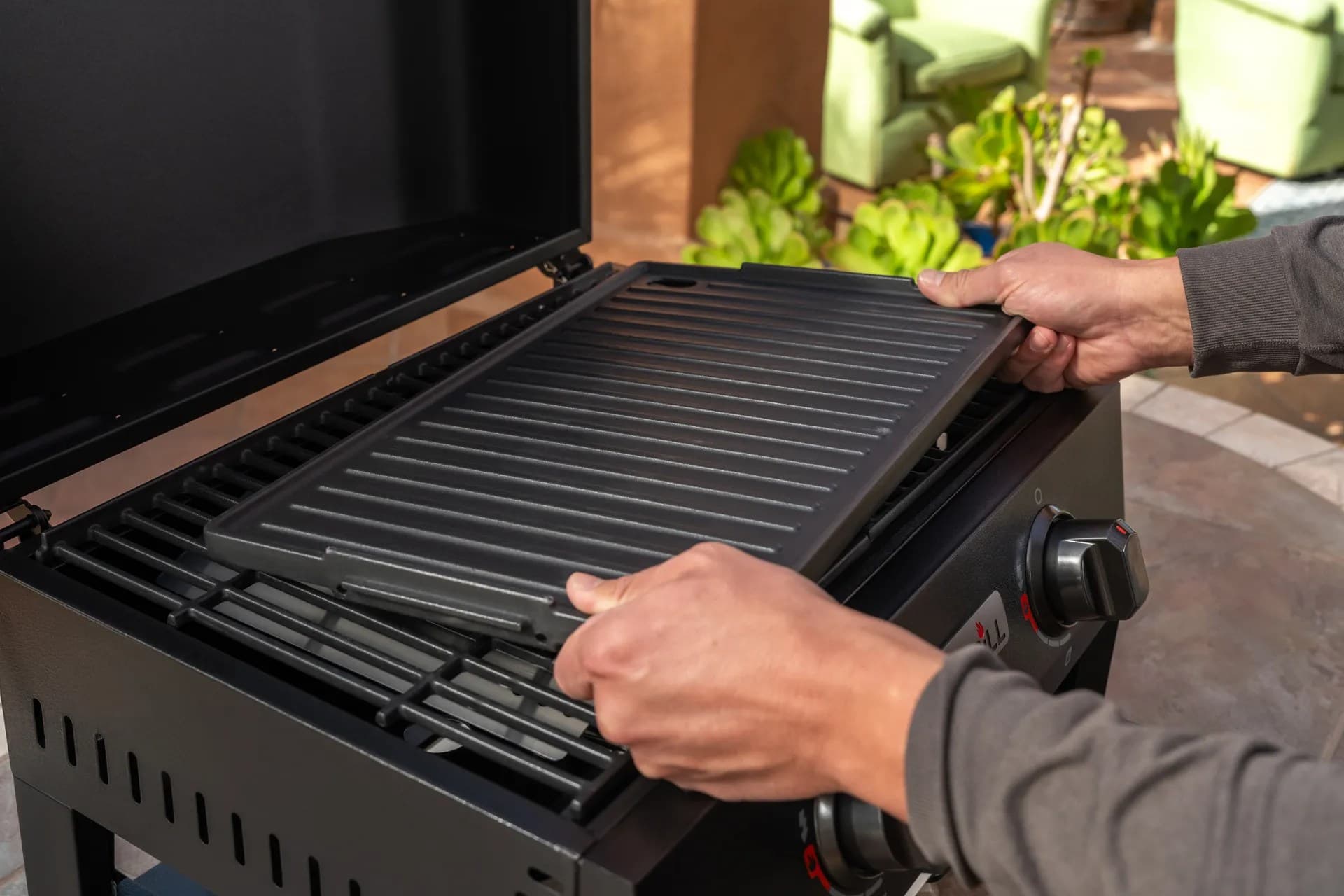
Practical guides for cleaning, maintenance, common grill issues, and performance optimization.
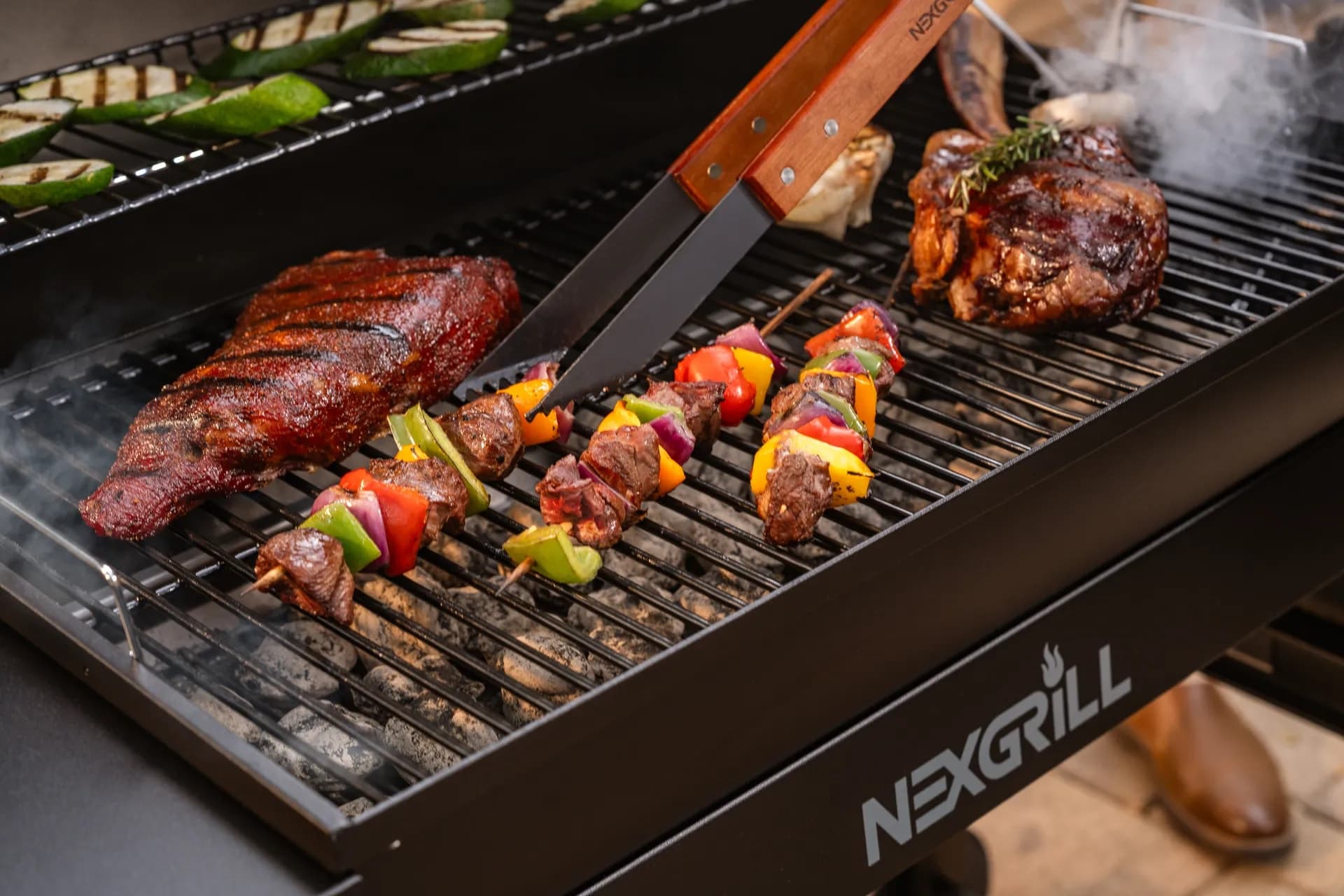
Step-by-step grilling recipes, cooking techniques, and meal ideas for every occasion and skill level.

Backyard entertaining ideas, seasonal grilling inspiration, and stories that celebrate outdoor cooking culture.
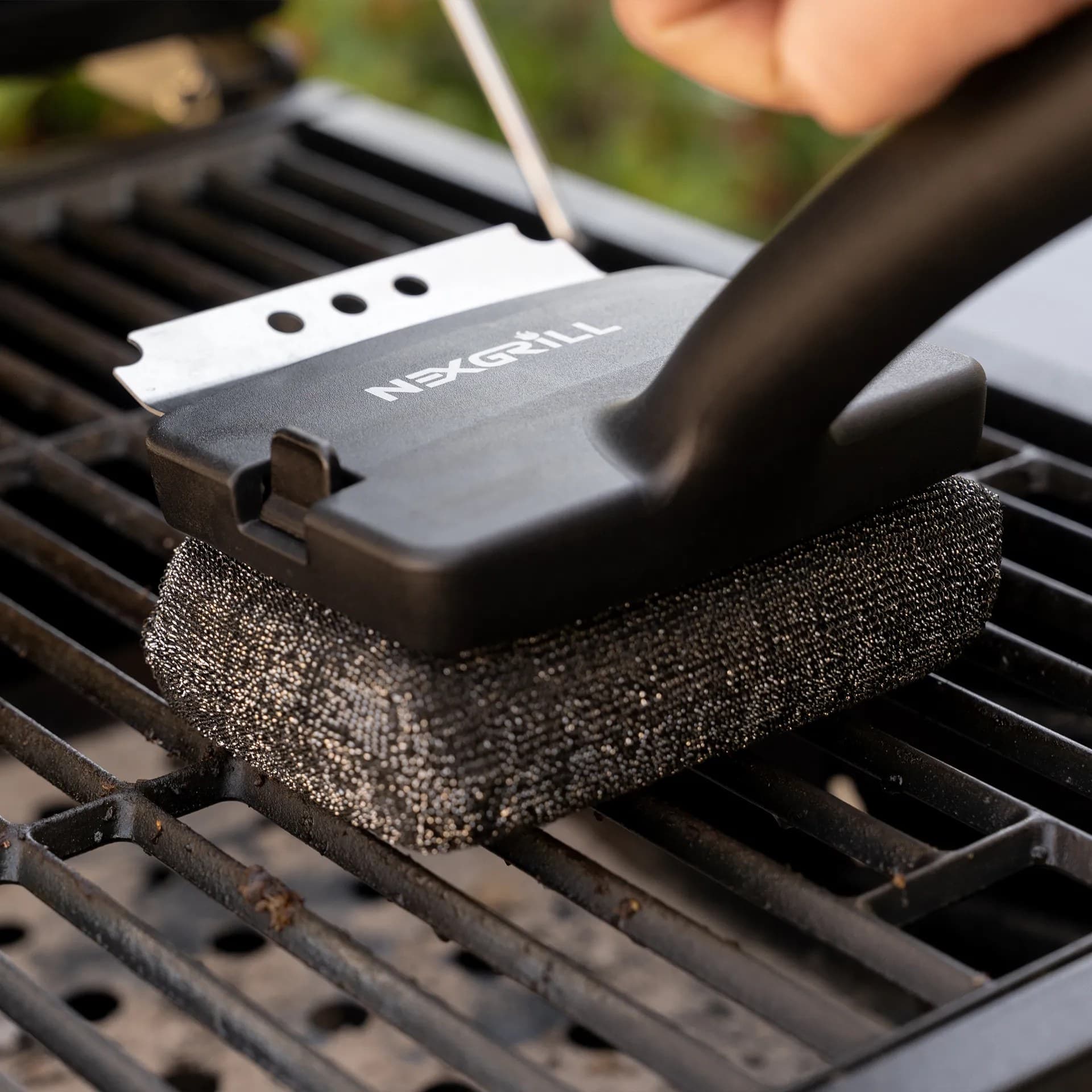
Helpful articles covering grilling tools, cookware, maintenance gear, and must-have accessories for outdoor cooking.
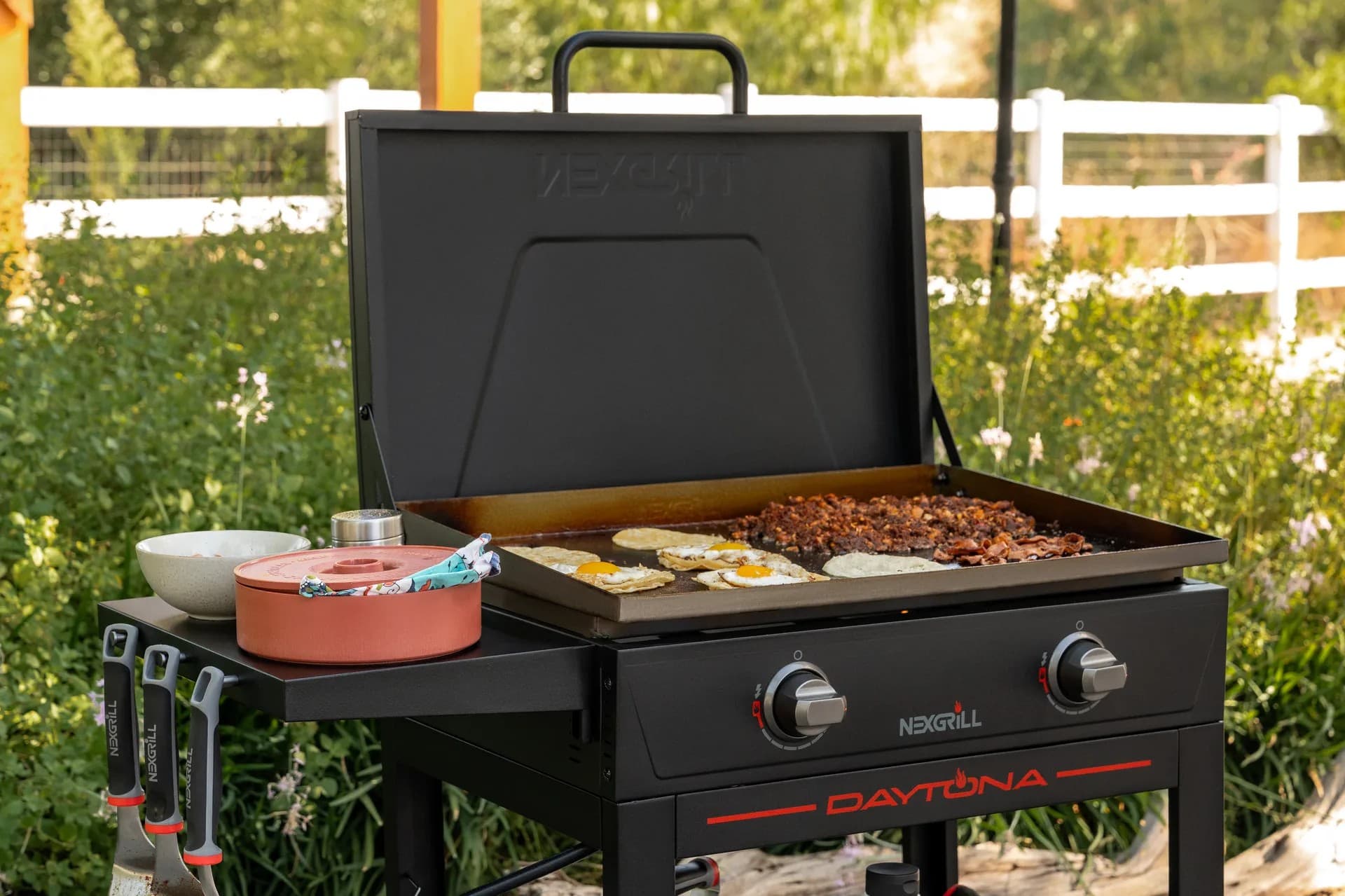
Find griddle recipes, cooking techniques, cleaning tips, and outdoor meal ideas designed for Nexgrill griddles.
Find answers to common questions
Nexgrill equipment is suitable for a variety of recipes including meats, vegetables, and even pizzas. Popular options include marinated steaks, grilled vegetables, and shrimp skewers.
To enhance the flavor of grilled vegetables, consider marinating them in olive oil, herbs, and spices before grilling. Alternatively, you can season them with salt and pepper during grilling for a more straightforward approach.
To achieve perfect grill marks, preheat your grill to a high temperature and ensure that the food is dry before placing it on the grill. Avoid moving the food too early, as it needs to sear properly to form those classic grill marks.
Using a meat thermometer is the most accurate way to ensure your grilled meat is at the desired temperature. For instance, chicken should reach an internal temperature of 165°F while medium-rare beef is typically at 135°F.
To clean your Nexgrill after cooking, allow it to cool and then use a grill brush to remove any residue from the grates. You can also wipe down the exterior with a damp cloth and mild soap to keep it looking its best.
In This Article
Salt Block Grilling
Clay Pot Grilling
Grilling with Fruit Woods
Most grilling advice stops at heat zones, marinades, and how to get a better sear. That is useful, but it only scratches the surface of what outdoor cooking can become. Unique grilling techniques open up a different kind of experience: one where the grill is not just a heat source, but a tool for texture, aroma, mineral seasoning, moisture control, and even culinary theater. Some of these methods are old traditions that have resurfaced because they simply work. Others are playful experiments that reward curious cooks with memorable flavors and a stronger sense of control over the final plate.
Nexgrill’s brand approach emphasizes food that brings people together and recipes that feel worth sharing, not just repeating. That makes unique grilling methods a natural fit: they create dishes with a story behind them, which is exactly what people remember after the meal is over. Instead of defaulting to burgers and hot dogs, you can build a menu around a heated salt block, a clay pot, fruit wood smoke, inverted heat, or even a hay infusion. These techniques are especially useful when you want to turn a familiar protein or vegetable into something that tastes distinctive without requiring a professional kitchen setup.
The key to mastering these methods is to understand what each one contributes. Salt block grilling adds a very light mineral edge and can function almost like a seasoning surface. Clay pot grilling traps moisture and creates a gentle, earthy cooking environment. Fruit woods lend subtle sweetness and fragrance that can complement poultry, pork, vegetables, and even cheeses. Inverted grilling changes where the heat lives, encouraging a different relationship between flame and food. Hay grilling introduces grassy, rustic aroma, but it must be handled carefully because it is more about perfume and technique than raw heat alone. Each method rewards patience, prep, and the willingness to pay attention to details that ordinary grilling often ignores.
If you want richer results, think beyond temperature alone. The best unique techniques combine heat, moisture, and aroma in ways that change the entire eating experience.
For home grillers in the United States, the practical appeal is clear. You do not need a commercial smokehouse or a specialty restaurant setup to experiment. A standard outdoor grill can support many of these techniques with the right accessories and a little planning. What matters most is matching the method to the food, the fuel, and the moment. A date-night salmon fillet may benefit from fruit wood smoke and a clay-pot finish, while an outdoor brunch might be the perfect place to use a salt block for chilled cucumber, shrimp, or thinly sliced steak. These methods can make weeknight cooking feel special without turning every meal into a production.
Salt block grilling uses a slab of food-safe salt, often Himalayan salt, that is heated gradually and then used as the cooking surface. It does more than season. When managed correctly, a salt block contributes a subtle salinity and a beautifully concentrated surface heat. The technique works best when you treat the block like both cookware and seasoning. It should be warmed slowly, because rapid temperature changes can crack the slab. Once heated, it can sear thin proteins, seafood, vegetables, and even fruit in a way that creates a delicate crust without overpowering the food.
The real value of salt block grilling is restraint. Because the surface already carries salt, the food needs very little extra seasoning. That makes it an excellent option for delicate ingredients like scallops, asparagus, zucchini ribbons, or sliced peaches. For meat, think in terms of quick-cooking cuts such as thin steak slices or chicken cutlets rather than thick roasts. The block tends to work best when used for direct-contact cooking with a brief cook time, which means you should have your ingredients fully prepped before the block reaches serving temperature.
A salt block can take time to prep, but the flavor and presentation are worth the patience.
A practical example: lightly brush shrimp with a little neutral oil, place the block over indirect heat until fully warmed, then sear the shrimp briefly on each side. Finish with lime zest and chopped herbs rather than a heavy sauce. The result is bright, clean, and a little different from ordinary grilled seafood. If you want to serve a crowd, a salt block also becomes a conversation piece. Guests can see the food cook right on the slab, which adds a tactile, memorable element to the meal. Just remember that salt blocks are best thought of as specialty tools, not everyday replacements for grates.
Do not shock a salt block with high heat or cold water. Sudden temperature swings can damage it and shorten its usable life.
Clay pot grilling brings a different kind of craft to the grill. Instead of exposing food directly to open heat, you place it in a clay vessel or use a clay cooking form that traps moisture and encourages gentle, even cooking. This technique is especially effective for dishes that benefit from braising-like tenderness, aromatic layering, or slow heat absorption. The clay surface helps moderate the cooking environment, which can make it easier to keep chicken, vegetables, beans, grains, or stuffed dishes juicy and flavorful.
The earthy tone associated with clay pot cooking is not just poetic language. The vessel contributes to the sensory profile of the meal by holding steam and concentrating aromatics. Think of ingredients like garlic, fennel, tomato, herbs, mushrooms, and citrus. These elements become more integrated as they cook together under the lid or inside the pot. On a grill, that means the heat of the fire supports slow transformation while the clay keeps the interior environment humid and stable.
This method is a smart choice for cooks who want a more forgiving process than direct grilling. It can help reduce flare-up risk because the food is shielded from open flame, and it can also stretch the kinds of dishes you can make outdoors. For example, chicken thighs with preserved lemon, olives, and onions can become exceptionally tender in a clay pot over steady grill heat. So can a rustic tomato-and-bean stew or a medley of root vegetables finished with fresh herbs. The clay pot can also be used to serve the food, which keeps the presentation warm and visually appealing.
One of the most useful ways to think about clay pot grilling is as a bridge between outdoor cooking and oven-style comfort food. It is ideal when you want the grill to do more than sear. You want the grill to gently build flavor over time. That makes it especially useful in shoulder seasons or during long weekend cooks, when the goal is not speed but depth. A small amount of broth, wine, or tomato liquid can help create steam and carry aromatics through the dish, but the ingredient list should stay focused enough that the final flavor remains distinct rather than muddled.
Grilling with fruit woods such as apple, cherry, or peach is one of the most approachable ways to make smoke more nuanced. Compared with stronger hardwoods, fruit woods generally contribute a softer, sweeter aroma that can lift rather than dominate the food. That makes them especially useful for cooks who want smoky character without the intensity that sometimes comes with heavier woods. In practical terms, fruit woods are excellent for poultry, pork, fish, vegetables, and even certain desserts like grilled stone fruit or pears.
The biggest mistake people make with wood smoke is using too much of it too quickly. Fruit woods are most effective when they are added with intention. A small handful of chips, chunks, or a carefully arranged bed of split wood can create a layered profile that supports the food instead of masking it. Apple wood tends to read as mellow and round, cherry can add a slightly richer fruit note and beautiful color, and peach offers a softer sweetness that pairs well with lighter proteins. If you are cooking salmon, for instance, cherry wood may offer enough aroma to enhance the natural richness without overwhelming it.
Fruit woods are especially good when you want smoke to feel elegant rather than aggressive. Start light, then adjust on your next cook.
A strong use case for fruit woods is a mixed outdoor menu. You might smoke chicken thighs with apple wood while simultaneously grilling zucchini or peaches over gentler heat. Because the smoke profile is comparatively delicate, one fuel choice can serve several foods without making the entire meal taste one-note. That makes fruit woods especially valuable for gatherings where you need broad appeal. Guests who do not usually love heavy smoke often respond better to the sweet, fragrant profile of fruit wood cooking.
To get the best results, keep the food surface relatively dry before it goes on the grill, and give the smoke time to circulate before adding the ingredients. If the smoke is white and heavy, the flavor can become harsh. A cleaner, lighter smoke usually delivers the better result. The goal is aroma, not bitterness. This is one of the most flexible techniques in the whole lineup because it can be adapted to quick grilling, indirect cooking, or longer smoking sessions depending on the food and the equipment you have on hand.
Inverted grilling flips your usual assumptions about where the food should sit. Instead of relying only on the grate surface to define the cooking environment, you position food so the heat dynamics work from below in a less conventional way. In some setups, the technique emphasizes indirect radiant heat and controlled exposure rather than direct contact with the hottest surface. The advantage is that you can manage texture and doneness differently, especially for foods that need time to cook through without burning on the outside.
This style is useful when you want a more nuanced relationship between flame and food. It can be a helpful way to cook vegetables, whole fish, or delicate cuts that would otherwise scorch too quickly. By reducing direct contact with intense heat, inverted grilling can preserve moisture and encourage a gentler finish. It also encourages cooks to pay attention to airflow, lid position, and rack placement, which means the method rewards careful setup.
Think of inverted grilling as a precision technique. It is not the most common method, and that is part of the appeal. It gives you another way to shape texture when ordinary top-down grilling feels too blunt. For example, a thick zucchini plank or a stuffed pepper can benefit from a cooking position that softens the interior while avoiding heavy charring on the exterior. The result can be more balanced and less rushed. It is also a good way to experiment with presentation because the food may develop a more uniform surface coloration than it would under harsh direct heat.
Grilling with hay is one of the most distinctive ways to introduce aroma to outdoor food. Properly used, hay gives a rustic, grassy, slightly sweet note that can make vegetables, poultry, and fish feel rooted in a farm-style cooking tradition. The technique is less about brute heat and more about creating a fragrant cooking environment. Hay should be handled carefully and only in a controlled way, because it can ignite if exposed to direct flame for too long. In practice, that means focusing on gentle heat and close monitoring.
The best hay-grilled dishes usually have a short ingredient list and a clear flavor identity. Baby carrots, leeks, mushrooms, or fish wrapped or nestled with hay can take on a subtle meadow-like aroma that feels different from the more familiar smoke of wood. The technique works especially well when paired with butter, herbs, or a light vinaigrette after cooking. It is not a method for heavy marinades or sauces that would bury the character of the hay itself.
Use only clean, food-safe hay and keep a close eye on ignition risk. This technique should feel controlled, not improvisational.
A good example is wrapping small potatoes or onions in a layer of hay and foil, then setting them near stable grill heat until they soften and absorb the aroma. Another is placing fish on a bed of hay in a covered grill setup, where the scent subtly perfumes the flesh. These dishes work because the technique adds atmosphere as much as flavor. That makes hay grilling a compelling choice for cooks who want a rustic, almost pastoral character in a backyard meal. It is unusual enough to stand out, but it still rewards straightforward ingredients and simple seasoning.
The common thread among all these unique grilling techniques is control. Salt blocks crack if heated too aggressively. Clay pots reward steady, humid cooking. Fruit woods need restraint to stay sweet instead of bitter. Inverted grilling requires a clear plan for heat flow. Hay grilling demands vigilance and clean materials. If you approach them as experiments rather than shortcuts, the results will usually improve quickly.
Start with one technique at a time and keep notes on what happens. Record the fuel, the food, the approximate timing, and what you tasted at the end. That simple habit can make the learning curve much shorter. It also helps you identify which techniques suit your regular cooking style. Some grillers love the showmanship of salt blocks and hay; others will find themselves coming back to fruit wood smoke because it is easier to integrate into everyday meals.
Use ingredients that can stand up to the method you choose. Delicate fish and vegetables often shine with salt blocks or fruit woods, while sturdier cuts and braised-style dishes benefit more from clay pot cooking. Keep your seasoning purposeful. The more unusual the technique, the more important it becomes not to overcomplicate the flavors. A few herbs, a squeeze of citrus, or a finishing drizzle of oil often does more than a crowded spice blend. And above all, give yourself room to learn. These are not techniques you master in one weekend, but they are exactly the kind that can transform a backyard meal into something people remember.
Try comparing two products side by side below to see which setup best supports these techniques, especially if you are deciding between a grill for direct heat and one better suited to indirect or specialty cooking.
Once you've compared two options, the next thing that matters is safety. Unique grilling techniques can produce remarkable results, but they also bring extra variables that ordinary grate cooking does not. Salt blocks need gradual heating and cooling. Clay pots must be handled carefully because ceramic and earthenware can crack if they are abused. Fruit woods can produce uneven combustion if the fire is starved of oxygen or overloaded with fuel. Hay should be treated as an aromatic ingredient with real fire risk, not as casual garnish. Inverted grilling can change where grease drips and how heat moves, which means your typical assumptions about flare-ups or lid positioning may no longer apply.
The safest way to approach these methods is to stage everything before ignition. Have your tools, tongs, gloves, trays, and serving platters ready. Pre-measure your fuel additions and keep water or a fire extinguisher within reach. For salt blocks, let the slab come up to temperature slowly and let it cool on the grill after use rather than shocking it with cold liquid. For clay pots, verify that the vessel is meant for cooking and that it can handle heat exposure. For hay, use only a small amount and keep it away from direct flame until you know exactly how it behaves in your setup. These are not the kinds of techniques you want to improvise while holding food over a hot fire.
Do not treat specialty ingredients as decoration. Hay, salt blocks, and clay vessels all need a controlled setup and active attention from start to finish.
One practical safety habit that pays off across all techniques is zoning your work area. Keep a hot side, a prep side, and a landing zone for finished food. That reduces the chance of dropping fragile tools or setting a hot block onto a cold surface. It also helps when guests gather around the grill, which often happens because these methods are visually interesting. At Nexgrill, the social side of grilling is part of the appeal, but with specialty cooking, crowd management matters too. A little space around the station makes the whole process calmer and safer.
The equipment you choose should match the technique, not just the recipe. For salt block grilling, you want a grill that can maintain steady, controlled heat so the block warms evenly. A model like the Nexgrill 4-Burner Gas Grill with Side Burner in Black is useful here because multi-burner layouts give you flexibility for indirect heating and staging multiple foods at once. For fruit wood cooking, the Oakford Pro 875 Pellet Smoker Grill can be a strong fit because pellet systems are built around steady smoke and temperature control, which makes it easier to keep the smoke profile consistent over a longer cook.
If you are experimenting with clay pot dishes, size and stability matter. You need enough cooking space to fit a clay vessel safely while still leaving room for air circulation. A larger grill such as the Oakford 1125 Pro Pellet Smoker Grill or the Nexgrill 4-Burner Propane Gas Grill in Black with Stainless Steel main lid can be especially practical when you are cooking for several people or need room for side dishes. For inverted grilling, a setup with dependable heat control and a forgiving cooking surface is more important than sheer size. For hay grilling, a covered grill that can manage gentle, enclosed heat is a sensible choice because it helps the aroma linger and gives you better control over ignition risk.
| Technique | Best Equipment Trait | Why It Matters |
|---|---|---|
| Salt block grilling | Stable, even heat | Prevents cracking and helps the block warm uniformly. |
| Clay pot grilling | Spacious indirect zone | Keeps ceramic cookware safe while allowing gentle roasting. |
| Fruit wood grilling | Strong smoke control | Helps you layer sweetness without overpowering the food. |
| Hay grilling | Covered heat management | Supports aroma while reducing uncontrolled flare risk. |
Think of the grill as part of the technique rather than the backdrop for it. A more controlled grill makes specialty methods easier to repeat, and repeatability is what turns a novelty into a reliable skill.
The right pairing can make these methods feel effortless. Salt blocks work beautifully with foods that benefit from a clean, mineral finish: shrimp, scallops, thin steak slices, asparagus, peaches, and even halloumi all respond well. Clay pot grilling is better for dishes that need moisture and layering, such as chicken thighs with herbs, stewed vegetables, stuffed peppers, or grains cooked with aromatics. Fruit woods pair naturally with pork chops, chicken, salmon, trout, mushrooms, corn, and stone fruit. Inverted grilling is a better match for foods that should cook through gently, including thick vegetables, fish fillets, and stuffed items. Hay works best with subtle ingredients like baby carrots, leeks, onions, small potatoes, and white fish.
A useful way to think about pairing is to ask what the technique contributes that the ingredient lacks on its own. If the food is delicate and you want emphasis, salt block or fruit wood smoke can help. If the food is lean and dry, clay pot cooking can improve moisture. If the ingredient is already rich and fatty, fruit woods or hay may add balance without becoming heavy. A thoughtful pairing keeps the technique from feeling gimmicky and lets the ingredient stay central.
For example, a cherrywood-grilled pork tenderloin with grilled peaches feels cohesive because the wood and fruit echo one another. A clay pot of chicken, fennel, and lemon plays on steam, acidity, and herbal aroma. A salt block sear on scallops with cucumber and dill works because the clean salinity supports the seafood rather than burying it. These are not just recipes; they are examples of how a method can create a flavor architecture. That perspective is what turns occasional experimentation into a useful grilling skill.
If your salt block cracks, the most likely cause is too much heat too quickly or uneven contact with the heat source. The fix is gradual warming and better spacing. If food tastes overly salty, reduce the contact time or season less aggressively before cooking. With clay pots, soggy results usually mean too much liquid or not enough heat to drive the cooking process. In that case, dial back the added moisture and give the grill more time to stabilize. For fruit wood smoke, bitterness often comes from dirty combustion, wet wood, or adding too much fuel at once. The solution is cleaner-burning wood and restraint.
Hay grilling problems usually fall into one of two categories: too much flame or not enough control. If the hay ignites rather than perfumes, you need more distance from the flame and a smaller quantity of material. If the result tastes flat, the hay may have been too sparse or the cooking environment too open. Inverted grilling can be tricky because the food may cook unevenly if the heat is not balanced. A simple fix is to move the food to a more stable zone and use a lid to regulate ambient temperature. Across all methods, the main troubleshooting rule is to change one variable at a time. That keeps you from guessing and helps you learn faster.
If a technique underperforms, resist the urge to add more smoke, more salt, or more heat all at once. Adjust slowly so you can identify the real cause.
The easiest way to keep these techniques from becoming one-off experiments is to assign them roles in your regular cooking rhythm. Use fruit wood smoke when you want a dependable flavor upgrade for poultry or pork. Bring out the salt block when you are serving a smaller group and want something interactive. Reserve clay pot grilling for weekend meals or dishes where you want tenderness and aroma to build gradually. Use hay for special occasions when presentation and rustic character matter. Inverted grilling can be the method you reach for when you want to challenge yourself and control texture in a new way.
A routine also helps with shopping and prep. You will know which tools need cleaning, which fuels you burn fastest, and which recipes work with your equipment. That kind of familiarity is part of what Nexgrill encourages through approachable, shareable outdoor cooking. Grilling becomes less about perfection and more about confidence. The more often you use a specialty technique, the less it feels like a stunt and the more it feels like part of your cooking identity.
Unique grilling techniques give you a way to cook with more personality. Salt blocks can sharpen flavor and presentation. Clay pots can bring moisture and depth. Fruit woods can add sweetness and smoke in a balanced way. Inverted grilling can change how heat shapes the food. Hay grilling can create a rustic, unforgettable aroma. None of these methods replaces the basics; they build on them. But when you choose the right technique for the right food, you get more than a meal. You get a conversation starter, a memorable plate, and a reason for people to linger around the fire a little longer.
If you want to keep improving, start simple, compare how each method behaves, and note what your guests respond to most. Over time, those observations become your own playbook for creative outdoor cooking. For additional product details and outdoor cooking inspiration, you can explore the Nexgrill homepage at Nexgrill.
Here's what sets us apart
We position ourselves as delivering high-end outdoor cooking features and performance without premium-brand pricing, emphasizing “Quality Grills. Unbelievable Value.”
We offer gas grills, pellet grills, griddles, smokers, pizza ovens, portable/tabletop grills, electric grills, accessories, and replacement parts — allowing customers to stay within one ecosystem for all outdoor cooking needs.
We differentiate ourselves through smart grilling products like the Oakford smart pellet grill, including app-connected cooking controls and modern outdoor cooking technology.
Don't just take our word for it
Keep reading
From our catalog