Four Essential Safety Precautions for Outdoor Cooking
Stay safe while enjoying your outdoor cooking experience.
In This Article
Fire Safety First
Proper Food Handling
Equipment Maintenance
Introduction to Outdoor Cooking Safety
Outdoor cooking should feel relaxed, social, and easy to enjoy, but it also asks you to manage heat, open flame, raw food, and weather at the same time. That combination is exactly why the safest cooks are usually the most prepared ones. The question behind this article is simple: what are four important safety precautions you should follow when cooking outdoors? The practical answer is that you need to pay attention to fire control, food handling, equipment condition, and the setup around your cooking area. Those four habits do not slow the cookout down; they make it smoother, more predictable, and far less likely to turn into a scramble.
Nexgrill’s brand voice centers on gathering people around good food without turning the experience into something formal or intimidating. That matters here, because outdoor cooking safety should be approachable enough for a first-time griller and specific enough for someone who already cooks every weekend. The goal is not to add fear. It is to help you build a routine so safety becomes part of the rhythm: check the equipment, prep the food properly, keep the fire area under control, and be ready if something goes wrong. Nexgrill’s brand materials emphasize warmth, belonging, and dependable outdoor experiences, and that same mindset fits outdoor safety well: a safe cookout is one where everyone can stay focused on the meal and the moment, not on preventable hazards.
core precautions matter most: fire, food, equipment, and environment
A helpful way to think about outdoor cooking safety is to break it into decisions you can control before the first burger hits the grate. If you are grilling on a small patio, the distance from siding, umbrellas, and low tree branches matters. If you are cooking for a neighborhood get-together, cross-contamination and cooler storage become just as important as the flame itself. If you are using a gas grill, the condition of the hose, valves, and ignition system should be checked before every season and after long storage. If you are cooking over charcoal, airflow and ash cleanup affect both heat control and fire safety. Each precaution affects the next one, which is why strong habits create a safer chain of events.
Fire Safety Precautions
Fire safety is the first precaution because outdoor cooking combines intense heat with grease, fuel, and open-air conditions that can spread flames faster than expected. Start by placing the grill or cooker on a stable, level surface away from deck railings, garage doors, dry grass, and anything flammable. The National Fire Protection Association’s wildfire preparedness guidance stresses the importance of keeping combustible material away from heat sources and being aware of surrounding conditions when fire is involved. That principle applies directly to backyard grilling, where a windy afternoon or a pile of dry leaves can turn a normal session into a problem quickly.
For gas grilling, inspect the fuel connection before ignition. If you smell gas before lighting, stop and investigate instead of trying to “burn it off.” Make sure burners light evenly, because delayed ignition can create a flare of gas before the flame catches. For charcoal cooking, use only designated starters and never accelerate the fire with lighter fluid after coals are already partially lit. A clean fire area makes it easier to control the flame and spot trouble early. Consumer Reports’ grilling safety guidance also reinforces the basics: keep the grill outdoors, never leave it unattended, and maintain a safe buffer from structures and overhangs.
Warning: A grill placed too close to a home, fence, or overhanging branch can become hazardous even if the fire itself seems controlled.
A practical example: imagine you are searing chicken on a windy evening and a burst of flare-up ignites grease near the side burner. If the grill is positioned beside patio cushions or a hanging umbrella, that small flare can become a larger problem. The safer move is to keep the area clear before cooking starts, not after the flame rises. Fire safety also means keeping a means of suppression nearby. A fire extinguisher suitable for cooking-area use should be within reach, and you should know how to shut off the fuel source fast. That is not an extreme measure; it is standard preparation for anyone who cooks with heat outdoors. It is especially important for households that entertain often, because extra people means more movement around the cooking space and a greater chance of accidental bumps, spills, or dropped tools.
Food Handling Guidelines
The second precaution is food handling, because even a perfectly controlled fire does not make unsafe food safe. Outdoor cooking often involves longer prep times, travel coolers, shared serving utensils, and multiple dishes moving between indoor and outdoor spaces. The CDC’s food safety guidance emphasizes keeping raw meats separate from ready-to-eat foods, chilling perishables promptly, and washing hands and surfaces to reduce the risk of foodborne illness. Those steps are especially important outdoors, where counters may be limited and people naturally pass food around more casually.
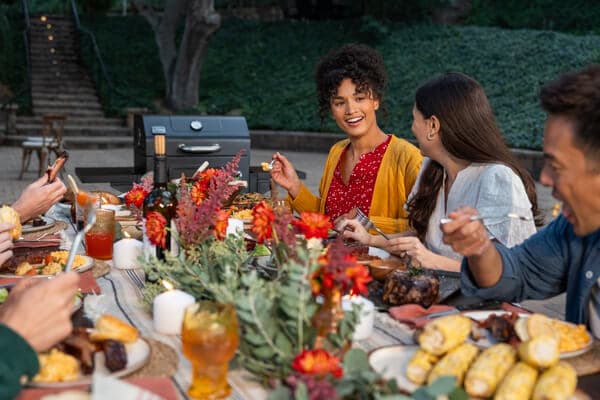
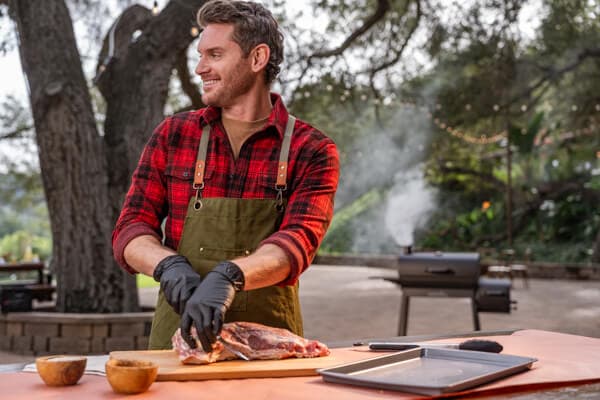
The biggest mistake in backyard cooking is often not the grill itself but the workflow. Raw chicken may be carried out in the same tray used for cooked vegetables. A single tongs set may touch raw steak, then move to finished food. Potato salad may sit in the sun while the grill heats. These are ordinary cookout habits, but they are also the habits that create avoidable risk. The fix is to set up separate zones: one for raw prep, one for cooked service, and one for cold items. If you are cooking for a group, label serving utensils in your head before the food comes off the heat so you do not mix them by accident. A simple way to keep it straight is to use one cutting board for raw protein and another for produce and serving prep.
Temperature control matters beyond the grill surface. Keep cold foods cold until the last possible moment, and return leftovers to refrigeration quickly after the meal. That guidance helps whether you are serving marinated kabobs, burgers, seafood, or sliced fruit. If you are transporting food to a park or tailgate, use insulated containers and keep raw meat sealed on the bottom so any leaks do not drip onto ready-to-eat items. In practical terms, safe outdoor cooking means planning the path of the food before the first plate is loaded. The cookout feels effortless to guests when the host has already created a safe sequence behind the scenes.
Info: Safe food handling outdoors is not just about cleanliness. It is about keeping raw and cooked foods physically separated from start to finish.
Equipment Maintenance Tips
The third precaution is equipment maintenance, because outdoor cooking gear works harder than indoor appliances. Heat, weather, grease, and storage all affect performance. A grill that looks fine from a distance may still have clogged burners, cracked hoses, loose fittings, or buildup that changes how it cooks and how safely it ignites. Equipment maintenance is not about perfection; it is about catching the small issues before they become expensive or dangerous.
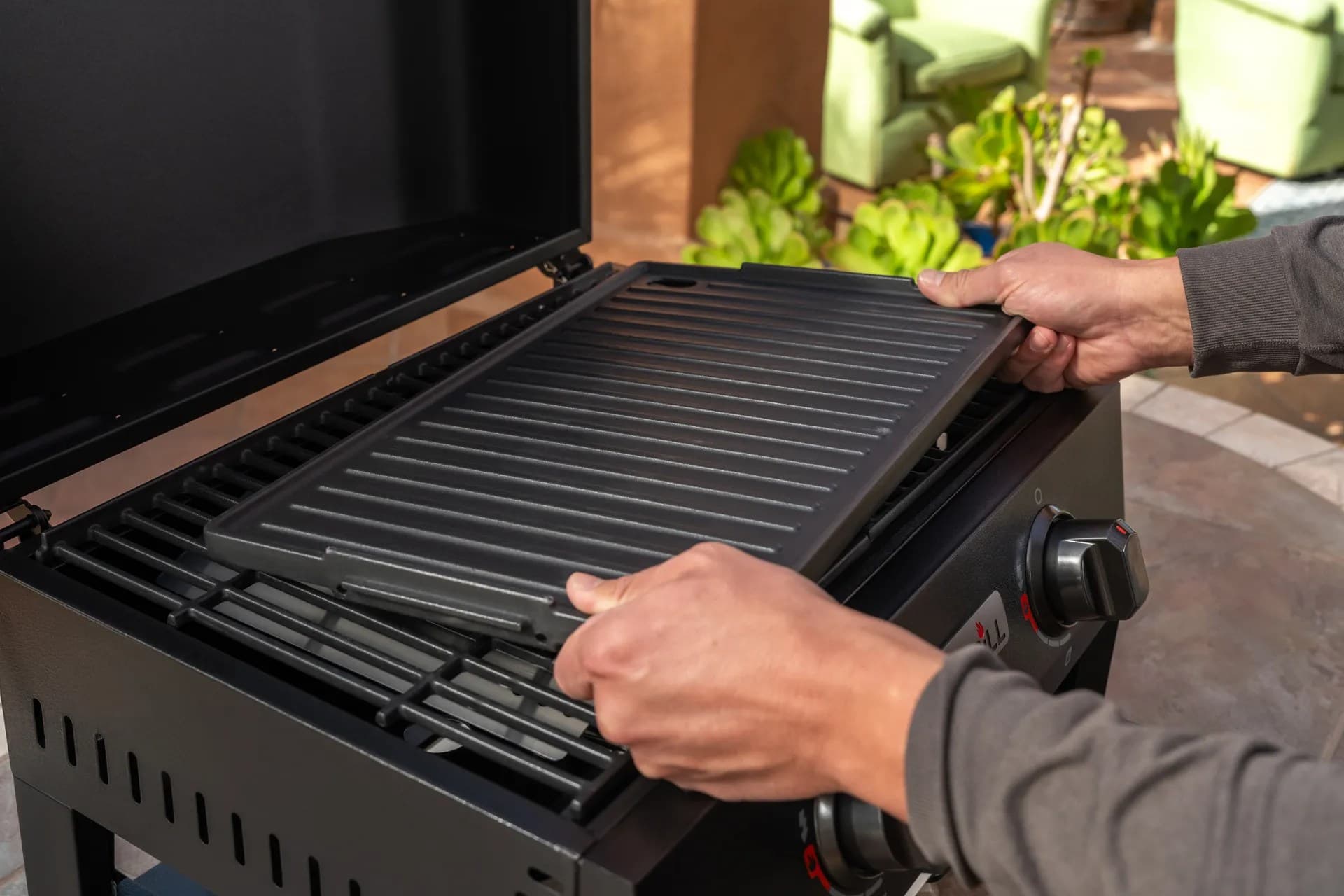
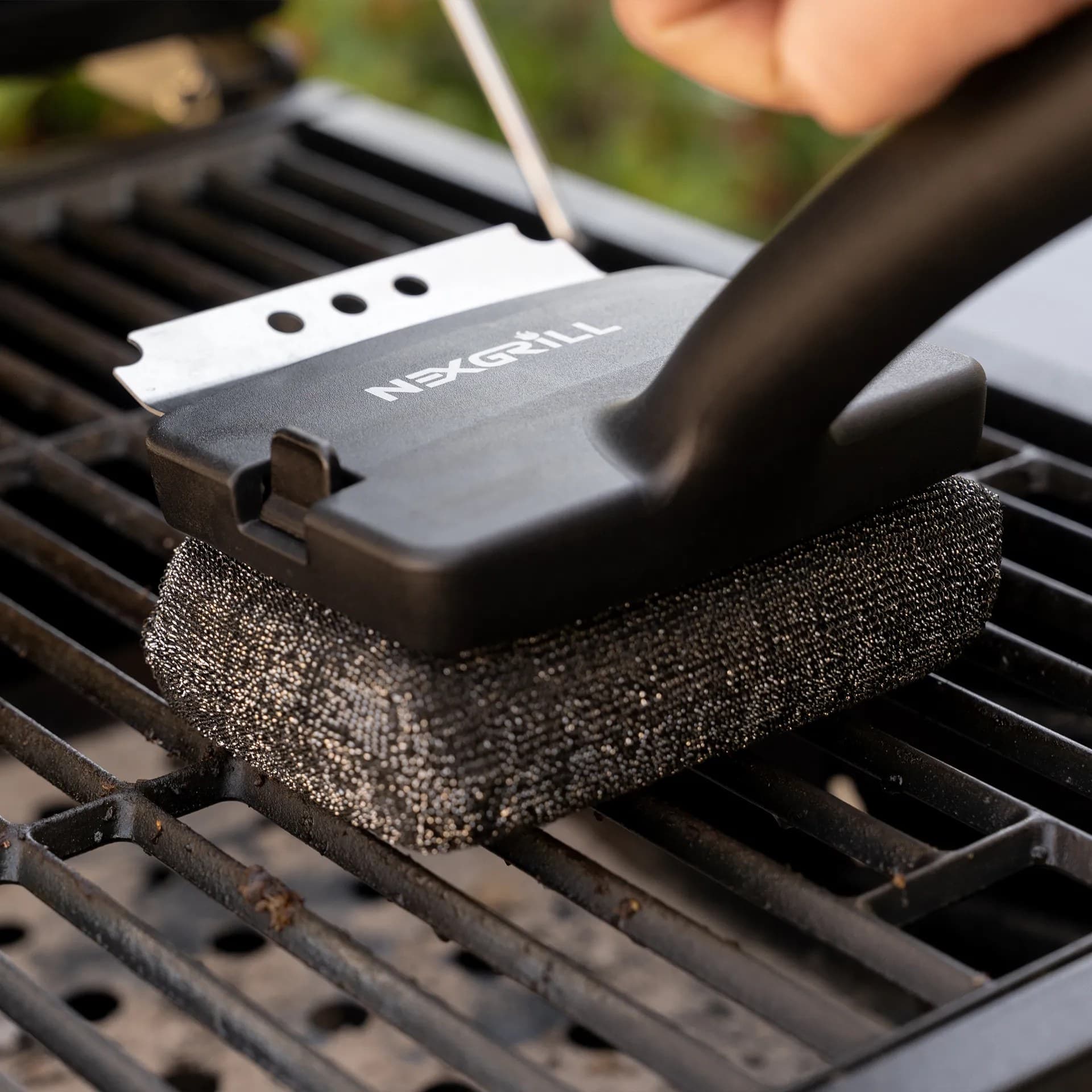
For gas grills, check the hose, regulator, and burner ports on a routine basis. If burners are uneven, delayed ignition becomes more likely and hot spots can make cooking less predictable. Keep the firebox and grease management areas clean so grease does not accumulate where flame or heat can reach it. For charcoal setups, empty old ash after the grill has cooled completely, because ash can hold heat much longer than people expect. For griddles and accessories, season and clean the cooking surface according to the manufacturer’s instructions so residue does not compromise either food quality or safety.
A seasonal maintenance habit works well for most households. Before the first serious cookout of the year, inspect the grill from top to bottom, wipe down surfaces, check ignitions, and replace worn tools or deteriorated hoses. During the season, clean up grease and food residue after each use. Before storage, protect the unit from rain and dust with a fitted cover where appropriate. That routine does more than extend product life. It also helps you notice changes in performance, such as flames that flicker differently or knobs that no longer adjust smoothly. Those are the moments when maintenance becomes safety.
Tip: The safest grill is usually the one that gets a quick inspection before each use and a deeper cleaning on a regular schedule.
If you want a simple standard to follow, think in layers: clean after use, inspect before use, and repair or replace when something is damaged. That approach keeps you from ignoring small defects because the grill still “mostly works.” Outdoor cooking rewards consistency, and consistent equipment care is one of the easiest ways to support that consistency. Try comparing two products side by side below to see which fits best:
Creating a Safe Cooking Environment
Once you have compared two options side by side, the next question is where and how you are actually going to cook. The environment around the grill matters almost as much as the grill itself, because safe outdoor cooking depends on spacing, airflow, surface stability, and crowd control. A well-set cooking area reduces the chances of bumps, burns, spills, and panic. It also makes the cook feel calmer, which is a real safety advantage when you are handling hot food and live fire at the same time.
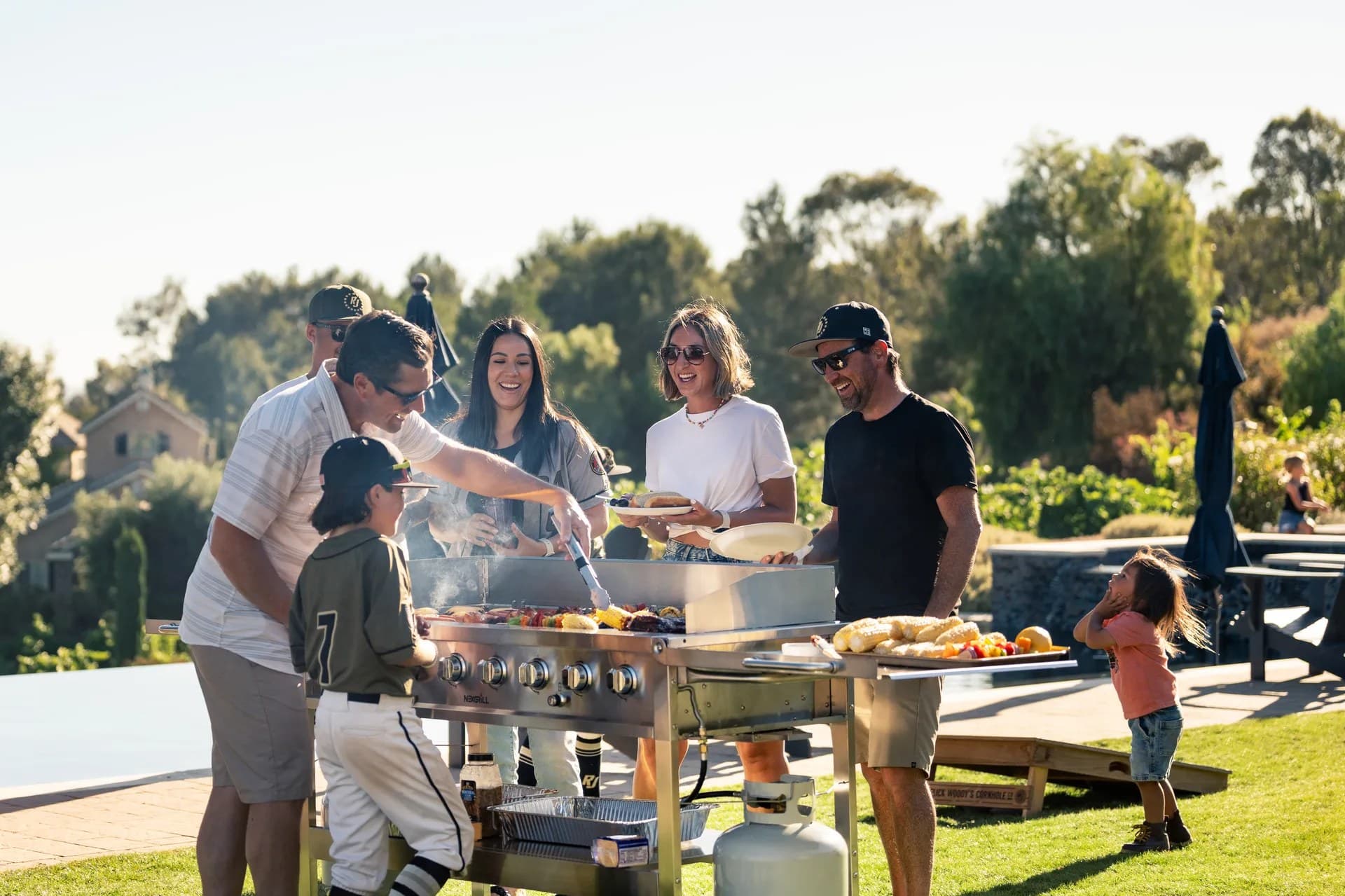
Start by giving the cooking zone a clear perimeter. Guests, kids, and pets should know that the area around the grill is not a pass-through lane. Many accidents happen when someone reaches across the cooktop to grab a tool or steps back into the grill area while carrying plates. Keep tongs, spatulas, towels, and seasoning within arm’s reach so you do not need to leave heat unattended. Make sure the grill sits on a stable surface that will not wobble or tip if someone brushes past it. If the cookout is on a patio or driveway, check for standing water, uneven pavers, or loose mats before lighting anything.
Weather also belongs in the safety conversation. Wind can make flames harder to control, blow grease smoke into your face, and carry embers where you do not want them. Rain can create slippery footing and tempt people to crowd under a covered area that is too close to the heat source. A hot, dry day can make grass and nearby materials more combustible. These are not reasons to cancel every meal outdoors, but they are reasons to adjust the plan. If conditions change, move utensils, reduce clutter, and keep the space as open as possible. The safest environment is one that matches the day, not just the ideal setup in your head.
This is also where fire awareness and food workflow come together. For example, if you are hosting a birthday cookout and the grill is handling burgers while a side table holds cold salads and dessert, put the cooler or ice packs away from the heat source. Keep paper goods away from open flame. Avoid leaning serving platters on the grill lid or placing oil bottles where they might tip. A good outdoor setup separates movement from danger so the cook can work without constant interruptions. That is especially helpful for newer grill users, who often need a little more room and less pressure to stay organized.
Warning: Do not assume shade structures, umbrellas, or covered patios make a safer cooking area. Heat and smoke need enough open space to move away from the cooking zone.
Nexgrill’s brand philosophy emphasizes making room for everyone at the table, and that extends naturally to the space around the table too. A safe environment is welcoming because people can enjoy themselves without worrying about where they stand or sit. Think of the cooking area as a working zone with a social edge: the food can still feel festive, but the hot side of the experience should remain controlled and clearly defined. That balance lets the host stay focused and lets guests relax.
Emergency Preparedness
Emergency preparedness is the fourth precaution, and it matters because even careful cooks need a plan for the unexpected. A flare-up, a grease spill, a knocked-over side table, or a minor burn can happen even when everything else is done correctly. The difference between a stressful moment and a serious one is often whether you already know what to do.
The best emergency plan is simple enough to remember under pressure. First, know how to shut off the fuel supply if you are using gas. Second, keep a fire extinguisher nearby and make sure it is the correct type for a cooking-area emergency. Third, keep basic first-aid items accessible for minor burns or cuts. Fourth, make sure another adult at the gathering knows where the shutoff and extinguisher are located. That shared knowledge matters, because if the primary cook is the person who needs help, somebody else must be able to act immediately.
Consumer Reports’ grilling safety advice highlights the importance of staying present and avoiding distraction when cooking outdoors. That is excellent emergency prevention, but it also supports emergency readiness. If you notice a flame getting too high or a grease drip starting to flare, you can step in early instead of waiting for the problem to spread. In real life, that might mean moving food off direct heat, closing the lid briefly to cut oxygen when appropriate, or turning off burners and backing away from the grill until the situation settles. The key is not improvisation; it is knowing your plan before you need it.
If children are present, talk to them before the meal begins about staying outside the marked cooking zone. If you are cooking in a larger gathering, point out where the extinguisher is kept and which adult is responsible for the grill. If you are using a tailgate setup, park with enough space to keep the cooking area separated from vehicle traffic. If you are near dry vegetation, take the wildfire preparedness mindset seriously and keep the area clear of debris and ignition sources. Preparedness is not dramatic; it is disciplined. It is what lets everyone keep enjoying the meal without constant uncertainty.
Info: The quickest emergency response is the one you can execute without hunting for tools, debating roles, or moving people out of the way first.
Conclusion: Enjoying Safe Outdoor Cooking
The four important safety precautions you should follow when cooking outdoors are clear fire safety, careful food handling, regular equipment maintenance, and a safe cooking environment with an emergency plan. Each one protects a different part of the cookout, but together they create a single result: a gathering that feels easy because the hard work happened before anyone arrived. Outdoor cooking is supposed to bring people together, and that works best when the host can focus on flavor, conversation, and timing instead of avoidable risks.
A good rule of thumb is to treat safety as part of the recipe. Before you light the grill, check the surroundings. Before you serve the food, separate raw and cooked items. Before the season starts, inspect the equipment. Before guests settle in, make sure the cooking zone is defined and the emergency tools are within reach. Those habits are simple, but they are also what separate an ordinary cookout from one that feels truly under control. That is the kind of dependable, welcoming outdoor experience Nexgrill’s brand is built around, and it is the kind of experience every cook wants to create.