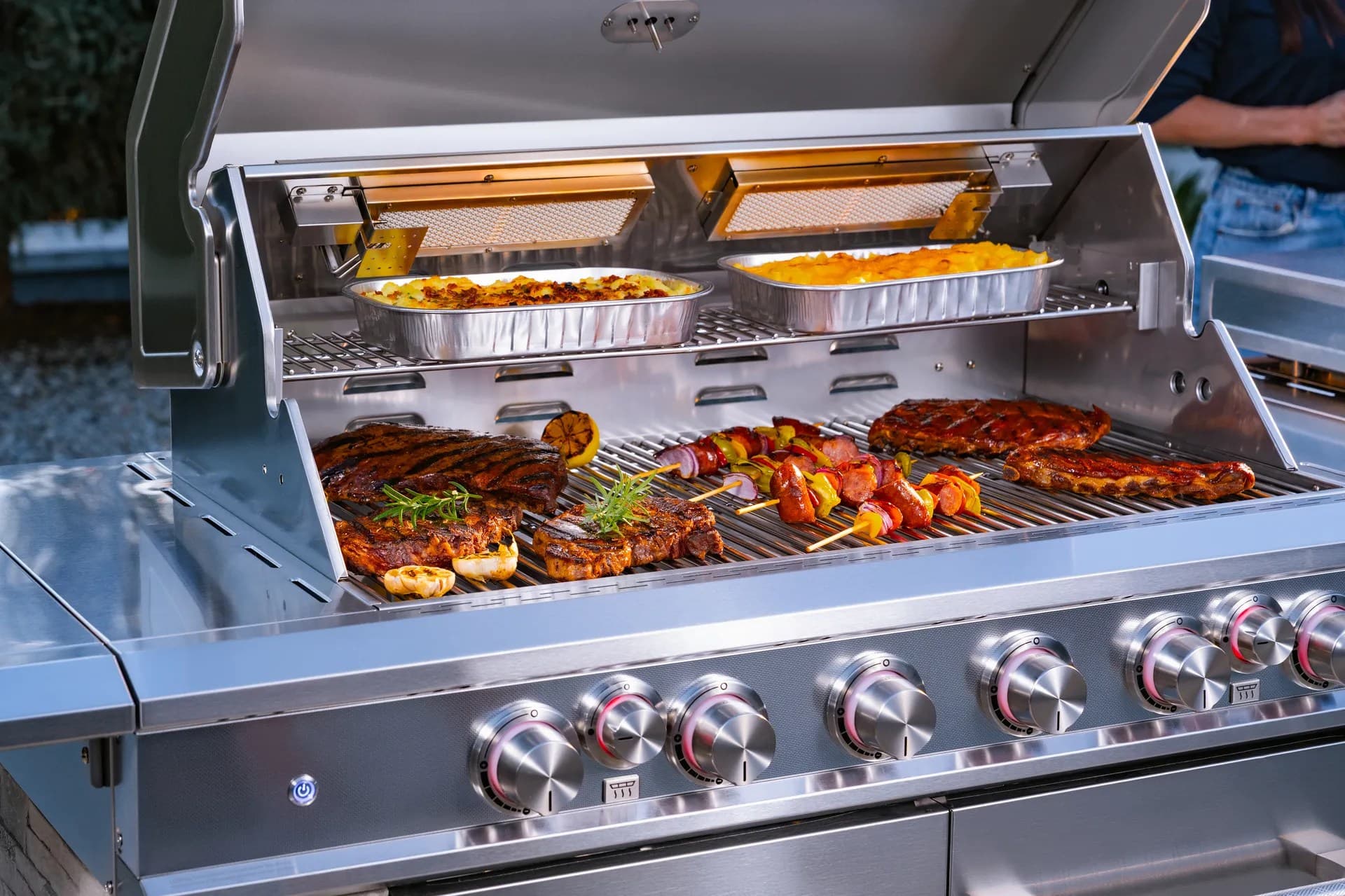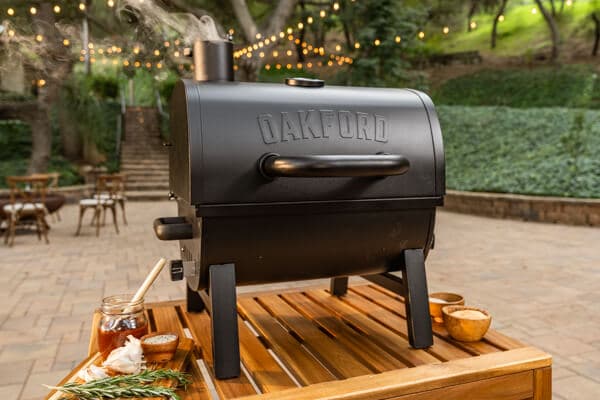
Discover the best grills to elevate your outdoor cooking experience.
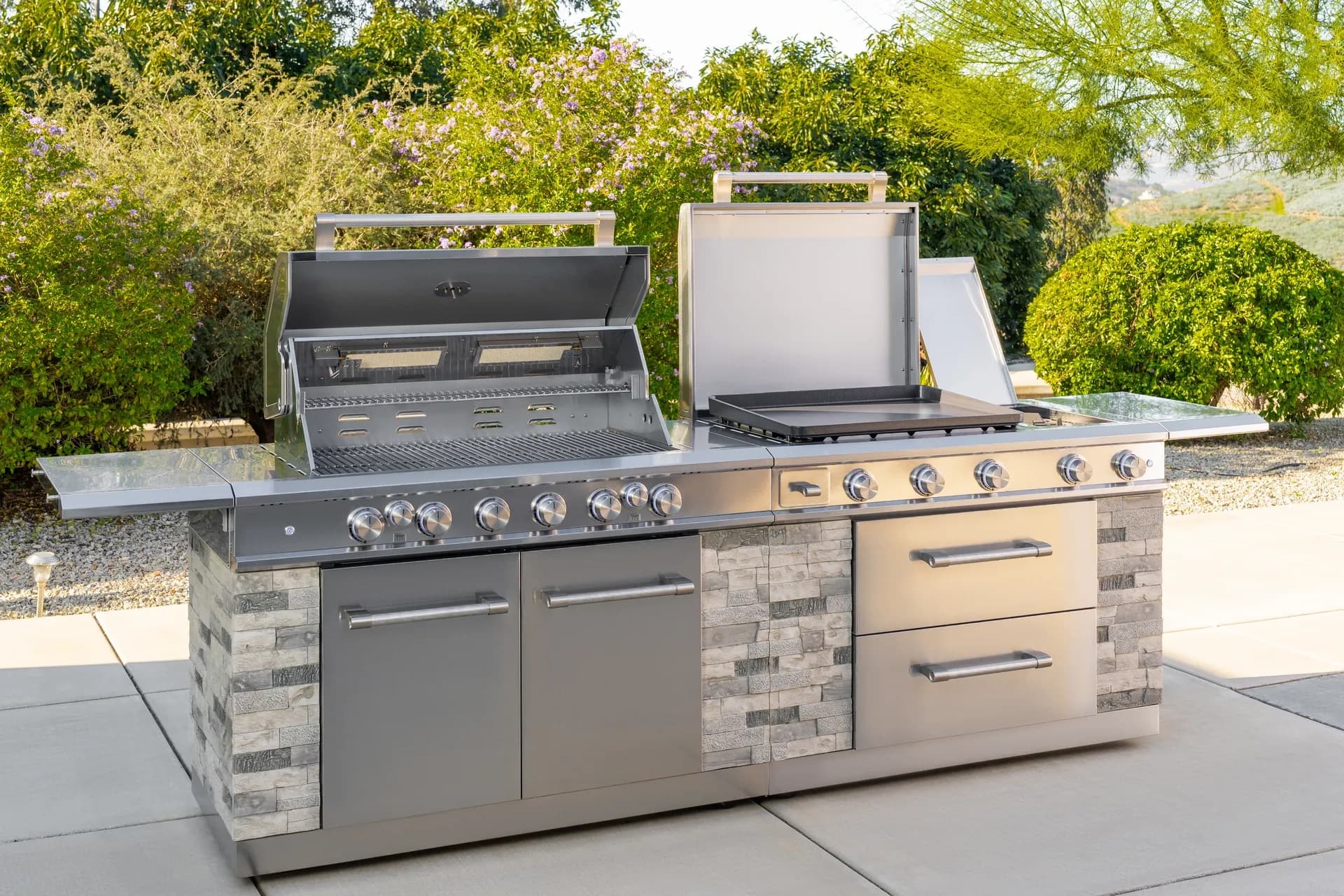
From sizzling breakfasts to smash burgers and teppanyaki-style dinners, the Daytona Pro 5 Burner NitroGuard™ Griddle delivers powerful heat, fast cooking, and a durable cooking surface built for every backyard cookout. Watch how easy outdoor cooking can be.
Here's what sets us apart from the competition
We position ourselves as delivering high-end outdoor cooking features and performance without premium-brand pricing, emphasizing “Quality Grills. Unbelievable Value.”
We offer gas grills, pellet grills, griddles, smokers, pizza ovens, portable/tabletop grills, electric grills, accessories, and replacement parts — allowing customers to stay within one ecosystem for all outdoor cooking needs.
We differentiate ourselves through smart grilling products like the Oakford smart pellet grill, including app-connected cooking controls and modern outdoor cooking technology.
Expert tips, buying guides, comparisons, and inspiration for choosing and getting the most out of your grill.
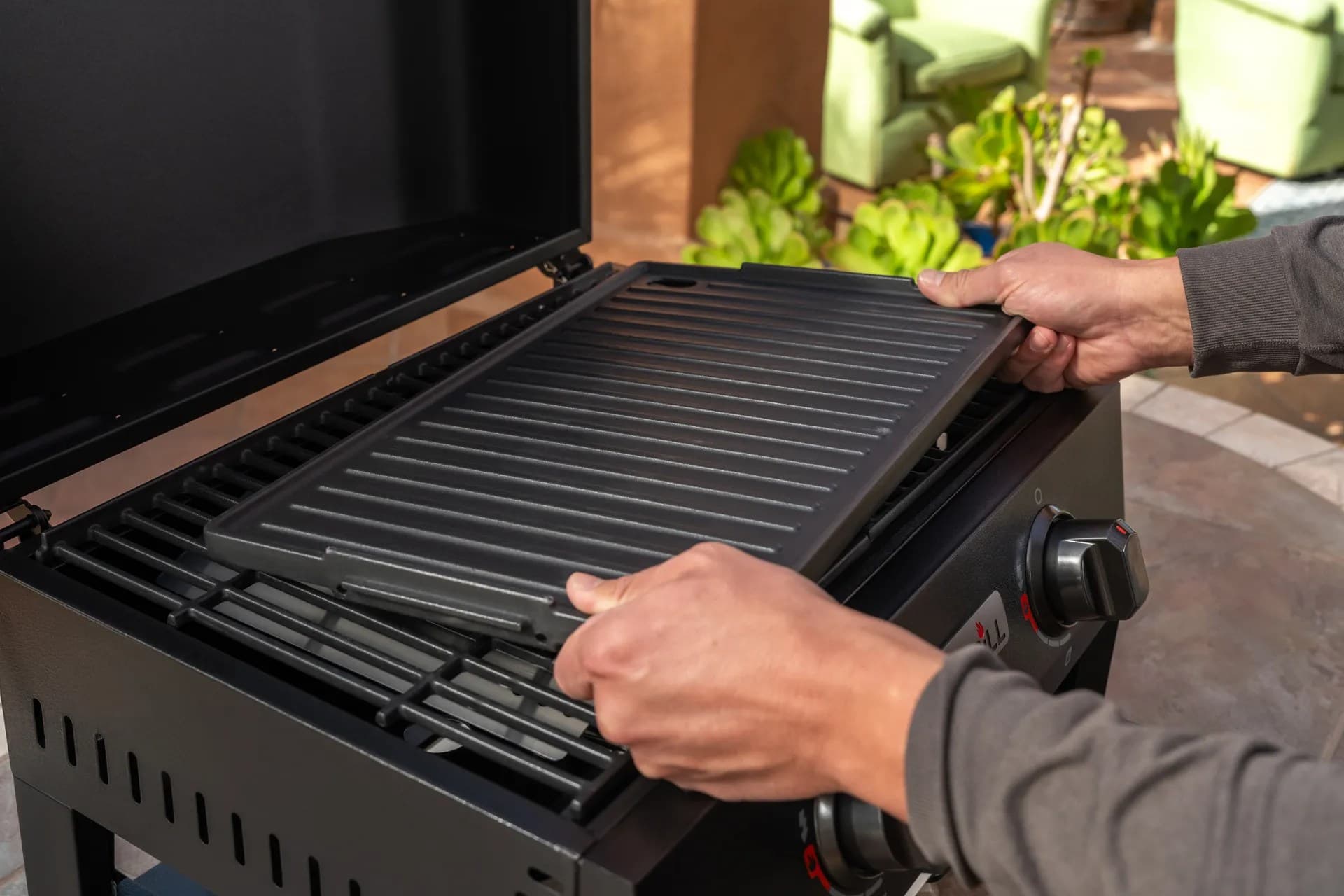
Practical guides for cleaning, maintenance, common grill issues, and performance optimization.
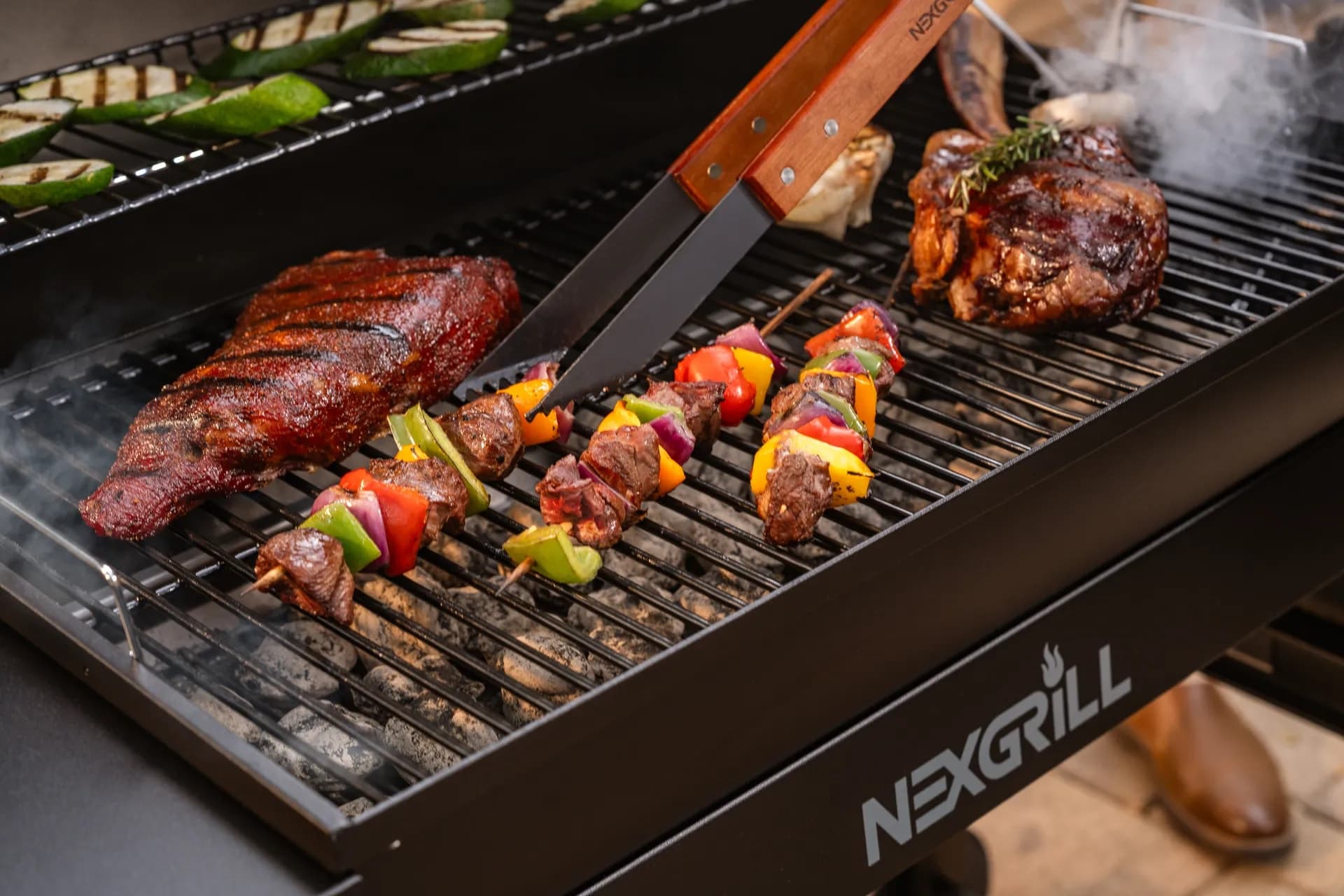
Step-by-step grilling recipes, cooking techniques, and meal ideas for every occasion and skill level.

Backyard entertaining ideas, seasonal grilling inspiration, and stories that celebrate outdoor cooking culture.
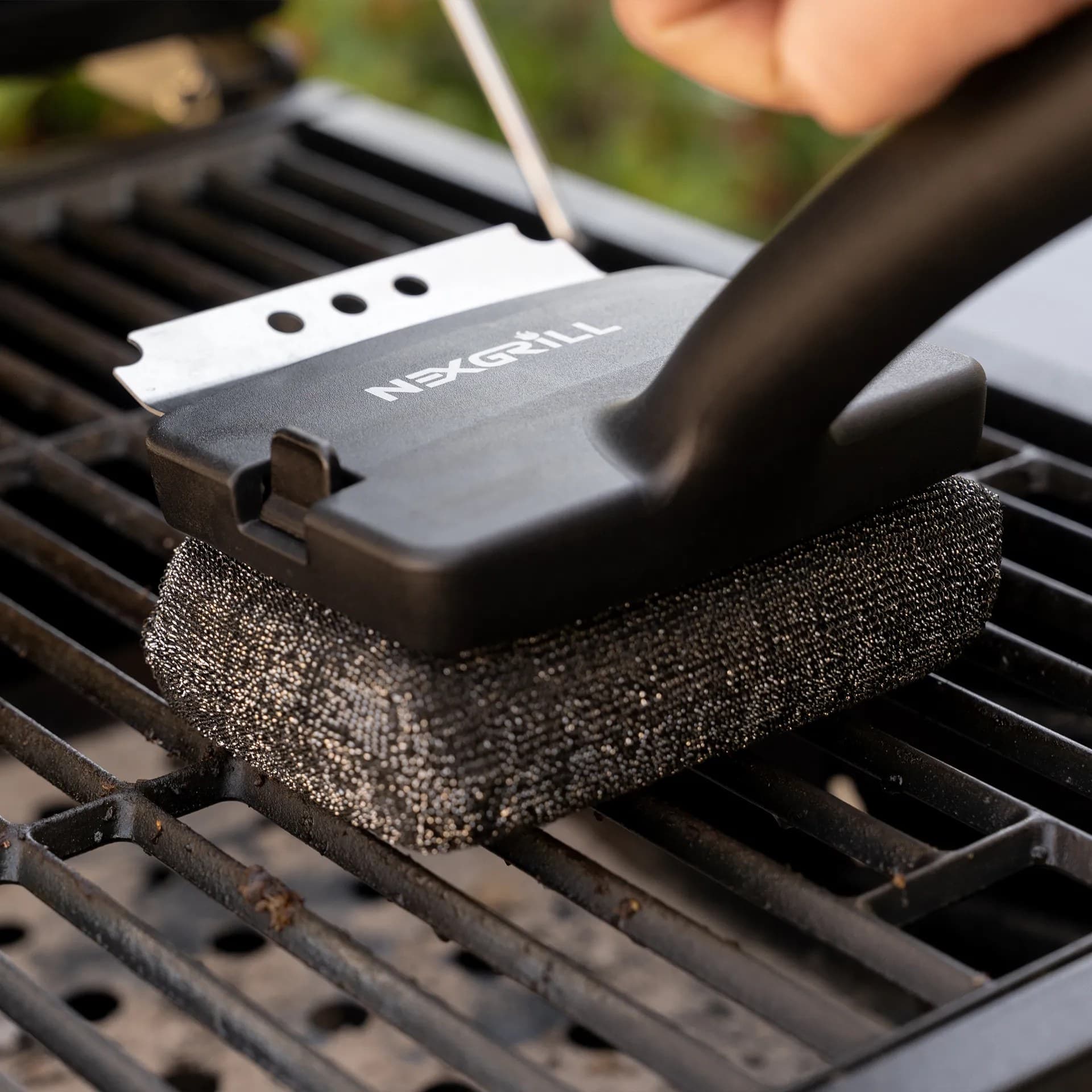
Helpful articles covering grilling tools, cookware, maintenance gear, and must-have accessories for outdoor cooking.
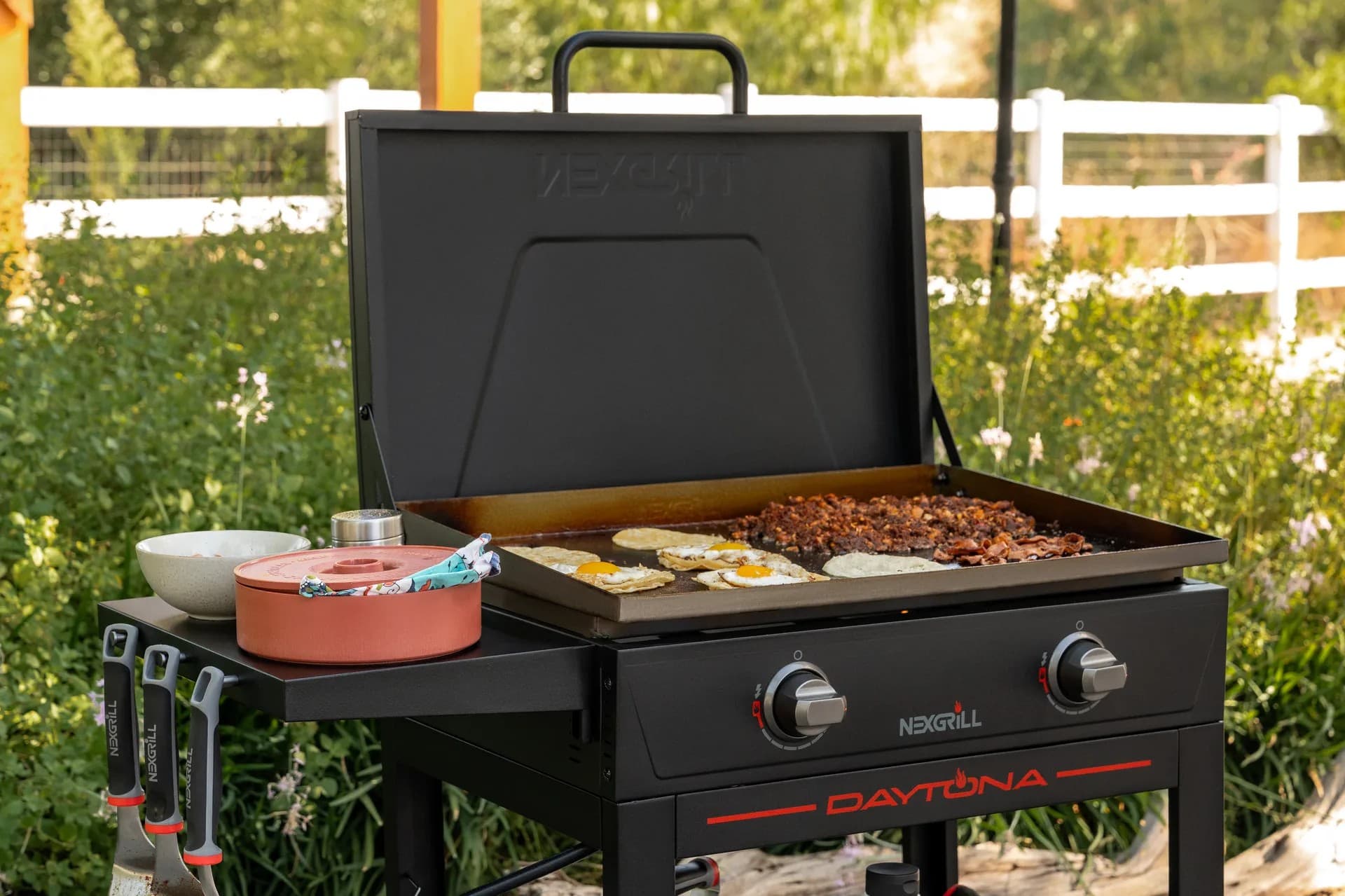
Find griddle recipes, cooking techniques, cleaning tips, and outdoor meal ideas designed for Nexgrill griddles.
Find answers to common questions
Gas grills provide instant heat and precise temperature control, making them easier to use. Charcoal grills offer a smoky flavor and high heat for searing but require more time to heat up and manage.
Pellet grills combine the convenience of gas with the flavor of wood, allowing for smoking, baking, and grilling. Traditional gas grills, however, are quicker to start and often easier to clean.
Charcoal grills typically reach higher temperatures quicker than gas grills, making them better for searing meat. However, high-quality gas grills can also provide adequate heat for effective searing.
Nexgrill offers models designed specifically for gas, charcoal, and pellets, allowing users to choose based on their cooking style and flavor preferences. Each type is built to optimize the characteristics of its respective fuel.
Choosing between gas and charcoal grills depends on your cooking preferences and lifestyle. If you value convenience and quick cooking, a gas grill may suit you better; if you prefer the taste and experience of traditional grilling, a charcoal grill would be ideal.
In This Article
Gas Grills
Charcoal Grills
Pellet Grills
Choosing among the top grills for backyard cooking is less about chasing the biggest number on the spec sheet and more about matching the grill to the way you actually cook. A family that wants fast weeknight dinners, seared steaks, and a quick cleanup will value a very different set of features than a host who spends weekends smoking ribs, making breakfast on a flat top, or cooking for a crowd. The best backyard grill should feel natural to use, fit your patio or deck, and deliver repeatable results without turning every cookout into a project.
Nexgrill’s brand direction has always been about approachable, dependable outdoor cooking that brings people together, and that matters here because backyard grilling is not just a solo task. It is often the center of the gathering. Nexgrill’s brand guidance emphasizes inclusivity, accessibility, and real-world usability for a wide range of grillers, from first-timers to experienced hosts . That perspective is useful when comparing grills: you want a cooker that supports the meal, the space, and the people around it.
The right grill is the one you will use often, not just the one that looks impressive on delivery day.
Core fuel choices shape most backyard decisions: gas, charcoal, and pellet.
A practical way to think about this decision is to start with fuel type, then narrow down by cooking style, total cooking area, and how much time you want to spend tending the fire. Gas grills emphasize convenience and precise temperature control. Charcoal grills reward patience with direct heat and a classic grilled flavor. Pellet grills give you wood-fired taste with a more set-it-and-manage-it workflow. Those broad differences sound simple, but they affect everything from preheat time to cleanup to how confidently you can cook delicate foods like fish or vegetables.
Gas grills remain the easiest entry point for many backyard cooks because they heat quickly, respond fast when you adjust the burners, and handle a wide range of foods without a steep learning curve. If your typical meal includes chicken breasts, burgers, corn, peppers, or thick-cut steaks, gas gives you enough control to cook different items at different temperatures. That flexibility matters on busy evenings when dinner needs to happen in under an hour. A good gas grill can also support indirect cooking, which makes it possible to finish thicker cuts more gently after searing.
For backyard cooks who entertain often, gas also reduces friction. You do not need to wait for charcoal to ash over or for a smoker to settle into a temperature window. Turn the knobs, preheat, and start cooking. That is especially helpful if your gathering includes kids, neighbors, or a mix of guests who may arrive at different times. In practical terms, gas is the most forgiving option when timing matters more than ritual.
If your goal is to move from “hungry” to “served” with minimal setup time, gas is usually the most efficient choice.
The tradeoff is flavor identity. Gas produces excellent grilled food, but it does not naturally deliver the same smoky profile as charcoal or pellet cooking. Some grillers address that with wood chips, smoker boxes, or by choosing recipes that benefit from high heat and direct searing rather than heavy smoke. For many households, that is a fair trade because the advantages of speed and control matter more on most days than a specific smoke character.
Charcoal grills are the choice for backyard cooks who want a more hands-on process and a deeper connection to the fire. Charcoal brings a distinct aroma and high-heat capability that works especially well for burgers, steaks, chops, chicken thighs, and vegetables that benefit from a bold sear. The experience is slower and more deliberate, but that is part of the appeal. You are managing the coals, reading the heat, and shaping the cook in real time.
A charcoal grill can be surprisingly versatile if you understand direct and indirect heat zones. Build a hotter side for searing and a cooler side for finishing larger cuts. That setup lets you handle foods that need a quick crust outside and a gentler finish inside. Many experienced grillers like charcoal because it rewards skill without requiring complicated electronics or burners.
Charcoal is best when you have time to tend the fire and want the cooking process to be part of the experience.
The main drawbacks are setup time, fuel management, and cleanup. You need to light the coals, wait for them to settle, and dispose of ash afterward. Temperature changes are also less immediate than with gas, so the learning curve is steeper. If you host often or cook on a weeknight, charcoal may feel too demanding for everyday use. But if your ideal cookout is leisurely, flavor-forward, and centered on the ritual of grilling, charcoal still earns its place among the top grills for backyard cooking.
Pellet grills sit in a compelling middle ground. They use compressed wood pellets as fuel, which gives food a wood-fired character while reducing the hands-on fire management required by charcoal. For many homeowners, that is the sweet spot: real smoke flavor with consistent temperature behavior. Pellet grills are especially attractive for cooks who want to smoke ribs, roast poultry, cook pork shoulder, or hold a steady low temperature for long sessions without constant adjustment.
The biggest advantage of a pellet grill is consistency. Once you set the temperature, the grill does much of the work. That makes it easier to plan longer cooks around family time instead of staying locked into the firebox. Pellet grills can also handle a broader range of recipes than many buyers expect, including baked sides and baked desserts, because the cooking environment is stable and enclosed. For a backyard host who likes variety, that versatility can be more valuable than raw searing intensity.
Pellet grills shine when low-and-slow flavor matters more than instant high-heat searing.
One thing to keep in mind is that pellet grills depend on electricity and mechanical feed systems, so they are a little more complex than a basic charcoal cooker. They also tend to prioritize stable heat and smoke over aggressive direct flame. That means they are excellent for barbecue-style cooking, but if your main goal is steakhouse-style crust in minutes, gas or charcoal may be the better fit. In other words, pellet grills are ideal for the backyard cook who wants smoking convenience without giving up wood-fired character.
The most useful way to shop for a backyard grill is to evaluate how each model matches your actual use case. Start with cooking style. If you regularly cook quick dinners, favor gas. If you want flavor and hands-on control, charcoal is compelling. If you love smoking and steady temperatures, pellet is the strongest candidate. Next, consider patio space. A grill should fit comfortably with enough clearance for safe movement, prep, and serving. Oversized equipment can make a good backyard feel cramped, while a compact model may be easier to live with day to day.
Cooking surface is another important factor. Larger families and frequent hosts should look for enough grate area to cook proteins and sides without stacking food on top of each other. Smaller households can often do better with a more moderate footprint that still offers enough flexibility. Heat control matters as well. Multiple burners, adjustable vents, and stable temperature management can make the difference between food that cooks evenly and food that needs constant rescue.
| What to compare | Why it matters | Best fit |
|---|---|---|
| Preheat speed | Determines how quickly you can start cooking | Gas for weeknight convenience |
| Smoke flavor | Adds depth to meats, poultry, and vegetables | Charcoal or pellet |
| Temperature stability | Helps with long cooks and repeatable results | Pellet and quality gas models |
| Cleanup effort | Affects how often you will want to cook | Gas generally lowest |
Build quality should not be ignored. Outdoor grills spend their lives exposed to heat, grease, moisture, and changing weather, so durable materials and thoughtful construction help protect your investment. It is also worth thinking about accessories and workflow: side shelves, storage space, grease management, and lid design can all make a grill more pleasant to use. A well-designed grill removes friction from the cooking process, which is often what turns occasional grilling into a habit.
The best grill for your backyard is the one that matches your routine, your space, and the kind of meals you actually want to cook. Gas delivers speed and ease. Charcoal brings tradition and a high-heat grilling experience. Pellet offers smoke flavor with modern convenience. Each has a clear role, and the best choice depends on whether you value control, flavor, or simplicity most.
If you are narrowing the field, compare two models side by side below so you can see which one fits your backyard, your cooking style, and your budget more naturally.
Once you have a few grill types in mind, the smartest next step is to look at how you cook on a normal weekend, not how you imagine cooking in a perfect summer scenario. Some people want fast dinners after work, others want a slow Saturday smoke session, and some want one grill that can handle breakfast, lunch, and dinner without needing a second appliance. The right backyard grill should fit that rhythm instead of forcing you to adapt to its limitations.
A busy household in the United States often benefits from a gas grill because it shortens the time between deciding to cook and actually eating. That can matter just as much as flavor, especially when you are cooking for children, guests, or mixed preferences. On the other hand, a cook who plans meals around weekends may get more satisfaction from charcoal or pellet, where the slower pace creates room for experimentation and more complex flavors.
The best purchase is the one that matches your weekly habits, not your once-a-year party plan.
Space also changes the equation. A compact patio can feel overwhelmed by a very large cooker, while a generous deck may support a larger grill with side shelves and storage. If you entertain often, think beyond the grill grate and consider where platters will rest, where tools will hang, and how guests will move around the cooking area. The easiest grill to enjoy is one that fits naturally into the flow of your backyard.
A good comparison starts with the strengths each fuel type brings to the table. Gas grills are the most convenient for everyday cooking because they heat quickly and let you dial temperatures up or down fast. They work especially well if you cook a lot of vegetables, quick-searing proteins, or mixed meals that need different heat zones. Their weakness is that they rarely deliver the same wood-fired profile many barbecue fans want.
Charcoal grills earn their reputation through flavor and heat. They are ideal for cooks who love a pronounced sear and enjoy the tactile process of building and managing a fire. The tradeoff is time and attention. If you are not willing to manage coals, you may not enjoy the experience enough to use the grill often. For some backyard cooks, that ritual is the fun part. For others, it is a barrier.
Pellet grills are appealing because they simplify smoking without stripping away the wood-fire character. They are a particularly strong option for ribs, brisket-style cooking, chicken, and roasts, where steady heat matters more than immediate flare-up response. Their main tradeoff is that they are more mechanically involved than a simple charcoal grill and generally less intense for direct, high-heat searing than gas or charcoal.
| Grill type | Best strength | Main tradeoff |
|---|---|---|
| Gas | Speed and control | Less natural smoke flavor |
| Charcoal | Flavor and high heat | Longer setup and cleanup |
| Pellet | Consistent smoke cooking | Less aggressive direct searing |
For the weekday griller who wants dinner on the table quickly, gas is the most practical answer. For the flavor-focused cook who enjoys the process as much as the plate, charcoal is the clear winner. For the backyard host who likes to smoke large cuts and keep temperature steady for hours, pellet is usually the most satisfying choice. If you are still undecided, the right answer may be to prioritize the feature you will use most often rather than the one that sounds most exciting in theory.
Budget is not just the sticker price. It also includes fuel costs, accessories, cleanup time, and how long the grill is likely to remain useful before you feel ready to replace it. A lower-cost grill that rusts quickly or cooks unevenly can become more expensive over time than a midrange model that performs reliably season after season. That is why value for money should include materials, burner design, cooking area, and practical convenience.
In the United States, entry-level backyard grills often appeal to first-time buyers or seasonal users who need dependable performance without a large upfront expense. Midrange models usually offer the best balance for most households because they add useful features such as side burners, improved grates, larger cook zones, or easier cleanup systems without jumping into premium territory. Pellet grills typically ask for a higher starting budget, but for buyers who want low-and-slow cooking and a broader recipe range, that extra investment can pay off in flexibility.
Avoid buying only on price. A slightly better-built grill often saves frustration, fuel, and replacement costs later.
Budget-minded buyers should also factor in the foods they cook most. If you mainly do burgers, chicken, vegetables, and the occasional steak, a solid gas grill may deliver everything you need at an accessible price. If your weekend routine revolves around smoke and slow cooking, paying more for a pellet grill could be more worthwhile than purchasing a basic grill and trying to force it into a smoking role it was not built for.
A backyard grill lives outside, which means durability is a real buying criterion, not a bonus. Heat cycling, grease, moisture, and sun exposure all take a toll over time. The grills that age best are the ones with sturdy construction, rust-resistant components where possible, and a design that makes cleaning realistic rather than burdensome. If a grill is difficult to maintain, it tends to get neglected, and neglected grills rarely perform well.
Routine maintenance should fit the fuel type. Gas grills need grates cleaned after use, grease trays emptied, and burners checked for blockages. Charcoal grills need ash removal so airflow stays strong and the bowl does not hold moisture. Pellet grills benefit from hopper care, burn pot cleaning, and checking that pellets stay dry and feed properly. A cover helps all three types, especially in climates with strong sun, frequent rain, or seasonal storage.
Good maintenance is not about perfection; it is about preventing small issues from becoming cooking problems.
Durability also affects resale value and long-term satisfaction. A grill that continues to heat evenly, light reliably, and clean up without fuss will usually feel like a better investment than one that technically works but becomes annoying to use. When comparing options, look closely at construction details such as lid fit, hinge feel, cart stability, and the quality of removable parts. Those small details often predict how the grill will feel in year three more than the headline specs do.
For 2026, the most useful grill recommendations are the ones that align a model with a very specific backyard need. A good shortlist should include dependable gas options for everyday cooking, a charcoal option for traditionalists, and a pellet option for cooks who want more smoke without more fuss. Industry roundups in 2026 continue to emphasize practical factors such as cooking area, heat consistency, build quality, and ease of use when judging top backyard grills .
For buyers who want everyday convenience, the Nexgrill 4-Burner Gas Grill with Side Burner in Black is a strong fit because it supports multi-zone cooking and gives you extra flexibility for sauces or sides. If you want a broader cooking surface with flat-top versatility, the Daytona 4-Burner Propane Gas Griddle in Black is useful for breakfast spreads, smash burgers, and mixed vegetable cooks. For a more traditional charcoal experience, the Nexgrill Oakford Homestead 24 Heavy Duty Charcoal Grill in Black is a compelling option for cooks who prioritize bold heat and classic flavor. For pellet users, the Oakford Pro 875 Pellet Smoker Grill offers a practical balance of smoking capacity and manageable footprint, while the Oakford 1125 Pro Pellet Smoker Grill is better suited to larger households or more ambitious weekend cooks.
| Model | Best for | Why it stands out |
|---|---|---|
| Nexgrill 4-Burner Gas Grill with Side Burner in Black | Weeknight meals and entertaining | Flexible zones and side-burner support |
| Daytona 4-Burner Propane Gas Griddle in Black | Breakfast, smash burgers, mixed meals | Flat-top versatility and broad cook surface |
| Nexgrill Oakford Homestead 24 Heavy Duty Charcoal Grill in Black | Charcoal flavor fans | Traditional fire control and robust design |
| Oakford Pro 875 Pellet Smoker Grill | Consistent smoke cooking | Convenient pellet operation for longer cooks |
| Oakford 1125 Pro Pellet Smoker Grill | Larger households and big cookouts | More room for ambitious backyard menus |
Think of the list above as a map, not a ranking. The best pick for one household might be a poor match for another. If your backyard cooking is mostly fast and spontaneous, prioritize the gas model that gives you the easiest routine. If you want to make grilling feel more like a weekend craft, the charcoal option is more rewarding. If you want low-and-slow smoke without spending all day standing over the fire, the pellet models are the most logical choices. Matching the model to the meal pattern is more important than chasing a one-size-fits-all winner.
The ideal backyard grill is the one that earns its space. It should be easy enough to use on an ordinary Tuesday, capable enough to handle a Saturday gathering, and durable enough to stay in the rotation for years. For that reason, the smartest shoppers compare convenience, flavor, cooking capacity, maintenance, and price together instead of making a decision based on a single feature. Once you do that, the right choice becomes much clearer.
If you want a practical starting point, explore the Nexgrill collection and compare the fuel type, footprint, and cooking style that best match your backyard routine. When you are ready to narrow it down, use the comparison tool below to weigh two specific models side by side before you buy.
Here's what sets us apart
We position ourselves as delivering high-end outdoor cooking features and performance without premium-brand pricing, emphasizing “Quality Grills. Unbelievable Value.”
We offer gas grills, pellet grills, griddles, smokers, pizza ovens, portable/tabletop grills, electric grills, accessories, and replacement parts — allowing customers to stay within one ecosystem for all outdoor cooking needs.
We differentiate ourselves through smart grilling products like the Oakford smart pellet grill, including app-connected cooking controls and modern outdoor cooking technology.
Don't just take our word for it
Keep reading
From our catalog