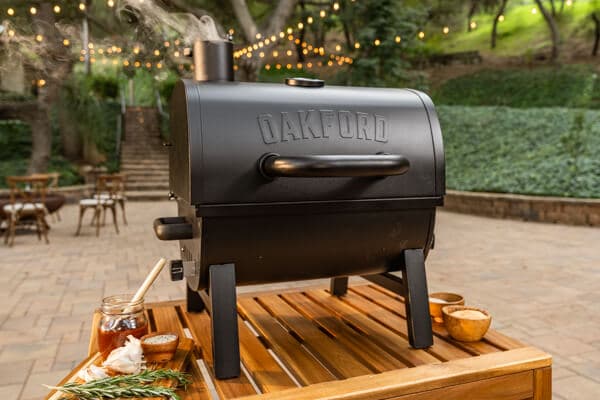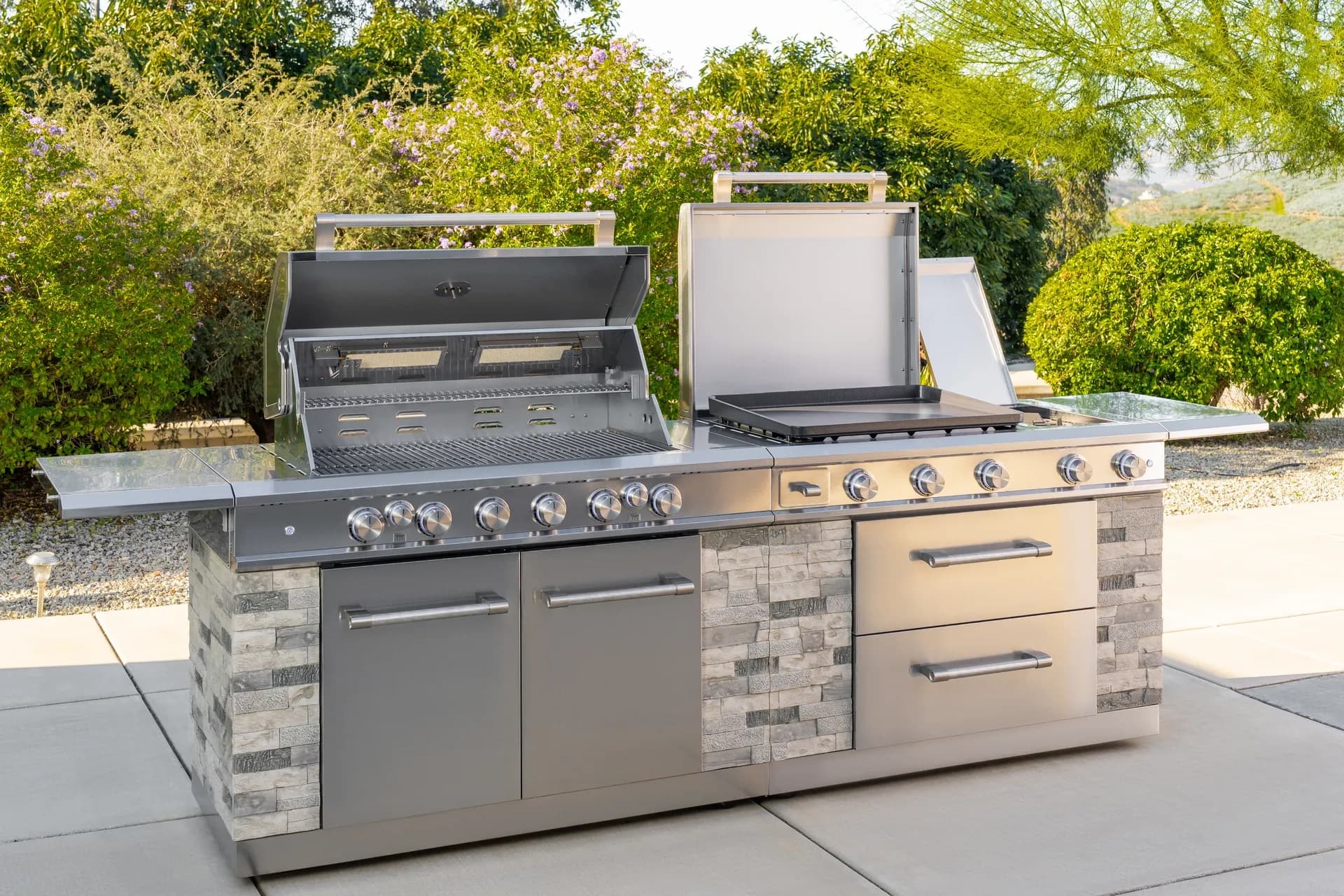
Explore the various grill fuel options to find the perfect match for your cooking style and preferences.
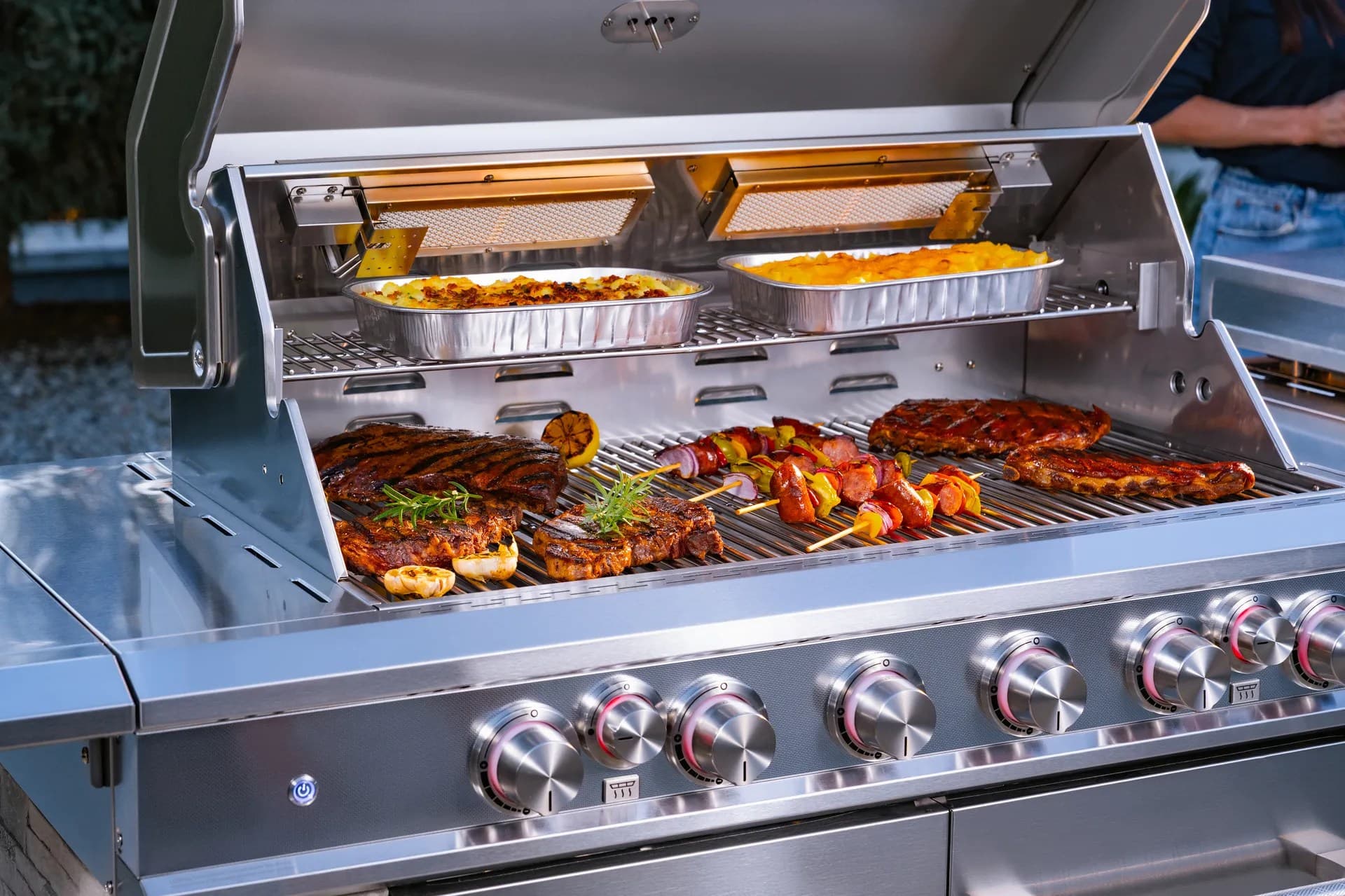
From sizzling breakfasts to smash burgers and teppanyaki-style dinners, the Daytona Pro 5 Burner NitroGuard™ Griddle delivers powerful heat, fast cooking, and a durable cooking surface built for every backyard cookout. Watch how easy outdoor cooking can be.
Here's what sets us apart from the competition
We position ourselves as delivering high-end outdoor cooking features and performance without premium-brand pricing, emphasizing “Quality Grills. Unbelievable Value.”
We offer gas grills, pellet grills, griddles, smokers, pizza ovens, portable/tabletop grills, electric grills, accessories, and replacement parts — allowing customers to stay within one ecosystem for all outdoor cooking needs.
We differentiate ourselves through smart grilling products like the Oakford smart pellet grill, including app-connected cooking controls and modern outdoor cooking technology.
Expert tips, buying guides, comparisons, and inspiration for choosing and getting the most out of your grill.
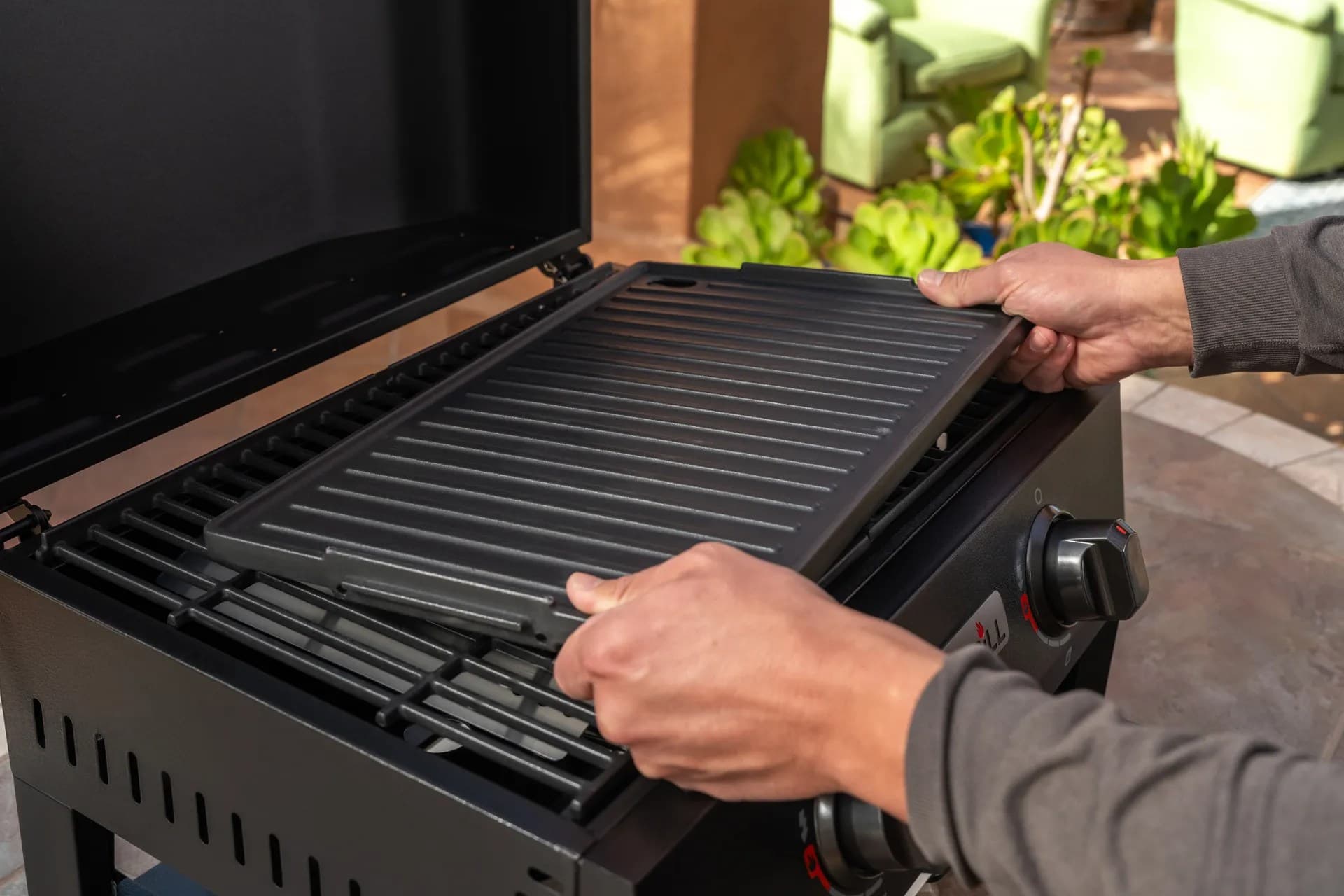
Practical guides for cleaning, maintenance, common grill issues, and performance optimization.
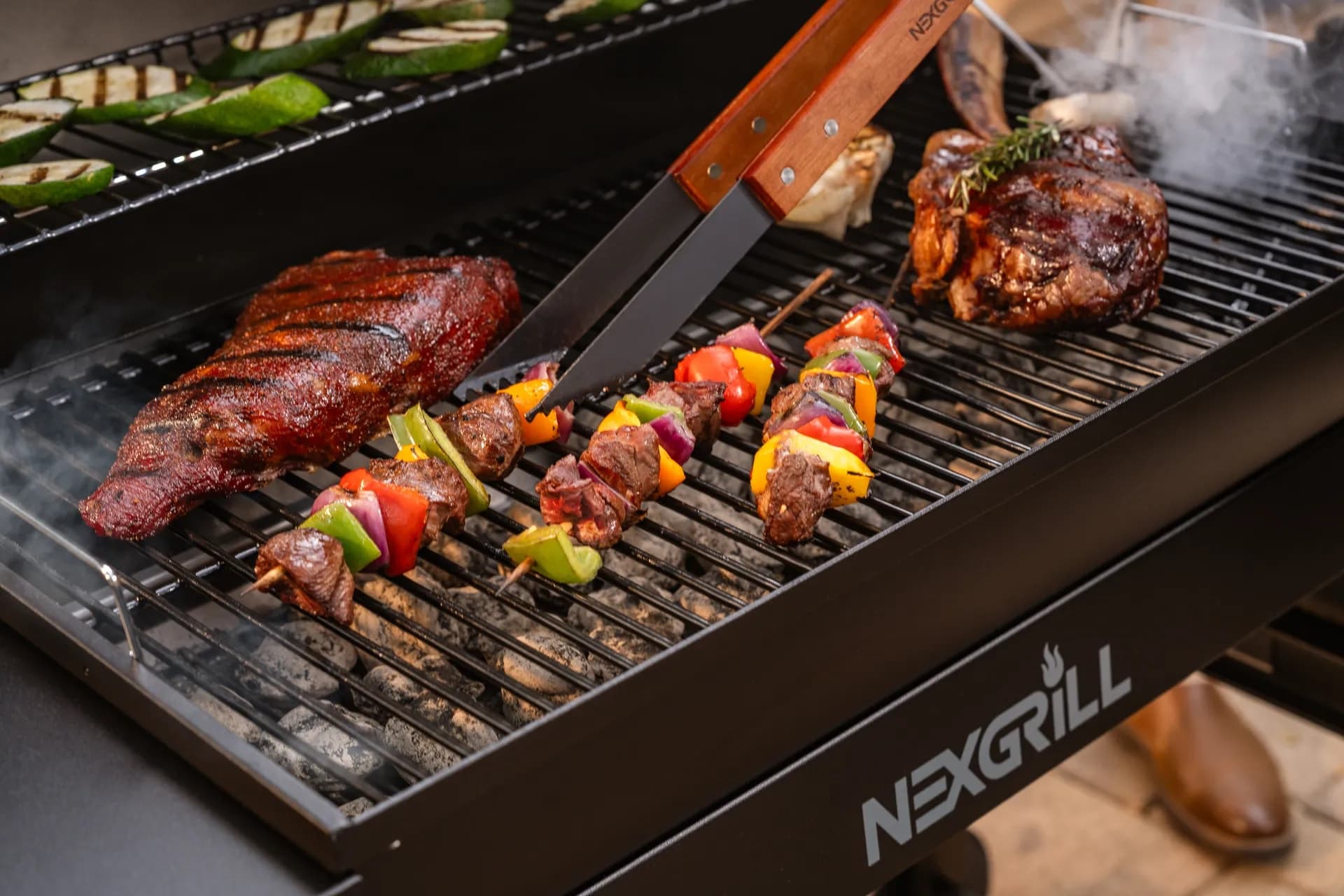
Step-by-step grilling recipes, cooking techniques, and meal ideas for every occasion and skill level.

Backyard entertaining ideas, seasonal grilling inspiration, and stories that celebrate outdoor cooking culture.
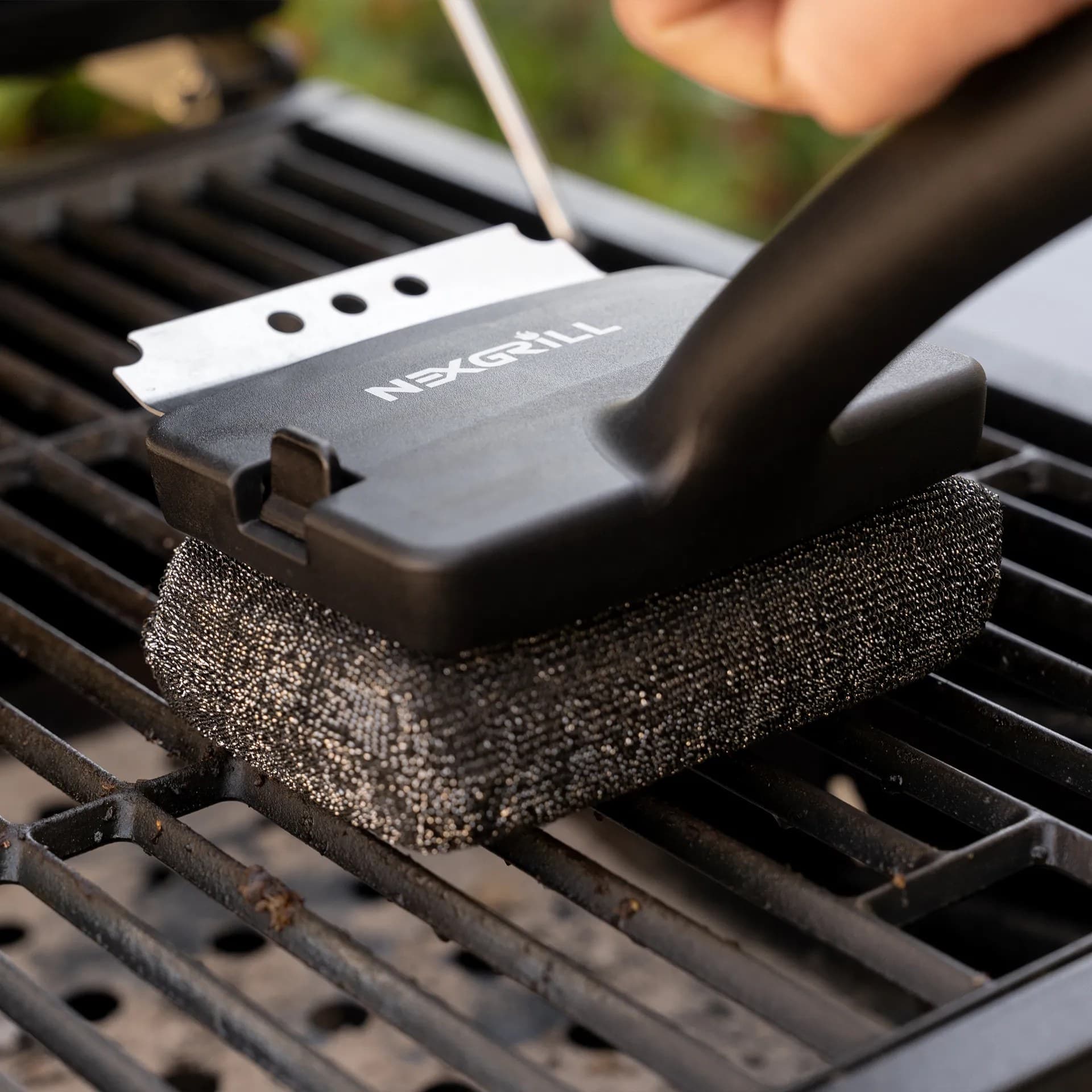
Helpful articles covering grilling tools, cookware, maintenance gear, and must-have accessories for outdoor cooking.
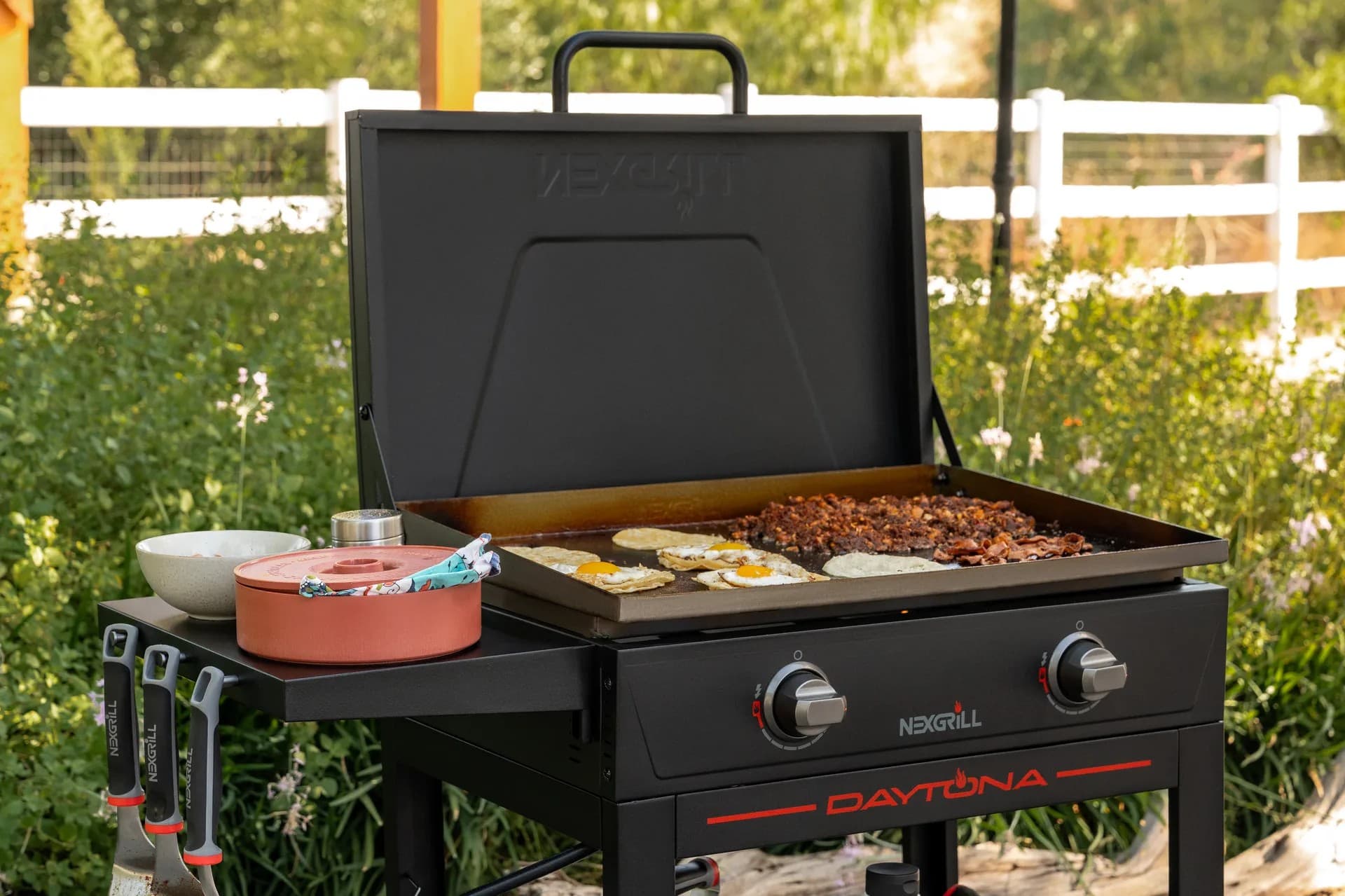
Find griddle recipes, cooking techniques, cleaning tips, and outdoor meal ideas designed for Nexgrill griddles.
Find answers to common questions
Gas grills provide instant heat and precise temperature control, making them easier to use. Charcoal grills offer a smoky flavor and high heat for searing but require more time to heat up and manage.
Pellet grills combine the convenience of gas with the flavor of wood, allowing for smoking, baking, and grilling. Traditional gas grills, however, are quicker to start and often easier to clean.
Charcoal grills typically reach higher temperatures quicker than gas grills, making them better for searing meat. However, high-quality gas grills can also provide adequate heat for effective searing.
Nexgrill offers models designed specifically for gas, charcoal, and pellets, allowing users to choose based on their cooking style and flavor preferences. Each type is built to optimize the characteristics of its respective fuel.
Choosing between gas and charcoal grills depends on your cooking preferences and lifestyle. If you value convenience and quick cooking, a gas grill may suit you better; if you prefer the taste and experience of traditional grilling, a charcoal grill would be ideal.
In This Article
Gas Grills
Charcoal Grills
Pellet Grills
Choosing the right grill fuel is really about matching the way you cook with the way you like to live. Some grillers want fast ignition after work, some want the ritual and flavor of managing live fire, and others want the steady, wood-fired comfort of a pellet system that can hold temperature while dinner slowly comes together. There is no single best option for everyone, which is exactly why this decision matters so much. The fuel you choose affects start-up time, flavor, temperature control, cleanup, weekly operating cost, and how often you’ll actually use the grill.
For Nexgrill customers, this decision often comes down to three practical paths. Gas is the convenience-first choice for weeknight cooking and easy heat control. Charcoal is the flavor-first choice for people who enjoy building heat by hand and want that classic barbecue character. Pellet is the process-first choice for cooks who want wood-fired taste with set-it-and-manage-it simplicity. Each fuel has a clear personality, and the right one depends less on trends than on the meals you make most often.
The best fuel is usually the one you will use consistently. A grill that fits your routine gets used more often than a grill that only looks impressive on paper.
If you grill burgers and vegetables on a Tuesday, host family dinners on Saturday, and occasionally smoke ribs or chicken on the weekend, your ideal fuel may be different than someone who cooks low and slow all day or someone who wants to fire up and eat within 15 minutes. That is why it helps to think in terms of behavior rather than brand loyalty. Are you optimizing for speed, smoke, or hands-on control? Once you answer that, the fuel choice becomes much clearer.
Main fuel paths to compare: gas, charcoal, and pellet
Gas grills are the easiest place to start if you want quick, reliable cooking without much setup. They heat up fast, are simple to adjust, and are well suited to everyday meals when the goal is to get food on the table without turning dinner into a project. A propane grill can be ready quickly, and natural gas setups are especially appealing for homeowners who want a more permanent outdoor kitchen feel. In both cases, gas gives you immediate burner control, which matters when you need to sear steaks on one side while keeping vegetables or buns on a cooler side of the cooking surface.
Gas also makes sense for mixed-experience households. If one person in the family is comfortable grilling and another is just learning, gas reduces the learning curve. You don’t have to manage charcoal baskets, wait for pellets to stabilize, or worry as much about extinguishing and relighting a bed of coals. That convenience is a major reason gas remains the default for many backyards. For many users, the practical value is not just speed; it is repeatability. When a grill behaves the same way every time, it becomes easier to cook with confidence.
Best fit: busy families, first-time grill owners, and anyone who wants predictable heat with minimal waiting.
Charcoal grills are for people who like the process as much as the finished meal. Charcoal usually takes longer to light and settle, but that extra time buys you a kind of cooking engagement that many grillers value. You are managing airflow, heat intensity, and cooking position in a more hands-on way. The payoff is often a richer, more traditional grilled flavor and the ability to build very high heat for searing. For steaks, chops, burgers, kebabs, and vegetables that benefit from direct flame interaction, charcoal can produce an especially appealing crust and aroma.
The tradeoff is control. Charcoal does not respond instantly the way gas burners do, and temperature management is more about adjusting vents and food placement than turning a knob. That makes charcoal rewarding but less forgiving. If you enjoy technique, it can be satisfying to master. If you want a faster after-work dinner, it can feel like more effort than it is worth. Charcoal is also the fuel choice most closely associated with backyard tradition, which is why many experienced grillers keep one even if they also own a gas model. It serves a different role in the cooking arsenal.
Charcoal rewards patience. If your cooking style depends on quick starts and constant temperature changes, gas will usually feel easier.
Pellet grills sit in a different category because they combine the flavor profile of wood with the control of an automated cooking system. Wood pellets are fed into a firepot and controlled by electronics, which lets the grill hold lower temperatures for longer cooks with much less supervision than charcoal. That makes pellet grills especially attractive for people who want to smoke ribs, brisket, pork shoulder, or chicken with consistent heat and real wood flavor.
Pellet cooking tends to appeal to users who like precision but still care deeply about flavor. You are not babysitting an open fire for hours, but you are still getting the aroma and taste benefits associated with wood. Pellet grills are also often easier to use for long cooks than charcoal because the temperature management is built into the system. For someone who wants to smoke overnight or hold a steady temperature through a long Saturday cook, that automation can be a huge advantage.
The main thing to understand is that pellet grills are not the fastest path to a quick sear or the most hands-on option for fire management. They excel at steady cooking and wood-forward flavor, not at the instant responsiveness of gas or the ritual intensity of charcoal. For many backyard cooks, though, that is exactly the right balance.
| Fuel | Strengths | Tradeoffs | Best use case |
|---|---|---|---|
| Gas | Fast start-up, easy temperature control, convenient for everyday cooking | Less smoky flavor, depends on fuel hookup or tank supply | Weeknight dinners, beginner-friendly grilling, frequent use |
| Charcoal | Classic smoke flavor, high heat, hands-on cooking experience | Longer setup, more cleanup, more temperature management | Flavor-driven cooks, traditional barbecue, searing |
| Pellet | Wood-fired taste, steady temperature, strong for low-and-slow cooks | Slower than gas to start, requires electricity and pellets | Smoking, roasting, long cooks, flavor-focused meals |
Looking at the three side by side makes the tradeoffs easier to see. Gas leads on convenience. Charcoal leads on flavor intensity and traditional technique. Pellet leads on automated wood-fired cooking. The right answer depends on what you are willing to trade: speed for smoke, control for simplicity, or ritual for repeatability. Many households eventually end up with more than one fuel type because each fills a different role, but a first-time buyer usually benefits from choosing the fuel that matches the majority of their meals rather than the once-a-year special occasion.
The smartest fuel choice is the one that supports your real grilling habits. If you want an easy, dependable setup for regular dinners, gas is the most practical answer. If you love the process of cooking over live fire and prioritize flavor, charcoal is hard to beat. If you want wood-fired taste with automated temperature management for longer cooks, pellet is the strongest fit. Each option can produce great food; the deciding factor is how much time, attention, and flavor character you want built into the experience.
Try comparing two products side by side below to see which fits best:
Once you have compared the major fuel types, the next step is to think about how you actually cook. The most useful fuel choice is rarely the one with the longest feature list; it is the one that matches your household’s rhythm. A family that grills two or three times a week has a very different set of needs than a couple who smoke a brisket once a month. A renter with a compact patio may care more about convenience and storage than a dedicated pitmaster with a full backyard setup. Thinking through use patterns before buying helps prevent the common mistake of choosing a fuel type for an imagined lifestyle instead of the one you really have.
Start by asking three questions. First, how often do you grill? Frequent use favors easier start-up and lower hassle, which is why gas often feels practical for everyday meals. Second, what foods do you cook most? Steaks, burgers, vegetables, and quick weeknight proteins can thrive on gas, while ribs, brisket, turkey, and other long-format cooks often benefit from pellet heat stability or charcoal’s traditional fire management. Third, how much involvement do you want during the cook? Some people enjoy tending a fire and adjusting vents; others want to season the meat, set the temperature, and focus on sides and conversation. Neither style is better, but it changes which fuel feels natural.
It also helps to think in scenarios rather than abstract preferences. If your ideal Saturday is a full backyard gathering where you cook in stages and keep food moving, gas offers quick recovery when the lid opens. If your ideal Sunday is a slow smoke with time to sip coffee and watch the thermometer, pellet is better aligned. If your ideal cookout includes a lot of flavor experimentation, different wood notes, and a hands-on fire experience, charcoal gives you the most tactile control. The goal is not to pick the most impressive fuel type; it is to pick the one that removes friction from the kind of grilling you want to do most often.
A practical rule: choose gas for frequency, charcoal for ritual, and pellet for long-cook consistency.
Fuel cost is not just about the price tag on the fuel itself. It is also about how much you use per cook, how often you grill, and how easy it is to source the fuel in your area. In the United States, propane is widely available and easy to swap or refill, which makes gas a strong choice for convenience-minded households. Natural gas can be very practical for homes with an existing line, since you do not have to replace tanks, though it is more of a fixed installation decision. Charcoal is easy to find in most big-box and grocery stores, but the amount you burn can vary depending on weather, cook length, and heat target. Pellets are typically sold in bags and may be available at home centers, hardware stores, and grilling retailers, but you should make sure you have a reliable local source if you plan to smoke often.
| Fuel | Typical supply pattern in the U.S. | Cost planning note |
|---|---|---|
| Propane gas | Tank refills or exchanges at retail locations | Budget for periodic tank refills based on grilling frequency |
| Charcoal | Bags sold in grocery, hardware, and home improvement stores | Plan for higher use during long or high-heat sessions |
| Wood pellets | Bagged fuel from home centers, grilling stores, and online | Factor in both pellet consumption and electricity for the controller |
For many shoppers, the better question is not which fuel is cheapest, but which is easiest to keep stocked without interrupting weekend plans. If you grill spontaneously, gas tends to win because you can be ready quickly and replacement fuel is easy to manage. If you are a planned-cook type, charcoal and pellets are very workable, but they reward a little more preparation. If local availability is limited in your area, the most affordable fuel on paper can become the least convenient in practice. That is why fuel access should be part of the buying decision from the beginning.
Cleanup is another area where the three fuel types feel very different. Gas grills usually produce the least messy post-cook routine because you are mainly dealing with grease management and grate cleaning. That does not mean gas is hands-off, but it usually means fewer ash-related chores. Charcoal grills require the most visible cleanup because spent coals and ash need to be removed, and airflow pathways should stay clear. Pellet grills sit in the middle: they are cleaner than charcoal in many situations, but they still need ash removal, grease tray attention, and occasional checks of the firepot and auger-fed fuel path.
If you want the lowest-friction cleanup, gas is the obvious advantage. If you enjoy deep cleaning the grill as part of ownership, charcoal may not bother you. Pellet owners should be especially mindful of keeping pellets dry, because moisture can affect fuel performance and lead to feeding issues. Regardless of fuel type, routine cleaning matters because it supports temperature consistency and helps prevent flare-ups, soot buildup, and lingering flavor transfer. The more often you grill, the more important these habits become. A quick scrape after cooking and a more thorough seasonal clean can make a noticeable difference in how the grill performs over time.
Tip: match your fuel choice to the amount of cleanup you are realistically willing to do after a meal, not the amount you wish you would do.
Environmental impact is a more complicated topic than simply labeling one fuel “better” than another. The practical differences depend on how often you grill, how efficiently you use the grill, and what source of energy or fuel supply is involved. Gas burns cleanly compared with charcoal and is often favored by people who want a simpler combustion process and less residual ash. Charcoal creates the most smoke and ash, which some grillers consider part of the experience, but it also means more particulate output and more cleanup waste. Pellet grills rely on compressed wood fuel and electricity for the controller, so they occupy a middle ground that many people see as a balance between smoke flavor and more managed combustion.
For buyers who care about resource use, the smartest approach is to choose the fuel that matches your cooking frequency and avoids waste. A grill that sits idle because it is inconvenient to use is not a good environmental outcome either. More efficient cooking can come from using the right size grill, preheating appropriately, cooking multiple items at once, and keeping the system clean so it runs as intended. In other words, the most sustainable grill is the one you will use well, maintain properly, and keep for the long term.
Choosing the right grill fuel is less about chasing a universal winner and more about making a thoughtful fit. Gas is strongest when convenience, control, and frequent use matter most. Charcoal is strongest when flavor, fire management, and barbecue tradition are part of the experience you want. Pellet is strongest when you want wood-fired character with steady, automated temperature control for longer cooks. Each has a place, and each can deliver excellent food when used for the right job.
If you are still deciding, focus on your last ten meals rather than your dream menu. Which meals were quick, which were slow, and which ones made you wish for more smoke, more speed, or less cleanup? That answer usually points to the right fuel much faster than any spec sheet can. Once you know your priorities, you can choose a grill with confidence and start cooking in a way that feels natural, repeatable, and enjoyable.
Here's what sets us apart
We position ourselves as delivering high-end outdoor cooking features and performance without premium-brand pricing, emphasizing “Quality Grills. Unbelievable Value.”
We offer gas grills, pellet grills, griddles, smokers, pizza ovens, portable/tabletop grills, electric grills, accessories, and replacement parts — allowing customers to stay within one ecosystem for all outdoor cooking needs.
We differentiate ourselves through smart grilling products like the Oakford smart pellet grill, including app-connected cooking controls and modern outdoor cooking technology.
Don't just take our word for it
Keep reading
From our catalog