Explore top-rated portable grills, essential tips, and expert recommendations for your outdoor cooking adventures.
From sizzling breakfasts to smash burgers and teppanyaki-style dinners, the Daytona Pro 5 Burner NitroGuard™ Griddle delivers powerful heat, fast cooking, and a durable cooking surface built for every backyard cookout. Watch how easy outdoor cooking can be.
Here's what sets us apart from the competition
We position ourselves as delivering high-end outdoor cooking features and performance without premium-brand pricing, emphasizing “Quality Grills. Unbelievable Value.”
We offer gas grills, pellet grills, griddles, smokers, pizza ovens, portable/tabletop grills, electric grills, accessories, and replacement parts — allowing customers to stay within one ecosystem for all outdoor cooking needs.
We differentiate ourselves through smart grilling products like the Oakford smart pellet grill, including app-connected cooking controls and modern outdoor cooking technology.
Expert tips, buying guides, comparisons, and inspiration for choosing and getting the most out of your grill.
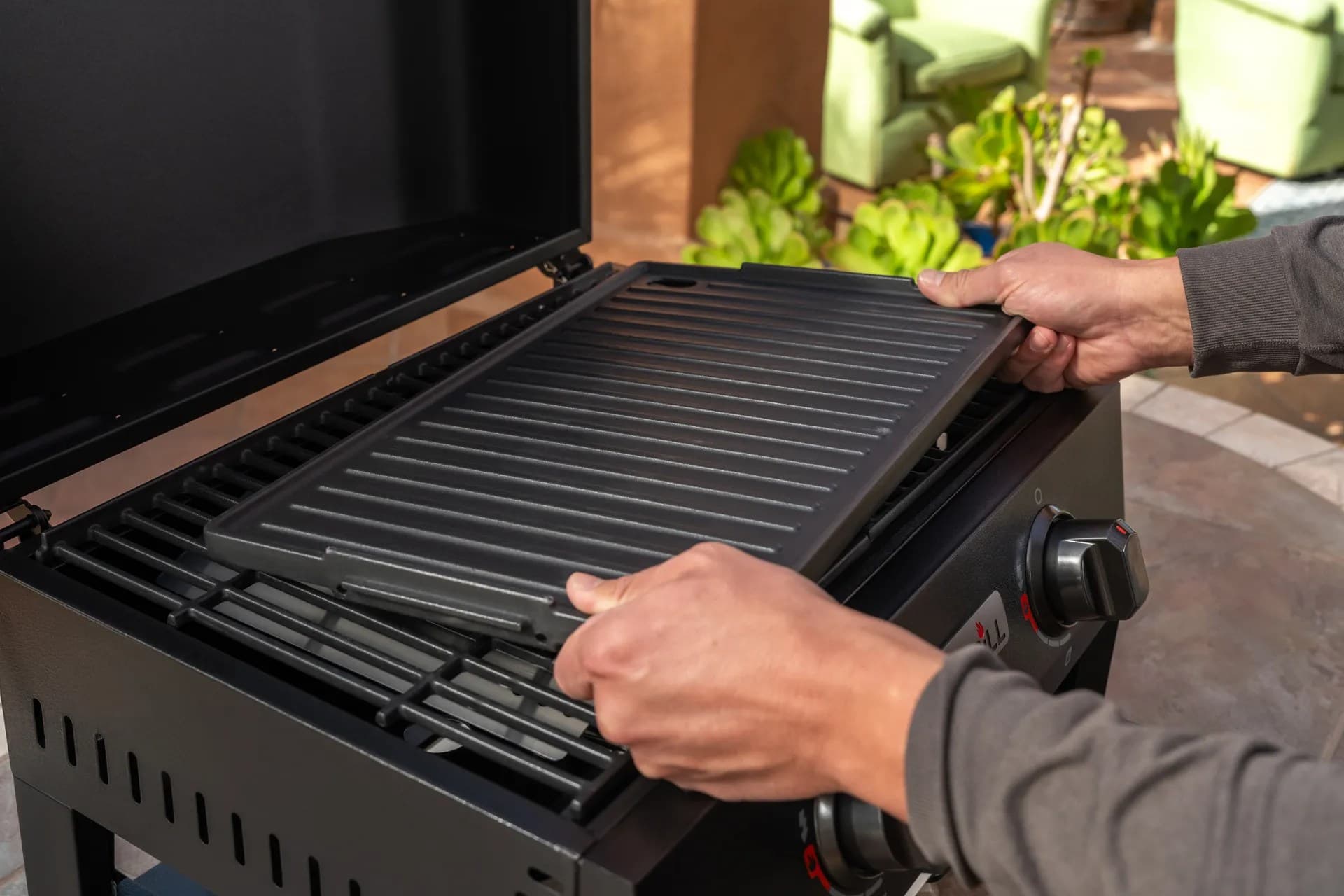
Practical guides for cleaning, maintenance, common grill issues, and performance optimization.
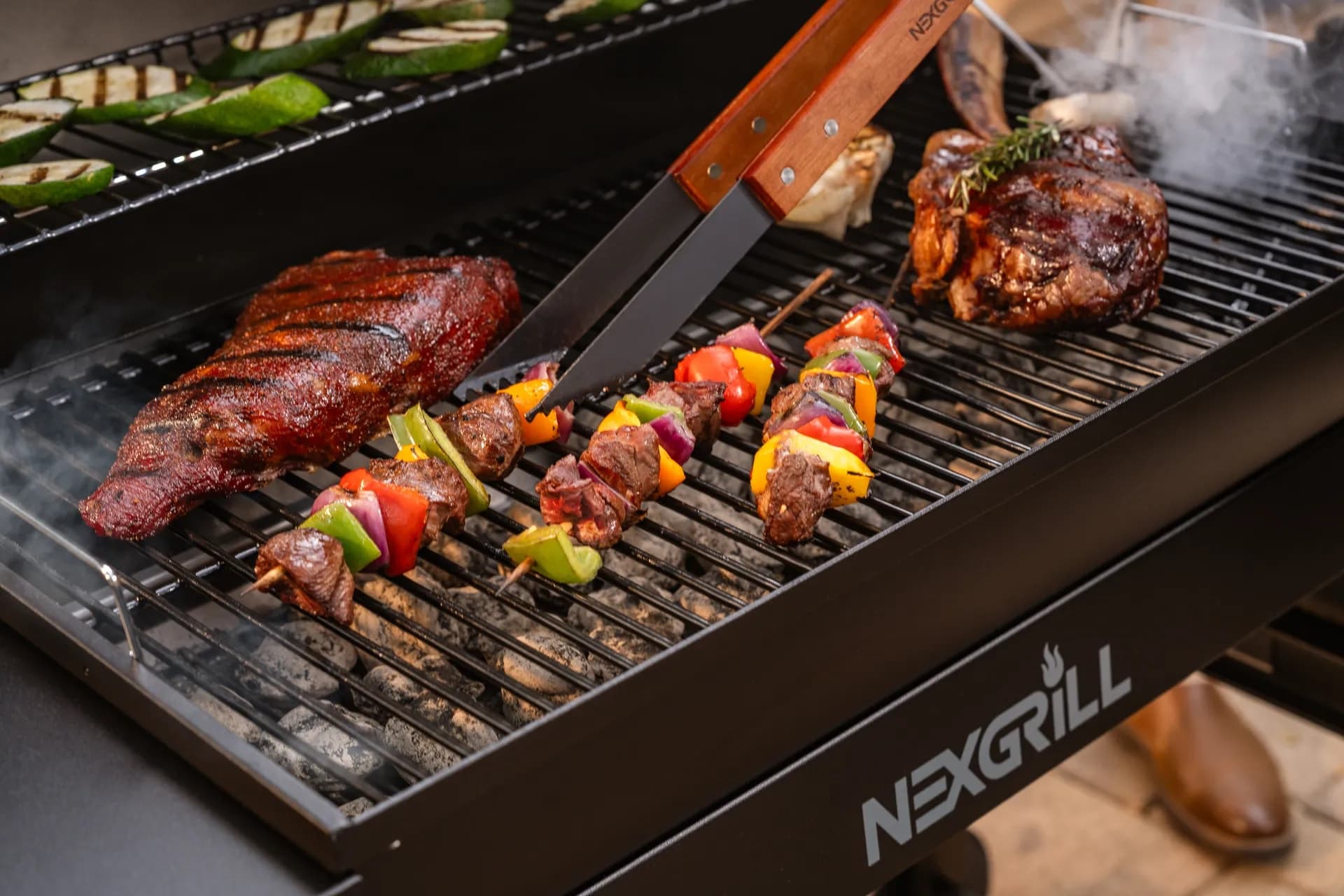
Step-by-step grilling recipes, cooking techniques, and meal ideas for every occasion and skill level.
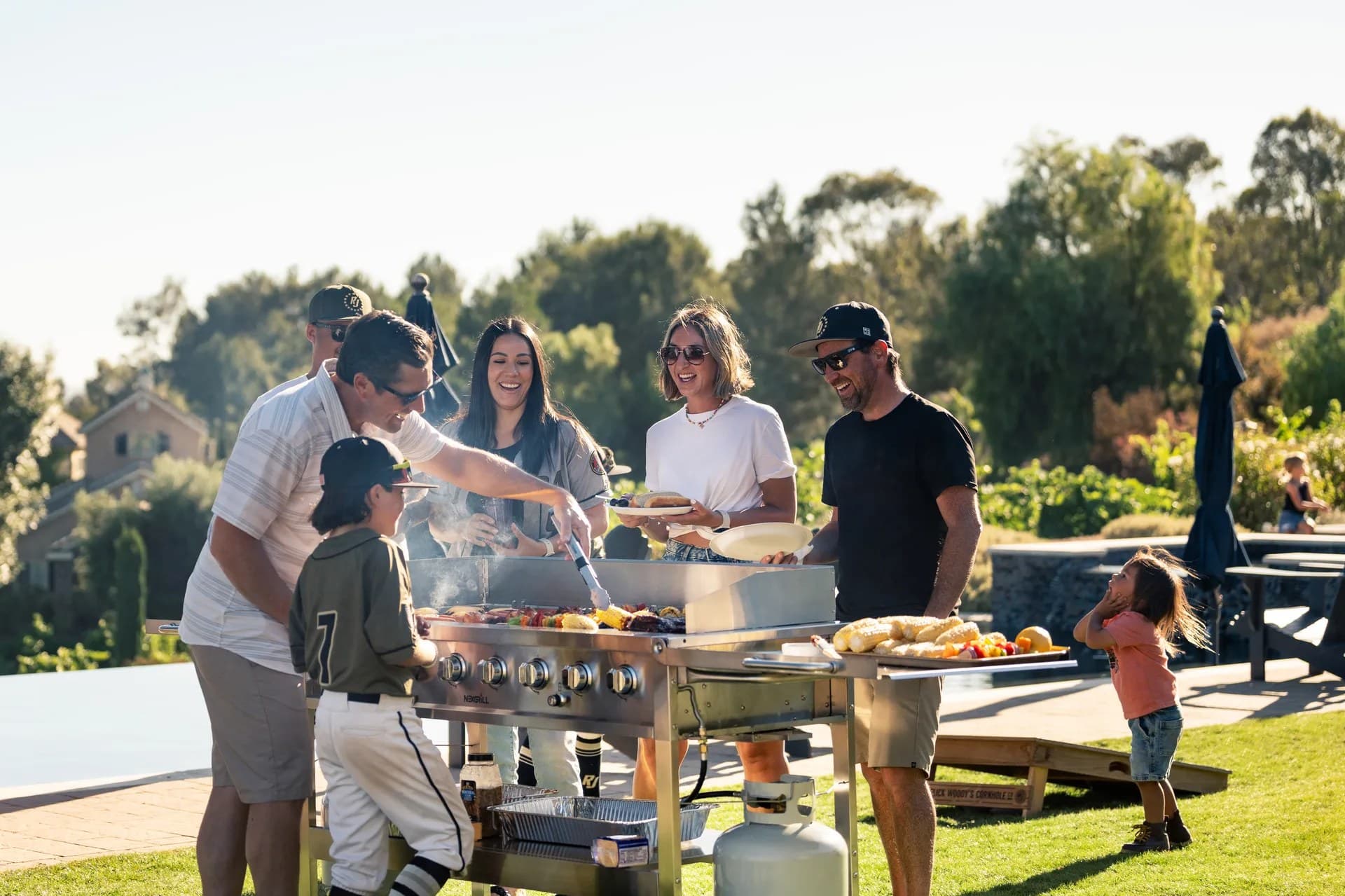
Backyard entertaining ideas, seasonal grilling inspiration, and stories that celebrate outdoor cooking culture.
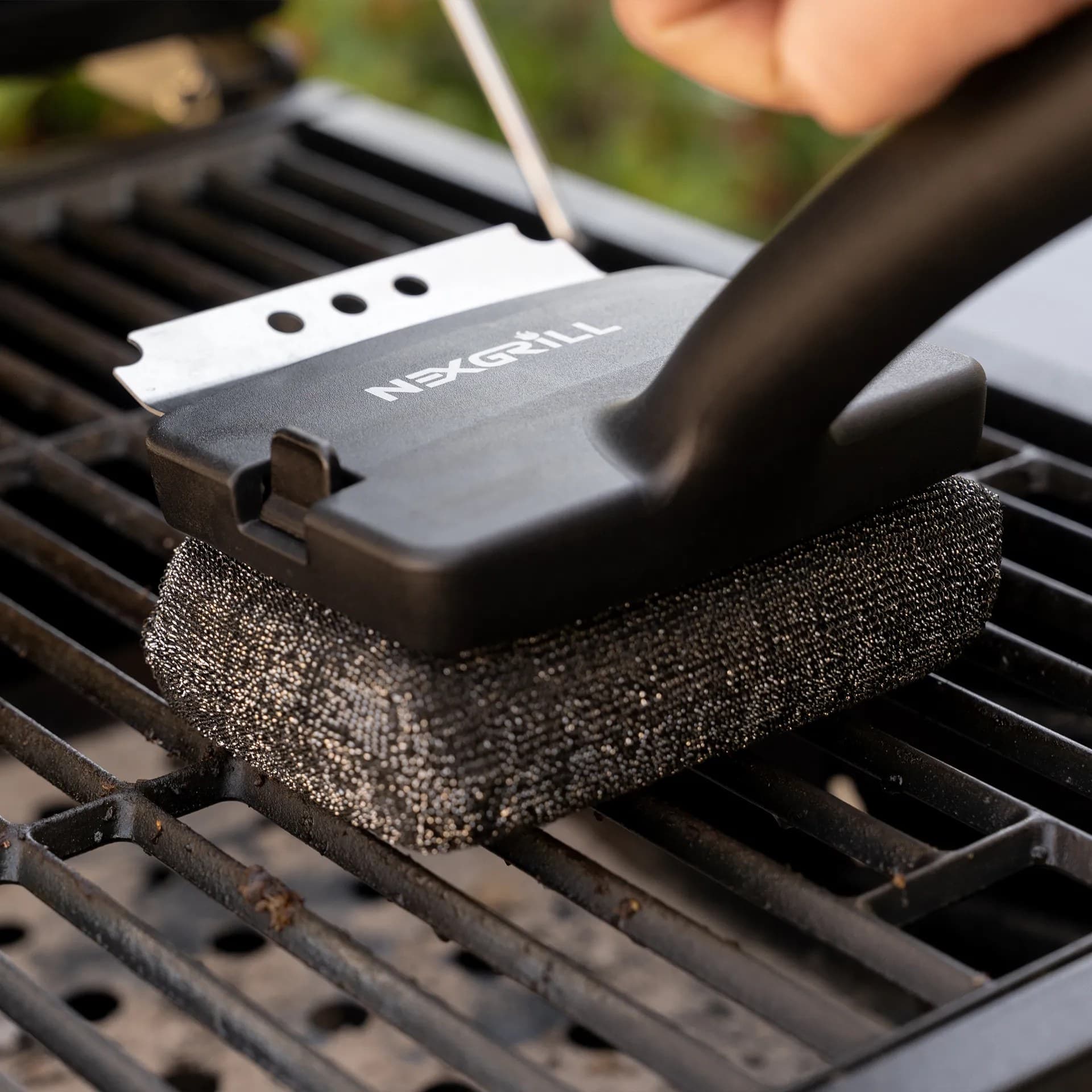
Helpful articles covering grilling tools, cookware, maintenance gear, and must-have accessories for outdoor cooking.
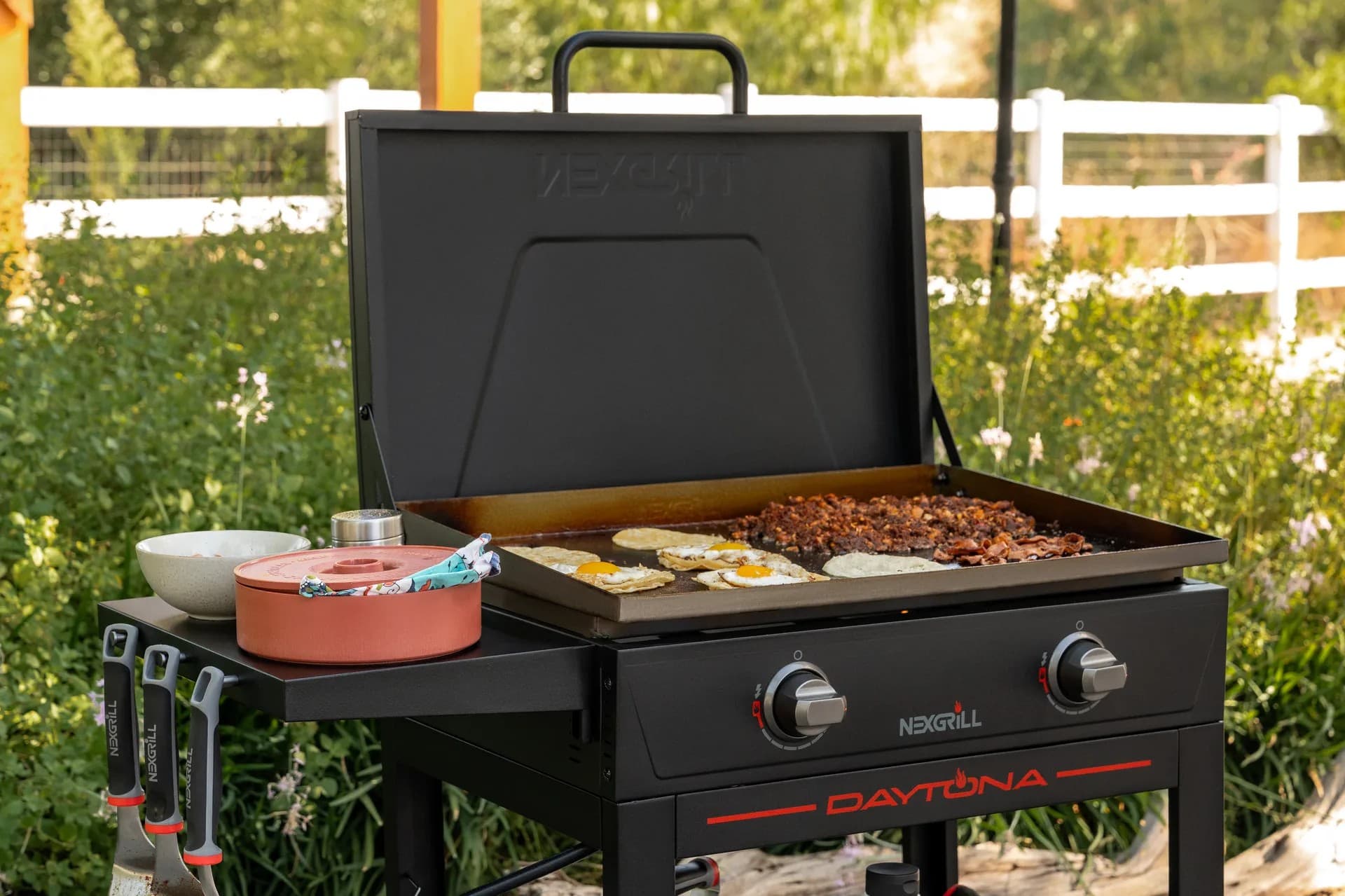
Find griddle recipes, cooking techniques, cleaning tips, and outdoor meal ideas designed for Nexgrill griddles.
Find answers to common questions
Gas grills provide instant heat and precise temperature control, making them easier to use. Charcoal grills offer a smoky flavor and high heat for searing but require more time to heat up and manage.
Pellet grills combine the convenience of gas with the flavor of wood, allowing for smoking, baking, and grilling. Traditional gas grills, however, are quicker to start and often easier to clean.
Charcoal grills typically reach higher temperatures quicker than gas grills, making them better for searing meat. However, high-quality gas grills can also provide adequate heat for effective searing.
Nexgrill offers models designed specifically for gas, charcoal, and pellets, allowing users to choose based on their cooking style and flavor preferences. Each type is built to optimize the characteristics of its respective fuel.
Choosing between gas and charcoal grills depends on your cooking preferences and lifestyle. If you value convenience and quick cooking, a gas grill may suit you better; if you prefer the taste and experience of traditional grilling, a charcoal grill would be ideal.
In This Article
Top Portable Grills of 2026
Choosing the Right Portable Grill
Expert Tips for Portable Grilling
Portable grills have moved far beyond the old idea of a tiny tailgate burner that only existed for burgers at the parking lot. Today, shoppers want equipment that can live in more than one setting: a campsite on Friday, a condo balcony on Saturday, and a backyard gathering on Sunday. That flexibility is why portable grill reviews and tips matter so much. The best models are not simply “small grills”; they are compact cooking systems that have to balance heat control, setup speed, fuel efficiency, and ease of transport without feeling flimsy or difficult to clean.
Nexgrill’s brand philosophy makes this especially relevant. The company’s voice emphasizes being approachable, dependable, and inclusive, with outdoor cooking meant to bring people together rather than intimidate them . That matters in the portable category because many buyers are not shopping for a showpiece-they want a grill that fits real life. In practical terms, that means enough cooking space for a few steaks or a round of vegetables, a form factor that can be moved without a struggle, and controls that make it easy for beginners while still satisfying experienced grillers.
The best model for travel is not always the best model for searing, and the best lightweight unit is not always the best for family meals.
This guide focuses on what actually changes the experience: how fast a grill heats up, whether the lid seals well enough to hold temperature, whether the legs or cart fold securely, and whether the cooking surface matches your real use case. For a solo camper, a compact two-burner design might be plenty. For a tailgater feeding a small group, a larger portable cart or tabletop griddle can be more useful than a traditional small grill because it creates more usable cooking space. For apartment dwellers or people with limited storage, dimensions and weight can matter more than peak output. Those are the differences that determine whether a grill becomes part of your routine or stays in the garage.
The portable category also rewards careful review reading. A grill that looks strong in product photos may have narrow cooking grates, awkward carry handles, or a propane connection that is easy to bump during setup. By contrast, a well-designed compact grill feels stable when you open the lid, gives you enough room to manage food without crowding, and packs away without forcing you to reorganize your entire vehicle. Those details do not always make flashy headlines, but they are what real owners notice after the first few uses.
When reviewing portable grills for 2026, it helps to separate “portable” into a few real categories rather than treating every small grill the same. Some are lightweight tabletop units built for quick meals. Others are cart-style griddles or compact gas grills with folding frames that still prioritize mobility. Nexgrill’s lineup is useful here because it shows how portability can be delivered in different formats, from the Daytona 2-Burner Gas Griddle with Lid to the Daytona 2-Burner Propane Gas Griddle with foldable cart and the Daytona Pro 5 Burner Nitroguard Propane Gas Griddle for users who want more surface area and more cooking flexibility in a still-movable package.
| Model style | Best for | Why it stands out |
|---|---|---|
| Daytona 2-Burner Gas Griddle with Lid | Weekend cooks and small patios | Compact footprint with a lid that helps control heat and protect the cooking surface. |
| Daytona 2-Burner Propane Gas Griddle with foldable cart | Tailgating and campers who need mobility | Cart design improves setup height and makes transport more practical. |
| Daytona Pro 5 Burner Nitroguard Propane Gas Griddle | Large groups and advanced users | More burners and more cooking zones for batch cooking and mixed menus. |
The Daytona 2-Burner Gas Griddle with Lid is the kind of model many buyers overlook at first because it is not the biggest option. In practice, though, that is exactly what makes it appealing. A two-burner setup can be easier to manage for breakfast, fajitas, smash burgers, or vegetables because the smaller footprint helps you keep the cooking zone under control. The lid is especially useful if you want to trap heat for faster preheating or protect the surface between uses. For buyers who grill in a tight outdoor space, that combination of manageable size and real cooking flexibility is hard to ignore.
The Daytona 2-Burner Propane Gas Griddle with foldable cart is more clearly aimed at mobility. Cart-style portable grills often become the sweet spot for people who do not want to crouch over a tabletop surface or improvise a serving stand. The foldable cart gives the grill more presence and usability at events, while still making it easier to move than a full-size backyard unit. This style suits tailgaters, RV owners, and anyone who wants a more stable cooking platform without committing to a permanent outdoor station.
At the larger end of the portable spectrum, the Daytona Pro 5 Burner Nitroguard Propane Gas Griddle is for shoppers who think in terms of cooking zones, not just size. Five burners mean more control when you need hot and cooler areas on the same surface. That matters if you are cooking breakfast items alongside proteins, or if you want to keep food warm while finishing another batch. Larger portable griddles also help if you are feeding a group because they reduce the time spent cooking in shifts. The trade-off is clear: you gain flexibility and capacity, but you also accept more weight and a larger storage footprint.
The most useful way to shop portable grills is to think like an owner, not a spec sheet reader. Instead of starting with marketing language, start with the first three real questions: where will you use it, how many people will you feed, and how often will you move it? Those answers narrow the field fast. A two-burner griddle may be perfect for one household, while a larger cart-style model makes more sense for a recurring tailgate crew. If the grill will live in a garage and only travel occasionally, weight may be less important than surface area and heat distribution. If it must fit in a trunk, then dimensions and collapse speed matter more than burner count.
Cooking surface is usually the most important decision point. Portable grills can look similar until you start planning a real menu. A compact grate may be fine for a couple of chicken breasts, but it can become frustrating when you want to cook vegetables, buns, and proteins at the same time. Flat-top griddles tend to be especially practical for portable use because they give you a continuous surface and make cleanup more predictable. That is one reason models like the Daytona griddle line are attractive for people who cook mixed meals outdoors.
Tip: If you frequently cook breakfast outdoors, a portable griddle is often more useful than a compact grate-style grill because eggs, pancakes, and bacon are easier to manage on a flat surface.
Heat control is the next big factor. In portable units, even heating matters more than raw output. A smaller grill that maintains consistent zones can outperform a hotter grill with poor distribution because it reduces the chance of burnt edges and undercooked centers. Lid design also plays a role. A lid can improve heat retention, speed up preheating, and allow more flexible cooking, especially in breezier conditions. For many buyers, a lid is one of the simplest upgrades that changes how useful a portable grill feels in the real world.
Finally, think about cleanup and storage. Portable grills succeed when they are easy to return to service. Grease management, removable components, and a shape that fits your space all matter. If you hate cleaning, you will avoid using the grill. If the grill is easy to wipe down, store, and load, you are more likely to use it often. That is the difference between “nice to have” and “worth owning.”
Portable grilling works best when you treat it like a system, not just an appliance. The grill is one part; your prep method, fuel planning, and transport habits are the rest. Start by preheating longer than you think you need. Small grills can feel ready quickly, but an extra few minutes allows cooking surfaces to stabilize, which improves searing and helps prevent sticking. This matters particularly on griddles, where a properly heated surface gives you more even browning and better control over delicate items like eggs or fish.
Pack a portable tool kit that matches the smaller format. A wide spatula, a pair of tongs, a scraper, paper towels, and a heat-safe glove will cover most needs. On a compact surface, oversized tools can be awkward, so look for gear that lets you work precisely. It also helps to pre-portion ingredients before you leave home. Portable cooking is much smoother when onions are sliced, sauces are measured, and proteins are already trimmed. That reduces table clutter and prevents the kind of rushed prep that leads to mistakes.
Warning: Avoid overfilling a compact portable grill. Crowding the cooking area reduces airflow, lowers surface recovery, and makes it harder to manage different doneness levels.
It is also worth thinking about weather and site conditions. Wind can change burner behavior, and uneven ground can affect stability. When possible, place the grill on a flat, steady surface and orient it so wind does not blow directly into the cooking area. If you are tailgating or camping, a small tarp or table mat underneath prep items can keep your setup cleaner and easier to manage. Good portable grilling is as much about setup discipline as it is about flame or heat.
For food strategy, portable grills reward efficient menus. Instead of trying to cook everything at once, use batch-friendly items: sliced vegetables, marinated chicken thighs, shrimp skewers, smash burgers, or breakfast sandwiches. These foods move quickly and allow you to keep the grill in a useful rhythm. If you are using a griddle, build your menu so the same surface can handle multiple stages of the meal. That creates a better outdoor experience and keeps the cooking flow relaxed rather than chaotic.
Portable grills tend to live harder lives than stationary backyard units. They get loaded into vehicles, exposed to weather, set on uneven surfaces, and cleaned in makeshift conditions. That means maintenance is not optional if you want the grill to last. The simplest habit is to clean the cooking surface soon after use while residue is still warm enough to loosen. On griddles, a scraper followed by a light wipe is usually the fastest path. On grate-style grills, a brush and a careful inspection of buildup around the burners or heat source can help preserve performance.
Storage matters just as much as cleaning. Portable grills should be stored dry, with connectors and burner areas protected from moisture whenever possible. If the grill uses propane, disconnect and store the cylinder safely according to the manufacturer’s instructions and your local best practices. Keep the cart or legs fully folded and latched before transport so moving parts do not get damaged. For models with lids, make sure the latch or closure is secure before loading the unit into a vehicle.
A useful maintenance mindset is to inspect before every trip. Check fasteners, hinges, knobs, ignition parts, and hoses if your unit has them. Portable grills can loosen over time from repeated movement, and small issues are easier to correct early. If a surface starts heating unevenly or ignition becomes inconsistent, do not ignore it. Catching the problem early usually means a simpler fix and fewer surprises when you arrive at a campsite or event.
A portable grill that is cleaned and stored properly will usually feel more reliable every season you use it.
If you want portable grilling to stay convenient, resist the temptation to treat cleanup as “later.” Small grease jobs become stubborn quickly, and transport dust can settle into edges, hinges, and control areas. A few extra minutes after cooking often saves far more time later. That is especially important for frequent travelers and weekend hosts who depend on the grill being ready the next time they need it.
Try comparing two products side by side below to see which fits best:
Once you have compared two portable grills side by side, the next question is not which one looks better in a product photo, but which one will actually make your routine easier. That is where a deeper model comparison becomes useful. Portable grill buyers are often choosing between convenience and capacity, and the right answer depends on how the grill will be used most often. A lighter tabletop unit may be ideal for short trips and tighter storage, while a cart-style griddle can be the better everyday choice if you want a more comfortable cooking height and a larger prep zone.
Nexgrill’s portable options reflect that practical split. The Daytona 2-Burner Gas Griddle with Lid is a strong fit for users who want a compact footprint without giving up a lid, while the Daytona 2-Burner Propane Gas Griddle with foldable cart adds mobility and setup comfort. The Daytona Pro 5 Burner Nitroguard Propane Gas Griddle moves into a different category altogether, aimed at shoppers who want a portable format with enough cooking space to handle multiple dishes at once. These are not interchangeable choices; they solve different problems.
| Comparison factor | Compact 2-burner style | Cart-style portable griddle | Larger multi-burner portable unit |
|---|---|---|---|
| Best use case | Solo trips, small households, quick meals | Tailgates, family outings, more comfortable prep | Larger groups, batch cooking, multi-item menus |
| Transport burden | Lowest | Moderate | Highest among portable formats |
| Cooking flexibility | Good for smaller menus | Better balance of space and mobility | Most flexible for zones and timing |
| Storage footprint | Smallest | Medium | Largest |
If you are comparing models for camping, the compact unit often wins because it is easier to pack and faster to set up. If you are shopping for tailgating, however, the cart-style option may offer a better ownership experience because it reduces the awkwardness of cooking from a low surface. That difference sounds minor until you are standing at an event trying to flip food, manage condiments, and coordinate with other people around a crowded setup. Cooking height and stability become surprisingly important.
For backyard overflow cooking or large brunches, the bigger multi-burner portable model becomes compelling. More burners let you control different temperatures across the surface, which is useful for keeping pancakes warm on one side while finishing bacon or sautéed peppers on another. The downside is obvious: more size means more to move and more storage to plan for. That is why the portable category is really about matching the grill to the moment, not chasing the biggest number on the box.
Portable grills come in several fuel types, and each one changes the experience in a meaningful way. Gas remains the easiest option for many buyers because it starts quickly, offers straightforward heat control, and avoids the cleanup that comes with ash. Propane portable grills are especially useful for travel because they do not require a fixed gas line and can be used in more flexible locations. That is why many portable products, including Nexgrill’s Daytona portable formats, are designed around propane use.
Charcoal portable grills appeal to people who value traditional fire management and smoky flavor. They can be excellent for searing and for cooks who enjoy the ritual of building and managing heat, but they also require more preparation time, ash cleanup, and attention during transport. If you want a grill that is quick to deploy at a campsite or gathering, charcoal can feel slower and less convenient. On the other hand, for users who prioritize flavor and do not mind a more hands-on process, it remains a strong choice.
Electric portable grills are the quietest and often the easiest to use in locations where open flame is restricted, but they are only practical when power is available and local rules allow them. They can be a smart fit for certain patios, balconies, or event settings, though they do not always deliver the same searing style or independence from infrastructure that gas and charcoal offer. For that reason, most portable-grill shoppers in the United States still end up comparing propane against charcoal first, then considering electric for specific environments.
Info: If you want the widest range of use locations, propane usually offers the best mix of mobility, predictable heat, and fast startup.
The right fuel choice depends on your tolerance for setup work. If your ideal outing is “arrive, cook, eat,” gas is usually the simplest answer. If you enjoy a slower setup and deeper flavor ritual, charcoal may suit you better. If your cooking space has electrical access and open-flame limits, electric becomes more interesting. The key is to avoid picking fuel based on general reputation alone. Portable grilling is about context, and context changes with every trip.
A portable grill is only truly portable if the design supports your real movement pattern. That sounds obvious, but it is where many people regret a purchase. Weight matters, but so does how the weight is distributed. A grill with a stable center of gravity can be easier to move than a lighter model that feels awkward or top-heavy. Folding carts, secure latches, compact lids, and integrated handles all affect how confidently you can load, carry, and set up the grill.
Design also affects how the grill fits into your day. A tabletop unit may save space, but it asks more of the surface you place it on. A cart-style model may take a little more room in storage, but it can make cooking much more comfortable. Buyers often forget that portability includes the journey before and after cooking, not just the transport in between. If you have a small SUV trunk or need to maneuver through apartment storage, the folded dimensions of the grill matter as much as its cooking area.
Warning: Do not rely on a grill’s advertised compactness alone. Measure your storage space and vehicle opening before you buy, especially if the unit includes a cart or lid.
Design is also about usability once you arrive. If the knobs are crowded, the lid handle gets hot too quickly, or the cooking surface is too low to work on comfortably, the grill will feel more frustrating than portable. Nexgrill’s approach to outdoor cooking emphasizes accessibility and practical use, which fits this part of the buying process well . Good portability should lower the barrier to cooking, not raise it. The best compact grill is the one that disappears into the background so the meal gets your attention instead of the hardware.
For many shoppers, the ideal design compromise is a compact griddle with a lid or a folding cart. That gives you more cooking versatility than a tiny tabletop burner while preserving the ability to move and store the unit. It is especially helpful for people who cook different kinds of meals outdoors throughout the year, from weekend breakfast to holiday sides and late-season gatherings.
Portable grilling is often done in less controlled environments than backyard grilling, so safety habits matter even more. Start with placement. Use a level surface, keep the grill away from tents, vehicle panels, overhanging branches, and crowded foot traffic, and make sure anyone nearby understands where the heat zone is. A portable grill can create a lot of energy in a small area, and that means small mistakes happen quickly. Stability and spacing are non-negotiable.
Fuel handling deserves equal attention. For propane models, make sure connections are secure and check for leaks according to the manufacturer’s instructions before lighting. Keep fuel cylinders upright during transport and use, and never store them in a way that can cause damage or excessive heat exposure. If you are using charcoal, transport ash safely after it has fully cooled and follow local disposal rules. For electric units, use outdoor-rated power sources and avoid moisture around plugs and cords.
The faster a portable grill goes from storage to cooking, the more important it is to slow down for setup checks.
Food safety still matters on the road. Keep raw proteins in cool storage, avoid cross-contamination, and use clean utensils for serving. Portable events often involve shared tables and ad hoc prep areas, which makes organization important. A simple system-one cooler for raw items, one tray for cooked food, one set of tools for handling each stage-can prevent the kind of mistakes that turn a fun outing into a problem.
Finally, do not rush shutdown. Make sure flames are fully extinguished, burners are off, and the grill has cooled before moving or packing it away. Portable cooking is supposed to be easy, but the best way to keep it easy is to develop a repeatable routine. A few consistent habits protect both the grill and the people around it.
The best portable grill is not the one with the biggest headline feature. It is the one that fits your trips, your storage space, and the kinds of meals you actually cook. If you want the simplest possible setup, a compact propane model may be your best fit. If you want more comfort and surface area, a cart-style griddle may be worth the extra bulk. If you cook for groups often, a multi-burner portable unit can be a smarter long-term investment because it gives you more flexibility without forcing you into a full-size backyard grill.
Nexgrill’s portable-friendly approach reflects that practical reality: the goal is not to overcomplicate outdoor cooking, but to make it more usable wherever you are. Whether you are feeding a small family, traveling with friends, or building a compact outdoor routine, the right portable grill should feel like a tool you can trust. Compare the cooking area, fuel type, transport design, and cleanup demands before you decide, and the grill you choose is far more likely to become part of your everyday life rather than a one-season novelty.
Here's what sets us apart
We position ourselves as delivering high-end outdoor cooking features and performance without premium-brand pricing, emphasizing “Quality Grills. Unbelievable Value.”
We offer gas grills, pellet grills, griddles, smokers, pizza ovens, portable/tabletop grills, electric grills, accessories, and replacement parts — allowing customers to stay within one ecosystem for all outdoor cooking needs.
We differentiate ourselves through smart grilling products like the Oakford smart pellet grill, including app-connected cooking controls and modern outdoor cooking technology.
Don't just take our word for it
Keep reading
From our catalog