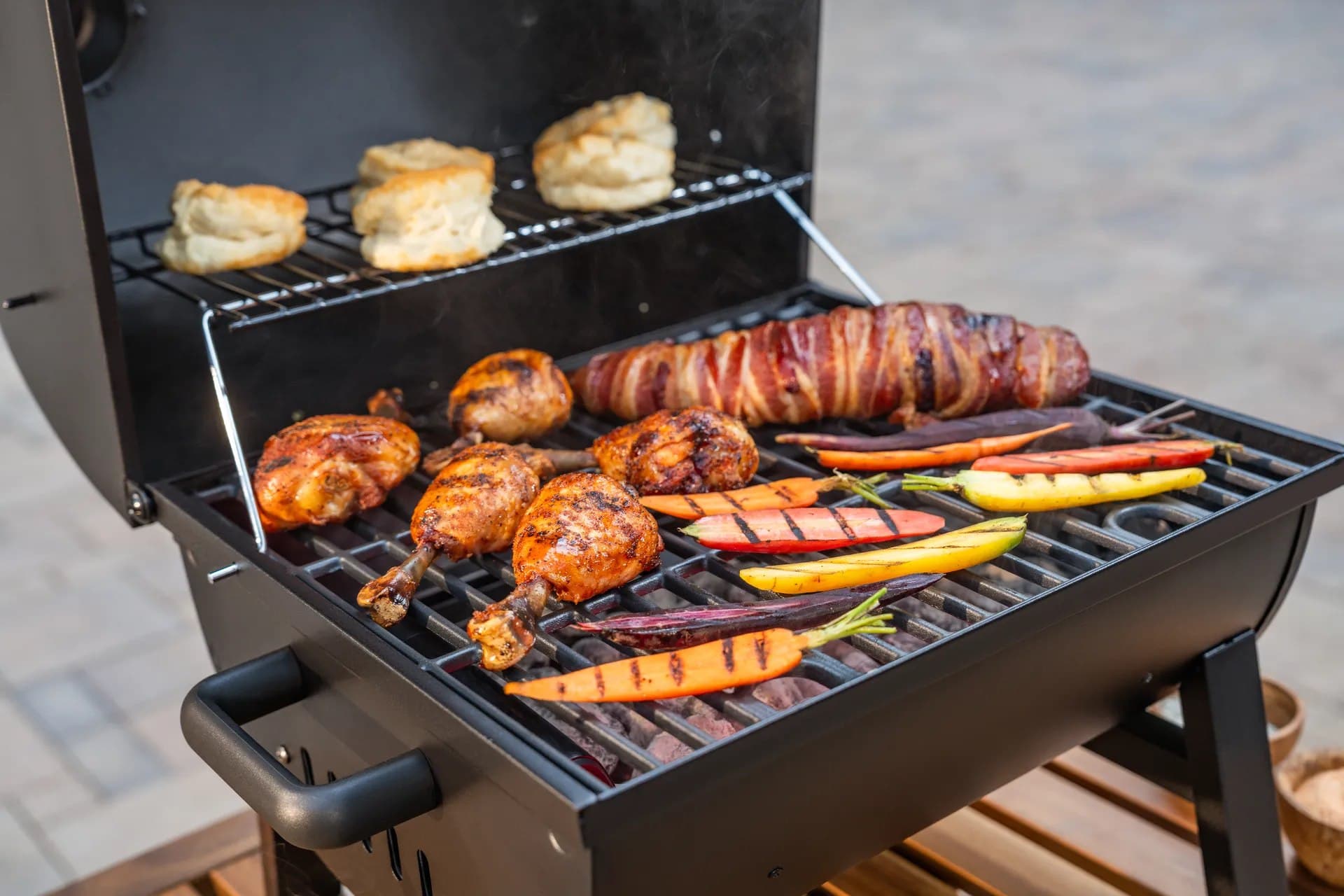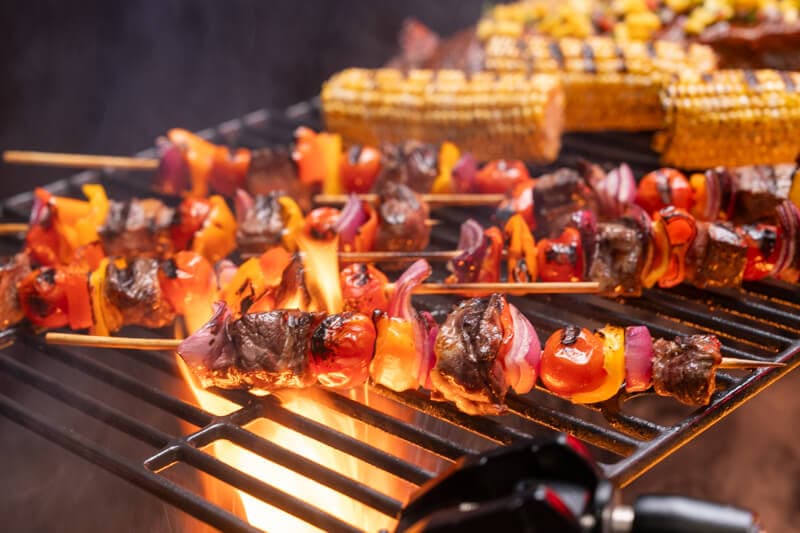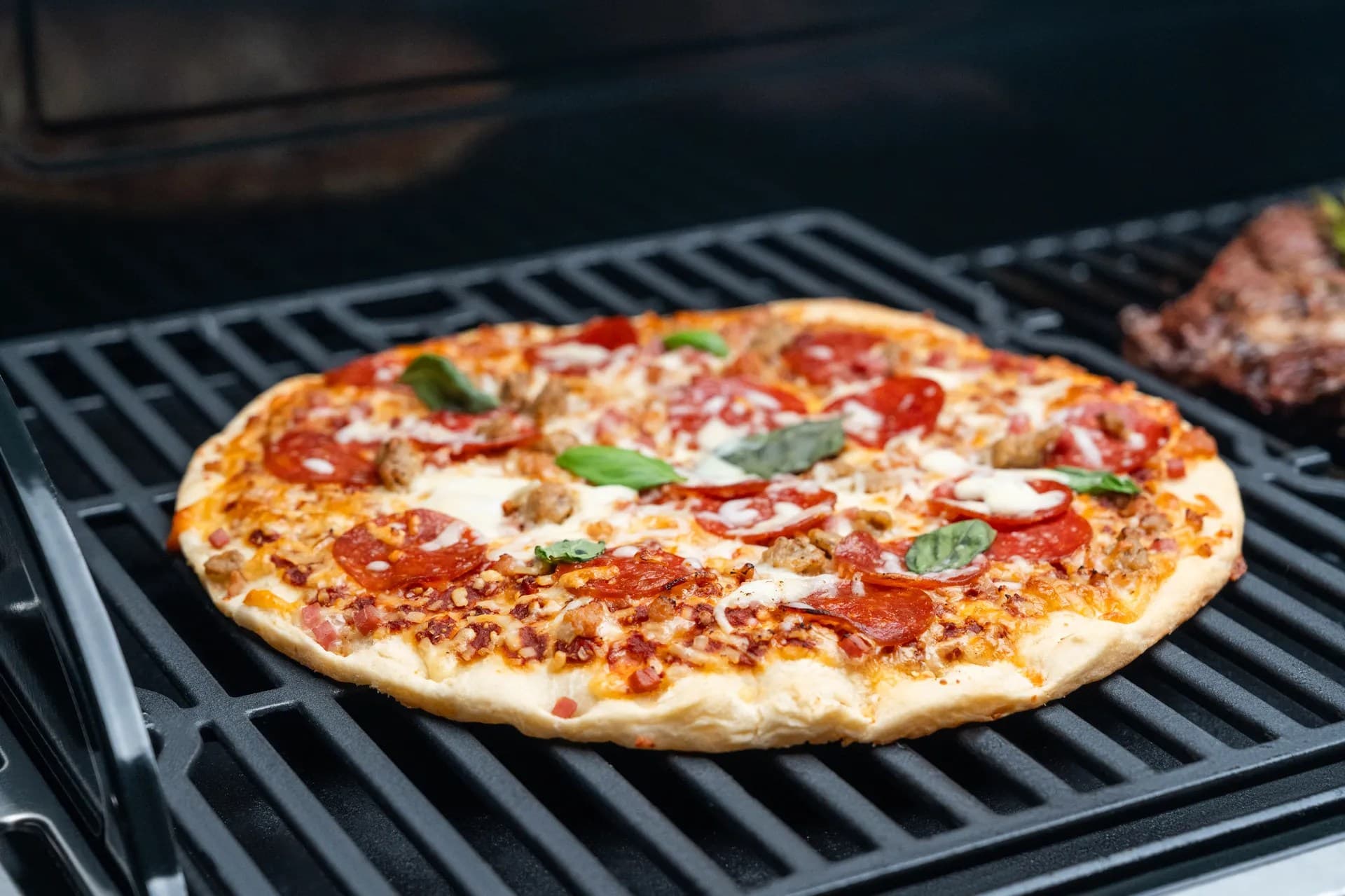
Discover unique marinades and techniques to enhance your spring grilling experience.
Here's what sets us apart from the competition
We position ourselves as delivering high-end outdoor cooking features and performance without premium-brand pricing, emphasizing “Quality Grills. Unbelievable Value.”
We offer gas grills, pellet grills, griddles, smokers, pizza ovens, portable/tabletop grills, electric grills, accessories, and replacement parts — allowing customers to stay within one ecosystem for all outdoor cooking needs.
We differentiate ourselves through smart grilling products like the Oakford smart pellet grill, including app-connected cooking controls and modern outdoor cooking technology.

Expert tips, buying guides, comparisons, and inspiration for choosing and getting the most out of your grill.
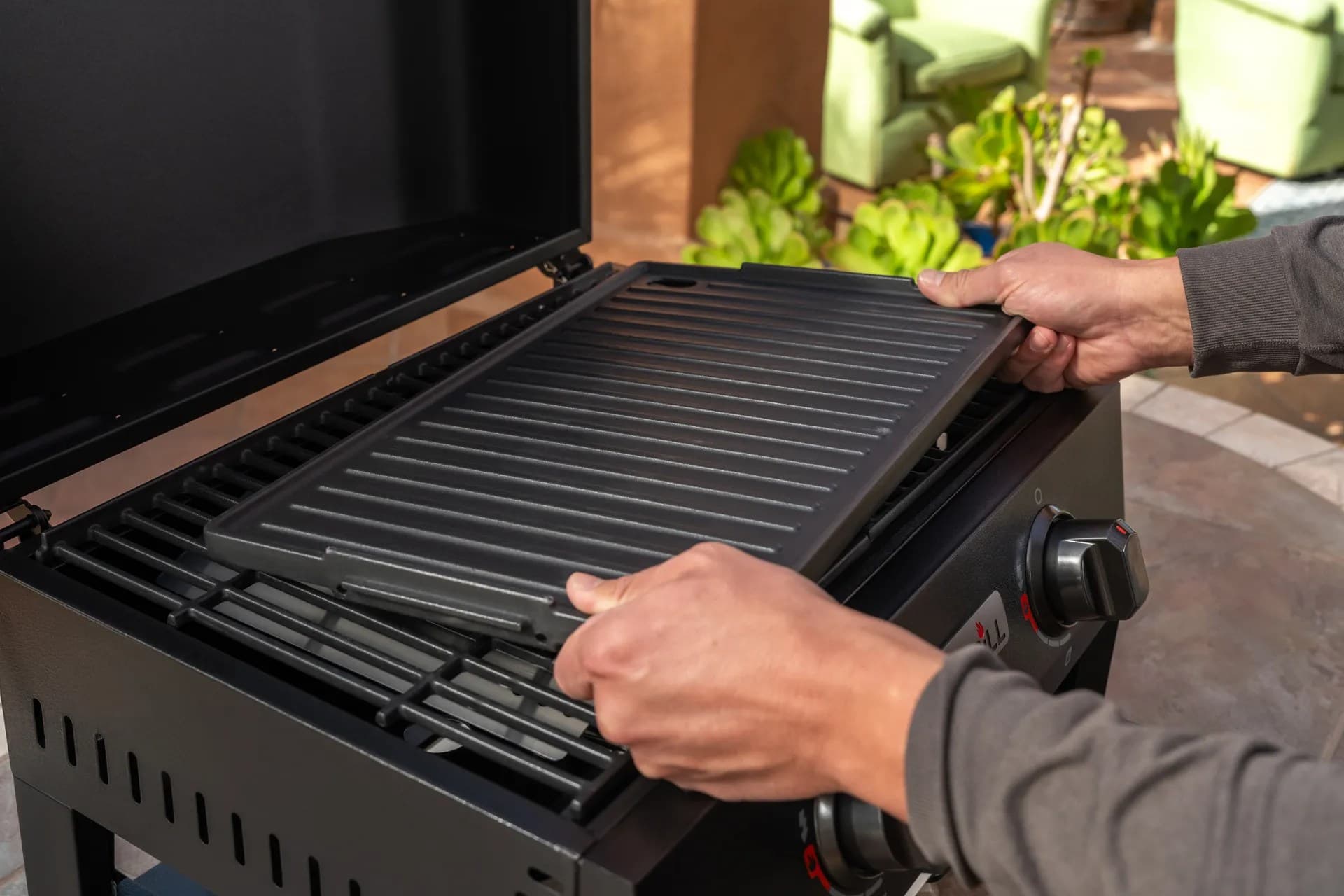
Practical guides for cleaning, maintenance, common grill issues, and performance optimization.
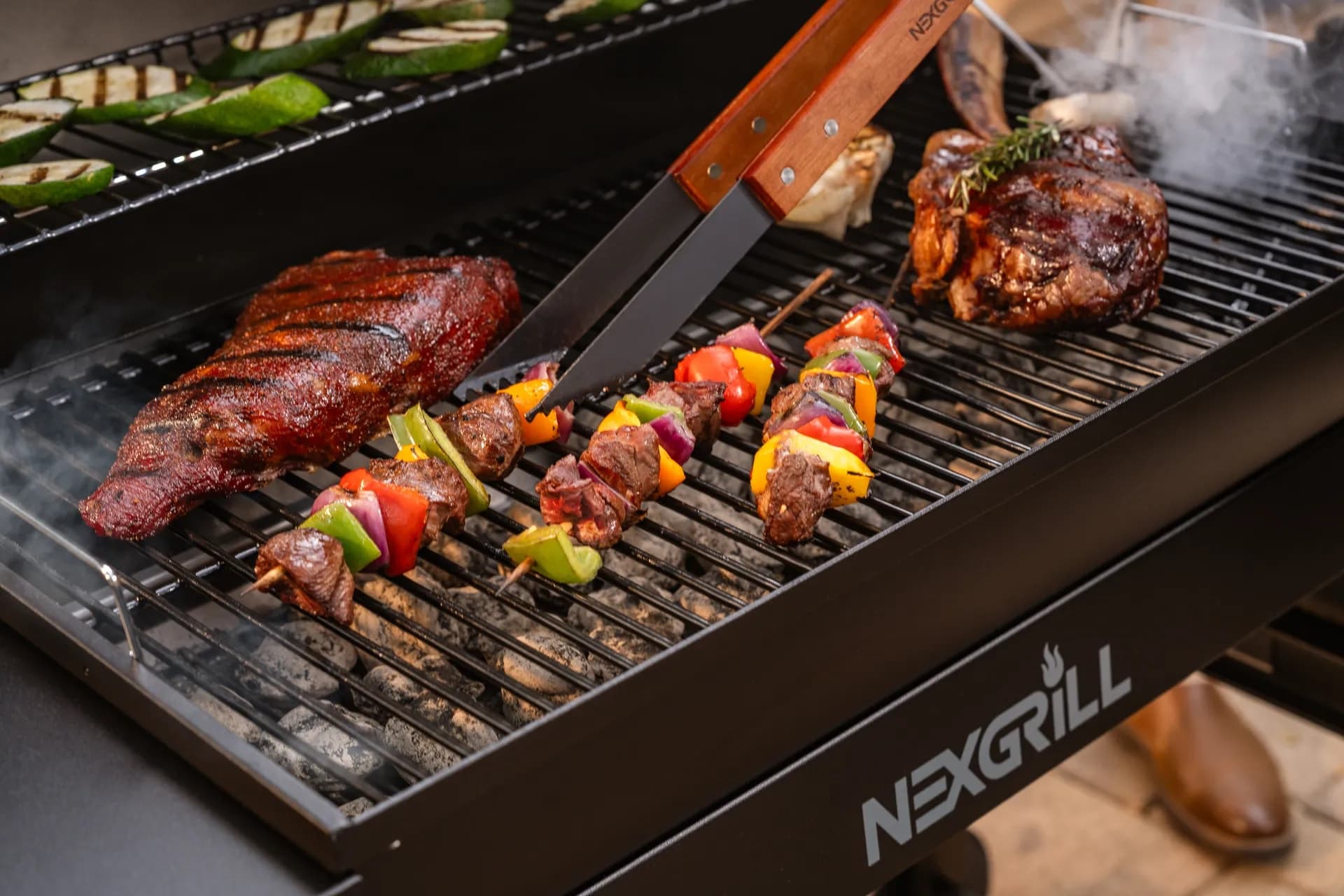
Step-by-step grilling recipes, cooking techniques, and meal ideas for every occasion and skill level.
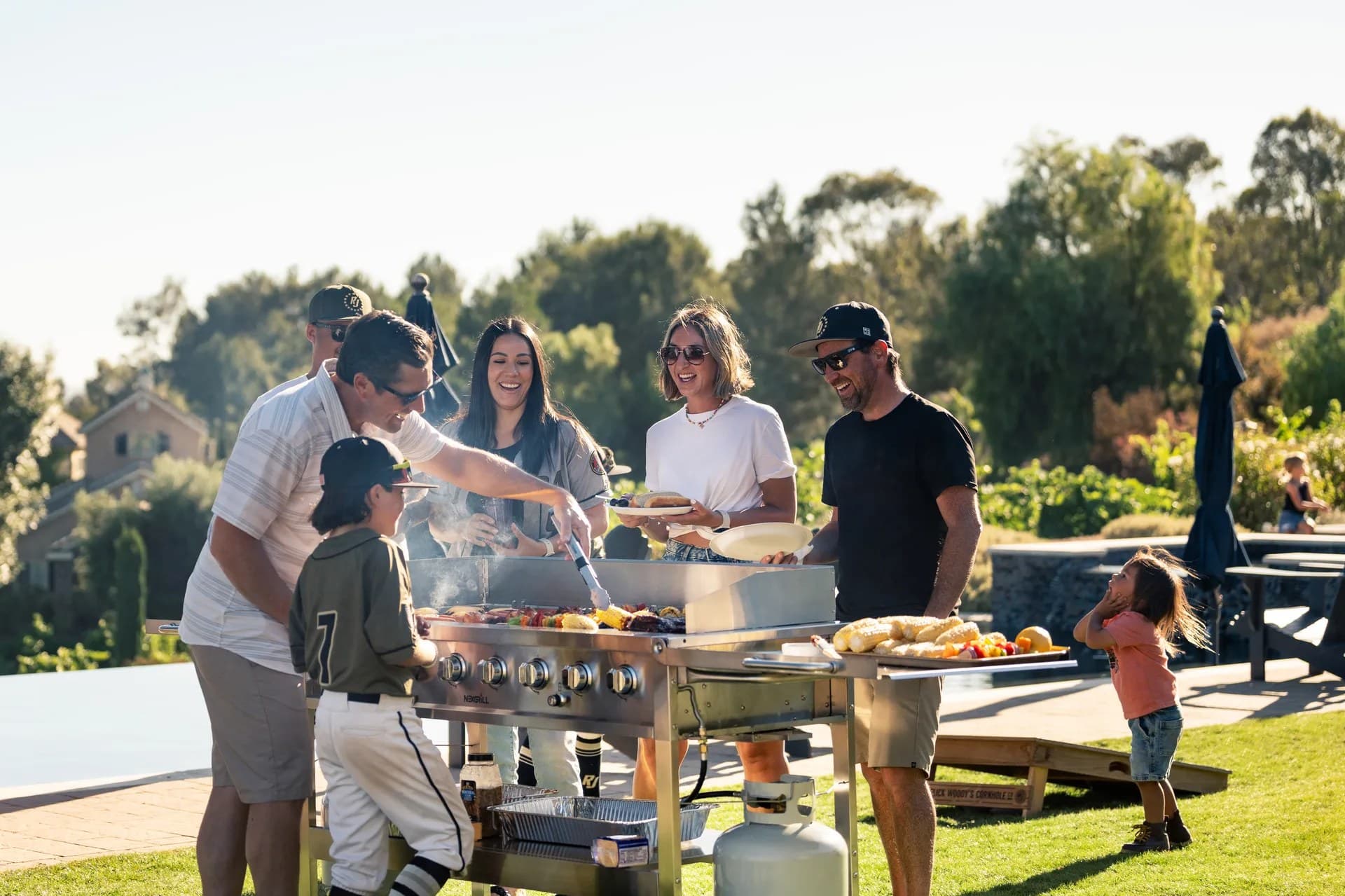
Backyard entertaining ideas, seasonal grilling inspiration, and stories that celebrate outdoor cooking culture.
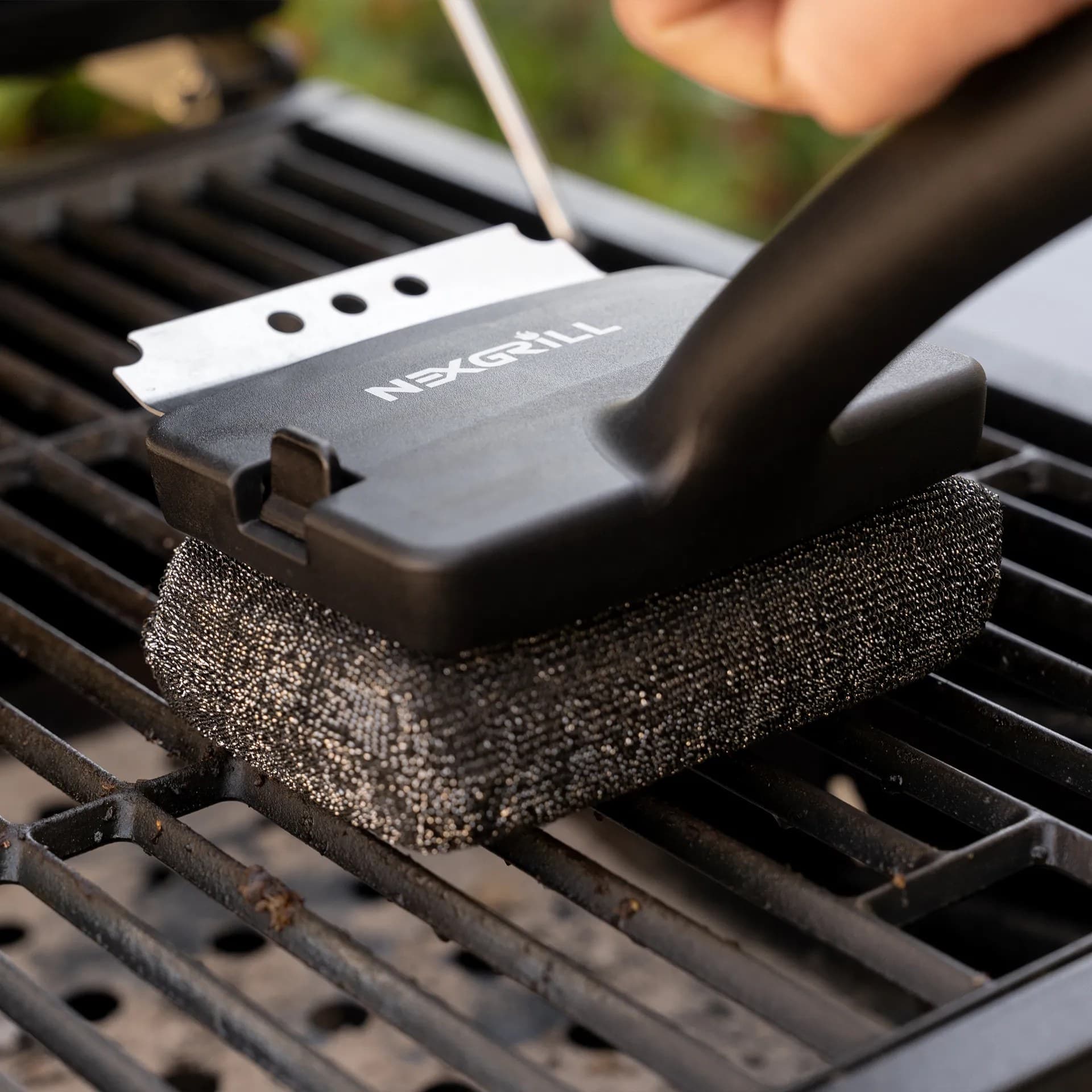
Helpful articles covering grilling tools, cookware, maintenance gear, and must-have accessories for outdoor cooking.
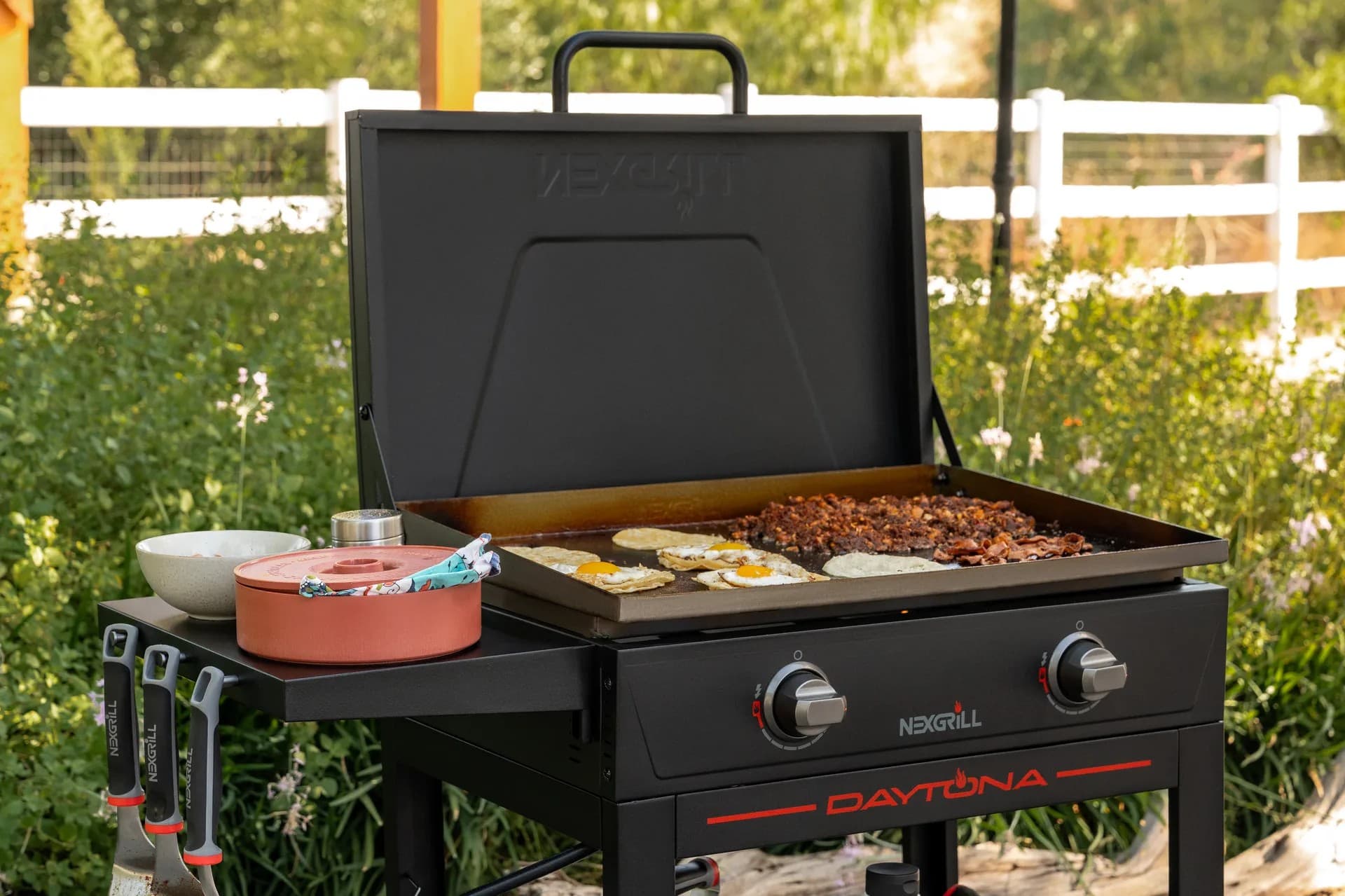
Find griddle recipes, cooking techniques, cleaning tips, and outdoor meal ideas designed for Nexgrill griddles.
Find answers to common questions
Nexgrill equipment is suitable for a variety of recipes including meats, vegetables, and even pizzas. Popular options include marinated steaks, grilled vegetables, and shrimp skewers.
To enhance the flavor of grilled vegetables, consider marinating them in olive oil, herbs, and spices before grilling. Alternatively, you can season them with salt and pepper during grilling for a more straightforward approach.
To achieve perfect grill marks, preheat your grill to a high temperature and ensure that the food is dry before placing it on the grill. Avoid moving the food too early, as it needs to sear properly to form those classic grill marks.
Using a meat thermometer is the most accurate way to ensure your grilled meat is at the desired temperature. For instance, chicken should reach an internal temperature of 165°F while medium-rare beef is typically at 135°F.
To clean your Nexgrill after cooking, allow it to cool and then use a grill brush to remove any residue from the grates. You can also wipe down the exterior with a damp cloth and mild soap to keep it looking its best.
In This Article
Citrus Herb Marinade
Spicy Mango Glaze
Garlic and Rosemary Infusion
Spring grilling works best when the food feels as fresh as the weather. That means lighter marinades, brighter aromatics, and cooking methods that keep the natural character of the meat intact instead of burying it under heavy sauce. The three marinades in this guide are built around that idea: a citrus herb blend that tastes clean and lively, a spicy mango glaze that brings gentle sweetness with enough heat to keep each bite interesting, and a garlic and rosemary infusion that leans into classic savory flavor. Together, they offer a useful spring menu for cooks who want variety without making meal prep complicated.
One of the smartest ways to approach spring-season-marinated-meats is to think in terms of contrast. Spring ingredients often have brightness, delicate perfume, and a sense of renewal, while grilled meat contributes smoke, browning, and richness. A good marinade should bridge those two worlds. Acid can lift flavor, but too much can make lean cuts tough if they sit too long. Oil can carry herbs and spices, but too much can prevent the surface from browning. Sugar can help a glaze caramelize, but excessive sugar can scorch over hot flames. Understanding those trade-offs makes the difference between a marinade that merely coats the meat and one that actually improves the final bite.
Spring marinade profiles featured in this guide, each suited to a different flavor mood and grilling style.
For a Nexgrill backyard cookout, these marinades also help you plan a meal around how the grill performs in real life. A two-zone setup lets you sear first and then finish over gentler heat, which matters when a glaze contains fruit sugars or when a thicker cut needs more time to cook through. That approach aligns well with the way Nexgrill grills and griddles are used across different spring gatherings, from quick weeknight dinners to relaxed weekend meals with friends and neighbors. The goal is not to chase complexity for its own sake; it is to make meat taste vivid, balanced, and seasonal.
If you are shopping the menu for a mixed crowd, these three marinades also make planning easier. Citrus herb tends to please people who like clean, familiar flavors. Spicy mango is the option for cooks who want a little energy and color on the plate. Garlic and rosemary fits the guest who prefers an earthy, savory profile and wants the meat itself to stay front and center. That kind of range keeps spring cooking flexible and welcoming, which is very much in the spirit of a good outdoor gathering.
A citrus herb marinade works because it brightens without overpowering. Lemon, orange, or lime juice brings acidity, while herbs such as parsley, dill, thyme, or oregano add a green, aromatic note that feels especially right for spring. The best version has enough salt to season deeply, enough oil to carry the herbs, and enough citrus to make the meat taste lifted rather than heavy. This is the marinade to use when you want grilled chicken, pork tenderloin, or boneless thighs to taste clean and fresh.
A practical home version can be built around 1/4 cup citrus juice, 1/4 cup olive oil, 2 tablespoons chopped herbs, 2 minced garlic cloves, 1 teaspoon kosher salt, and a small amount of honey to round the acidity. The honey is optional, but it helps the surface color a little more evenly, especially on thinner cuts. If you want a more pronounced spring profile, add lemon zest or a little grated shallot. For a sharper finish, use more lime and cilantro. For a softer, Mediterranean direction, lean on orange and thyme.
| Best Use | Why It Works | Grill Note |
|---|---|---|
| Chicken thighs | The marinade penetrates well and keeps the meat juicy. | Cook over medium heat to avoid burning the herbs. |
| Pork tenderloin | Citrus cuts through richness and keeps the flavor lively. | Sear briefly, then finish over indirect heat. |
| Shrimp or fish | Bright herbs and acid complement delicate seafood. | Marinate briefly and grill fast to protect texture. |
Watch the clock: acidic marinades can tighten lean meats if they sit too long. For thin cuts or seafood, a short marination window is usually enough.
This marinade shines when the meat is paired with the right heat management. A preheated grill gives you the browning you want, but citrus and herbs can darken quickly, so it helps to start over a hotter zone and then move the meat to a cooler area to finish. On a Nexgrill gas grill, that means setting one side of the grill to medium-high and leaving the other side lower or off. That simple move protects delicate herbs from turning bitter while letting the meat cook evenly. For charcoal cooking, arrange coals to one side so you can control flare-ups and keep the surface from scorching.
Spicy mango glaze is the boldest of the three spring-season-marinated-meats options because it plays with two competing sensations at once: fruit sweetness and peppery heat. Mango brings a tropical, sunlit flavor that feels naturally seasonal, while ingredients like chili flakes, hot sauce, jalapeño, or chipotle keep the glaze from becoming one-note. It works especially well on chicken wings, pork chops, and even salmon, where the glaze can caramelize and create a glossy finish.
The key to a good mango glaze is texture. Fresh mango purée gives you body, while a splash of vinegar or lime juice sharpens the finish. A little brown sugar can help if the mango is not fully ripe, but too much sugar increases the risk of burning. The best balance usually comes from blending mango with lime, garlic, a small amount of heat, and a little neutral oil. If you want a deeper flavor, add ginger. If you want a smokier edge, a bit of paprika or chipotle works well.
Temperature zones matter most for fruit-based glazes, because sugar can caramelize quickly and then burn.
This glaze benefits from a two-stage approach. First, let the meat absorb the seasoning base. Then, brush on the mango glaze during the final minutes of cooking so the sugars can set without scorching. That timing matters most on thinner cuts and wings. For pork chops, a quick sear followed by a gentle finish lets the glaze cling without drying out the meat. For chicken, glaze near the end, turn frequently, and keep a spray bottle or cooler zone ready in case flare-ups start. If you are grilling fish, go even lighter with the glaze and use it as a finishing layer instead of a heavy marinade.
Tip: if the mango mixture tastes great raw but too sweet once heated, add a little lime zest or vinegar before grilling. That extra acidity keeps the glaze lively after caramelization.
This is the kind of recipe that makes spring gatherings feel festive without requiring a complicated menu. The color is vibrant, the aroma is inviting, and the flavor profile stands out alongside grilled vegetables, rice, or a crisp salad. It also works well when you are cooking for people who like a little excitement on the plate but do not necessarily want full-on chili heat. In that sense, it bridges casual and adventurous eaters nicely.
Garlic and rosemary is the most traditional profile in this lineup, but it is traditional for a reason: it highlights the meat rather than masking it. Rosemary has a piney, resinous aroma that stands up well to grilling, while garlic adds savory depth and a familiar comfort-food note. This infusion is especially good for lamb, beef, and bone-in chicken, where the herb can echo the richness of the meat without overwhelming it.
To keep the flavor clean, it helps to treat rosemary carefully. Chopped fresh rosemary works best when it is very finely minced so you do not end up with tough needles on the surface. Garlic should be minced or grated so it disperses evenly through the oil. Olive oil serves as the carrier, and a small amount of lemon juice or Dijon mustard can help the mixture cling to the meat. If you want more depth, add black pepper and a touch of crushed fennel seed. If you want a softer, more rounded profile, add a little honey or maple syrup.
| Meat | Best Marinade Detail | Target Finish |
|---|---|---|
| Lamb chops | Rosemary and garlic complement the meat’s natural richness. | Medium-rare to medium for best texture. |
| Sirloin steak | Adds a savory crust without hiding beef flavor. | Sear hot, then rest well before slicing. |
| Chicken thighs | Oil and herbs help the meat stay moist and aromatic. | Cook through over medium heat for even browning. |
The best grilling result with this marinade comes from patience. Rosemary can char if the fire is too aggressive, so medium heat usually works better than extreme direct heat. On a griddle, the garlic can become wonderfully fragrant, but you still want enough room to manage browning carefully. If the cut is thicker, use a sear-and-finish method. If it is thinner, keep the cook quick and let the rest time do some of the work in redistributing the juices. That keeps the meat tender and aromatic rather than dry or overly dark.
Tip: pair rosemary with a small amount of citrus zest if you want the aroma to feel more springlike without losing its classic savory character.
Great marinated meat starts before the food ever touches the grates. Begin by patting the meat lightly before grilling so the surface is moist but not dripping. Too much marinade can cause steaming instead of browning, especially if the mixture has fruit or honey. Allow the grill to preheat fully so the surface can sear immediately. This creates better flavor and helps prevent sticking. For most meats, a clean grate and a little oil on the surface are more useful than extra marinade pooled on top.
For spring-season-marinated-meats, temperature control matters as much as recipe choice. Citrus-based marinades usually like medium heat. Fruit glazes like mango need a gentle finish so the sugars do not burn. Garlic and rosemary can handle a hotter sear, but the herbs still benefit from a controlled fire. If you are cooking multiple cuts at once, group them by thickness and sugar level. Thin, lightly marinated pieces should go on first and come off first. Thicker, glaze-heavy pieces should finish last in the cooler zone.
Warning: never reuse marinade that has touched raw meat unless it has been boiled thoroughly first. For serving, reserve a separate portion of the mixture before adding the raw protein.
Resting matters too. After grilling, let the meat sit long enough for the juices to settle. Slicing too early can undo the work of a well-balanced marinade by spilling flavor onto the cutting board instead of keeping it in the meat. Resting also makes it easier to slice thinner pieces cleanly, which is especially helpful if you are serving a mixed spring spread with sides and salads. When the protein is rested correctly, the flavor reads as more complete and more satisfying.
Spring is the ideal time to cook with marinades that feel bright, fragrant, and just a little playful. Citrus herb brings freshness, spicy mango adds contrast and color, and garlic and rosemary delivers classic depth. Each one suits a different kind of eater, but all three share the same purpose: helping grilled meat feel seasonally appropriate and deeply satisfying. If you choose the marinade to match both the cut and the heat of the grill, the result will taste intentional rather than improvised.
For home cooks, the biggest advantage of these recipes is flexibility. You can use them on chicken, pork, beef, lamb, or seafood, and you can adjust the flavors to match the mood of the meal. Try comparing two products side by side below to see which fits best:
Once you have narrowed the flavor direction, spring grilling becomes less about following a rigid formula and more about understanding how marinade, meat, and heat work together. The best spring meals often come from simple ingredients used with attention: a bright citrus marinade on chicken, a fruit-forward glaze on pork, or a fragrant herb infusion on lamb or steak. That balance is what makes spring-season-marinated-meats so satisfying. The food tastes seasonal, but it also feels practical enough for an ordinary backyard dinner.
A useful way to think about spring grilling is to separate flavor into three jobs. First, the marinade seasons the meat. Second, it helps the surface brown. Third, it sets the tone of the meal so the sides and sauces can stay in harmony instead of competing. Citrus herb leans clean and lively. Spicy mango brings a more festive, slightly tropical note. Garlic and rosemary gives you a savory backbone that feels dependable and familiar. When you match those marinades to the right cut, you reduce the chance of ending up with a dish that tastes too sharp, too sweet, or too heavy for the season.
A good spring marinade does three jobs at once: seasons, browns, and complements the sides on the plate.
Another reason spring is such a strong season for marinated meats is that the weather encourages flexible hosting. Some nights call for a quick cook after work, while others turn into a longer weekend meal with family or neighbors. That is where equipment and technique matter. A grill that lets you create a hot side and a gentler side gives you more control over marinades that include sugar, fruit, or fresh herbs. A griddle can also be useful for smaller pieces or for finishing ingredients like onions and citrus halves that support the final plate. Nexgrill’s broader outdoor cooking lineup fits that kind of menu planning well because it supports different ways of cooking without forcing every recipe into the same method, and the brand’s focus on approachable, welcoming outdoor cooking reflects the spirit of shared meals at the center of spring gatherings .
The citrus herb profile is the most adaptable of the three when you want a meal to taste fresh without feeling overly delicate. In practical terms, it works especially well with boneless chicken, pork cutlets, turkey breast, and mild fish. The citrus wakes up the palate; the herbs give the marinade structure. To keep the result balanced, use one part acid, one part oil, and one part aromatic support. Lemon is sharp and classic, lime is more vivid, orange is softer and slightly sweet, and grapefruit can add a more grown-up bitterness if used carefully. Fresh herbs are preferable because they carry a cleaner aroma after grilling.
A strong version might combine citrus zest, minced garlic, chopped parsley, thyme, olive oil, salt, and black pepper. If you want to pull the flavor in a more picnic-style direction, dill and lemon are a natural pair. If you want something that feels closer to a Mediterranean spring dinner, rosemary should be used sparingly so it supports rather than dominates. The trick is to avoid making the marinade so acidic that it starts to cure the exterior. For lean meats, a shorter marination window is usually better than an overnight soak. That keeps texture tender and gives you more control on the grill.
On the grill, citrus herb benefits from a clean, hot surface and careful timing. Pat the meat lightly before it goes on so the surface can brown. If the marinade includes zest or chopped herbs, remove excess clumps that might char too quickly. Cook over direct heat only long enough to form color, then move the meat to a cooler zone if it needs more time. That method is especially useful when grilling boneless chicken pieces of different thicknesses, because the thinner ones can finish while the thicker ones stay juicy. If you are using a Nexgrill gas grill, a simple two-zone setup gives you that control without much fuss, which is useful for spring nights when you want dinner to move quickly but still taste composed.
Spicy mango glaze is the best option when you want the meal to feel a little more celebratory. Mango contributes a smooth, almost creamy sweetness that pairs well with chili, ginger, and lime. The result is approachable but not bland, and it can make pork, chicken, and seafood feel more vibrant. For spring, the color matters as much as the flavor. A mango glaze brings a sunny, golden finish that looks great against grilled greens or grains, and that visual cue helps the whole plate feel seasonal.
The most useful version starts with ripe mango purée, then adds lime juice, garlic, a pinch of salt, and a controlled amount of heat from chili flakes or jalapeño. A little vinegar can sharpen the glaze if the mango is very sweet. Ginger adds lift and pairs well with both pork and shrimp. If you want a deeper grill note, smoked paprika or chipotle can give the glaze a subtle ember-like finish. The key is restraint. Mango should taste like mango first. Heat should arrive afterward and keep the glaze from feeling sugary.
This is one of the few marinades where glazing timing is almost more important than the ingredient list. Apply the glaze too early and the fruit sugars may darken before the meat is done. Apply it too late and you lose the gloss and caramelized edge that make the dish special. The best method is to season the meat in advance, grill until nearly done, then brush on the glaze in layers during the last several minutes. Turn frequently and keep the fire moderate. That approach helps the glaze cling instead of running off. If the recipe includes a sticky component like honey, be even more careful and use a cooler finish zone so the sugars stay intact.
Garlic and rosemary is the most reassuring profile in the lineup, and it is often the one people return to when they want spring food to feel elegant without seeming fussy. It pairs naturally with lamb and beef, but it can also improve chicken thighs or bone-in breasts if you want an herb-forward profile with depth. The infusion works because garlic supplies a savory base while rosemary adds a woody, aromatic accent that survives heat better than many softer herbs. When used well, the seasoning tastes integrated rather than layered on top.
For a balanced mixture, combine olive oil, finely minced garlic, chopped rosemary, salt, black pepper, and a small amount of lemon juice or Dijon mustard. The mustard helps emulsify the marinade and gives the surface a little more grip on the grill. If you want a richer flavor, add a touch of olive oil and let the meat rest in the marinade long enough for the garlic to mellow slightly. For lamb chops, rosemary can be stronger because the meat can carry it. For chicken, keep the rosemary lighter and add thyme or parsley to soften the profile.
Heat management is crucial here because rosemary can burn and garlic can turn bitter if the grill is too aggressive. Medium-high direct heat is useful for the initial sear, but finishing over a gentler zone keeps the infusion from becoming harsh. This is where careful grilling really pays off. Let the meat release naturally before turning it. Avoid pressing it with a spatula, which only squeezes out moisture and disrupts the surface crust. Once it is cooked, let it rest so the garlic and rosemary aromas settle into the meat instead of escaping in the first cut.
The best grilling technique depends on the marinade, but a few principles hold across all three flavor profiles. Start with a clean grill so leftover residue does not interfere with the new marinade. Preheat fully, because marinated meat needs immediate contact with heat to build color and avoid sticking. If the marinade contains fruit, honey, or a noticeable amount of sugar, set up a cooler zone nearby so you can move the meat before the sugars darken too much. This is especially important for the spicy mango glaze.
A quick reference helps when planning the cook:
| Marinade | Primary Technique | Best Heat Approach | Main Risk |
|---|---|---|---|
| Citrus Herb | Quick sear, then finish gently | Medium direct heat with a cooler zone | Overtenderizing from too much acid |
| Spicy Mango | Season first, glaze near the end | Moderate heat with frequent turning | Burning sugar or scorching fruit |
| Garlic and Rosemary | Hot sear, then rest well | Medium-high at first, then lower finish | Bitterness from charred herbs |
Another technique that helps all three marinades is handling the meat properly before it goes on the grill. Let excess marinade drip off, then place the protein on the grate without crowding it. Crowding traps steam and weakens browning. Turn only when the surface releases cleanly, because that is usually the sign that the crust has developed. Use a thermometer for thicker cuts when possible, especially if you are serving guests and want consistency across multiple pieces. For thin cuts, visual cues and touch matter more, but resting still matters in every case.
Warning: if you brush on reserved sauce too early, the sugars or acid can overtake the sear you worked for. Save a fresh, separate portion for finishing or serving.
Nexgrill’s brand emphasis on approachable outdoor cooking and shared meals fits this style of grilling well, because the technique is meant to help people gather around food without making the process feel intimidating . That matters in spring, when the goal is often to cook something memorable without spending the whole afternoon managing the fire.
The right sides can make marinated meat feel like a complete spring meal instead of just the center of the plate. Citrus herb pairs naturally with foods that echo freshness: shaved fennel salad, grilled asparagus, herb rice, cucumber salad, or simple roasted potatoes with olive oil. These sides keep the menu light and help the citrus read as refreshing rather than sharp. If the protein is chicken or pork, a grain salad with herbs and a little feta can add body without competing with the marinade.
Spicy mango does best with sides that calm the heat and support the sweetness. Coconut rice, charred corn, black bean salad, avocado slices, and grilled plantains all fit the mood. If you want a crisper contrast, a cabbage slaw with lime and a touch of salt will cut through the glaze and keep the plate balanced. This is also a strong place to use grilled vegetables because their char can echo the glaze without making the meal heavier. A citrusy slaw or a cucumber-based salad can do the same job if you want the meal to stay cool and bright.
Garlic and rosemary calls for sides with a more earthy, steady character. Consider fingerling potatoes, spring onions, mushrooms, roasted carrots, or a simple white bean salad with lemon and parsley. These side dishes support the herbaceous tone without pulling focus away from the meat. A crusty loaf or flatbread is also useful when the marinade has a lot of olive oil and garlic, because it gives diners something to sop up the juices. If you are serving lamb, mint is a classic companion, but use it sparingly so it complements rather than crowds the rosemary.
A practical way to plan the table is to match the intensity of the side dish to the intensity of the marinade. Bright marinades call for crisp sides. Sticky glazes call for cooling sides. Savory herb marinades call for grounded, earthy sides. That structure makes the whole meal feel intentional and easier to pull together. It also helps if you are feeding a mixed group with different preferences, because the flavors stay distinct while still working as a single menu.
Spring grilling rewards cooks who stay alert to balance. Citrus herb brings freshness, spicy mango adds energy, and garlic and rosemary adds calm, savory depth. When those marinades are paired with the right cut, the right heat, and the right sides, they create meals that feel distinctly seasonal without requiring complicated prep. That is the real value of spring-season-marinated-meats: they give you a flexible framework for cooking outdoors in a way that feels both easy and thoughtful.
If you are deciding which flavor direction to use first, start with the one that best matches your audience. For a family dinner, citrus herb is the safest crowd-pleaser. For a more festive cookout, spicy mango gives the plate a little drama. For a quieter dinner where the meat itself should shine, garlic and rosemary is hard to beat. However you choose, keep the marination time appropriate, keep the grill zones under control, and serve the meat with sides that help the flavor read cleanly from the first bite to the last.
Here's what sets us apart
We position ourselves as delivering high-end outdoor cooking features and performance without premium-brand pricing, emphasizing “Quality Grills. Unbelievable Value.”
We offer gas grills, pellet grills, griddles, smokers, pizza ovens, portable/tabletop grills, electric grills, accessories, and replacement parts — allowing customers to stay within one ecosystem for all outdoor cooking needs.
We differentiate ourselves through smart grilling products like the Oakford smart pellet grill, including app-connected cooking controls and modern outdoor cooking technology.
Don't just take our word for it
Keep reading
From our catalog