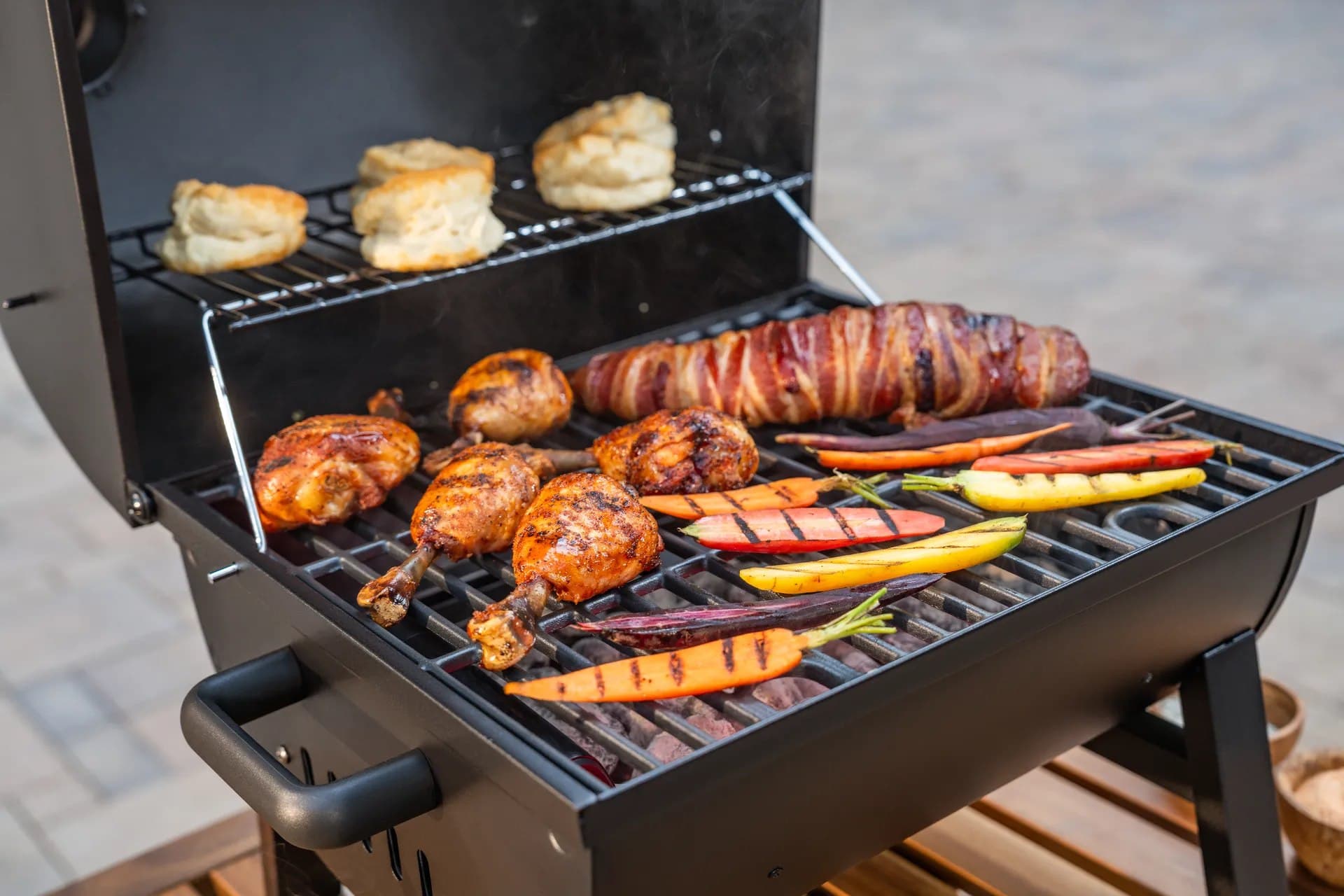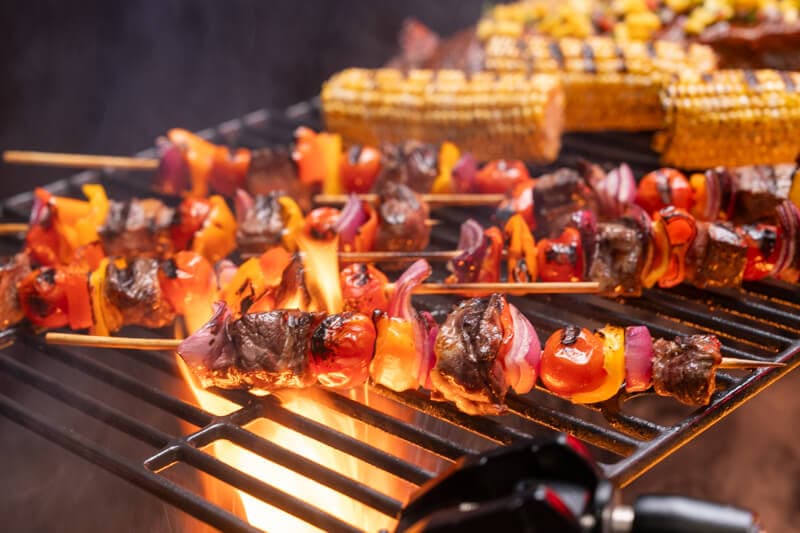
Elevate your spring barbecues with these vibrant and easy-to-prepare side dishes.
Here's what sets us apart from the competition
We position ourselves as delivering high-end outdoor cooking features and performance without premium-brand pricing, emphasizing “Quality Grills. Unbelievable Value.”
We offer gas grills, pellet grills, griddles, smokers, pizza ovens, portable/tabletop grills, electric grills, accessories, and replacement parts — allowing customers to stay within one ecosystem for all outdoor cooking needs.
We differentiate ourselves through smart grilling products like the Oakford smart pellet grill, including app-connected cooking controls and modern outdoor cooking technology.
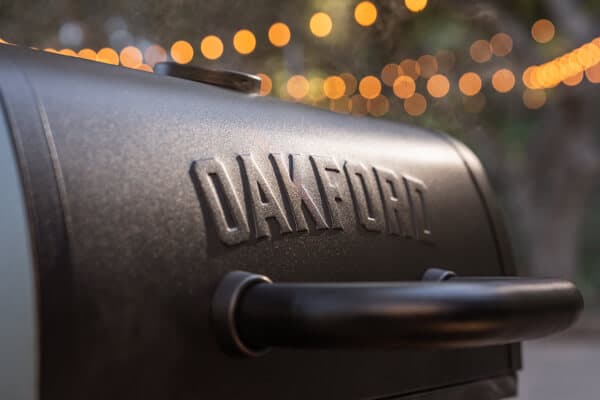
Expert tips, buying guides, comparisons, and inspiration for choosing and getting the most out of your grill.
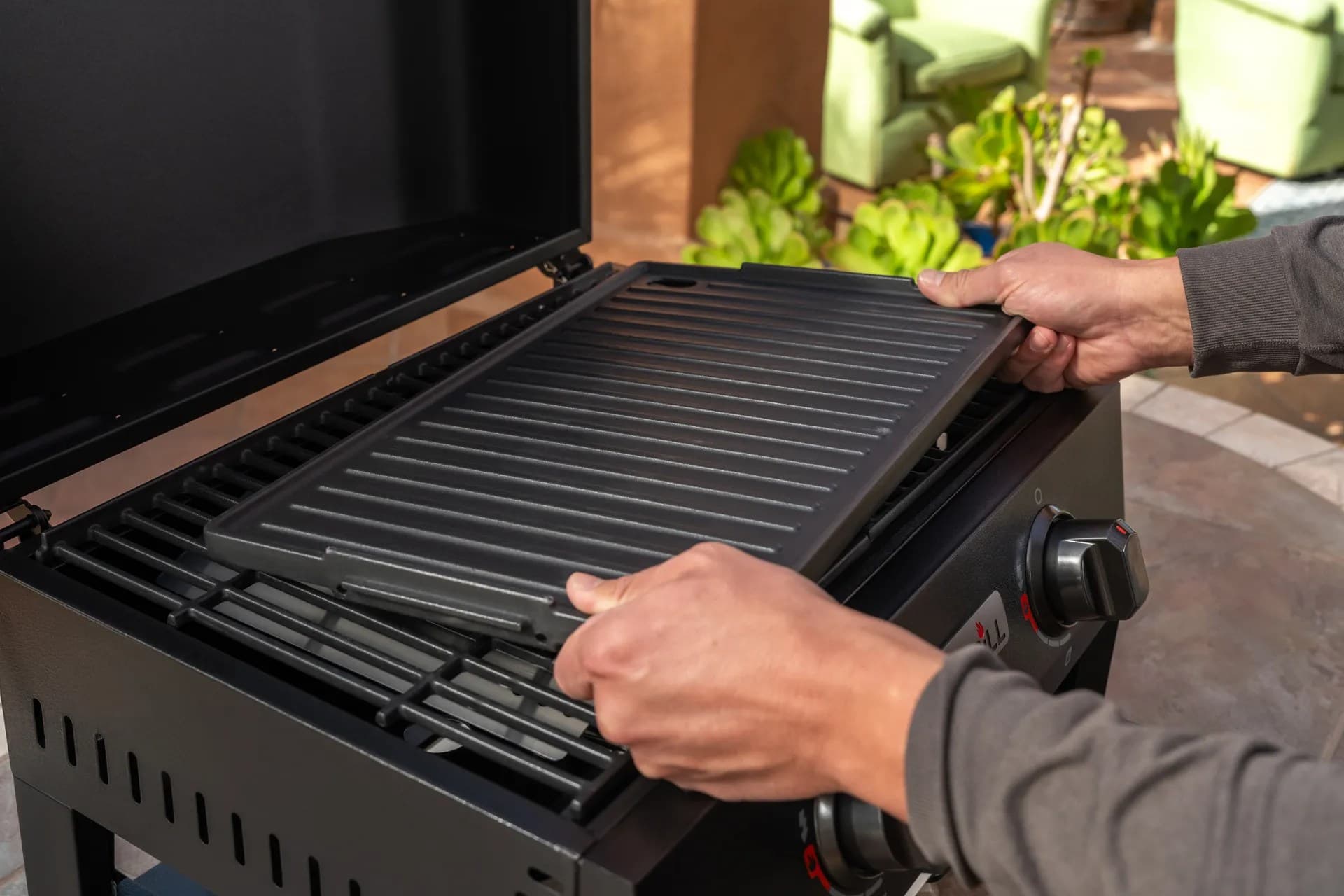
Practical guides for cleaning, maintenance, common grill issues, and performance optimization.
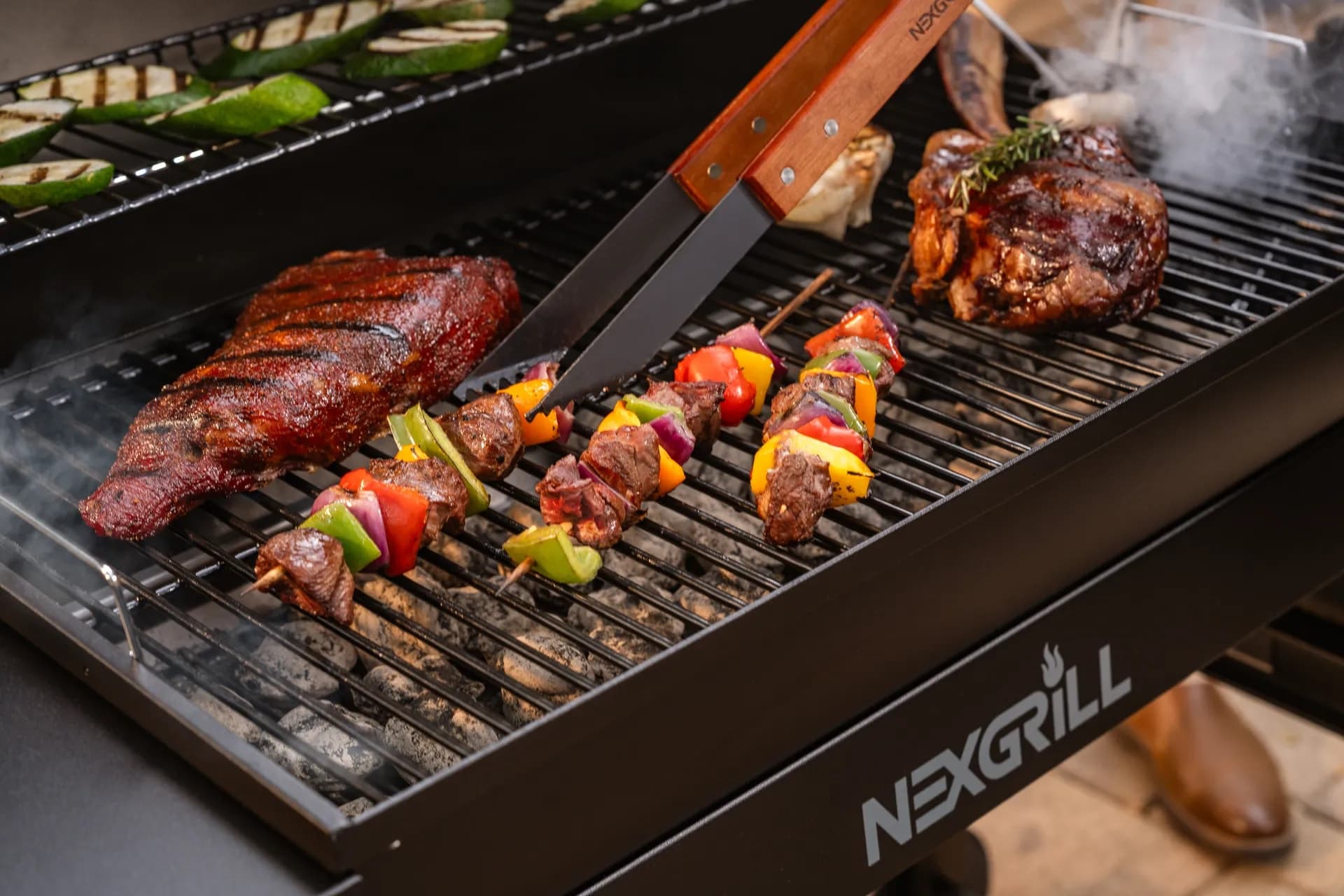
Step-by-step grilling recipes, cooking techniques, and meal ideas for every occasion and skill level.
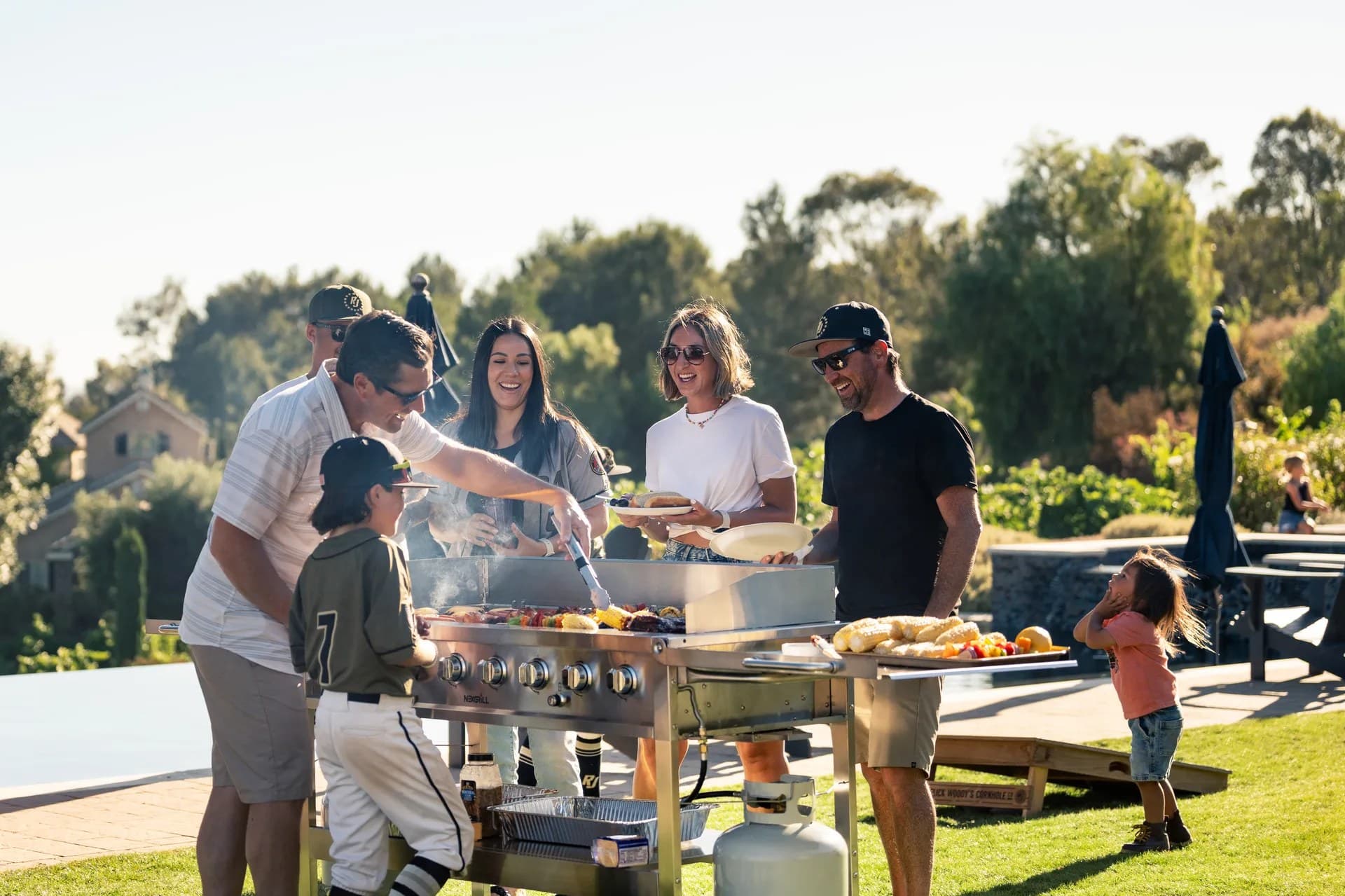
Backyard entertaining ideas, seasonal grilling inspiration, and stories that celebrate outdoor cooking culture.
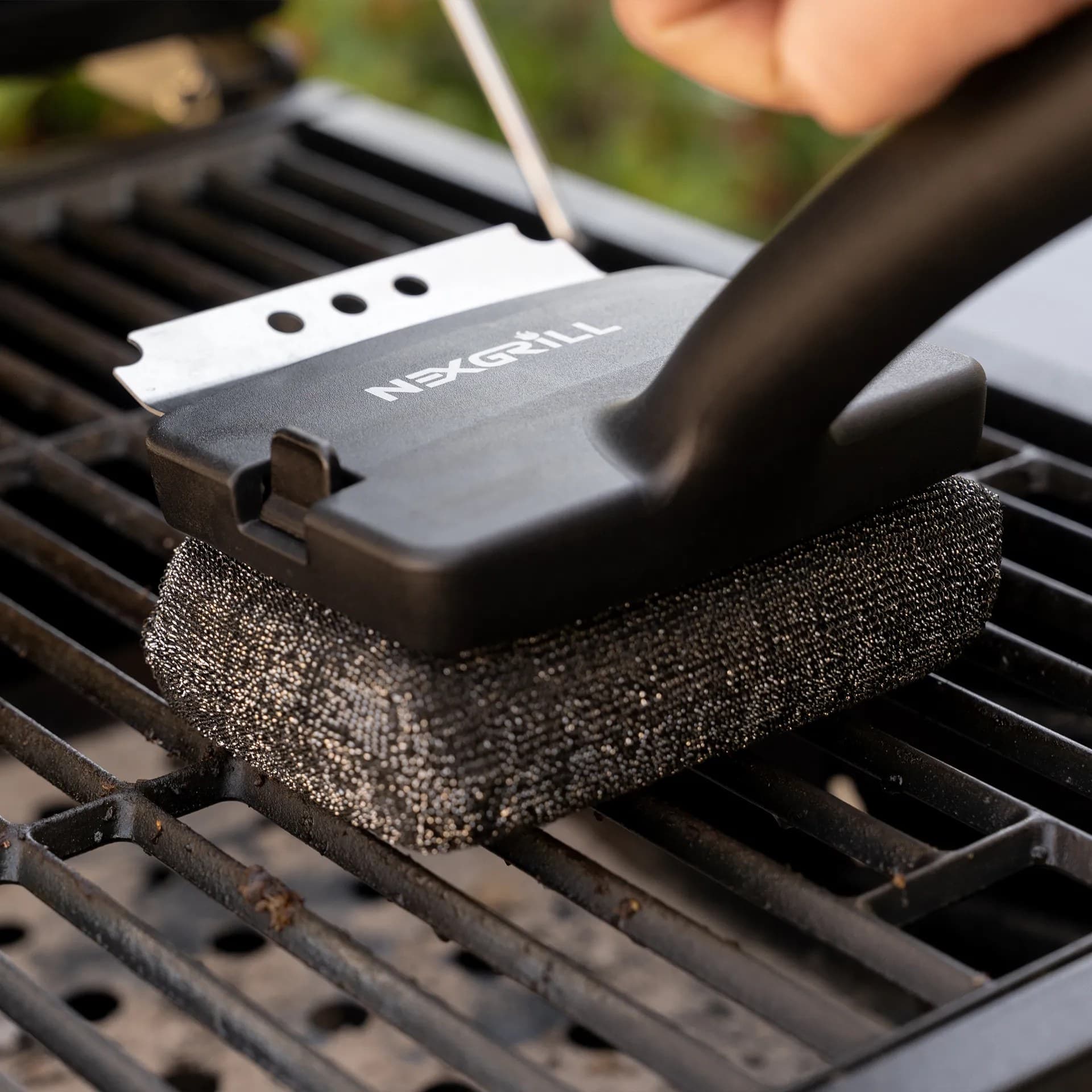
Helpful articles covering grilling tools, cookware, maintenance gear, and must-have accessories for outdoor cooking.
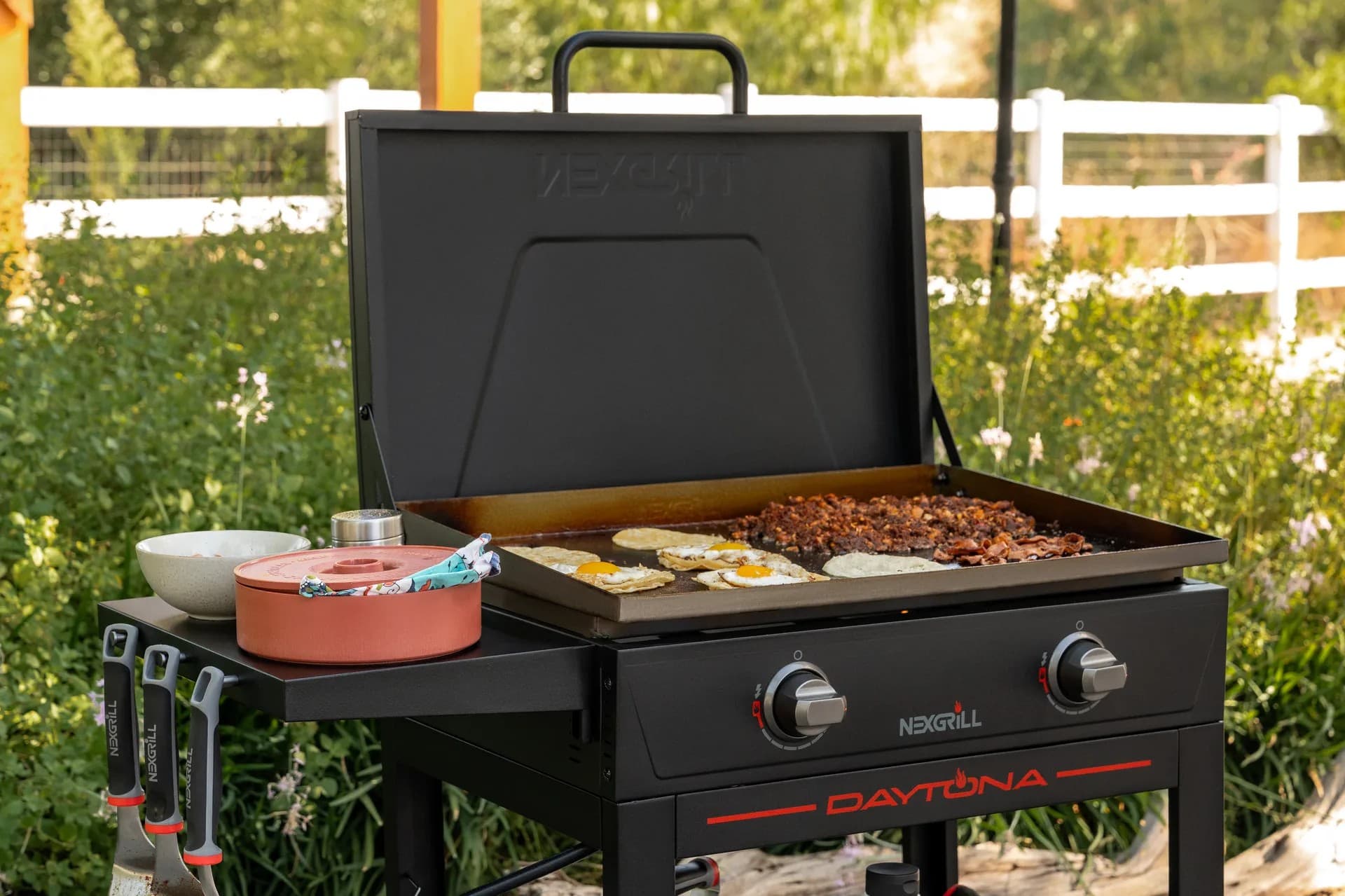
Find griddle recipes, cooking techniques, cleaning tips, and outdoor meal ideas designed for Nexgrill griddles.
Find answers to common questions
Nexgrill equipment is suitable for a variety of recipes including meats, vegetables, and even pizzas. Popular options include marinated steaks, grilled vegetables, and shrimp skewers.
To enhance the flavor of grilled vegetables, consider marinating them in olive oil, herbs, and spices before grilling. Alternatively, you can season them with salt and pepper during grilling for a more straightforward approach.
To achieve perfect grill marks, preheat your grill to a high temperature and ensure that the food is dry before placing it on the grill. Avoid moving the food too early, as it needs to sear properly to form those classic grill marks.
Using a meat thermometer is the most accurate way to ensure your grilled meat is at the desired temperature. For instance, chicken should reach an internal temperature of 165°F while medium-rare beef is typically at 135°F.
To clean your Nexgrill after cooking, allow it to cool and then use a grill brush to remove any residue from the grates. You can also wipe down the exterior with a damp cloth and mild soap to keep it looking its best.
In This Article
Grilled Asparagus with Tahini Super Sauce
Spiced Lentil and Carrot Salad
Braised Leeks, Peas, and Lettuce
Spring barbecue sides should feel as bright and inviting as the season itself. After a long winter of heavier comfort food, the best spring-bbq-sides bring color, crunch, and freshness to the table without asking you to spend all afternoon cooking. They work especially well when you are grilling outdoors for a smaller family dinner, a casual neighborhood get-together, or a larger backyard meal where the main dish is carrying most of the fire and smoke. These sides are designed to complement grilled chicken, steak, salmon, sausages, and even a simple platter of vegetables, while adding the crisp, herb-forward contrast that makes a spring meal feel complete.
The key is balance. Spring produce often needs very little help: asparagus, radishes, peas, carrots, leeks, mint, and lettuce all bring natural sweetness or bite. On the grill, those flavors become more layered. A little char deepens asparagus. A quick blister on green beans gives them snap and a faint smokiness. Even a warm braise can turn leeks and peas into something elegant enough for a special occasion, yet still easy enough for a weeknight cookout. These recipes lean into that fresh-but-substantial sweet spot, so the side dish does not disappear next to the main course.
Tip: For spring sides, think in terms of contrast. If the main is rich or saucy, choose something crisp and acidic. If the main is lean and simple, bring in creamy elements like tahini, ricotta, or walnuts for body.
Nexgrill’s brand philosophy is built around shared meals and welcoming tables, and that makes this style of cooking a natural fit. The point is not to create fussy food; it is to make dishes people actually want to pass around and eat together. These sides are approachable for newer cooks, but they still reward experienced grillers who care about seasoning, texture, and timing. In practice, that means using a hot grill for quick vegetables, preparing dressings ahead of time, and building recipes that hold up if the party runs a little late. Because spring gatherings often move from patio to table and back again, the best sides are the ones that stay delicious even after a little resting time.
What also makes spring sides useful is their flexibility. You can serve them warm, room temperature, or lightly chilled depending on the dish and the weather. That matters in the United States, where spring can mean cool evenings in the Northeast, warm afternoons in the South, and breezy backyard cookouts across the Midwest and West. A well-made spring side should fit all of those situations without needing a complete menu rewrite.
Asparagus is one of the clearest signals that spring has arrived, and grilling it makes the vegetable taste fuller and more savory without burying its natural sweetness. For this dish, choose medium-thick spears rather than very thin ones. They hold up better over direct heat and give you a little more margin for error. Trim the woody ends, toss the asparagus with a small amount of oil, salt, and black pepper, then arrange it perpendicular to the grates so the spears do not fall through. On a hot grill, it usually takes only a few minutes for the tips to blister and the stalks to develop light char marks while still keeping a tender bite.
The tahini super sauce is what turns this from a simple grilled vegetable into a memorable side dish. Tahini brings nuttiness and creaminess, lemon sharpens it, garlic adds depth, and a little water helps the sauce become pourable rather than paste-like. You can also add a pinch of cumin or paprika for warmth, but the sauce should stay bright and balanced. The easiest way to avoid bitterness is to whisk the sauce slowly and taste as you go. If the tahini tightens after you add lemon, keep whisking in water until it loosens again. That transformation is normal and is part of what gives the sauce its silky texture.
Tip: Grill the asparagus first, then spoon the sauce over just before serving. That keeps the char visible and prevents the sauce from sliding off the warm stalks.
For serving, finish with toasted sesame seeds or a few chopped herbs such as parsley or dill. If you want to build this into a larger spring spread, pair it with something brighter and crunchier so the plate does not feel too uniform. It works particularly well beside grilled fish, herb-marinated chicken, or a grain-based salad. The tahini sauce also makes the dish satisfying enough that even guests who usually overlook vegetables will likely go back for seconds. Try comparing two products side by side below to see which fits best:
A spring barbecue menu benefits from at least one side that brings substance, and this salad does it without feeling heavy. Lentils are a smart base because they soak up dressing well, stay intact after mixing, and provide a satisfying texture that works at room temperature. Use green or brown lentils rather than red lentils, which can break down too easily. Cook them until just tender, then let them cool before dressing so they absorb flavor without turning mushy. Carrots add sweetness, crunch, and color, especially if you slice them thinly or shave them into ribbons for a lighter texture.
The spice profile should feel warm rather than aggressive. Ground cumin, coriander, and a little smoked paprika give the salad enough personality to stand up to grilled meats, while lemon juice or red wine vinegar keeps everything fresh. A good dressing here usually includes olive oil, citrus, salt, and a touch of honey or maple syrup if the carrots need help balancing the acidity. Fresh herbs such as parsley or cilantro can shift the salad in a more herbaceous direction, and crumbled feta is an optional add-in if you want more richness. Because the lentils carry the salad, you can make this dish ahead of time and let the flavors settle. In fact, it often tastes better after resting for 20 to 30 minutes.
Warning: Do not overcook the lentils. If they turn soft before you dress them, the salad loses its structure and starts to feel more like a stew than a side.
For a barbecue, this salad is especially useful because it is flexible across temperature ranges. You can serve it slightly warm if it comes together right before guests arrive, or chilled if you prepare it early. It pairs well with smoky proteins because the acidity cuts through richness, and it also complements grilled vegetables without competing for attention. If you want a more complete meal, serve it alongside flatbreads, grilled halloumi, or roasted chicken. The color mix of orange carrots and earthy lentils also gives the table a finished, intentional look, which matters when the goal is a spread that feels welcoming rather than rushed.
This dish brings a softer, more elegant side to the spring barbecue table. Leeks are often associated with soups and braises, but they are excellent when gently cooked with peas and tender lettuce. The trick is to treat them carefully: clean the leeks thoroughly because grit collects between the layers, then slice them into manageable pieces and cook them slowly in butter or olive oil until they become silky. Add a splash of stock or water to help them soften without browning too fast, then fold in peas near the end so they stay sweet and vibrant. Lettuce, especially romaine hearts or little gem, wilts quickly and adds a subtle green finish.
The result should be delicate but not bland. A squeeze of lemon, a pinch of salt, and perhaps a few mint leaves can wake up the dish and keep it from feeling too soft. This side works beautifully when the rest of the menu is heavily grilled, because it introduces a different texture and a gentler flavor profile. That contrast is what makes the table feel complete. If you are hosting an outdoor dinner where the weather is still cool in the evenings, braised leeks and peas bring a comforting element without abandoning the spring theme.
Because this is one of the few dishes in the group that is intentionally warm and tender rather than crisp and bright, it can serve as the anchor side for a menu that includes multiple cold salads. It is also a good choice when you want to show a little more range than the average cookout spread. Guests usually expect one raw salad and one grilled vegetable; this gives them something that feels a bit more restaurant-like while still being straightforward to make at home. Use a shallow pan so the vegetables cook evenly, and keep the heat moderate to prevent the leeks from breaking apart before the peas are added.
Radishes are one of the best tools for building a spring side that tastes as crisp as it looks. Their peppery bite becomes more approachable when shaved thinly, which also lets them soak up dressing more evenly. A mandoline makes this easier, but a sharp knife works if you keep the slices thin and consistent. Toss the radishes with a light vinaigrette, then add chopped walnuts for richness and mint for freshness. The walnuts matter here because they soften the peppery edge of the radish and add a satisfying crunch that makes the salad feel complete rather than decorative.
To keep the salad from tasting too sharp, use an acidic dressing with enough fat to round out the edges. Lemon juice, white wine vinegar, or apple cider vinegar all work well, and a drizzle of honey can help if the radishes are especially assertive. Mint should be used as a bright accent, not an overload, because it can take over quickly. If you want to make the salad more substantial, add shaved cucumbers, fennel, or a handful of arugula. But even in its simplest form, this dish is a useful counterpoint to richer mains like sausages, burgers, or grilled pork.
Tip: Salt the radishes lightly and let them sit for a few minutes before dressing. That softens their bite and draws out just enough moisture to improve the final texture.
This is the most stripped-down recipe in the collection, and that is exactly why it works. Green beans are easy to cook on the grill if you use a basket, a perforated pan, or sturdy skewers to keep them from dropping through the grates. The goal is to char the exterior just enough to create flavor while preserving the vegetable’s snap. Once the beans are cooked, serve them over a bed of ricotta and finish with lemon zest or juice. The ricotta adds cool creaminess that balances the smoky, blistered edges of the beans.
With only three primary components, technique matters. Dry the beans well before they hit the grill so they sear instead of steam. Use salt early and lemon at the end to keep the flavors vivid. Ricotta should be seasoned too, even if only lightly, because it acts as more than a garnish. A small amount of olive oil and salt stirred into the cheese makes the whole dish taste more deliberate. If you want to make the plate look even more polished, finish with cracked pepper or a few herbs, but the core idea should remain very simple: green, charred, creamy, and bright.
This side is especially good for spring gatherings where you want something that looks elegant without demanding much prep time. It can sit beside grilled salmon, roast chicken, or a mixed grill platter and still feel at home. The contrast between the warm beans and cool ricotta makes the dish feel more layered than the ingredient count suggests.
The final salad brings together sweet carrots, peppery radishes, fresh herbs, and pumpkin seeds for a side that has crunch in every bite. Shaving the vegetables rather than chopping them makes the texture lighter and lets the dressing cling more evenly. A simple vinaigrette with olive oil, lemon, Dijon mustard, salt, and a little honey gives the vegetables enough seasoning without hiding their natural flavor. Fresh herbs such as dill, parsley, or chives add complexity, while pumpkin seeds contribute a toasty note and more substantial crunch.
This is one of those dishes that benefits from assembly close to serving time. Carrots and radishes stay crisp, but herbs are most fragrant when freshly chopped, and seeds keep their crunch when added at the end. If you are planning a larger barbecue, this salad can easily sit beside a richer protein without feeling repetitive, because it tastes sharper and more textured than the carrot-and-lentil option. That difference is useful in a spring spread where several dishes may otherwise lean green and delicate.
For best results, taste the dressing before tossing. Carrots vary in sweetness, and radishes vary in bite, so a dressing that feels perfect on one day may need a little more salt or citrus on another. That small adjustment is what separates a good side from one that disappears from the bowl in minutes.
The strongest spring barbecue menus do more than fill space next to the main dish. They introduce contrast, seasonality, and a sense of occasion. Grilled asparagus with tahini, lentil and carrot salad, braised leeks with peas and lettuce, radish salad with walnuts and mint, charred green beans with ricotta, and shaved carrot-radish salad with herbs and pumpkin seeds each bring something different to the table. Together, they show how spring-bbq-sides can be fresh without being fragile, simple without being plain, and colorful without feeling like garnish.
If you are planning your next cookout, build the menu around one warm vegetable, one substantial salad, and one crisp, raw dish. That mix gives guests enough variety to keep coming back for more and gives the meal the kind of balance that feels thoughtful rather than improvised. For more inspiration on spring vegetable pairings and side-dish ideas, compare a few options side by side below and see which combination best fits your grill setup and guest list.
Once you've weighed two options against each other, the next step is deciding how the whole table should feel. Spring barbecue sides work best when they create a rhythm: one dish brings char, another brings crunch, and a third adds creaminess or warmth so the meal does not lean too heavily in one direction. That balance matters whether you are cooking for a few neighbors on a Saturday afternoon or hosting a bigger backyard gathering where the grill is only one part of the menu. Spring is the season where produce can do a lot of the heavy lifting, and a strong side dish proves that you do not need complicated recipes to make the meal feel memorable.
These recipes are intentionally built around vegetables that show up early in the season and hold their own against grilled mains. Asparagus, radishes, lentils, peas, carrots, leeks, green beans, mint, walnuts, ricotta, and tahini all bring textures that are distinct enough to keep the spread interesting. Just as important, they are practical. You can prep several components ahead of time, finish others on the grill in minutes, and serve the final dishes warm or at room temperature. That makes them ideal for United States spring cookouts, where the weather can swing from cool and damp to bright and breezy in the same weekend. When the menu needs to stay flexible, these sides help you adapt without losing the seasonal theme.
A well-planned spring menu also reflects the spirit of the season itself: open, shared, and relaxed. Nexgrill’s brand voice centers on bringing people together around food, and that idea fits naturally with these recipes. They are the kind of sides people pass around, talk about, and finish without needing a second thought. The best part is that they are not built around one narrow definition of barbecue. They can sit beside grilled steak, chicken thighs, salmon, lamb, or a vegetarian main and still feel right at home.
Tip: For a more polished spring spread, choose one side that is mostly raw, one that is cooked over heat, and one that uses a creamy element like ricotta or tahini. That trio gives the plate more range.
This is the recipe most likely to make your grill smell like spring. Asparagus develops a deep, savory edge when it meets direct heat, but it still needs a light hand. The best method is to trim the stalks, coat them lightly in oil, and season them simply so the final dish tastes clean. Grill the spears over high heat until you see a few char marks and the stalks turn bright green with some tender give. You want them cooked enough to lose raw bitterness, but not so much that they become soft or watery. The grill should do only what the vegetable cannot do on its own: add smoke, color, and a touch of caramelization.
The tahini sauce is the anchor. Start with tahini, lemon juice, garlic, salt, and water, then whisk until the mixture becomes smooth and glossy. Tahini can tighten up before it loosens, so the key is patience. If it feels thick, add water a teaspoon at a time until the sauce drapes rather than clumps. A little cumin or chile flake can make it more expressive, but the foundation should stay bright and creamy so it does not overpower the asparagus. Spoon the sauce onto a platter, then arrange the grilled spears on top or alongside so the sauce catches the charred edges. A few sesame seeds or chopped herbs will make the plate feel finished without making it busy.
Tip: This dish works especially well when your main course is rich. The lemon and tahini cut through fatty meats and make the whole plate feel lighter.
If you need a side that can be made ahead and still taste lively an hour later, this is it. Lentils hold dressing well, and carrots bring a sweet crunch that keeps the salad from feeling heavy. Cook the lentils until just tender, then cool them so they stay separate in the bowl. Grate, ribbon, or finely julienne the carrots depending on the texture you want; ribboned carrots feel lighter, while grated carrots blend more closely into the lentils and give a softer finish. The salad should taste earthy, fresh, and slightly warm from the spice blend, not aggressively spiced.
Use cumin, coriander, and paprika as the base, then add lemon juice or vinegar for sharpness. Olive oil carries the dressing, while a little honey smooths the edges if the carrots need it. Fresh parsley or cilantro gives the salad a green lift, and a sprinkle of toasted seeds or nuts can add even more crunch if desired. This is the type of side that appreciates resting time, because the lentils absorb seasoning and the carrots soften just enough to meld. It is a smart choice for spring barbecues where the meal may linger outside and people are grazing rather than sitting down all at once. The salad remains substantial without feeling stodgy, which makes it useful when you want something dependable on the table.
Warning: Keep the lentils intact. If they overcook, the dressing will make the whole salad look muddy and the texture will turn soft.
This side shifts the menu toward something more tender and comforting. Leeks need careful cleaning, but once that is handled, they cook beautifully in a shallow pan with butter or olive oil. Let them soften slowly until they are silky and lightly sweet. Add peas near the end so they stay vivid and fresh, then fold in lettuce just long enough to wilt. The finished dish should be glossy and delicate, with the vegetables still recognizable rather than collapsing into one texture. That balance is what makes it feel appropriate for spring rather than winter.
A little stock or water helps the leeks braise without browning too quickly, and a final splash of lemon lifts the entire pan. Mint or chives can add a sharp herb note if you want the dish to feel even brighter. This is a particularly good choice when the grill menu already includes smoky or heavily seasoned foods, because it gives the table a softer lane. It also serves as a useful bridge between grilled proteins and raw salads, making the meal feel more complete. If you are planning a dinner where guests will want something a little more refined than a standard vegetable side, this dish brings that feeling without turning into a complicated project.
Radishes are at their best when they are crisp, peppery, and sliced thin enough to be flattering on the plate. Shaving them reduces some of their sharpness while increasing their ability to soak up dressing. Pair them with walnuts for richness and mint for freshness, and you get a salad that tastes clean but not thin. A bright vinaigrette made with lemon juice or vinegar is essential here because it keeps the radishes from feeling too assertive. A touch of honey or maple can round out the bite if needed, but keep the dressing lively so the radish flavor remains recognizable.
This side is excellent when your barbecue has richer, heavier dishes because it cuts through them naturally. It also looks great on a platter, which matters when you want the table to feel generous and seasonal. If you want a little more volume, you can fold in shaved cucumber or fennel, but the basic combination already works well because the walnut crunch and minty lift create enough contrast. The main thing is not to overdress it. Radishes can quickly lose their snap if the vinaigrette sits too long before serving, so toss the salad close to mealtime and adjust the salt right at the end.
Tip: For extra freshness, chill the radishes briefly before slicing. Cold radishes stay crisp longer and make the salad taste brighter on a warm day.
This dish is proof that a small ingredient list can still make a smart barbecue side. Green beans take well to high heat when they are dry and cooked quickly, especially if you use a grill basket or another method that keeps them from falling through the grates. The goal is light char and tender-crisp texture, not softness. Once they come off the grill, set them over ricotta that has been lightly salted and perhaps loosened with a bit of olive oil. Finish with lemon so the whole dish wakes up.
The reason this combination works is simple: smoky beans, cool cheese, and bright citrus each do a different job. The ricotta gives the dish a creamy base without making it feel rich in a heavy way, while the lemon keeps the flavor from flattening. If you want the presentation to feel more composed, spread the ricotta on a platter first and pile the beans over it, then finish with zest or pepper. This side is especially helpful when the rest of the menu is already busy, because it gives the plate a clean, modern look and still brings enough flavor to matter. For spring entertaining, it has the added advantage of being fast enough to make while the main dish is resting.
The final side is the crispest of the group and perhaps the easiest to adapt to your own pantry. Shaved carrots bring sweetness and softness, while radishes add bite and pepper. Herbs such as dill, parsley, or chives make the whole bowl taste more alive, and pumpkin seeds provide a toasty crunch that keeps the salad from feeling too airy. A simple vinaigrette with lemon, Dijon, and olive oil is enough to tie it all together. Because the ingredients are naturally fresh, the main challenge is restraint. You want the dressing to support the vegetables, not drown them.
This salad is especially practical for spring cookouts because it can be assembled quickly and served almost immediately. It does not require special equipment, and it travels well if you are bringing a dish to someone else’s home. The pumpkin seeds also help the salad feel more substantial than a standard shaved-vegetable bowl, which makes it useful beside grilled chicken, fish, or lamb. For a more layered flavor, you can lightly toast the seeds before adding them, but even plain seeds provide enough crunch to change the texture. If you want the side to feel especially bright, use plenty of herbs and keep the shaving thin so every bite feels delicate.
The strongest spring barbecue spreads do not rely on one kind of texture or one note of flavor. They mix smoky, creamy, crisp, and tender elements so the plate keeps interesting as the meal goes on. That is what makes these sides effective. Grilled asparagus with tahini offers char and richness. Lentil and carrot salad brings depth and make-ahead convenience. Braised leeks with peas and lettuce adds softness and warmth. Radish salad with walnuts and mint contributes crunch and bite. Charred green beans with ricotta and lemon give you a quick, elegant counterpoint, while shaved carrot and radish salad with herbs and pumpkin seeds adds color and snap.
If you are planning a spring cookout in the United States, think about the weather, the main dish, and how long the food will sit before serving. A menu that includes one warm vegetable, one sturdy salad, and one crisp, bright dish is usually enough to make guests feel well fed without overwhelming the grill. That kind of planning is exactly what helps a casual backyard meal feel thoughtful. For additional inspiration, compare recipes, textures, and menu pairings using the options below, then choose the combination that best suits your table and your crowd.
Here's what sets us apart
We position ourselves as delivering high-end outdoor cooking features and performance without premium-brand pricing, emphasizing “Quality Grills. Unbelievable Value.”
We offer gas grills, pellet grills, griddles, smokers, pizza ovens, portable/tabletop grills, electric grills, accessories, and replacement parts — allowing customers to stay within one ecosystem for all outdoor cooking needs.
We differentiate ourselves through smart grilling products like the Oakford smart pellet grill, including app-connected cooking controls and modern outdoor cooking technology.
Don't just take our word for it
Keep reading
From our catalog